A Different Side of Quito
Most visitors to Quito head straight for the colonial center, and they should. But a short ride away, tucked between the modern business districts, sits La Floresta: a leafy, walkable neighborhood that has quietly become the city's creative nerve center.
No gold-leafed churches here. Instead, you'll find converted houses turned into galleries, murals covering entire building facades, third-wave coffee roasters, and the kind of independent bookshops where the owner will talk to you for an hour about Ecuadorian literature.
How La Floresta Became Bohemian
Hear a stop from this walk
Plaza de la Floresta: The Suburb That Kept Its Scale
The neighborhood was laid out from 1917 on a former hacienda and filled in through the 1940s as a low-density residential area. In 2021 the state declared 141 of its properties national heritage. Its streets are lined with modest two- and three-story houses, many with small gardens, unusual in dense, vertical Quito. By the early 2000s, rising rents in trendier neighborhoods like La Mariscal pushed artists, musicians, and small entrepreneurs into La Floresta's more affordable spaces.
The transformation wasn't planned. A few galleries opened. A couple of cafes followed. Street artists started using the neighborhood's blank walls as canvases. By the mid-2010s, La Floresta had developed a distinct identity, creative, slightly scruffy, and community-oriented, that set it apart from Quito's more polished districts.
The Street Art
La Floresta lets its walls to muralists. Unlike graffiti tags or simple throw-ups, many of these are large-scale commissioned works by established artists. The themes range from Indigenous identity and environmental activism to surreal, dreamlike compositions that play with the neighborhood's architecture.
What to Look For
Look around Parque Vizcaya, the small park on the block of Vizcaya, Valladolid, Lugo and Guipúzcoa, which began as a design drawn up with the neighbours and shown at the UN's Habitat III conference in 2016. Some span entire building sides, three or four stories of color visible from blocks away. Others are tucked into alleys and doorways, rewarding slow, curious walkers.
The art changes. New pieces appear regularly, and older ones are sometimes painted over. That impermanence is part of the point. La Floresta's walls are a living canvas, not a fixed gallery.
Coffee Culture
Quito sits in one of the world's great coffee-growing regions, and La Floresta has become ground zero for the city's specialty coffee scene. Small roasters source beans from farms in Loja, Zamora-Chinchipe, and the cloud forest slopes of Intag, roasting in small batches and serving pour-overs that rival anything in Portland or Melbourne.
This isn't Starbucks culture. Most La Floresta cafes are owner-operated, with a handful of tables and a barista who can tell you exactly which farm grew the beans in your cup. Prices are remarkably affordable by international standards. A world-class single-origin pour-over rarely costs more than a few dollars.
The Food Scene
La Floresta's dining options reflect its eclectic character. You'll find traditional Ecuadorian almuerzos (set lunches) alongside vegan restaurants, Japanese-Ecuadorian fusion, and bakeries specializing in sourdough, a recent arrival in a bread culture historically dominated by soft white rolls.
Markets and Street Food
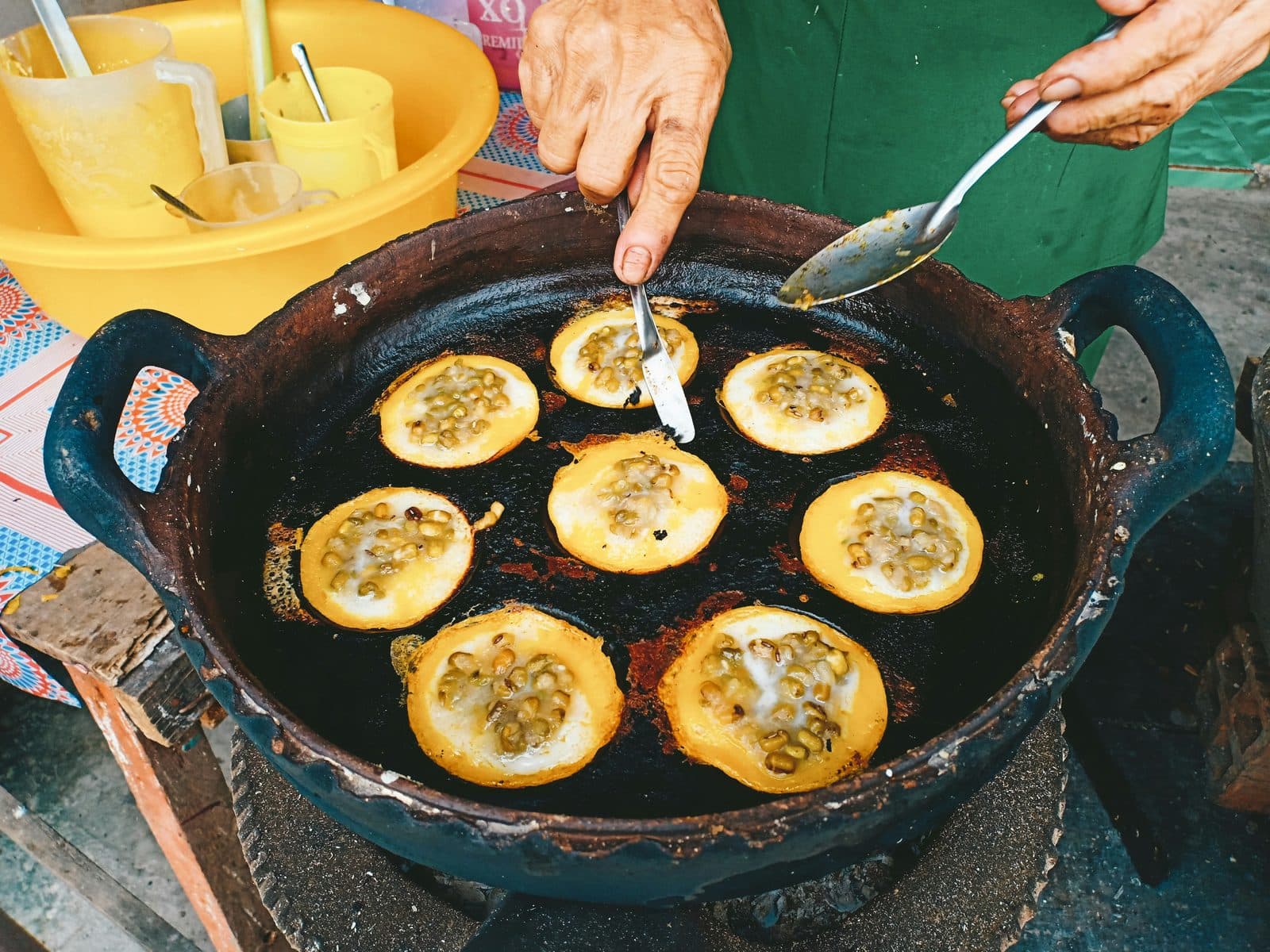
The neighborhood hosts a weekend organic market where highland farmers sell produce directly. It's smaller and less touristy than the famous markets in Otavalo or Guamote, but the quality is excellent and the atmosphere is pure neighborhood: families shopping, dogs wandering, someone playing guitar.
Culture and Community
La Floresta punches above its weight culturally. The neighborhood borders the Casa de la Cultura Ecuatoriana (Ecuador's national arts institution) and its Cinemateca Nacional, and it hosts several independent theaters. On any given evening, you might stumble into a film screening, a poetry reading, a jazz performance, or an exhibition opening.
Ocho y Medio
One of La Floresta's landmarks is Ocho y Medio, an independent cinema named after Fellini's 8 1/2, which opened on the corner of Valladolid and Vizcaya in September 2001. It screens art house and Latin American films, hosts film festivals, and has a cafe-bar that serves as an informal living room for the neighborhood's creative community.
Walking La Floresta
The neighborhood is compact enough to explore in a couple of hours, but interesting enough to absorb an entire afternoon. The terrain is mostly flat by Quito standards (which means only slightly hilly), and the tree-lined streets are pleasant for walking.
Start from the Plaza de la Floresta, the round green at the heart of the neighborhood, and wander outward. It is also where the La Mariscal and La Floresta: Quito Walks Out of Its Old Town self-guided walk ends, after ten stops and about 3.5 kilometres from the Casa de la Cultura, with Ocho y Medio and Parque Vizcaya as its last stops before the square. The neighborhood's appeal is in its details: a particular mural, a cafe you'd never find without wandering, a conversation with a gallery owner. La Floresta rewards the kind of slow, aimless walking that most of Quito's busier districts don't allow.
Getting There
La Floresta sits east of Avenida 12 de Octubre, across the avenue from La Mariscal. Buses run on Ladrón de Guevara and La Coruña, taxis pass the Plaza de la Floresta, and taxis from the historic center take about fifteen minutes depending on traffic. It's an easy detour that reveals a completely different dimension of Quito.
Ready to experience it?
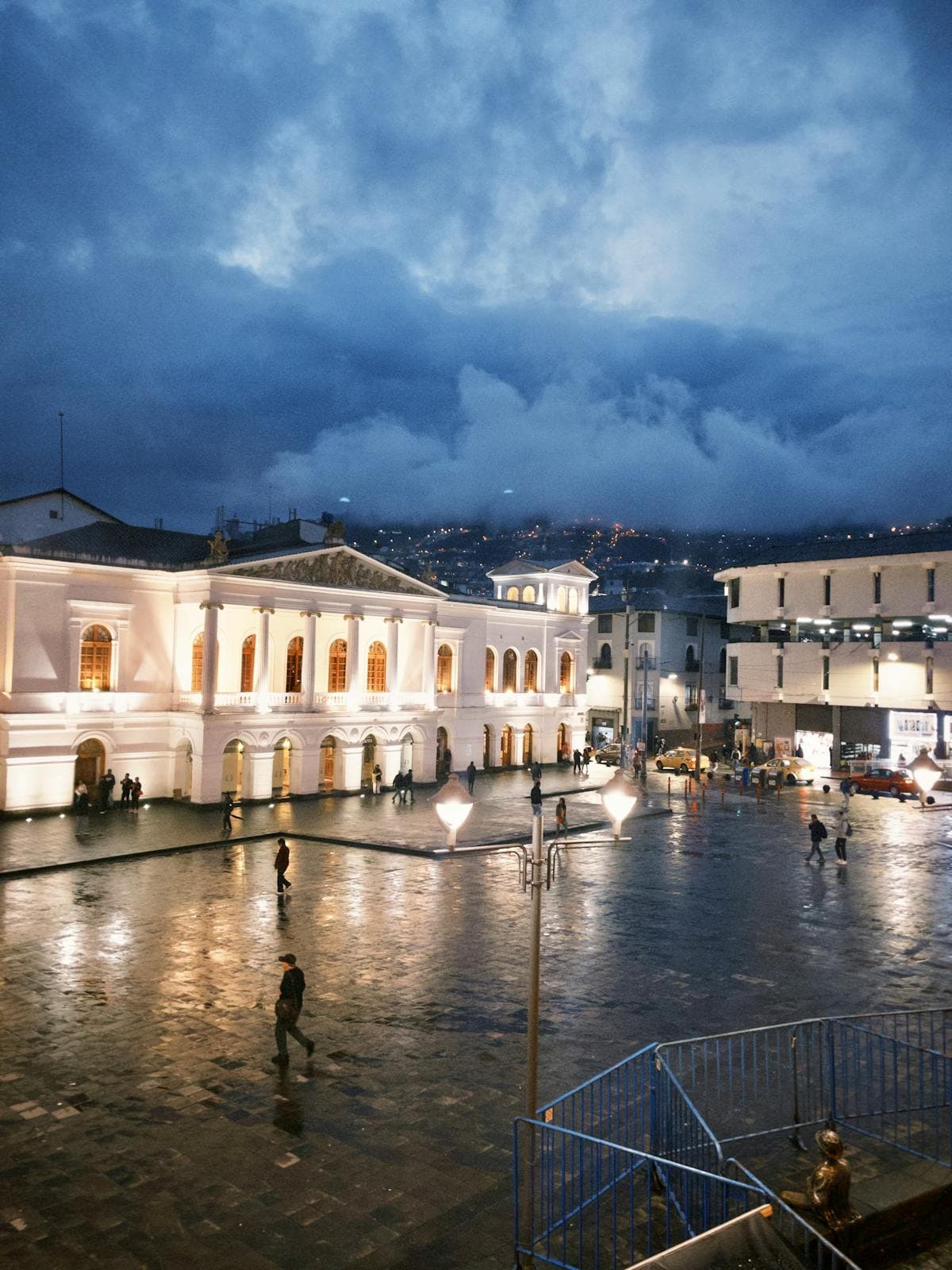
La Mariscal and La Floresta: Quito Walks Out of Its Old Town
105 min · 3.5 km · easy
More from Quito
Explore more at your own pace.
Best Self-Guided Walking Tours in Quito (2026)
How Quito's Old Town Kept Its Shape: A Grid Laid on a Mountain
One Day in Quito: A Walkable Old-Town Itinerary (2026)
Quito Travel Guide: Altitude, How Many Days, Getting Around, Safety (2026)
What to Eat in Quito: An Ecuadorian Highland Food Guide (2026)