Higashiyama: The Engineered Hillside
90 min · 2.5 km · moderate
Yes, you can see Kyoto essential south-east in a day. Here is the route.
You cannot fit eleven centuries of temples, palaces, and machiya townhouses into a single day, and you should not try. What you can do is walk the dense, connected corner of the city where its most famous sights sit within reach of each other: the eastern temple hills of Higashiyama, the wooden lanes of Gion, and the vermilion gate tunnels of Fushimi Inari. This itinerary routes those three around a comfortable walking day, and names the self-guided Kyoto walking tour that anchors each block so the history walks with you.
A note on pace before you start. This is a full day of walking, roughly 8 to 12 km with real hills and stairs, so wear proper shoes, carry water, and treat the tea and food stops below as part of the plan, not interruptions to it.
Morning: Higashiyama, the eastern hills
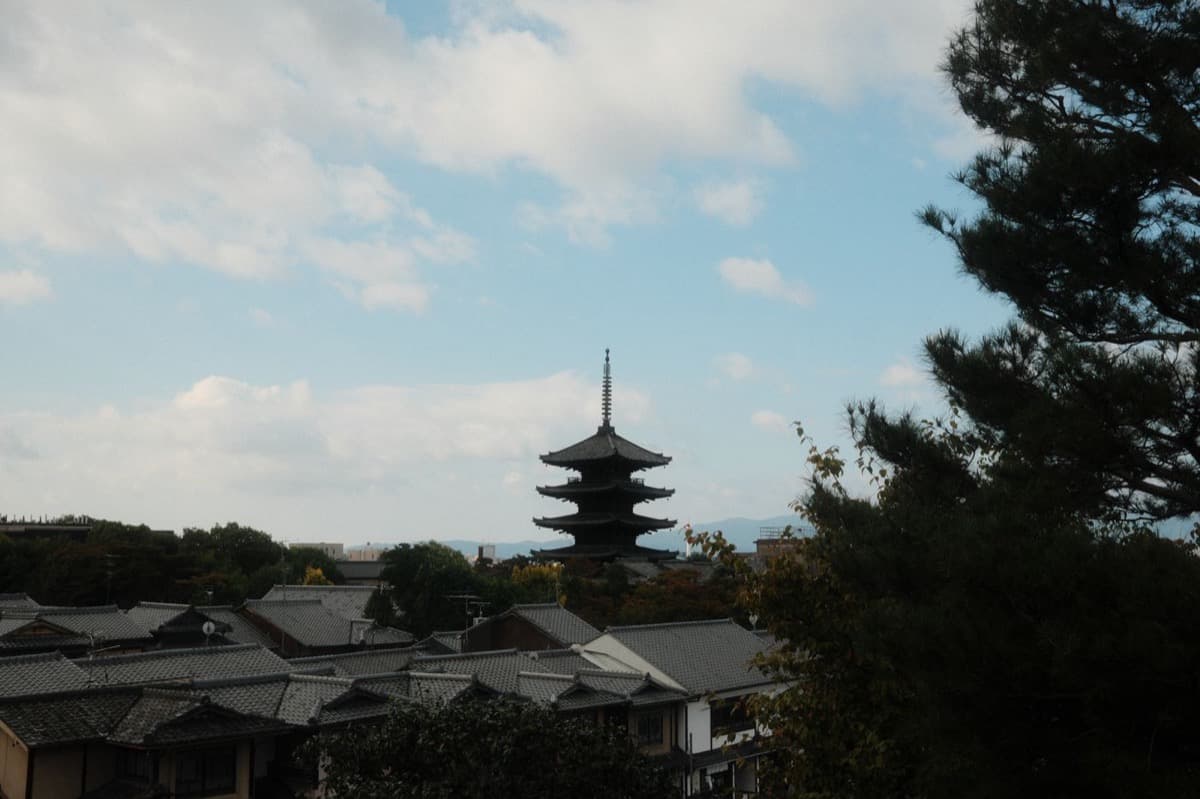
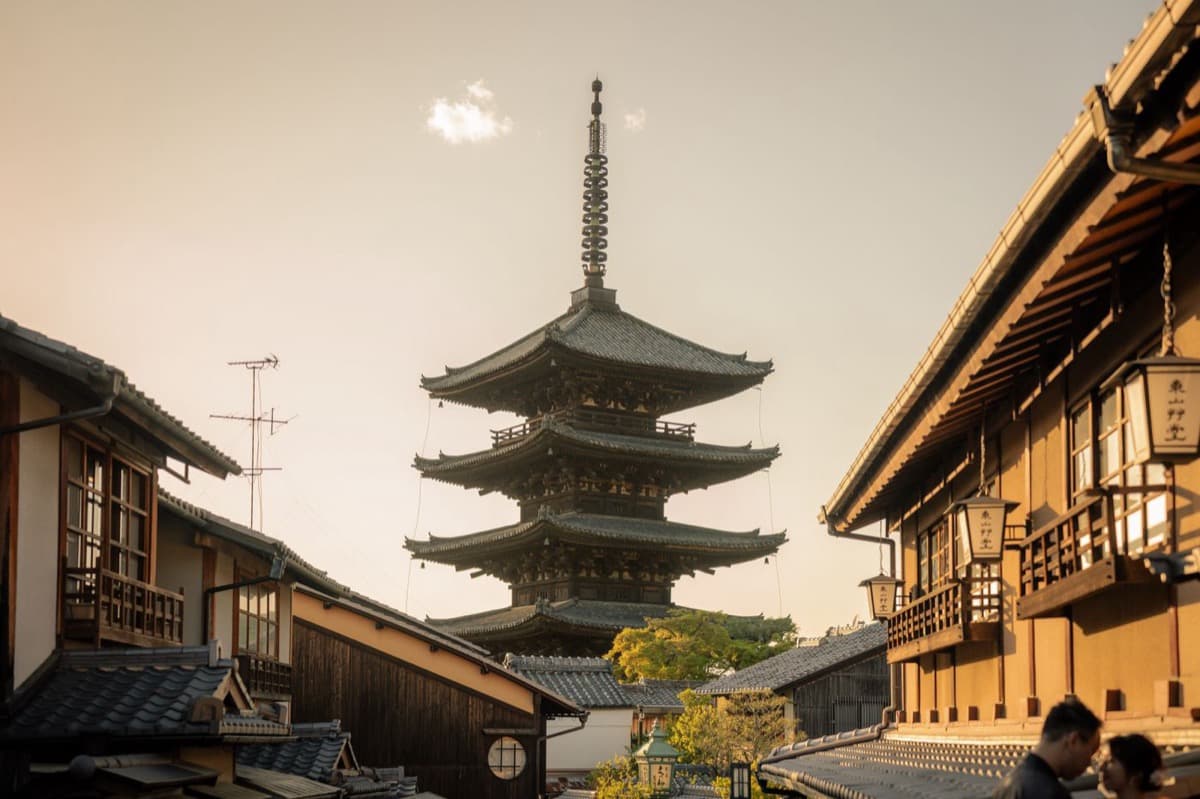
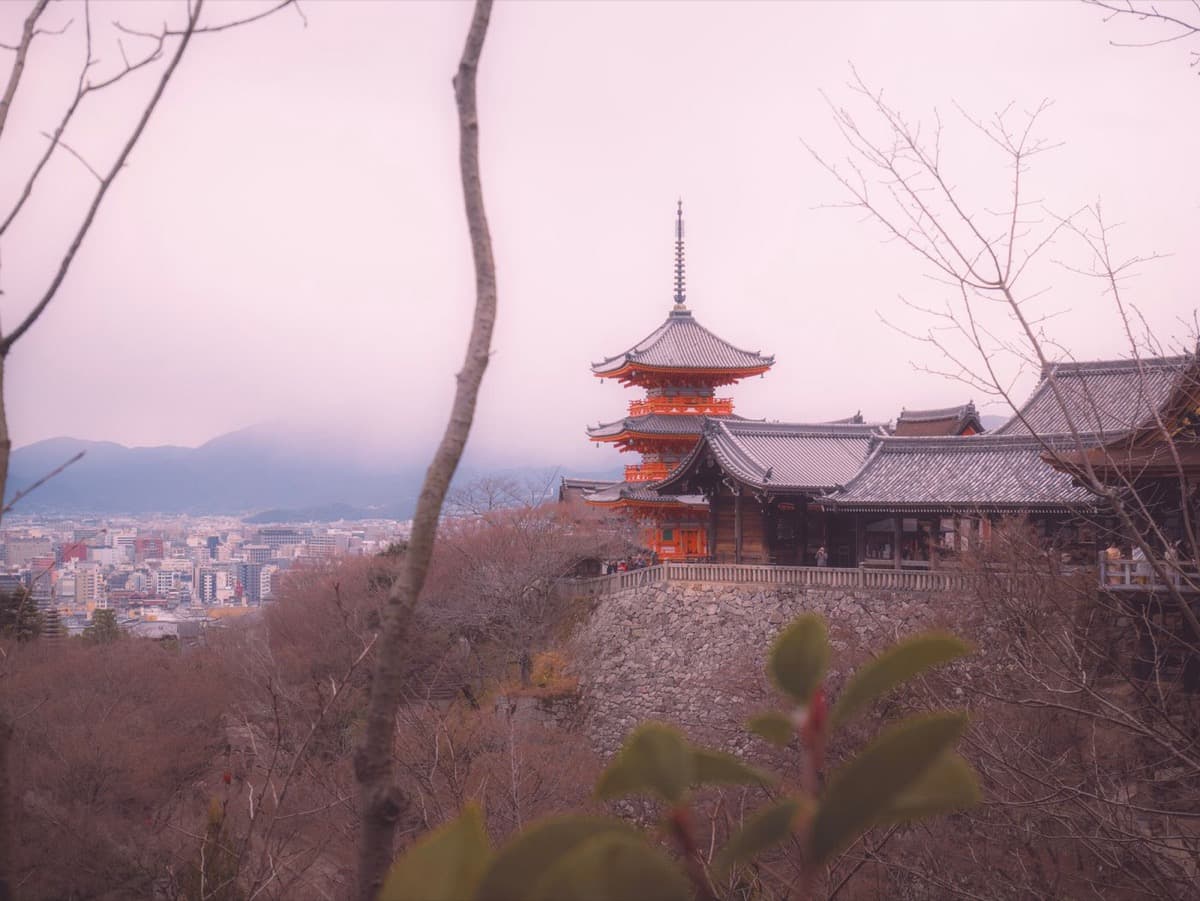
Start early, ideally before 8:30, because the Higashiyama lanes are quiet and cool at dawn and shoulder-to-shoulder by mid-morning. Begin at Kiyomizu-dera, the great wooden temple whose main hall projects over the hillside on a lattice of pillars, then wind downhill through Sannenzaka and Ninenzaka, the stone-stepped preservation lanes lined with tea shops and machiya, past the Yasaka Pagoda framed between the rooftops.
This is the block to walk with the Higashiyama: The Engineered Hillside self-guided audio tour. It reads the district as what it really is: an antiquity rebuilt after repeated fires, protected by preservation law, and in the case of one famous lane largely reconstructed within the last century. If you want to go deeper on the anchor stop before you walk, the companion piece on Kiyomizu-dera wooden stage is a good primer.
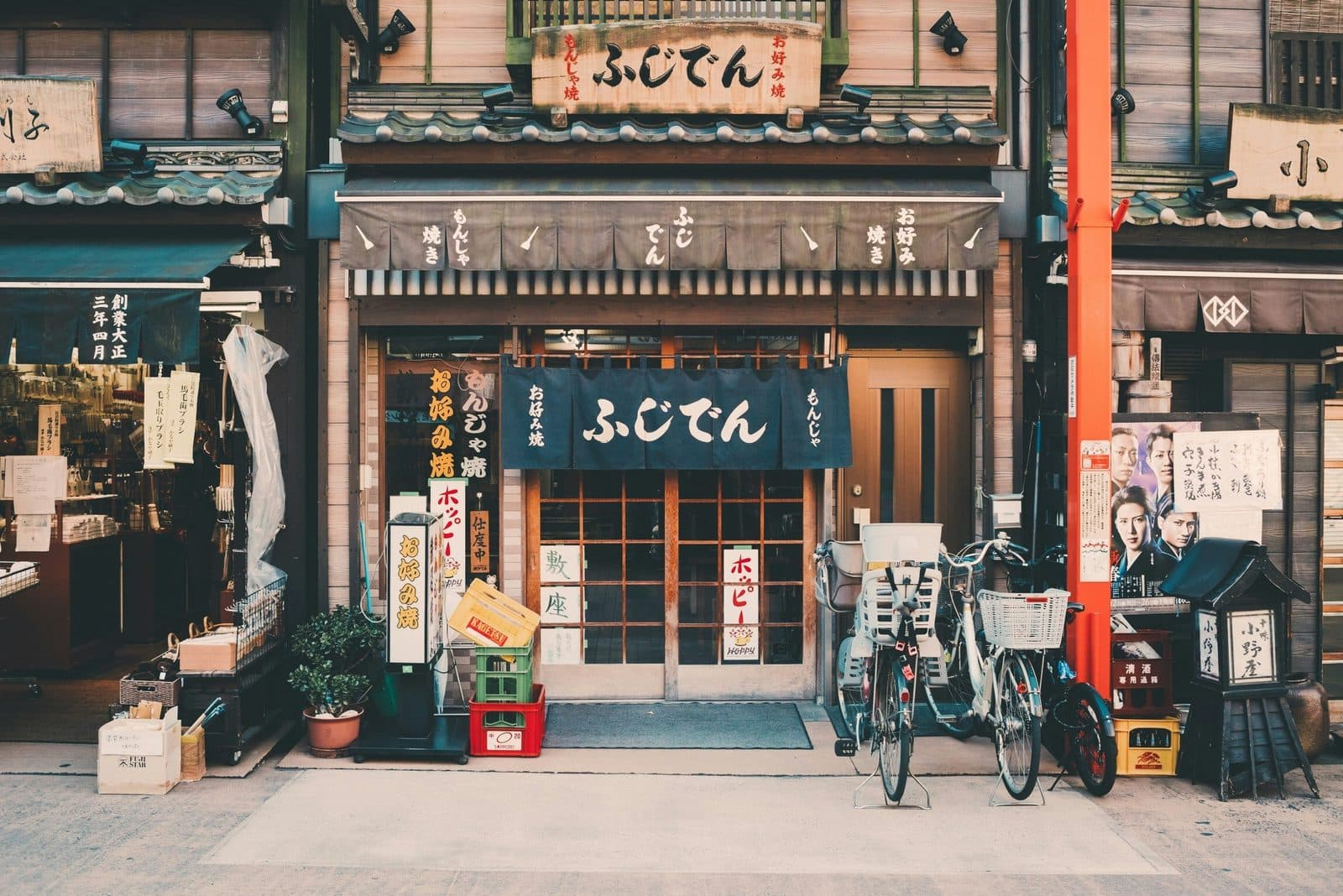
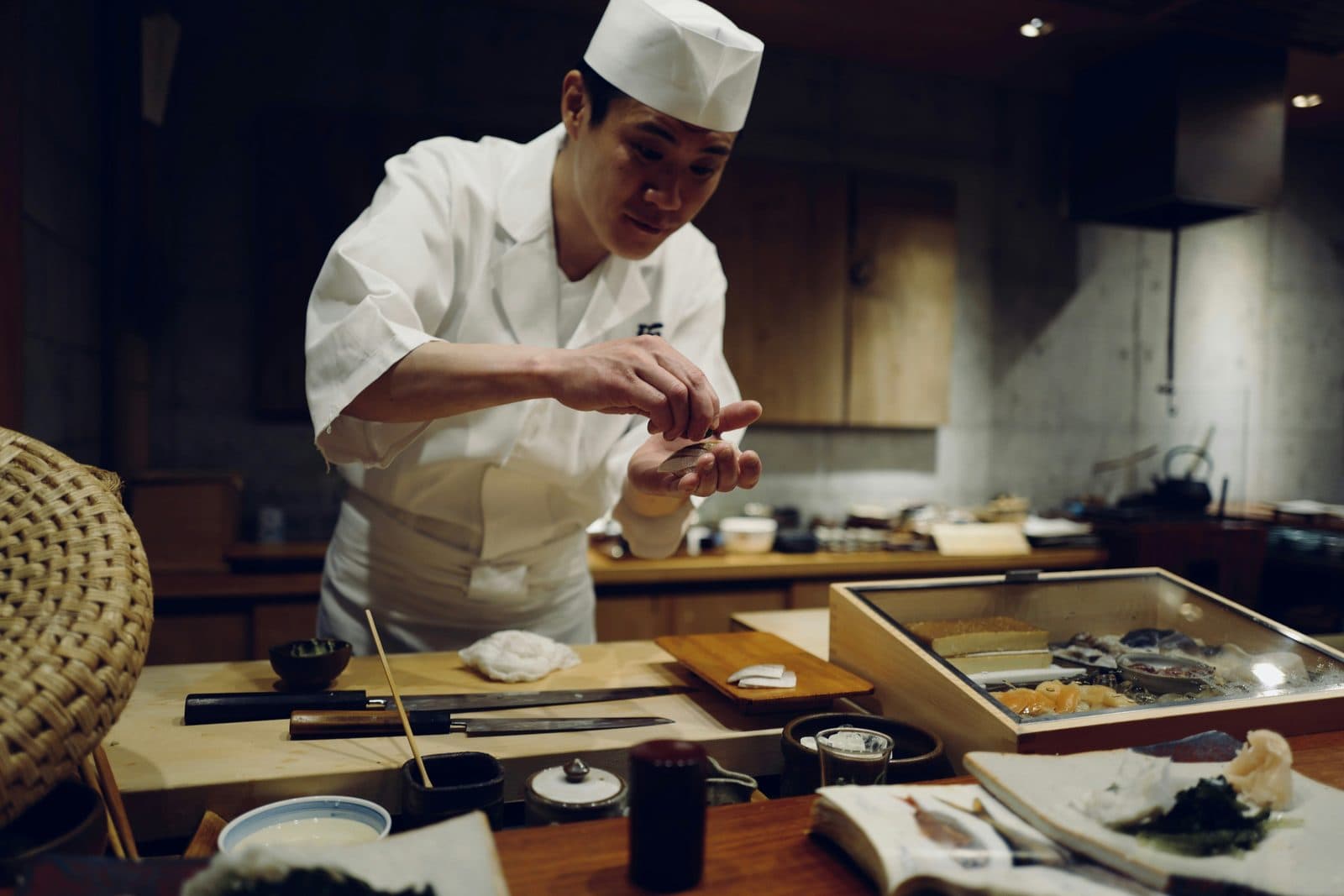
Higashiyama is also the right place for your first proper Kyoto meal or snack. The lanes are thick with tofu restaurants and tea houses. See what to eat in Kyoto for the dishes worth ordering here, from silky yudofu to matcha sweets.
Midday: Maruyama Park and Yasaka Shrine
Hear a stop from this walk
Yasaka Shrine: Engineered Against Plague
Let the Higashiyama route carry you north through Maruyama Park, Kyoto oldest public park, and out through Yasaka Shrine, the vermilion shrine at the foot of the eastern hills whose festival, the Gion Matsuri, is one of Japan most famous. This is a natural midday breather: green space, a shaded bench, and a shrine precinct that flows directly into the Gion district.
Grab lunch around here. The blocks between Yasaka Shrine and the river are dense with obanzai (Kyoto home-style dishes), soba, and casual kaiseki-style sets.
Afternoon: Fushimi Inari, ten thousand gates
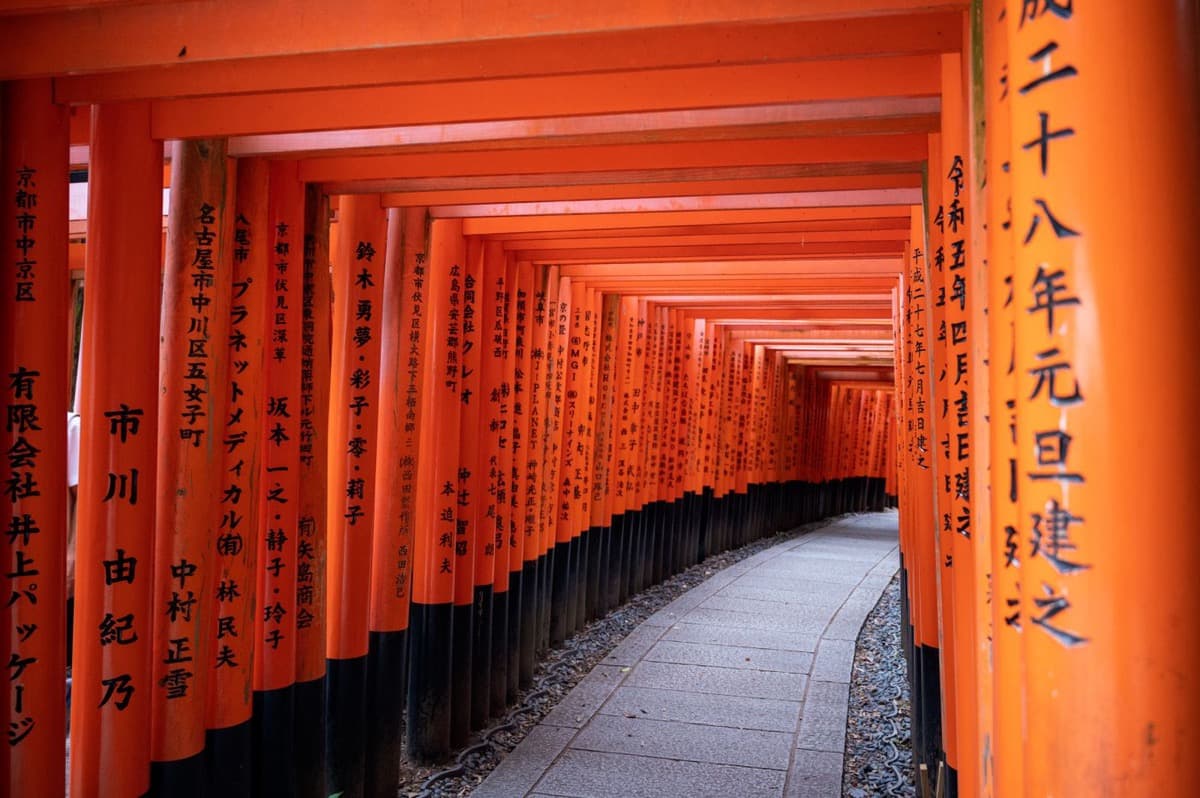
Early afternoon, take the Keihan Line a few stops south to Fushimi Inari Taisha, the shrine whose paths climb the mountain through tunnels of vermilion torii gates. The full loop to the summit and back is about 4 km with a lot of stairs, so this is where the day earns its walking shoes. If you are tired, the crossroads at Yotsutsuji, partway up, gives the famous view over the city and is a fair place to turn back.
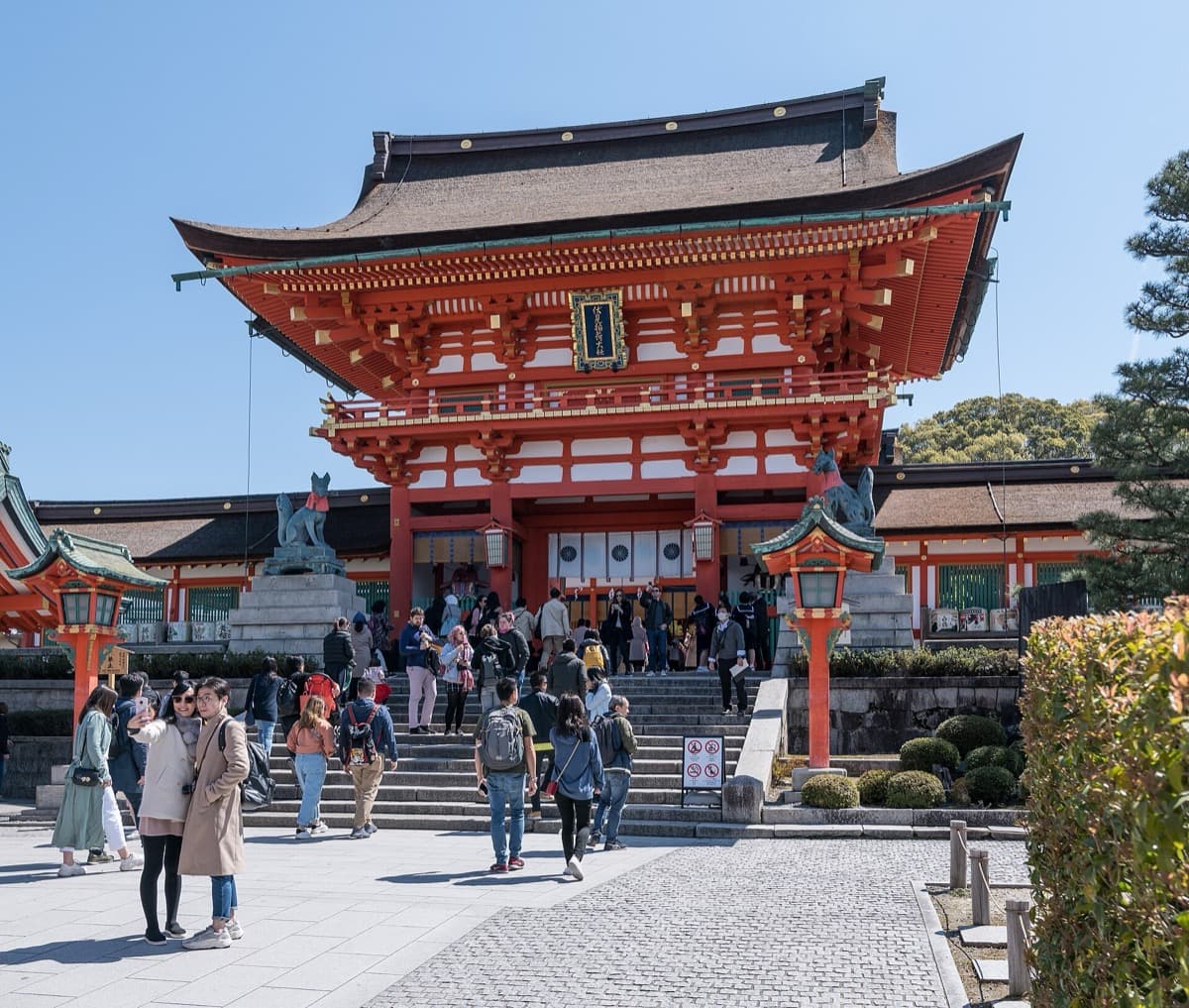
Walk it with the Fushimi Inari: Ten Thousand Gates self-guided tour, which reads the mountain as a physical ledger: each of its roughly ten thousand gates is a receipt, donated and inscribed by a business or family, to a god of rice and prosperity. The Romon Gate companion piece fills in the story of the great gate at the entrance.
Fushimi Inari stays open and lit at all hours, and it thins out beautifully in the late afternoon as the day-trip crowds leave, which is exactly why it sits here in the plan rather than first thing.
Evening: Gion at dusk
Return north to Gion for the last light. This is the old geisha quarter, the last inhabited fragment of the ukiyo, Japan floating world, and it is at its most atmospheric as the lanterns come on along Hanamikoji and over the Shirakawa canal by the willows. Walk it slowly with the Gion and the Floating World tour, which teaches you to read Gion shut wooden doors and lattice fronts instead of chasing the one photograph everyone else is after.
Gion and the neighbouring alleys of Pontocho and Kiyamachi, packed along the river, are also where the day should end at a table: obanzai and kappo counters, izakaya, or a reserved kaiseki dinner if you planned ahead. Please note that Gion private lanes have visitor rules and some are closed to photography, so tread gently. The Minami-za companion piece, on the theatre where kabuki was born just across the river, is a fitting close to the day.
The one-day route at a glance
| Block | Where | Anchor tour |
|---|---|---|
| Morning | Kiyomizu-dera, Sannenzaka, Yasaka Pagoda | Higashiyama: The Engineered Hillside |
| Midday | Maruyama Park, Yasaka Shrine, lunch | (Higashiyama tour continues) |
| Afternoon | Fushimi Inari torii gate trail | Fushimi Inari: Ten Thousand Gates |
| Evening | Gion, Hanamikoji, Shirakawa, dinner | Gion and the Floating World |
Plan the rest of your trip
One day covers the south-east. For how many days Kyoto really deserves, how to get around, and when to go, read the Kyoto travel guide. For every route in the city, see the best self-guided walking tours in Kyoto, or browse all Kyoto tours. Every tour is free to start: the introduction and first stop play in full, and every later stop plays a short preview before an optional purchase.
Frequently asked questions
- Can you see Kyoto in one day?
- You cannot see all of Kyoto in a day, but you can see its essential south-east well. A focused day covers the Higashiyama temple district, the Gion geisha quarter, and Fushimi Inari, three of the city most iconic areas, all reachable on foot or by a short train ride. Trying to add the northern and western sights (Kinkaku-ji, Arashiyama) in the same day means rushing across the city, so most travelers save those for a second day.
- What is the best area to base a one-day visit to Kyoto?
- Base yourself near Higashiyama or central Kyoto within walking distance of the Keihan or subway lines. Higashiyama, the eastern hills, holds the highest concentration of famous temples and lanes, and Gion sits right at its foot. From there Fushimi Inari is a short ride south on the Keihan Line. Staying central keeps your walking time low and your sightseeing time high.
- How much walking is a one-day Kyoto itinerary?
- Expect roughly 8 to 12 km on foot across the day, much of it on Higashiyama slopes and the Fushimi Inari mountain trail. Wear real walking shoes. The Higashiyama and Fushimi Inari sections both involve stairs and inclines, so pace yourself and build in tea and food breaks.
- Do I need to book anything in advance for one day in Kyoto?
- Most of this route needs no booking: temple grounds, shrine paths, and public lanes are open to walk-ups, though some temple buildings charge a small entrance fee. The exceptions worth reserving ahead are a proper kaiseki dinner or a formal tea experience. The self-guided audio tours that anchor each block are free to start and download in advance, so you can walk with narration even where there is no signal.
Ready to experience it?
Higashiyama: The Engineered Hillside
90 min · 2.5 km · moderate
More from Kyoto
Explore more at your own pace.
Kyoto Travel Guide: How Many Days, Getting Around, When to Go (2026)
What to Eat in Kyoto: A Food Guide (2026)
Kiyomizu-dera's Wooden Stage: The Icon of Ancient Kyoto That Was Rebuilt in 1633
Senbon Torii: Why Ten Thousand Gates Climb the Mountain at Fushimi Inari
The Romon Gate at Fushimi Inari: A Warlord's Receipt for a Prayer