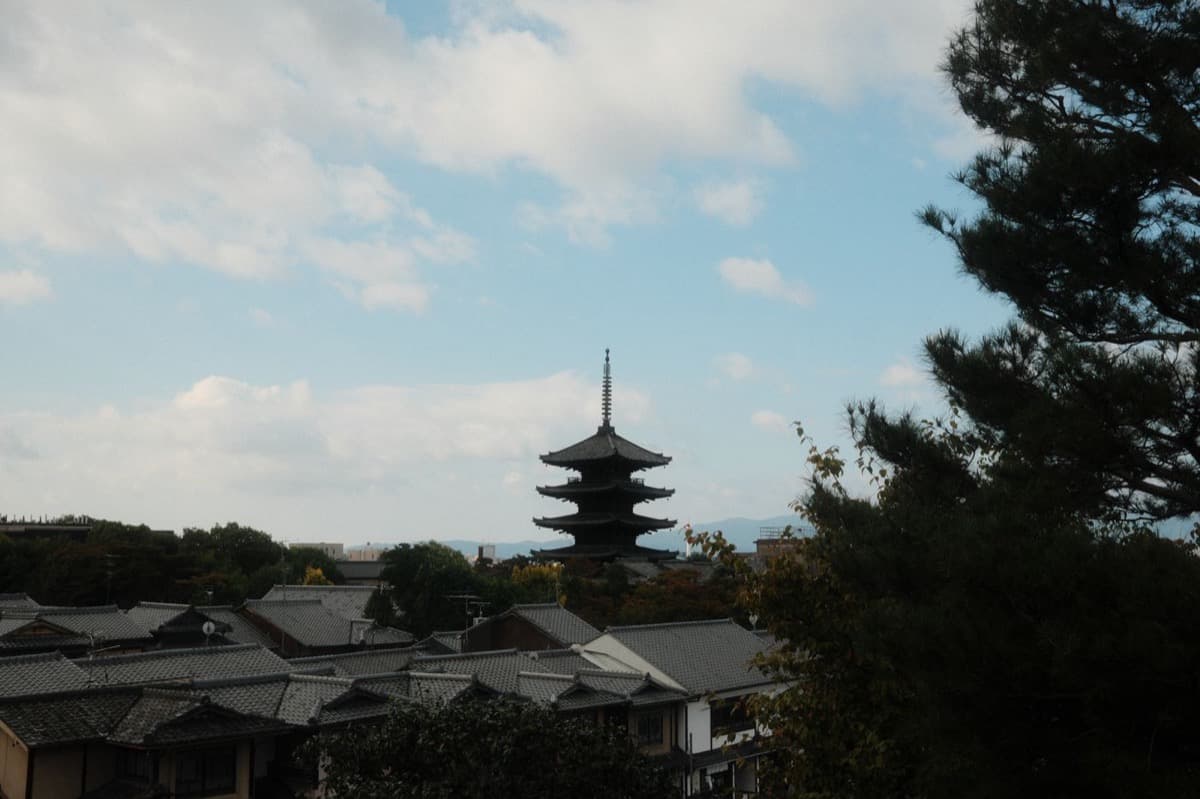
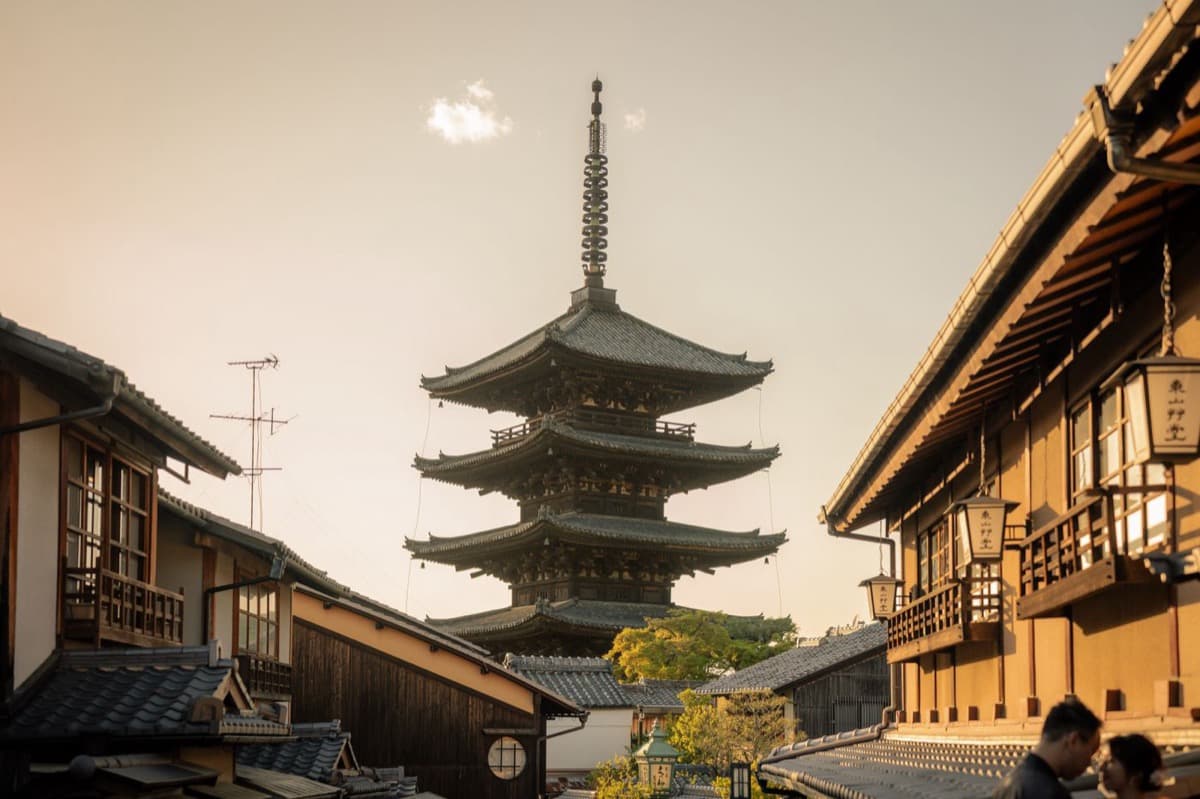
Higashiyama: The Engineered Hillside
90 min · 2.5 km · moderate
Kyoto food is defined by refinement over abundance. Three forces shaped it: the city soft, mineral-light water, which made it a tofu capital; a deep Buddhist tradition, which gave it a meat-free temple cuisine; and centuries as the imperial seat and home of the tea ceremony, which produced kaiseki and a whole art of seasonal sweets. Eat well in Kyoto and you are really eating the calendar, because the season, not the market abundance, is the point. This guide covers the dishes worth seeking out and where the food culture actually lives, and it pairs naturally with a slow walk on one of our Kyoto self-guided tours.
The dishes to seek out
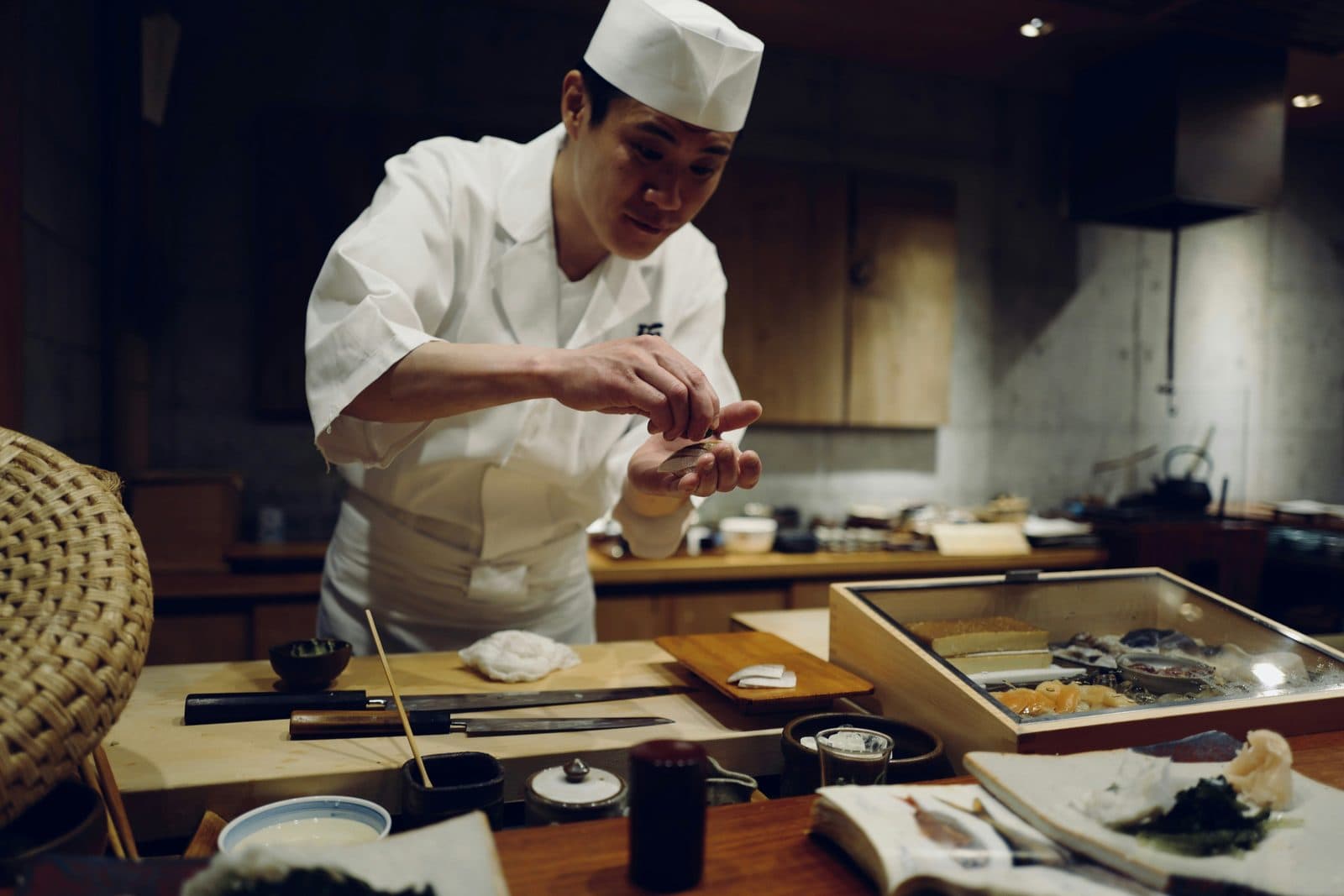
Kaiseki. The pinnacle of Kyoto dining: a multi-course meal of small, seasonal, exquisitely plated dishes that evolved alongside the tea ceremony. Each course is meant to be as beautiful to the eye as to the palate. This is a special-occasion, often reservation-only experience, and the ryotei that serve it line the lanes of Gion and Kiyamachi.
Yudofu. Kyoto best-known comfort dish: silky, silken tofu gently simmered in a mild kombu (kelp) broth, then dipped in ponzu with scallions and other condiments. Simple, warming, and a direct taste of the city tofu tradition.
Yuba. The delicate skin that forms on heated soy milk, lifted off in sheets. A classic building block of both kaiseki and temple cuisine, prized for its texture and gentle flavour.
Obanzai. Kyoto home-style cooking: unfussy seasonal side dishes, heavy on vegetables, seasoned with dashi stock, and built to use ingredients efficiently with little waste. Obanzai counters are one of the most authentic and affordable ways to eat like a local here.
Nishin soba. A Kyoto specialty: hot buckwheat noodles in broth topped with a fillet of sweet-simmered dried herring (migaki nishin). A hearty, historic dish from a city far from the sea, where preserved fish once made sense.
Matcha and wagashi. Kyoto is Japan matcha heartland, supplied by the nearby tea town of Uji, the country most important tea-growing region. That tea tradition also produced wagashi, delicate handmade sweets shaped and coloured to match the season, blossoms in spring, autumn leaves in late autumn, served to balance matcha bitterness. Look also for yatsuhashi, the cinnamon rice-flour sweet that is the classic Kyoto souvenir, sold both baked and soft.
Where the food culture lives
Hear a stop from this walk
Yasaka Shrine: Engineered Against Plague
Nishiki Market. A roughly 400-meter covered arcade of around 130 shops and stalls running parallel to Shijo-dori, known as Kyoto kitchen (Kyoto no Daidokoro) for over 400 years. It is the single best place to graze: pickles, tofu, sweets, skewers, and the produce that stocks the city restaurants.
Nanzenji and Arashiyama, for tofu. The tofu restaurants cluster in these two districts, several of them century-old institutions serving yudofu and multi-form tofu sets in garden settings. Okutan near Nanzenji has been serving tofu since the 1600s.
Gion, Pontocho, and Kiyamachi, for an evening. The riverside alleys are dense with kaiseki ryotei, kappo counters, and izakaya. Walk the Gion district at dusk and it doubles as your route to dinner. For the theatrical history behind this quarter, see the Minami-za companion piece on the birthplace of kabuki, right across the river from Gion.
The temples, for shojin ryori. Kyoto Buddhist temple cuisine is naturally plant-based, and several temples serve it to visitors, sometimes beside a moss or rock garden. It is the deepest expression of the tofu-and-season philosophy that runs through all Kyoto food. This same temple culture shapes the eastern hills you walk on the Higashiyama tour, whose lanes are lined with tea houses and tofu restaurants.
Uji, for matcha. A half-day trip south by train reaches the tea fields, where you can taste grades from everyday to ceremonial and try fresh cold-brew matcha at the source.
Eat as you walk
The best way to work through this list is on foot, one district at a time. Pair a morning of temples in Higashiyama with a tofu lunch, an afternoon at Nishiki Market with market snacks, and an evening in Gion with obanzai or kaiseki. Route your day with the one day in Kyoto itinerary, plan the practical side with the Kyoto travel guide, and browse all Kyoto tours. Every tour is free to start: the introduction and first stop play in full, and every later stop plays a short preview before an optional purchase.
Frequently asked questions
- What food is Kyoto known for?
- Kyoto is known for refined, seasonal cuisine collectively called kyo-ryori. The headline dishes are kaiseki (a multi-course seasonal meal that grew out of the tea ceremony), yudofu (simmered tofu), yuba (tofu skin), obanzai (home-style seasonal side dishes), and nishin soba (buckwheat noodles with sweet-simmered herring). Kyoto is also Japan matcha heartland, thanks to the nearby tea town of Uji, and a center of wagashi, delicate seasonal sweets.
- Why is Kyoto famous for tofu?
- Kyoto soft, mineral-light groundwater is ideal for making tofu, and the city deep Buddhist tradition, which favours a meat-free temple cuisine called shojin ryori, made tofu and yuba central to the local diet over centuries. The result is that Kyoto is widely regarded as Japan tofu capital, with tofu restaurants clustered especially around Nanzenji and Arashiyama.
- Where should you eat in Kyoto?
- For variety and snacks, Nishiki Market, a covered arcade of around 130 stalls known as Kyoto kitchen for over 400 years. For tofu, the Nanzenji and Arashiyama districts. For kaiseki and kappo dining, the alleys of Gion, Pontocho, and Kiyamachi along the river. For matcha and sweets, tea houses throughout Higashiyama and the tea town of Uji, a short train ride south.
- Is Kyoto good for vegetarians and vegans?
- Yes, unusually so for Japan. Kyoto Buddhist temple cuisine, shojin ryori, is naturally plant-based, built on tofu, yuba, seasonal vegetables, and dashi, and several temples serve it to visitors. Tofu-focused restaurants and obanzai counters also offer plenty of vegetable-forward options, so vegetarians and vegans eat well here.
Ready to experience it?
Higashiyama: The Engineered Hillside
90 min · 2.5 km · moderate
More from Kyoto
Explore more at your own pace.
Kyoto Travel Guide: How Many Days, Getting Around, When to Go (2026)
One Day in Kyoto: A Walkable South-East Itinerary (2026)
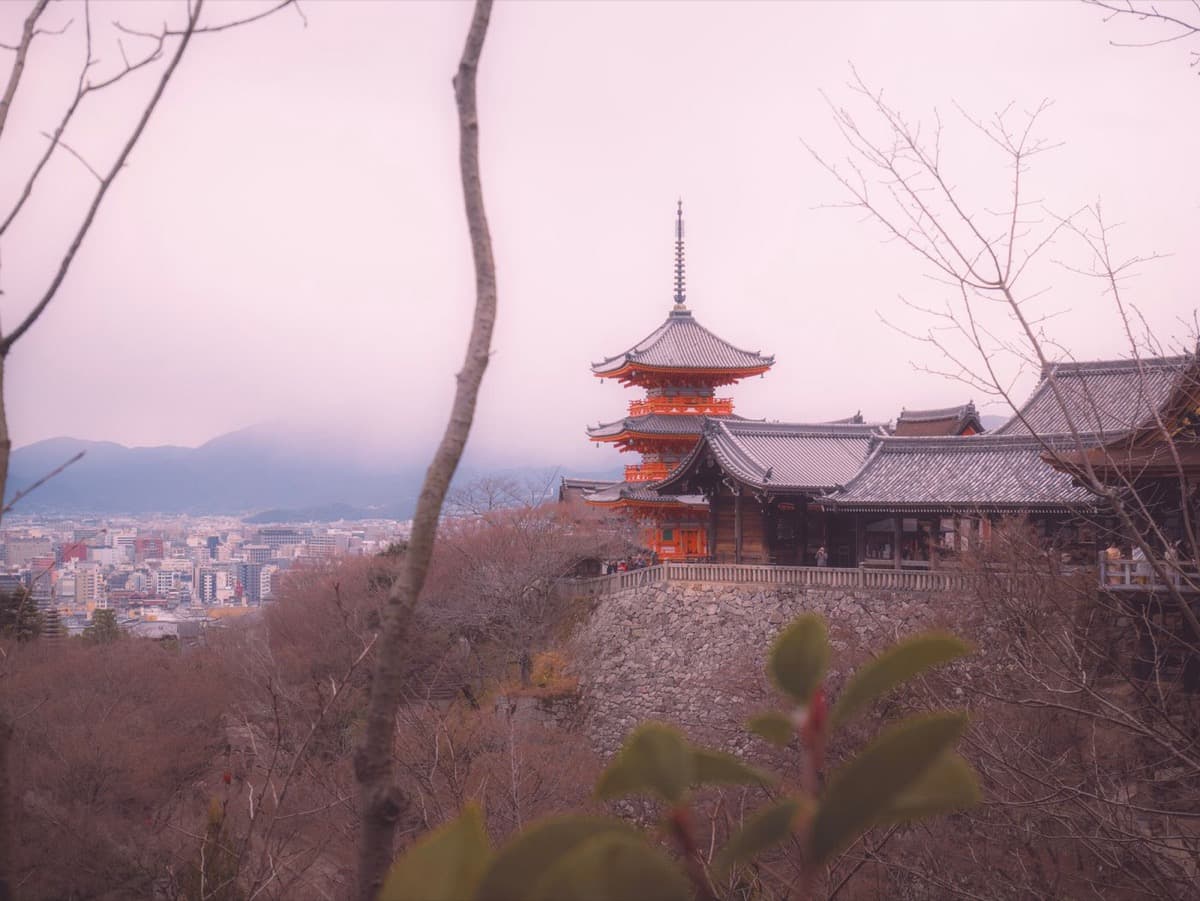
Kiyomizu-dera's Wooden Stage: The Icon of Ancient Kyoto That Was Rebuilt in 1633
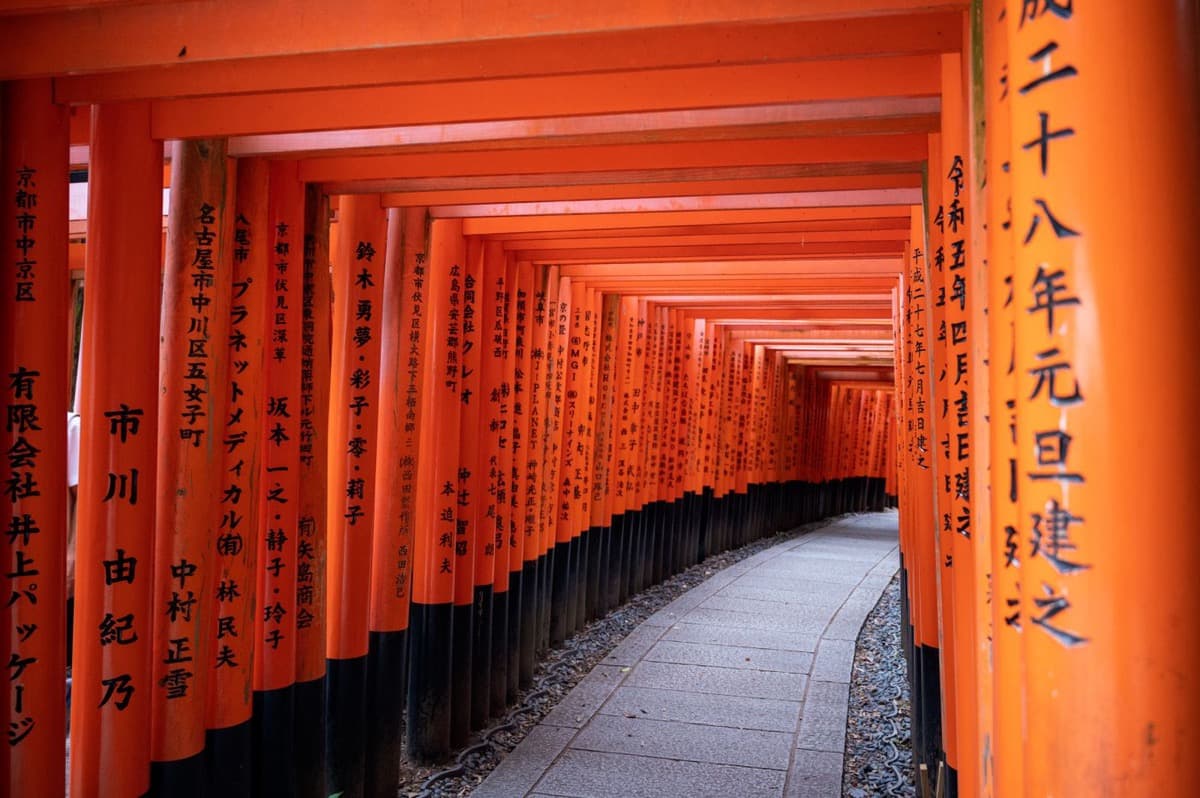
Senbon Torii: Why Ten Thousand Gates Climb the Mountain at Fushimi Inari
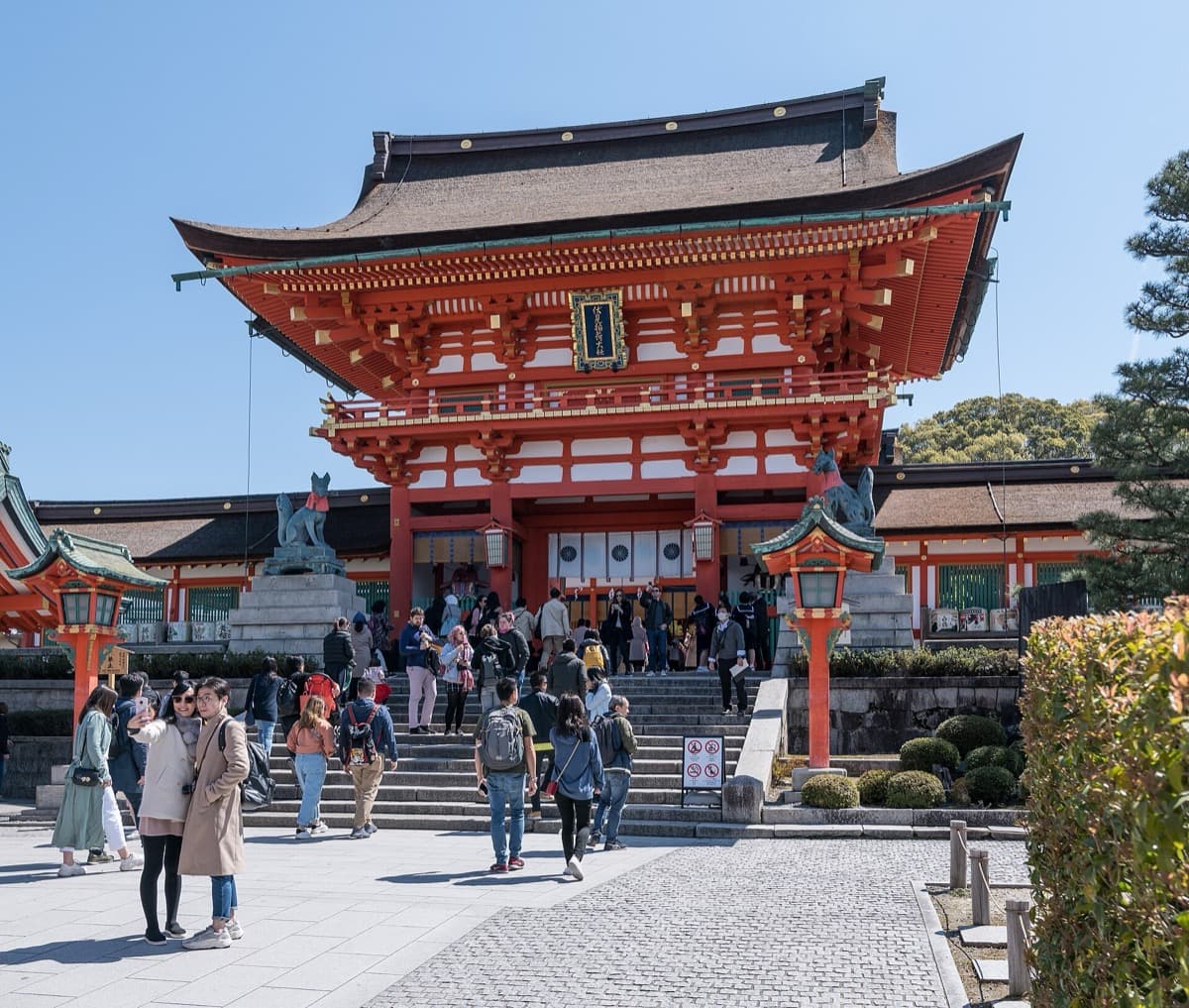
The Romon Gate at Fushimi Inari: A Warlord's Receipt for a Prayer