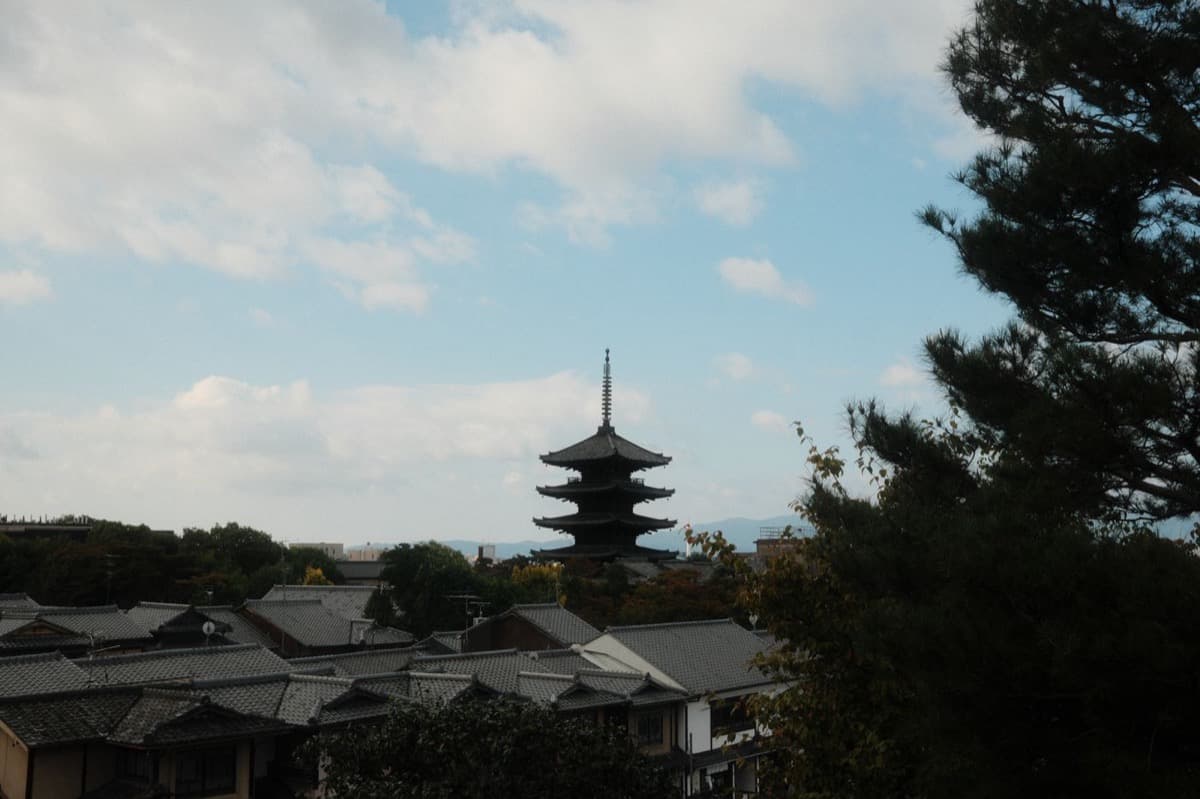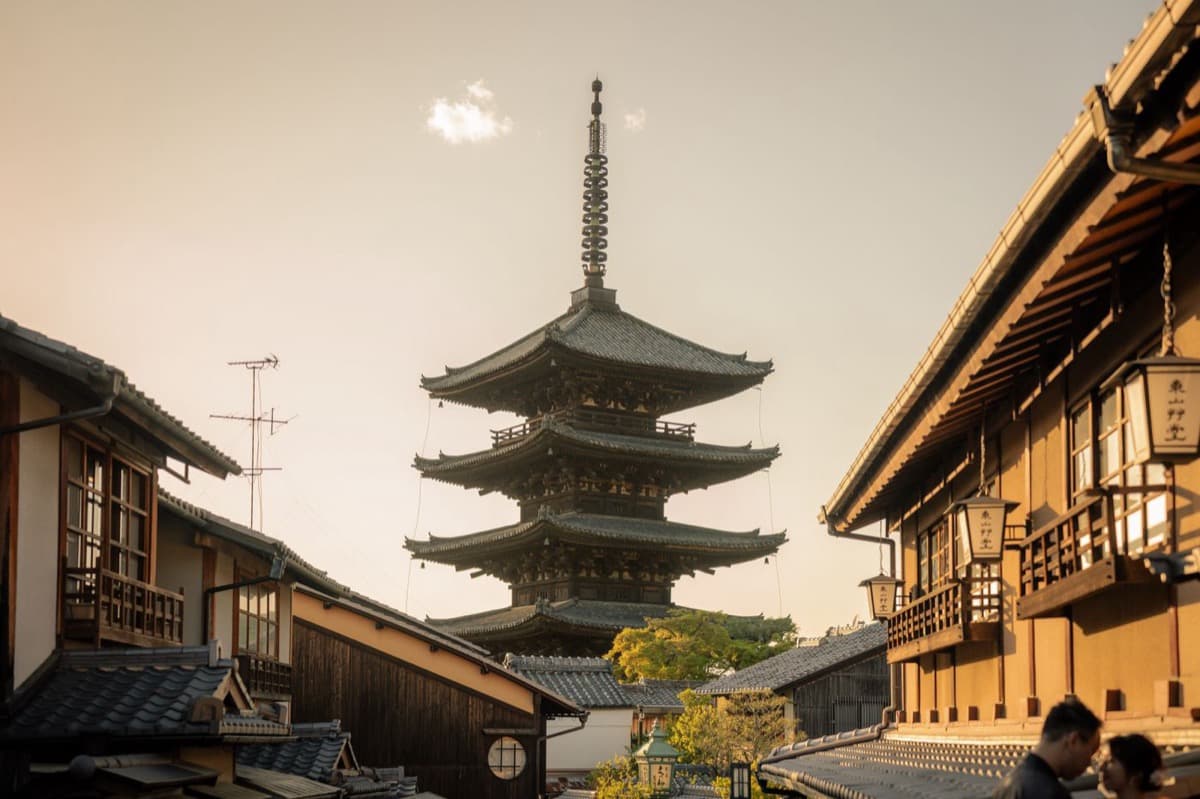
Higashiyama: The Engineered Hillside
90 min · 2.5 km · moderate
Kyoto rewards planning more than most cities. Its famous sights are scattered across several districts, its transit leans on buses and short train hops rather than one tidy subway, and its two most beautiful seasons are also its most crowded. This guide answers the practical questions travelers actually search, answer first, then the detail.
How many days do you need in Kyoto?
Short answer: three to four days for most people.
- 2 days covers the essential highlights if you are squeezing Kyoto into a Tokyo-to-Osaka loop. Expect to move fast.
- 3 days lets you see the main districts, the eastern hills, Fushimi Inari, Arashiyama in the west, and the northern temples, without rushing.
- 4 to 5 days adds day trips to Nara and the tea town of Uji, plus quieter neighbourhoods, at an unhurried pace.
The reason under-scheduling is the classic mistake: Kyoto sights sit in different districts across a wide city, so the travel time between them is longer than the map suggests. Build in transit time and you will enjoy each place more. If you only have one day, follow our focused one day in Kyoto route through the walkable south-east.
Getting around Kyoto
Hear a stop from this walk
Yasaka Shrine: Engineered Against Plague
Individual districts are a joy on foot. Higashiyama, Gion, and the Fushimi Inari trail are best walked, and walking is how our self-guided Kyoto tours are built. Between districts, you combine walking with transit:
- Subway. Two lines only: the Karasuma Line (north-south) and the Tozai Line (east-west), which cross at Karasuma-Oike Station. Fast and simple, but they do not reach every temple.
- City buses. An extensive network that covers most of the famous sights the subway misses. In central Kyoto you are rarely more than a short walk from a stop.
- IC card. Use a rechargeable card like ICOCA or Suica to tap on and off buses and trains, no fumbling for change.
- Day passes. Kyoto discontinued its popular bus-only one-day pass in 2024 to ease overcrowding. The current unlimited option is the Subway and Bus 1-Day Pass at 1,100 yen for adults (550 yen for children), which also covers designated Keihan, Kyoto Bus, and West Japan JR Bus routes. If you are mostly on the subway, a subway-only day pass is cheaper.
For getting to Kyoto: from Osaka it is under 30 minutes by train, and from Tokyo it is about two and a quarter hours on the Shinkansen.
Best time to visit Kyoto
The two showcase windows, and their trade-offs:
- Cherry blossom (late March to mid-April). Blossoms typically open in the last week of March and peak in early April. Gorgeous, and the busiest, most expensive time of year.
- Autumn foliage (November). Colours peak around the second week of November, with the stretch from late November into early December offering strong colour and thinner crowds.
For fewer crowds with good conditions, aim for late March before peak bloom, early December after the leaves turn, or the milder days of autumn. Summer in Kyoto is hot and humid; winter is cold but clear, quiet, and often the best value.
Is Kyoto safe?
Very. Kyoto ranks among the safest cities in the world for visitors, and it is an easy, welcoming place for solo and female travelers. Japan carries the lowest US State Department advisory level, violent crime is rare, and central areas are safe to walk at night. Ordinary precautions still apply: mind your belongings in crowds, favour well-lit streets late at night, and be aware of natural-hazard risks such as earthquakes and typhoons. In Gion, respect the private lanes and the posted photography rules; some alleys are off-limits to visitors.
Kyoto on a budget
Kyoto is friendlier to a tight budget than its reputation suggests. Much of what makes it special costs nothing:
- Free to walk: the Higashiyama lanes, the Fushimi Inari torii trail, the Gion streets, Maruyama Park, and most shrine grounds. Only some temple buildings charge a modest entry fee.
- Eat cheap and well: Nishiki Market stalls, soba and udon shops, and obanzai counters. See what to eat in Kyoto for what to order.
- Skip taxis: an IC card plus walking covers almost everything.
- Skip the guide fee: Roamer self-guided audio tours are free to start, so you get expert narration without booking a private guide, a start time, or a tip.
Start planning your walk
Ready to route your days? Read our one day in Kyoto itinerary, browse the best self-guided walking tours in Kyoto, or see all Kyoto tours. Every tour is free to start: the introduction and first stop play in full, and every later stop plays a short preview before an optional purchase. Tours can also be downloaded in advance for offline listening.
Frequently asked questions
- How many days do you need in Kyoto?
- Three to four days is the sweet spot for most travelers. Two days covers the essential highlights if you are on a tight Tokyo-to-Osaka loop, three days lets you see the main districts without rushing, and four or five days adds day trips to Nara and Uji and quieter corners at a relaxed pace. Because Kyoto sights are spread across several districts, travel time between them is longer than people expect, so under-scheduling is the common mistake.
- Is Kyoto walkable, and how do you get around?
- Individual districts like Higashiyama and Gion are very walkable, but the districts themselves are spread out, so you combine walking with transit. Kyoto has two subway lines (the north-south Karasuma Line and the east-west Tozai Line, meeting at Karasuma-Oike) plus an extensive city bus network that reaches most temples. Use a rechargeable IC card such as ICOCA or Suica to tap on and off. Note that Kyoto discontinued its bus-only day pass in 2024 to ease overcrowding; the current unlimited option is the Subway and Bus 1-Day Pass at 1,100 yen for adults.
- What is the best time of year to visit Kyoto?
- The two most beautiful windows are cherry blossom season, roughly late March into mid-April, and autumn foliage, best around the second week of November. Both are stunning and both are the most crowded times of year. For a good balance of decent weather and thinner crowds, late March before peak bloom, early December after the leaves peak, and the milder stretches of autumn are excellent. Summer is hot and humid; winter is cold but quiet and clear.
- Is Kyoto safe for tourists?
- Yes. Kyoto is one of the safest cities in the world for visitors, including solo and female travelers. Japan carries the lowest US State Department travel advisory level, violent crime is extremely rare, and walking at night in central areas is generally safe. Normal city sense still applies: watch your belongings in crowds, stick to well-lit areas late at night, and be aware of natural-hazard risks like earthquakes and typhoons. In Gion, respect the private lanes and photography rules.
- How can you see Kyoto on a budget?
- Kyoto is very doable cheaply. Many of its best experiences are free: walking the Higashiyama lanes, the Fushimi Inari gate trail, the Gion streets, Maruyama Park, and most shrine grounds cost nothing, and only some temple buildings charge a small entrance fee. Eat well for little at Nishiki Market, soba and udon shops, and obanzai counters. An IC card and a bit of walking replace taxis. Self-guided audio tours are free to start on Roamer, so you can add expert narration without hiring a guide.
- Can you do Kyoto as a day trip from Osaka or Tokyo?
- From Osaka, yes: Kyoto is under 30 minutes by train and makes an easy day trip, though a day only scratches the south-east. From Tokyo it is about two and a quarter hours each way on the Shinkansen, so a same-day round trip is possible but tight; staying at least one night in Kyoto is far more rewarding.
Ready to experience it?
Higashiyama: The Engineered Hillside
90 min · 2.5 km · moderate
More from Kyoto
Explore more at your own pace.
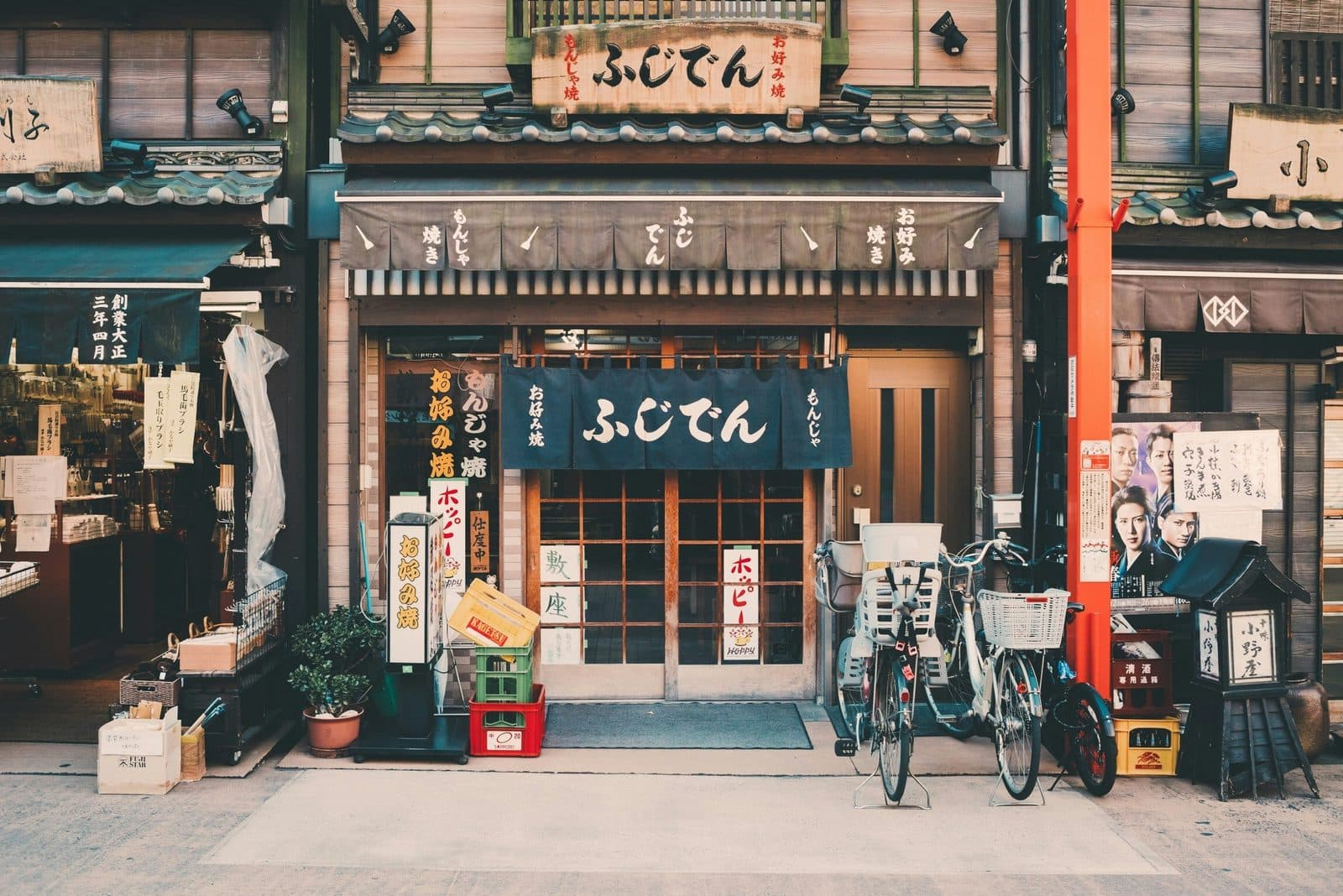
One Day in Kyoto: A Walkable South-East Itinerary (2026)
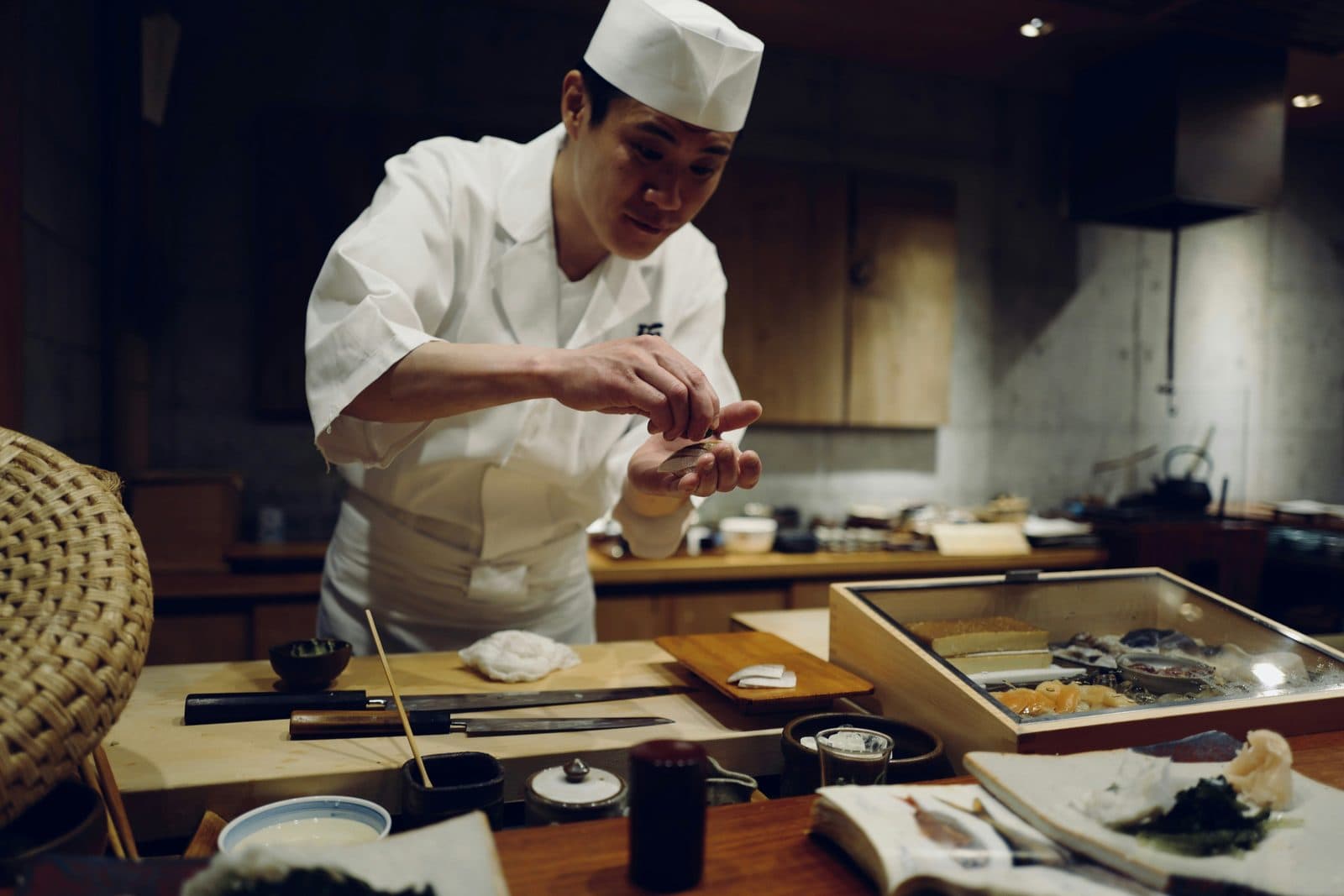
What to Eat in Kyoto: A Food Guide (2026)
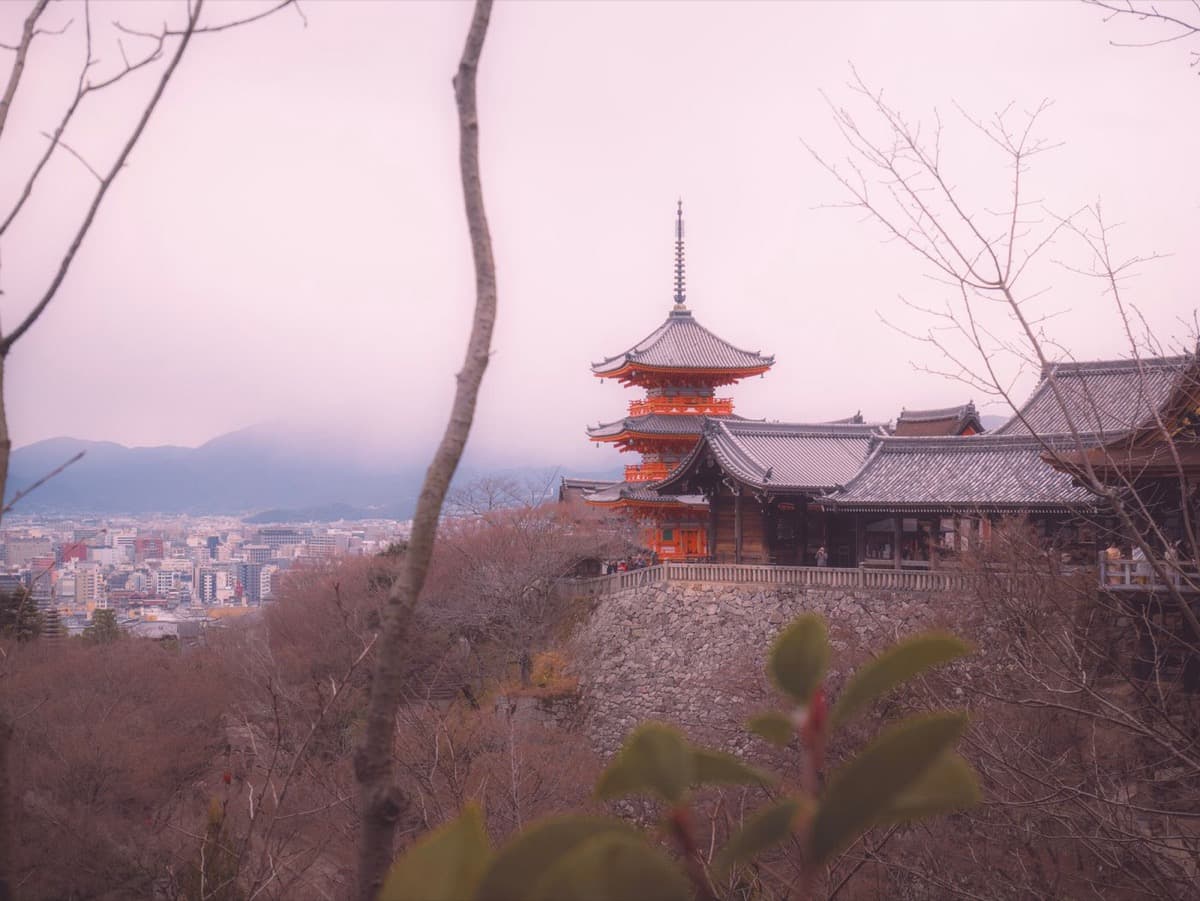
Kiyomizu-dera's Wooden Stage: The Icon of Ancient Kyoto That Was Rebuilt in 1633
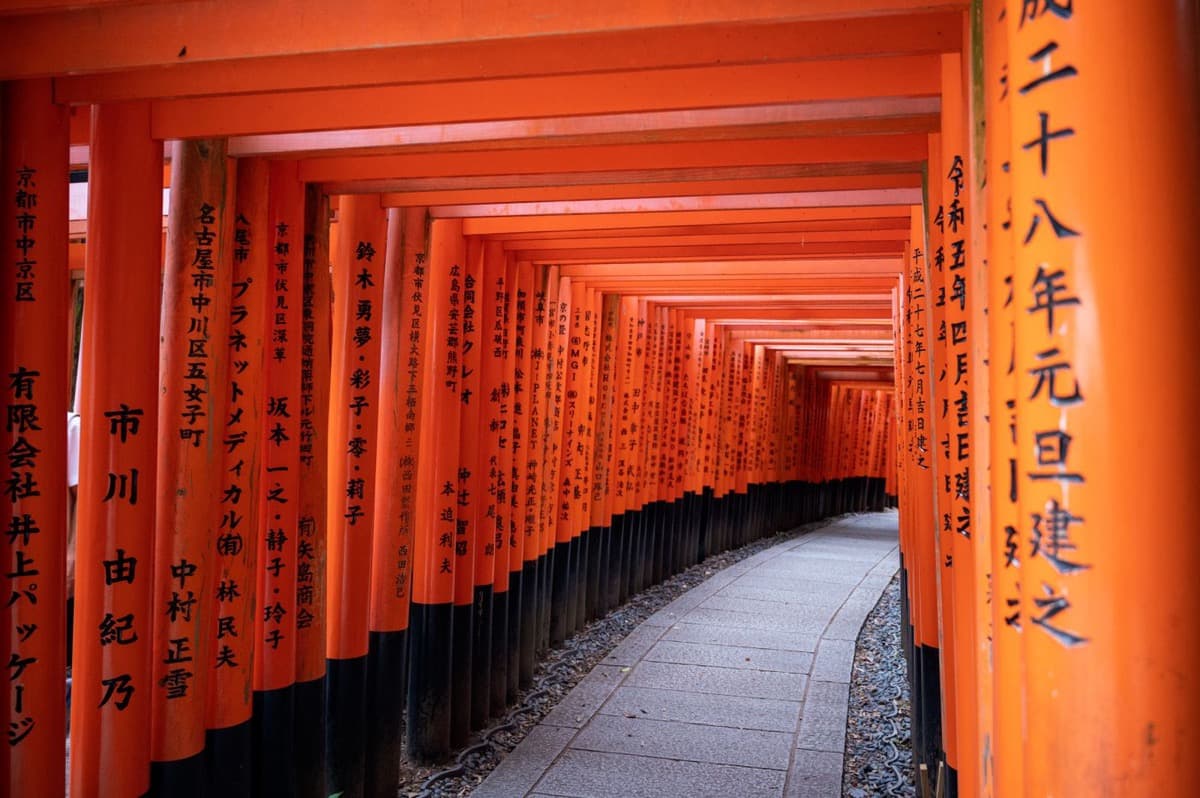
Senbon Torii: Why Ten Thousand Gates Climb the Mountain at Fushimi Inari
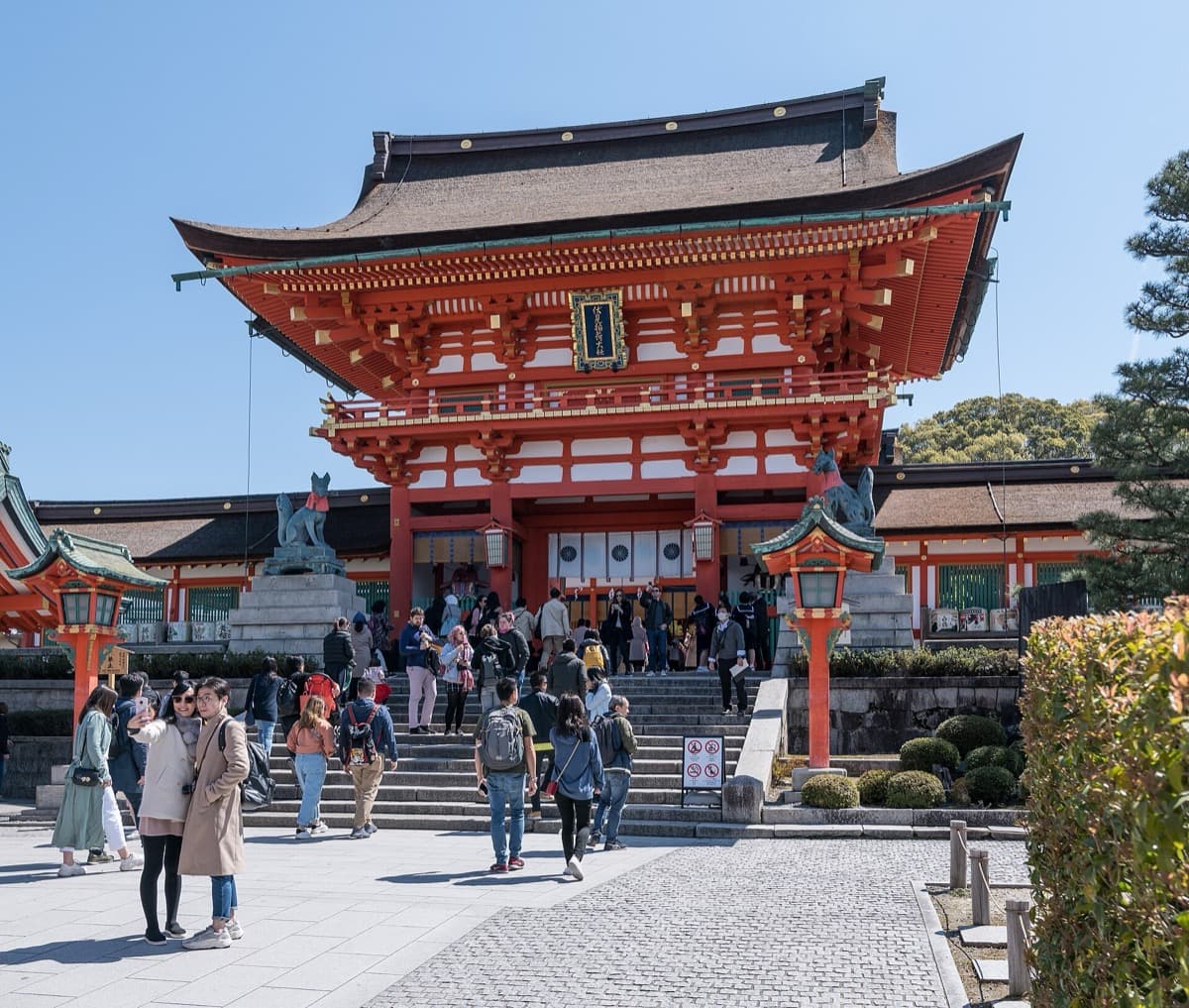
The Romon Gate at Fushimi Inari: A Warlord's Receipt for a Prayer