The Peace Memorial: Hiroshima and the Bomb
90 min · 2 km · easy
Yes, you can see the essential Hiroshima in a day. Here is the route, and a word about how to walk it.
Hiroshima is not a city you rush. Its most important ground, the Peace Memorial Park, is a place of mourning built on the spot where an atomic bomb detonated at 8:15 on the morning of August 6, 1945, killing tens of thousands in an instant and many more in the weeks and years that followed. A single day can hold the whole arc of the city, from that morning of witness to the green, rebuilt present and the sacred island across the bay, but only if you give the hard part the time and the quiet it deserves. This itinerary routes the three essential blocks around one walking day and names the self-guided Hiroshima walking tour that anchors each.
A note on pace before you start. The walking here is gentle, roughly 6 to 9 km across the day with a train and a ferry in the middle. The real discipline is emotional, not physical: let the morning be slow, and let the museum take as long as it takes.
Morning: the Peace Memorial Park
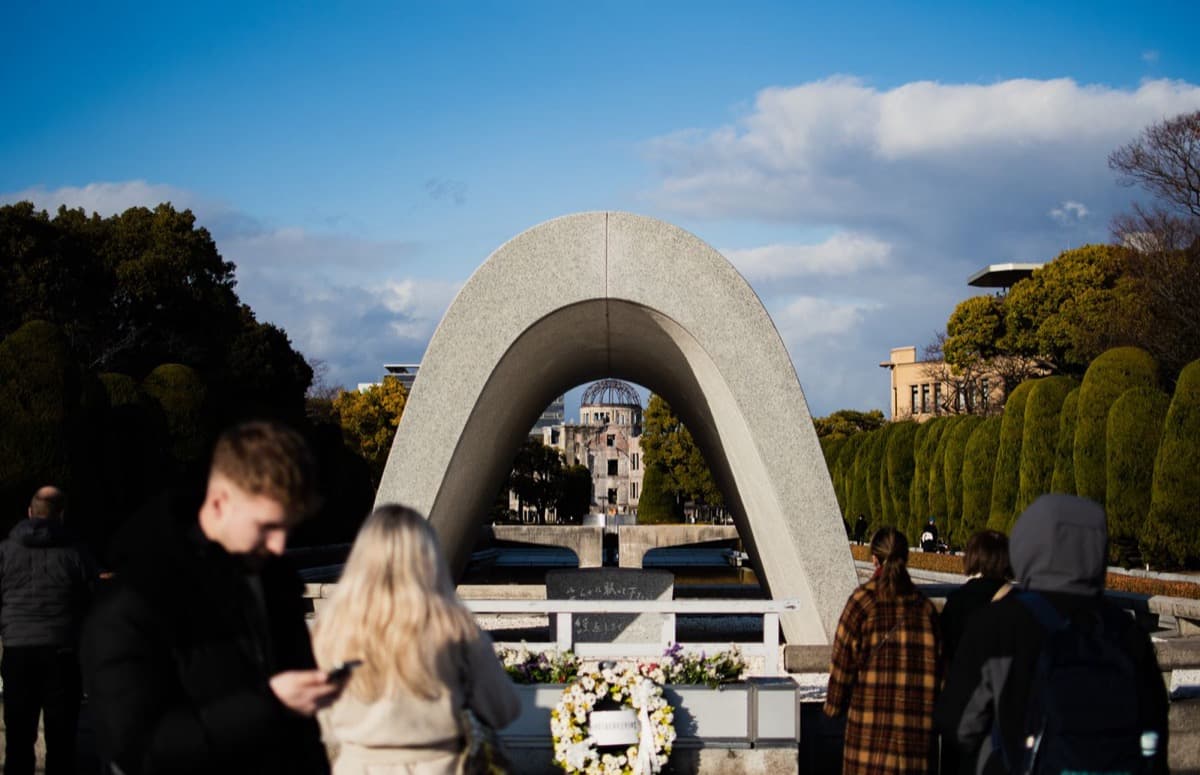
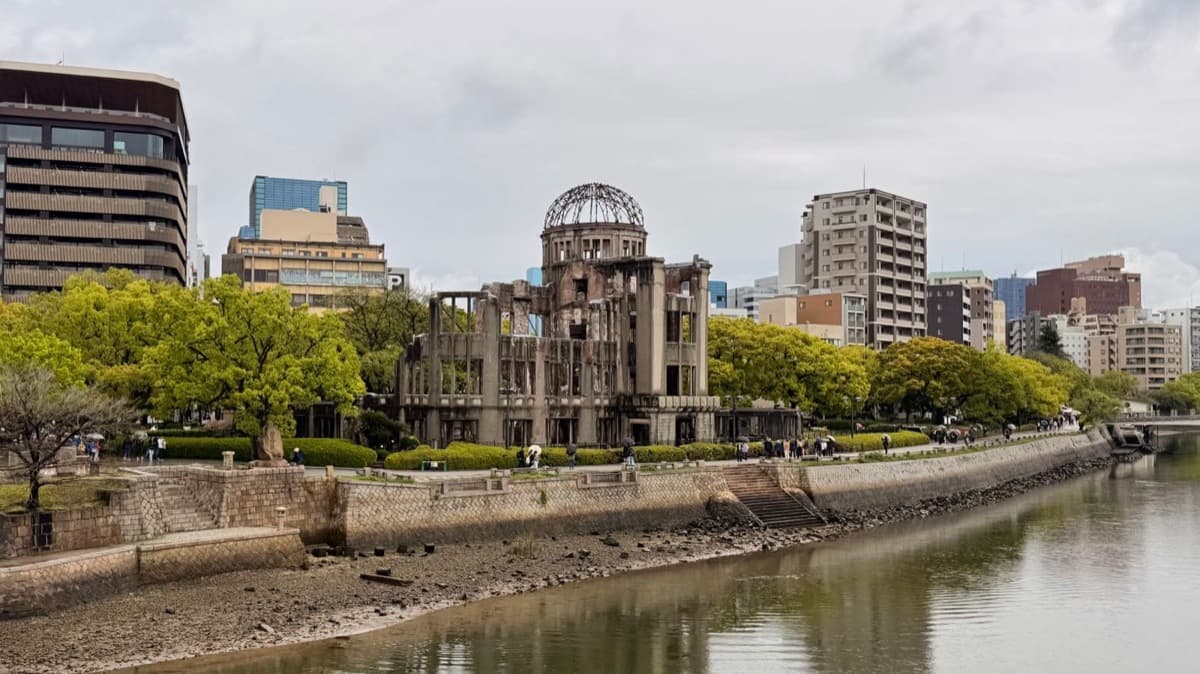
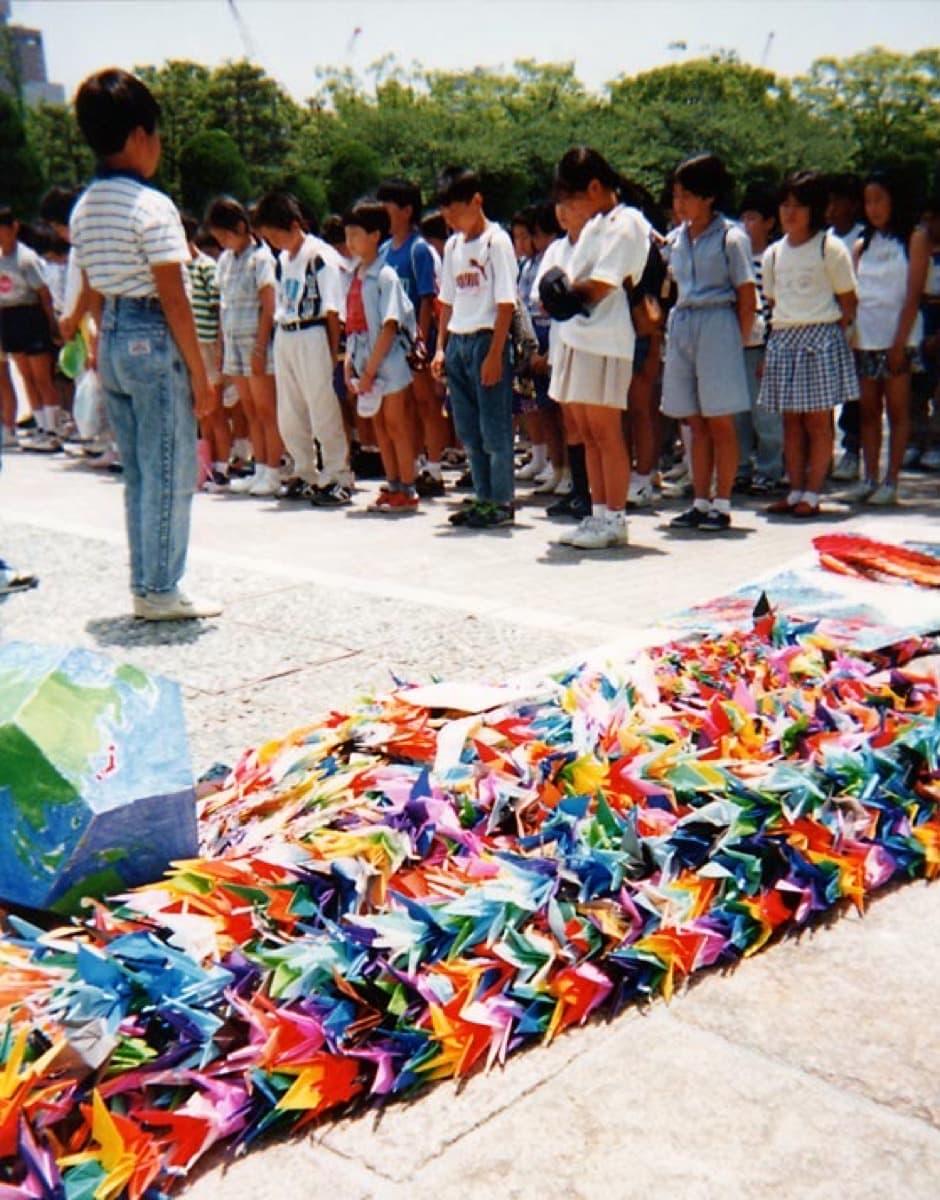
Start early, while the park is cool and quiet. Begin at the A-Bomb Dome (Genbaku Dome), the skeletal ruin left standing almost directly beneath the blast, preserved exactly as the morning of August 6 left it. Cross the Motoyasu River into the Peace Memorial Park proper, past the Children's Peace Monument, the Cenotaph with its arch framing the Dome and the eternal Peace Flame, and into the Hiroshima Peace Memorial Museum, which counts the dead by name and keeps the objects they left behind.
This is the block to walk with the Peace Memorial: Hiroshima and the Bomb self-guided audio tour, a quiet, sober act of witness along the memorial axis of the city that chose to preserve its own ground zero. If you want to understand the Dome before you stand in front of it, read the companion piece on why Hiroshima kept one ruin standing.
Give the museum real time. Keep your voice low, be thoughtful about photographs, and treat this morning as the reason you came. Admission to the museum is only ¥200 for adults, and the park itself is free; the cost here is not money.
Midday: the rebuilt castle and the trees that lived
Hear a stop from this walk
Hiroshima Peace Memorial Museum: The City Bears Witness
A short walk or tram ride north lifts the day from destruction toward return. Hiroshima Castle, flattened by the blast, was rebuilt in 1958; its keep now houses a museum of the city samurai past. Nearby, Shukkei-en, a four-hundred-year-old strolling garden, was burned in 1945 and painstakingly brought back to life. Both hold hibakujumoku, the survivor trees that were scorched by the bomb yet lived, and still grow.
Walk this block with the Hiroshima Rebuilt: Castle, Garden, and the Trees That Lived tour, which reads the city return through a castle raised again in concrete, a garden restored leaf by leaf, and trees that refused to die. The companion piece on the leaning ginkgo of Shukkei-en tells the story of one of them.
This is also the natural place for lunch. Hiroshima signature dish is its own layered style of okonomiyaki; see what to eat in Hiroshima for that and the oysters, anago, and tsukemen worth ordering.
Afternoon into evening: Miyajima and the floating torii
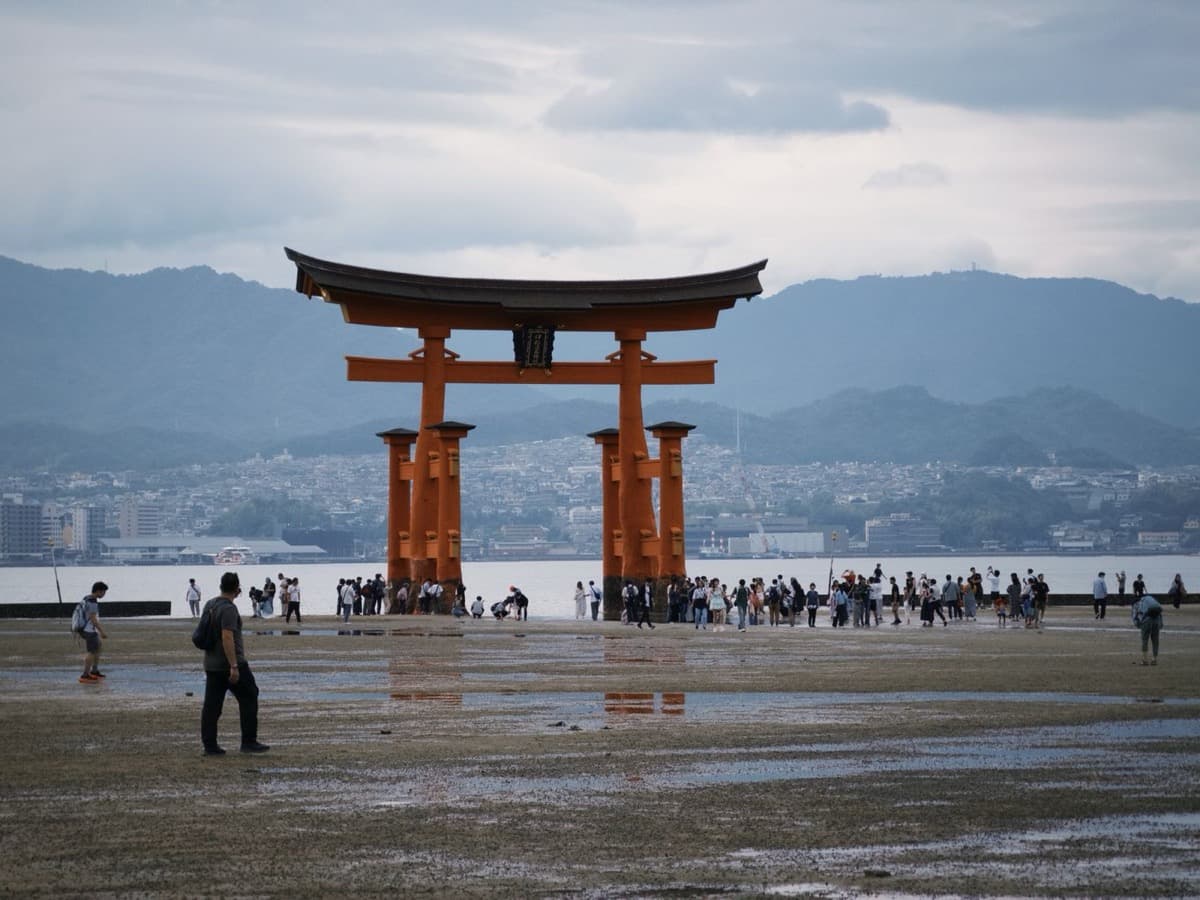
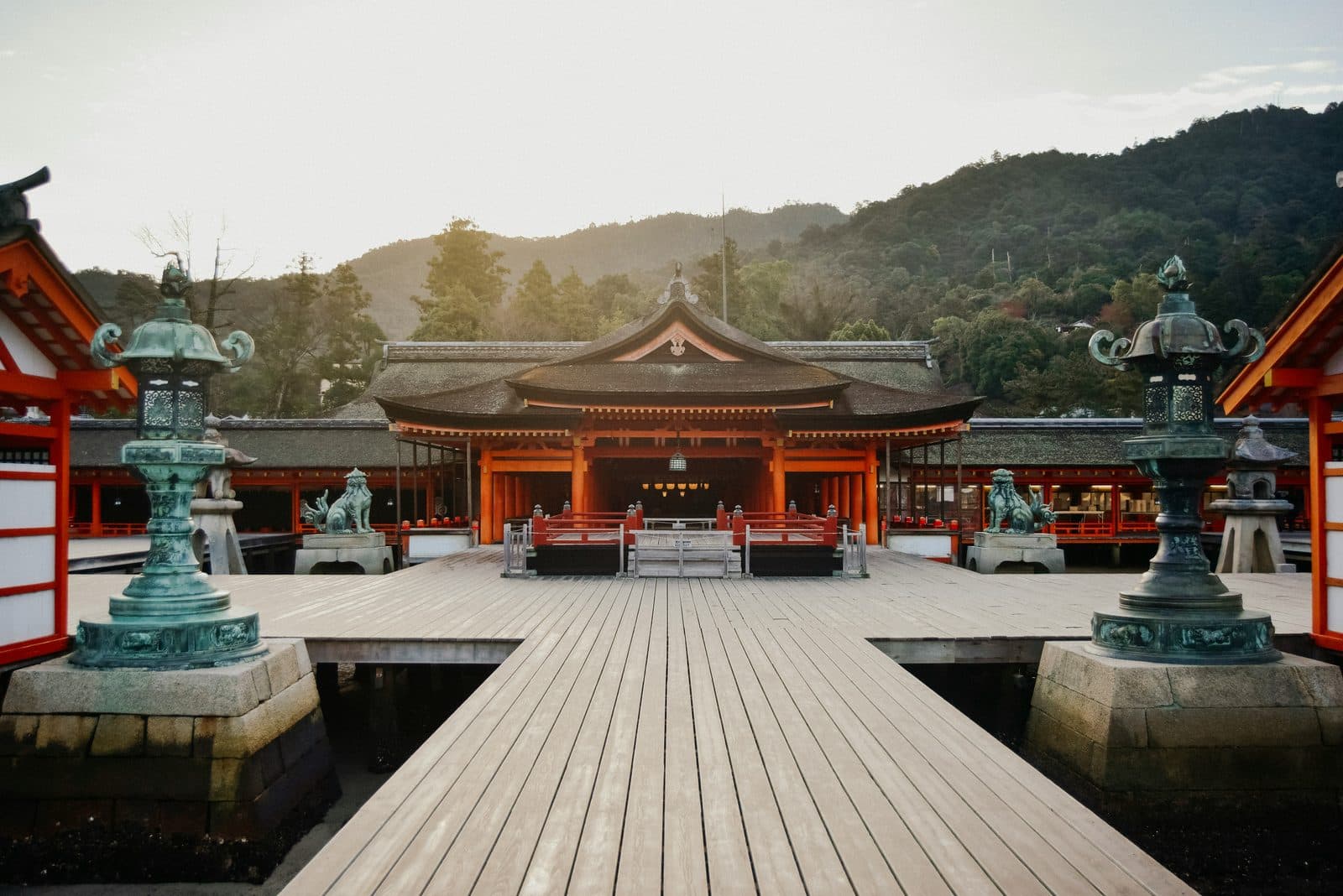
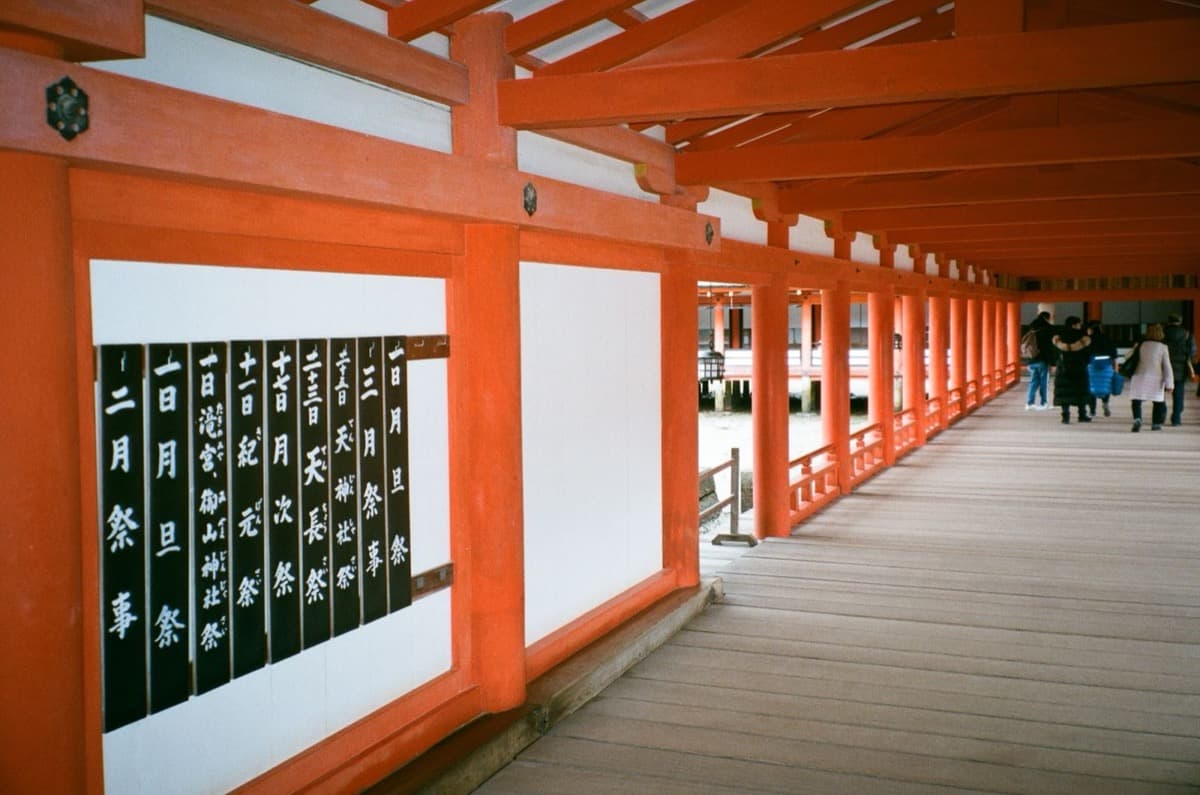
Mid-afternoon, make your way to the island of Miyajima (Itsukushima). Take a Hiroden streetcar or the JR Sanyo Line to Miyajimaguchi, then the ten-minute ferry across the water. The island town gathers around Itsukushima Shrine, built on stilts over the tideline so that at high water it appears to float, and its great vermilion torii gate stands offshore, holding its place by its own weight rather than being anchored to the seabed.
Walk it with the Miyajima: The Floating Shrine self-guided tour, which follows the island from the deer and shops of the shore to the shrine on its stilts and up toward the mountaintop flame. The companion piece on why the floating torii stands on nothing but its own weight is the perfect primer for the walk out to it.
Miyajima saves its best light for the end of the day. As the day-trippers leave and the sun drops behind the Seto Inland Sea, the torii turns to fire and the shrine empties out, which is exactly why it sits here in the plan rather than first thing. Stay for anago (grilled conger eel) or a maple-leaf momiji manju before the last ferry back.
The one-day route at a glance
| Block | Where | Anchor tour |
|---|---|---|
| Morning | A-Bomb Dome, Peace Park, Peace Memorial Museum | Peace Memorial: Hiroshima and the Bomb |
| Midday | Hiroshima Castle, Shukkei-en, survivor trees, lunch | Hiroshima Rebuilt: Castle, Garden, and the Trees That Lived |
| Afternoon into evening | Miyajima, Itsukushima Shrine, floating torii at sunset | Miyajima: The Floating Shrine |
Plan the rest of your trip
One day covers the essentials. For how many days Hiroshima really deserves, how to reach Miyajima, and how to visit the Peace Park thoughtfully, read the Hiroshima travel guide. For every route in the city, see the best self-guided walking tours in Hiroshima, or browse all Hiroshima tours. Every tour is free to start: the introduction and first stop play in full, and every later stop plays a short preview before an optional purchase.
Frequently asked questions
- Can you see Hiroshima in one day?
- Yes, the essential Hiroshima fits a single well-planned day. A focused route covers the Peace Memorial Park and A-Bomb Dome in the morning, the rebuilt Hiroshima Castle and Shukkei-en garden at midday, and the island of Miyajima with its floating torii gate for sunset. All three are reachable by tram, a short JR train, and a ten-minute ferry. The one thing not to rush is the Peace Park and its museum, which deserve slow, quiet time.
- Is one day enough for both Hiroshima and Miyajima?
- One day can do both if you start early and treat the day as two halves: the Peace Park and central Hiroshima in the morning and early afternoon, then the ferry across to Miyajima for late afternoon and sunset, when the day-trip crowds thin and the tide and light are at their best. If you want to climb Mount Misen or linger over anago and oysters on the island, give Miyajima its own half-day and stay a second night in Hiroshima.
- How should you visit the Peace Memorial Park respectfully?
- The Peace Memorial Park is a place of mourning as much as a sight to see. Walk it quietly, keep your voice low, and be thoughtful about photographs, especially of the cenotaph and at the museum. Give the Peace Memorial Museum real time; its exhibits are sober and, for many visitors, deeply moving. There is no entry fee to the park itself, and the museum charges only a small admission (¥200 for adults). Treat the morning as an act of witness, not a checklist stop.
- Do I need to book anything in advance for one day in Hiroshima?
- Most of this route needs no booking: the Peace Park, the castle grounds, and Miyajima are open to walk-ups. Advance reservation for the Peace Memorial Museum is strongly recommended around the August 6 anniversary, when it is busiest. The self-guided audio tours that anchor each block are free to start and can be downloaded in advance, so the history walks with you even where there is no signal.
Ready to experience it?
The Peace Memorial: Hiroshima and the Bomb
90 min · 2 km · easy
More from Hiroshima
Explore more at your own pace.
Hiroshima Travel Guide: How Many Days, Getting Around, Miyajima, When to Go (2026)
What to Eat in Hiroshima: A Food Guide (2026)
Itsukushima Shrine: The Miyajima Shrine Built Over the Sea So It Would Not Defile a Sacred Island
The Atomic Bomb Dome: Why Hiroshima Kept One Ruin Standing
The Children's Peace Monument: Sadako, the Paper Cranes, and a City's Vow