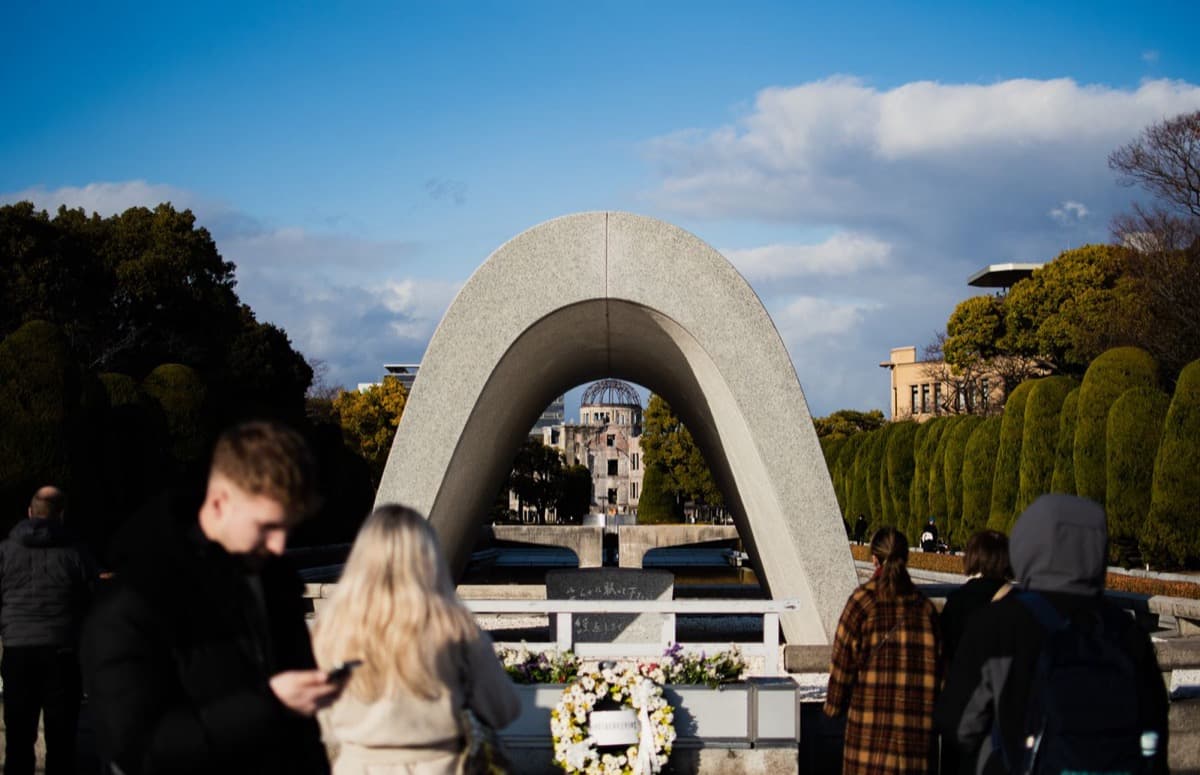
Walk the memorial axis of the city that chose to preserve its own ground zero. This is a quiet, sober act of witness, from the shattered Dome to the museum that counts the dead by name.
Start · Atomic Bomb Dome: The Object of Witness
DirectionsStops
- 1
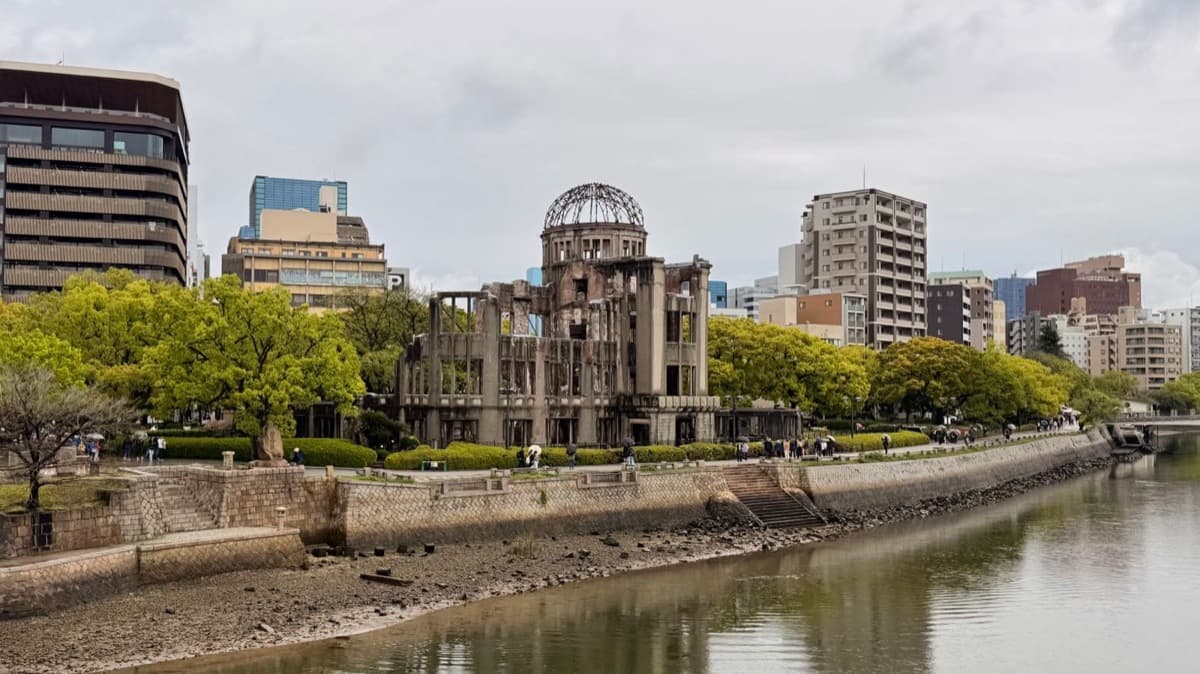
Atomic Bomb Dome: The Object of Witness
The one shattered building kept exactly as the blast left it, preserved as a form of protest and recognized by UNESCO.
- 2
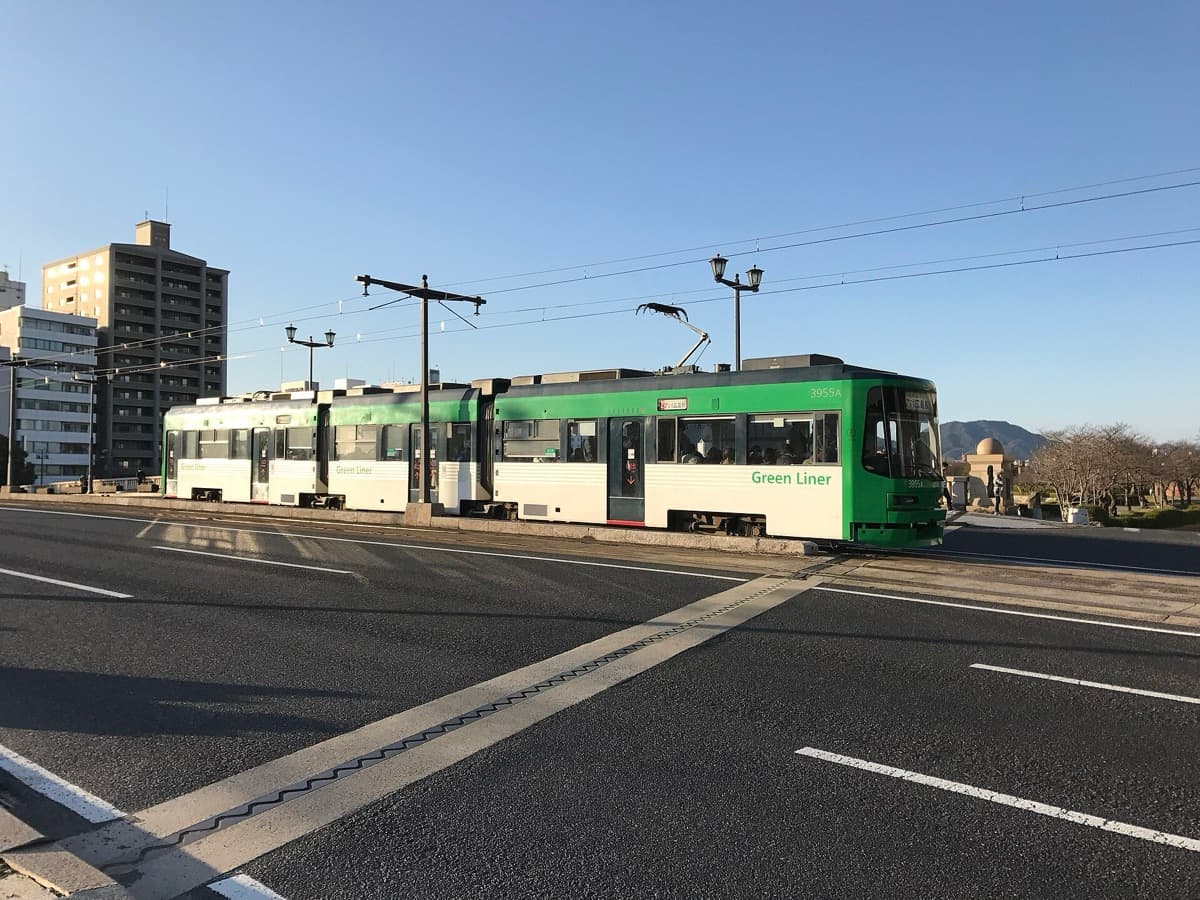
Aioi Bridge: The Aiming Point
The T-shaped bridge whose distinctive form made it the visual target for the bombing.
- 3
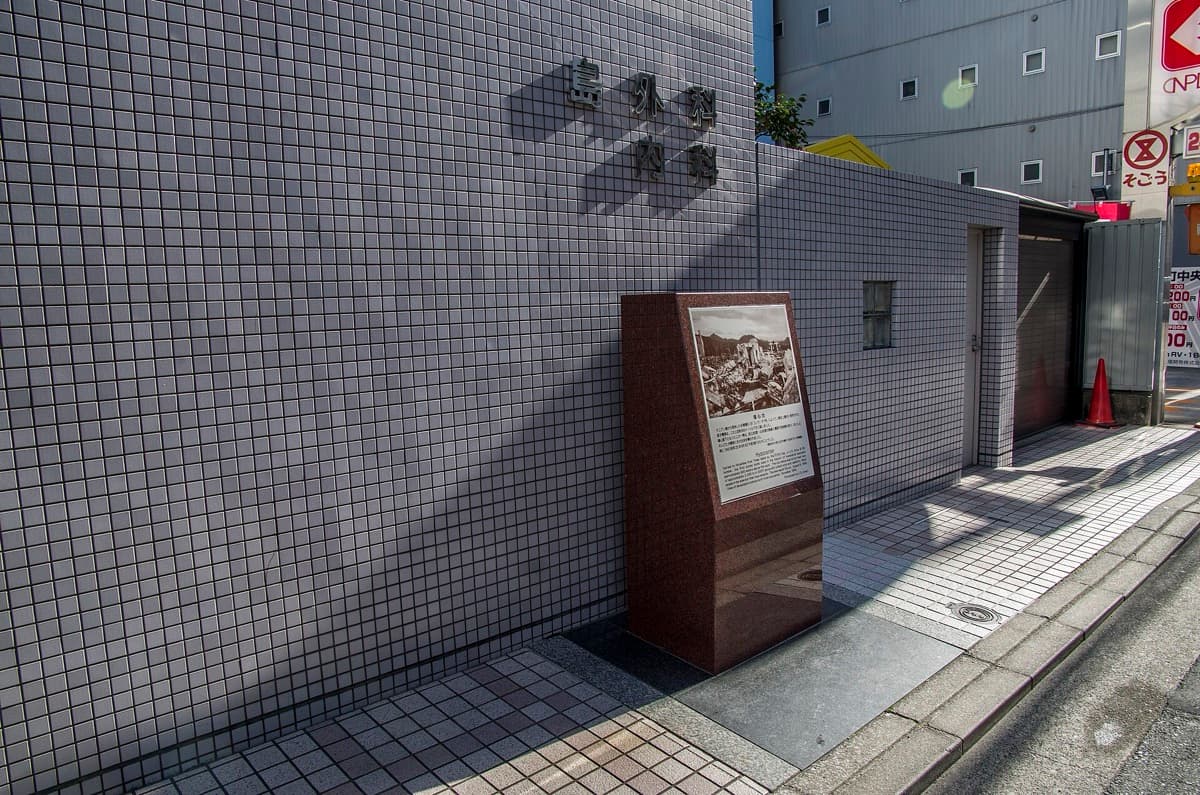
Hypocenter: Ground Zero
The point on the ground directly below the airburst, marked today by only a modest plaque.
- 4
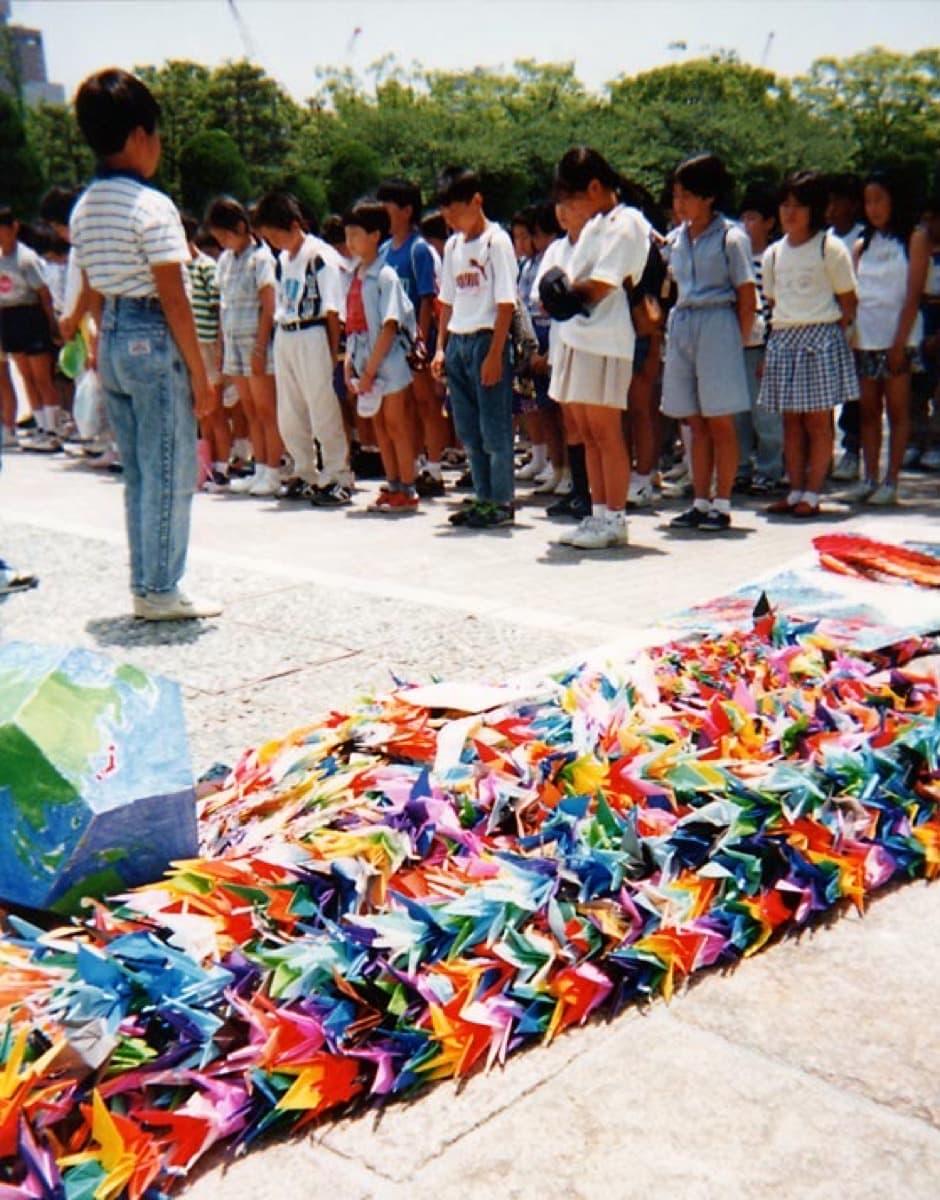
Children's Peace Monument: Sadako's Cranes
A monument to the child victims of the bomb, inspired by Sadako Sasaki and her folded paper cranes.
- 5
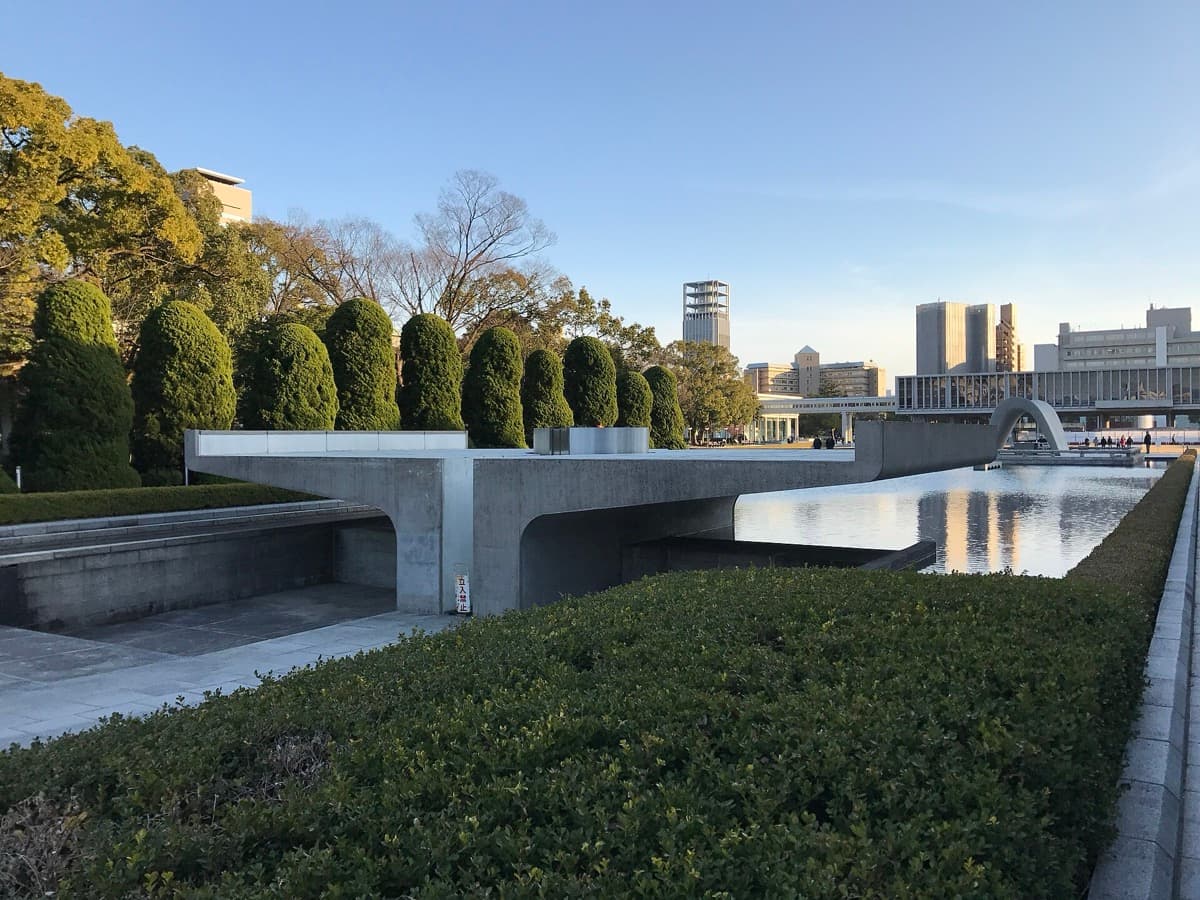
Flame of Peace: A Vow Held as Fire
A flame that has burned since nineteen sixty-four and is meant to be extinguished only when all nuclear weapons are abolished.
- 6
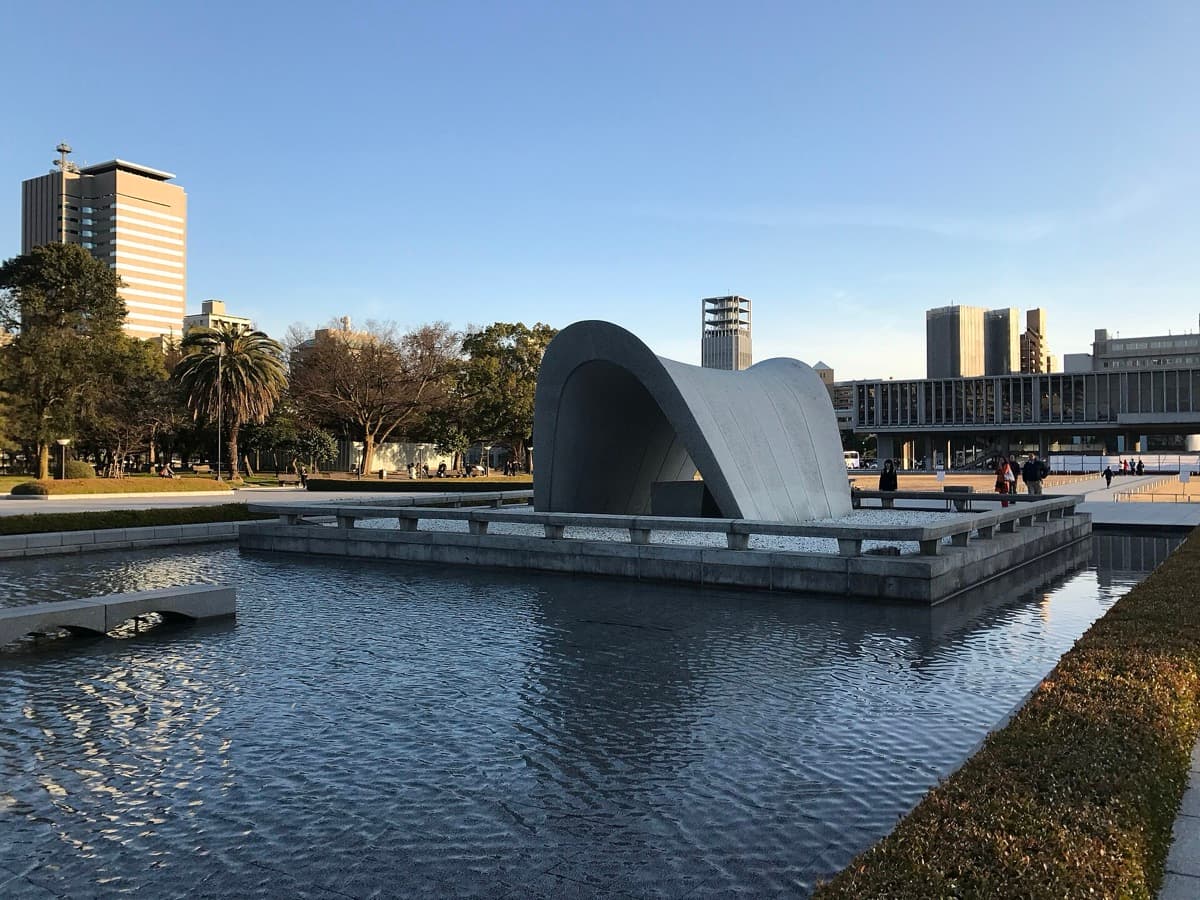
Cenotaph for the A-Bomb Victims: The Register of Names
Kenzo Tange's arch shelters a register of the dead and frames the Flame and the Dome in a single sightline.
- 7
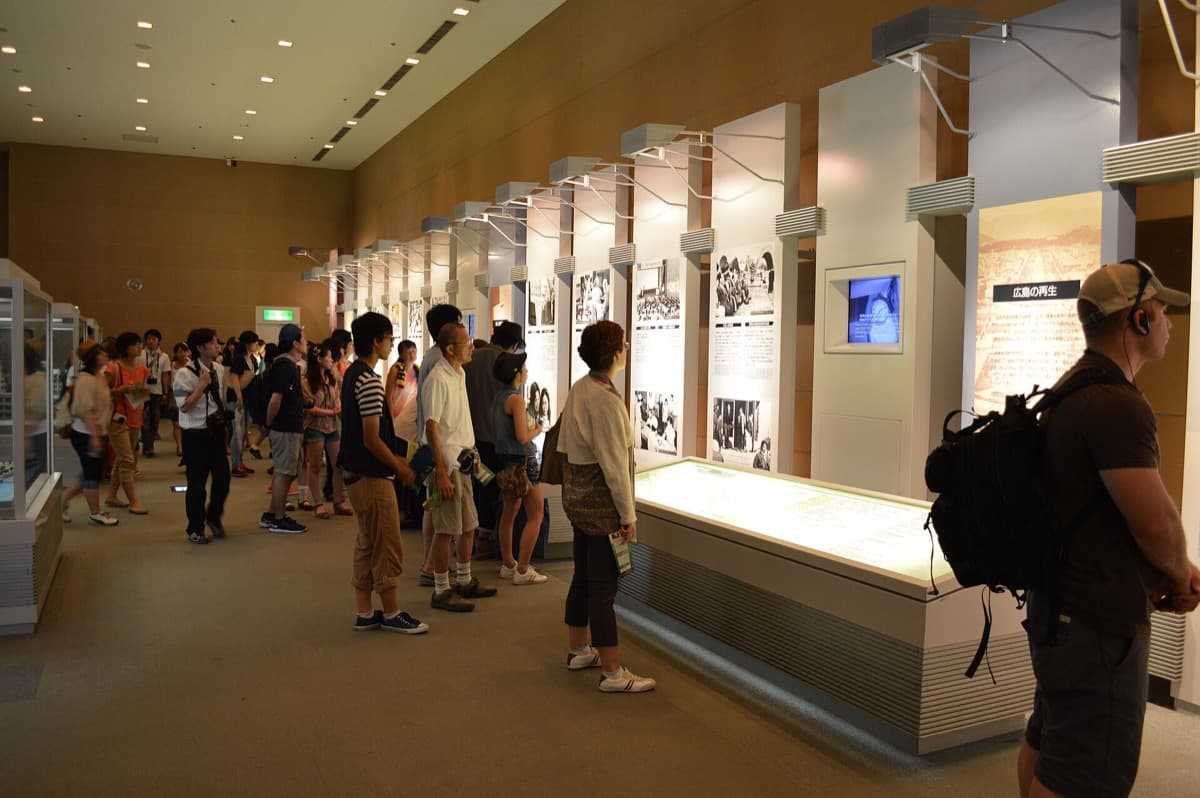
Hiroshima Peace Memorial Museum: The City Bears Witness
Where the city itself documents the bombing and states its estimate of the toll.
Details
Best Time to Visit
Early morning, soon after the park opens, when it is calm and the light is soft. The sixth of August draws large memorial crowds each year, so if you want quiet reflection, choose another day. Cherry-blossom season in early April brings crowds but also striking beauty along the rivers.
Pro Tips
- •Move slowly and let silence be part of the walk. This is a place of mourning, and an unhurried, quiet pace serves it best.
- •The park is flat and compact, so wear comfortable shoes and plan to linger rather than rush between stops.
- •Set aside extra time for the museum at the end. Its exhibits are measured and heavy, and many visitors want to sit quietly afterward.
- •The memorial axis runs in one straight line. If you lose your way, find the Cenotaph and look north through its arch to the Dome to reorient.
- •Carry water, and in summer bring sun protection, since much of the walk is open and exposed.
- •If you fold a paper crane before you come, you can add it to the offerings at the Children's Peace Monument.
Safety & Precautions
- •This is an active place of remembrance and mourning. Keep your voice low, and be thoughtful with photography, especially near the monuments and around other visitors who may be grieving.
- •The museum's contents are frank and can be deeply upsetting. Go at your own pace, and it is entirely reasonable to step outside for air.
- •Summers in Hiroshima are hot and humid. Pace yourself, stay hydrated, and rest in shade to avoid heat exhaustion.
- •The hypocentre marker sits on an ordinary working street with traffic, so watch for vehicles while you look for the plaque.
Travel advisory: Exercise Normal Precautions (Level 1).
Gallery
Related Reading
Go deeper on what you'll see, hear, and walk through.
Overview
Best Self-Guided Walking Tours in Hiroshima (2026)
3 min
Overview
Hiroshima Travel Guide: How Many Days, Getting Around, Miyajima, When to Go (2026)
5 min
Overview
One Day in Hiroshima: A Respectful, Walkable Itinerary (2026)
5 min
Thematic
Best History Walking Tours in Hiroshima (2026)
2 min
Thematic
What to Eat in Hiroshima: A Food Guide (2026)
4 min
Deep dive
The Atomic Bomb Dome: Why Hiroshima Kept One Ruin Standing
6 min
Deep dive
The Children's Peace Monument: Sadako, the Paper Cranes, and a City's Vow
5 min
Read the walk
The full story of The Peace Memorial: Hiroshima and the Bomb, in words. Prefer to listen? Play it narrated, from home or on location.
Introduction
This is a walk of witness, and it asks for a quiet mind. Over seven stops, across roughly one and a half kilometres, and in about ninety minutes to two hours at your own unhurried pace, you will follow a single straight line through Hiroshima Peace Memorial Park, in the city of Hiroshima, in Japan. That line is deliberate. It runs north to south, and it binds together the instrument, the aiming, the ground, and the response.
On the sixth of August, nineteen forty-five, at eight fifteen in the morning, the first atomic weapon used in war detonated roughly six hundred metres above this ground. Hiroshima made a choice that almost no other destroyed city has made. It did not clear the ruins and move on. It did not raise a monument to victory or to revenge. It preserved its own ground zero, kept one shattered building standing exactly as the blast left it, and turned the epicentre into a park devoted to a single idea, that this must never happen again, anywhere, to anyone.
You will move at your own pace, and every stop is short. Pause where you need to. Sit if you need to. There is a paradox waiting here that the whole walk turns on. The most deliberately serene public space in Japan sits precisely on the site of the most violent single moment in the country's history. The quiet is not the absence of the event. It is the chosen answer to it.
When you arrive at the Atomic Bomb Dome, begin with stop one.
1. Atomic Bomb Dome: The Object of Witness
You are standing before the Atomic Bomb Dome, and it is the reason this walk begins here. Before the sixth of August, nineteen forty-five, this was the Hiroshima Prefectural Industrial Promotion Hall, a graceful building designed by the Czech architect Jan Letzel and completed in April of nineteen fifteen. It had a copper dome, a European elegance, and it hosted exhibitions and offices in the busy heart of the city.
At eight fifteen that August morning, the detonation happened almost directly overhead. The blast center was one hundred sixty metres to one side and six hundred metres up, which means the force came down on this building at a steep, nearly vertical angle. That geometry is the reason anything is still standing. Walls that faced a sideways blast elsewhere in the city were flung flat. Here, the downward pressure let some of the outer walls and the skeletal ribs of the dome remain. Everyone inside was killed.
For years afterward, people debated whether to tear it down. Some found it too painful to look at. In the end the city chose to keep it, unrepaired, exactly as the blast left it. Nothing has been added and nothing has been made whole. What you see is preservation as a form of protest. In December of nineteen ninety-six, the ruin was registered on the UNESCO World Heritage List, recognized as a stark and enduring symbol of the hope for peace and the abolition of nuclear weapons.
Take your time here. The ruin is fenced, and you view it from the promenade that circles it. Walk around it slowly if you like. Let it speak before you move on. It is the object of witness, and everything ahead follows from it.
2. Aioi Bridge: The Aiming Point
You are on the Aioi Bridge, and its shape is the whole story. Look at how it is built. It is not a simple crossing from one bank to the other. It is a T, a three-way bridge that spans two rivers, the Honkawa and the Motoyasu, with an arm reaching out from the middle. When it was completed in nineteen thirty-two, at about one hundred twenty metres long, that unusual form was an engineering solution to a fork in the water.
From the air, though, that same T was unmistakable. Nothing else in the city looked like it. And so this bridge became the aiming point for the bombing. The crew searching the ground below for their target picked out this distinctive crosshair of concrete and lined up on it. Here is the paradox in its plainest form. The very feature that made the bridge elegant and singular is what made it the mark.
The weapon missed. It detonated about two hundred forty metres away, to the southeast, above a hospital rather than above this span. The original bridge survived the blast that its own shape had invited. It stood for decades more, and was finally replaced in nineteen eighty-three by the bridge you are standing on now, built to resemble the one that came before. A surviving floor girder from the original was given to the Peace Memorial Museum.
Stand at the center where the arm meets the crossing, and look south along the river. The direction the bomb actually fell is just ahead of you. From an aiming point in the sky, this was the intended zero. Where it truly happened is the next thing you will find.
3. Hypocenter: Ground Zero
You are at the hypocentre, and you should know exactly what that word means. It is the point on the ground directly below the place where the bomb detonated in the air. Not where it landed, because it never landed. The weapon, nicknamed Little Boy, exploded roughly six hundred metres above this spot, at eight fifteen in the morning on the sixth of August, nineteen forty-five. The hypocentre is the ground beneath that airburst, and this is it.
Before that morning, this corner held the Shima Hospital, in the Otemachi district. Everyone inside and immediately around it was killed. The city was aiming at the T-shaped bridge you may have just crossed, a couple of hundred metres north. The bomb drifted, and the true zero came to rest here instead, over an ordinary hospital on an ordinary street.
Look for the marker. It is modest, a small explanatory plaque beside a clinic, on a working street corner with traffic and daily life going past. There is no grand monument. That restraint is itself part of the meaning. The single most consequential point of that entire day, the place the whole park orbits, is marked only by a plaque you could walk past without noticing.
Stand quietly for a moment. Everything you have seen and will see radiates outward from this exact ground. From here the walk turns from the weapon and its aiming toward the human response, and toward the people this day was made of.
4. Children's Peace Monument: Sadako's Cranes
You are at the Children's Peace Monument, and it exists because of one child. At the top stands the figure of a girl holding a folded crane above her head. Her name was Sadako Sasaki. She was two years old on the morning of the bombing, and she lived through it. Ten years later,…
Full narration for this stop unlocks with the tour.
5. Flame of Peace: A Vow Held as Fire
You are before the Flame of Peace, and it is a fire built with the hope of one day going out. It was lit in nineteen sixty-four, and it has burned without pause ever since. That alone is worth pausing over. Through every season and every year since it was kindled, this flame has…
Full narration for this stop unlocks with the tour.
6. Cenotaph for the A-Bomb Victims: The Register of Names
You are at the Cenotaph for the atomic bomb victims, and this is the heart of the park. It is a simple curved arch, low and open, designed by the architect Kenzo Tange, then a professor at the University of Tokyo, and completed on the sixth of August, nineteen fifty-two, on the…
Full narration for this stop unlocks with the tour.
7. Hiroshima Peace Memorial Museum: The City Bears Witness
You are at the Hiroshima Peace Memorial Museum, at the southern end of the axis, and this is where the walk ends. The long, low building lifted on concrete pillars was designed by the architect Kenzo Tange, the same hand behind the Cenotaph you just left, and the museum was…
Full narration for this stop unlocks with the tour.