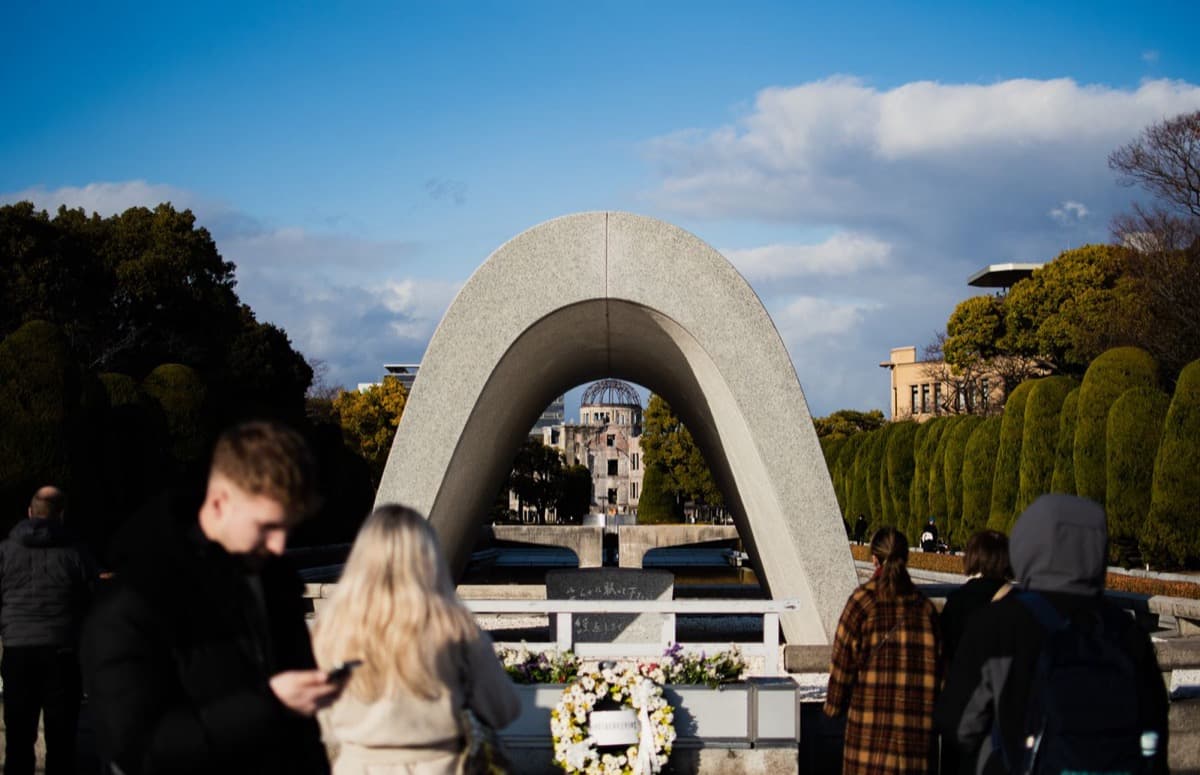
The Peace Memorial: Hiroshima and the Bomb
90 min · 2 km · easy
Hiroshima food is shaped by two things: the sea at its doorstep and the history that ran through it. The calm, plankton-rich Seto Inland Sea made the region Japan capital of oysters and conger eel, and the lean, rebuilding years after 1945 turned a cheap griddle snack into the layered okonomiyaki the city is fiercely proud of. Eating well here means eating from the sea and off the teppan, and understanding that Hiroshima take on a national dish is deliberately, defiantly its own. This guide covers the dishes worth seeking out and where the food culture lives, and it pairs naturally with a slow walk on one of our Hiroshima self-guided tours.
The dishes to seek out
Hiroshima okonomiyaki. The city signature dish and its point of pride. Unlike the Osaka version, where everything is mixed in a bowl and cooked as one pancake, Hiroshima okonomiyaki is built in layers on the griddle: a thin crepe, a tall mound of cabbage, pork, a nest of fried soba or udon noodles, and egg, all folded together under a glossy coat of sweet-savory sauce. It is bigger, heartier, and noodle-heavy, and it is best eaten straight off the teppan counter, ideally at a place like the multi-floor Okonomimura where dozens of stalls compete.
Oysters (kaki). Hiroshima grows more oysters than anywhere else in Japan, around 60 percent of the country output, farmed in the sheltered Seto Inland Sea. They are large, plump, and rich. In the cold months you will find them grilled in the shell at shore-side stalls, breaded and deep-fried as kaki-fry, or simmered in a hotpot. Winter is the season to chase them.
Anago (conger eel). Milder and more delicate than the freshwater unagi found elsewhere in Japan, sea-caught anago is a Hiroshima and Miyajima specialty. The classic form is anago-meshi: the eel split, grilled with a sweet-savory glaze, and laid over rice cooked in its own dashi. It is the dish to order the moment you step off the Miyajima ferry.
Hiroshima tsukemen. Not the rich, hot dipping ramen of Tokyo, but a local invention all its own: cold noodles dipped in a spicy, tangy sauce built on soy, vinegar, sesame, and chili, served with boiled cabbage, green onion, and pork. Shops line the table with chili and sesame so you can dial the heat up. It is a bracing, refreshing summer counterpoint to the griddle food.
Momiji manju. The signature sweet of Miyajima: small maple-leaf-shaped sponge cakes filled with red-bean paste, their shape modeled on the maple that is the prefecture symbol. Modern shops fill them with custard, chocolate, matcha, or cheese too. Buy them fresh and warm off the island shopping street, and look for age-momiji, the deep-fried version on a stick.
Where the food culture lives
Hear a stop from this walk
Hiroshima Peace Memorial Museum: The City Bears Witness
Downtown Hiroshima, for okonomiyaki. The teppan counters cluster in the central arcades and in dedicated buildings like Okonomimura, where stall after stall griddles the layered pancake to order. This is a stand-and-watch, eat-off-the-hotplate kind of meal.
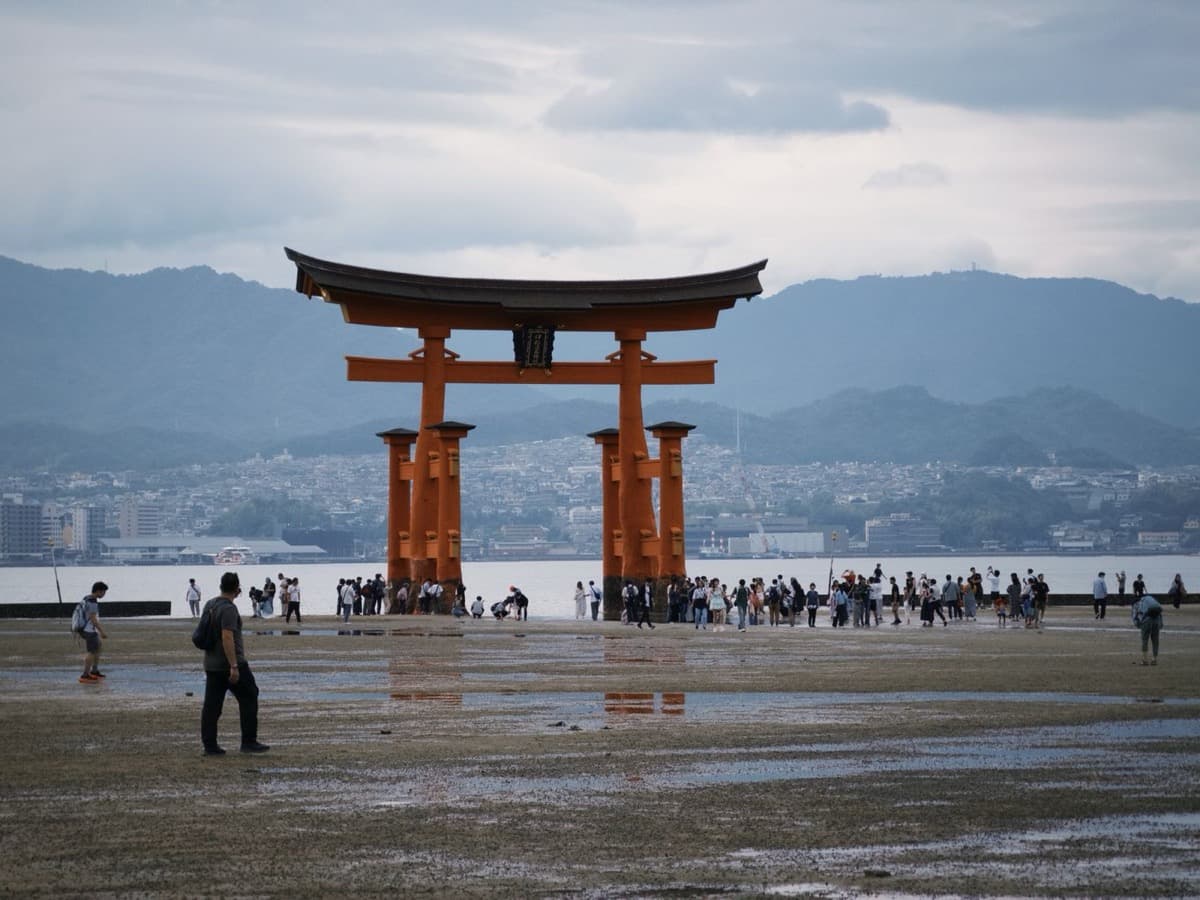
Miyajima, for oysters, anago, and sweets. The island shopping street (Omotesando) is a running feast: grilled oysters over open coals, anago-meshi shops, and momiji manju baked in front of you. Walk the Miyajima floating shrine tour and it doubles as your route between the food stalls and the great vermilion torii. For the story of the gate itself, see the companion piece on why the floating torii stands on nothing but its own weight.
Central Hiroshima, between the sights. The compact city center means a downtown okonomiyaki lunch sits naturally between a sober morning at the Peace Memorial Park and an afternoon at the rebuilt castle and gardens. Plan that arc with the one day in Hiroshima itinerary.
Eat as you walk
The best way to work through this list is on foot, one part of the day at a time. Pair a downtown lunch with the layered okonomiyaki, save the oysters and anago for Miyajima, and finish with warm momiji manju before the last ferry. Route your day with the one day in Hiroshima itinerary, plan the practical side with the Hiroshima travel guide, and browse all Hiroshima tours. Every tour is free to start: the introduction and first stop play in full, and every later stop plays a short preview before an optional purchase.
Frequently asked questions
- What food is Hiroshima known for?
- Hiroshima is best known for its own layered style of okonomiyaki, which is built up in distinct layers with fried noodles inside rather than mixed in a bowl like the Osaka version. It is also Japan top oyster producer (kaki), famous for grilled anago (conger eel) served over rice, a fiery cold-noodle dish called Hiroshima tsukemen, and, on the island of Miyajima, maple-leaf-shaped momiji manju sweets.
- What is the difference between Hiroshima and Osaka okonomiyaki?
- Osaka-style okonomiyaki mixes all the ingredients, cabbage, batter, egg, and fillings, into one bowl and cooks it as a single pancake. Hiroshima-style is layered: a thin crepe first, then a mound of cabbage, then pork, then a nest of fried soba or udon noodles, then egg, all built up on the griddle and folded together under a coat of sweet-savory sauce. Hiroshima okonomiyaki is bigger, noodle-heavy, and cooked in stages rather than stirred together.
- Are Hiroshima oysters worth it, and when are they in season?
- Yes. Hiroshima Prefecture grows more oysters than anywhere else in Japan, roughly 60 percent of the national output, thanks to the calm, nutrient-rich waters of the Seto Inland Sea. The oysters are plump and richly flavored. Peak season runs through the cold months, roughly winter into early spring, when you will find them grilled in the shell, deep-fried as kaki-fry, or served in a hotpot, especially at stalls on and around Miyajima.
- What should you eat on Miyajima?
- Two things above all: grilled oysters straight off the shore stalls, and anago-meshi, split conger eel grilled with a sweet sauce and served over dashi-cooked rice, a Miyajima specialty. For a sweet, buy momiji manju fresh and warm, the maple-leaf-shaped sponge cakes filled with red-bean paste (and now custard, chocolate, or cheese) that are the island signature souvenir.
Ready to experience it?
The Peace Memorial: Hiroshima and the Bomb
90 min · 2 km · easy
More from Hiroshima
Explore more at your own pace.
Hiroshima Travel Guide: How Many Days, Getting Around, Miyajima, When to Go (2026)
One Day in Hiroshima: A Respectful, Walkable Itinerary (2026)
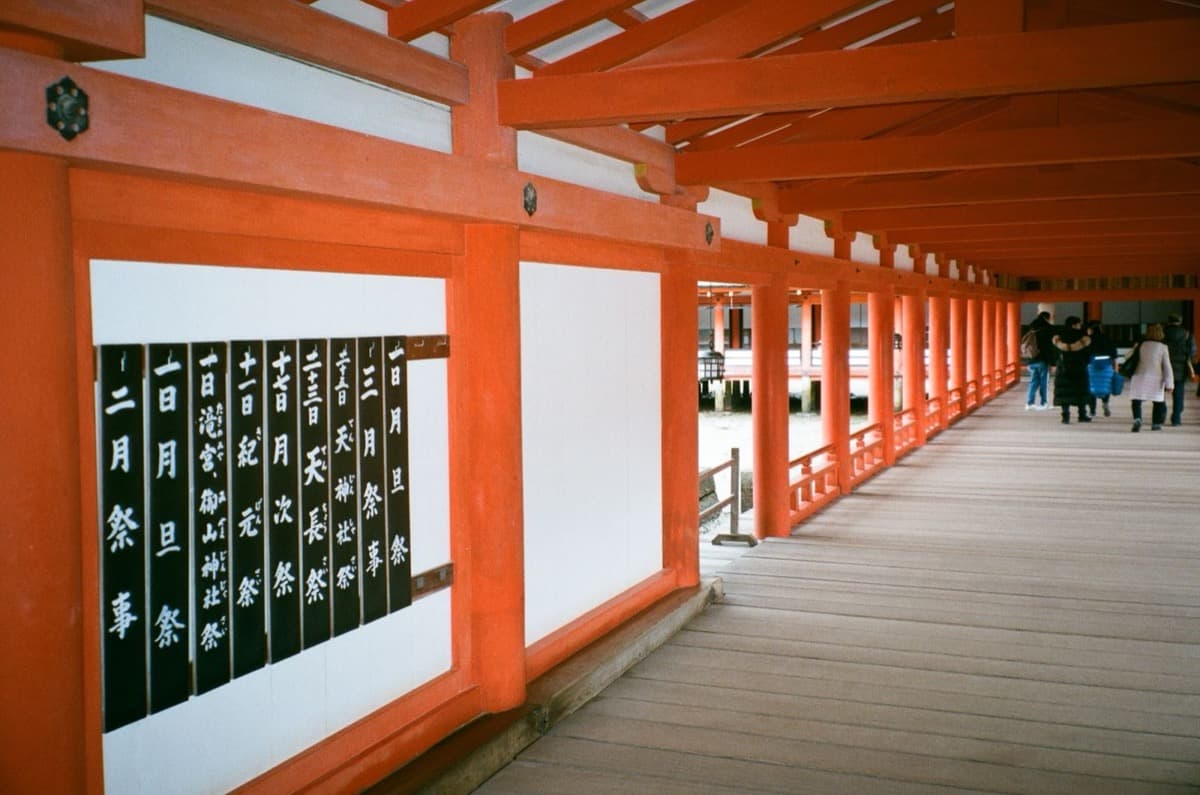
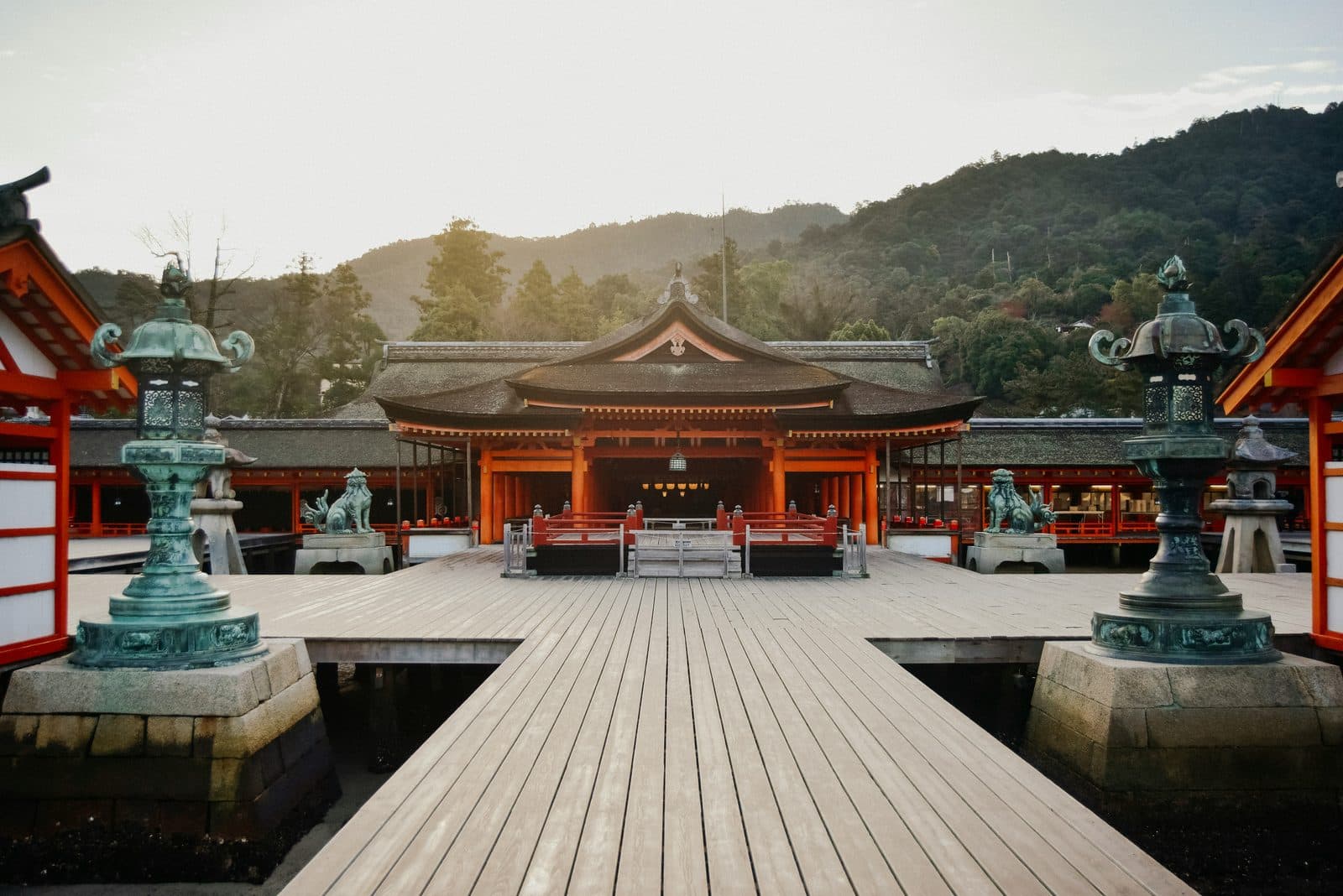
Itsukushima Shrine: The Miyajima Shrine Built Over the Sea So It Would Not Defile a Sacred Island
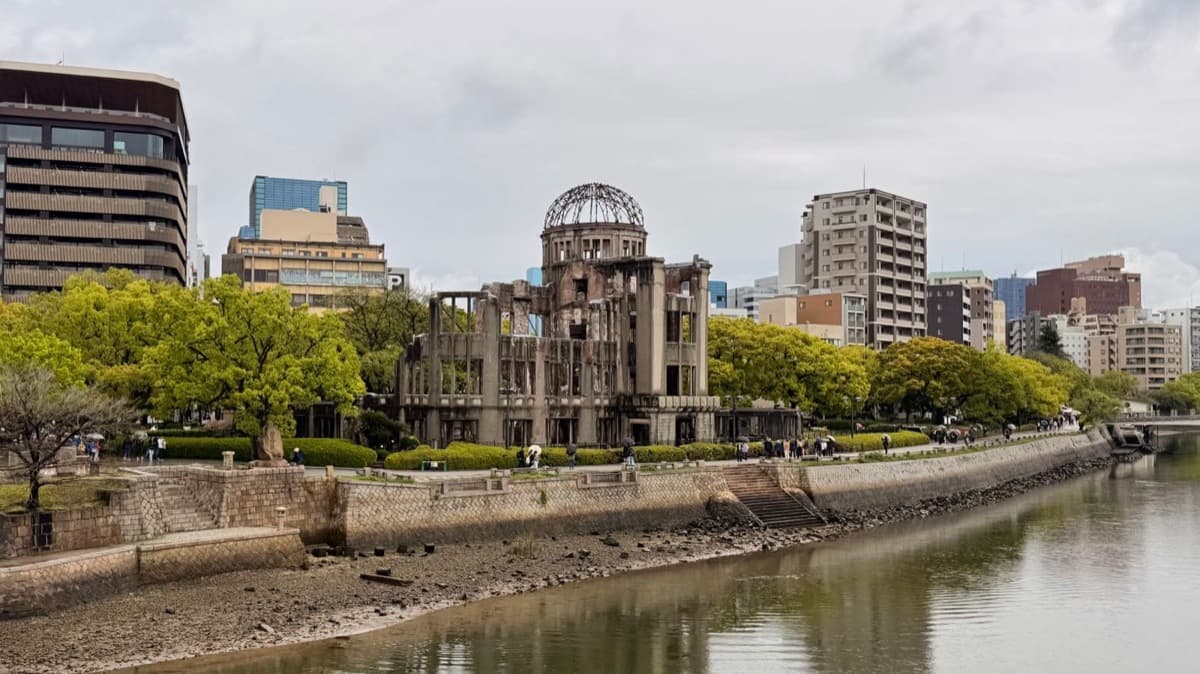
The Atomic Bomb Dome: Why Hiroshima Kept One Ruin Standing
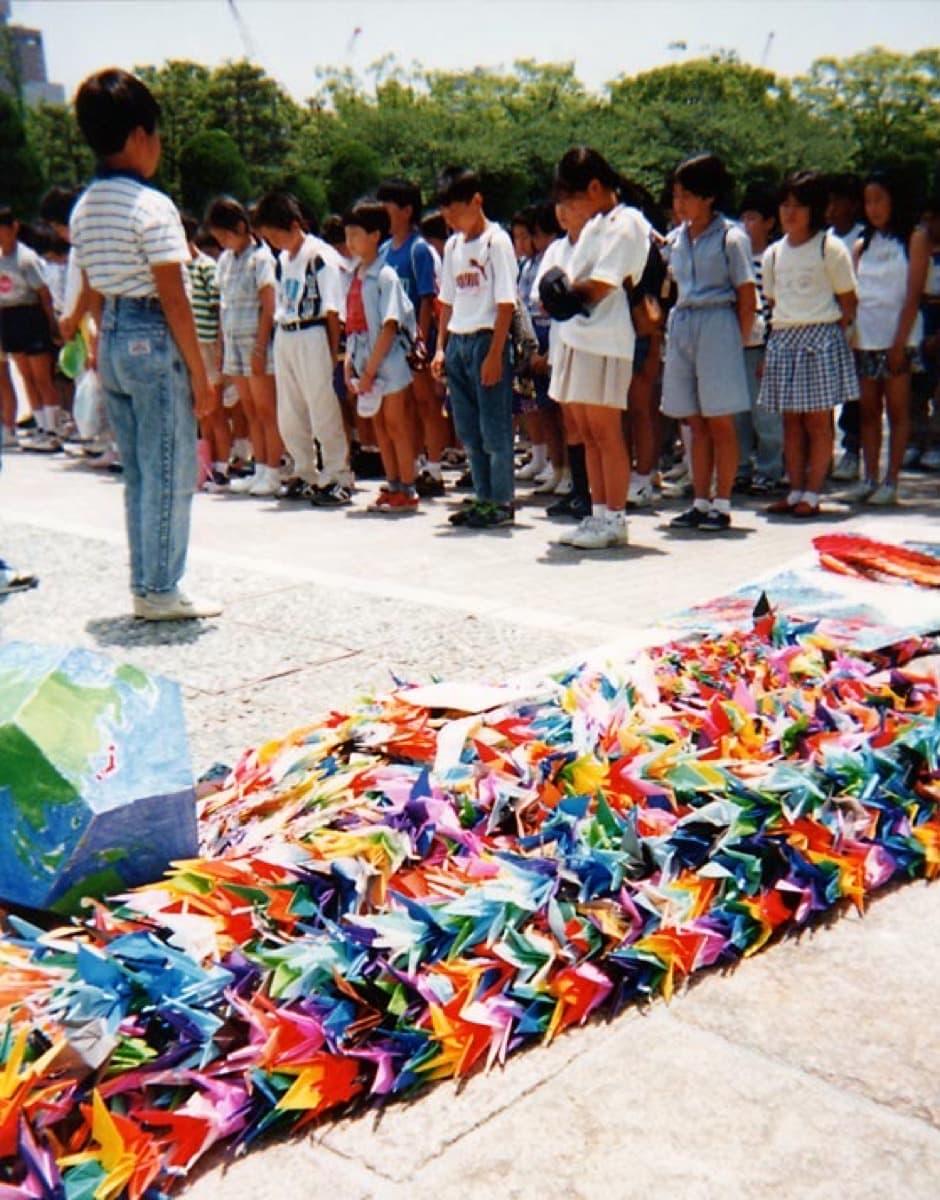
The Children's Peace Monument: Sadako, the Paper Cranes, and a City's Vow