The Peace Memorial: Hiroshima and the Bomb
90 min · 2 km · easy
Hiroshima carries an enormous history, but as a place to visit it is compact and easy to move through. A single tram network reaches nearly everything, Miyajima is a short train-and-ferry hop away, and the Shinkansen puts Kyoto and Osaka within a couple of hours. The planning that matters most here is not logistical. It is human: knowing how to give the Peace Park the time and the respect it deserves. This guide answers the practical questions travelers actually search, answer first, then the detail.
How many days do you need in Hiroshima?
Short answer: one to two days, plus a half-day for Miyajima.
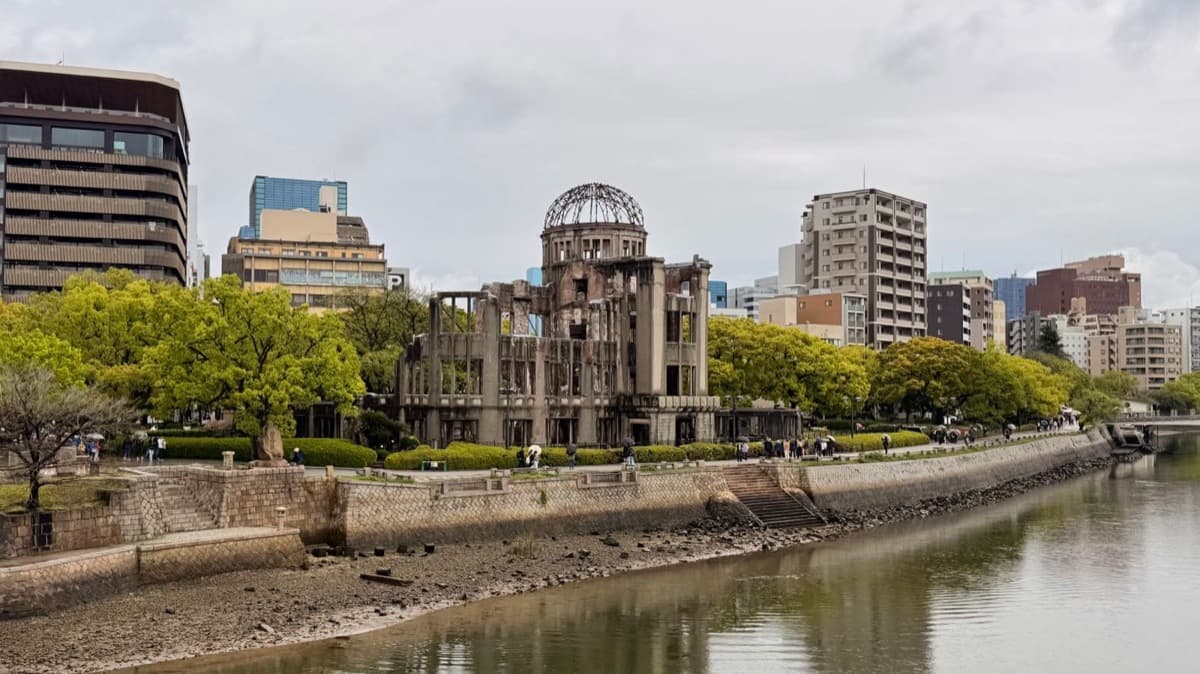
- 1 day covers central Hiroshima well: the Peace Memorial Park and A-Bomb Dome in the morning, the rebuilt castle and Shukkei-en garden at midday. Follow our focused one day in Hiroshima route if this is all you have, and end it with a Miyajima sunset if you start early.
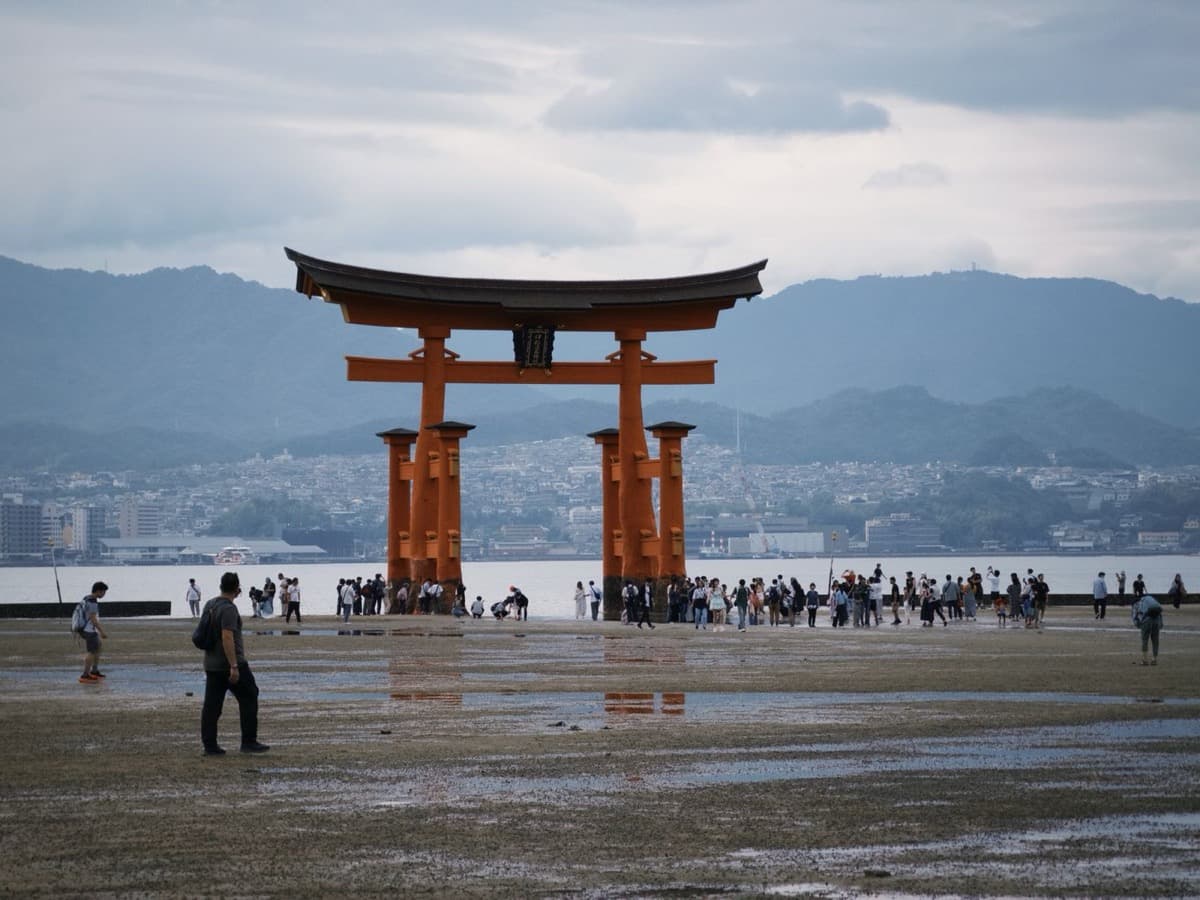
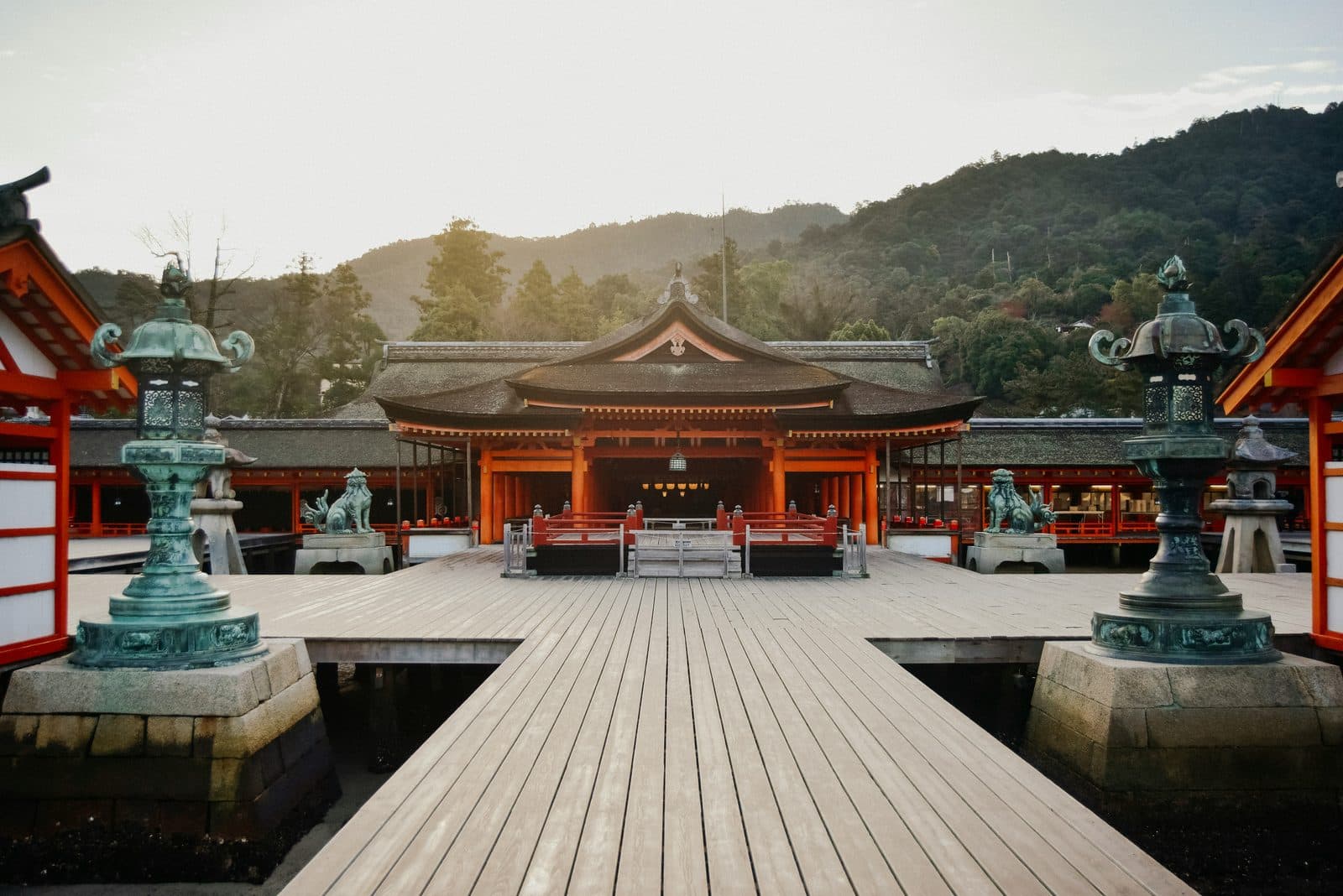
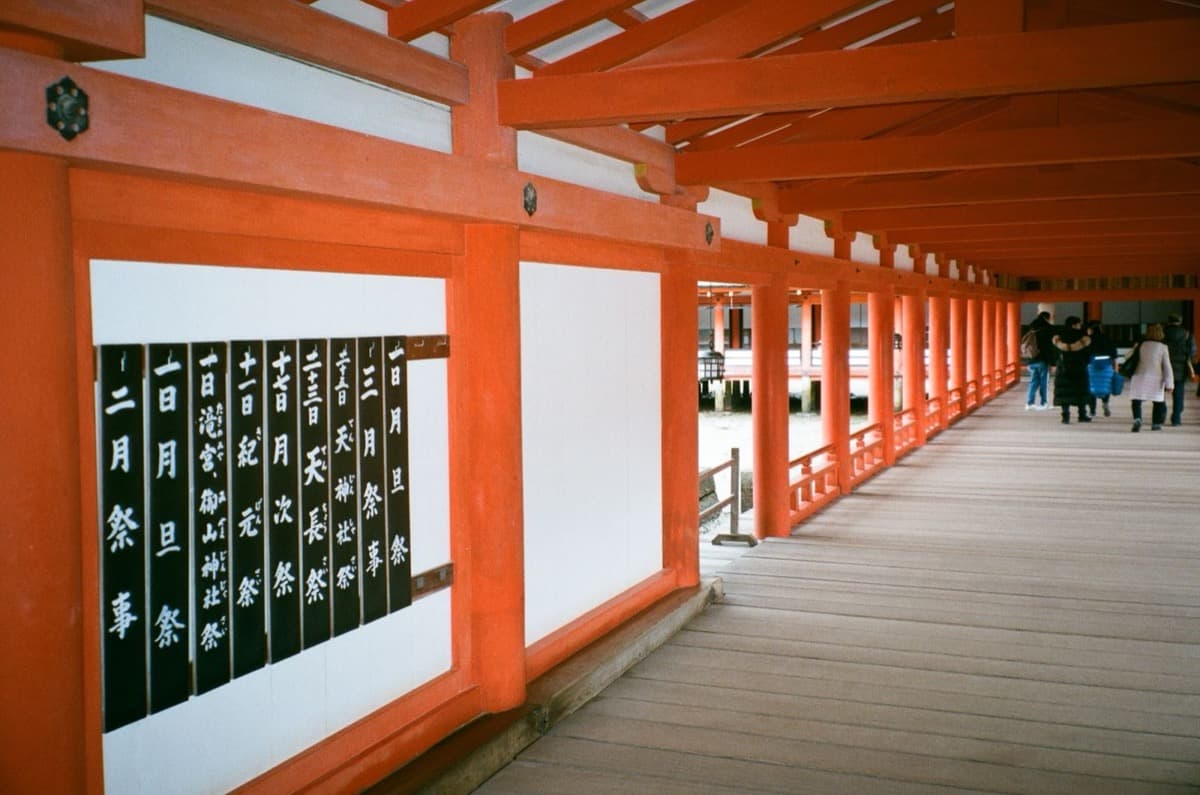
- 2 days is the comfortable choice: one day for the city, one for a proper half-day on Miyajima with the ferry, Itsukushima Shrine, the floating torii, and a climb up Mount Misen.
Because the Peace Park deserves slow, quiet time and Miyajima rewards an unhurried afternoon, the common mistake is compressing both into a single rushed day. Give each its space.
Getting around Hiroshima
Hear a stop from this walk
Hiroshima Peace Memorial Museum: The City Bears Witness
Hiroshima is a tram city. The Hiroden streetcar network, the largest in Japan, reaches nearly every sight:
- Trams (Hiroden streetcars). Central rides are a flat ¥240. The Genbaku Dome-mae stop puts you at the Peace Park; other lines reach the castle and the downtown food streets. Tap on with an IC card such as ICOCA or Suica.
- On foot. The city core is flat and walkable, so short hops between the Peace Park, the castle, and downtown are often faster than waiting for a tram. Our self-guided Hiroshima tours are built for exactly this.
- To Miyajima. Take the JR Sanyo Line (about 25 to 30 minutes) or the slower, cheaper Hiroden line 2 (about 70 minutes) to Miyajimaguchi, then a 10-minute ferry (about ¥200 one way). Two ferry companies run the crossing; the JR ferry is covered by a Japan Rail Pass.
For getting to Hiroshima: from Kyoto it is about 1 hour 40 minutes on a direct Nozomi Shinkansen, and from Shin-Osaka about 1 hour 25 minutes. The fastest Nozomi trains are not covered by the standard Japan Rail Pass, so pass holders should take the Hikari or Sakura instead.
Visiting the Peace Memorial Park and Museum
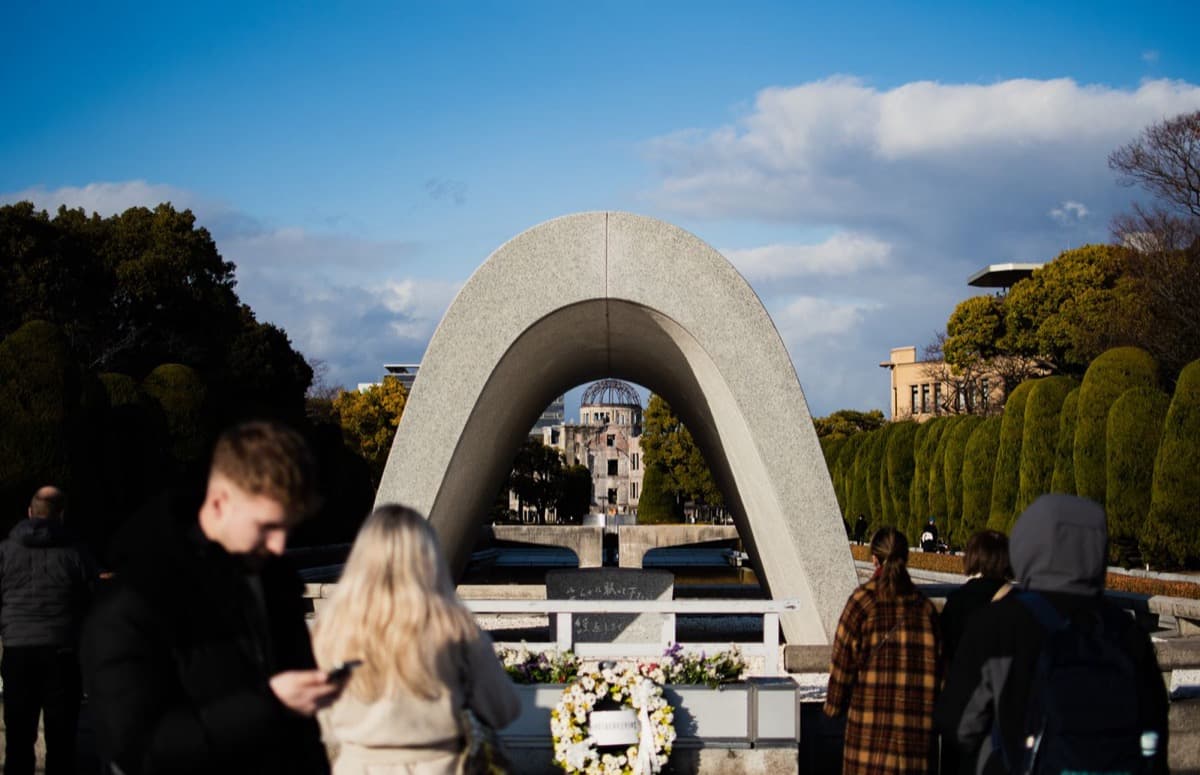
The Peace Memorial Park is a place of mourning built on the ground where the atomic bomb detonated at 8:15 on the morning of August 6, 1945. Visit it as such.
- Cost. The park is free to walk. The Hiroshima Peace Memorial Museum charges a small admission of ¥200 for adults (¥100 for high-schoolers and seniors, free for younger children).
- Time. Give the museum real time; its exhibits are sober and, for many visitors, deeply moving. An hour and a half is a reasonable minimum.
- Respect. Walk quietly, keep your voice low, and be thoughtful about photographs, especially near the cenotaph and inside the museum. Around the August 6 anniversary, when the Peace Memorial Ceremony fills the park, advance museum reservation is strongly recommended.
For the story behind the ground you are standing on, walk the Peace Memorial tour and read the companion piece on why Hiroshima kept one ruin standing.
Best time to visit Hiroshima
- Spring (late March to early April). Cherry blossoms at the Peace Park and Hiroshima Castle. Mild and beautiful.
- Autumn (November). Foliage peaks, and Miyajima Momijidani (Maple Valley) is at its most spectacular.
- August 6. The anniversary of the bombing, marked by the ceremony at 8:15 and an evening lantern-floating on the Motoyasu River. Profound, but crowded and solemn.
- Winter. Mild and quiet, and the season when Hiroshima famous oysters are at their best.
Summer is hot and humid, with typhoon risk in late summer.
Is Hiroshima safe?
Very. Hiroshima is as safe as the rest of Japan, which is to say among the safest places in the world for visitors, including solo and female travelers. Violent crime is rare and the trams and streets are safe at night. Ordinary precautions apply: mind your belongings in crowds and watch the weather for late-summer typhoons. One local quirk: the tame deer on Miyajima will happily eat maps, tickets, and food out of an open bag, so keep paper and snacks tucked away.
Hiroshima on a budget
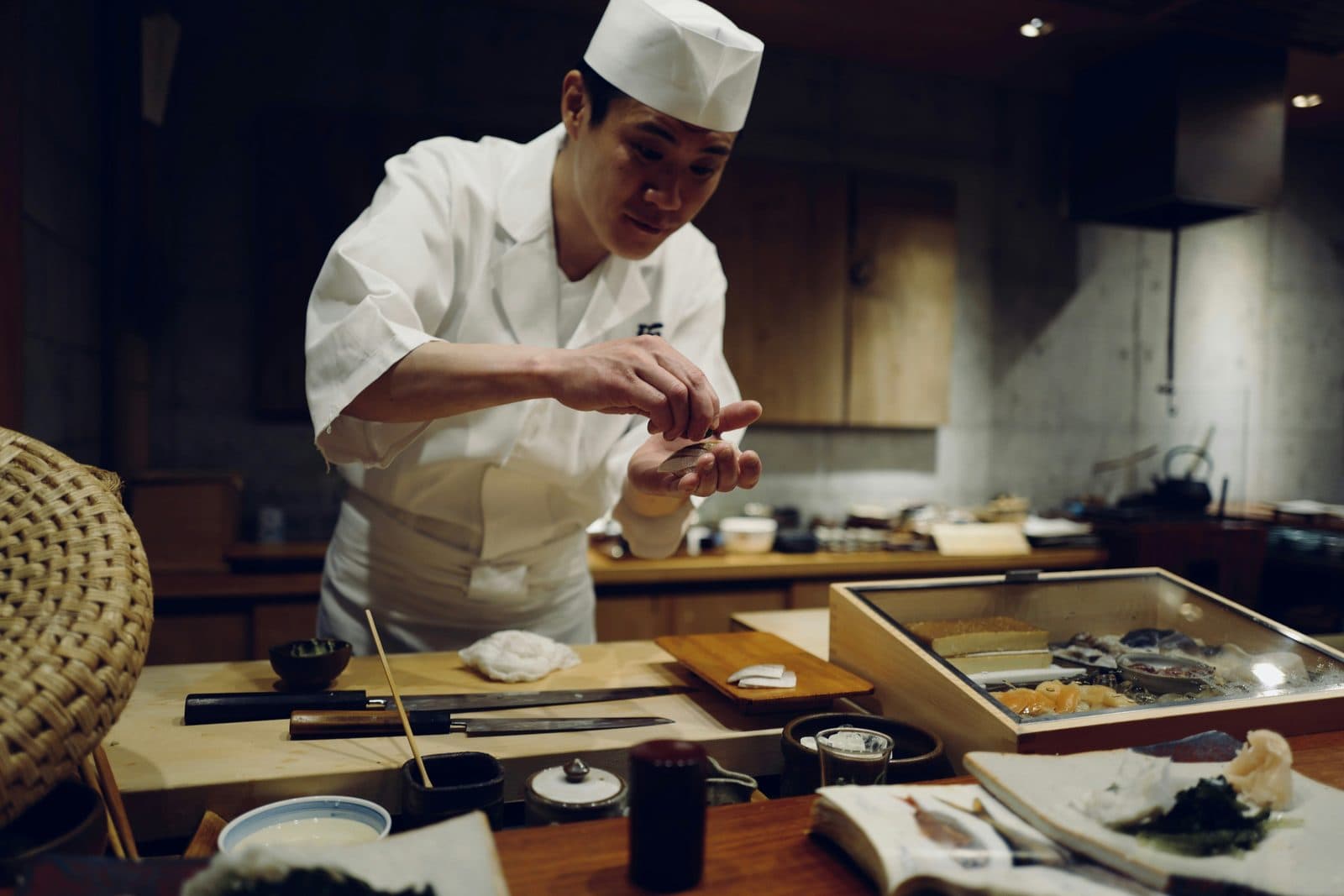
Hiroshima is easy on a tight budget. The Peace Park is free, the museum is just ¥200, trams are a cheap flat fare, and the Miyajima ferry is about ¥200 each way. The city signature okonomiyaki is a filling, inexpensive meal, and the covered downtown arcades are full of budget eats; see what to eat in Hiroshima for what to order. And Roamer self-guided audio tours are free to start, so you get expert narration without booking a guide, a start time, or a tip.
Start planning your walk
Ready to route your days? Read our one day in Hiroshima itinerary, browse the best self-guided walking tours in Hiroshima, or see all Hiroshima tours. Every tour is free to start: the introduction and first stop play in full, and every later stop plays a short preview before an optional purchase. Tours can also be downloaded in advance for offline listening.
Frequently asked questions
- How many days do you need in Hiroshima?
- One to two days suits most travelers, plus a half-day for Miyajima. One full day covers the Peace Memorial Park, the A-Bomb Dome, and the rebuilt castle and gardens at an unhurried pace. Two days lets you add a proper half-day on Miyajima, with the ferry, Itsukushima Shrine, the floating torii at sunset, and a climb up Mount Misen. If you are on a fast Kyoto-to-Kyushu loop, one long day with a late Miyajima sunset is doable but tight.
- How do you get from Hiroshima to Miyajima?
- Take a train or tram to Miyajimaguchi, then a ten-minute ferry across to the island. The JR Sanyo Line reaches Miyajimaguchi from Hiroshima Station in about 25 to 30 minutes; the Hiroden streetcar (line 2) is slower at around 70 minutes but cheaper and more scenic, and its terminus sits right by the ferry pier. Two ferry companies run the crossing, both about ¥200 one way; the JR ferry is covered by a Japan Rail Pass. Ferries are frequent, so you rarely wait long.
- How do you get around Hiroshima itself?
- Hiroshima is a tram city. The Hiroden streetcar network (the largest in Japan) reaches nearly every sight, including the Peace Park (Genbaku Dome-mae stop), the castle, and the port for Miyajima. Central rides are a flat ¥240, and you can tap on with an IC card such as ICOCA or Suica. The city core is also flat and very walkable, so short hops between the Peace Park, the castle, and the downtown food streets are often quicker on foot.
- How do you get to Hiroshima from Kyoto or Osaka?
- By Shinkansen. From Kyoto, a direct Nozomi reaches Hiroshima in about 1 hour 40 minutes; from Shin-Osaka it is around 1 hour 25 minutes. Note that the fastest Nozomi trains are not covered by the standard Japan Rail Pass; Rail Pass holders should take the slightly slower Hikari or Sakura services, which run the same route without the fastest-train surcharge.
- What is the best time of year to visit Hiroshima?
- Spring (late March to early April) for cherry blossoms and autumn (November) for foliage are the two loveliest windows, with mild weather and, on Miyajima, spectacular colour. Both the Peace Park and Hiroshima Castle have hundreds of cherry trees. August 6 is the anniversary of the atomic bombing, marked each year by the Peace Memorial Ceremony at the cenotaph at 8:15 in the morning and an evening lantern-floating on the Motoyasu River; it is a profound but very crowded and solemn time to visit. Summer is hot and humid, winter mild and quiet, and Hiroshima oysters are at their best in the cold months.
- Is Hiroshima safe for tourists?
- Yes. Hiroshima is very safe, like the rest of Japan, including for solo and female travelers. Violent crime is rare, the trams and streets are safe to use at night, and locals are welcoming. Ordinary city sense applies: mind your belongings in crowds and be aware of natural-hazard risks such as typhoons in late summer. On Miyajima, the tame deer will try to eat maps, tickets, and food from your bag, so keep paper and snacks tucked away.
- How can you see Hiroshima on a budget?
- Hiroshima is very affordable. The Peace Memorial Park is free to walk, and the museum admission is just ¥200. Trams are a flat, cheap fare, and the ferry to Miyajima is about ¥200 each way. The signature Hiroshima okonomiyaki is a filling, inexpensive meal, and the covered downtown arcades are full of budget eats. Self-guided audio tours are free to start on Roamer, so you can add expert narration without hiring a guide.
Ready to experience it?
The Peace Memorial: Hiroshima and the Bomb
90 min · 2 km · easy
More from Hiroshima
Explore more at your own pace.
One Day in Hiroshima: A Respectful, Walkable Itinerary (2026)
What to Eat in Hiroshima: A Food Guide (2026)
Itsukushima Shrine: The Miyajima Shrine Built Over the Sea So It Would Not Defile a Sacred Island
The Atomic Bomb Dome: Why Hiroshima Kept One Ruin Standing
The Children's Peace Monument: Sadako, the Paper Cranes, and a City's Vow