Al Fahidi Historic District: The Wind-Tower City
80 min · 2.7 km · easy
Yes, you can see the essential Dubai on foot in a single well-planned day, and the smartest route runs from old to new: start in the coral lanes and souks of Bur Dubai and Deira in the cool morning, cross Dubai Creek by traditional abra for one dirham, then move to Downtown Dubai for the afternoon and evening, finishing at the Burj Khalifa and the Dubai Fountain after dark. The three Roamer self-guided audio walks for the city map almost exactly onto this arc, so you can plug in headphones and let the narration carry the history while you keep your eyes on the water, the gold windows and the towers.
The whole day is genuinely walkable in short bursts, with one short metro or taxi hop between the old town and Downtown. Each of the three self-guided walks is rated easy and runs a little over two kilometers, so you are looking at roughly seven kilometers of actual walking across the day, broken up by a boat crossing, market browsing, air conditioning and food. That is a full but comfortable day for most people in the cooler months.
The one-day route at a glance
Morning: Al Fahidi and Bur Dubai (the origin story). Late morning: cross the Creek and walk the Deira souks. Afternoon: transfer to Downtown Dubai. Evening: Burj Khalifa, the mall and the fountain show after sunset. If you want the narration and the map for each leg, the Dubai walking tours hub lists all three, and you can browse or download them from the /united-arab-emirates/dubai city page before you set out.
Morning: start in Al Fahidi, the old coral town
Hear a stop from this walk
Shindagha and the Sheikh Saeed Al Maktoum House: The Ruler's Wind-Tower House
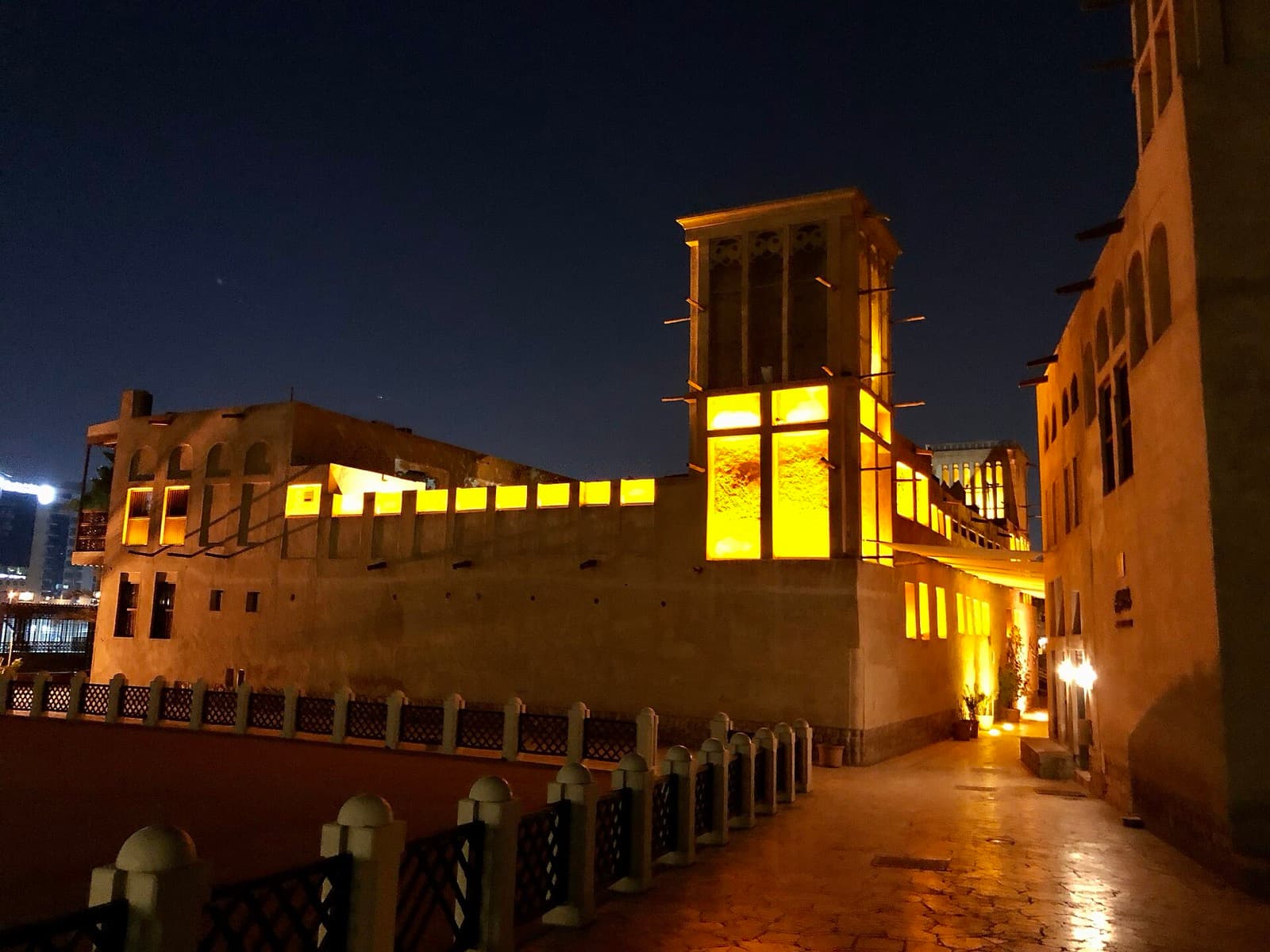
Begin where Dubai began, in the Al Fahidi Historical Neighbourhood on the Bur Dubai bank of the Creek. This is the best-preserved old quarter of the city, a set of shaded coral-and-gypsum lanes and wind-tower houses laid out by Persian merchants in the eighteen nineties. The wind towers, called barjeel, are the passive cooling that kept these houses livable for a century before electricity reached the coast, and they are the clearest surviving picture of pre-oil Dubai.
The lanes are free to walk, and mornings are the time to do it, both for the light and for the temperature. The Al Fahidi self-guided walk covers seven stops over about 2.7 kilometers in roughly eighty minutes, including the wind towers, the Grand Mosque of Dubai, the Textile Souk, and the ruling family's old wind-tower house at Shindagha.
One honest caveat: the Al Fahidi Fort, which houses the Dubai Museum and is believed to be the oldest existing building in the city, has been closed since 2021 for a major restoration led by Dubai Culture. Officials said in early 2026 that it would reopen soon, with reopening expected during 2026, though the timeline has moved before. Treat it as a landmark to admire from outside for now, and check the current status before you plan on going in.
Late morning: cross the Creek by abra to the Deira souks
From the Bur Dubai side, walk down to the Creek and take an abra, the small wooden ferry, across to Deira. The traditional motorized abra costs one dirham (AED 1) per person for the roughly five-minute crossing, paid in cash directly to the boatman, and it is one of the best-value experiences in the city. This crossing is the pivot of your day: it links the two halves of old Dubai and drops you at the edge of the souks.
On the Deira side, the Deira Creek and souks walk threads the Gold Souk, the Perfume Souk, the Spice Souk, and the restored coral buildings of Al Ras, ending at the Dhow Wharfage where wooden cargo ships still tie up and load by hand for Iran, India and East Africa. It runs seven stops over about 2.1 kilometers.
A timing note that trips people up: the Gold Souk generally runs from mid-morning until about ten in the evening, but individual shops keep their own hours, and some close for a stretch in the early afternoon. On Fridays much of the market only opens in the afternoon, around 4 pm, after congregational prayers. Aim to walk the souks in the late morning or the evening rather than the dead of the afternoon, and do not build a Friday morning around them.
Afternoon: transfer to Downtown Dubai
After the souks, make the one longer hop of the day. Downtown Dubai sits several kilometers south of the Creek, so this leg is a taxi or a Dubai Metro ride rather than a walk. The metro is cashless with a Nol card, and the relevant stop is Burj Khalifa/Dubai Mall on the Red Line. Budget extra time at that end: the station connects to the mall by a long, air-conditioned indoor walkway, so it is a real ten-to-fifteen-minute stroll from platform to shops.
This transfer is also your chance to eat, cool down and reset before the afternoon heat and the evening crowds. The Dubai Mall itself works as the air-conditioned town square of the new city and is free to enter, with its aquarium, ice rink and other attractions ticketed separately.
Evening: Burj Khalifa, Downtown and the fountain show
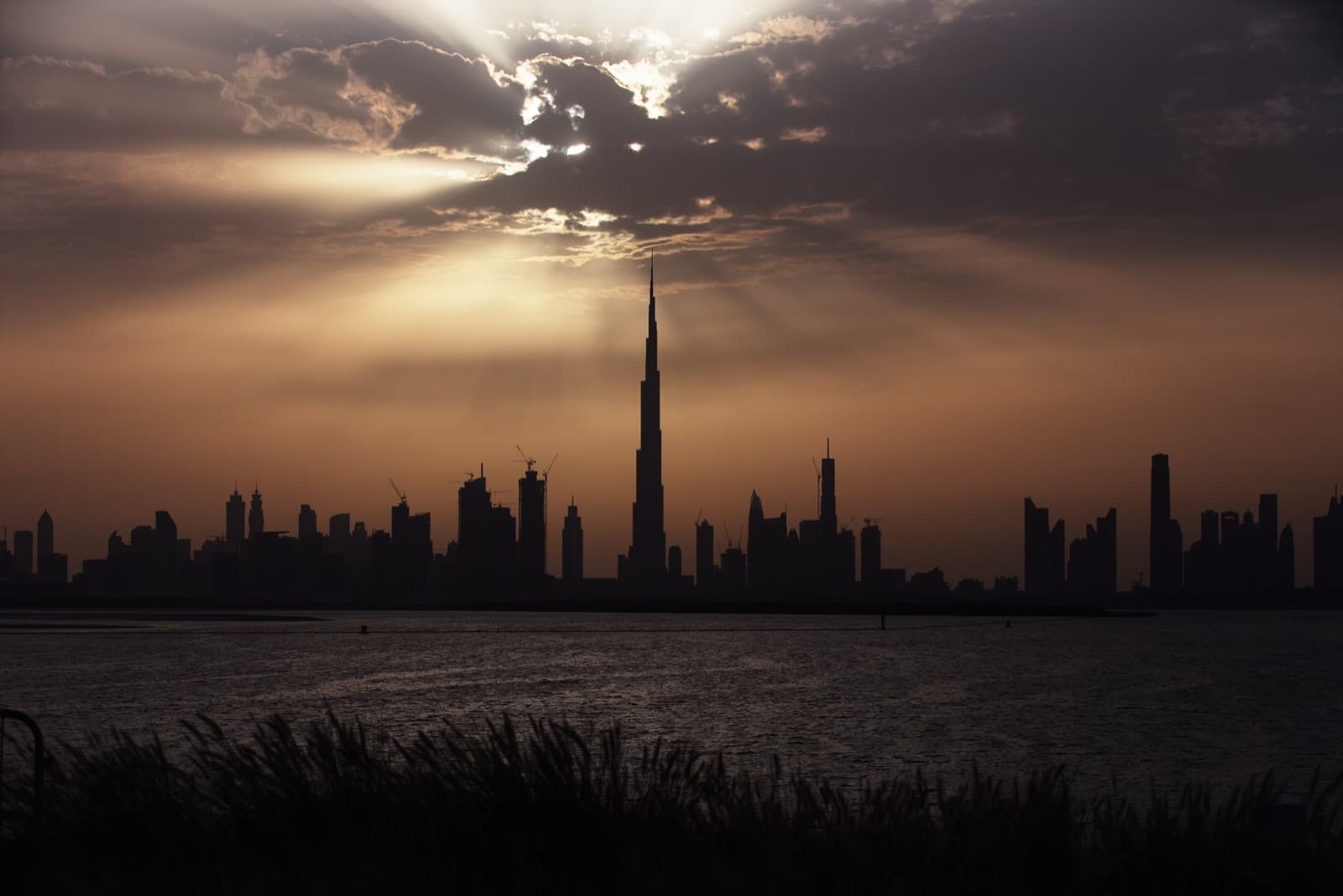
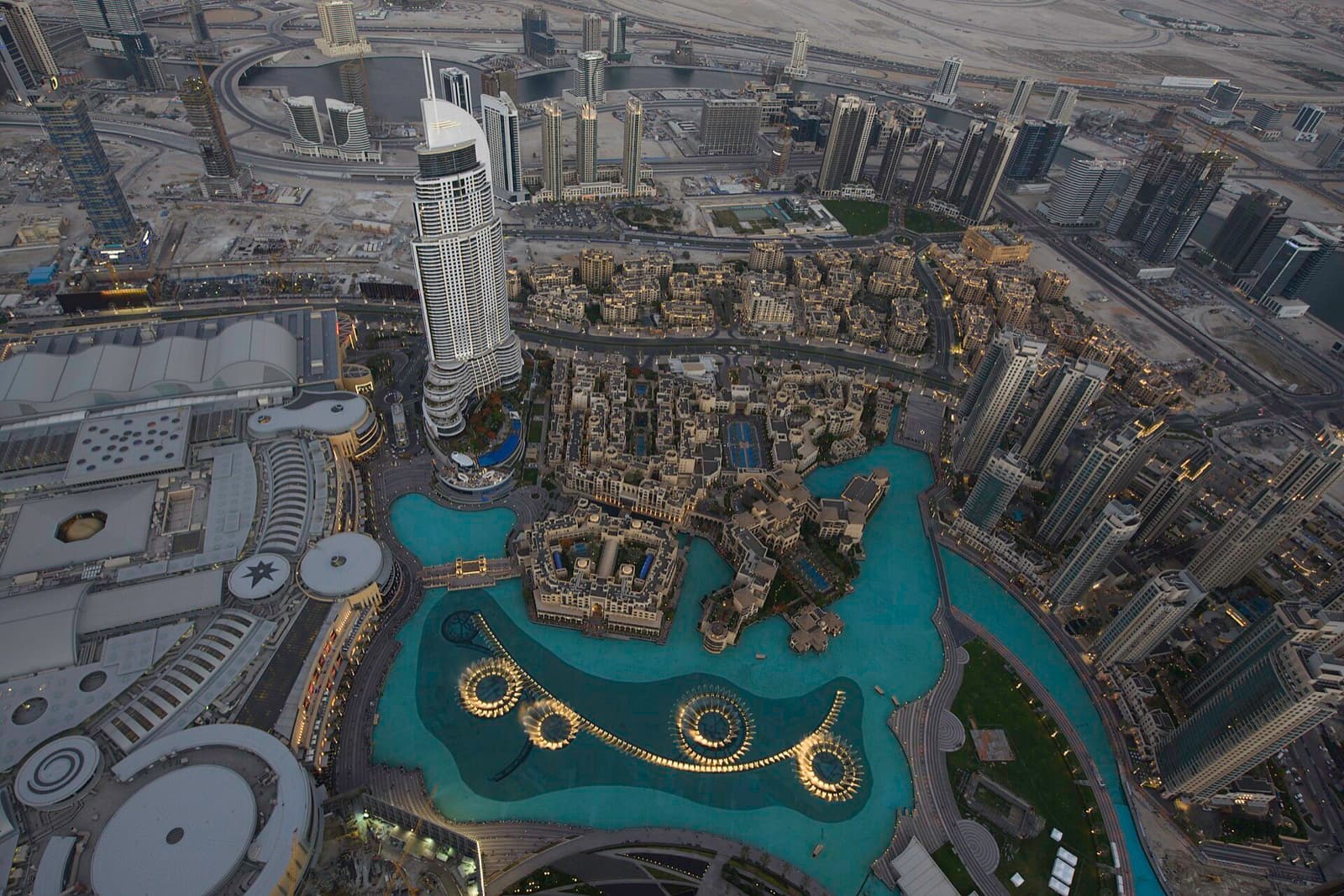
Save the vertical city for last, because it is best after dark. The Burj Khalifa and Downtown walk reads the master-planned district as a kind of language across six stops over about 2.7 kilometers: the tallest building on earth at the center, the choreographed fountain on the artificial Burj Lake, the mall, the low traditional forms of Souk Al Bahar, the ship-shaped Dubai Opera, and the boulevard that rings it all.
The Burj Khalifa is free to look at and photograph from the promenade. Going up to the At the Top observation deck is ticketed through Emaar and is worth booking online in advance, especially for sunset prime hours, which sell out days ahead. As a rough guide, standard non-prime adult tickets have recently run around AED 173, with prime sunset hours and the higher SKY floor costing more. Confirm the current price and slots when you book.
End the day at the Dubai Fountain. Evening shows run every thirty minutes from about 6 pm to 11 pm, each lasting only a few minutes, and they are free to watch from the promenade around Burj Lake. Seven or eight in the evening tends to give the best mix of darkness and lighting. That is a fitting close: the same water that carried the pearling town's trade, now performing at the foot of the tallest tower on earth.
Practical notes for the day
Go in the cooler months if you can. From November to March, daytime temperatures generally sit in a comfortable range for walking, roughly the high teens to around 30 degrees Celsius. In summer, temperatures commonly run between about 33 and 42 degrees Celsius with high humidity, which makes a full day on foot hard; if you visit then, shift the outdoor stops to early morning and after sunset and lean on the malls and metro in the middle of the day.
Carry a little cash for the abra and small souk purchases, dress modestly in the old town and near the Grand Mosque, and start early. The audio for all three walks is designed to be downloaded ahead of time so it keeps playing even where signal is patchy in the covered souk lanes.
Sources
- Burj Khalifa At The Top 2026: Tickets, Views & Complete Guide (thebettervacation.com)
- Abra Rides Dubai Creek: Routes, Tickets, Timings (MyBayut)
- Dubai Gold Souk Market Timings (TravelTriangle)
- Dubai's historic Al Fahidi Fort to reopen soon after restoration (The National)
- Best Times to Visit Dubai (U.S. News Travel)
Frequently asked questions
- Can you see Dubai in one day on foot?
- Yes. A workable one-day plan walks the old town of Al Fahidi and the Deira souks in the morning, crosses Dubai Creek by abra, then moves to Downtown Dubai for the afternoon and evening. Each of the three self-guided walks is easy and a little over two kilometers, so total walking is around seven kilometers broken up by a boat crossing, markets and food. You will need one short metro or taxi hop between the old town and Downtown.
- How much does the abra across Dubai Creek cost?
- The traditional motorized abra costs one dirham (AED 1) per person for a standard Creek crossing, which takes about five minutes. Pay in cash directly to the boatman, since traditional abras do not accept cards or Nol transport cards. Air-conditioned and petrol abras cost more, and a private one-hour charter runs about AED 120.
- How much is a Burj Khalifa At the Top ticket?
- Standard non-prime adult tickets to the At the Top observation deck have recently run around AED 173, booked online through Emaar. Prime sunset hours and the higher SKY floor on level 148 cost more. Book in advance because prime evening slots often sell out several days ahead. The Burj Khalifa is free to view and photograph from the promenade.
- What time is the Dubai Fountain show?
- Evening Dubai Fountain shows run roughly every thirty minutes from about 6 pm to 11 pm, and each lasts only a few minutes. They are free to watch from the promenade around Burj Lake. Around 7 or 8 in the evening gives the best combination of darkness and lighting.
- When is the best time of year to walk around Dubai?
- November to March is the comfortable season, with daytime temperatures generally in the high teens to around 30 degrees Celsius, ideal for walking the old town and Downtown. In summer, temperatures commonly run between about 33 and 42 degrees Celsius with high humidity. If you visit then, do the outdoor stops early in the morning and after sunset and use the malls and metro in the midday heat.
- Is the Dubai Museum at Al Fahidi Fort open?
- The Al Fahidi Fort, which houses the Dubai Museum, has been closed since 2021 for a major restoration led by Dubai Culture. Officials said in early 2026 that it would reopen soon, with reopening expected during 2026, though exact dates have shifted before. For now, admire it from outside and check the current status before planning to go in.
Ready to experience it?
Al Fahidi Historic District: The Wind-Tower City
80 min · 2.7 km · easy
More from Dubai
Explore more at your own pace.
Dubai From the Creek to the Crown of the Tower
Al Fahidi: The Coral-and-Wind Town That Dubai Grew From
Emaar Boulevard: Reading the Grammar of a City Built All at Once
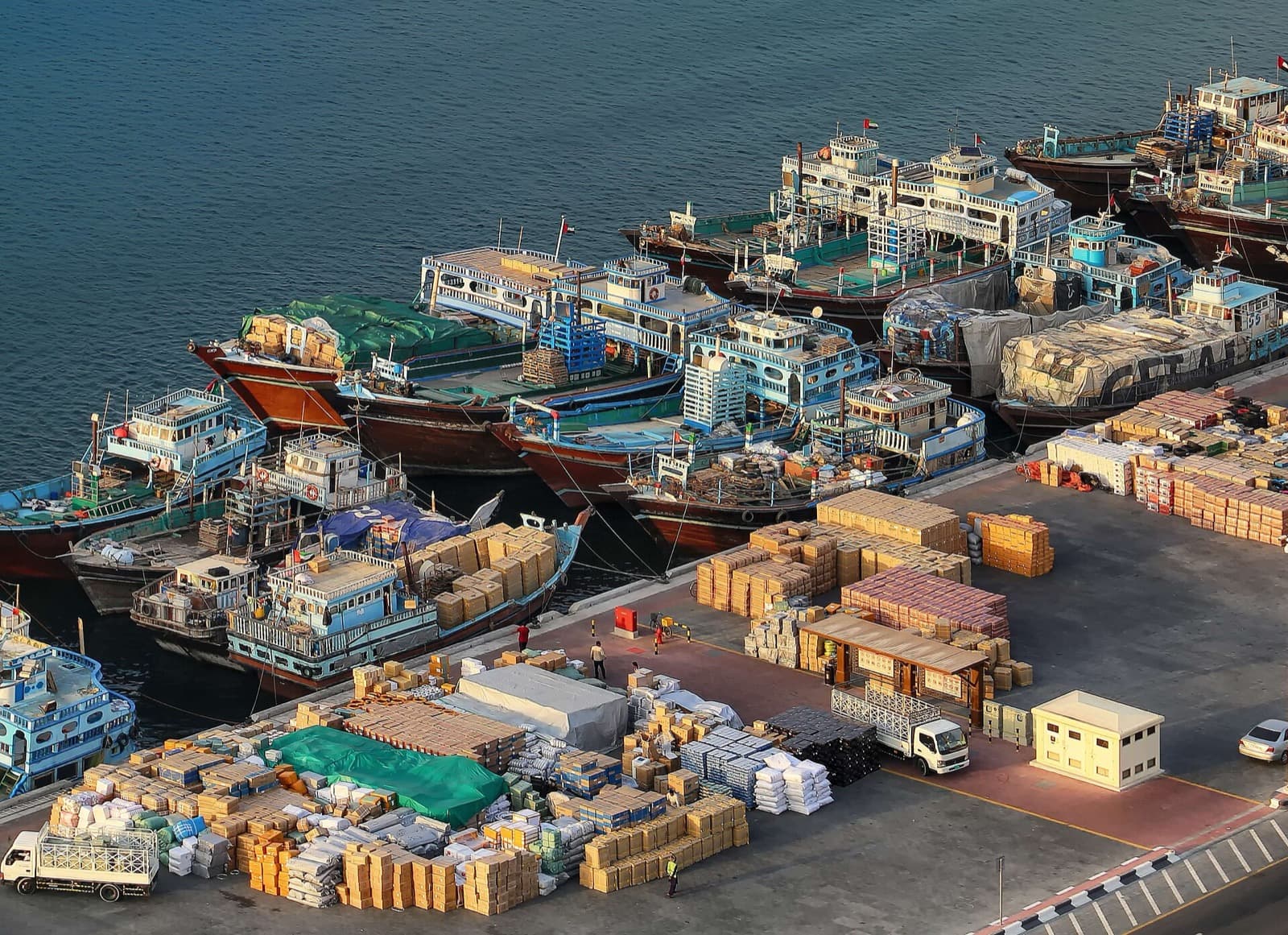
The Dhow Wharfage: Where Old Dubai Still Loads Cargo by Hand
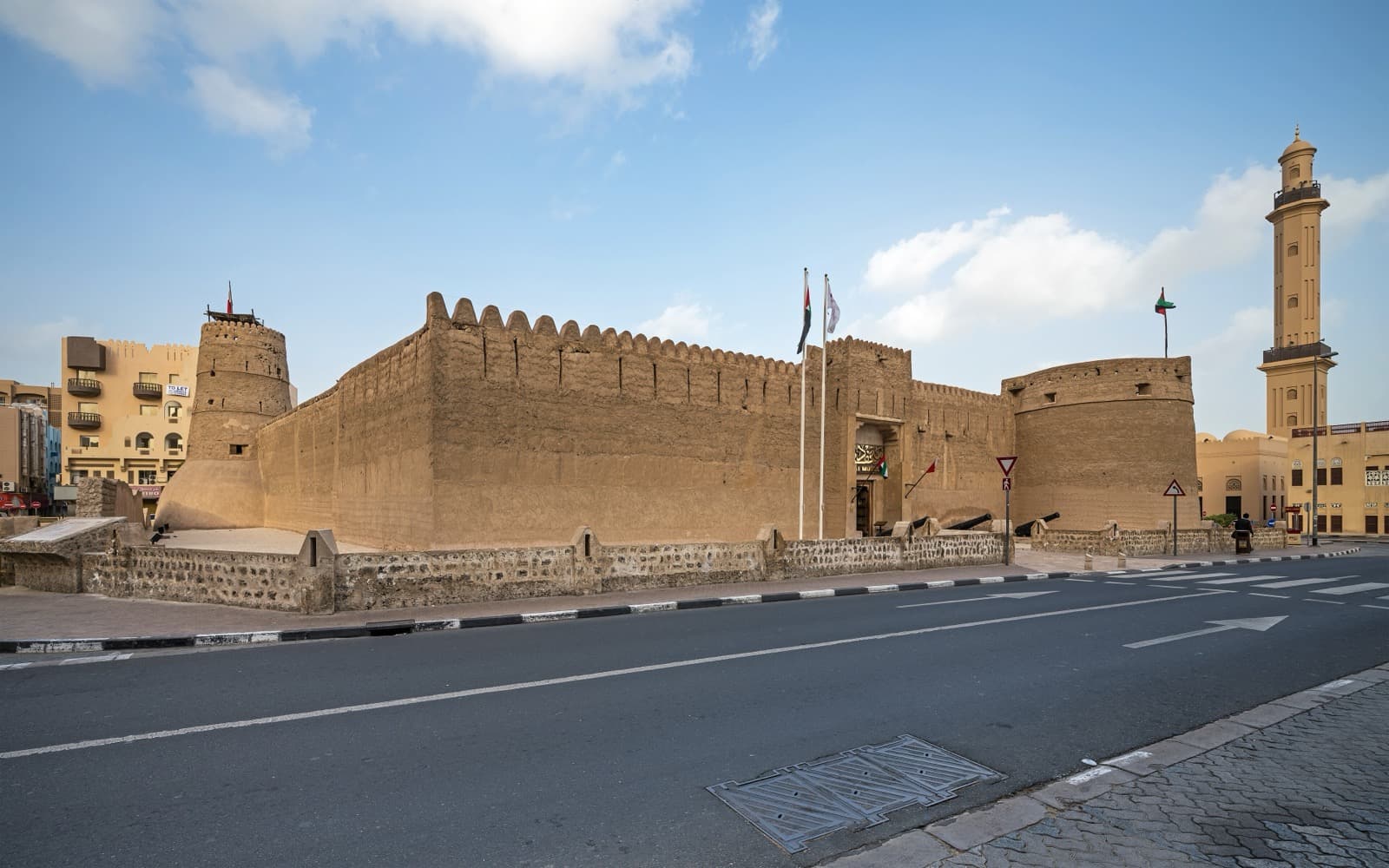
Al Fahidi Fort and the Dubai Museum: The Oldest Stone in the City