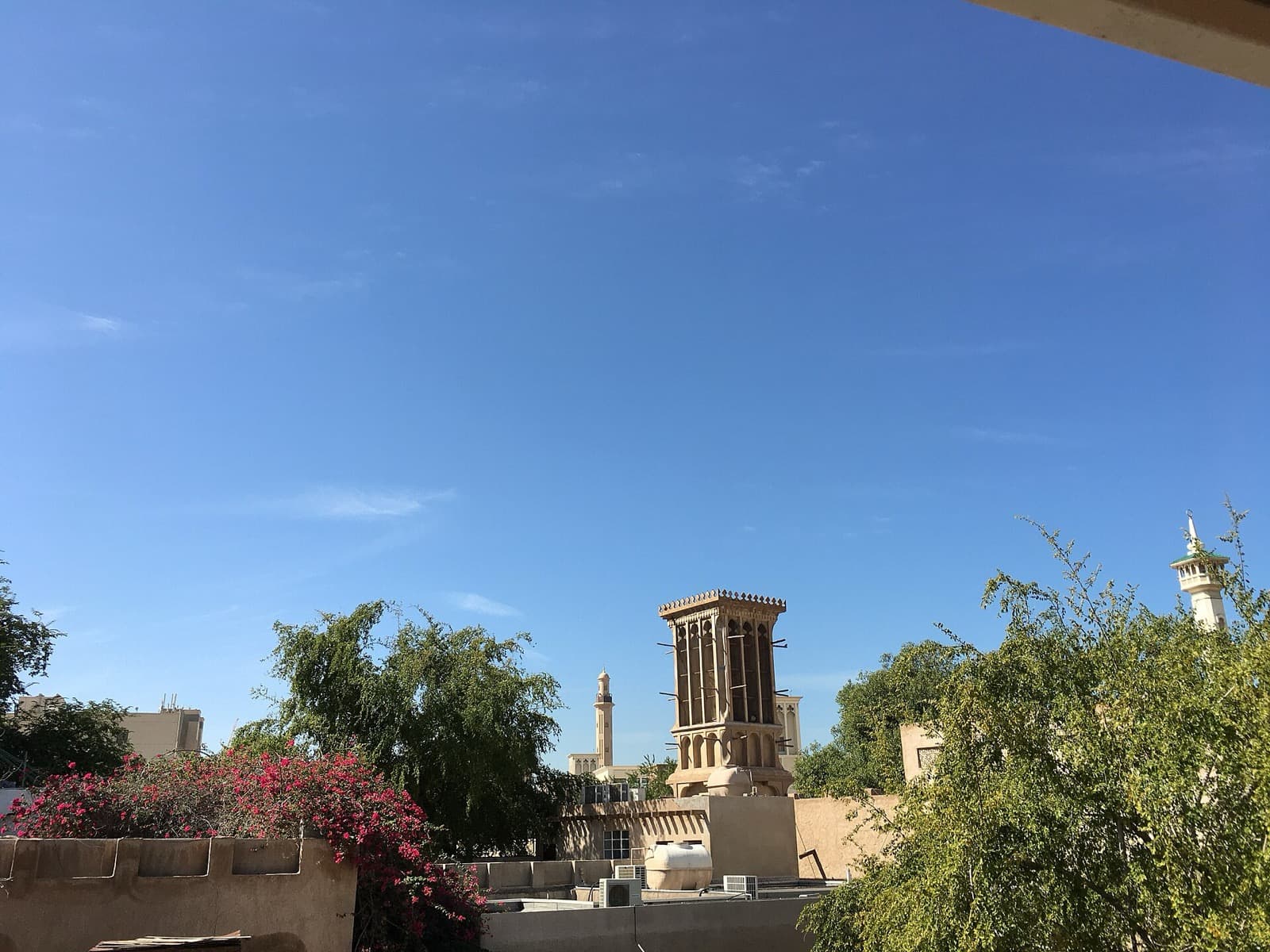
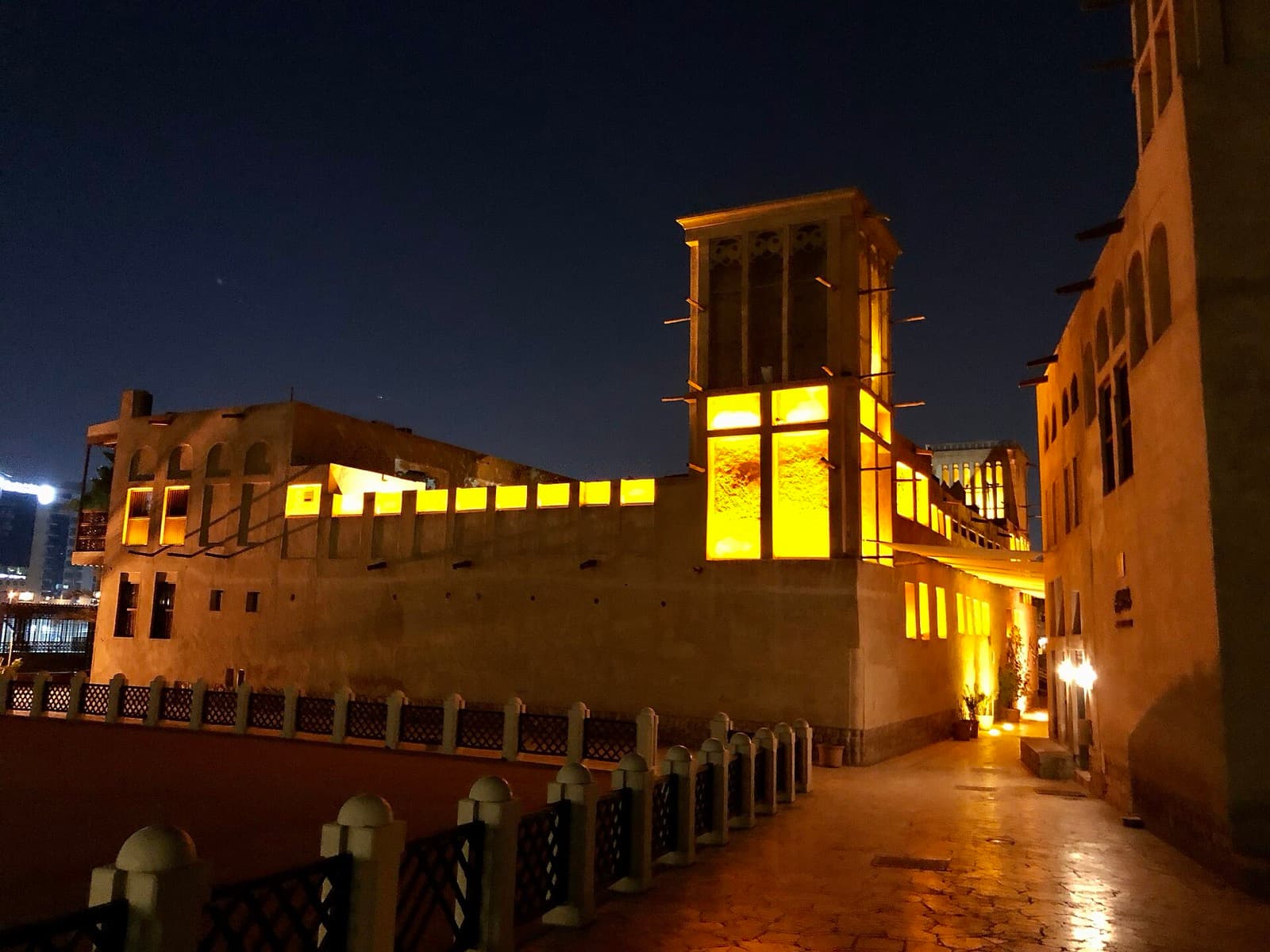
Al Fahidi Historic District: The Wind-Tower City
80 min · 2.7 km · easy
How many days do you need in Dubai?
Three to four days covers first-time Dubai comfortably. Three days is enough to walk old Dubai around the Creek, see Downtown and the Burj Khalifa, and still fit a desert evening, if you are happy with a full schedule. Four days adds breathing room: a slower morning in the souks, a beach afternoon, and one attraction that needs a booked time slot. If Dubai is a stopover on a longer trip, three focused days work well. If it is your main destination, five days lets you add Palm Jumeirah, a museum or two, and a day trip to Abu Dhabi.
The city splits neatly into two halves that reward walking. Old Dubai, on either bank of the Creek, is compact, low-rise, and best explored on foot: coral-and-gypsum houses, wind towers, and covered markets. New Dubai, centered on Downtown, is a master-planned vertical district you can also read at street level, from the base of the tallest building on earth to the fountain lake and boulevard around it. A good three-day plan gives one day to each and a third for a beach, the desert, or Abu Dhabi.
If you want the history to come with you, our self-guided audio walks map onto exactly these zones. Dubai walking tours lists the full set, and you can browse everything on the Dubai city page. Start with the Al Fahidi historic district walk for pre-oil Dubai, the Deira Creek and souks walk for the working trading city, and the Burj Khalifa and Downtown walk for the modern skyline.
When is the best time to visit?
Hear a stop from this walk
Shindagha and the Sheikh Saeed Al Maktoum House: The Ruler's Wind-Tower House
November to March is the best window. Daytime temperatures sit around 20 to 30 degrees Celsius, evenings are mild, and walking the old quarters or the Downtown promenade is genuinely pleasant. This is also peak season, so hotels and flights cost more and attractions like the Burj Khalifa observation deck book out days ahead.
Summer, roughly May to August, is the opposite trade. Daytime highs regularly pass 40 degrees Celsius and rarely drop below 30, with high humidity near the coast. Hotel and flight prices fall sharply, but you have to plan the day indoors and save outdoor walking for after sunset. If you visit in summer, treat the malls, museums, and the metro as your daytime spine, then step outside for the Dubai Fountain shows and the souks once the heat eases.
Our audio walks help here in a practical way: you set the pace, so you can pause a stop, duck into shade or a cafe, and pick the route back up without a group waiting on you.
How do you get around Dubai?
The Dubai Metro plus taxis covers almost everything a visitor needs, and the Nol card is the key to the metro, trams, and public buses. A Silver Nol card costs about AED 25 (with roughly AED 19 of travel credit loaded) and is the sensible choice for most travelers. Single metro fares run about AED 3 for one zone, AED 5 for two zones, and AED 7.50 for three or more, and Silver-card journeys are capped near AED 14 a day. If you plan a lot of metro, a 1-day unlimited pass is around AED 20 and a 7-day pass around AED 110.
For the parts of the city that matter most to a walker, the metro drops you close. The Downtown walk sits near Burj Khalifa/Dubai Mall Metro Station, and old Dubai is reachable via the stations on either side of the Creek. Between the two banks of the Creek, the cheapest and most atmospheric crossing is the abra, a small wooden ferry: a ride on the traditional motorised abra is about AED 1 per person, paid in cash to the driver, with air-conditioned abras a little more. It is one of the best-value experiences in the city and a stop on both of our old-Dubai walks.
Taxis are metered, plentiful, and reasonably priced, and the Careem app (owned by Uber) works for on-demand rides. For short hops between souks or from a metro station to your hotel, a taxi is often quicker than working out a bus route. Renting a car is unnecessary for a city break; parking and Downtown traffic are more hassle than they are worth unless you are heading out to the desert or Abu Dhabi.
What does a Dubai trip cost?
Dubai scales to your budget more than its reputation suggests. The expensive parts are optional. Walking the Creek, the souks, Al Fahidi, and the Downtown promenade is free, and watching the Dubai Fountain from the lakeside costs nothing. The Dubai Mall is free to enter; its aquarium and ice rink are ticketed separately.
The big-ticket item is the Burj Khalifa observation deck. Standard "At the Top" tickets (levels 124 and 125), sold by Emaar, start from about AED 169 and run higher in the prime late-afternoon slots, with the SKY level (floor 148) costing considerably more. Book online in advance during the busy season to lock a time and skip the counter queue. Many of old Dubai's heritage sites, including Al Ahmadiya School and Heritage House in Deira, are free to enter, and museum fees where they apply are modest.
You control the rest. Eat at Deira and Bur Dubai's small restaurants and street food and you spend little; eat at the Downtown towers and you spend a lot. A self-guided audio walk is a one-time cost that replaces a booked group tour at each stop, and it never expires or waits on a schedule.
Is Dubai safe, and what should you know?
Dubai is one of the safest large cities for visitors, with a very low violent-crime rate. Petty issues like taxi overcharging or scams exist but are uncommon. The real "safety" advice here is about local law and custom rather than danger, and a little awareness keeps a trip smooth.
A few things worth knowing. Drug laws are strict, with severe penalties, and some common prescription medicines (certain painkillers and sedatives, including those with codeine or tramadol) are controlled, so travel with documentation for anything you carry. Alcohol is legal in licensed venues like hotels and bars, and buyers show a passport as a temporary tourist license, but being visibly drunk in public can lead to arrest. Public displays of affection and rude gestures can draw a warning or fine.
Dress is relaxed by Gulf standards: swimwear is fine at beaches and pools, and everyday clothes are fine in most public spaces. Cover shoulders and knees when visiting mosques, and carry a scarf if you plan to enter one. The Grand Mosque of Dubai near Al Fahidi allows limited interior access for non-Muslims at set times, so dress modestly and check timings before you go. None of this is heavy; treated as normal courtesy, it rarely intrudes on a visit.
A simple three-day frame
Day one, old Dubai on the Bur Dubai side: walk Al Fahidi's wind-tower lanes, the Textile Souk, and Sheikh Saeed Al Maktoum's house in Shindagha, then cross the Creek by abra. Day two, Deira: the Gold, Perfume, and Spice Souks, the coral-house heritage sites, and the dhow wharfage where wooden ships still load cargo by hand. Day three, Downtown: the Burj Khalifa, the Dubai Fountain, Souk Al Bahar, Dubai Opera, and the boulevard. Add a desert evening or a day in Abu Dhabi if you have a fourth day.
Each of those days matches one of our audio walks, so you can point the phone, put in an earbud, and let the story of the place unfold at your own speed. Browse them on the Dubai city page or start with the Dubai walking tours guide.
Sources
- Best Time to Visit Dubai 2026, Seasons and Tips (Dubai Tickets)
- Dubai Metro Nol Card Types, Fares and Passes 2026 (Dubai Metro Rails)
- Abras in Dubai: Routes, Timings, Fares and More (MyBayut)
- Is Dubai Safe? Crime Rates and Expat Safety Guide 2026 (The Middle East Insider)
- At The Top, Burj Khalifa tickets (Visit Dubai)
Frequently asked questions
- How many days do you need in Dubai?
- Three to four days covers Dubai for a first visit. Three days lets you walk old Dubai around the Creek, see Downtown and the Burj Khalifa, and fit a desert evening on a full schedule. Four days adds a slower pace and time for a beach or a booked attraction. If Dubai is your main destination, five days allows day trips like Abu Dhabi.
- What is the best time to visit Dubai?
- November to March is the best window, with daytime temperatures around 20 to 30 degrees Celsius and mild evenings that suit walking. This is peak season, so prices are higher and popular attractions book out ahead. Summer from May to August is much cheaper but daytime highs regularly pass 40 degrees Celsius, so plan indoor days and save outdoor walking for after sunset.
- How do you get around Dubai as a tourist?
- The Dubai Metro plus taxis covers nearly everything a visitor needs. Buy a Silver Nol card for about AED 25 to use the metro, trams, and buses, with single fares roughly AED 3 to AED 7.50 by zone and a daily cap near AED 14. Taxis are metered and the Careem app works for on-demand rides. Between the two banks of the Creek, the traditional abra costs about AED 1 per person.
- Is Dubai safe for tourists?
- Dubai is one of the safest large cities, with a very low violent-crime rate, though petty issues like taxi overcharging can happen. The main thing to watch is local law rather than danger. Drug laws are strict, some prescription medicines are controlled, alcohol is legal only in licensed venues, and being visibly drunk in public can lead to arrest.
- How much does a Dubai trip cost?
- Dubai scales to your budget because the expensive parts are optional. Walking the Creek, the souks, Al Fahidi, and the Downtown promenade is free, and watching the Dubai Fountain costs nothing. The Burj Khalifa observation deck is the big-ticket item, with standard At the Top tickets from about AED 169. Eat in Deira and Bur Dubai to keep food costs low.
- What should you wear in Dubai?
- Everyday clothes are fine in most public spaces, and swimwear is fine at beaches and pools. Cover your shoulders and knees when visiting mosques and carry a scarf if you plan to enter one. Dubai's dress code is relaxed by Gulf standards, so a little modesty at religious and government sites is all that is expected.
Ready to experience it?
Al Fahidi Historic District: The Wind-Tower City
80 min · 2.7 km · easy
More from Dubai
Explore more at your own pace.
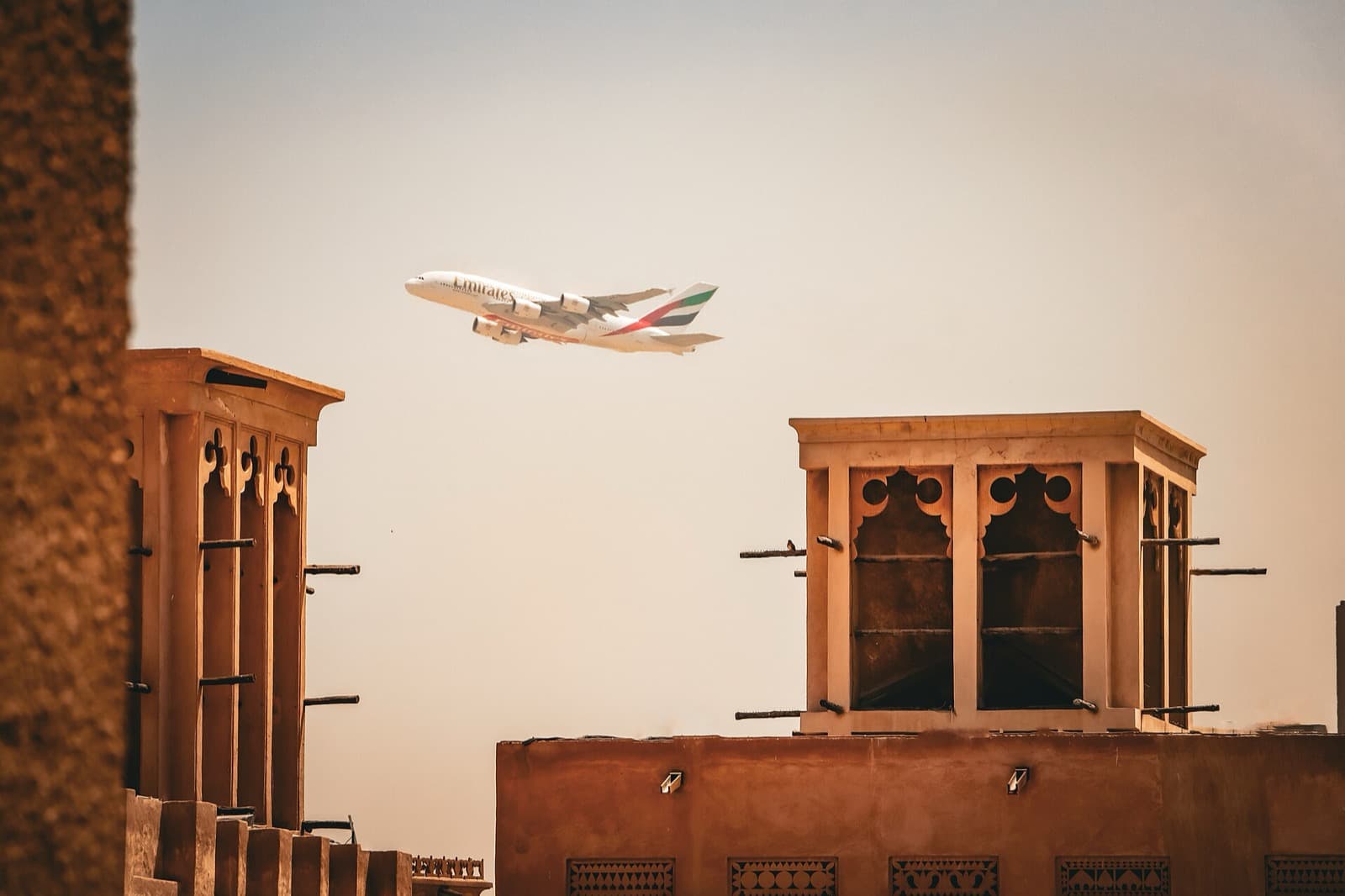
Dubai From the Creek to the Crown of the Tower
Al Fahidi: The Coral-and-Wind Town That Dubai Grew From
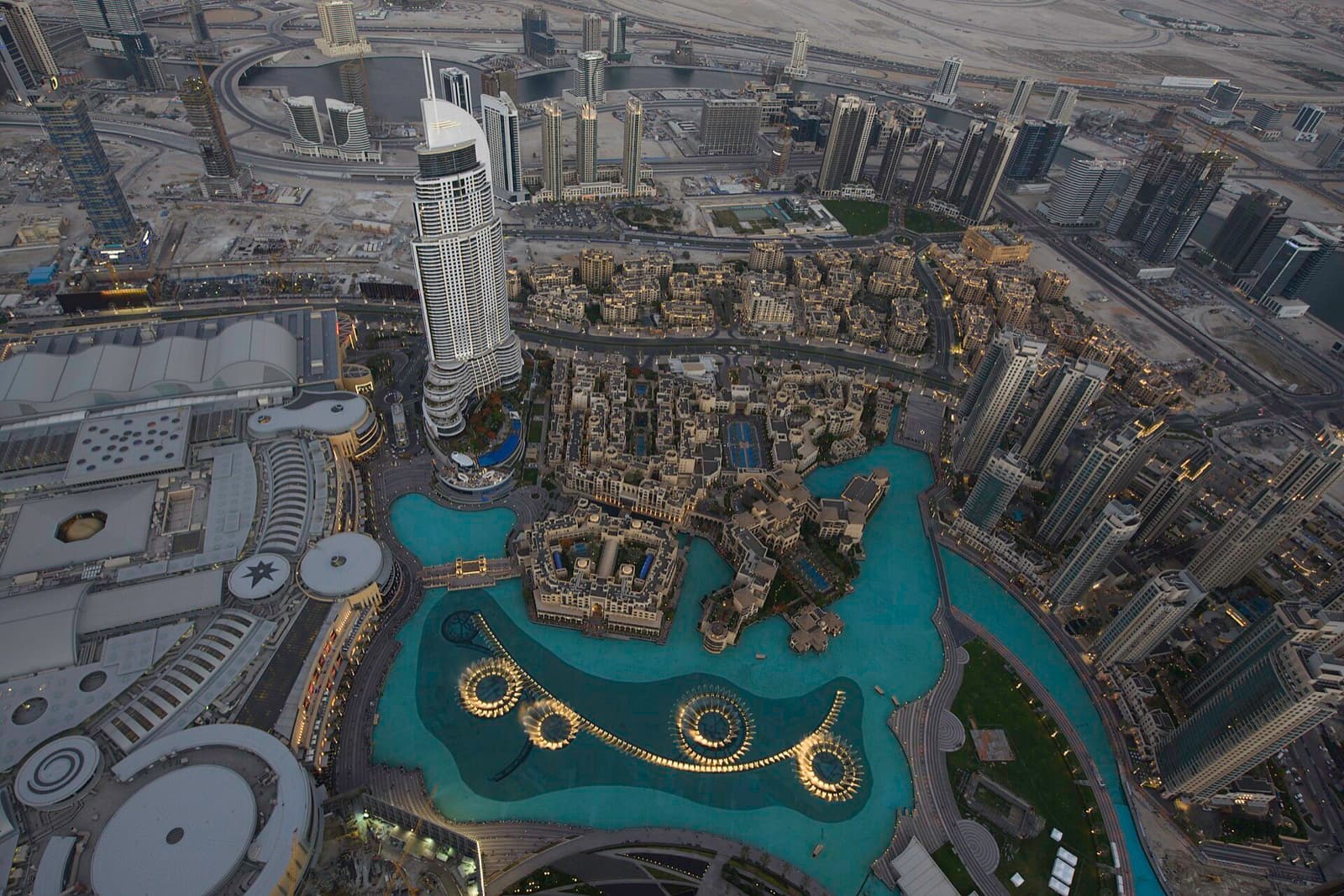
Emaar Boulevard: Reading the Grammar of a City Built All at Once
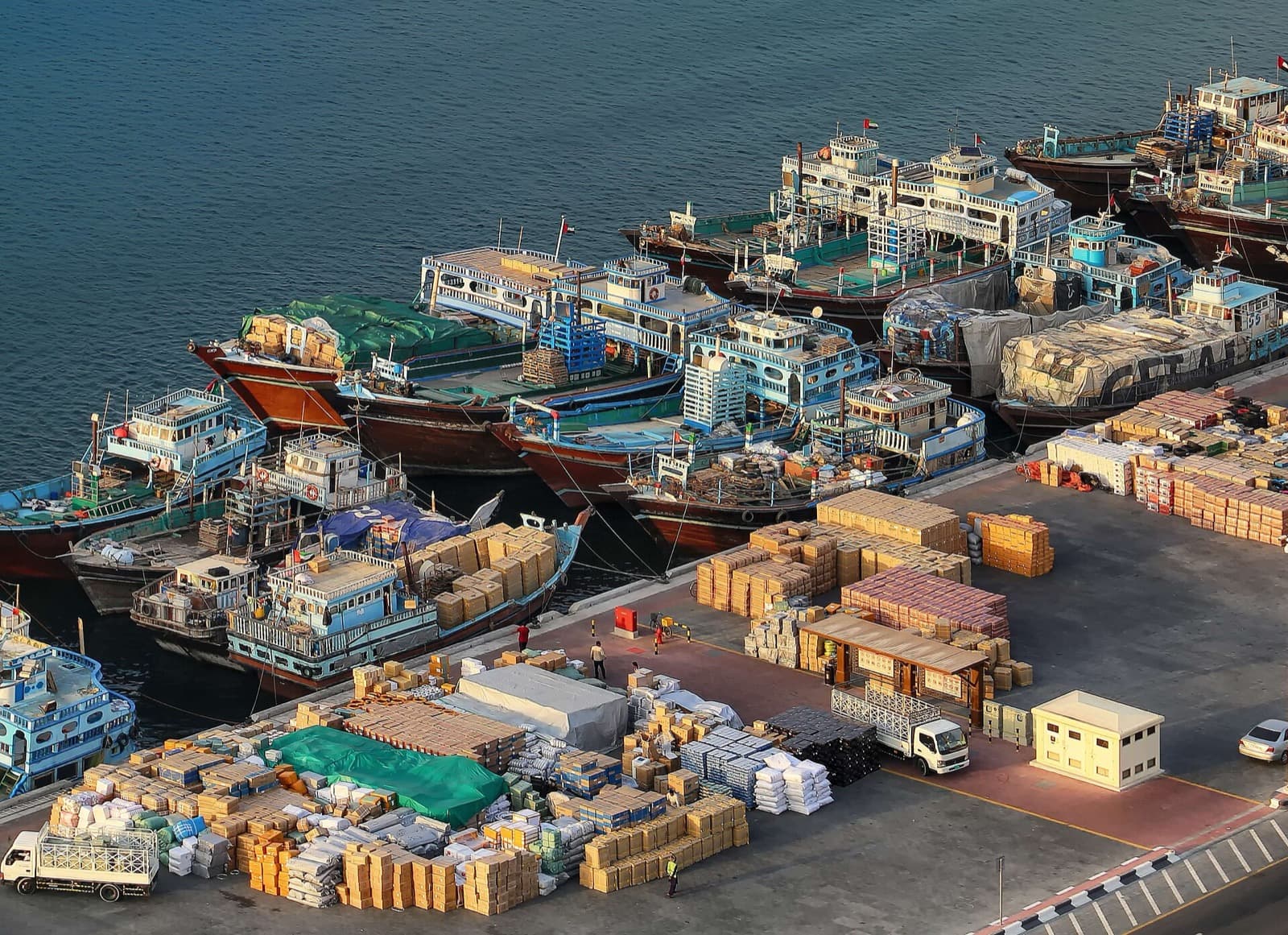
The Dhow Wharfage: Where Old Dubai Still Loads Cargo by Hand
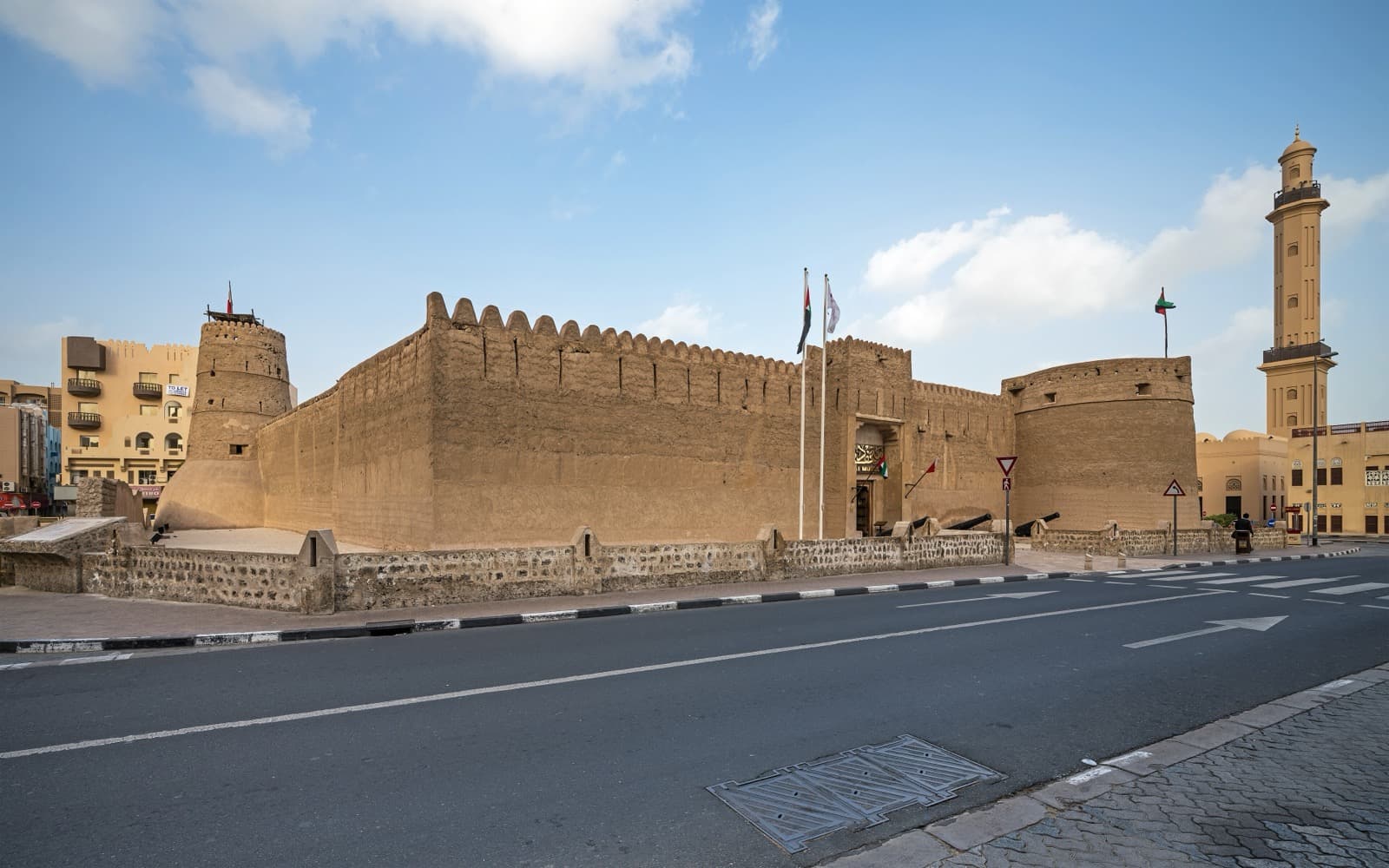
Al Fahidi Fort and the Dubai Museum: The Oldest Stone in the City