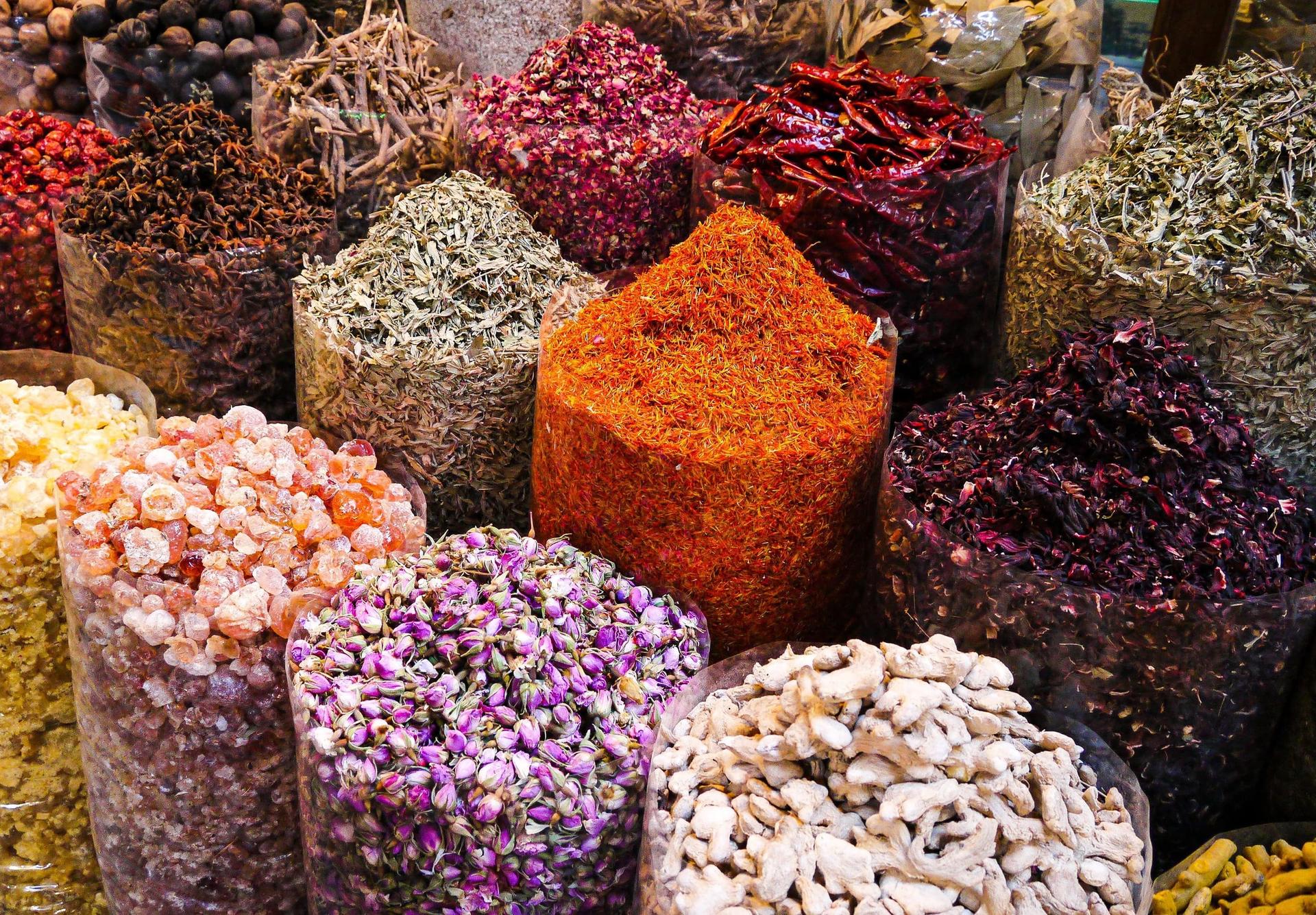
From the Al Sabkha abra through Deira's souks: the dhow wharf, the Perfume Souk, the covered Gold Souk, Al Ras's 1912 school and a poet's house, the Spice Souk and the old municipality, back to the creek wharf.
Start · Al Sabkha Abra Station: The Dhow Wharf
DirectionsStops
- 1
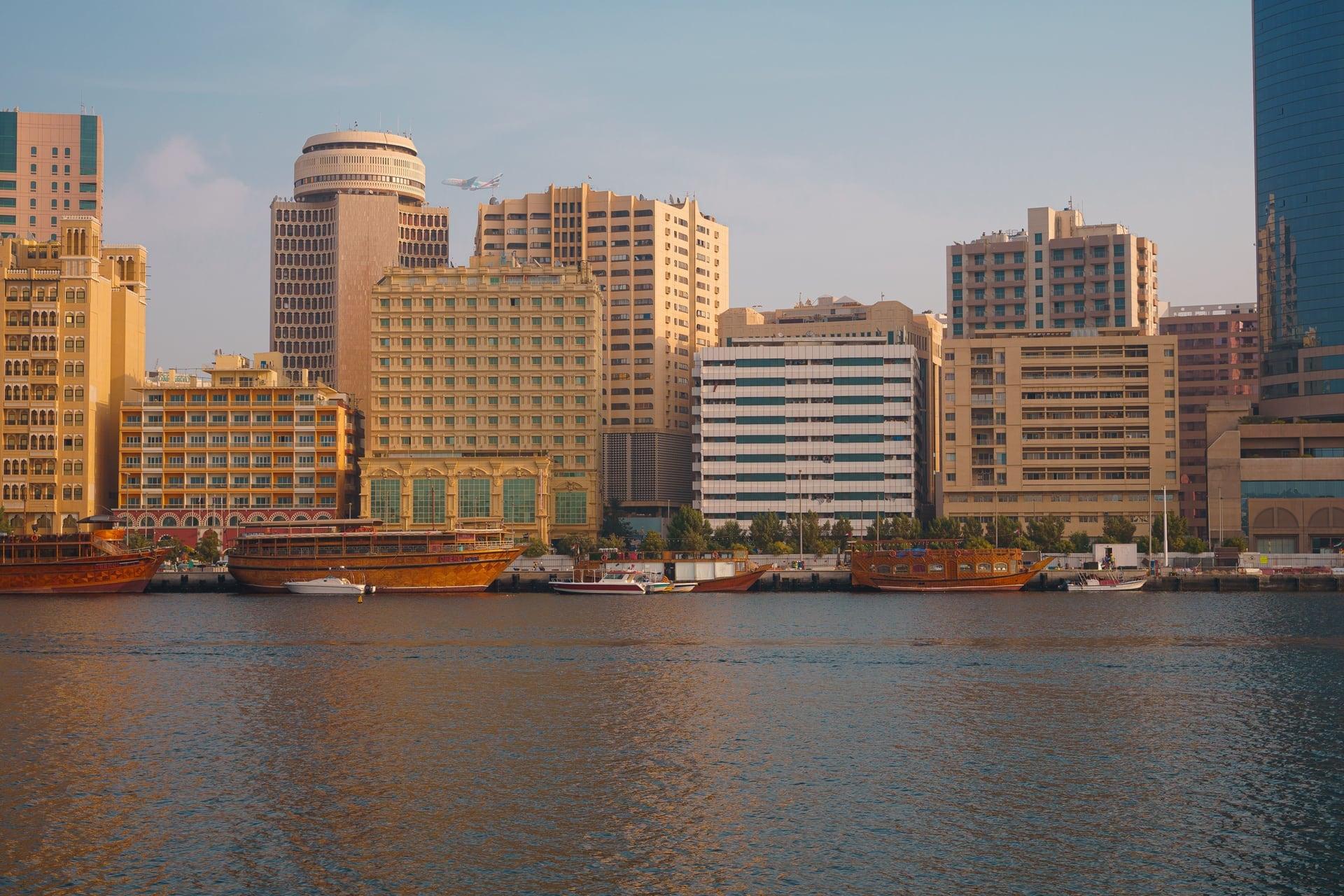
Al Sabkha Abra Station: The Dhow Wharf
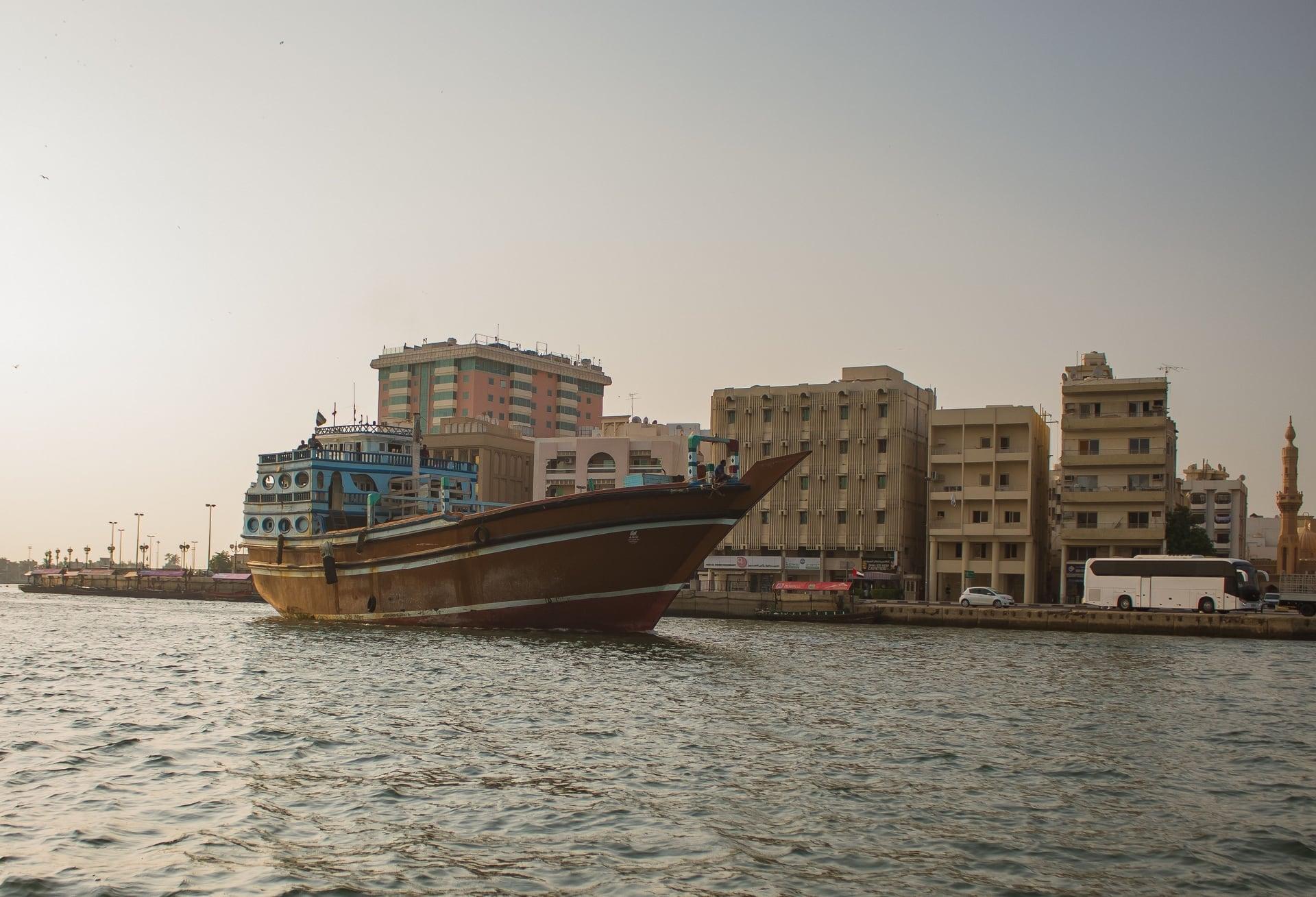
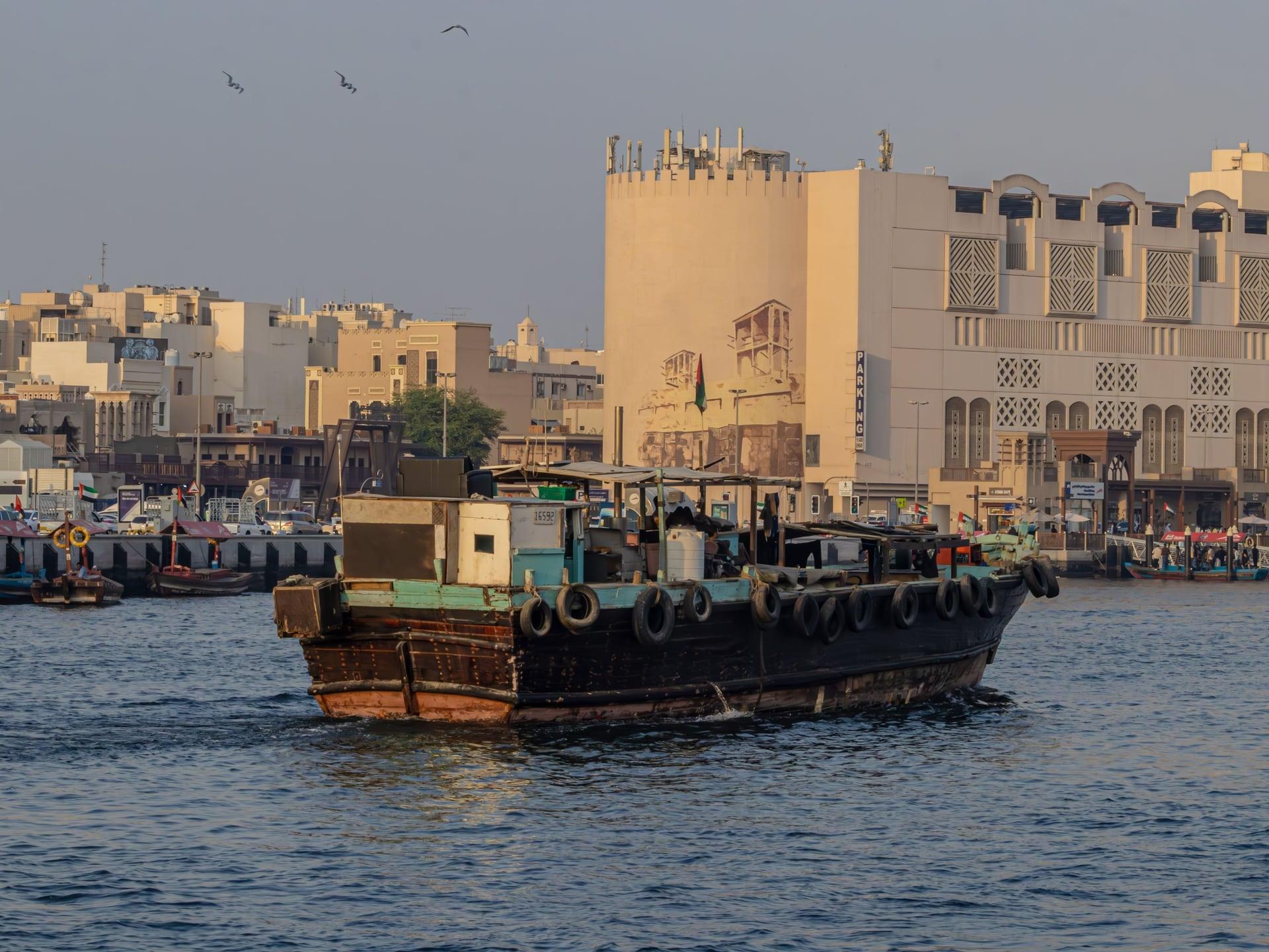
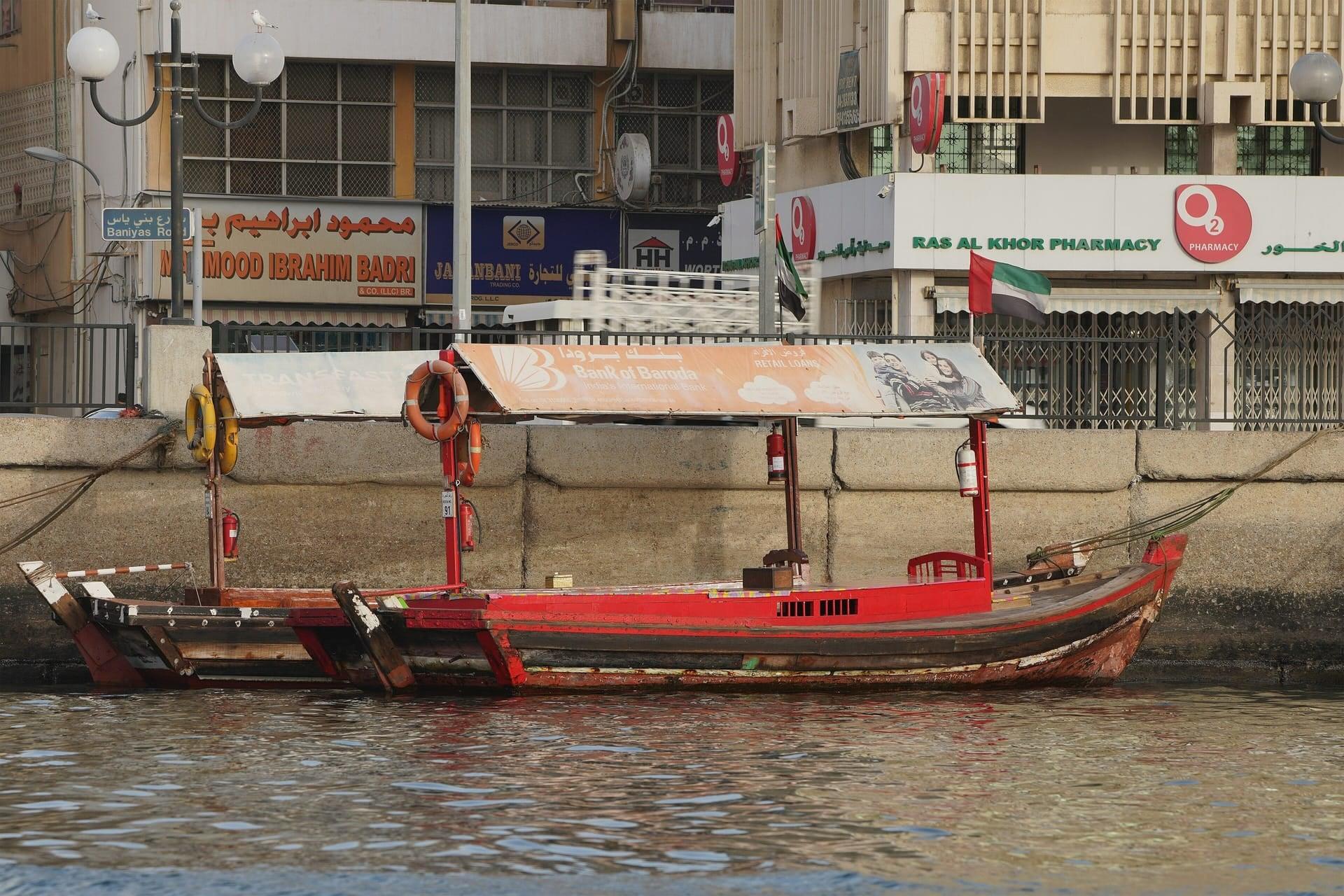
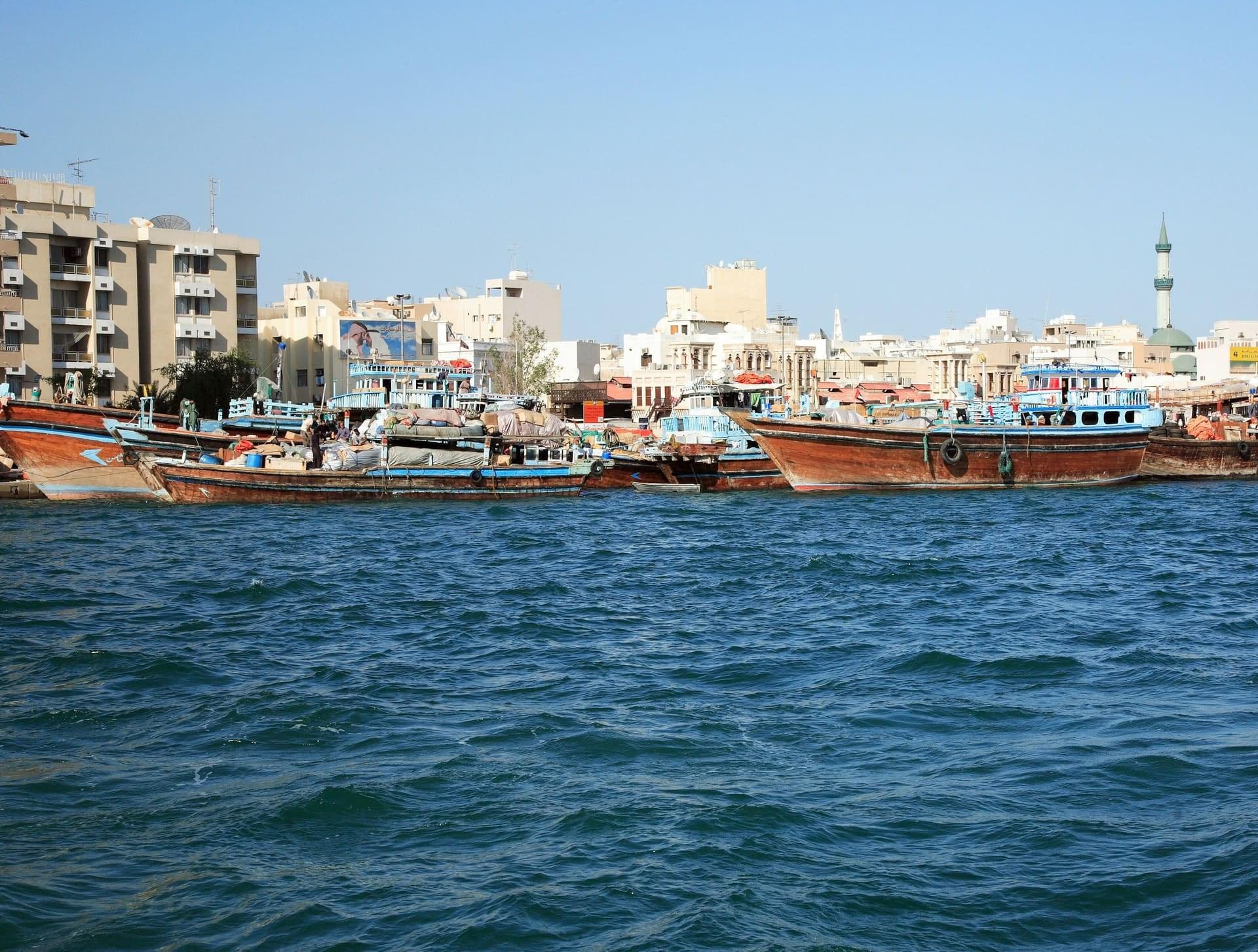
Wooden dhows tie up along this wharf. The Al Sabkha abra landing on Deira's bank, beside the Dubai Creek and Deira Wharfage, which DP World calls a vital gateway for traditional dhow trade.
- 2
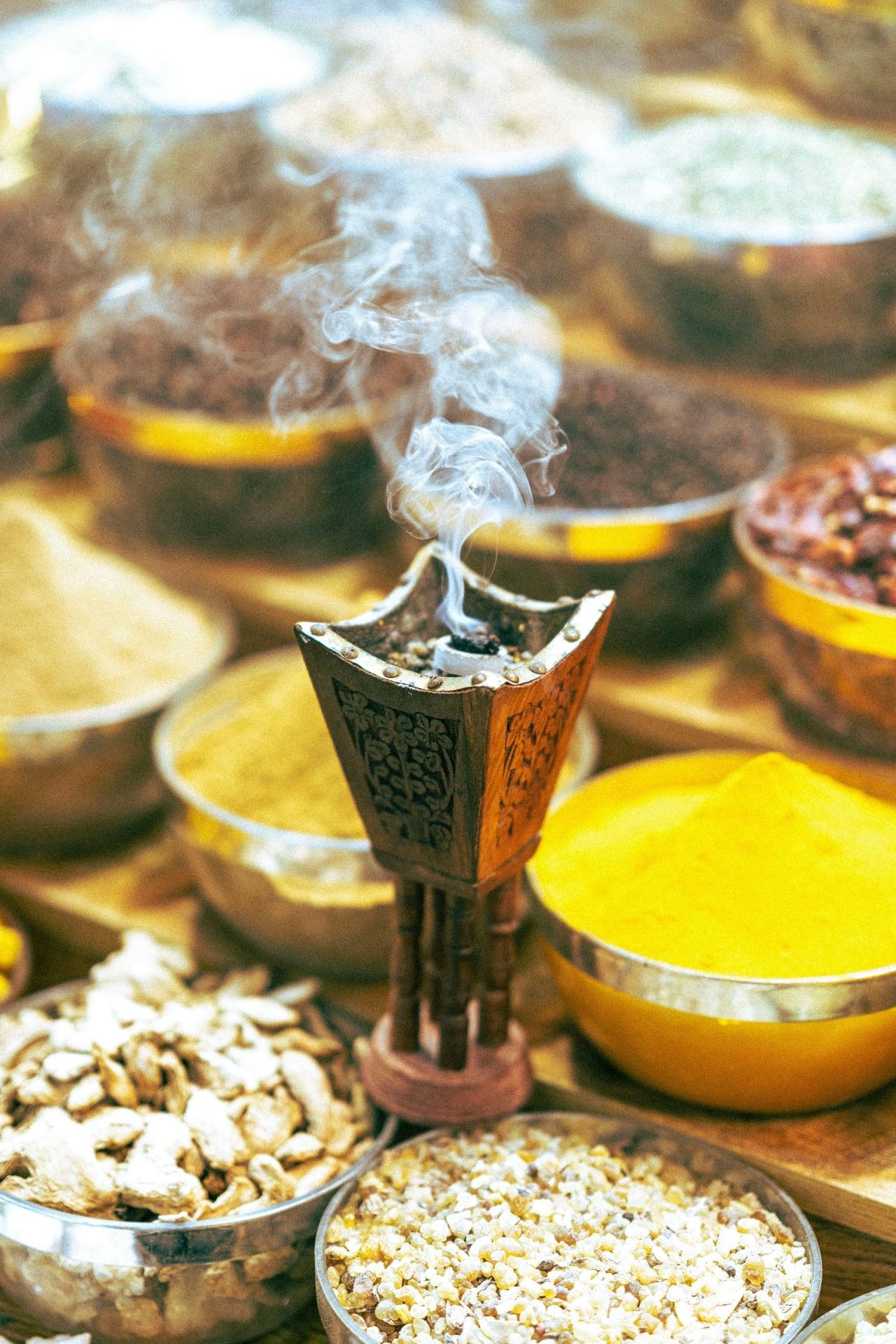
Perfume Souk: Oud, Attar and Incense
Perfume shops line this souk street. Oud, attar and bakhoor in the windows on Al Soor Street, in one of the old Deira markets that Dubai Municipality names.
- 3
Women's Museum: The House of Girls
A museum tells the story of women here. Bait Al Banat, the Women's Museum, opened in 2012 by Rafia Obaid Ghubash in a restored 1950s house; ticketed, closed on Sundays.
- 4
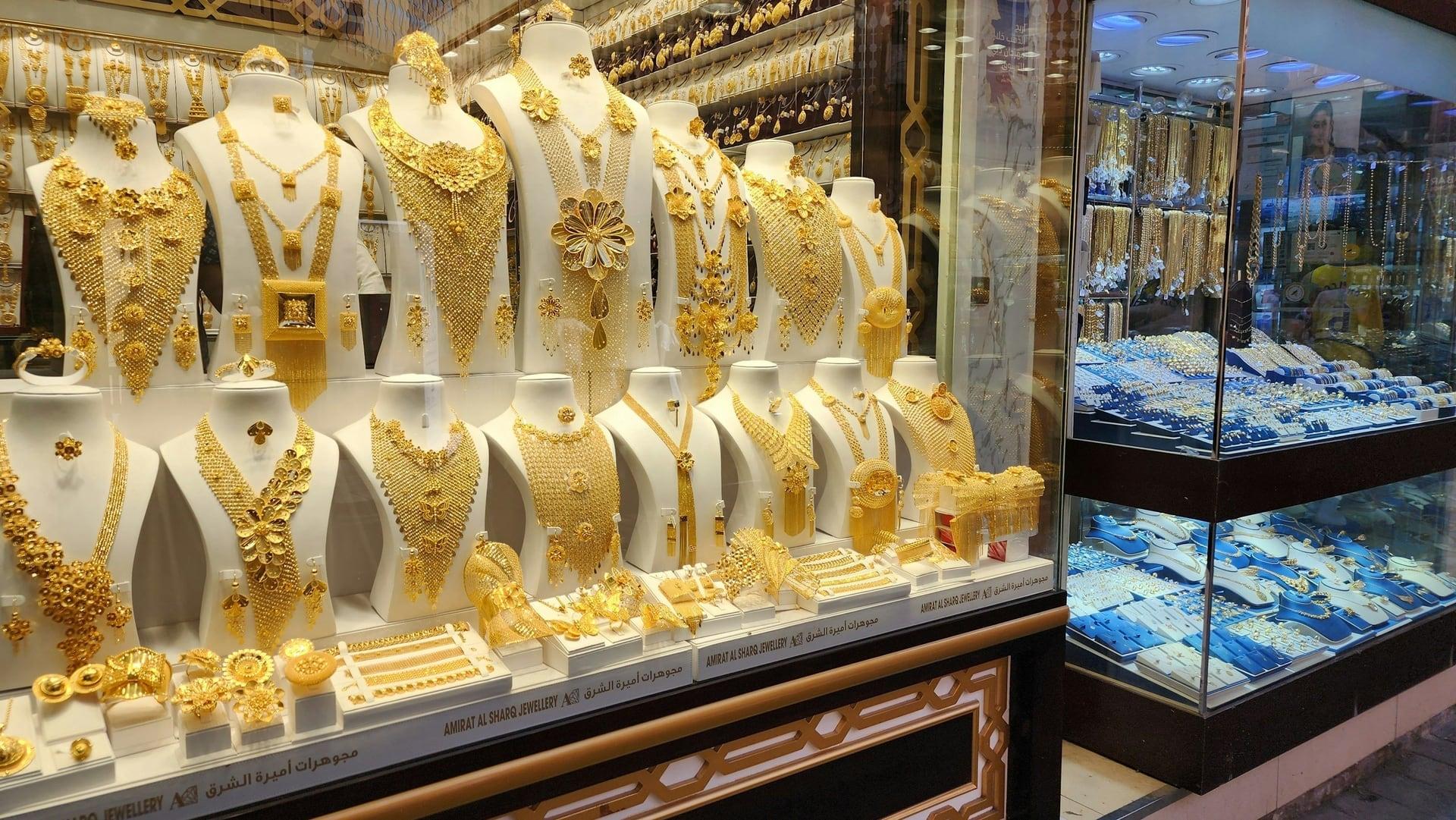
Gold Souk North Gate: Under the Timber Roof
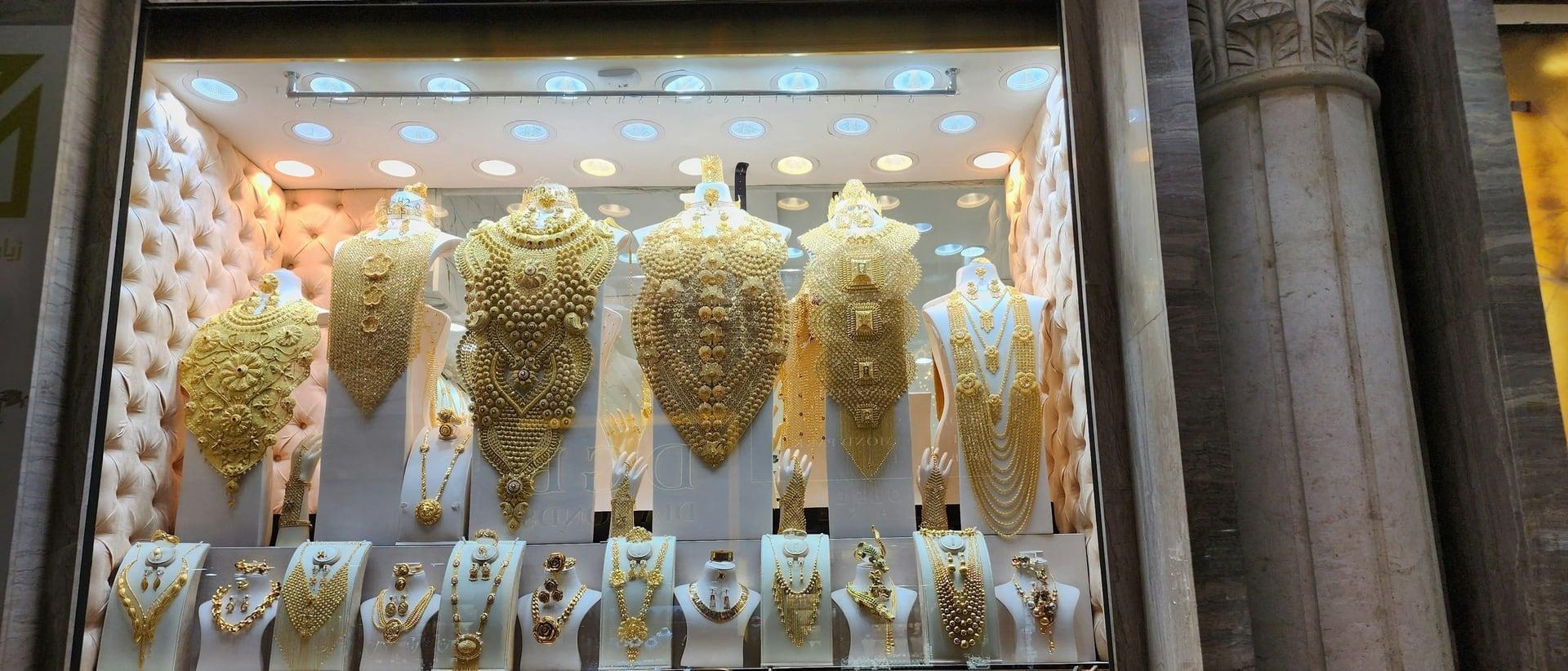
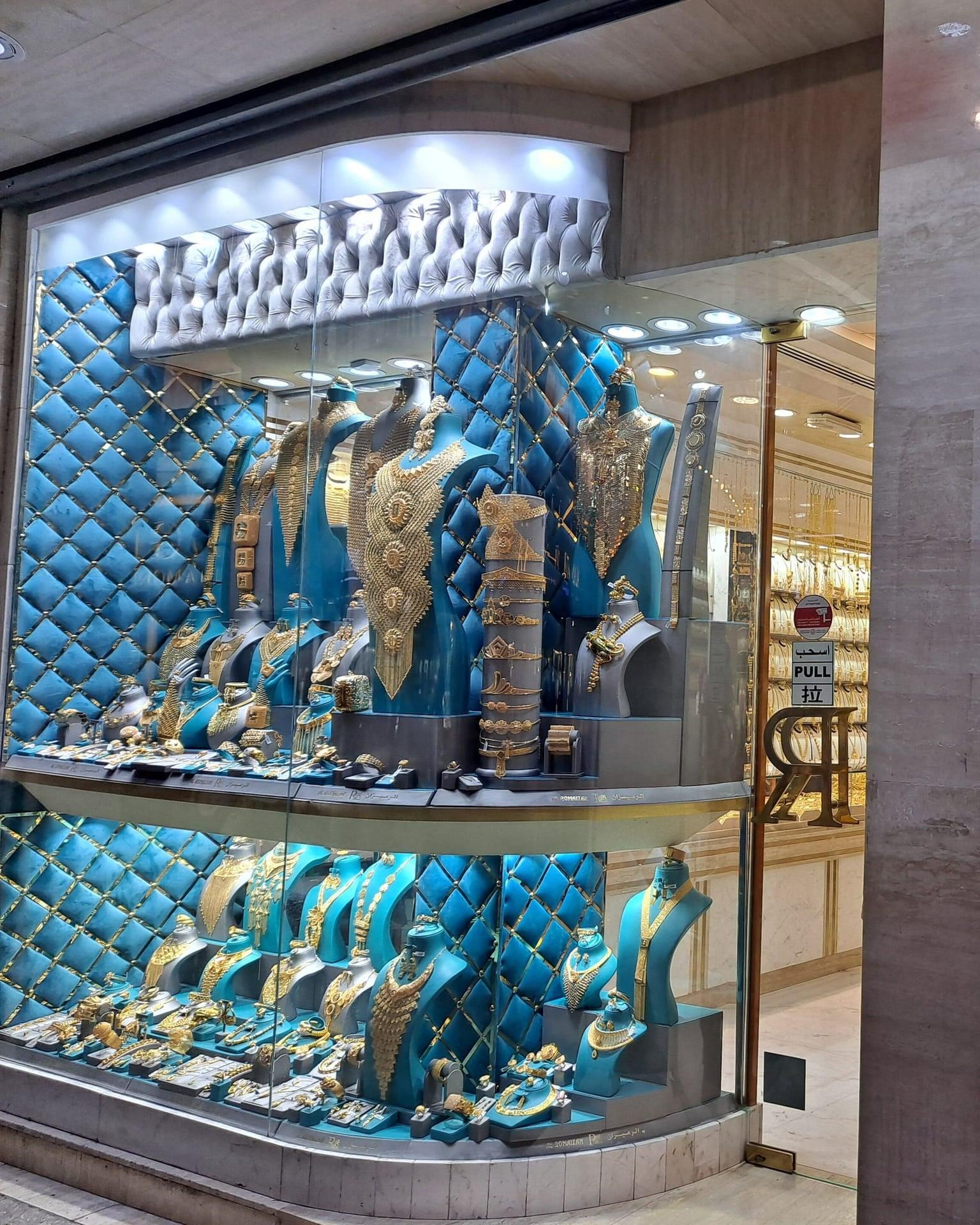
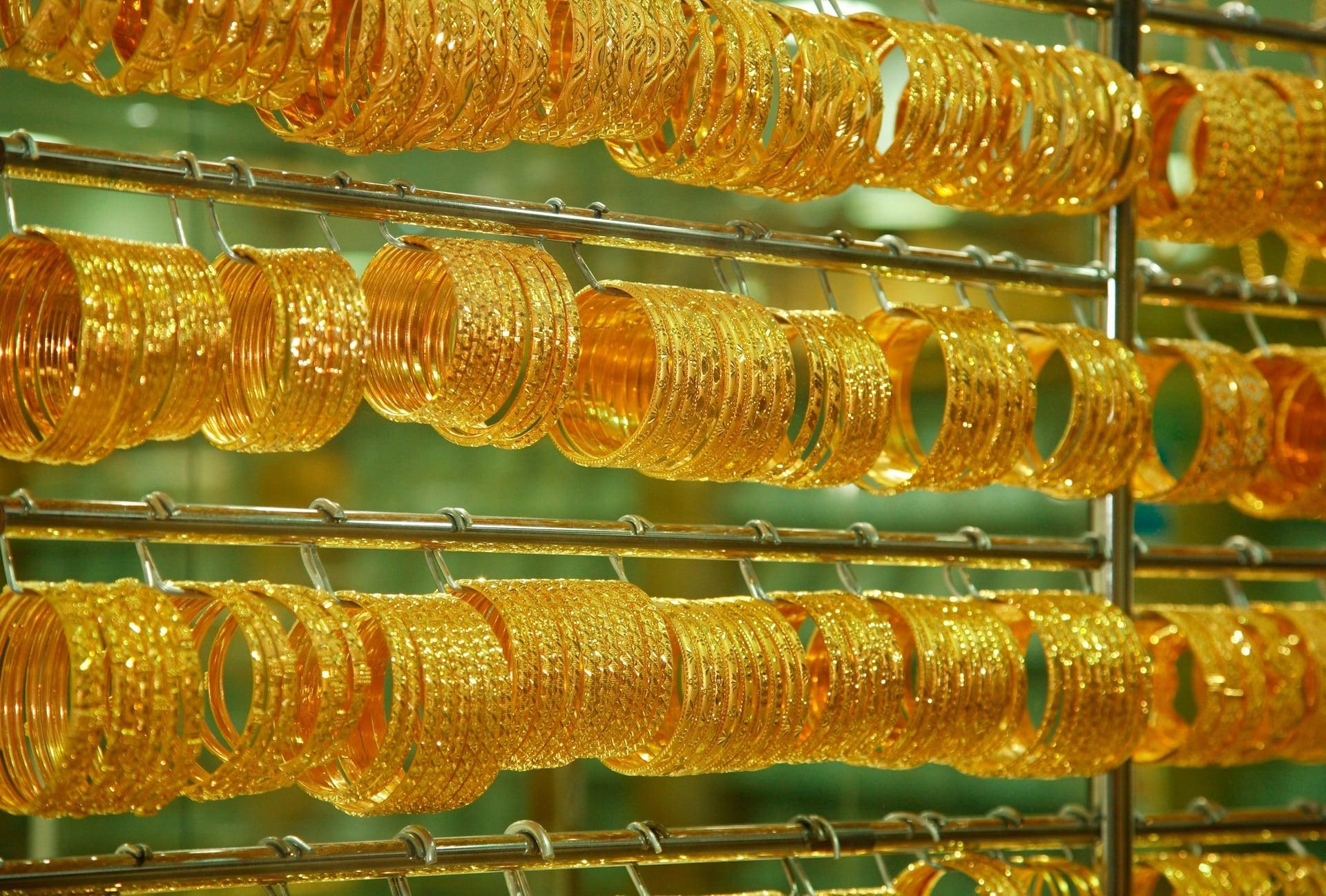
Gold shops trade under a timber roof. The covered Gold Souk's north mouth on Al Khor Street; known as the Gold Souk by the 1940s, with hundreds of shops today.
- 5
Gold Souk Gateway: Old Baladiya Street
The gold street opens onto paving. The Gold Souk's south-west mouth on Old Baladiya Street, closed to cars and rebuilt for people on foot in 2024.
- 6
Al Ahmadiya School: Pearl Money for Teaching
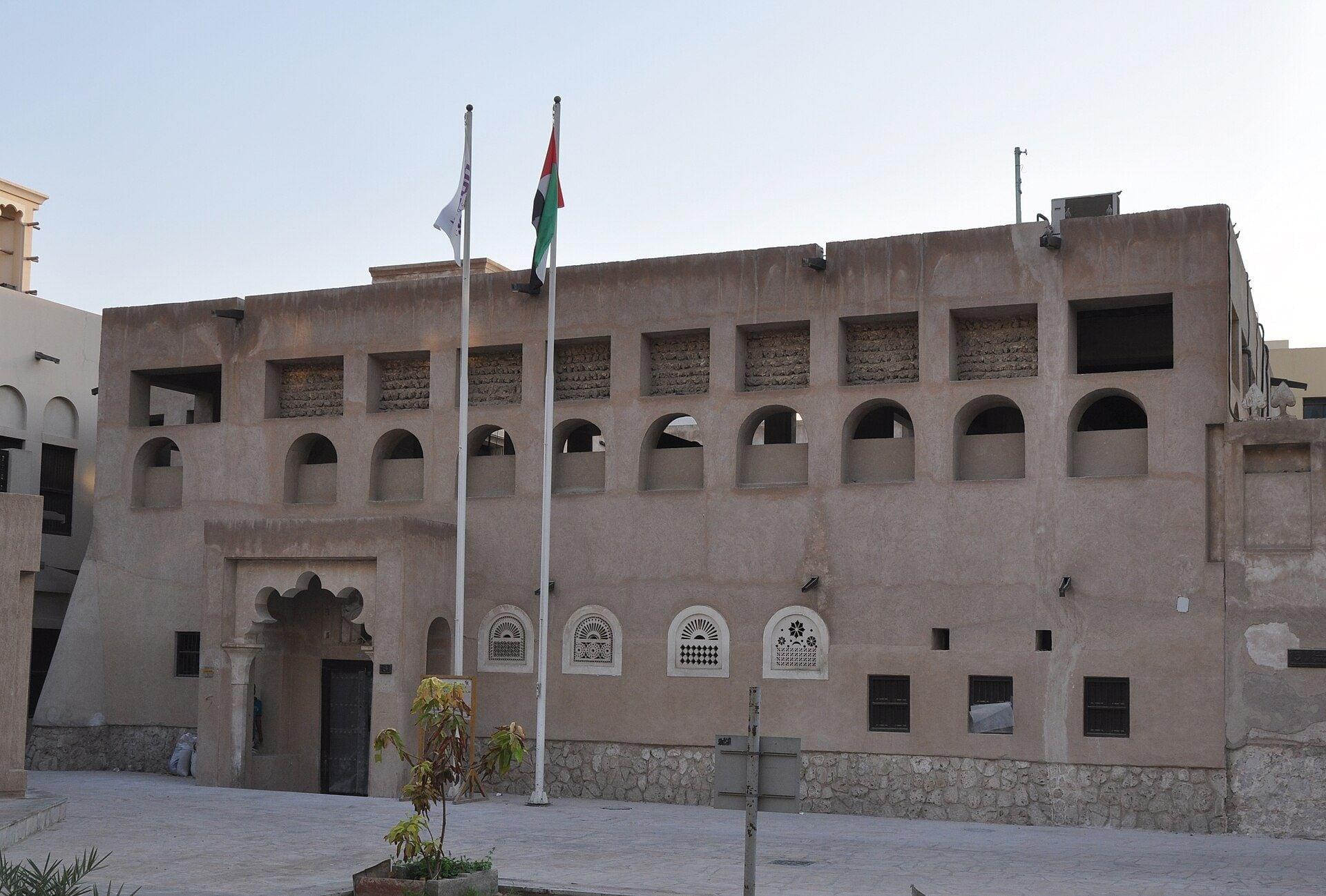
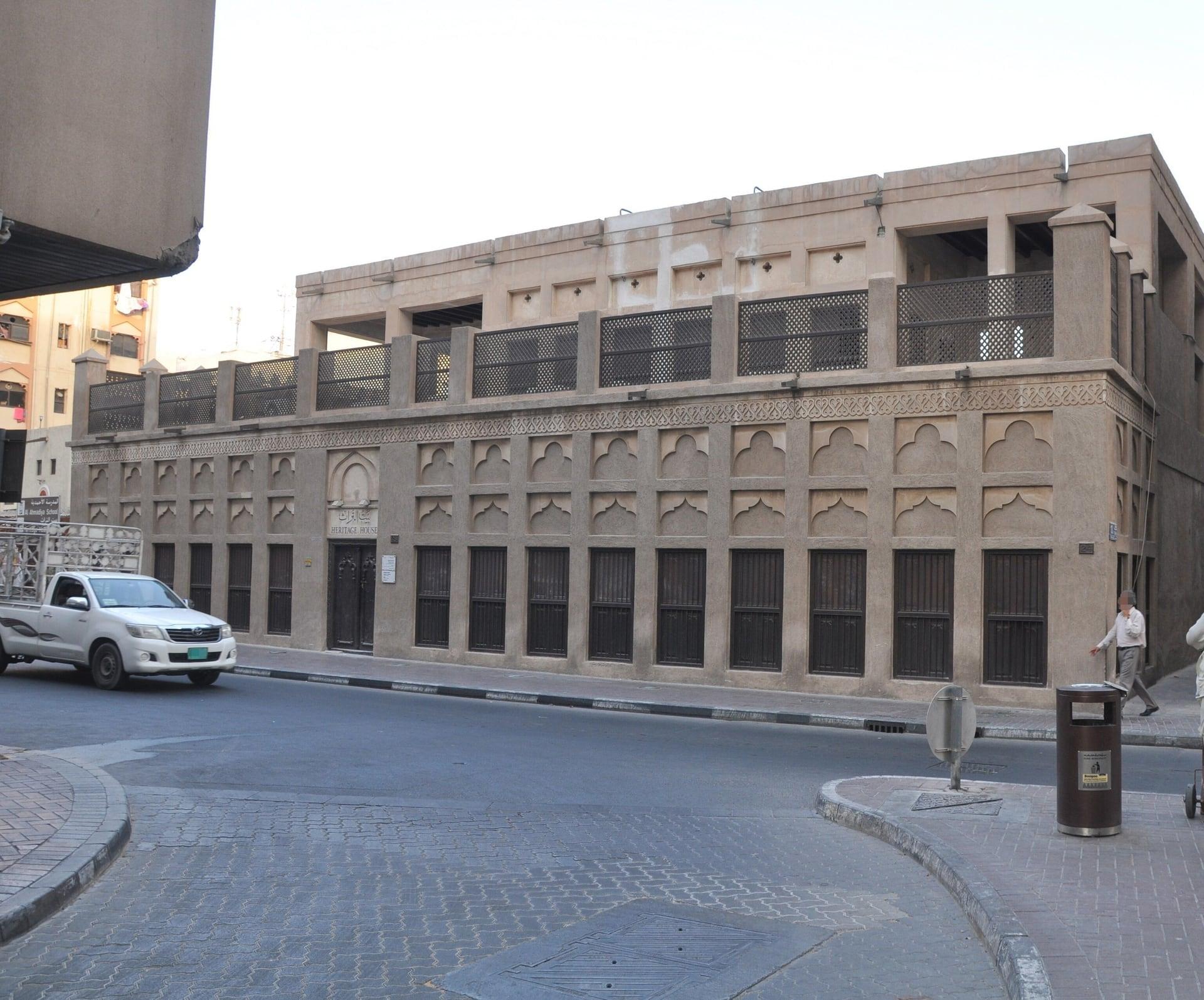
Pearl money founded this school in 1912. Al Ahmadiya School and the Heritage House of 1890 in Al Ras, both closed for renovation and seen from the lane.
- 7
Al Oqaili's House: A Poet in the Market
A poet had this house built in 1923. The home of Mubarak bin Hamad Al Oqaili, raised by builders from Al Ahsa on the edge of the Spice Souk.
- 8
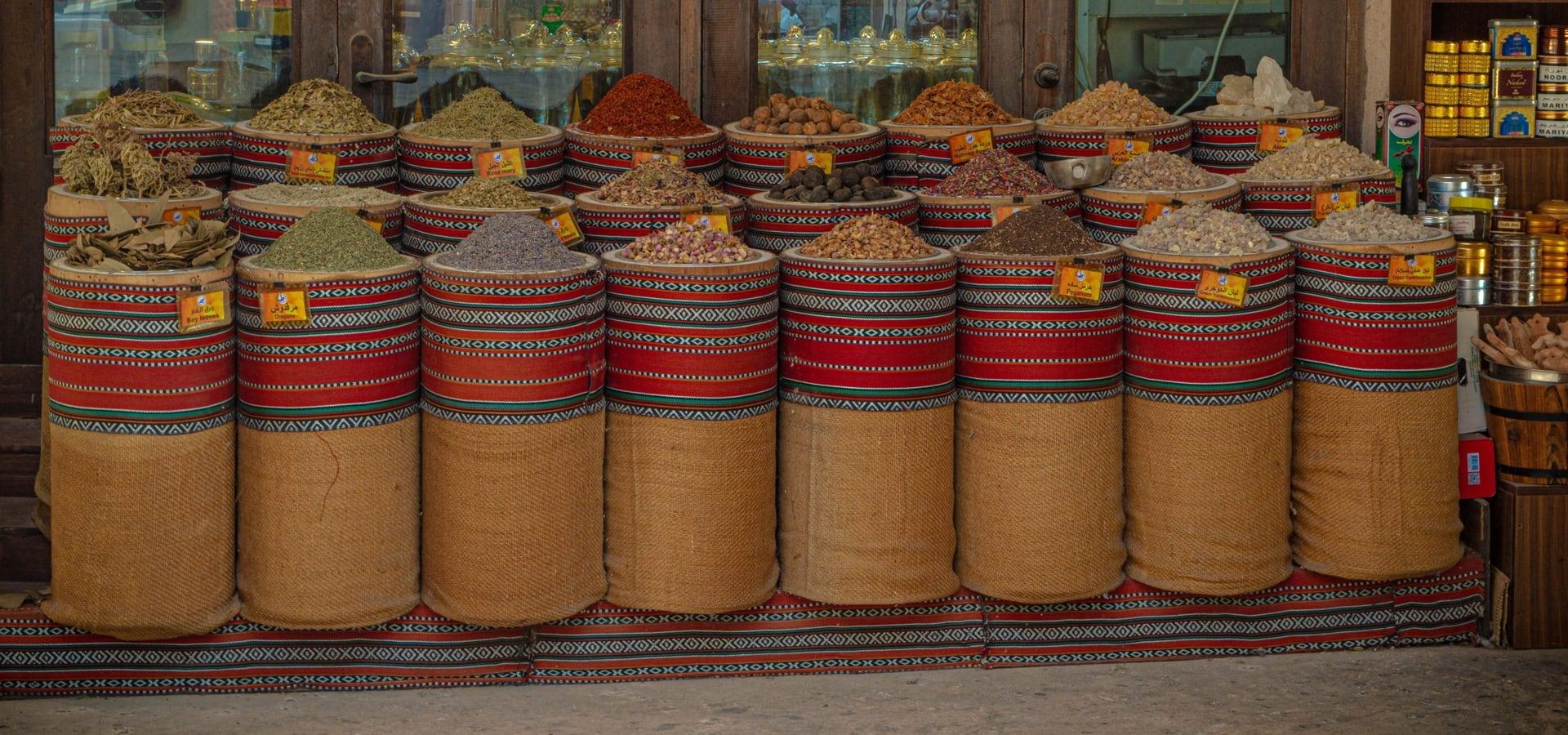
Spice Souk: Spices and Old Remedies
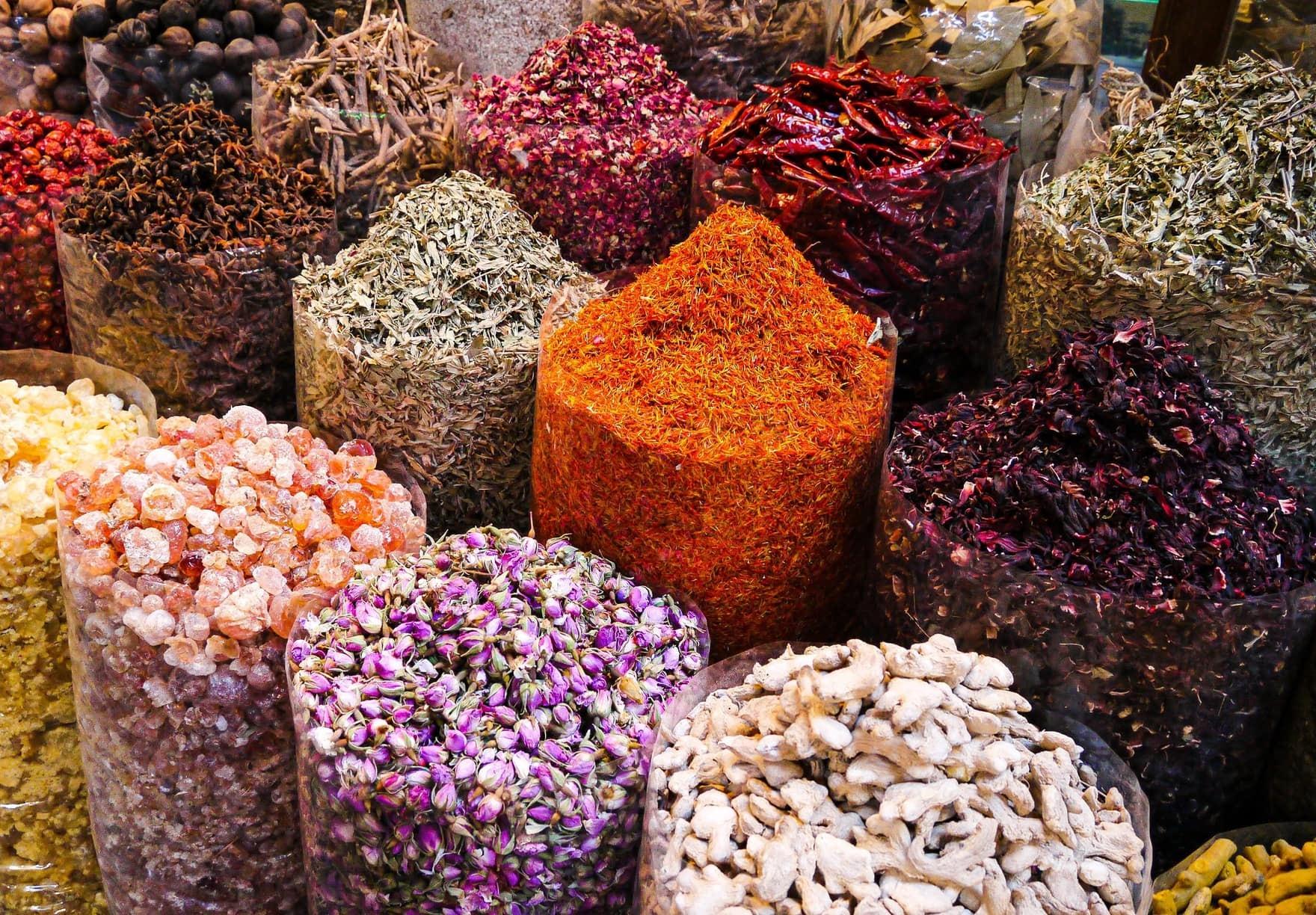
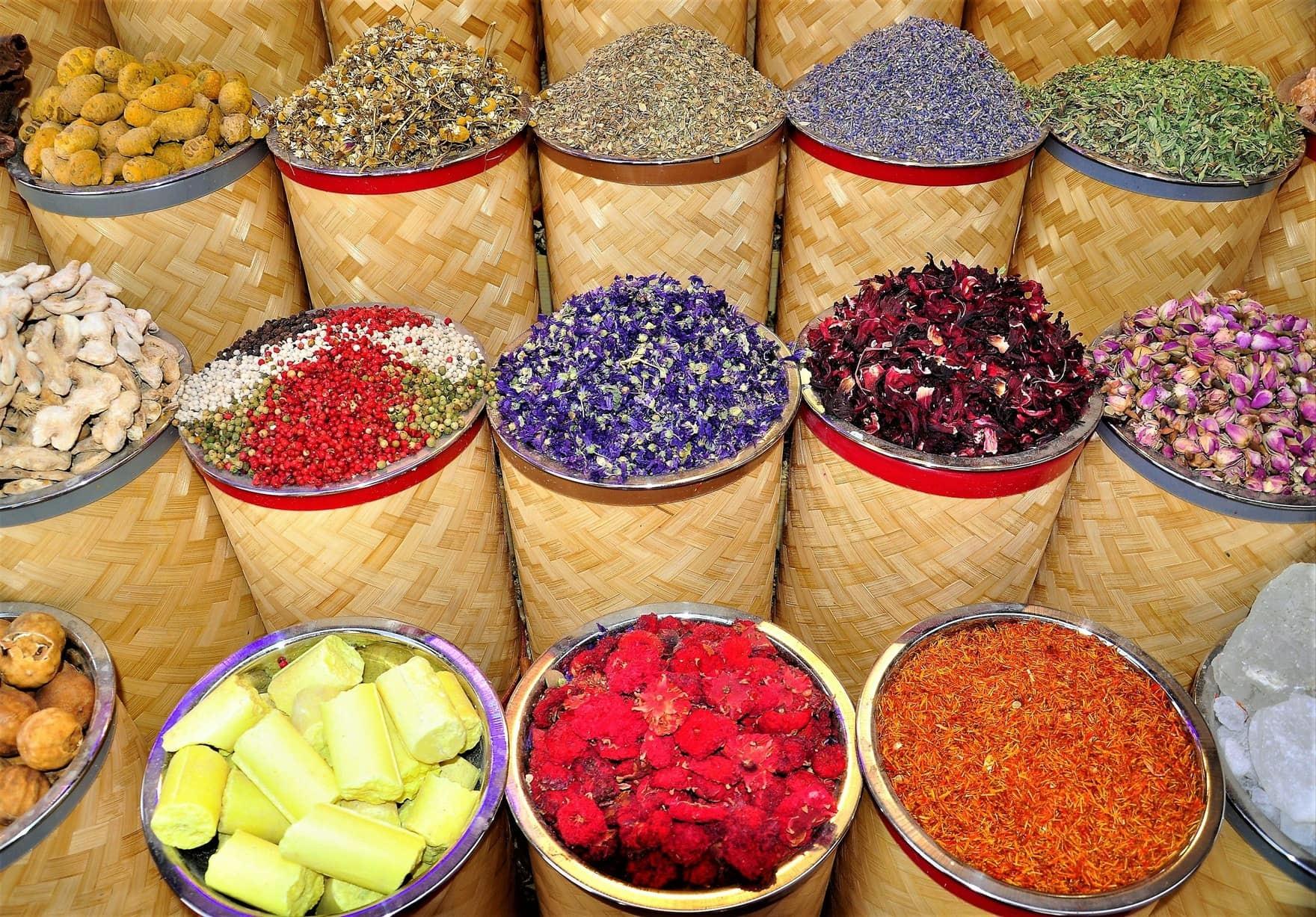
Spice and remedy shops fill these lanes. The spice lanes of Souq Al Kabeer, which Dubai Municipality dates to 1850, with more than 80 kinds of spice.
- 9
Old Municipality: Shops Below, Traders Above
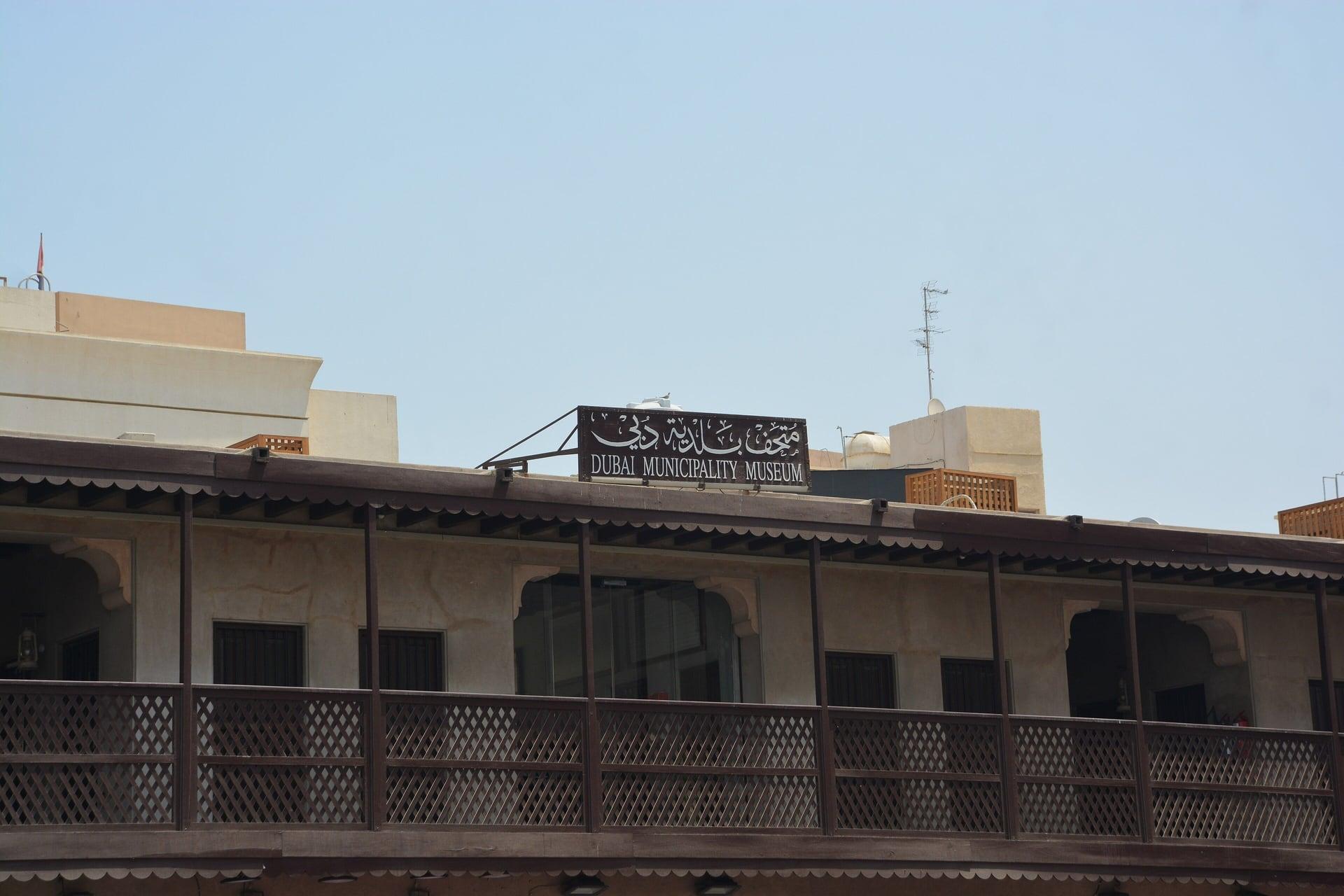
Its shops sat below the traders' rooms. The Dubai Municipality Museum, the town's municipal offices from 1957 to 1964, restored in 1999 and opened in 2006.
- 10
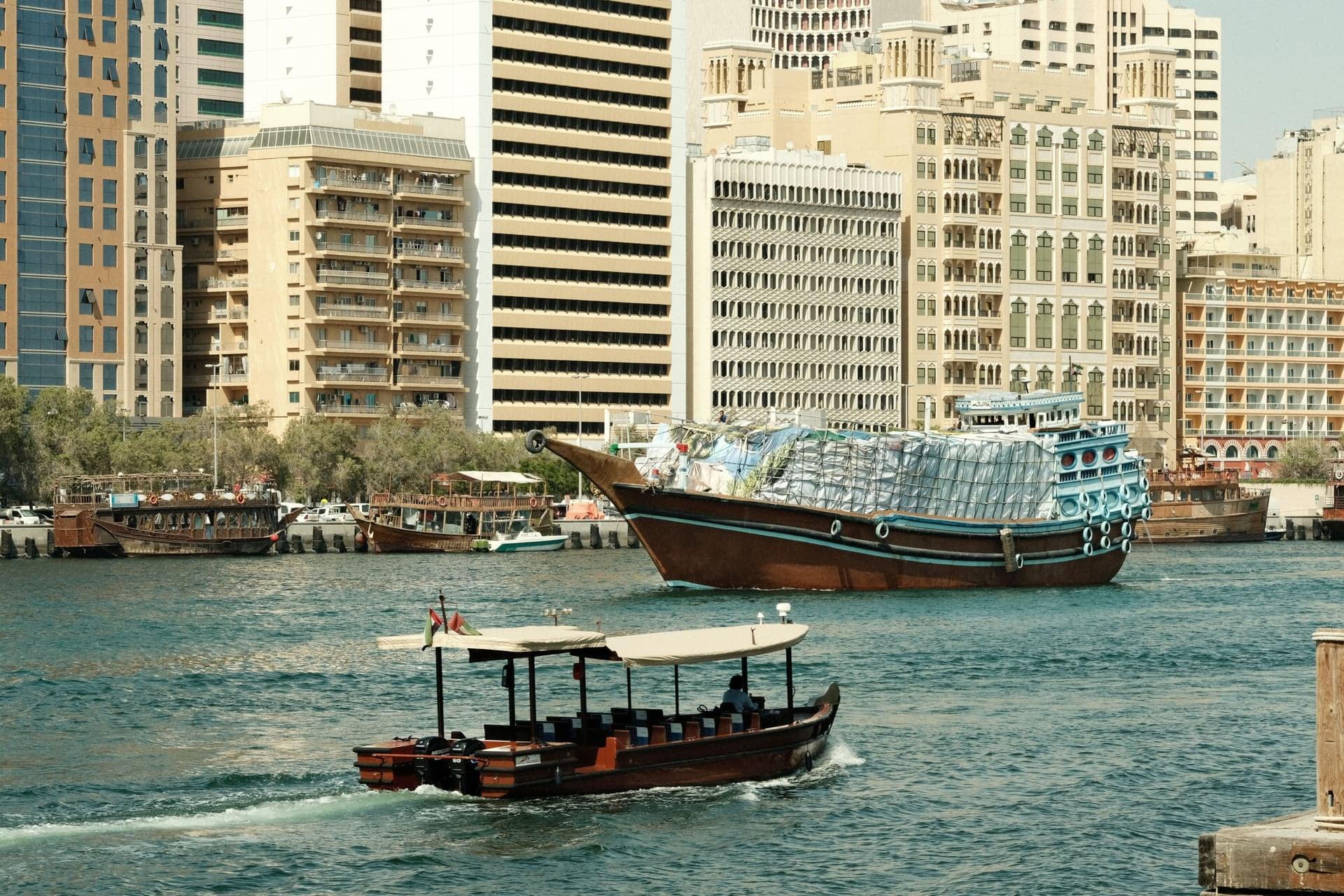
Deira Old Souk Abra Station: The Crossing
Abras cross the creek from this landing. The Deira Old Souk abra station, where RTA's boats cross to the Bur Dubai abra station on the far bank.
- 11
Creek Wharf: The Old Town Across the Water
The old town faces you across the creek. The Al Fahidi quarter lies across the water from the Deira creek wharf, which Dubai Municipality finished rebuilding in 2025.
Details
Best Time to Visit
Late afternoon into the evening, after the midday break, when travel guides (no official timetable) say many shops reopen, when the souks are lit and busy; reach the Spice Souk (stop 8) before its gates close at night. Weekday mornings from about 10:00 also work. Avoid Friday mornings, when many shops stay shut until after the noon prayer (travel guides). November to March is the season for walking outdoors; the wharf (stops 1, 10 and 11) has no shade at any hour. Checked 10 November 2026.
Pro Tips
- •Start at the Al Sabkha abra station on Deira's bank. From our Old Dubai walk's end, take the abra from the Dubai Old Souq station: it lands here. Metro: Baniyas Square (Green Line).
- •By abra (rta.ae timetable): CR2 Dubai Old Souq to Al Sabkha and CR4 Al Fahidi to Al Sabkha both land at stop 1; CR1 from the Bur Dubai abra station lands at Deira Old Souq (stop 10), about 600 m west of stop 1 along the wharf. RTA's pages give AED 1 cash on CR1 and CR2 and AED 2 on the heritage routes (cash, nol or card); carry cash. Checked 10 November 2026.
- •By metro (Green Line, RTA metro and tram timetable dated 25 September 2026): Baniyas Square is about 470 m from stop 1; Al Ras is about 450 m from stop 10; Gold Souq is the stop between them. Trains run from about 05:00 (Sundays about 08:00) to about midnight, later on Fridays. Checked 10 November 2026.
- •Women's Museum (stop 3): AED 20, 10:00 to 17:30, closed on Sundays (The National, 25 September 2026); other listings give other hours, so check before you go. Checked 10 November 2026.
- •Dubai Municipality Museum (stop 9): free guided tours, but its own page gives contradictory hours (one line says Monday to Friday 7:30 to 15:30); check at dm.gov.ae. Museum of the Poet Al Oqaili (stop 7): Dubai Culture lists only Friday 8:00 to 11:30. Checked 10 November 2026.
- •Al Ahmadiya School and the Heritage House (stop 6) are both closed for renovation, with no reopening date (dubaiculture.gov.ae). The stop is their fronts, free at any hour. Checked 10 November 2026.
- •Getting back from the last stop (stop 11): the Al Sabkha abra (CR2 to the Dubai Old Souq station, for our Old Dubai and Al Shindagha walks) is about 280 m east along the wharf; the Deira Old Souk abra (CR1 to the Bur Dubai abra station) is about 310 m west.
Safety & Precautions
- •Crossings: Baniyas Road twice (on the way to stops 2 and 10) and Al Sabkha Road once, all at traffic signals; at Al Sabkha Road press the button and wait for the signal. On the way to stop 2 you also cross the mouth of 14th Road, which has no marked crossing: cars turn in from Al Sabkha Road behind you, so look left first. Jaywalking is fined in Dubai: cross only at crossings.
- •Al Soor Street, Al Ahmadiya Street, the souk lanes and the wharf apron have no separate sidewalk and are shared with delivery vans and handcarts: keep to the shop side in the lanes, and on the wharf walk the water side, not the service lane.
- •Spice Souk at night: Dubai Municipality says the market's gates close at night (which lanes is not mapped). If the lane is shut, go round by 23c and 32b Streets to the Old Municipality's square (stop 9) and play stop 8 there by hand.
- •Gold Souk: if the covered street is shut, go round outside by Al Khor Street and the lanes to the gateway on Old Baladiya Street (about 260 m). GPS is weak under the roof: if stop 5 does not start when you come out, start it by hand.
- •Shop hours: there is no official timetable. Travel guides say many shops open about 10:00, close about 13:00 to 16:00 and open late on Fridays. Every stop works with the shutters down.
- •Dress modestly in the souks and Al Ras (shoulders and knees covered). Ask before photographing people, including shopkeepers and dhow crews: UAE law protects privacy. Do not photograph government buildings, on either bank. Drones need a permit.
- •Ramadan is expected to begin about 8 February 2027, subject to the moon sighting: shop and museum hours change, and you should avoid eating or drinking openly in the street in daylight.
- •Sun: the wharf (stops 1, 10 and 11) and the road crossings have no shade; carry water and a hat. The route is flat and step-free as mapped (kerbs not checked).
Travel advisory: Reconsider Travel (Level 3).
Gallery
Related Reading
Go deeper on what you'll see, hear, and walk through.
Overview
Best Self-Guided Walking Tours in Dubai (2026)
5 min
Overview
Dubai Travel Guide: How Many Days, Best Time, Getting Around, and Costs
8 min
Overview
One Day in Dubai: A Walkable Old-to-New Itinerary
9 min
Thematic
Dubai From the Creek to the Crown of the Tower
9 min
Companion
The Dhow Wharfage: Where Old Dubai Still Loads Cargo by Hand
8 min
Deep dive
Dubai Gold Souk: Why This Deira Lane Made the City's Name in Gold
6 min
Read
What to Eat in Dubai: Emirati Dishes and Where to Find Them
7 min
Read the walk
The full story of Deira Souks: Gold, Spice and the Abra Across the Creek, in words. Prefer to listen? Play it narrated, from home or on location.
Introduction
Deira is the trading bank of Dubai Creek. Boats tied up along this side, and what they carried became markets: perfume, gold and spices, each in its own lanes, a few minutes apart. This walk follows that trade from the dhow wharf through the souks and back to the water.
There are eleven stops over about two point six kilometers, about a mile and a half, and it takes about seventy five minutes. It is flat, with no steps. You will cross Baniyas Road twice and Al Sabkha Road once, each time at traffic signals. Wait for the signal every time: crossing anywhere else is fined in Dubai.
The lanes are narrow and shared with handcarts and delivery vans. Shop hours vary, and no official timetable is published: many shops are said to take a long afternoon break and to open late on Fridays, and Dubai Municipality says the old market's gates open in the morning and close at night. Every stop works with the shutters down, and the tour's notes give the way round the Spice Souk after dark. Dress modestly, with shoulders and knees covered, and ask before you photograph anyone. During Ramadan, expected from about the eighth of February twenty twenty seven, hours change, and it is polite not to eat or drink openly in the street in daylight. The wharf has no shade, so bring water and a hat.
The walk ends on the creek wharf, facing the old town of Al Fahidi across the water, a few minutes from the abra back. When you arrive at the Al Sabkha abra station, begin with stop one.
1. Al Sabkha Abra Station: The Dhow Wharf
This is Deira, and the Al Sabkha abra station. If you came across on the abra, the small ferry boat, step off the landing onto the footway and stop there. If you walked from the metro, come down to the landing and stop beside it.
Now look along the wharf past the end of the landing, the way the route first sets off: the long edge of the creek where the bigger boats moor. This is where the wooden dhows tie up. A dhow is the traditional wooden cargo boat of the Gulf.
DP World, which runs it, calls the Dubai Creek and Deira Wharfage a vital gateway for traditional dhow trade. It says the dhows carry more than two million tonnes of goods a year, to the Gulf and the Indian Ocean, and to smaller ports beyond the reach of conventional shipping.
Some days the berths are crowded with hulls and cargo, some days nearly empty: this is a place of work.
Everything on this walk started at the water's edge: goods came off the boats, went up into the lanes behind you, and were sold or shipped on again.
Across the water is Bur Dubai. Our Old Dubai walk, through the wind-tower lanes of Al Fahidi, ends at the Old Souq abra station on that bank, and the abra from there lands here.
Follow the route along the wharf to the corner, then across Baniyas Road at the traffic signals, in two halves: wait for the signal each time. Further on you cross the mouth of Fourteenth Road, where cars turn in from the road behind you: look left first, and over your shoulder. Then, at Eighteenth Street and again at Al Sabkha Road, press the button and wait for the signal. Next is the Perfume Souk.
2. Perfume Souk: Oud, Attar and Incense
Walk on to the corner where Eighteenth Street meets Al Soor Street, and stop there. This is where the Perfume Souk begins. Look along the shopfronts: rows of glass bottles, bowls of dark wood chips, small cakes and pieces of incense.
Three words will help you read the windows. Oud is a fragrant, resin-soaked wood, sold as chips to burn or as an oil. Attar is perfume oil, sold in small bottles, often by the drop. And bakhoor is incense: wood chips soaked in scent and burned over charcoal, so that the smoke perfumes a room or a robe.
You can smell this street before you can read it. That is the point of it.
Deira's old markets are sorted by trade. When Dubai Municipality rebuilt the old street through the souks in twenty twenty four, it named the markets the street links: gold, dates, fragrances, Al Ras and spices. Each has its own patch of lanes. A buyer knew where to go for each thing, and the shops of one trade sit shoulder to shoulder. This walk goes through four of them, fragrances first.
These are working shops, and the people in them are working too. Browse as long as you like; a polite no thank you is enough. Ask before you photograph a shopkeeper or a stall. In the afternoon break many shutters come down, and the street stays open as a way through.
Follow the route up Al Soor Street, past more perfume shops. There is no sidewalk on this lane, so keep to the shop side: delivery vans use it. This is the longest stretch of the walk, and it turns into the lanes toward the Gold Souk. Next is a museum about the women of this town.
3. Women's Museum: The House of Girls
Walk on up the narrow alley and stop by the Women's Museum, a restored house on this lane.
The museum charges for entry and is closed on Sundays; the hours are in this tour's tips. From the alley, the house itself is free to see.
Its Arabic name is Bait Al Banat, the House of Girls. The National, a newspaper in the Emirates, reported in September twenty twenty six that it was founded by Rafia Obaid Ghubash, a psychiatrist and a former university president, and opened in twenty twelve. The paper calls it the first women's museum in the Middle East. It fills a restored house from the nineteen fifties, on three floors, and gives its whole top floor to a woman poet.
Pause on that for a moment. Almost everything else on this walk was built for trade: a wharf, shops, a traders' inn, a school paid for by a pearl merchant. The names you will hear in these lanes are men's names. This house sets out to tell the other half of the same town's story, in rooms a few steps from the Gold Souk.
Follow the route back down the alley to Al Khor Street. Next is the north gate of the Gold Souk.
4. Gold Souk North Gate: Under the Timber Roof
Walk on along Al Khor Street to the open end of the covered street, and stop under the open sky, just short of the roof. Ahead of you, the Gold Souk runs away under a roof of timber lattice, between shop windows full of gold.
Gold came later than pearls. For generations the money of this coast was in pearls, from the oyster beds of the Gulf. Then, in the nineteen thirties, cultured pearls from Japan and the world slump ruined the pearl trade. Gulf News, telling this souk's history, says gold grew in its place: gold traded to and from India. The paper says shops were selling gold here as early as nineteen thirty five, and that by the nineteen forties this lane was already known as the Gold Souk. Today it holds hundreds of shops.
How much of that gold went on by dhow is harder to pin down. A historian writing in the journal Modern Asian Studies traces the gold networks that tied Dubai to Bombay, and found no case in the records of a dhow caught smuggling gold: the dhows' part rests on what older people in Dubai remember. So the boats you saw at the first stop belong in this story, but the details are memory, not paperwork.
Now look up as you go in, at the timber lattice overhead. When it was built is not on record.
Follow the route through the covered street to its far end, under the roof all the way. GPS is weak under it, so if the next stop does not start when you come out, start it by hand. If the covered street is closed, go round by Al Khor Street to the gateway on Old Baladiya Street.
5. Gold Souk Gateway: Old Baladiya Street
As you come out of the covered street, walk on a few steps onto the open paving and stop. Turn round. The gateway you just walked through is behind you now, the Gold Souk's mouth, with its roof running back into the shade. Now turn to face the open street. This is Old Baladiya…
Full narration for this stop unlocks with the tour.
6. Al Ahmadiya School: Pearl Money for Teaching
Walk on along Al Ahmadiya Street to where a narrow lane, a sikka, opens off it, and stop at the corner. Two old buildings stand here. The Heritage House is on the corner itself, and the walls of the Al Ahmadiya School run along the lane. Both are closed for renovation. Dubai…
Full narration for this stop unlocks with the tour.
7. Al Oqaili's House: A Poet in the Market
Walk on along the narrow lane and stop at the restored house of the poet Al Oqaili, now a small museum run by Dubai Culture. Dubai Culture says this house was built in nineteen twenty three, in the narrow lanes on the edge of the Spice Souk. It was the home of Mubarak bin Hamad…
Full narration for this stop unlocks with the tour.
8. Spice Souk: Spices and Old Remedies
As you turn into the souk lane, walk on a few steps and stop. This lane is part of what Dubai Municipality calls Souq Al Kabeer, the big market of Deira. The municipality dates it back to eighteen fifty, so this market has been trading since the middle of the eighteen hundreds.…
Full narration for this stop unlocks with the tour.
9. Old Municipality: Shops Below, Traders Above
Walk on into the small square at the end of Old Baladiya Street, and stop in front of the two-storey building on it, now the Dubai Municipality Museum. Look at how it is built: a row of shop openings on the ground floor, and above them an upper floor that, by the municipality's…
Full narration for this stop unlocks with the tour.
10. Deira Old Souk Abra Station: The Crossing
Walk on along the quay to the water's edge near the abra landing, and stop there, with the road behind you. Here the creek's ferries come and go. The abras are small, open motor boats of the traditional kind, and the Roads and Transport Authority runs them as public transport.…
Full narration for this stop unlocks with the tour.
11. Creek Wharf: The Old Town Across the Water
Walk on along the wharf and stop at the water's edge, out of the service lane. Turn to face the creek. Straight across the water lies the Al Fahidi Historical Neighbourhood, the old quarter of wind-tower houses. Our Old Dubai walk goes through its lanes. In May twenty twenty…
Full narration for this stop unlocks with the tour.
- Al Ahmadiya School in Dubai - building front side, showing its main entrance — أمين علوان, CC BY-SA 4.0 · source
- Heritage House of dubai located in Dubai old city, the building is close fitting to Al Ahmadiya School in the back side — أمين علوان, CC BY-SA 4.0 · source
- Dubai Municipality Museum — Jonashtand, CC BY-SA 4.0 · source
- Abra on Dubai Creek in Dubai / United Arab Emirates — A.Savin, FAL · source
Images may be cropped or resized. Other photos via Unsplash and Pexels.