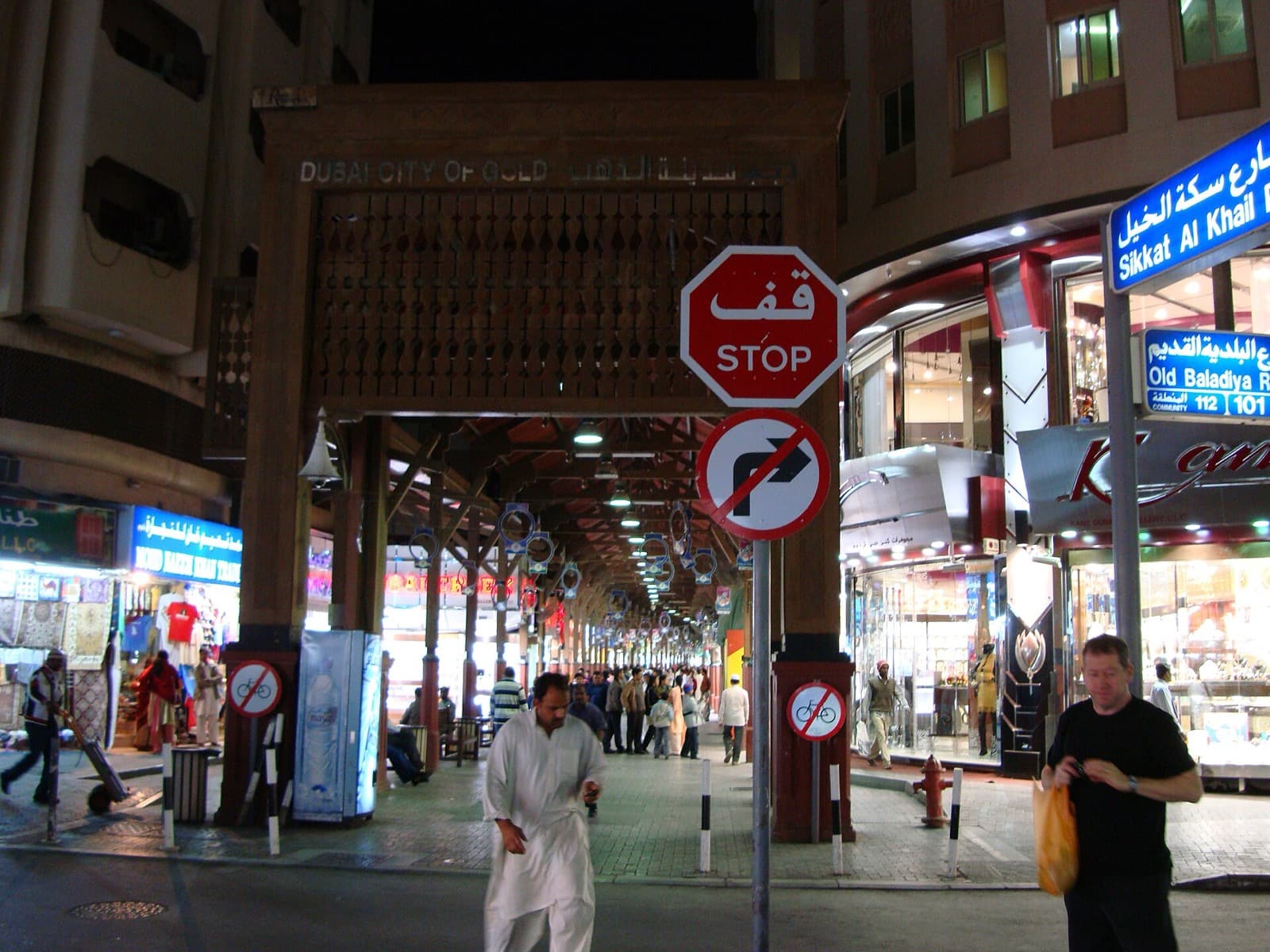
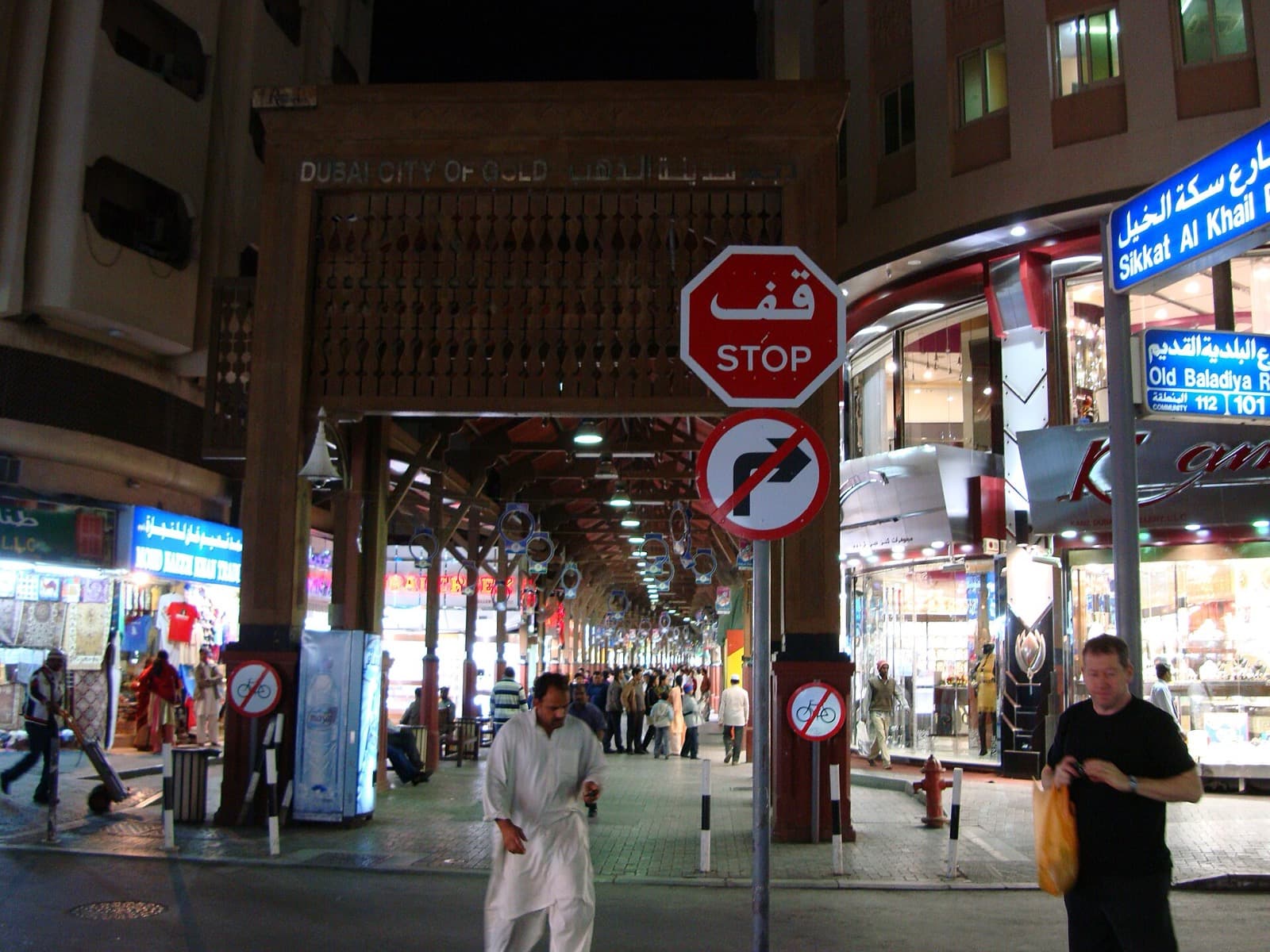
Stand at the entrance to the Dubai Gold Souk in Deira and you understand the place in one glance: a covered lane roofed with wooden lattice, and on both sides, window after window that is a solid wall of gold. Necklaces layered like armour, bangles stacked by the dozen, chains sold by weight against the daily price. What you are looking at is not a mine and not a jewelry mall. It is a re-export marketplace, the physical proof that Dubai built its name by moving other people's gold rather than digging any out of the ground. That single fact, that this is a market of movement rather than production, is the one thing worth carrying with you before you take a step inside.
What the Gold Souk actually is
The souk sits in the Al Ras and Al Dhagaya districts of Deira, the traditional commercial bank of the city, and it holds over three hundred shops trading almost entirely in gold jewellery. By some estimates, roughly ten tonnes of gold sit in the market at any given moment, and it is widely described as one of the largest gold markets in the world. Those numbers are impressive, but they are not the point. The point is what the numbers are made of: imported metal, priced against the international rate, waiting to be sold and carried onward.
The lane itself is easy to read once you know what to look for. The wooden lattice overhead is not decoration; it shades the walkway and keeps the heat off the glass so the gold shows clean and bright. The shops are small, close together, and open straight onto the lane, which is why the whole street reads as one continuous display. There is no single grand facade because there was never meant to be one. This is a working bazaar, arranged for trade at eye level.
Why Dubai made its name here
Hear a stop from this walk
The Dhow Wharfage: Wooden Ships Still Loading by Hand
Dubai did not mine this gold. It moved it. For more than a century the town on this creek functioned as an entrepot, a port where goods land, change hands and sail on. The merchants who ran Deira kept import duties low, and gold flowed in from around the world and back out again to buyers across the Gulf, Iran and the Indian subcontinent. The souk grew out of that instinct. It was informally formed in the early nineteen hundreds as a handful of merchants set up on the creek, and it accelerated in the nineteen forties when free-trade policies drew entrepreneurs from India and Iran to open shops here.
That timing matters, because it sits right on top of a crisis. The pearl trade that first built this coast collapsed in the nineteen thirties, wrecked by Japanese cultured pearls and the Great Depression. A town whose entire economy had rested on pearls dived for by hand could easily have simply failed. Instead the same merchant reflex that had run the pearl trade, buy low, keep the door open, re-export, kept the town alive by moving other commodities. Gold was one of the signature commodities it landed on. So when you stand in this lane, you are not looking at a luxury attraction bolted onto an oil economy. You are looking at the survival strategy that carried Dubai from the pearling years into everything that came after. The glass towers you can see rising behind Deira are the sequel. This lane is the original.
The one thing to understand standing in front of it
Here is the detail that changes how you shop and how you see the place: the gold itself is not really negotiable, but the making is. Prices for the metal follow the daily international gold rate, so a gram of gold costs roughly the same here as it does anywhere trading honestly. What you bargain over is the craftsmanship, the labour and design worked into each piece. That is why haggling in the Gold Souk feels gentle rather than combative. It is a ritual, not a fight, and understanding it lets you relax into the shine instead of bracing against a hard sell.
It also reframes who is around you. Many of the shopkeepers here are from South Asia, and they have worked this lane for years. The whole market runs on that steady, skilled, everyday labour, weighing, quoting the rate, explaining a clasp, matching a bangle set. The gold is the headline, but the trade is a human system of people who know their metal, their customers and their street. Take your time. Watch a transaction happen before you start one. The rhythm of the place, price checked against the rate, craftsmanship discussed, weight confirmed, tells you more about Dubai than any tower does.
If you plan to buy, come with a rough sense of the day's gold rate so you can tell a fair quote from an inflated one, carry small notes for the smaller shops, and remember that the negotiation is over the making, not the metal. If you are only here to look, that is entirely normal too. Nobody expects every visitor to walk out with a chain.
Where this fits in a walk
The Gold Souk is the opening beat of a longer story that runs down the Deira bank to the water. A few steps away, the air changes and the Perfume Souk begins, thick with oud and rosewater. Beyond it lie the coral schoolhouse and merchant's house of Al Ras, then the Spice Souk heaped with saffron and frankincense, then the old abra crossing where wooden ferries still shuttle across the creek for a single dirham, and finally the Dhow Wharfage, where wooden cargo ships load by hand for Iran, India and East Africa exactly as they have for more than a hundred years. Every one of those stops is another face of the same trading city, and the Gold Souk is the door into it.
If you want the whole sequence in order, with the history and the practical detail for each stop delivered as you stand there, the self-guided Deira and the Creek Souks audio tour walks you from this lane down to the working waterfront at your own pace. You can also browse the other Dubai walking tours to see how this old trading bank connects to the rest of the city. Start where the trade started: under the lattice roof, in the shine, in the weight.
Sources
- Dubai Gold Souk, Wikipedia: history, early-1900s informal formation, 1940s free-trade growth, and merchant origins.
- Shop for Gold at Dubai Gold Souk, Visit Dubai (official tourism): location, scale, and how pricing and bargaining work.
- Time Out Dubai, Dubai Gold Souk guide: shop count, gold quantity estimates, and practical shopping detail.
- Roamer tour transcript, Deira and the Creek Souks: fact-audited narration for the Gold Souk and its role in Dubai's re-export economy.
Ready to experience it?
Deira & the Creek Souks: Gold, Spice and the Dhow Wharfage
75 min · 2.1 km · easy
More from Dubai
Explore more at your own pace.
Dubai From the Creek to the Crown of the Tower
Al Fahidi: The Coral-and-Wind Town That Dubai Grew From
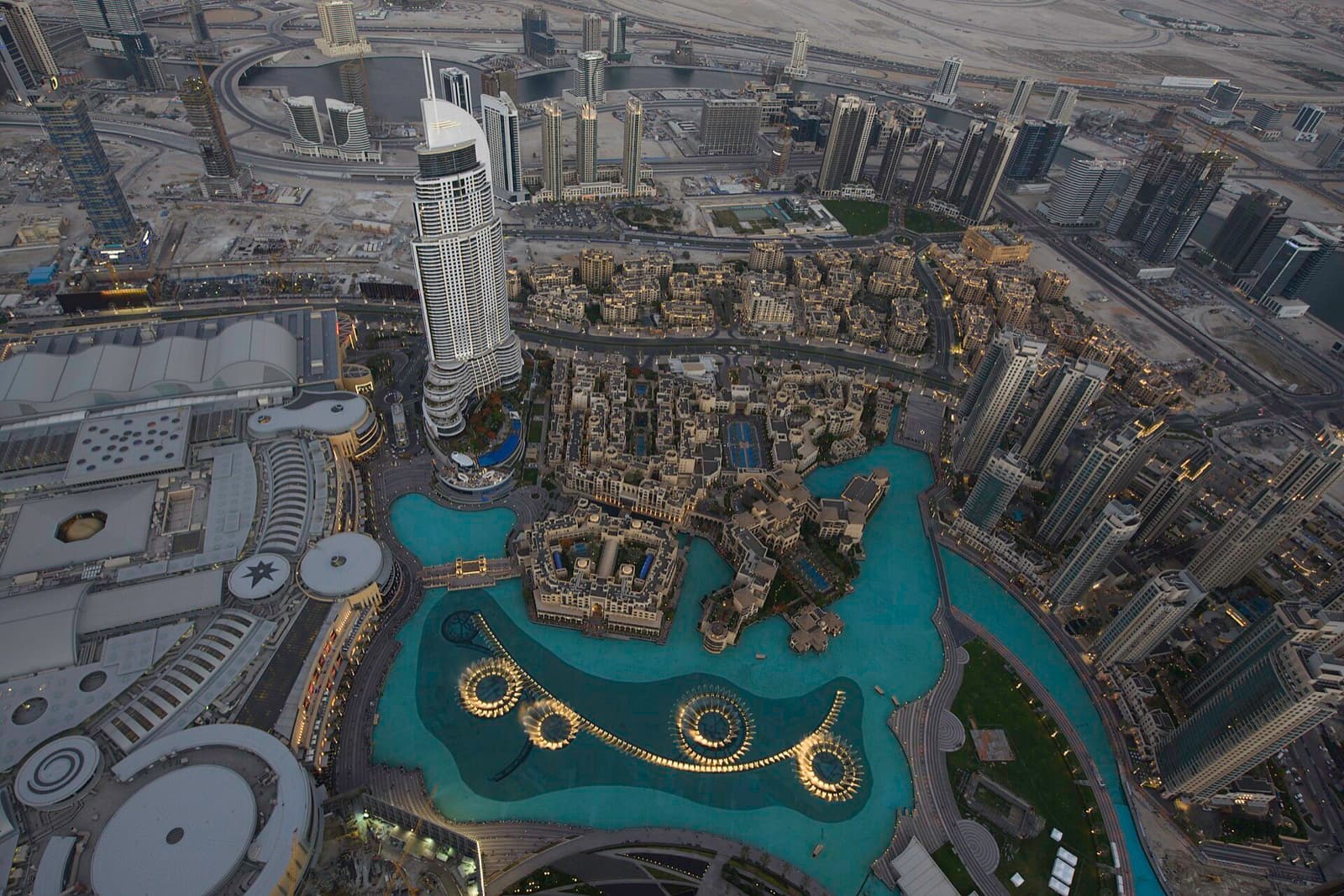
Emaar Boulevard: Reading the Grammar of a City Built All at Once
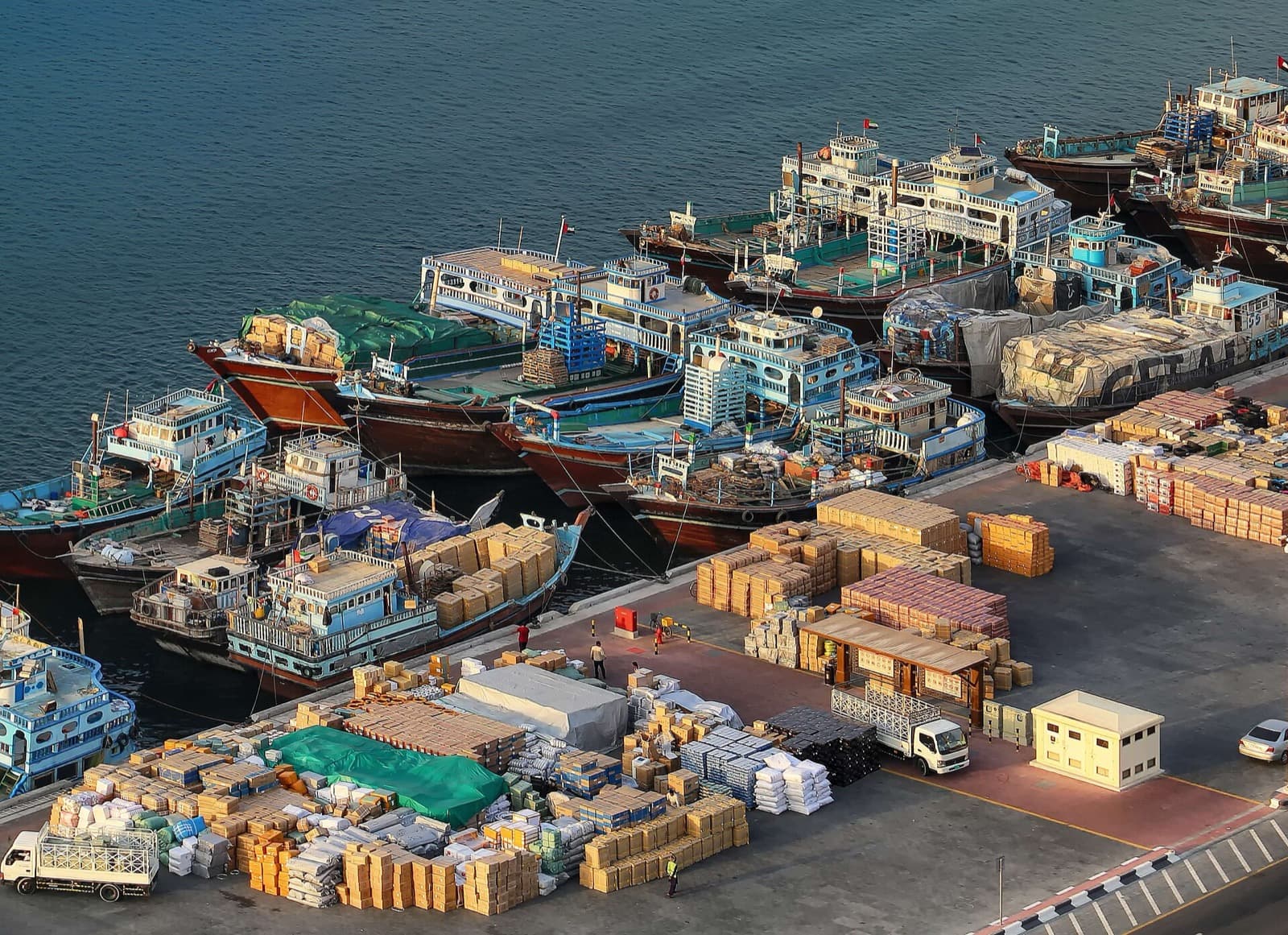
The Dhow Wharfage: Where Old Dubai Still Loads Cargo by Hand
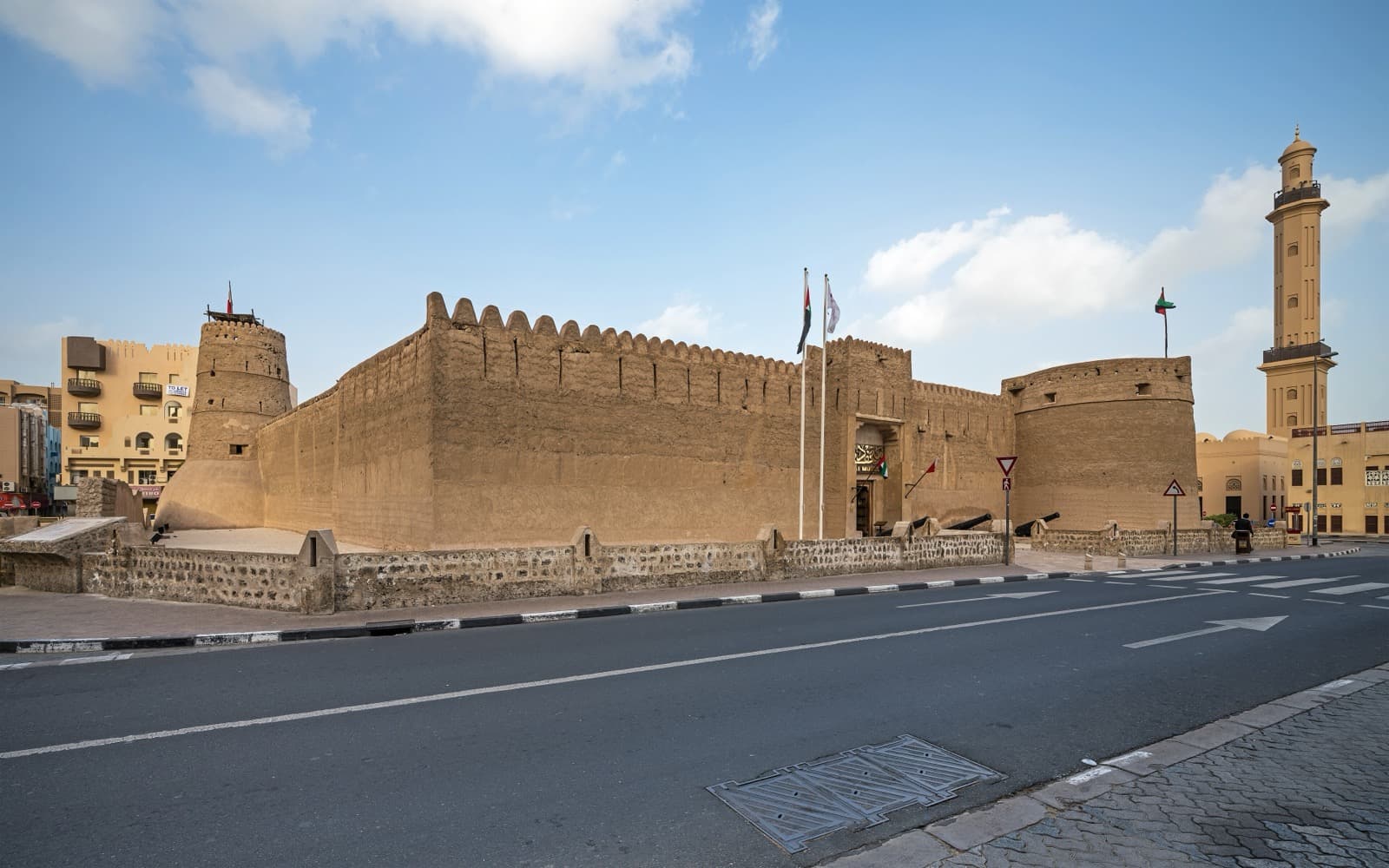
Al Fahidi Fort and the Dubai Museum: The Oldest Stone in the City