
Walk into the Centre Bourse, a shopping arcade built in the 1960s in the centre of Marseille, look over a railing, and you are looking at a wall that was standing before Rome existed. This is the Jardin des Vestiges, the exposed remains of the ancient harbour of Massalia, and it is the single most important stop on the Vieux-Port history tour because it is the physical proof of everything the tour claims.
What is actually down there
The garden preserves a section of the harbour and fortifications of the Greek city the Phocaeans founded around 600 BCE. You can see the remains of three square towers and a gateway, dated to roughly the second or third century BCE, and a stretch of quay, preserved over about 180 metres, that dates to the Roman period, complete with the stairs that were used to unload goods from boats. The whole exposed area, around 10,000 square metres, was classified as a historical monument. What you are looking at is not a reconstruction. It is the actual edge of the ancient port, the shoreline of the sheltered inlet the Greeks called the Lacydon, which is the same basin that is now the Vieux-Port a few hundred metres away.
It was found by accident, and that is the whole story
Hear a stop from this walk
Le Panier: The Wound and What Survived
The Jardin des Vestiges exists because of a construction accident. In 1967, crews digging the foundations for the Centre Bourse shopping arcade cut into the ground and hit the Greek fortifications, the funerary enclosures, and part of the old port. The discovery was significant enough that the city classified the site and preserved it rather than pouring concrete over it. The garden was later formally opened to the public in 2009.
This is worth pausing on, because it is the deepest thing the site says about Marseille. A city building a shopping mall in the 1960s dug a hole and found its own 2,600-year-old harbour wall in the exact spot it had always been. The Greeks chose this shoreline. The Romans kept using it. The medieval and modern city grew directly on top of it, never moving off the same inlet. When the twentieth century finally dug down, the founding port was still right there under its feet. The continuity is not a story historians reconstructed. It is a wall a bulldozer hit. This is the reason Marseille can claim to be the oldest city in France and mean it literally.
Why the tour opens here
The Vieux-Port tour's entire method is to read 2,600 years off a single harbour basin, and it needs to prove, at the very first stop, that the basin really is that old. The Jardin des Vestiges is that proof. Standing at the railing, with a 1960s concrete arcade over your head and a pre-Roman wall below your feet, you are looking at the two ends of the city's timeline in a single sightline. Everything the tour goes on to walk, the royal-period Vieille Charité, the imperial cathedral, the punishment fort at the harbour mouth, the 1943 wound in Le Panier, and the mirror canopy of 2013, is a later chapter using the same water this wall once guarded. The full chronological spine is laid out in the companion to the Vieux-Port tour.
How to see it
The Jardin des Vestiges is on the ground floor of the Centre Bourse, near the Musée d'Histoire de Marseille, which tells the fuller story of the ancient city and holds finds from the harbour, including the preserved hull of a Roman-era boat. You can look down at the garden from the arcade level for free, or enter it through the museum. It is a five-minute walk from the top of the Vieux-Port. Come at the start of the tour, when the whole 2,600-year frame is still ahead of you, and let the wall set the scale. For the full route and how this stop connects to the rest, start with the best walking tours in Marseille.
Ready to experience it?
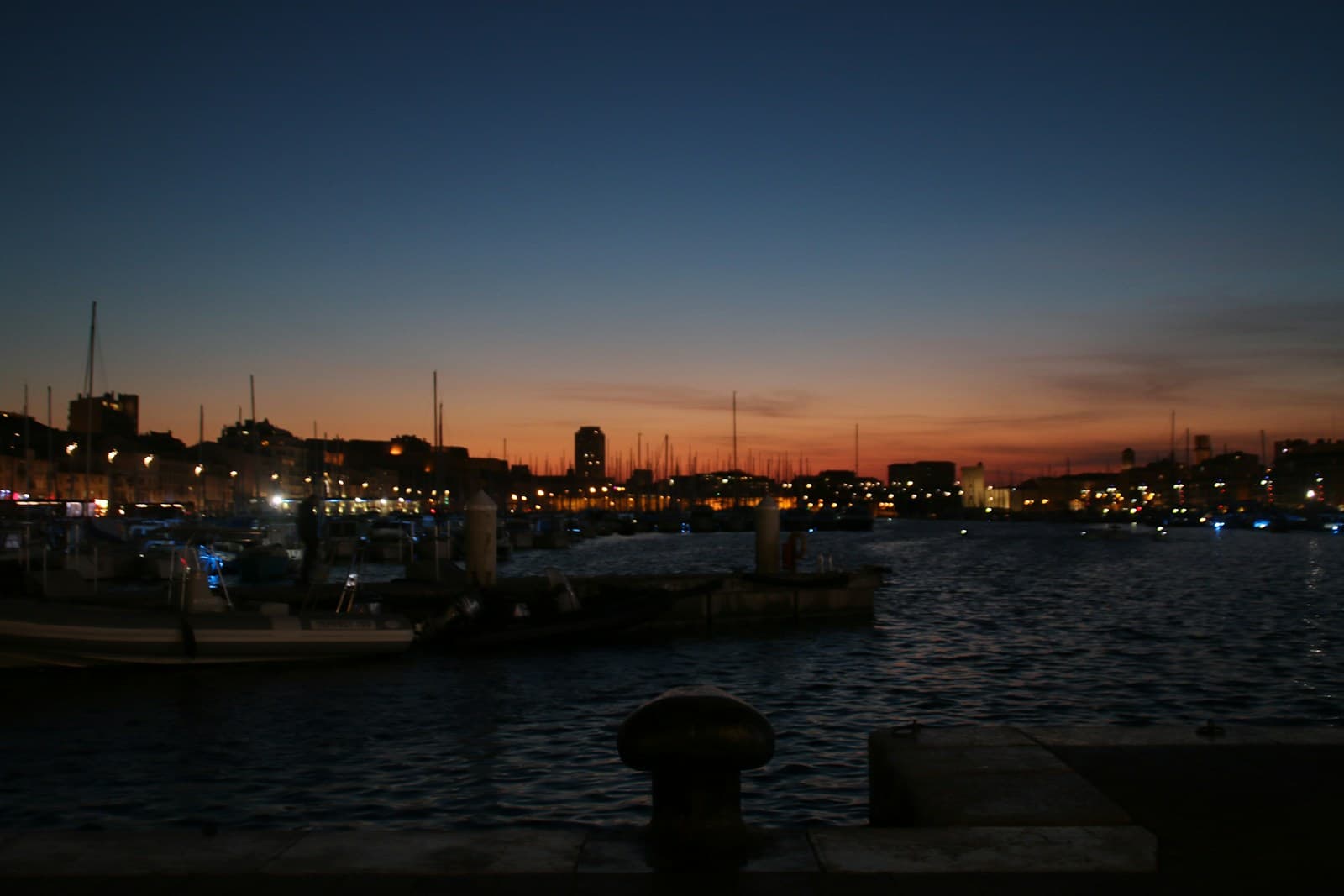
Vieux-Port: 2,600 Years on the Same Inlet
100 min · 4.9 km · easy
More from Marseille
Explore more at your own pace.
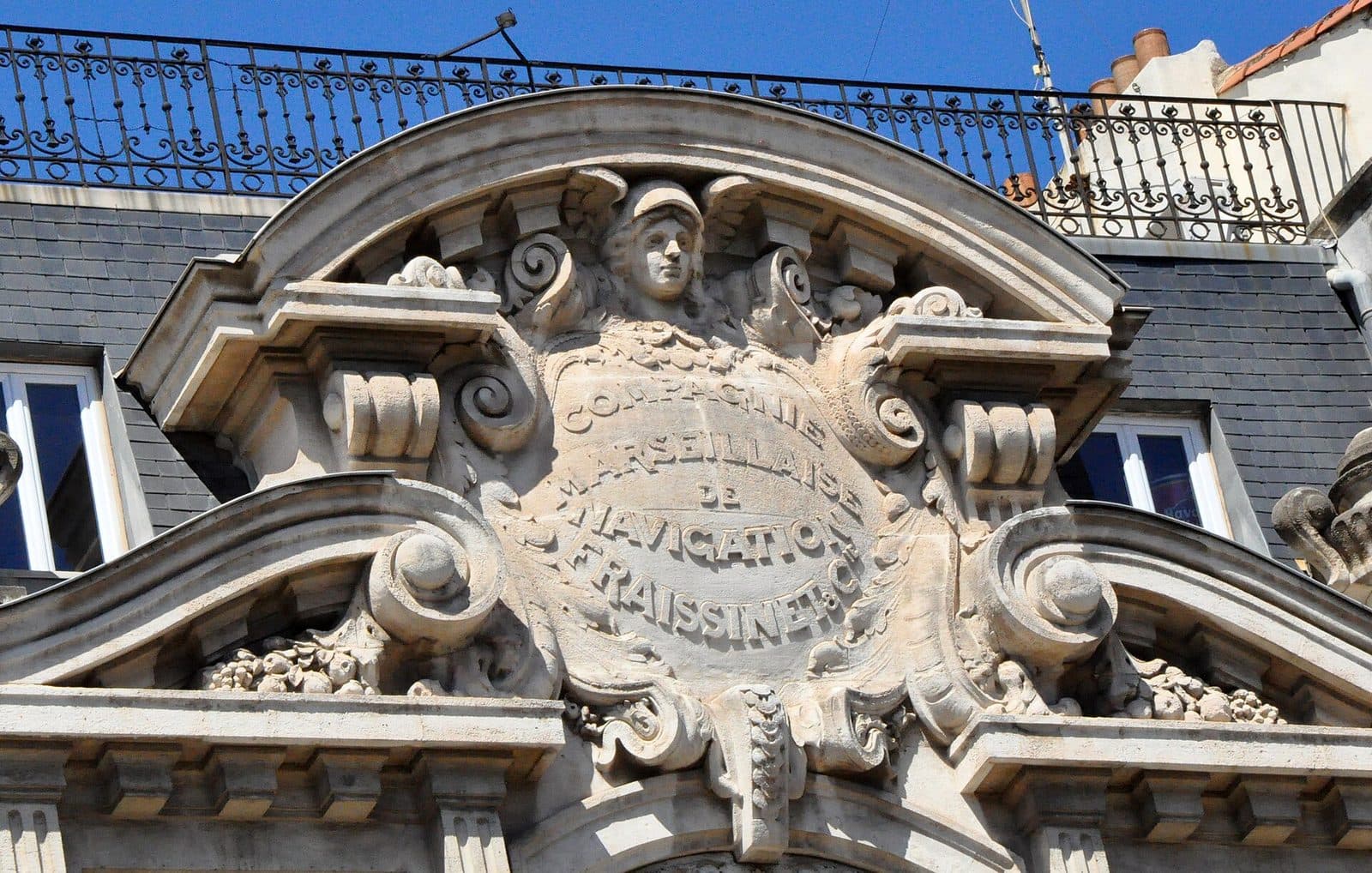
Reading the Empire in Stone: A Companion to the Canebière Architecture Tour
The Belly of Marseille: Noailles, the Marché des Capucins, and the Truth About Bouillabaisse
The Port-City France Hasn't Decided About: A Companion to the Noailles and Cours Julien Tour
Abbaye Saint-Victor: The Port That Was Christian Before France
Notre-Dame de la Garde: The Good Mother Watching the Sea
