
The climax of the Vieux-Port history tour stands at the mouth of the old harbour, where a single thin footbridge crosses from a seventeenth-century military fort to a twenty-first-century museum. On one side, Fort Saint-Jean, built by a king to control the city. On the other, the MuCEM, a museum of the civilisations of Europe and the Mediterranean, opened in 2013. The bridge between them is not just a walkway. It is the tour's central argument made physical, and it is why this is the most concentrated stop on the walk.
Fort Saint-Jean: architecture pointed at the city
Fort Saint-Jean guards the northern side of the harbour entrance. Louis XIV had it built after 1660, and the crucial detail, easy to miss, is where its guns pointed. They pointed inward, at the city, not outward at the sea. In 1660 Marseille had a long history of independence and rebellion against the French crown, and Louis XIV's forts at the harbour mouth were built to keep the city under the king's thumb rather than to defend it from foreign attack. This is punishment architecture. It is worth saying clearly, because a common error attributes the fort to the famous military engineer Vauban; in fact the architect of record worked under royal commission, and Vauban only visited later as a critic. The fort is the physical memory of the era when the port was made a subject of Paris, one of the many regimes this single inlet has outlived, as traced in the 2,600-year story of the Vieux-Port.
The MuCEM: concrete lace on the water
Hear a stop from this walk
Le Panier: The Wound and What Survived
Beside the old fort, on a reclaimed pier called the J4, stands its opposite. The MuCEM, designed by the architect Rudy Ricciotti, opened in 2013 when Marseille was European Capital of Culture. It is a 72-by-72-metre cube wrapped in a delicate, seemingly fragile lattice of ultra-high-performance fibre-reinforced concrete, a material that lets the veil be spun thin enough to read like lace or a fishing net while still carrying load. Tree-like columns, long-span beams, and the woven facade are all made of it. The building is a museum about the shared civilisations of the Mediterranean, deliberately placed at the exact point where Marseille meets the sea it has always faced. Where the fort was built to look inward and control, the MuCEM is built to look outward and connect.
The bridge is the argument
The two buildings are joined by a slender footbridge of ultra-high-performance concrete, over 100 metres long, that runs from the roof terrace of the MuCEM across to Fort Saint-Jean. Standing on it, you are walking directly from 1660 to 2013, from the architecture of control to the architecture of connection, from a monument that threatened the city to a monument that celebrates the sea the city was founded on.
That crossing is the whole thesis of the tour in a single span. Marseille has been a port for 2,600 years, and it has been many things across that time: a Greek colony, a Roman tributary, a rebellious medieval city, a punished royal subject, an imperial harbour, a wounded wartime quarter, and now a cultural capital of the Mediterranean. The fort and the museum are two of those chapters, standing thirty metres apart, and the decision to join them with a bridge rather than to demolish one for the other is exactly how this city has always treated its own past. It does not clear the old layer away. It builds the new one beside it and connects the two. The empire-in-stone version of that same instinct is what the Canebière architecture tour reads a few blocks inland.
How to see it
Both sites are at the western end of the Vieux-Port, a short walk past the Cathédrale de la Major. Entry to Fort Saint-Jean and the outdoor areas of the MuCEM is free, and the footbridge is part of the public route, so you can make the 1660-to-2013 crossing without a ticket. The museum's exhibition galleries are ticketed. Come near golden hour if you can: the concrete lattice throws extraordinary shadows, and the view back across the harbour is the best in the city. For where this stop sits in the full walk, see the best walking tours in Marseille.
Ready to experience it?
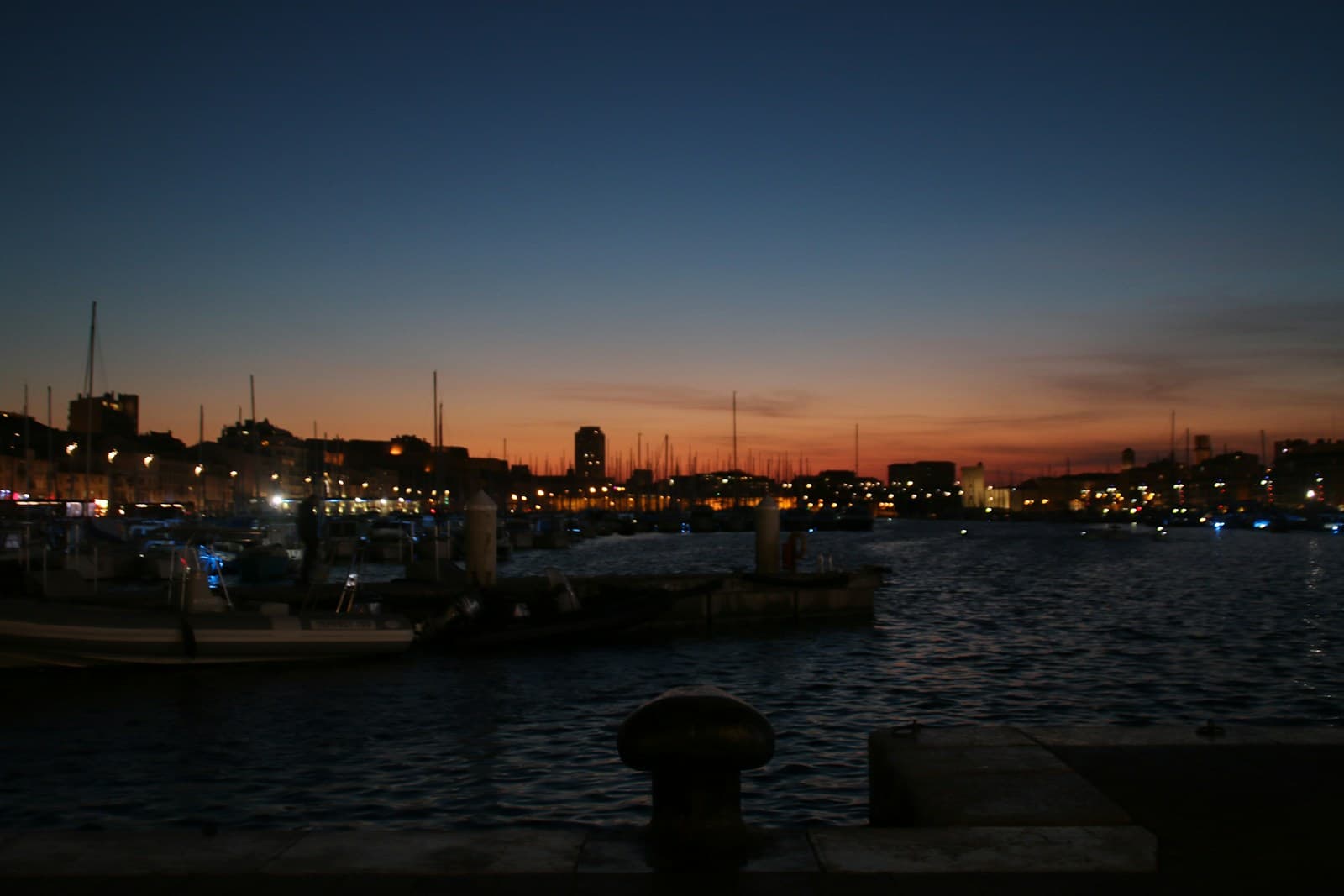
Vieux-Port: 2,600 Years on the Same Inlet
100 min · 4.9 km · easy
More from Marseille
Explore more at your own pace.
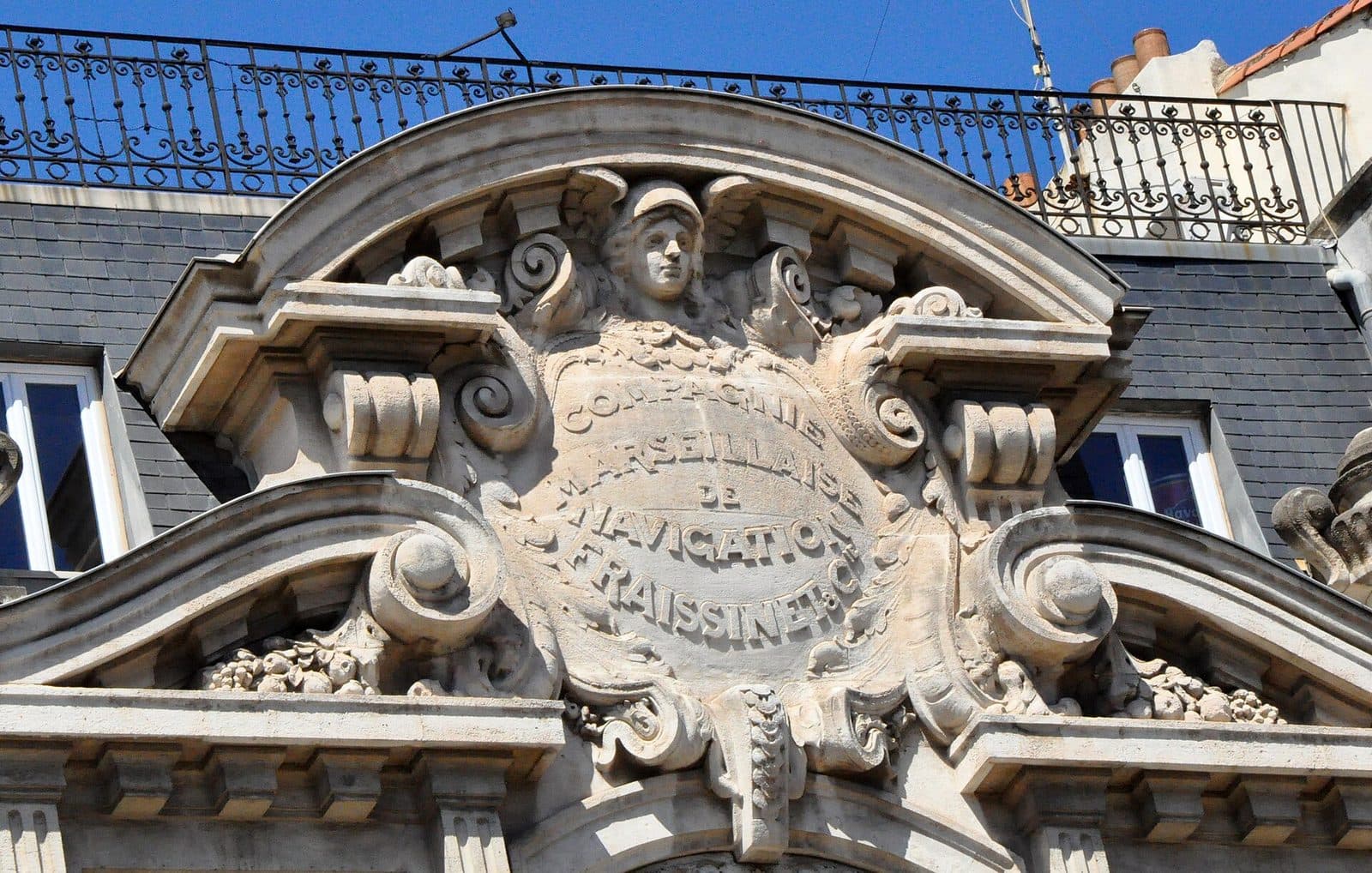
Reading the Empire in Stone: A Companion to the Canebière Architecture Tour
The Belly of Marseille: Noailles, the Marché des Capucins, and the Truth About Bouillabaisse
The Port-City France Hasn't Decided About: A Companion to the Noailles and Cours Julien Tour
Abbaye Saint-Victor: The Port That Was Christian Before France
Notre-Dame de la Garde: The Good Mother Watching the Sea
