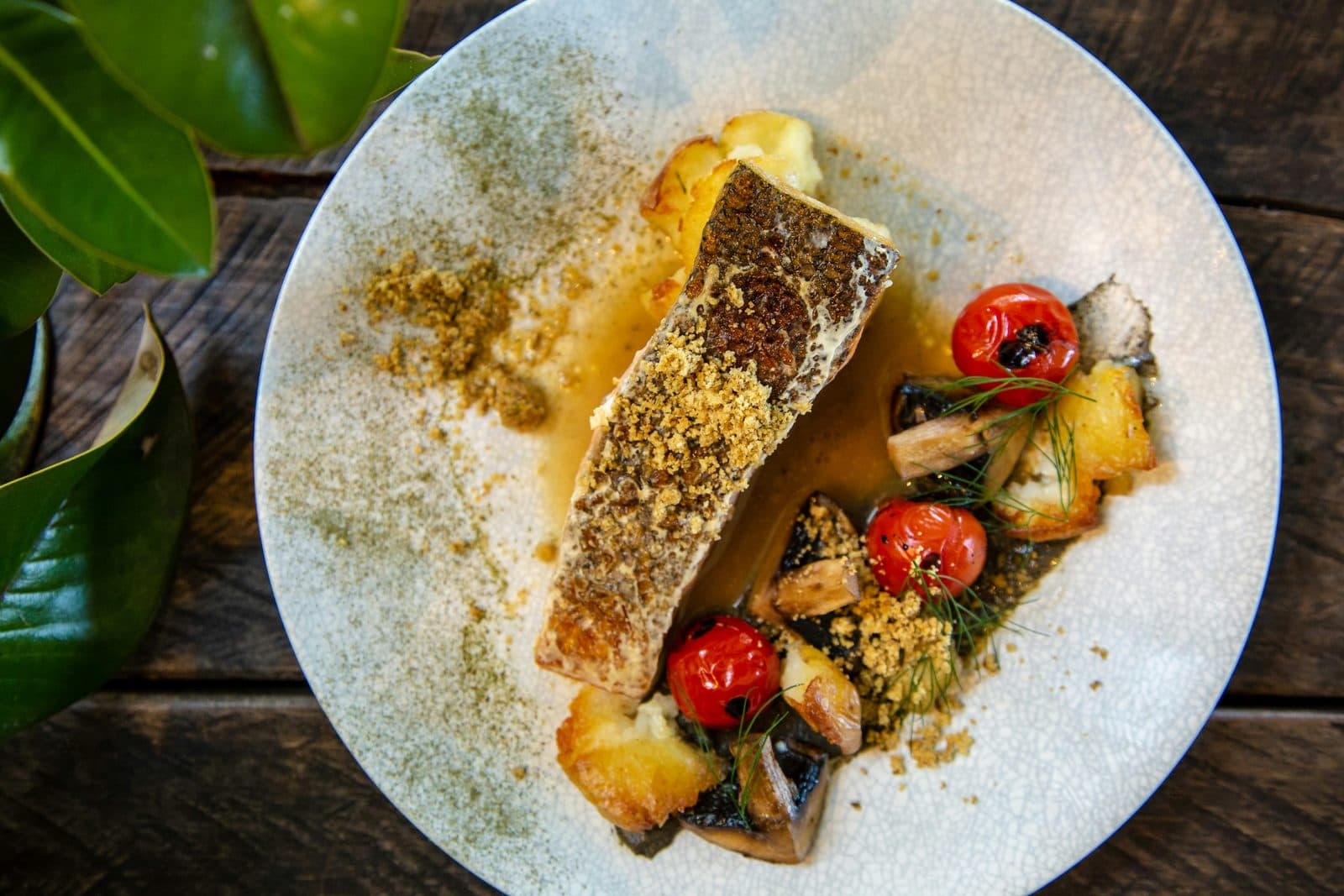
If you want to understand Marseille through your stomach, you go to Noailles. The neighbourhood just off the Canebière is the belly of the city, the place where its food is bought, cooked, and argued over, and it is the opening ground of the Noailles and Cours Julien tour. The two facts that matter most about Marseille's food are both on display here: it is a market food built from whatever the port brings in, and it is a food of arrivals, layered by every community that has come to the city by sea.
The Marché des Capucins: the social heart
The Marché des Capucins is the daily food market at the centre of Noailles, and it is the single best place to feel the city. The stalls sell halal meat, North African groceries, dates and dried fish, saffron and the spice blend ras-el-hanout, alongside the produce of Provence. The site has been a market in one form or another for a long time; the current formal food market dates from the 1950s, on ground that traces back to a seventeenth-century Capuchin convent, which is where the name comes from. On the tour, this market is where the city's post-colonial demographic stops being a statistic and becomes a place you can smell, a point the companion to the Noailles tour develops in full. For a snack, look for panisse, the fried chickpea-flour fingers, and navettes, the hard boat-shaped orange-blossom biscuits that are a Marseille specialty.
Bouillabaisse: the truth about the famous dish
Hear a stop from this walk
Place Jean Jaurès, La Plaine: The Republic Has Built This Neighbourhood Twice
Marseille's signature dish is bouillabaisse, and its real story is better than its reputation. Bouillabaisse did not begin as a luxury. It began as the soup the Vieux-Port fishermen made from the bony rockfish they could not sell to the markets or the restaurants, the ugly, spiny leftovers of the day's catch, boiled up with whatever they had. It was a poverty food, the fishermen's supper made from the fish nobody else wanted. That humble origin is the thing most visitors get wrong when they sit down to an expensive tourist version.
The essential fish is the rascasse, the red scorpionfish that lives on the rocky shore, and a true bouillabaisse needs several kinds of fish, not one. The dish is served in two parts: first the broth, poured over bread rubbed with garlic and spread with rouille, a saffron-and-chilli mayonnaise, then the fish itself. Because the reputation of the dish had been damaged by cheap, watered-down versions sold to tourists, a group of eleven Marseille restaurateurs drew up a Bouillabaisse Charter in 1980, laying out what a real one has to contain. The rule of thumb still holds: if the menu offers bouillabaisse cheap and fast, it is not the real thing. A proper one is expensive because the fish are fresh off the morning boats and there are several of them.
A food of arrivals
The deeper truth is that Marseille's food is a port's food, which means it is a food of everyone who has ever arrived. The Greeks who founded the city around 600 BCE were already eating a fishermen's fish soup much like the ancestor of bouillabaisse. Since then, every wave of newcomers has added a layer, and today the Maghrebi, Comorian, and West African communities of Noailles have made their cooking part of the city's everyday plate. This is the edible version of the argument that Marseille is a 2,600-year port of arrivals: the food, like the population, has been renewed by the sea in nearly every era, and the market is where all of it meets.
How to eat it on the walk
The Noailles tour starts at the Marché des Capucins, so time your walk for a weekday morning when the market is at full life, and come hungry. For a real bouillabaisse, plan a separate meal at a proper restaurant down by the Vieux-Port or in the fishing coves, and expect to pay for it and to book ahead. For the fuller neighbourhood story and how the food connects to the harbour history, see the best walking tours in Marseille overview.
Ready to experience it?
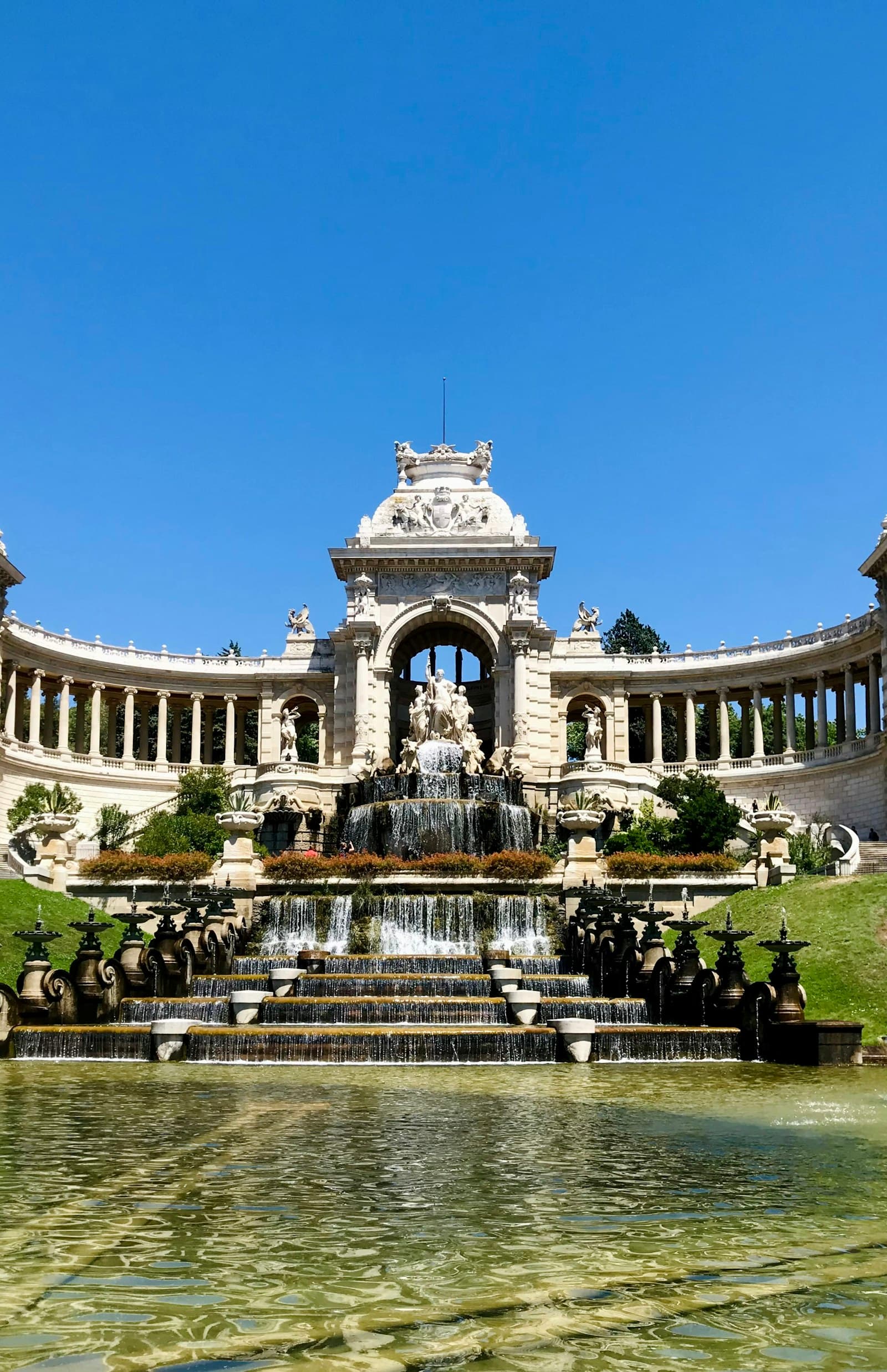
Noailles and Cours Julien: The Port-City France Hasn't Decided About
85 min · 2 km · easy
More from Marseille
Explore more at your own pace.
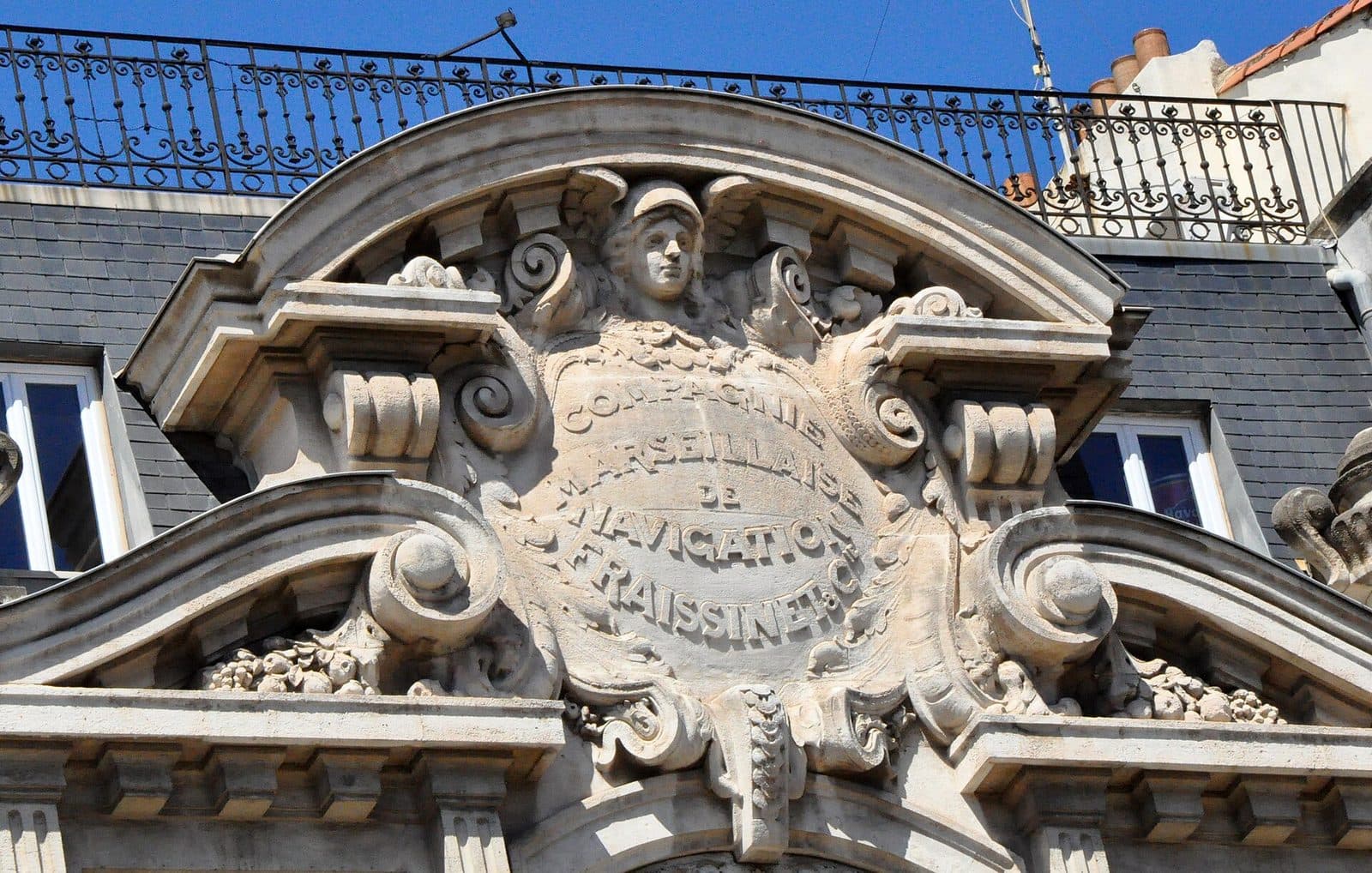
Reading the Empire in Stone: A Companion to the Canebière Architecture Tour
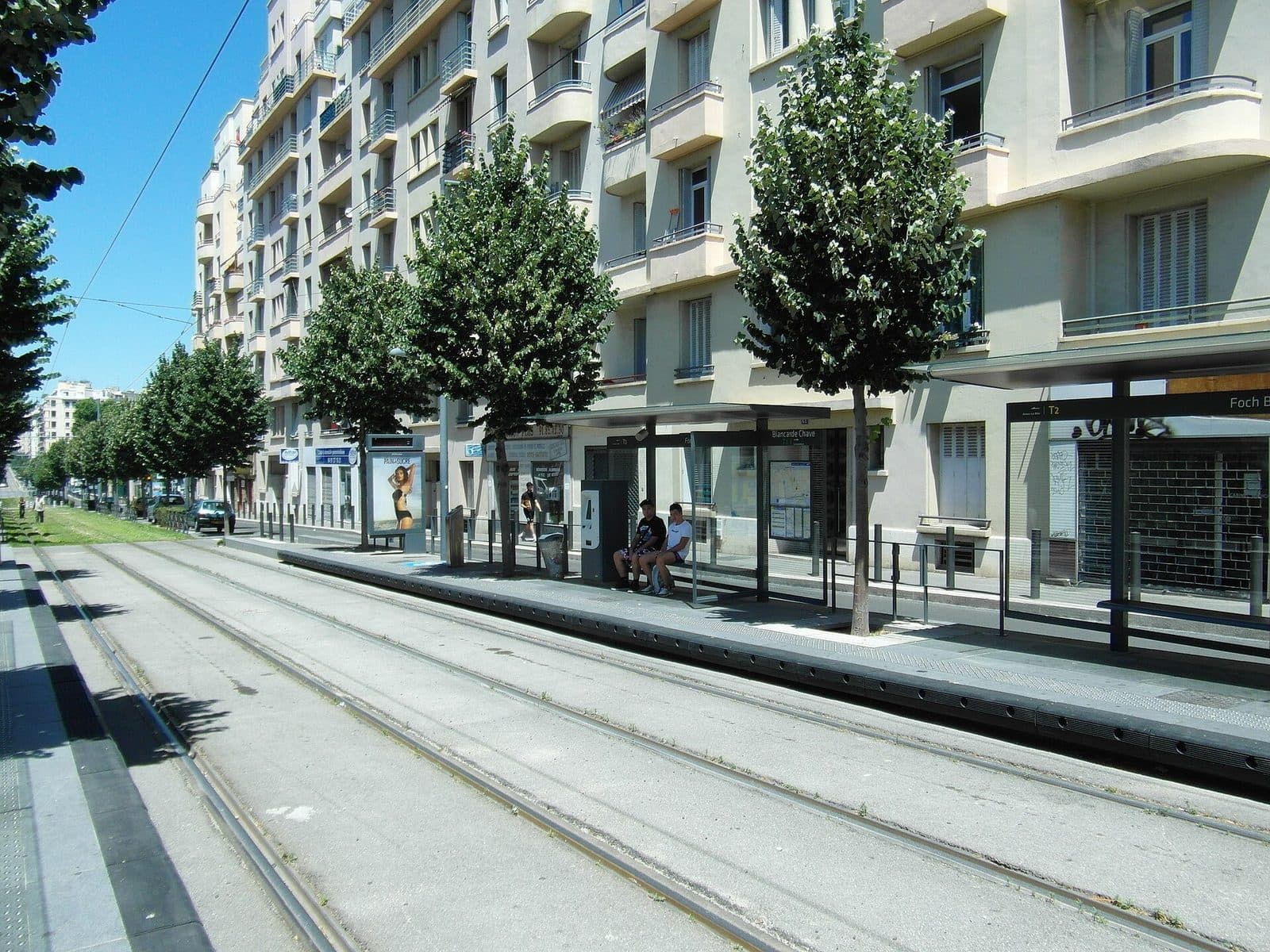
The Port-City France Hasn't Decided About: A Companion to the Noailles and Cours Julien Tour
Abbaye Saint-Victor: The Port That Was Christian Before France
Notre-Dame de la Garde: The Good Mother Watching the Sea

The Bridge Between 1660 and 2013: Fort Saint-Jean and the MuCEM
