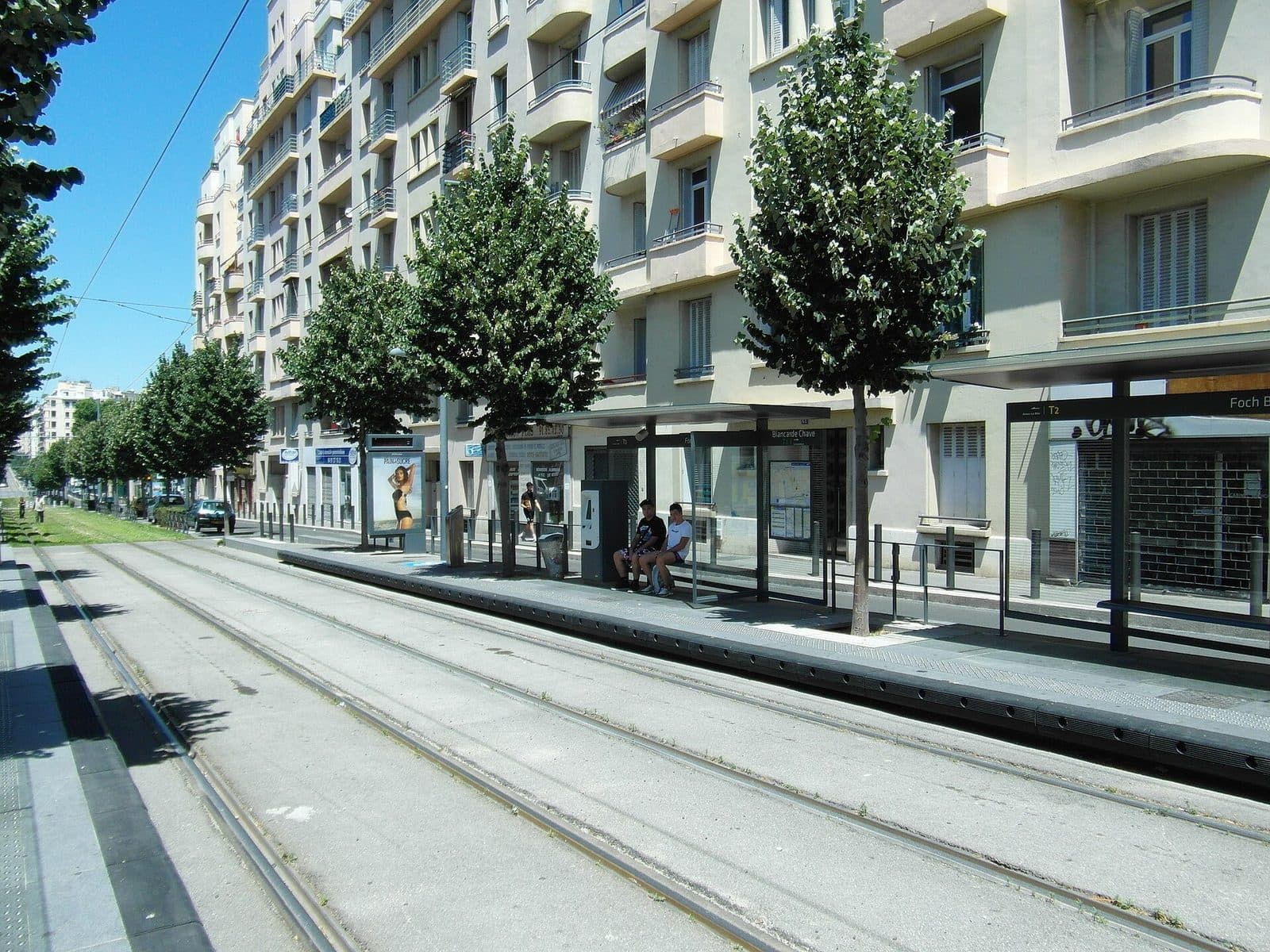
The Noailles and Cours Julien tour is the hardest and the most present-tense of the three Marseille walks. It covers about two square kilometres in the first and sixth arrondissements in roughly eighty-five minutes, and it does something the other two tours do not: it walks a community that is alive right now, carries a memory that is still raw, and points at a change that is still happening. This is a tour about the present, not the past. This companion sets out the honest background so you walk it with the right weight. It is the living end of the story that begins with Marseille being a 2,600-year port of arrivals.
The thesis: a post-colonial city the Republic won't name
France tends to describe Marseille as a "Mediterranean port city," a phrase that quietly avoids the fuller truth. The city's present demographic was produced by the end of the French empire. Algeria became independent in 1962, Tunisia and Morocco in 1956, the Comoros in 1975, and people from all of those places came to Marseille through the same port their colonisers had used. The 2019 INSEE census counts tens of thousands of Algeria-born, Tunisia-born, Morocco-born, and Comoros-born residents in the metropolitan area, and Marseille hosts the largest Comorian community outside the Comoros archipelago. Noailles is where this history is most concentrated, and the tour's honest claim is that the Republic has never quite admitted its second city is post-colonial.
Stop 1: The market as the social heart
Hear a stop from this walk
Place Jean Jaurès, La Plaine: The Republic Has Built This Neighbourhood Twice
The tour opens at the Marché des Capucins, the daily food market that is the living centre of Noailles. This is the deep-food heart of the city, and if you want to understand why the market matters as much as any monument in Marseille, the piece on Noailles as the belly of Marseille reads the market and its food geography in full. On the tour, the market is where the demographic thesis stops being a statistic and becomes a place you can smell.
Stop 2: The memorial, walked with restraint
The second stop is the climax, and it is a memorial. On the morning of 5 November 2018, two buildings at 63 and 65 Rue d'Aubagne collapsed, killing eight residents. In the aftermath, around 4,500 people were evacuated from hundreds of buildings declared unfit, and the Fondation Abbé Pierre had estimated that roughly 100,000 people in Marseille lived in substandard housing. A criminal trial ended in 2025 with prison sentences for several of those responsible. The tour names what happened, when, where, and what the structural failure was, and it does so with deliberate restraint. It does not sensationalise and it does not speak for the dead. Walk this stop quietly.
Stop 3 to 5: The layers of the living city
Stop three reads the nineteenth-century tenement stock itself, the ordinary housing that became the failure point, and connects it back to the imperial century that built it, which the Canebière architecture tour reads as grand monuments. The contrast is the point: the same era produced both the gold-crowned cathedral and the crumbling apartment blocks.
Stops four and five mark the Comorian community and the Wenzhou Chinese commercial edge at the Belsunce boundary, two of the many populations layered onto these streets. The tour is careful here: it reads the city's relationship to these communities rather than pretending to speak for their inner lives.
Stop 6 to 7: The frontier and the unresolved end
Stop six climbs to the Cours Julien plateau, the street-art and creative quarter that has become the frontier of gentrification descending the hill toward Noailles. The tour resolves, deliberately without resolution, at Place Jean Jaurès in La Plaine, a square whose contested redevelopment stands for the whole tension. The closing argument is that the same working families have now been displaced twice in a decade, first by a disaster and then by the money that follows regeneration. The Republic has built this neighbourhood twice, and moved its people out both times. The tour ends on that open wound, because that is where the story actually is.
How to walk it
The route is about 2 km and rated easy, with a climb up to Cours Julien. Go on a weekday morning if you want the Marché des Capucins at full life. This is a tour to walk slowly and thoughtfully. For how it fits with the port history and the imperial architecture, see the best walking tours in Marseille overview.
Ready to experience it?
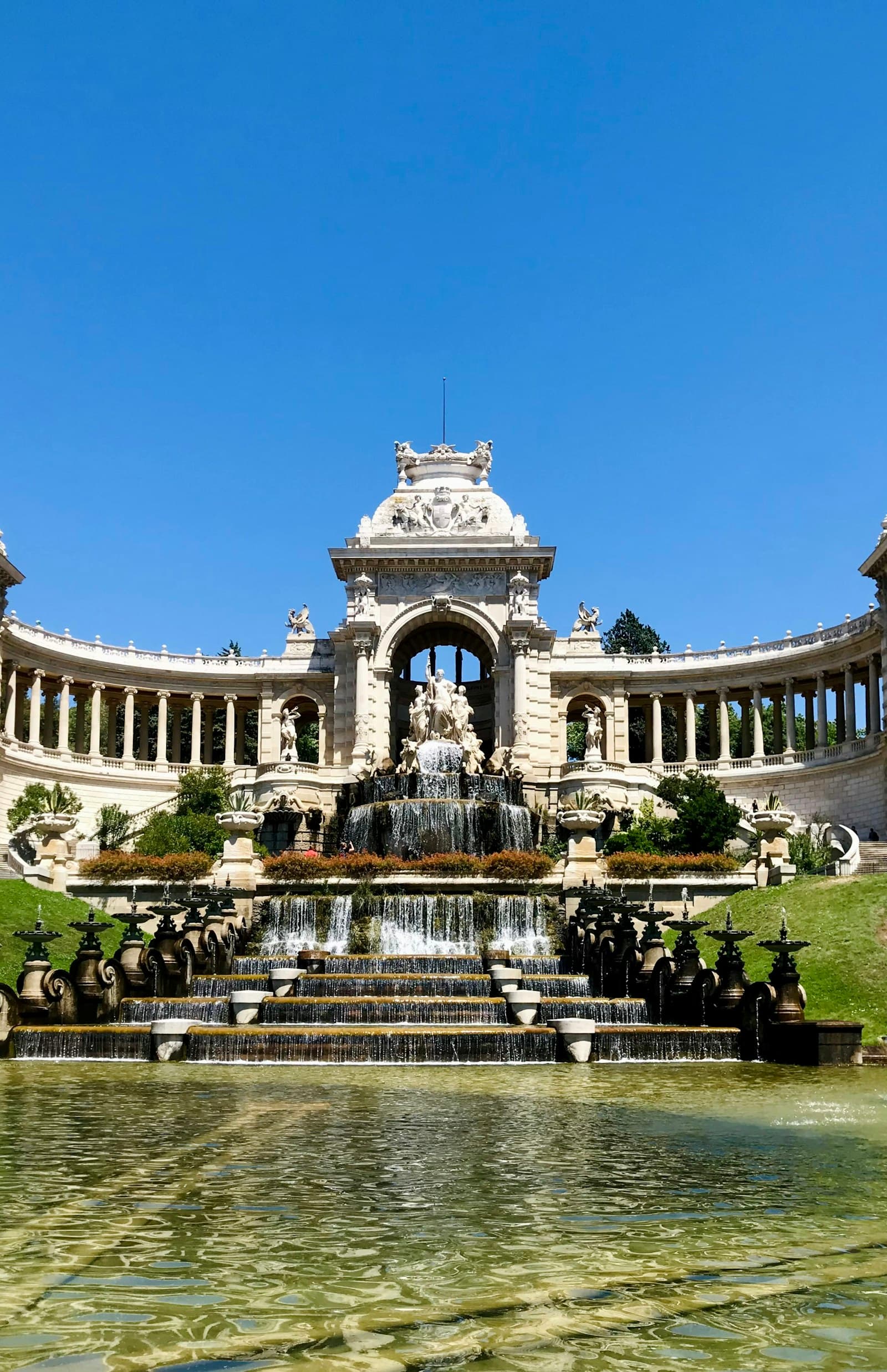
Noailles and Cours Julien: The Port-City France Hasn't Decided About
85 min · 2 km · easy
More from Marseille
Explore more at your own pace.
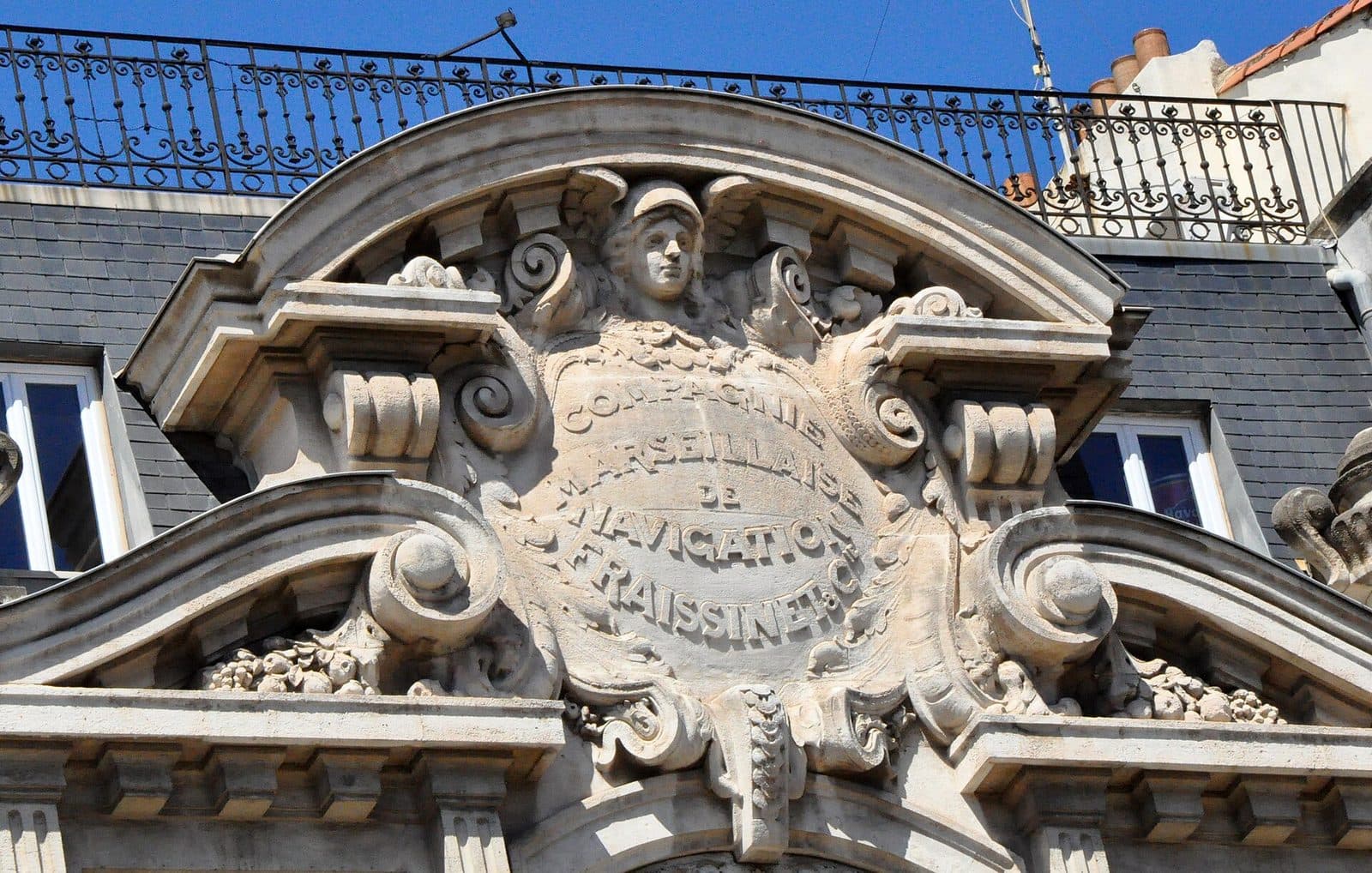
Reading the Empire in Stone: A Companion to the Canebière Architecture Tour
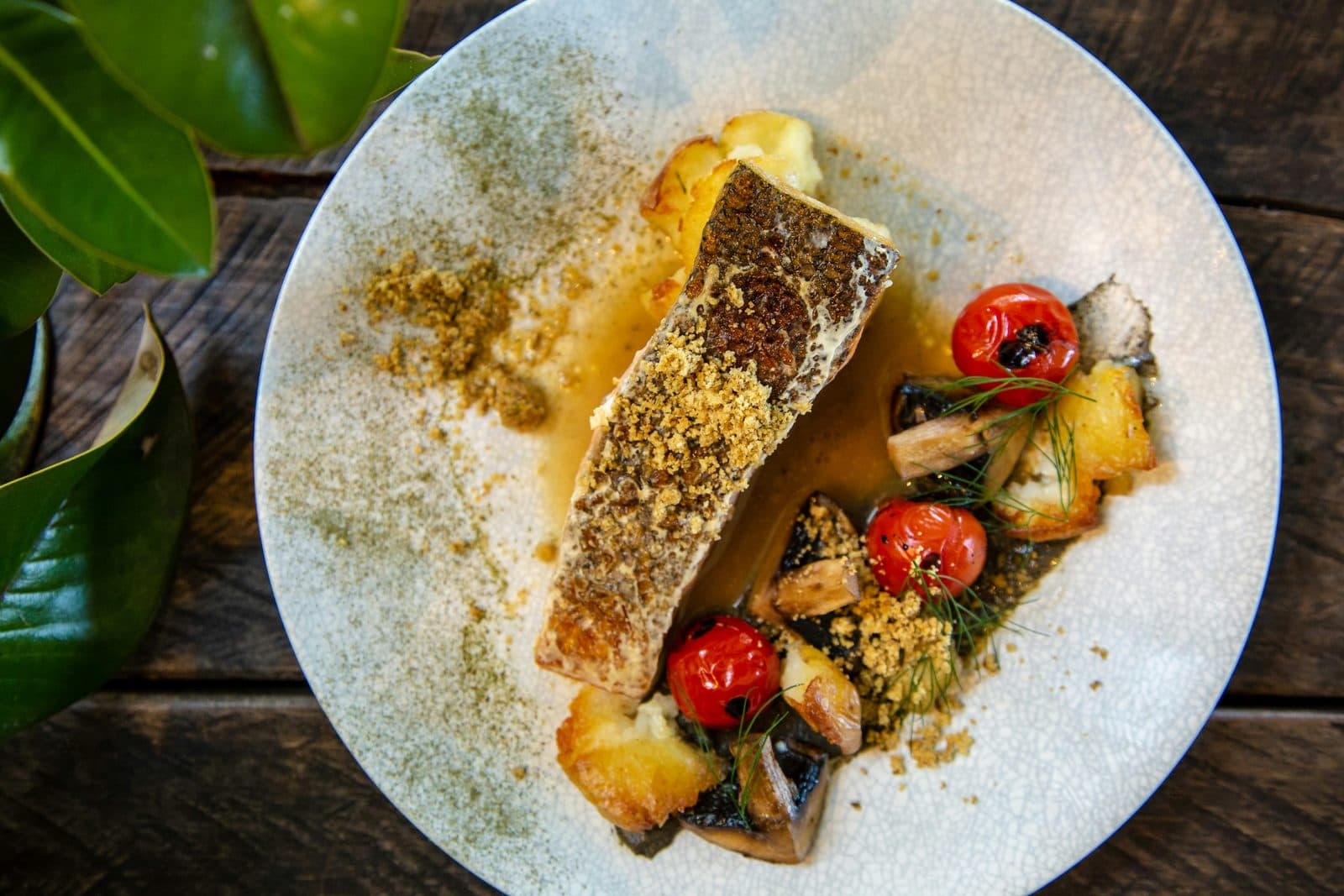
The Belly of Marseille: Noailles, the Marché des Capucins, and the Truth About Bouillabaisse
Abbaye Saint-Victor: The Port That Was Christian Before France
Notre-Dame de la Garde: The Good Mother Watching the Sea

The Bridge Between 1660 and 2013: Fort Saint-Jean and the MuCEM
