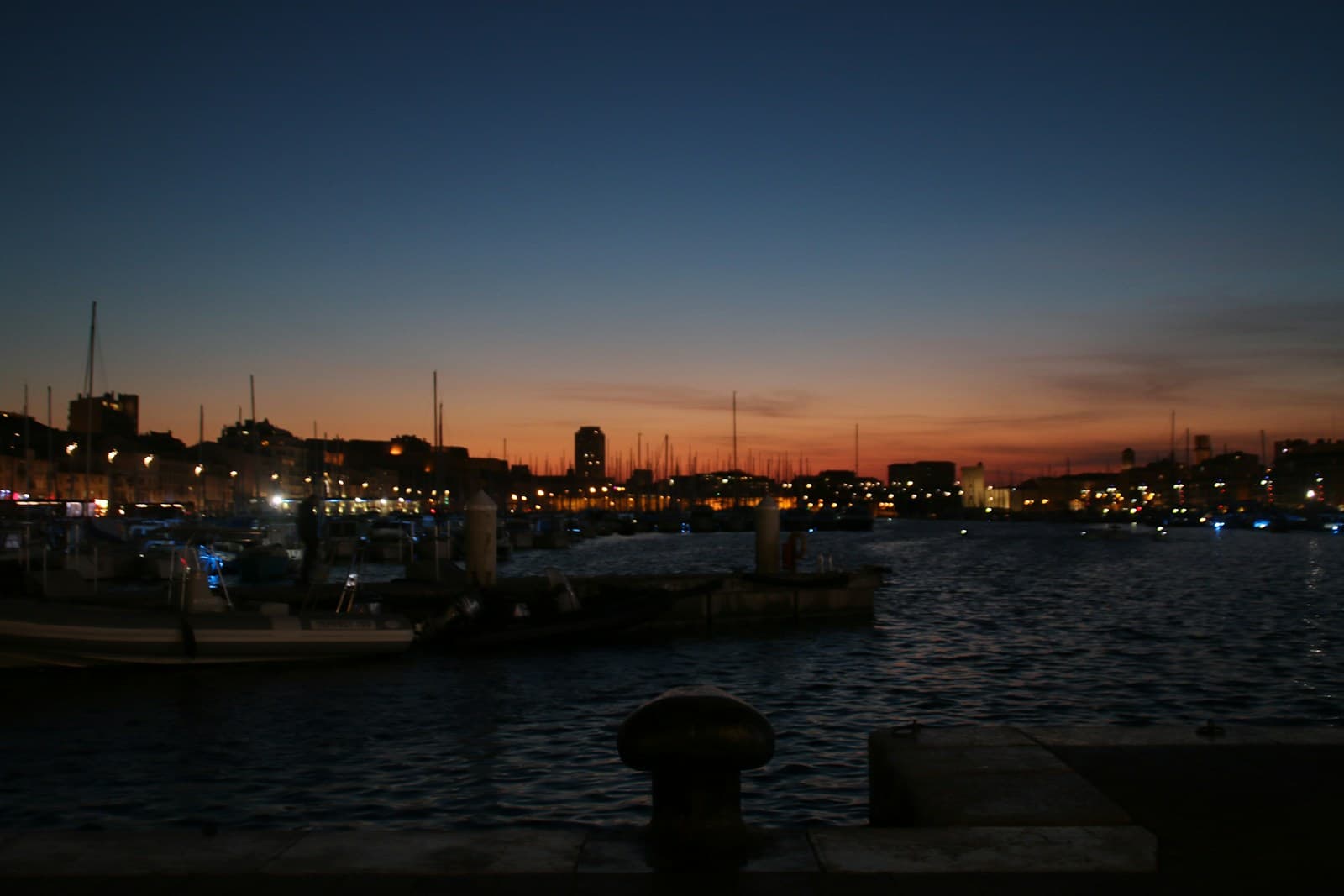
Vieux-Port: 2,600 Years on the Same Inlet
100 min · 4.9 km · easy
Marseille food is a port's food, which means it is a food of everyone who has ever arrived. Its most famous dish began as the soup the fishermen made from the fish nobody would buy; its everyday plate layers Provençal, Italian, and North African cooking; and its rituals, from the pastis apéritif to the orange-blossom navette, are as much a part of the table as any main course. Eat well in Marseille and you are really eating a harbour that has never stopped taking arrivals. This guide covers the dishes worth seeking out and where the food culture lives, and it pairs naturally with a slow walk on one of our Marseille self-guided tours.
The dishes to seek out
Bouillabaisse. The city's signature, and its real story is better than its reputation. Bouillabaisse began as a poverty dish, the soup the Vieux-Port fishermen boiled up from the bony rockfish they could not sell. A true one needs several kinds of Mediterranean rockfish (the essential one is the rascasse, or scorpionfish) and is served in two parts: first the saffron broth over bread spread with rouille, a garlic-and-chilli mayonnaise, then the fish. Cheap tourist versions damaged the dish so badly that a group of restaurateurs drew up a Bouillabaisse Charter in 1980 defining what a real one must contain. The full origin story is in our belly of the city companion; the short version is that a proper bouillabaisse is expensive and slow because the fish are fresh and there are several of them.
Pastis. The city's spirit and its daily ritual. An anise-flavoured apéritif, cloudy yellow, that you dilute with cold water and sip on a terrace before a meal. Ordering a pastis at the port as the light goes is less a drink than a Marseille rite.
Panisse. Crisp fingers of fried chickpea-flour batter, a legacy of the city's deep Italian and Ligurian connections, sold as street food and café snack. Simple, hot, and cheap, and the easiest thing to grab while you walk.
Navettes. Marseille's oldest sweet: hard, dry, boat-shaped biscuits scented with orange-blossom water, traditionally baked for Candlemas. They keep for a long time, which makes them the classic edible souvenir. The Four des Navettes near the Abbaye Saint-Victor has been baking them since 1781 and is the city's oldest bakery.
Pieds et paquets. A working-class classic: lamb tripe rolled into little parcels and slow-stewed with lamb trotters (pieds) in white wine and tomato. Rich, humble, and a real taste of old Marseille cooking, for the adventurous eater.
North African cooking. Not a footnote but a pillar of how the city eats. Generations of arrival from Algeria, Tunisia, and Morocco made couscous, tagines, grilled meats, and pastries part of the everyday Marseille plate, and the North African restaurants around Noailles are among the best in France.
Where the food culture lives
Hear a stop from this walk
Le Panier: The Wound and What Survived
Noailles and the Marché des Capucins. The daily food market just off the Canebière is the belly of the city, where North African groceries, spice stalls, dried fish, and Provençal produce all meet. It is the single best place to graze, and it is the opening ground of the Noailles and Cours Julien tour. Its social role and its food are covered in depth in the belly of the city companion.
The Vieux-Port and the calanques, for bouillabaisse. For the real dish, a serious restaurant down by the old harbour or out in the small fishing coves south of the centre, booked ahead and paid for properly. The port itself is the reason the dish exists, a story the Vieux-Port tour reads off 2,600 years of harbour life.
The Four des Navettes, for the biscuit. Near the Abbaye Saint-Victor on the port's south side, the city's oldest bakery still turns out navettes from an eighteenth-century oven. Worth the short walk for the souvenir alone.
The café terraces, for the ritual. Around the Vieux-Port and up on the Cours Julien plateau, the terraces are where a pastis and a plate of panisse turn eating into the slow Marseille evening it is meant to be.
Eat as you walk
The best way to work through this list is on foot, one district at a time. Pair a morning at the port with a grazing lunch in Noailles, an afternoon on the Canebière with a pastis on a terrace, and one evening with a proper booked bouillabaisse. Route your day with the one day in Marseille itinerary, plan the practical side with the Marseille travel guide, and browse all Marseille tours. Every tour is free to start: the introduction and first stop play in full, and every later stop plays a short preview before an optional purchase.
Frequently asked questions
- What food is Marseille known for?
- Marseille is known above all for bouillabaisse, the two-part fish soup that began as the Vieux-Port fishermen's supper. Beyond it, the signature things to eat are pastis (the anise apéritif diluted with cold water), panisse (crisp chickpea-flour fritters), navettes (hard orange-blossom boat-shaped biscuits), pieds et paquets (slow-stewed lamb tripe and trotters), and the North African market cooking, especially couscous and tagines, that fills the Noailles district. It is a port's food, layered by every community that has arrived by sea.
- What is bouillabaisse and how do you eat it properly?
- Bouillabaisse is a Marseille fish soup that began as a poverty dish, the soup the fishermen made from the bony rockfish they could not sell. A real one needs several kinds of Mediterranean rockfish (the essential one is the rascasse, or scorpionfish) and is served in two stages: first the saffron broth poured over bread spread with rouille, a garlic-and-chilli mayonnaise, then the fish itself. Because cheap tourist versions damaged the dish, a group of Marseille restaurateurs drew up a Bouillabaisse Charter in 1980 defining what a real one must contain. The rule of thumb: a proper bouillabaisse is expensive and slow because the fish are fresh and there are several of them.
- Where should you eat in Marseille?
- For market food and North African cooking, Noailles and its Marché des Capucins, the daily food market at the heart of the city. For a proper bouillabaisse, a serious restaurant down by the Vieux-Port or in the small fishing coves (calanques) south of the centre, booked ahead. For navettes, the Four des Navettes near the Abbaye Saint-Victor, the city's oldest bakery, running since 1781. For panisse and a pastis, any café terrace around the port or up on the Cours Julien plateau.
- Is Marseille good for vegetarians?
- Reasonably, though it is a fish-and-meat city at heart. The best vegetarian bets are panisse (chickpea-flour fritters), the vegetable-forward Provençal sides, the produce and prepared foods of the Marché des Capucins, and the North African kitchens of Noailles, where vegetable couscous and mezze-style plates are easy to find. Bouillabaisse and pieds paquets are firmly off the list, but grazing the market is a genuinely good plant-forward way to eat here.
Ready to experience it?
Vieux-Port: 2,600 Years on the Same Inlet
100 min · 4.9 km · easy
More from Marseille
Explore more at your own pace.
Reading the Empire in Stone: A Companion to the Canebière Architecture Tour
The Belly of Marseille: Noailles, the Marché des Capucins, and the Truth About Bouillabaisse
Abbaye Saint-Victor: The Port That Was Christian Before France
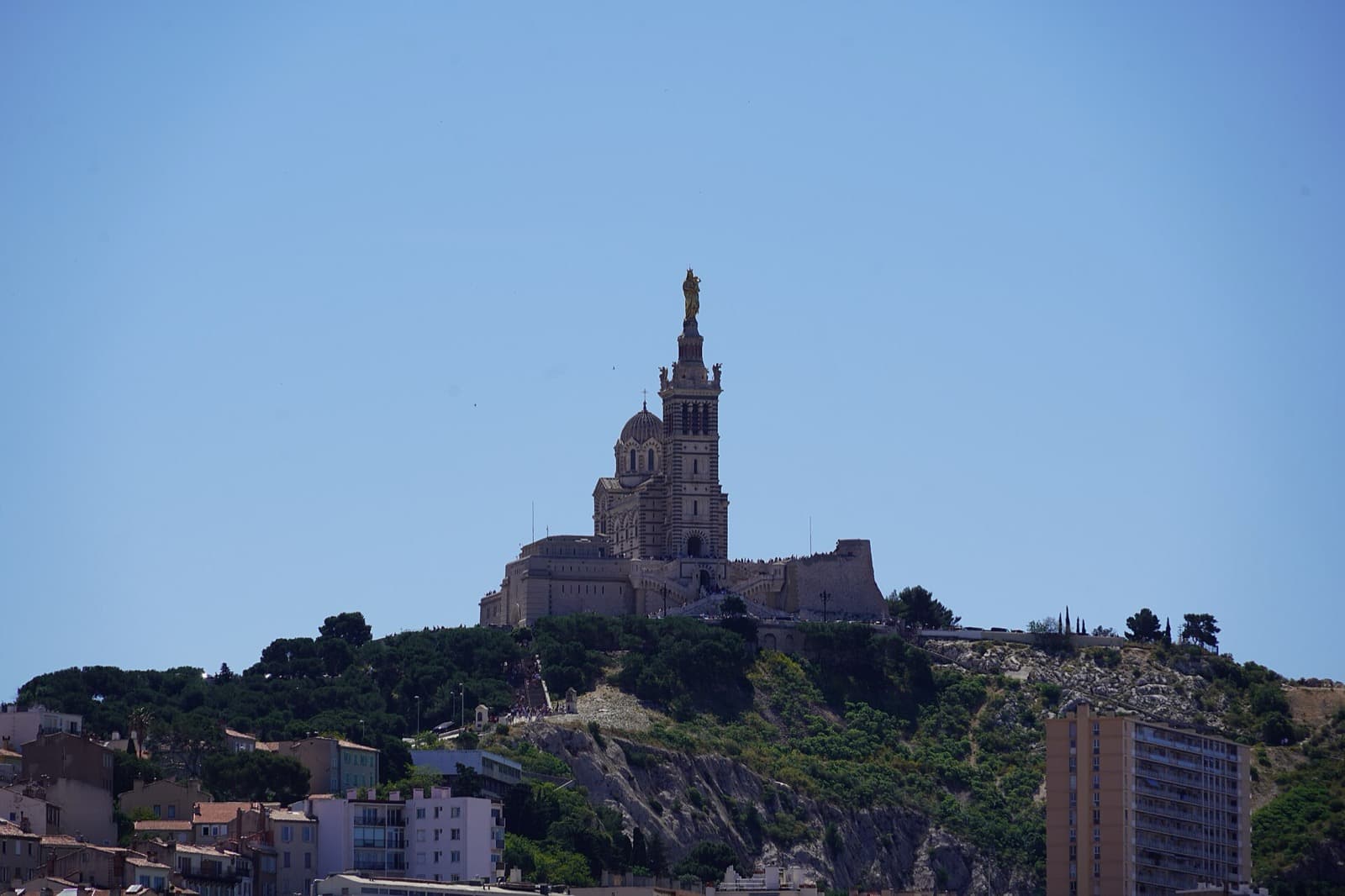
Notre-Dame de la Garde: The Good Mother Watching the Sea

The Bridge Between 1660 and 2013: Fort Saint-Jean and the MuCEM
