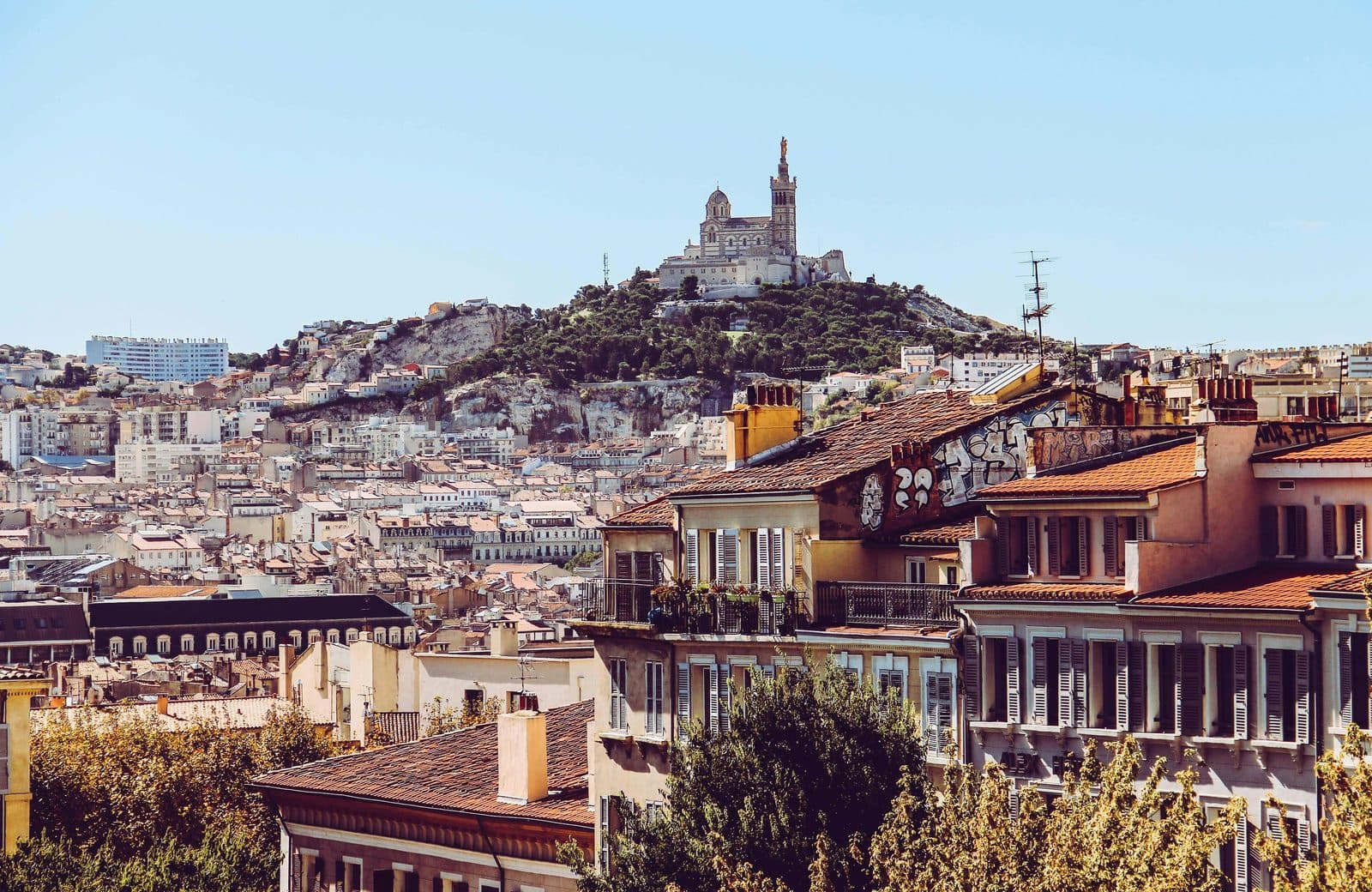
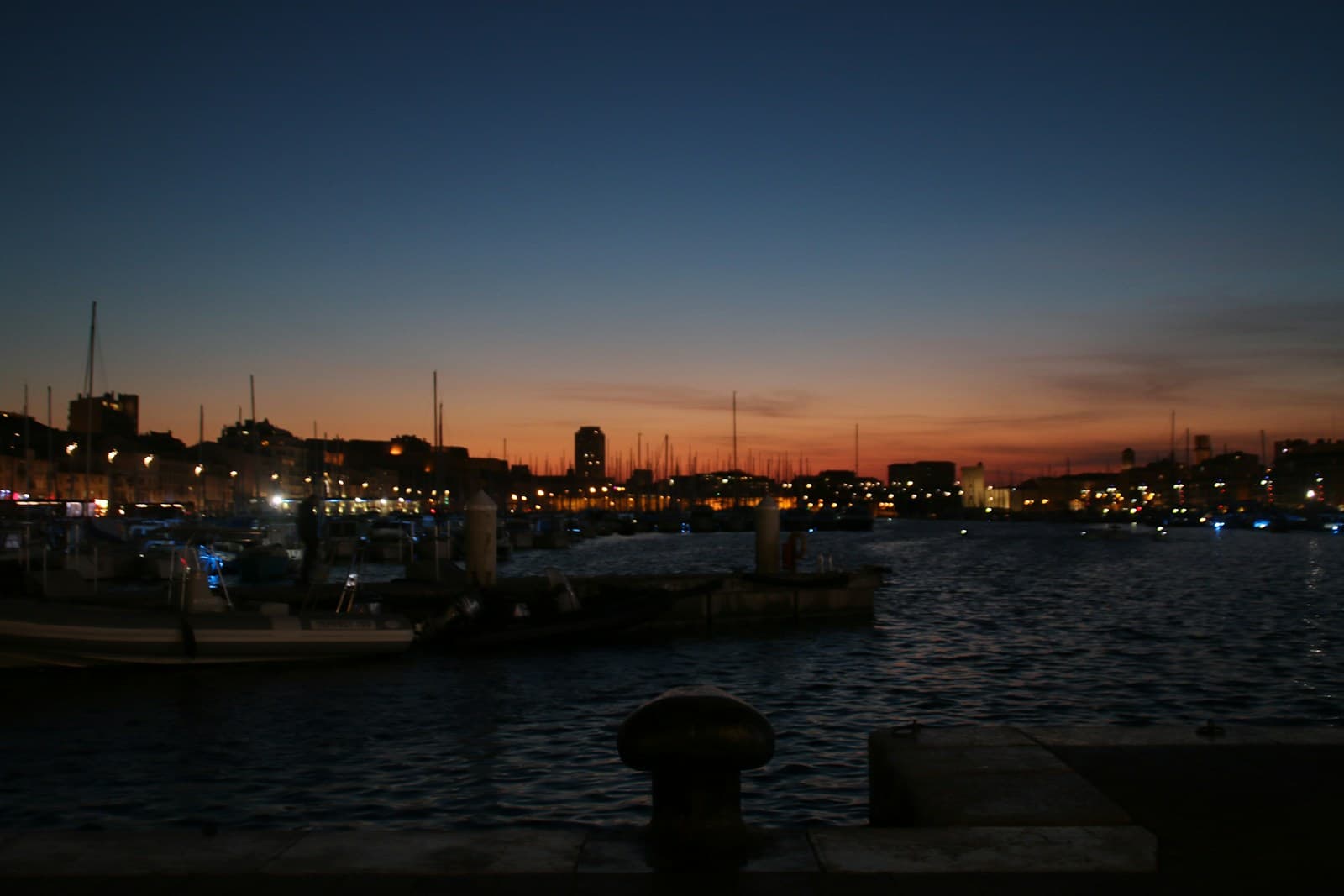
Vieux-Port: 2,600 Years on the Same Inlet
100 min · 4.9 km · easy
Marseille rewards a little planning. Its core is compact and walkable, but its best days out are on the water; its safety reputation is worse than the reality once you know which arrondissements are which; and its summers are hot while its shoulder seasons are close to perfect. This guide answers the practical questions travelers actually search, answer first, then the detail.
How many days do you need in Marseille?
Short answer: two to three days for most people.
- 1 day covers the walkable core: the Vieux-Port, Le Panier, the MuCEM, Noailles, and Notre-Dame de la Garde. Follow our focused one day in Marseille route.
- 2 days adds a boat trip to the Calanques or Château d'If, plus the Cours Julien plateau and the beach neighbourhoods along the Corniche.
- 3 days gives you a day trip to Cassis, Aix-en-Provence, or the Camargue at an unhurried pace.
The classic under-scheduling mistake is treating Marseille as a one-day stopover. The walkable centre fits into a day, but half the point of the city is the sea, and reaching the Calanques or Château d'If needs a boat and a few unhurried hours. Give it two days and the water stops being something you skip.
Getting around Marseille
Hear a stop from this walk
Le Panier: The Wound and What Survived
The historic centre is a joy on foot. The Vieux-Port, Le Panier, the Canebière, and Noailles are all within a compact core you can cross on foot, and walking is how our self-guided Marseille tours are built. For longer hops you use the RTM network:
- Metro. Two lines only, M1 and M2, which cross in the centre. Fast and simple for crossing town, though they do not reach every sight.
- Tram and bus. Three tram lines plus an extensive bus network fill in the gaps. To reach Notre-Dame de la Garde on its hill, take the number 60 bus or the tourist train rather than climbing straight up.
- Passes. A 24-hour pass is around 5 euros and a 72-hour pass around 11 euros as of 2026, both covering metro, tram, bus, and the little ferry-boat that crosses the Vieux-Port. Tap on and off.
For getting to the city: Marseille is about 3 hours 15 minutes from Paris by TGV into central Saint-Charles station, and a short shuttle from Marseille Provence Airport.
Getting to the Calanques and Château d'If
Both of Marseille's best days out are on the water, and both leave from the Vieux-Port:
- Château d'If. The island fortress that Alexandre Dumas made the prison of The Count of Monte Cristo is a 20-minute ferry from the Old Port. The Frioul If Express runs the crossing; buy tickets at the quayside kiosk, with island entry a few euros extra. It runs most days but can be cancelled in rough weather.
- The Calanques. The dramatic limestone coves and turquoise inlets south of the city are reached by boat tours from the Vieux-Port, from short cruises to longer trips with swimming stops. You can also hike into the nearer Calanques, but access is regulated and sometimes closed in high summer for fire risk, so always check before you set out.
Is Marseille safe?
Yes, with normal city sense. Marseille has a rough reputation, but the serious crime that drives it is highly localized to the northern housing estates, roughly the 13th, 14th, 15th, and 16th arrondissements, which hold no tourist sights and that visitors have no reason to enter.
The areas you will actually visit, the Vieux-Port, Le Panier, the Canebière, the Corniche, and the wealthier 6th, 7th, and 8th arrondissements, are generally safe and well policed. The real day-to-day risk is pickpocketing in crowds: the Vieux-Port, Saint-Charles station, and the Noailles market are the classic spots, so keep bags zipped and phones away. Noailles and Belsunce can feel chaotic; they are fine to walk with awareness by day and best skipped late at night. Solo and female travelers visit Marseille comfortably by sticking to busy, well-lit central streets after dark.
Best time to visit Marseille
The two best windows, and their trade-offs:
- Late spring (mid-April to June). Warm, sunny, thinner crowds. May is often called the single best month to come.
- Early autumn (September to early October). The sea is still warm enough to swim, the Calanques reopen to hikers, and the summer crowds have gone.
July and August are hot, busy, and expensive, and the Calanques can close to hikers for fire risk. Winter is mild but this is when the mistral, the strong cold northwest wind, blows hardest and can rattle the city for days at a time, though it also scrubs the sky a brilliant blue.
Marseille on a budget
Marseille is friendlier to a tight budget than most French cities. Much of what makes it special costs nothing:
- Free to walk: the Vieux-Port quays, the Le Panier lanes, the Canebière, the Notre-Dame de la Garde grounds, and the MuCEM and Fort Saint-Jean rooftop terraces.
- Eat cheap and well: graze the Marché des Capucins in Noailles, and order panisse and North African plates over the tourist restaurants. See what to eat in Marseille for the details.
- Skip taxis: a cheap RTM day pass plus walking covers the centre.
- Skip the guide fee: Roamer's self-guided audio tours are free to start, so you get expert narration without booking a start time or leaving a tip.
Start planning your walk
Ready to route your days? Read our one day in Marseille itinerary, browse the best self-guided walking tours in Marseille, or see all Marseille tours. Every tour is free to start: the introduction and first stop play in full, and every later stop plays a short preview before an optional purchase. Tours can also be downloaded in advance for offline listening.
Frequently asked questions
- How many days do you need in Marseille?
- Two to three days is the sweet spot for most travelers. One day covers the walkable core: the Vieux-Port, Le Panier, the MuCEM, Noailles, and Notre-Dame de la Garde. A second day adds a boat trip to the Calanques or to Château d'If, plus the Cours Julien and beach neighbourhoods. A third day gives you a day trip to Cassis, Aix-en-Provence, or the Camargue at an unhurried pace. Because Marseille's highlights split between a compact walkable centre and boat trips out to sea, under-scheduling to a single day means skipping the water, which is half the point of the place.
- Is Marseille walkable, and how do you get around?
- The historic centre is very walkable: the Vieux-Port, Le Panier, the Canebière, and Noailles are all within a compact core you can cross on foot. For longer hops, Marseille has a small, easy transit network run by the RTM: two metro lines (M1 and M2, crossing at the central hubs), three tram lines, and buses. Buy a rechargeable card or use a day pass and tap on and off. A 24-hour pass is around 5 euros and a 72-hour pass around 11 euros as of 2026, both covering metro, tram, bus, and the little ferry-boat across the port. To reach Notre-Dame de la Garde on the hill, take the number 60 bus or the tourist train rather than walking straight up.
- How do you get to the Calanques and Château d'If from Marseille?
- Both are boat trips from the Vieux-Port. Château d'If, the island fortress made famous by Alexandre Dumas's The Count of Monte Cristo, is a 20-minute ferry from the Old Port; the Frioul If Express runs the crossing and you buy tickets at the quayside kiosk, with island entry a few euros extra. The Calanques, the dramatic limestone coves and turquoise inlets south of the city, are reached by boat tours that also leave from the Vieux-Port, ranging from short cruises to longer trips with swimming stops. You can also hike into the nearer Calanques, but access is regulated and sometimes closed in high summer for fire risk, so check before you go.
- Is Marseille safe for tourists?
- Yes, with normal city sense. Marseille has a rough reputation, but its serious crime is highly localized to the northern housing estates (the 13th, 14th, 15th, and 16th arrondissements) that hold no tourist sights and that visitors have no reason to enter. The areas you will actually visit, the Vieux-Port, Le Panier, the Canebière, the Corniche, and the wealthier 6th, 7th, and 8th arrondissements, are generally safe and well policed. The real day-to-day risk is pickpocketing in crowds: the Vieux-Port, Saint-Charles station, and the Noailles market are the classic spots, so keep bags zipped and phones away. Noailles and Belsunce can feel chaotic and are best walked with awareness by day and skipped late at night. Solo and female travelers visit Marseille comfortably by keeping to busy, well-lit central streets after dark.
- What is the best time of year to visit Marseille?
- Late spring (mid-April to June) and early autumn (September to early October) are the best windows: warm, sunny, the sea warm enough to swim by September, and the crowds thinner than midsummer. July and August are hot, busy, and expensive, and the Calanques can close to hikers for fire risk. Winter is mild but this is when the mistral, the strong cold northwest wind, blows hardest and can rattle the city for days, though it also scrubs the sky a brilliant blue. May is often called the single best month to come.
- How do you get to Marseille, and what does a trip cost?
- Marseille is well connected: about 3 hours 15 minutes from Paris by TGV to Saint-Charles station in the city centre, and a short shuttle from Marseille Provence Airport. It is an affordable base by French-city standards: much of the best of it (the port, Le Panier, the basilica grounds, the MuCEM terraces, market grazing in Noailles) is free or cheap, transit is inexpensive, and only the bouillabaisse dinners and boat trips run to real money. Self-guided audio tours are free to start on Roamer, so you can add expert narration without hiring a guide.
Ready to experience it?
Vieux-Port: 2,600 Years on the Same Inlet
100 min · 4.9 km · easy
More from Marseille
Explore more at your own pace.
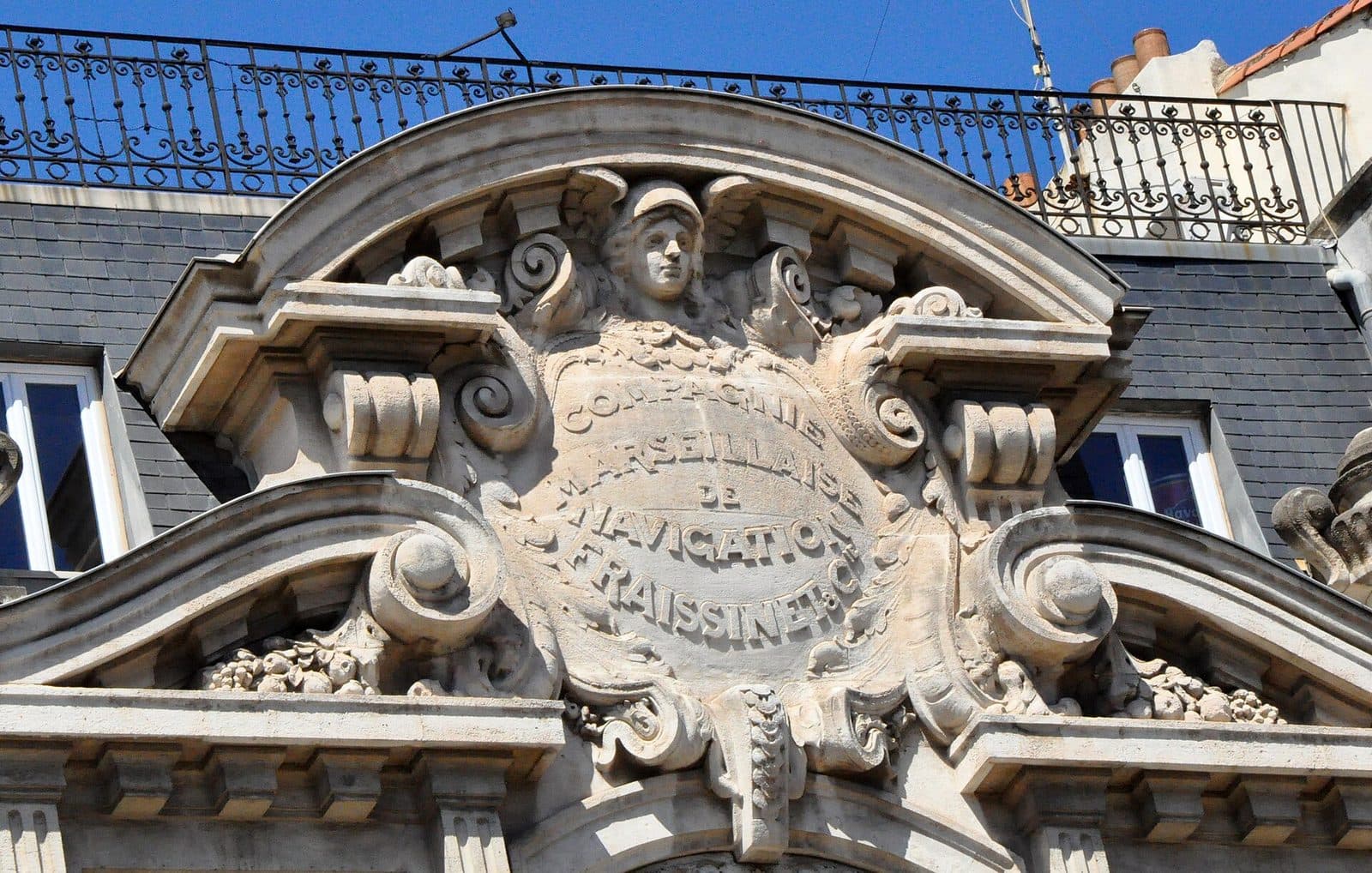
Reading the Empire in Stone: A Companion to the Canebière Architecture Tour
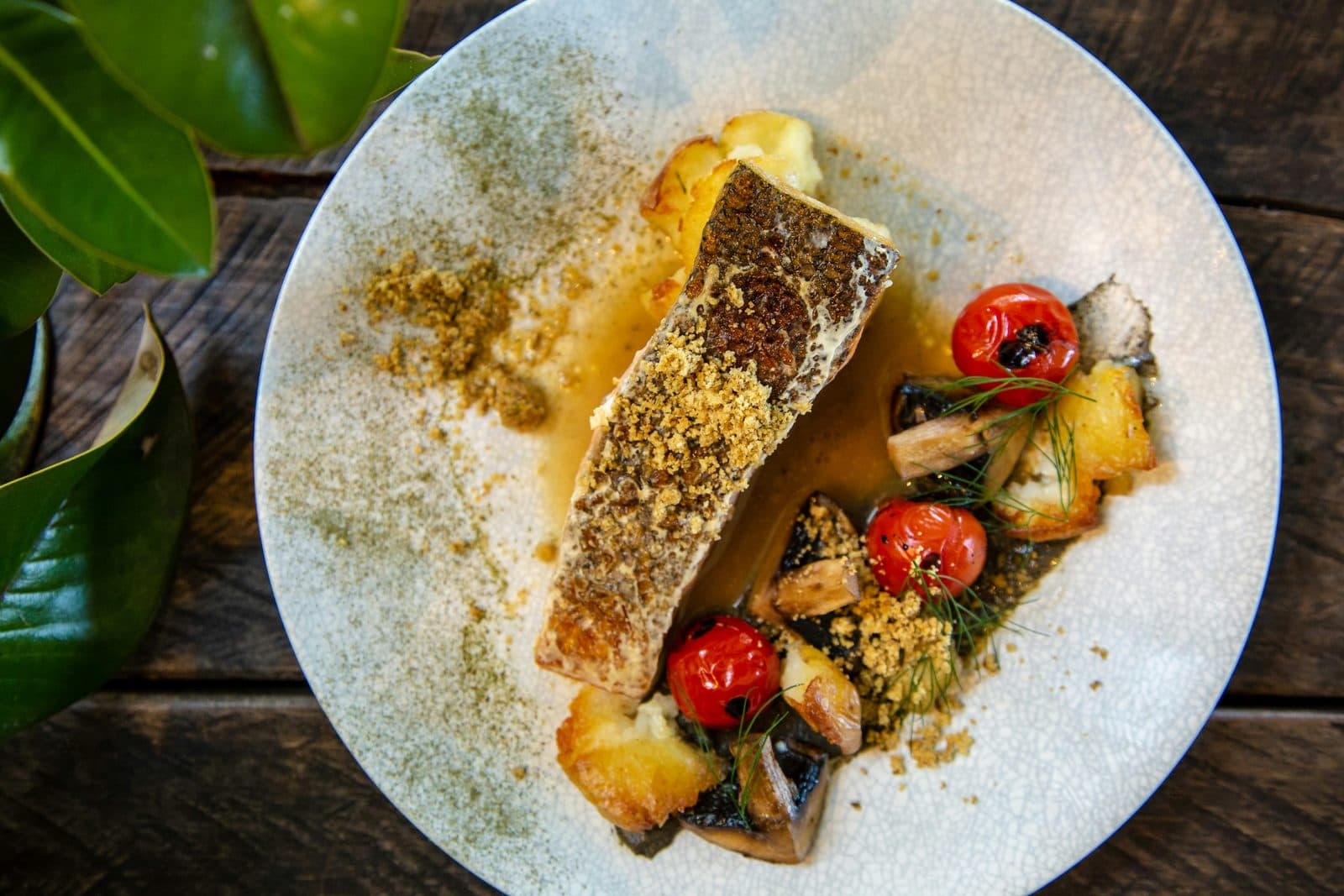
The Belly of Marseille: Noailles, the Marché des Capucins, and the Truth About Bouillabaisse
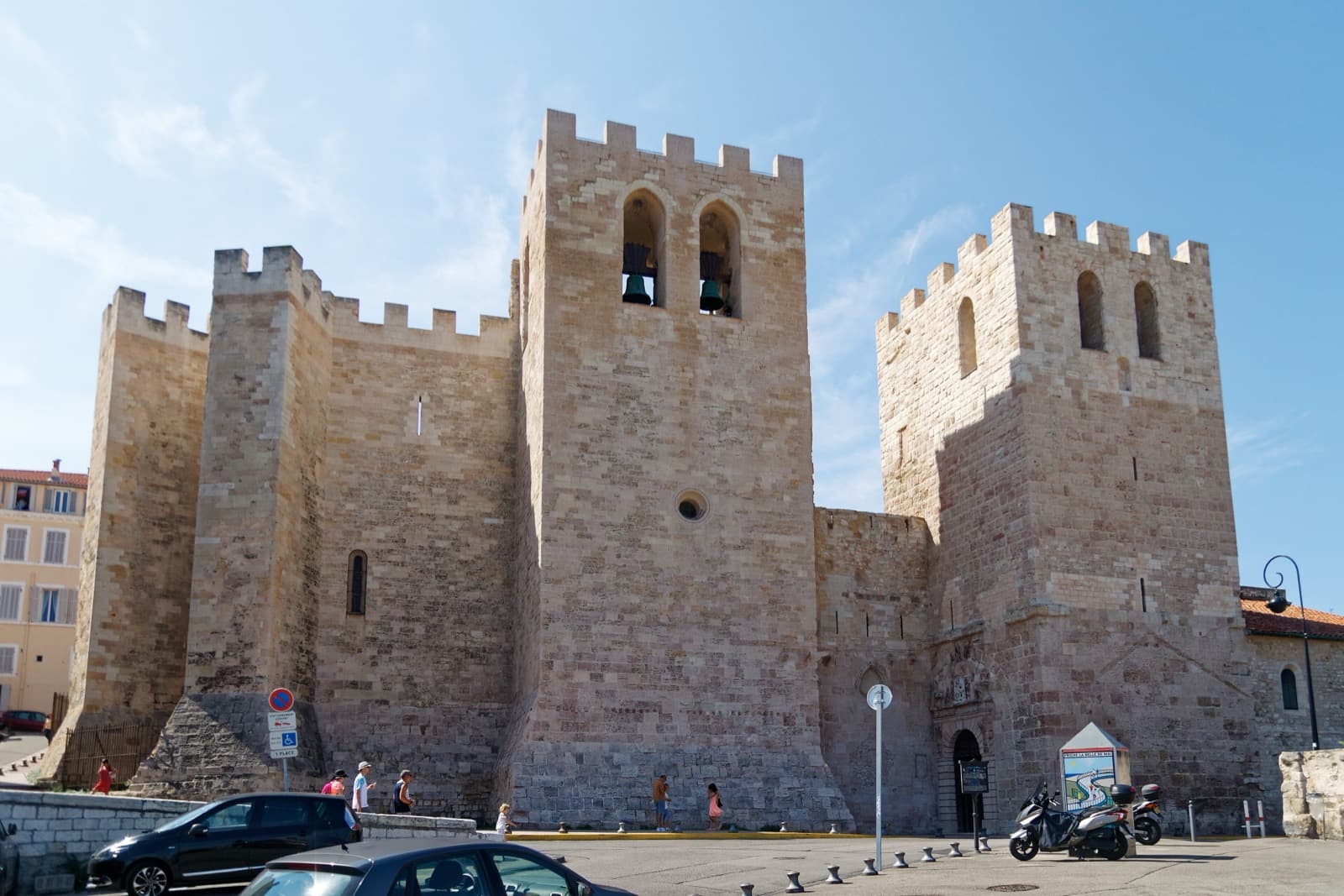
Abbaye Saint-Victor: The Port That Was Christian Before France
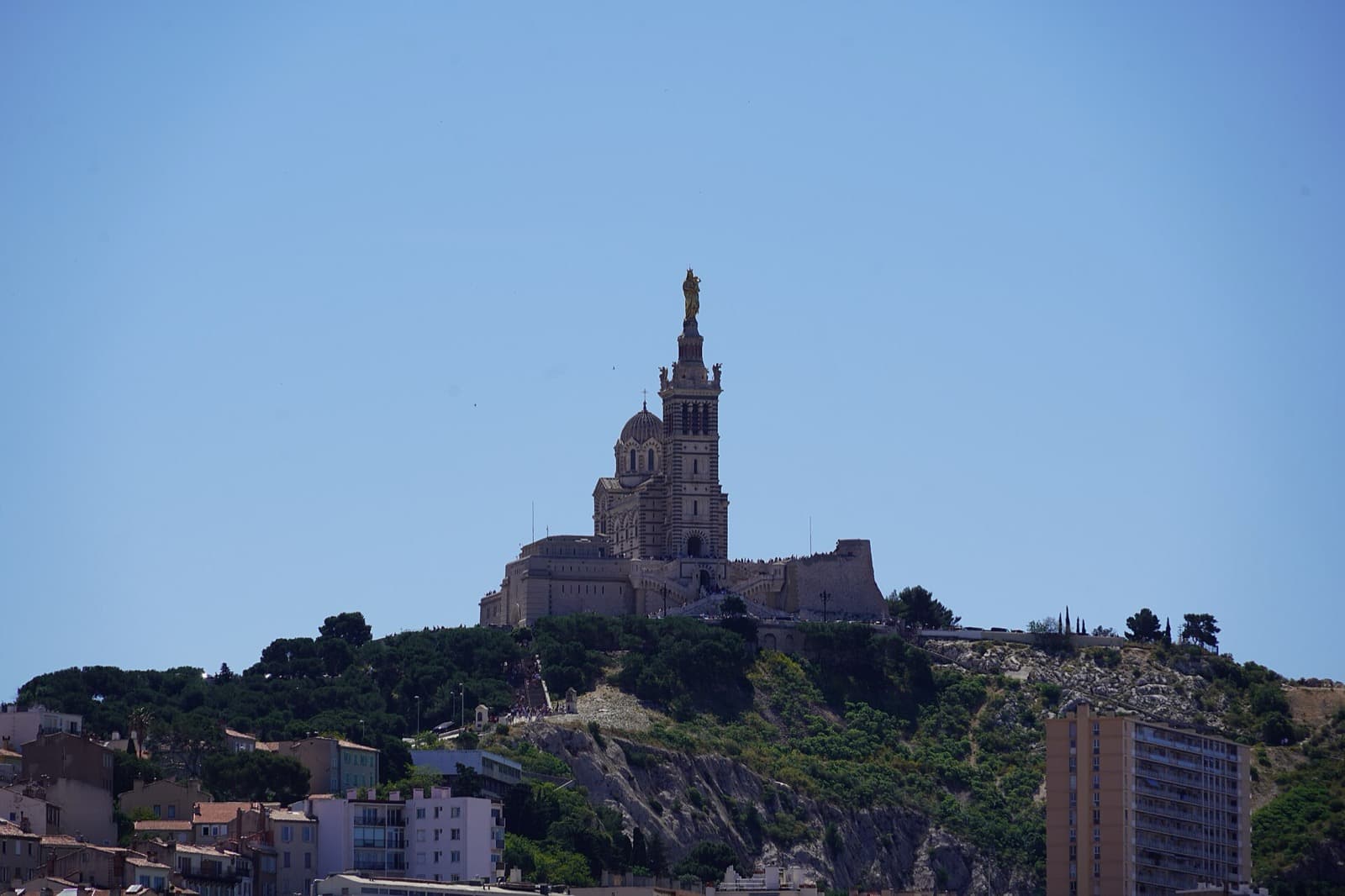
Notre-Dame de la Garde: The Good Mother Watching the Sea

The Bridge Between 1660 and 2013: Fort Saint-Jean and the MuCEM
