The Porcelain Room is lined with plaques from Charles III's Buen Retiro factory, screwed onto a hidden wooden frame, with scenes of the festivals of Bacchus. The Gasparini Room, next door in the king's apartment, is a rococo room designed as a single piece by Mattia Gasparini; when Charles died in 1788 only its marble floor and stucco ceiling were done.
Royal Palace of Madrid audio guide
Madrid · 2 floors · stories room by room
If you are asking about the porcelain room of the Royal Palace of Madrid: it is a small room in the king's apartment, after the Gasparini Room. Both belong to Charles the Third, and together they are the part of the visit where the decoration itself is the exhibit.
The Gasparini Room
This was Charles the Third's dressing room and, after the Throne Room, the most important room of his apartment. He gave it to Mattia Gasparini, a Venetian decorator he brought from Naples, who drew everything, down to the upholstery of the chairs. Workshops were set up for the woodwork, the bronze and the embroidery, which was run by Gasparini's own wife.
Look at the floor first: coloured marble in curling plant shapes, laid by Domenico Galeotti and Nicola Rappa. The same pattern runs through the walls and seats, embroidered in coloured silk and silver-gilt thread on satin. The stucco ceiling by Gennaro di Matteo is moulded, painted and gilded with leaves, flowers, birds and little Chinese figures. It took far longer than planned. When the king died in 1788 only the floor and the ceiling were finished; the silk hangings went up under his grandson Ferdinand the Seventh, and the chairs came under Alfonso the Twelfth. Charles never saw his room finished. The room also holds the Shepherd clock, an automaton by Jaquet-Droz bought by Ferdinand the Sixth, more than 260 years old and still working.
The Porcelain Room
Hear a stop from this walk
Puerta Cerrada: The Closed Gate
The walls from the floor up, and the ceiling, are covered in porcelain plaques made at the Buen Retiro factory in Madrid. Wood is fixed to the walls and vault, and each plaque is screwed onto it. The figures are classical, scenes from the festivals of Bacchus. The factory has a Naples story: Charles's wife, María Amalia, was born in Saxony, home of Meissen, and the couple backed a porcelain factory at Capodimonte. When Charles became King of Spain in 1759 he brought its workers and materials with him, and Buen Retiro was at work from 1760. María Amalia died in Madrid in September 1760 and never saw this room.
Charles had done this once before. The porcelain room at his palace of Aranjuez, signed by Giuseppe Gricci and finished in 1765, was the model. Patrimonio says this room is closer to neoclassical than to rococo, so you can watch taste change between the two. The green marble from Granada was the stone Charles liked best, and it is used here and in the Throne Room. Look for the clock of Atlas, who carries the sky in myth, in a room where an unseen frame carries everything you can see.
How to see them
Displays move from time to time, so a piece may have changed. Photographs are allowed for personal use without flash. In the Roamer guide each room has its own story, and both are stops on The Royal Palace in an Hour and The Palace and the Armoury in Two Hours routes. You can listen at your own pace, with no group, and skip anything you do not want. The guide is independent and not affiliated with the palace, and admission is separate. Start here: the Royal Palace of Madrid guide, or read the whole visit in Royal Palace of Madrid: what to see, room by room.
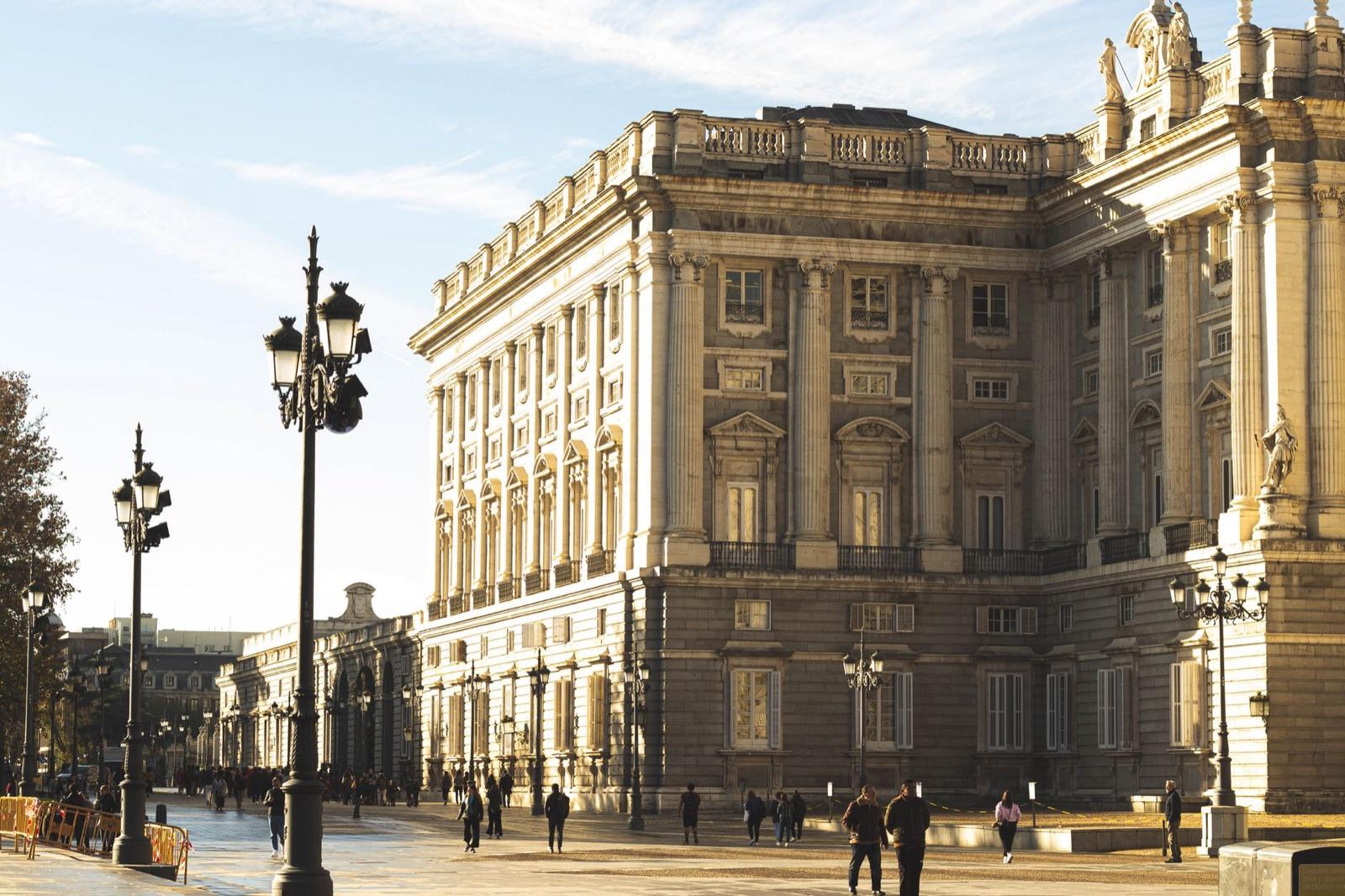
Cover: a corner of the palace with its lamp posts, from the Plaza de Oriente side. Photograph by Leandro Paes Leme, Pexels. The palace interiors are not photographed here.
Ready to experience it?
Historic Center: The Wall Madrid Built Over
75 min · 2.4 km · easy
More from Madrid
Explore more at your own pace.
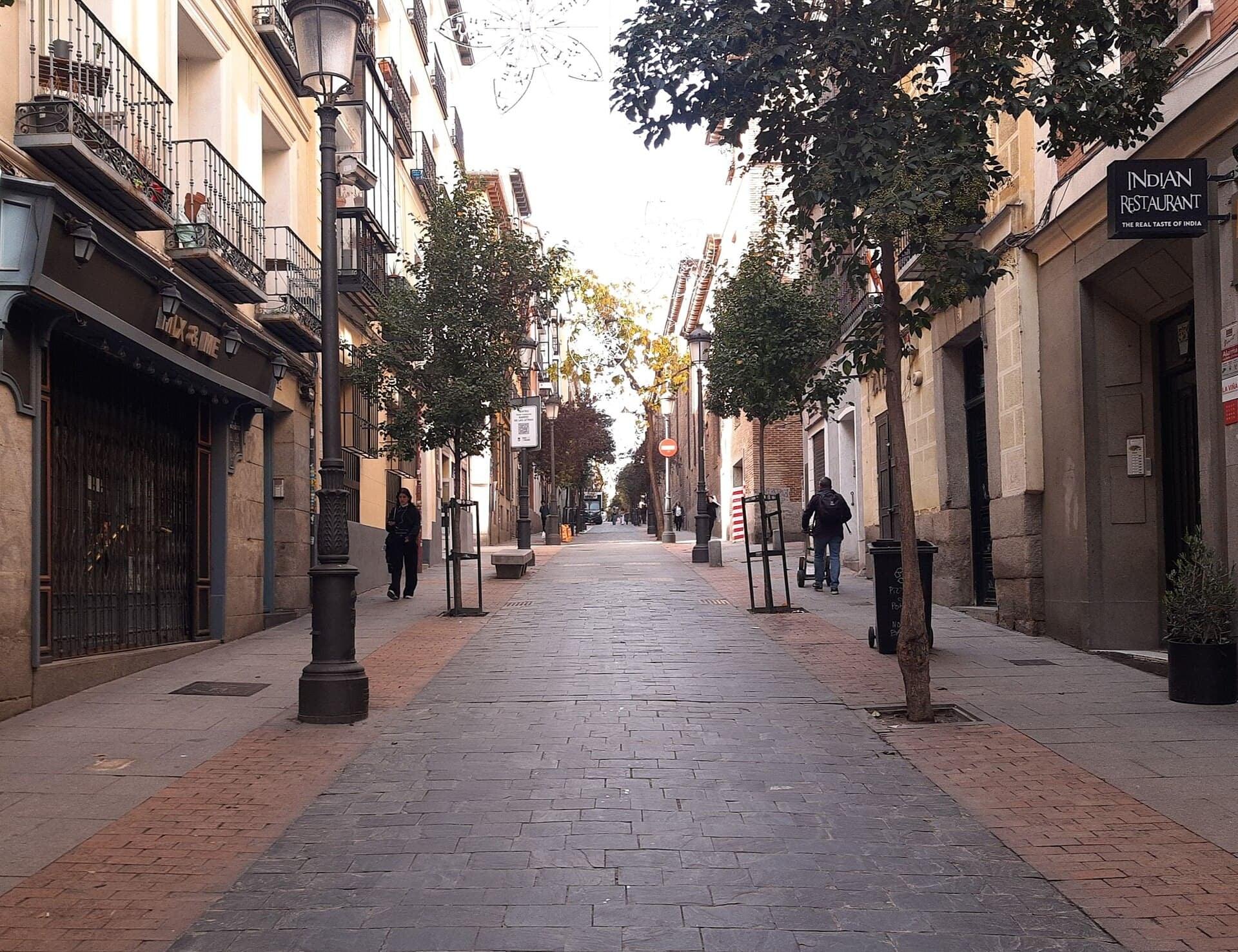
Barrio de las Letras: Madrid's Writers' Quarter in Three Layers
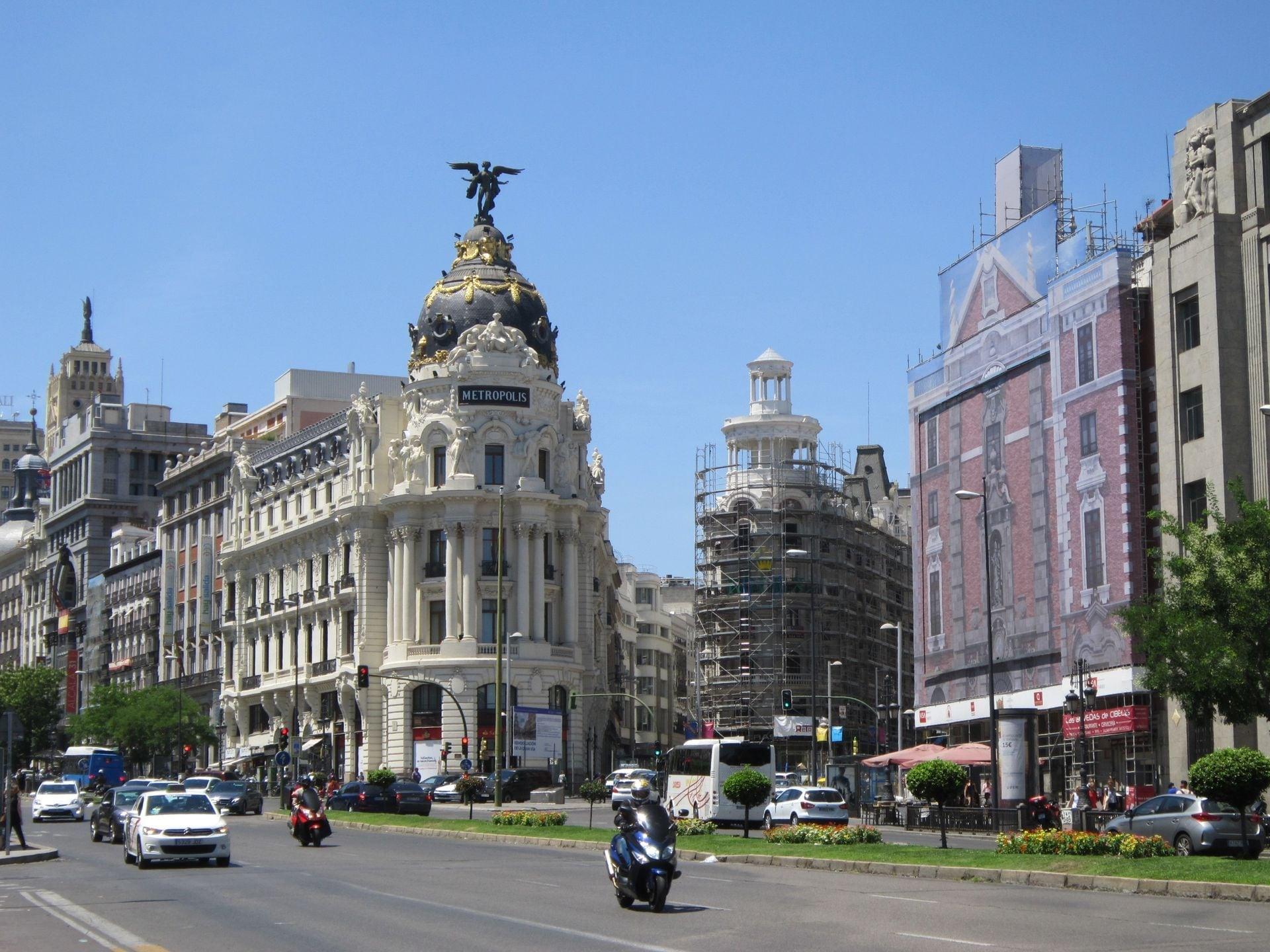
Gran Vía: How Madrid's Great Way Grew Wider and Taller as It Was Cut
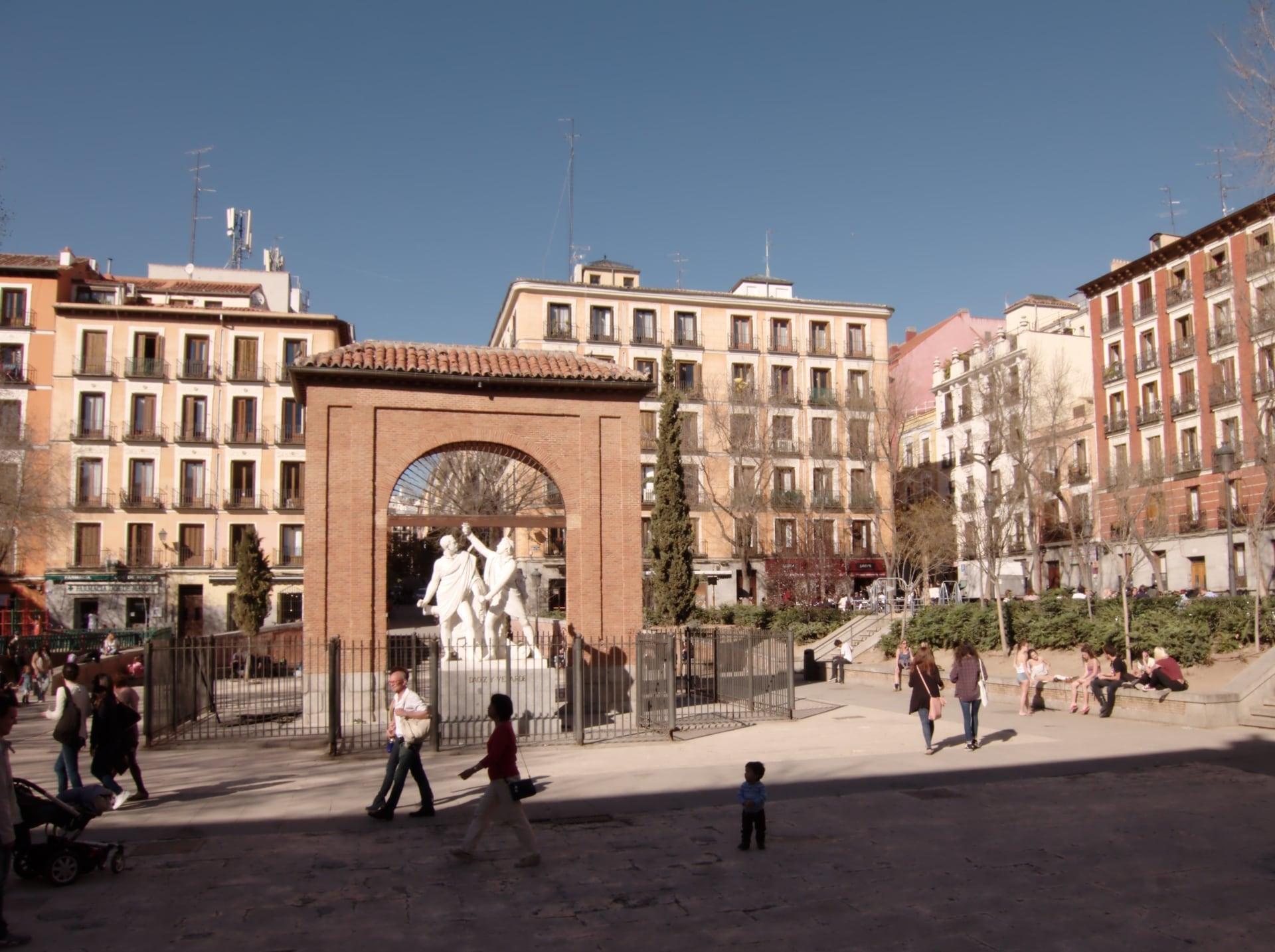
Malasaña and Chueca: Madrid's Old Northern Edge, Taken Back by the City
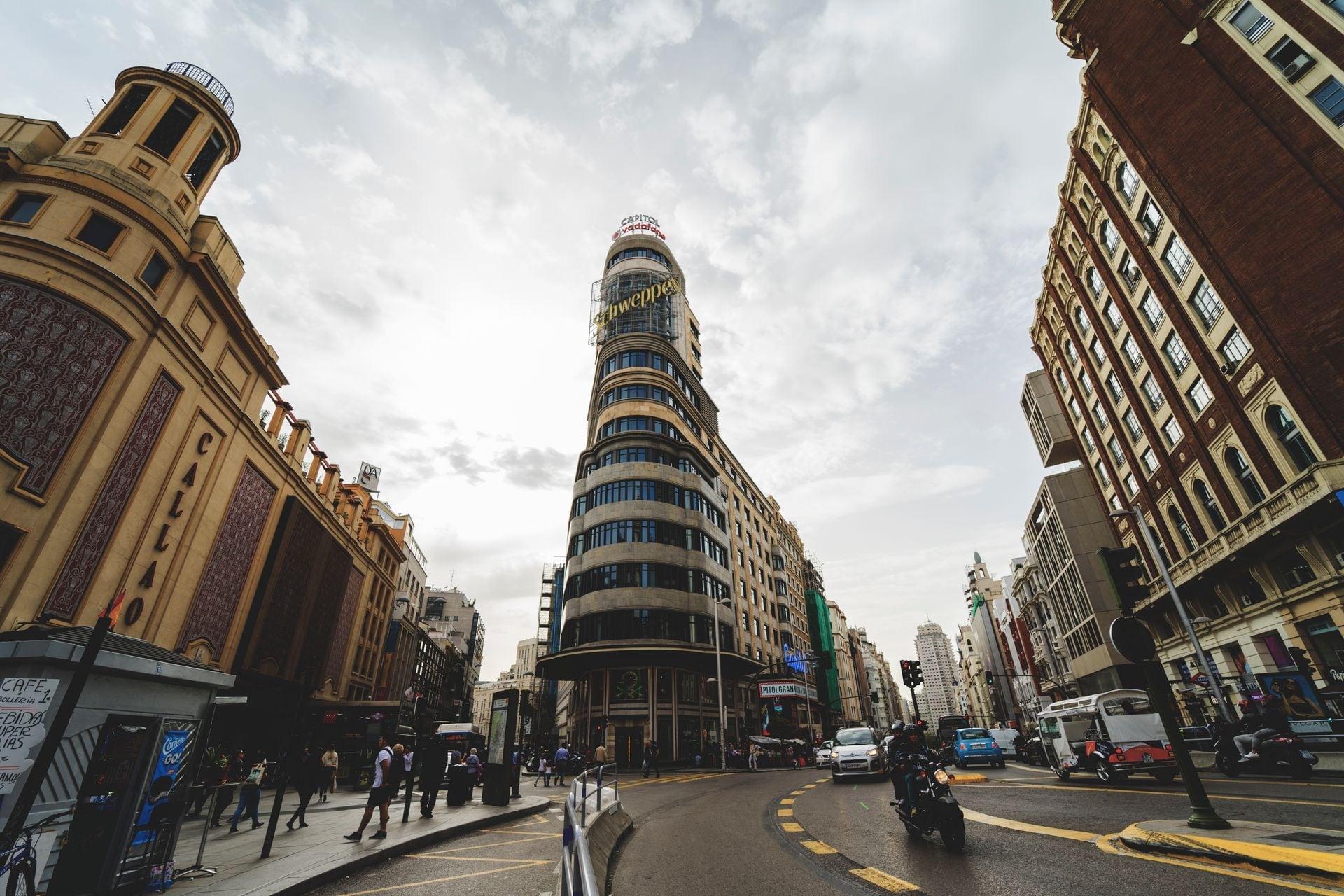
Edificio Carrión: The Curved Corner at Callao and the Sign That Stayed
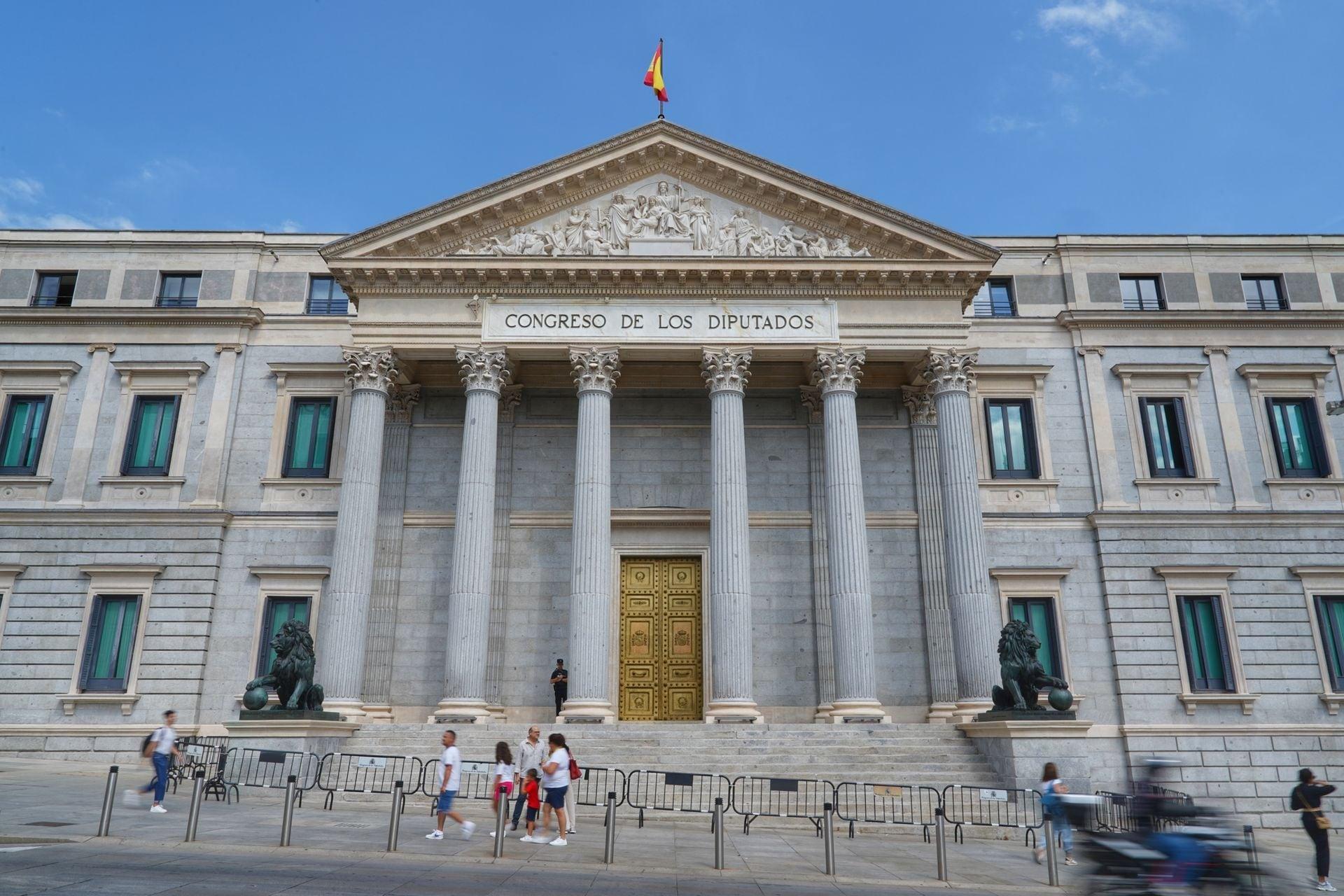
Plaza de las Cortes: Cervantes, His Lion and the Congreso Lions