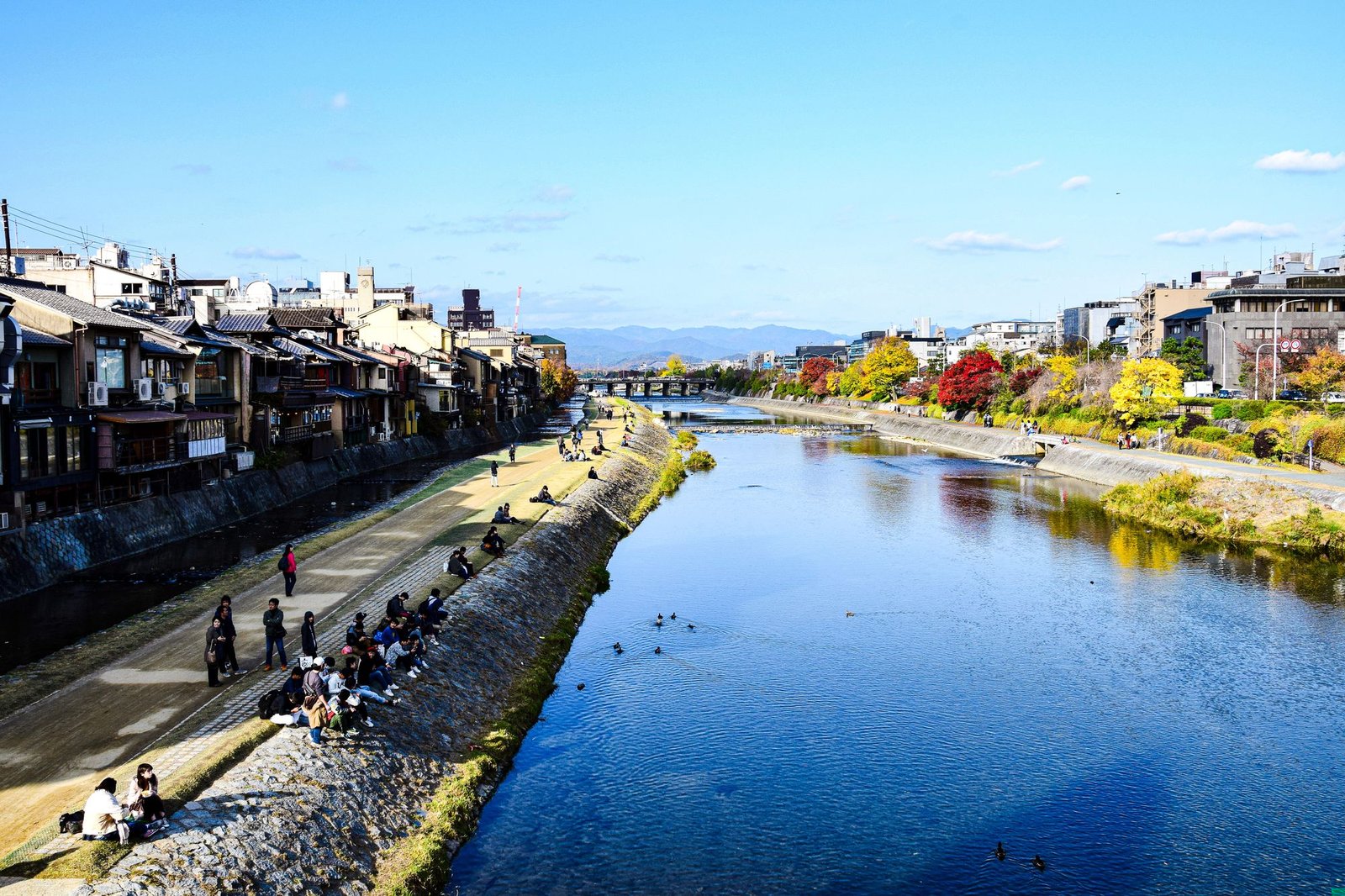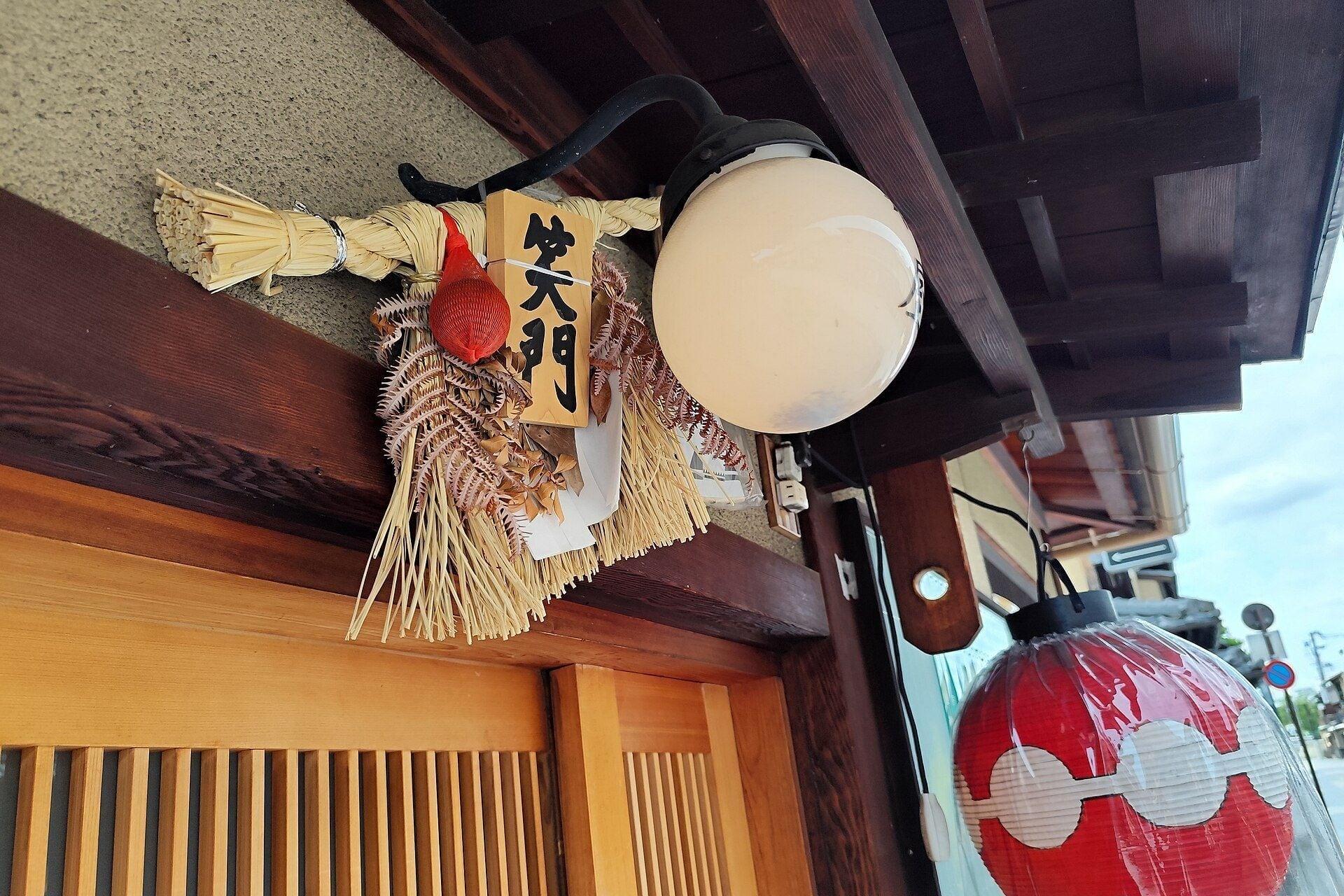
Gion is built from thresholds you can see. A bridge one stone wide. Wooden lattice and reed blinds between the street and the rooms behind. A steel bridge dressed in stone and timber. Residents' signboards at the mouths of private lanes. A theatre built for one dance, a Zen temple that gave up the land the quarter stands on, and at the end a stone you crawl through to cut a tie. Gion is home to the geiko, Kyoto's word for geisha, and to the maiko who train to become them, and people live and work in these streets. Reading its edges is the best way to see it, and the best way to respect it.
Roamer's Gion walk is nine stops over about two kilometers and takes about an hour, longer if you go inside the temple. It is flat, mostly on stone paving, and crosses Higashioji-dori and Shijo-dori at the lights.
A bridge one stone wide
Stop 1 is Gyoja-bashi, a stone girder bridge over the Shirakawa completed in 1907. Kyoto City calls it the oldest of the 44 Shirakawa bridges it manages, open to people on foot but too weak for vehicles, and locals call it the one-plank bridge. The stream's name, white river, comes from the white granite sand of the hills it drains. Stop 2 is Shinmonzen-dori, a street of art and antique dealers whose association says its shop count is among the highest in the country.
Lattice, blinds and a dressed-up bridge
Hear a stop from this walk
Yasui Konpira-gu: The Cutting Stone
Stop 3 is the Shirakawa willows at Gion Shinbashi, selected by the national government on 4 September 1976 as an Important Preservation District for Groups of Traditional Buildings of the teahouse town type. At 1.4 hectares it is tiny. The city's plan fixes the house form you see: two wooden storeys, exposed posts, lattice below, sudare blinds and a projecting upper floor above, with the stone paving and trees of the street protected too. The lattice is the first threshold. People say it lets those inside look out while the street sees only slats.
Stop 4 is Tatsumi bridge and its small street shrine, Tatsumi Daimyojin. The bridge looks old. Kyoto City's bulletin records a first wooden bridge in 1829, then a steel girder bridge in 1957, only 7.5 meters long, with stone paving and wooden railings chosen to suit the scene. The city calls the view to it the face of Kyoto Gion. It is a modern structure in costume, and the costume is the point.
The residents' line
Stop 5 is Hanamikoji and Ichiriki-tei, the teahouse whose ninth head, Gion Kobu's history says, helped devise the group dance for the first Miyako Odori in 1872. Its wider fame comes from Kanadehon Chushingura, the play of the 47 ronin first staged in 1748, whose seventh act is set at the Ichiriki in Gion. It is a working teahouse that receives guests by introduction only.
Stop 6 is the walk's most important threshold. Hanamikoji itself is a public road, but the side lanes include private roads marked by the residents' council. In October 2019 the council banned photography on those private lanes and posted signs, and since 2024 it has added no-entry signs at some of them. Kyoto City asks visitors not to enter private property and not to touch, chase or photograph geiko and maiko without permission. On this walk you stand at the line and read the signs. You do not cross it.
A theatre for one dance, a temple's land
Stop 7 is the Gion Kobu Kaburenjo, the theatre of the Miyako Odori. The first performance in 1872 was a side event of the Kyoto Exhibition, held to revive the city after the capital moved to Tokyo. The present cypress theatre opened in 1913, and after seismic works the dance returned in April 2023.
Stop 8 explains where all this ground came from. Kennin-ji, founded in 1202 with Eisai as founding abbot, calls itself Kyoto's oldest Zen temple. After early Meiji religious policies its precinct shrank by nearly half, and in 1874 Gion Kobu's teahouse association received a large area of former temple land. Hanamikoji south of Shijo was opened on land cleared from the temple's sub-temples. The quarter you just walked stands, quite literally, on what the temple gave up.
A stone you crawl through
Stop 9 ends the walk at Yasui Konpira-gu, where an ema-shaped stone 1.5 meters high has a hole through it. The shrine says crawling through cuts a bad tie, linking the custom to Emperor Sutoku's forced parting from his consort. It is the last threshold, and the only one you are invited to cross.
Gion rewards walking it on your own schedule: early, quietly, in a small party of your own, pausing where you like and skipping the temple interior if time is short.
The willows are stop 3 of Gion: Shirakawa Willows, Hanamikoji and Kennin-ji, which ends at the cutting stone. See all routes on the Kyoto page.
Sources
- Agency for Cultural Affairs, list of Important Preservation Districts: Gion Shinbashi, selected 4 September 1976, 1.4 hectares, teahouse town type.
- Kyoto City Tourism Association, notice on rules and manners: do not enter private property, and do not touch, chase or photograph geiko and maiko without permission.
- Roamer's audited tour research for this walk (Kyoto City bridge bulletins and preservation plan, Gion Kobu's official history, the residents' council notices, Kennin-ji and Yasui Konpira-gu), as summarised in the stops' historical notes.
Ready to experience it?
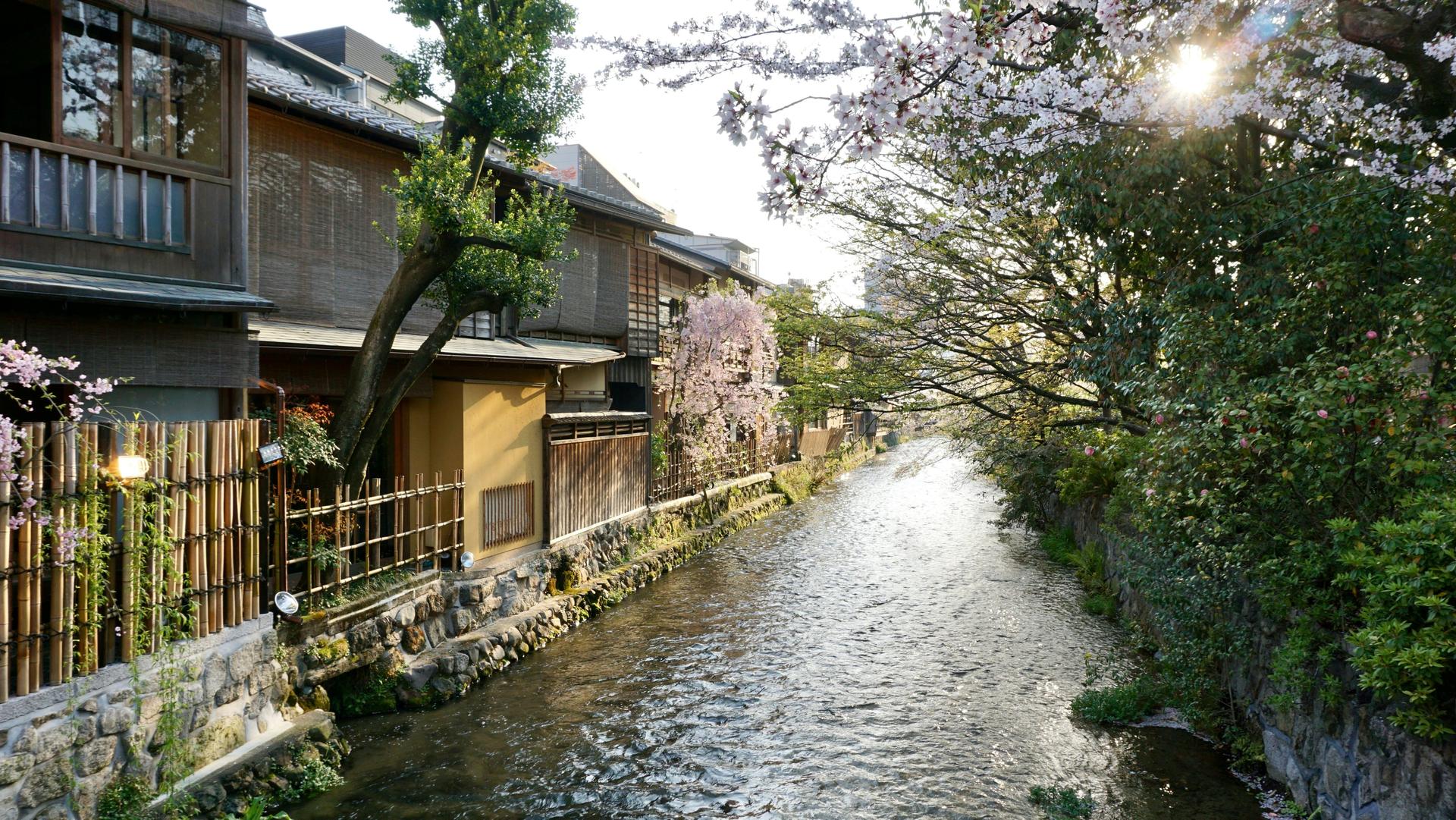
Gion: Shirakawa Willows, Hanamikoji and Kennin-ji
75 min · 2 km · easy
More from Kyoto
Explore more at your own pace.
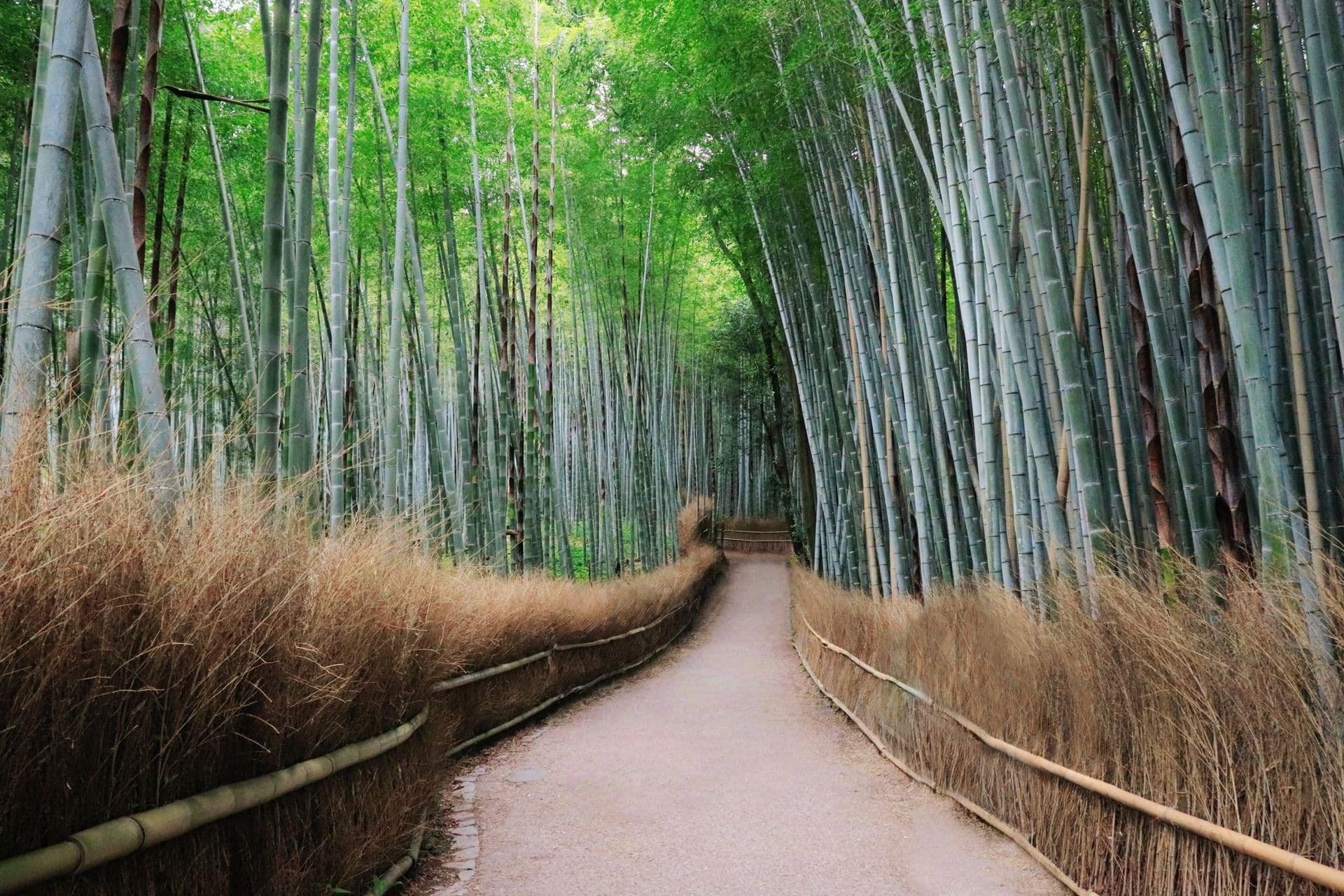
Arashiyama Walking Tour: Who Arranged Kyoto's Most Famous Views
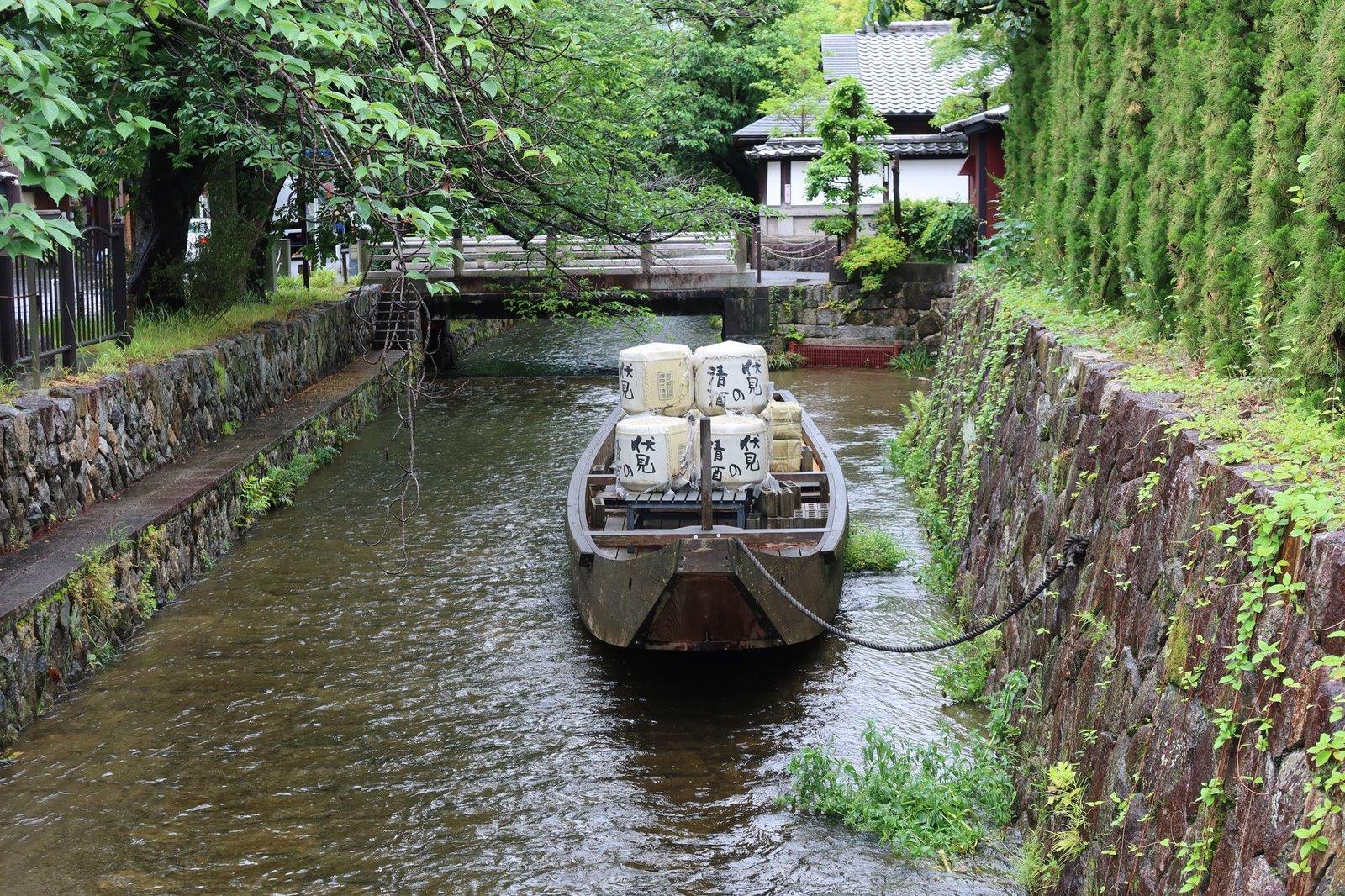
Fushimi Inari Hike: How Ordinary People Filled a Burned Mountain With Gates
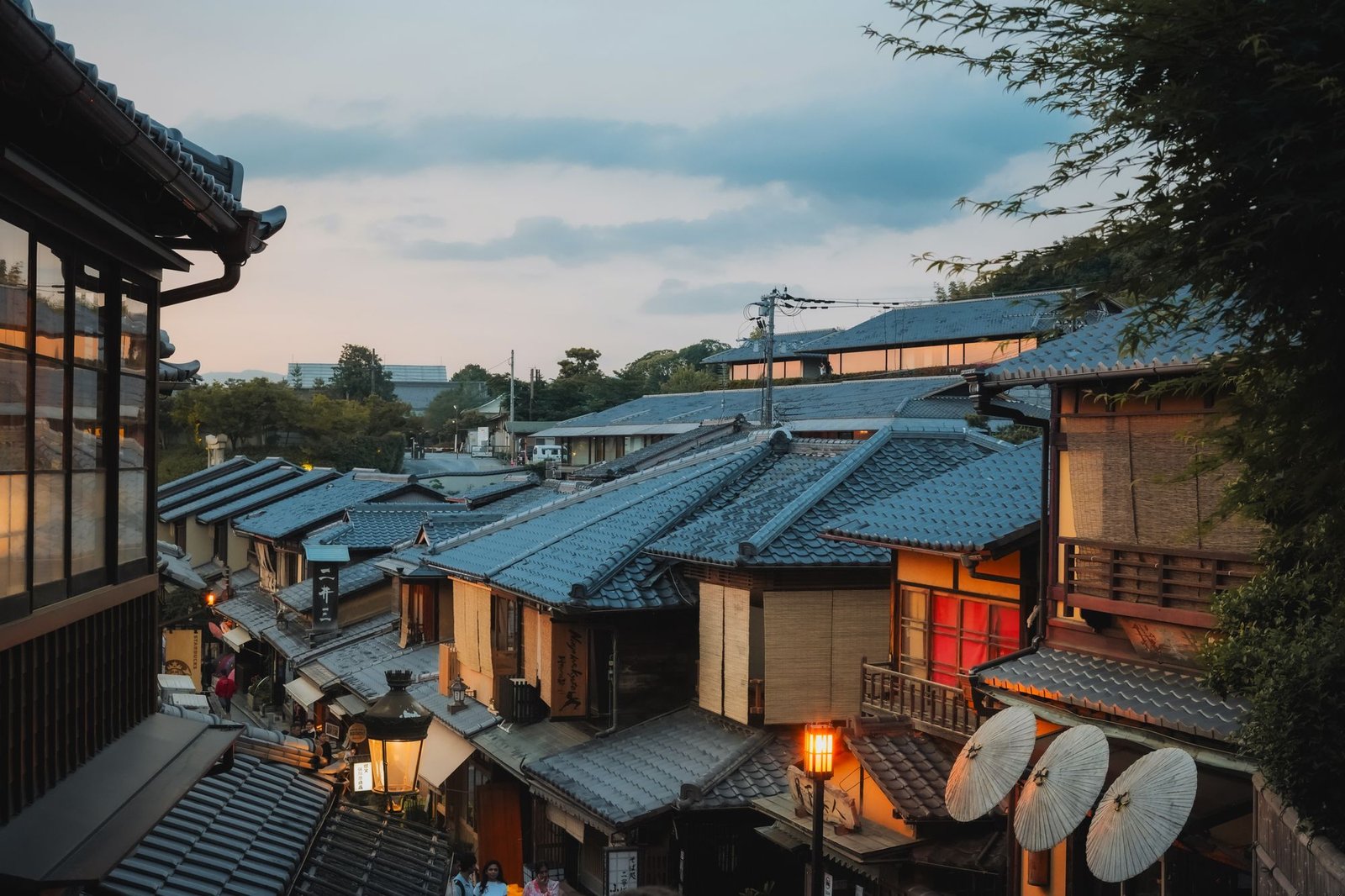
Higashiyama Walking Tour: Kyoto's Old Hillside Was Kept on Purpose
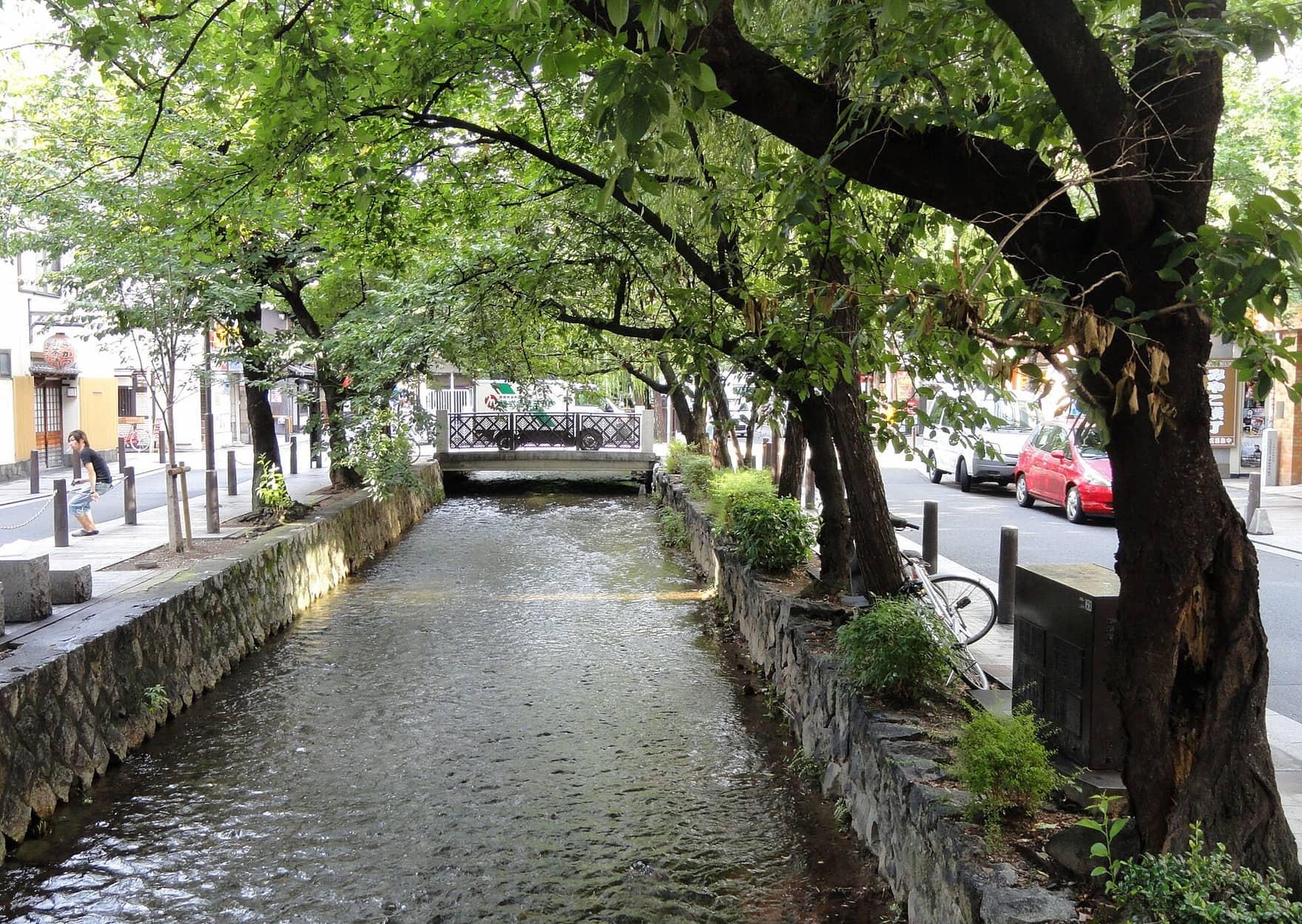
Nishiki Market to Pontocho: A Kyoto Walk That Follows the Water
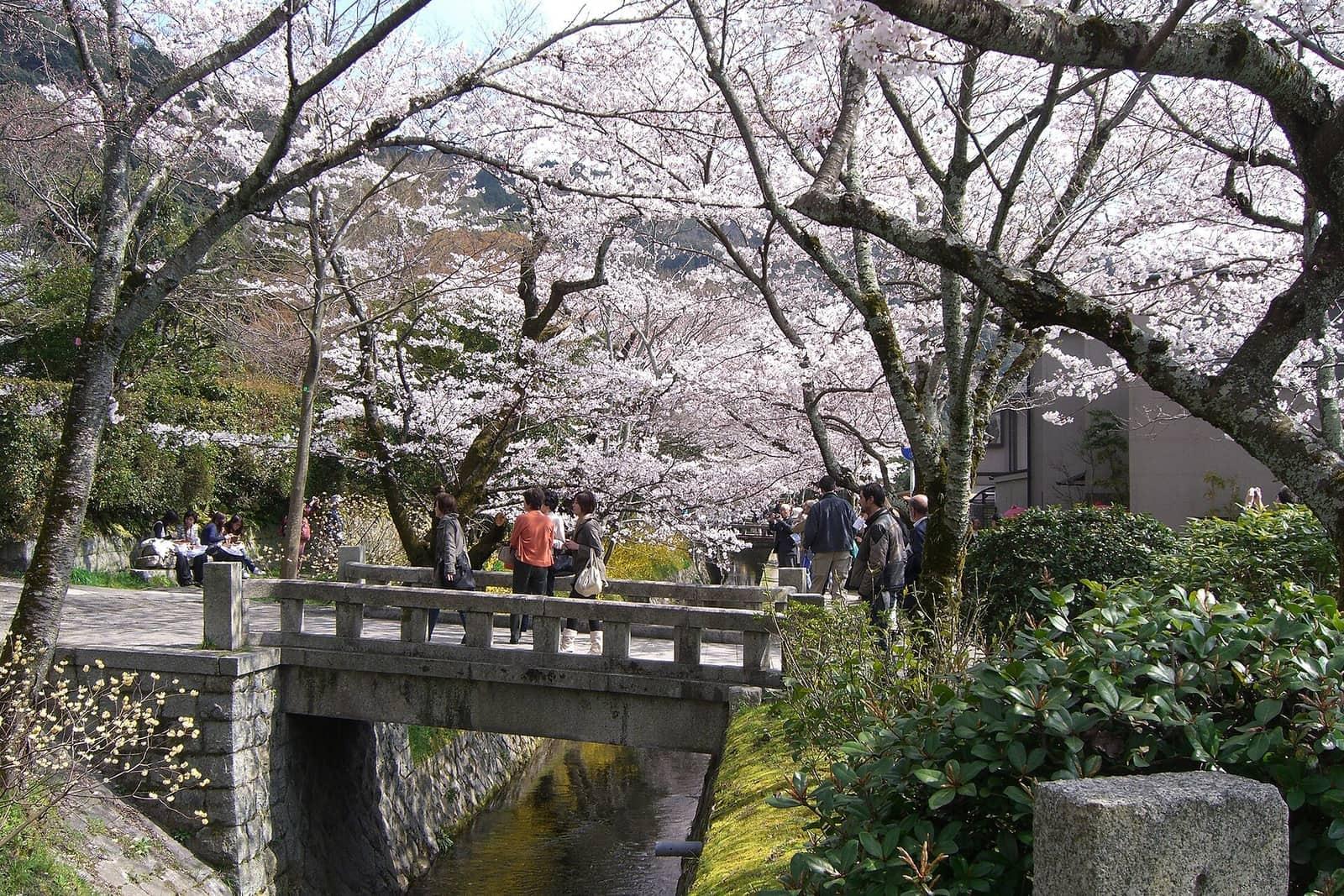
Philosopher's Path Walk: The Factory Canal That Became Kyoto's Quietest Stroll