Old Town: The Royal Mile
100 min · 2 km · moderate
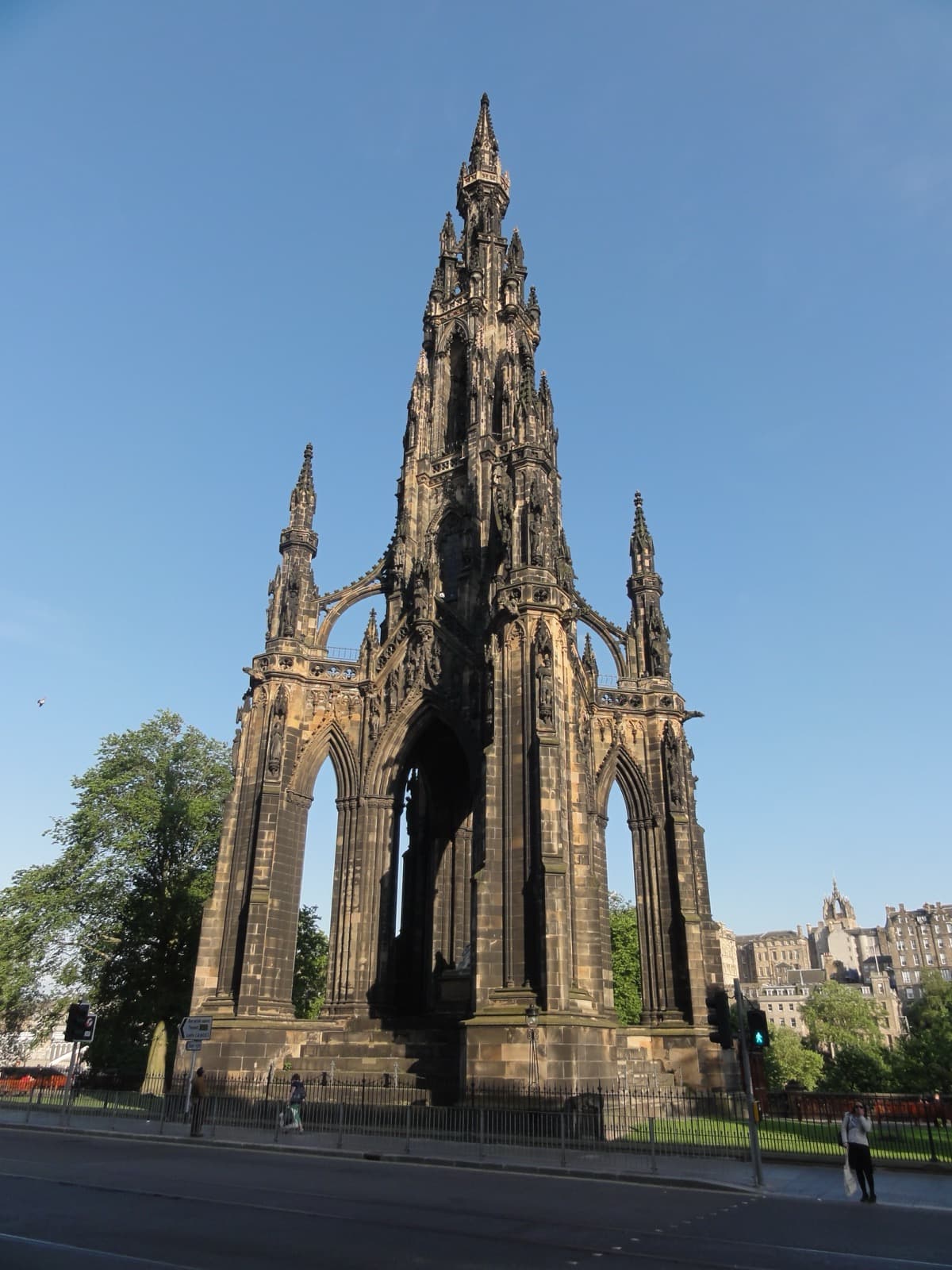
Edinburgh reads as two cities in one, and that split is the whole point of the place. On one ridge runs the medieval Old Town, a single spine of tall tenements and narrow closes falling from the castle on its dead volcano to a royal palace at Holyrood. Across the valley that once held a drained loch stands the New Town, a planned Georgian grid of wide streets and disciplined squares laid out from the seventeen sixties as the built form of the Scottish Enlightenment. UNESCO lists the Old and New Towns of Edinburgh together as one World Heritage Site for exactly this contrast: the organic beside the rational, the crowded medieval mile beside the ordered grid. Read the spine, then read the underworld packed beneath it, then cross the ravine to the Enlightenment city, and you have read Edinburgh. You can do all three at your own unhurried pace, which is what our three self-guided walks are built to let you do.
One ridge, one thousand years
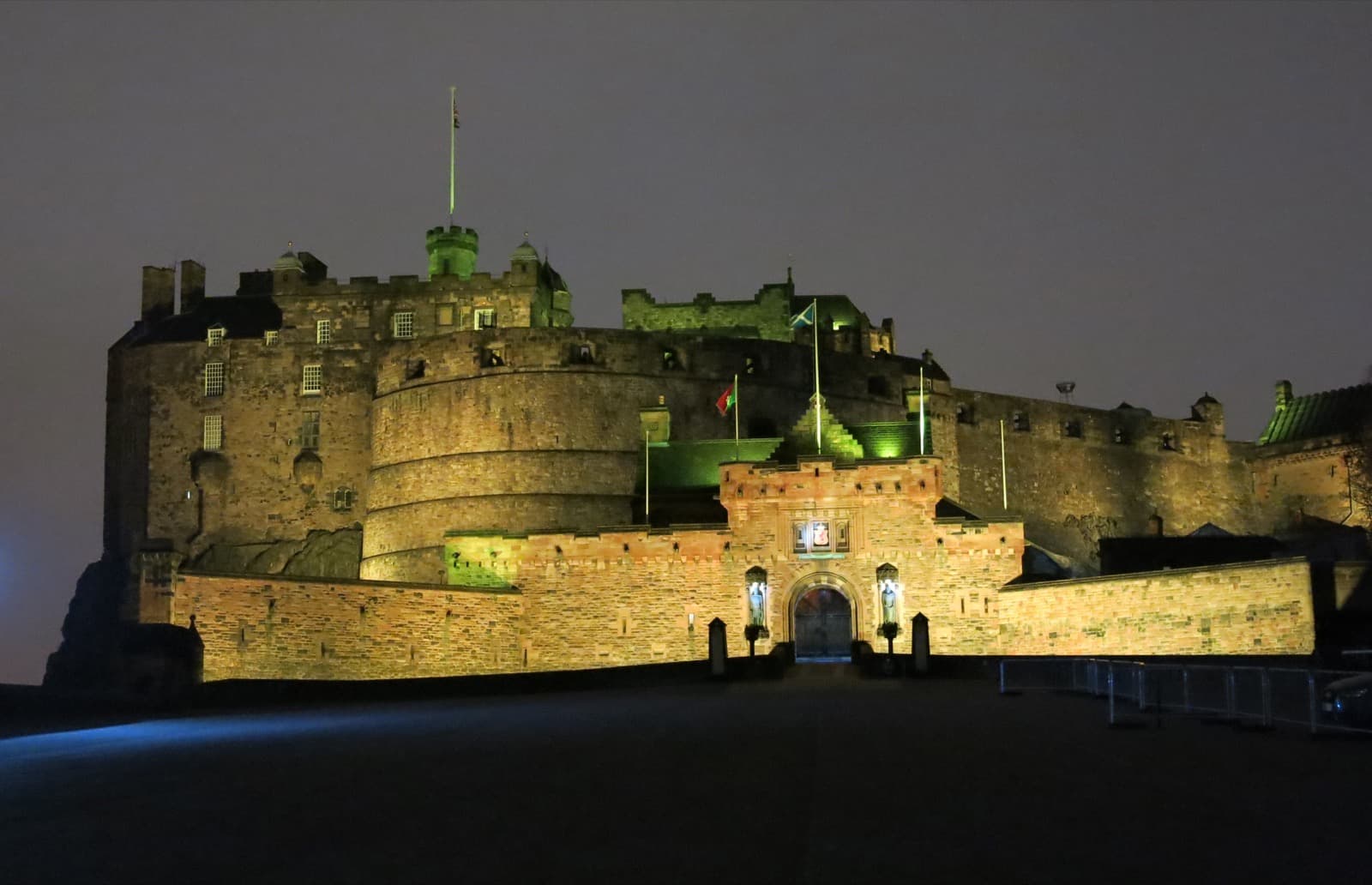
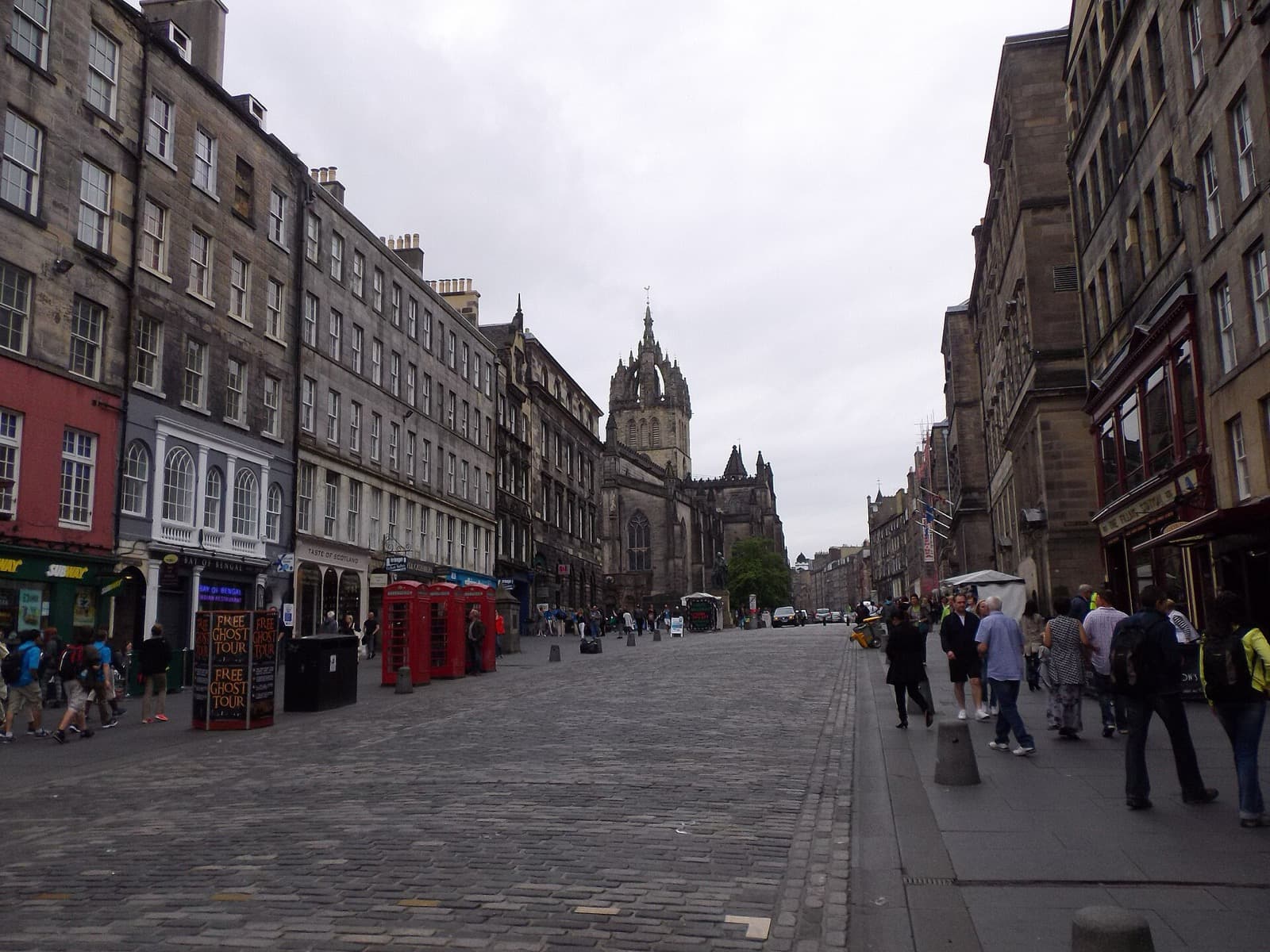
Start where the city started. The Old Town Royal Mile walk follows the single tail of volcanic rock downhill from Edinburgh Castle, held on its crag since at least the Iron Age, to the roofless ruin of Holyrood Abbey. It is downhill nearly the whole way, about one mile on cobbles, and it carries the whole medieval story in order.
The shape of the Old Town is dictated by its geography. Penned onto a narrow ridge with the ground dropping away on either side, the city could not spread outward, so it climbed. The tall tenement blocks along the Lawnmarket are called lands, a land being one towering building of stacked homes, and the dark passages between them are closes, each a steep alley ducking off the street toward the valley below. This is one of the most complete medieval old towns in Europe, and it was one of the most densely packed towns in early modern Europe.
Along the mile the ridge concentrates a nation's history into a few hundred yards. At Saint Giles', the crown-steepled High Kirk, John Knox first preached on the twenty-ninth of June, fifteen fifty-nine, and led the Scottish Reformation until his final sermon in fifteen seventy-two. In the fifteen sixties the western bays of that same kirk were partitioned to house the Parliament of Scotland, which sat until the Union of seventeen oh seven. Lower down, the Canongate was a separate burgh for more than seven hundred years, not incorporated into Edinburgh until eighteen fifty-six, and in its kirkyard lies Adam Smith, author of The Wealth of Nations. At the very foot, the Scottish Parliament building, opened in two thousand four, faces the Palace of Holyroodhouse across the road: new power looking old power in the eye across a single medieval street.
The underworld beneath the spine
Hear a stop from this walk
Edinburgh Castle and the Esplanade: The Fortress on the Dead Volcano
The Royal Mile is the city's public face. Directly behind and beneath it runs a second, grimmer story, and the Grassmarket and the Closes walk reads it stone by stone. This is the same Old Town, the same UNESCO fabric, seen from underneath.
The Grassmarket, a broad market square below the castle rock since fourteen seventy-seven, was for close to two centuries the city's principal place of public execution. Over one hundred Covenanters, Presbyterian Scots who refused to accept the king's authority over their Church, were put to death on this ground between sixteen sixty-one and sixteen eighty-eight, the years remembered as the Killing Time. A dark shadow of the old gibbet is set into the modern paving to mark where the gallows stood. The story continues at Greyfriars Kirk, where in sixteen thirty-eight the National Covenant was signed by Scots pledging to defend their Church against Charles the First, and at the Covenanters' Prison at the south of the kirkyard, where hundreds of prisoners taken after the Battle of Bothwell Bridge in sixteen seventy-nine were penned in the open for months, held on meagre rations through hard weather.
The walk ends in the Cowgate, a sunken street that runs beneath the great bridges in a canyon the sun barely reaches, historically bound up with the anatomy trade. In eighteen twenty-eight William Burke and William Hare murdered sixteen people over about ten months and sold the bodies to the anatomist Doctor Robert Knox. The route treats those sixteen as victims, real people, not as a ghost-tour thrill. That sober register matters, because the Old Town is thick with legend layered over fact. The famous fourteen-year vigil of Greyfriars Bobby is a cherished Victorian story, not settled record, and Victoria Street's supposed link to Diagon Alley is folklore the author herself denied in twenty twenty-two. This walk says so plainly, which is the difference between reading the city and being sold it.
The rational city across the ravine
When the crowded Old Town could hold no more, Edinburgh did not repair it. It built a whole second city. The New Town Enlightenment walk reads that planned Georgian half, the physical opposite of the medieval spine and the reason UNESCO inscribed the two towns together.
The New Town is the age of reason made stone. Its plan came from a design competition opened in seventeen sixty-six and won by a young architect, James Craig, then just twenty-six, whose revised plan was finalised in seventeen sixty-seven. The city drained the polluted Nor Loch, whose foul bed now holds Princes Street Gardens, and raised a rational grid of wide straight streets and elegant squares. George Street runs dead straight along the crest of the ridge so its cross-streets frame long views down to the Firth of Forth and up to the castle: design as grammar. The whole plan resolves at Charlotte Square, where Robert Adam in seventeen ninety-one unified a terrace of separate houses behind one grand palace front. Adam died in seventeen ninety-two, the year building began, so he never saw his finest square finished.
This is the same age that produced David Hume and Adam Smith, and Calton Hill made the ambition literal, crowned with copied Athenian temples that earned Edinburgh the name Athens of the North. The National Monument there was begun in eighteen twenty-six as a replica of the Parthenon and left unfinished when the money ran out in eighteen twenty-nine, an honest record of ambition outrunning funds. The New Town is not only elegance, either. The Melville Monument in St Andrew Square carries a plaque the city installed in October twenty twenty-one recording that Henry Dundas pressed for the abolition of the Atlantic slave trade to be gradual rather than immediate, a delay widely held to have deferred abolition until eighteen oh seven. The rational city was entangled with empire and banking, and the walk reads both.
Reading the whole city
Take the three walks together and the contrast becomes the argument. The medieval mile shows a city that had to climb because it could not spread. The underworld beneath it shows the cost of that crowding, in executions, persecution and murder. The Enlightenment grid across the valley shows the deliberate answer, a second city planned on reason. That is why UNESCO lists them as one site, and why walking them yourself, at your own pace, with no group at your shoulder, is the honest way to read Edinburgh. For the full set of routes, start at the hub of Edinburgh walking tours.
Sources
- Historic Environment Scotland: Edinburgh Castle, Saint Margaret's Chapel, and the Honours of Scotland.
- UNESCO World Heritage Centre: Old and New Towns of Edinburgh, inscribed 1995.
- National Trust for Scotland: Gladstone's Land and the Georgian House, Charlotte Square.
- City of Edinburgh Council: Melville Monument slavery plaque, installed October 2021.
- National Galleries of Scotland: history of the Royal Scottish Academy and National Gallery buildings on the Mound.
Frequently asked questions
- Why are Edinburgh's Old Town and New Town a single UNESCO World Heritage Site?
- UNESCO inscribed the Old and New Towns of Edinburgh together in 1995 because of the contrast between them. The Old Town is an organic medieval spine of tenements and closes on a volcanic ridge, and the New Town is a planned Georgian grid of wide streets and squares across the valley. The two together record how the city changed from the medieval age to the Enlightenment.
- What is the difference between Edinburgh's Old Town and New Town?
- The Old Town runs down a single volcanic ridge from Edinburgh Castle to Holyrood Palace, packed with tall tenement lands and narrow closes because the cramped ridge forced the city to build upward. The New Town, laid out from the seventeen sixties on a design by James Craig, is a rational grid of wide straight streets and Georgian squares built across a drained loch valley. One is medieval and crowded, the other planned and ordered.
- When was Edinburgh's New Town built and who designed it?
- The New Town plan came from a design competition opened in seventeen sixty-six and finalised in seventeen sixty-seven, won by the architect James Craig, who was then twenty-six years old. The polluted Nor Loch was drained to make room for it, and its finest square, Charlotte Square, has a palace-fronted north side designed by Robert Adam in seventeen ninety-one. Adam died in seventeen ninety-two, the year construction began.
- What was the Killing Time in Edinburgh's Old Town?
- The Killing Time refers to the years between sixteen sixty-one and sixteen eighty-eight when Covenanters, Presbyterian Scots who refused to accept the king's authority over their Church, were persecuted. Over one hundred were executed in the Grassmarket during those years, and hundreds of prisoners taken after the Battle of Bothwell Bridge in sixteen seventy-nine were held in an open-air prison beside Greyfriars Kirkyard for months through hard weather.
- Which Edinburgh walking tours cover both the Old Town and New Town?
- Three self-guided routes cover the contrast. The Old Town Royal Mile walk follows the medieval spine from the castle to Holyrood, the Grassmarket and the Closes walk reads the darker underworld beneath the Royal Mile, and the New Town Enlightenment walk covers the planned Georgian grid across the valley. Walked together, they show why UNESCO lists the two towns as one site.
Ready to experience it?
Old Town: The Royal Mile
100 min · 2 km · moderate
More from Edinburgh
Explore more at your own pace.
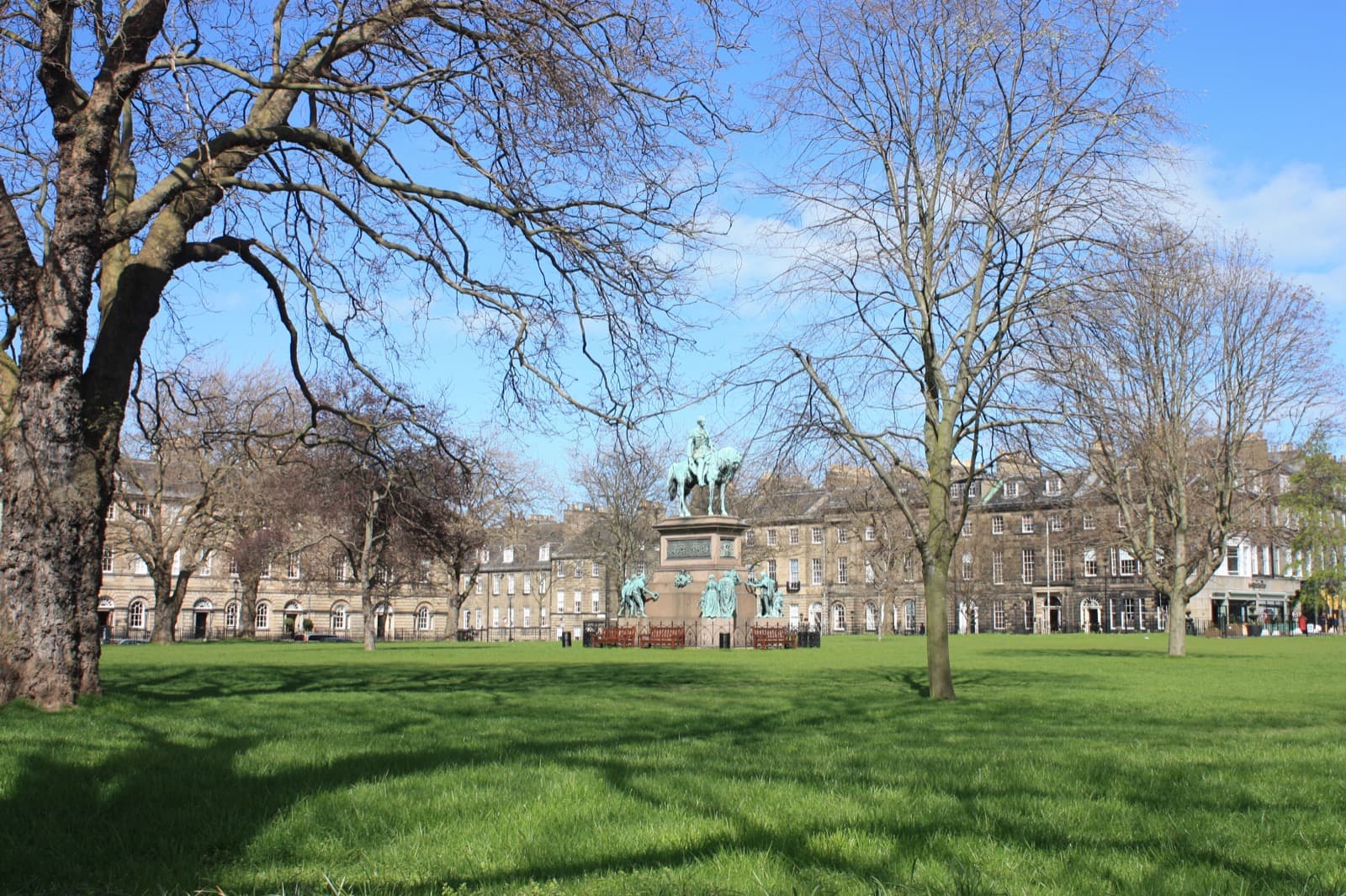
Charlotte Square: The Palace Front Where Edinburgh's Grid Resolves
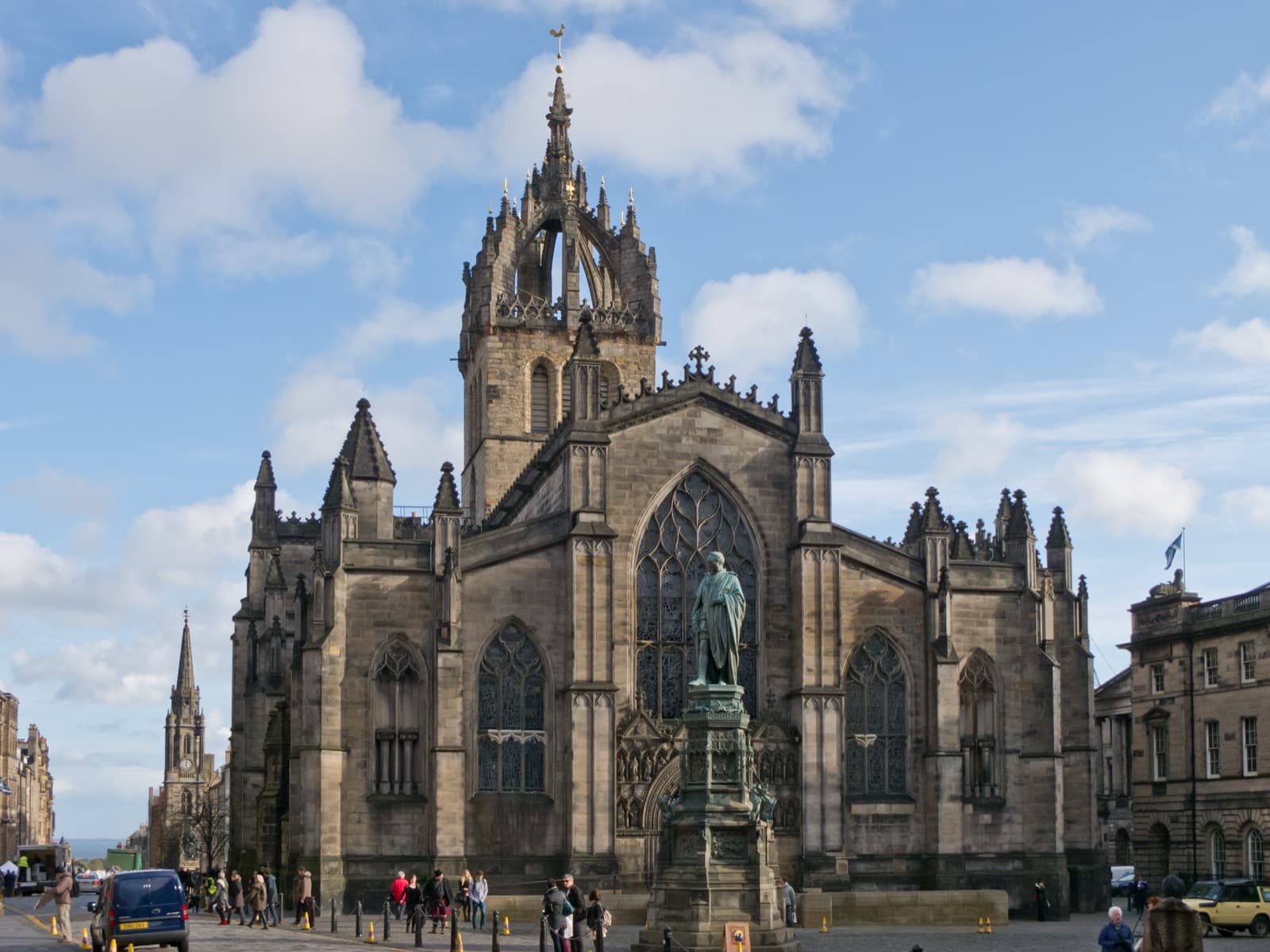
Saint Giles' Cathedral: Where the Royal Mile's Whole Story Turns
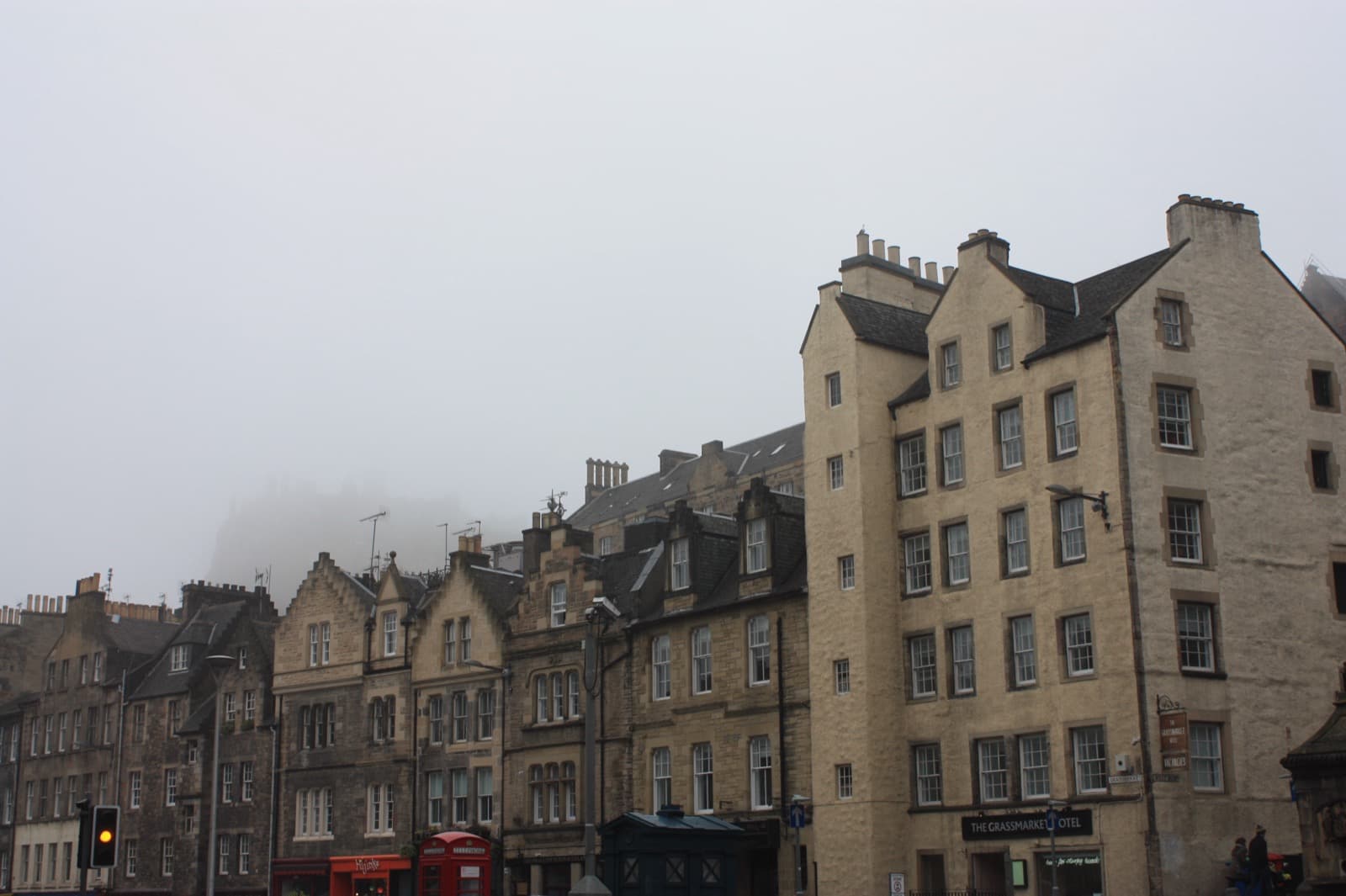
The Grassmarket: Edinburgh's Execution Square and the Old Town Underworld
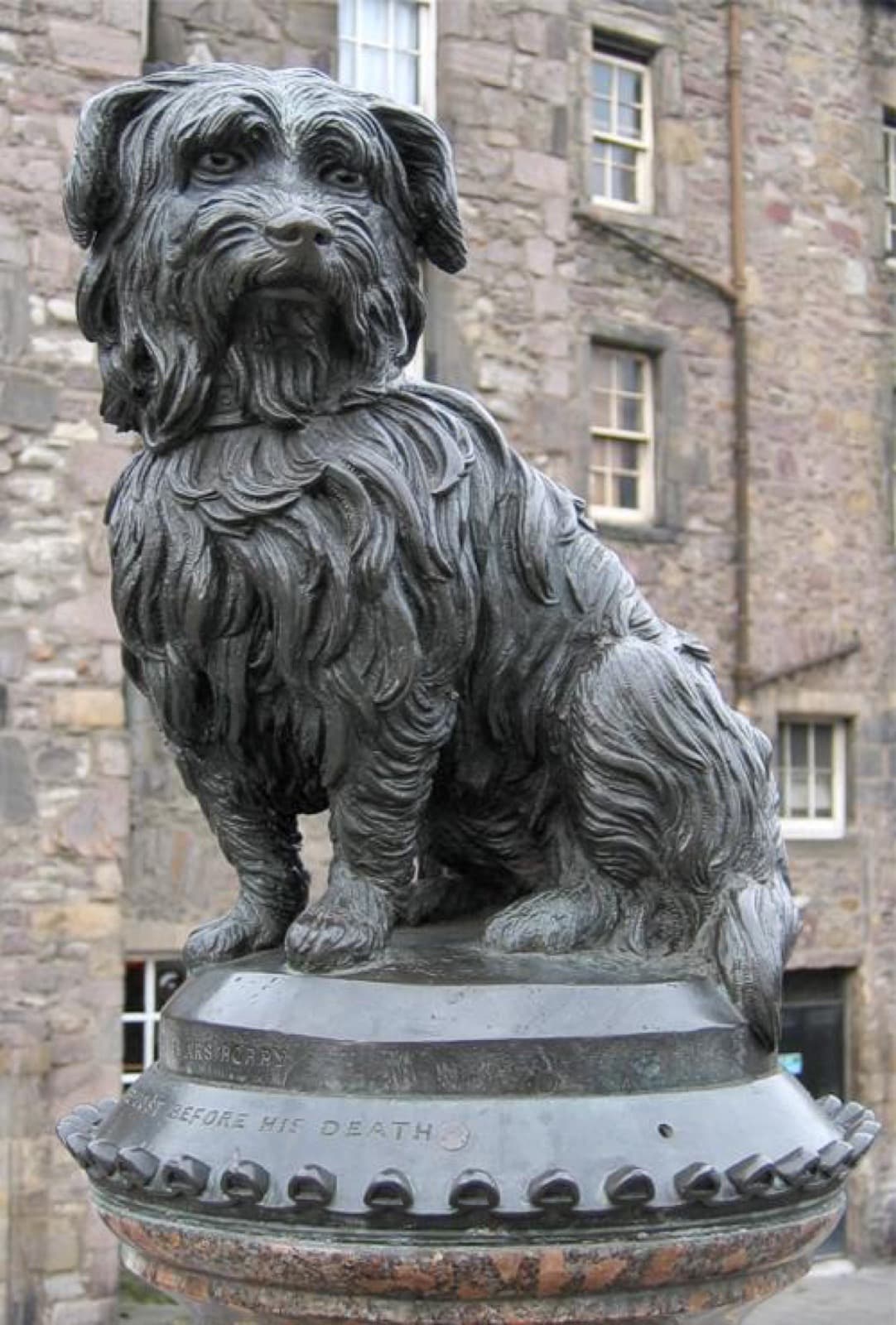
Greyfriars Bobby: The Legend, the Monument, and What the Record Actually Says
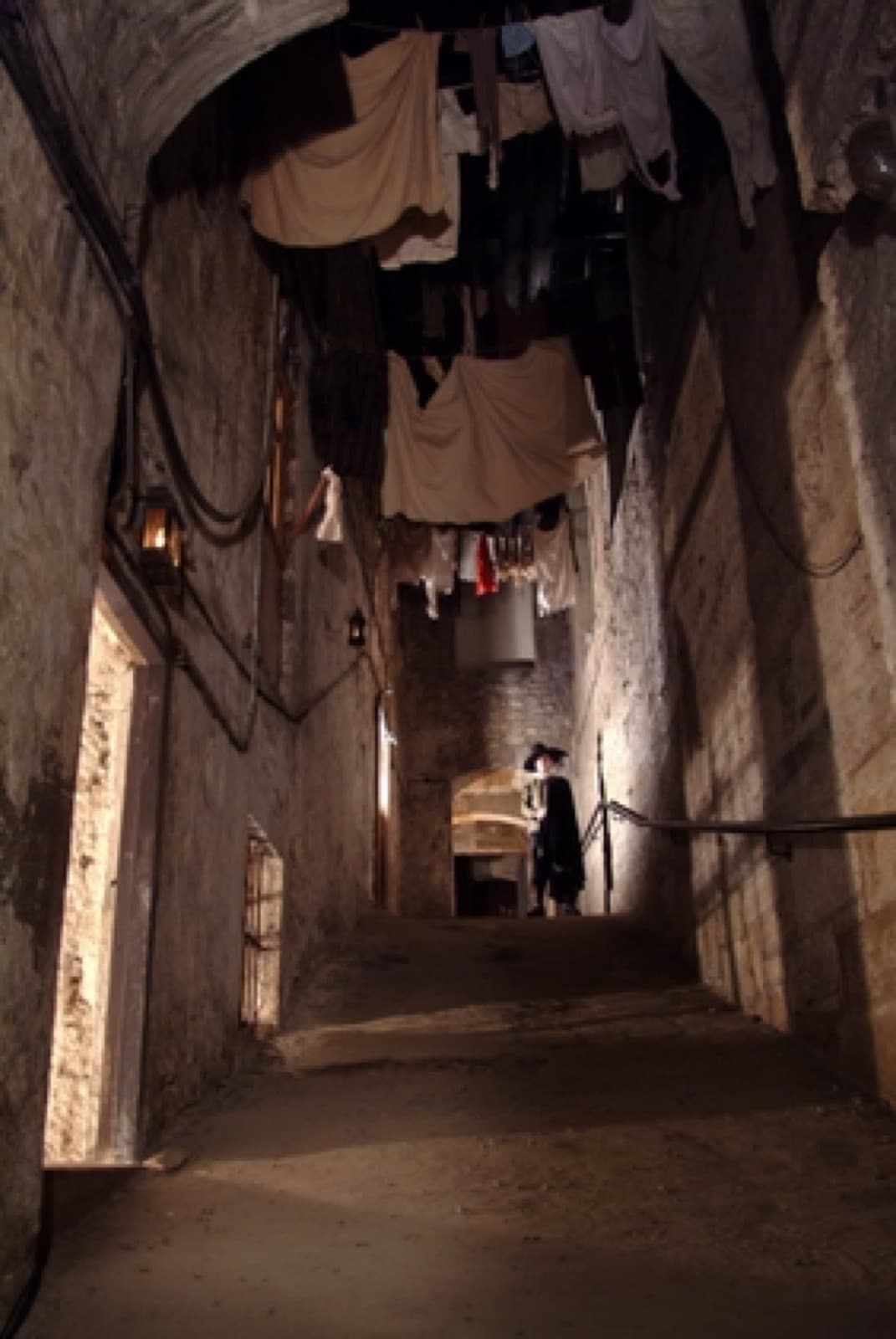
The Real Mary King's Close: The Edinburgh Street That Was Buried Alive