Old Town: The Royal Mile
100 min · 2 km · moderate
One good day in Edinburgh walks the city downhill along its two ridges: start at Edinburgh Castle on its dead volcano, follow the Royal Mile past Saint Giles' and the buried closes to the Palace of Holyroodhouse, then cross to the Georgian New Town in the afternoon. That single downhill spine, roughly a mile and about ninety minutes of easy walking before you stop to look, carries most of the Old Town's story, and the New Town grid sits a short walk north across the valley. This guide sets out an hour-by-hour plan, tells you what needs a ticket and what is free, and hands you off to the self-guided Edinburgh walking tours that narrate each stretch as you go.
Everything below is within walking distance. Edinburgh's core is compact, the tours are downhill, and you can see the headline sights in a day without a car or a booked group. Save the interiors you actually care about, because ticket time adds up fast.
The short version: your one-day route
Morning: Edinburgh Castle esplanade, then the Royal Mile down through the Lawnmarket, Saint Giles' Cathedral, and the closes. Midday: the lower Royal Mile through the Canongate to the Scottish Parliament and the Palace of Holyroodhouse. Afternoon: climb back up or catch a bus to the New Town for Calton Hill, Princes Street Gardens, and the Georgian squares. Evening: dinner in the Grassmarket or Old Town, with the option of an after-dark loop through the closes.
The whole Old Town descent is one continuous downhill mile, about two kilometres, so wear grippy shoes for the cobbles and setts. The route is a well-worn tourist spine and feels safe by day; keep valuables discreet in the crowds at the top of the Mile, and take care on wet, slick cobbles.
Morning (9:00 to 12:30): the castle and the upper Royal Mile
Hear a stop from this walk
Edinburgh Castle and the Esplanade: The Fortress on the Dead Volcano
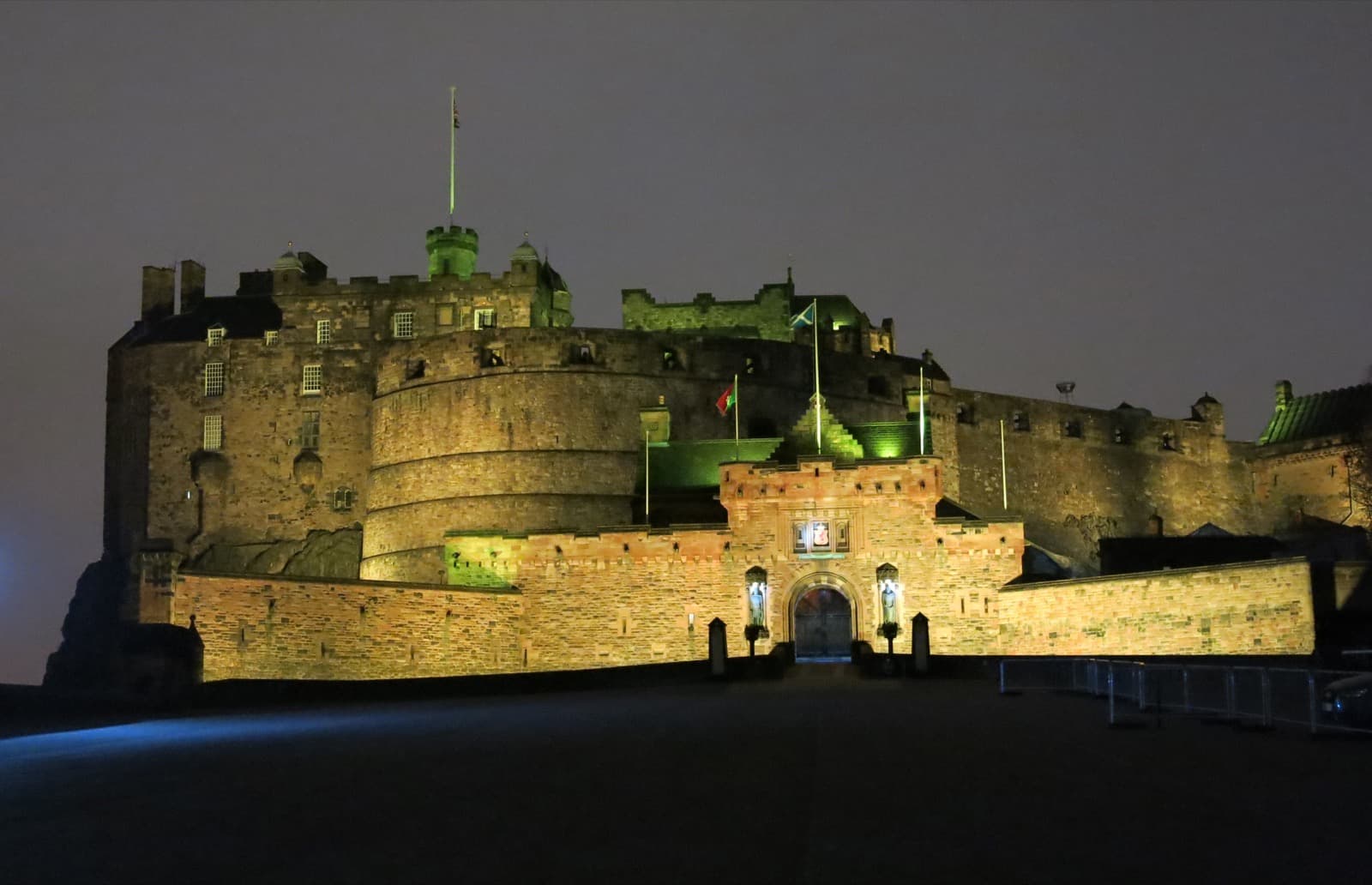
Start at Edinburgh Castle. The castle sits on Castle Rock, a volcanic plug, and Historic Environment Scotland records it as holding some of the oldest structures in the city, including Saint Margaret's Chapel from around eleven thirty, which it calls the oldest surviving building in Edinburgh. If you want to go inside to see the Honours of Scotland and the Stone of Destiny, book the timed adult ticket in advance (recently around twenty-three pounds online, more at the gate, per the official site); it opens daily from 9:30am. If a castle interior is not your priority, the sloping esplanade in front is free, and it is where the Military Tattoo unfolds each summer. The One O'Clock Gun still fires from the battery every day except Sundays, Good Friday, and Christmas, so time your start near one o'clock and you can hear it.
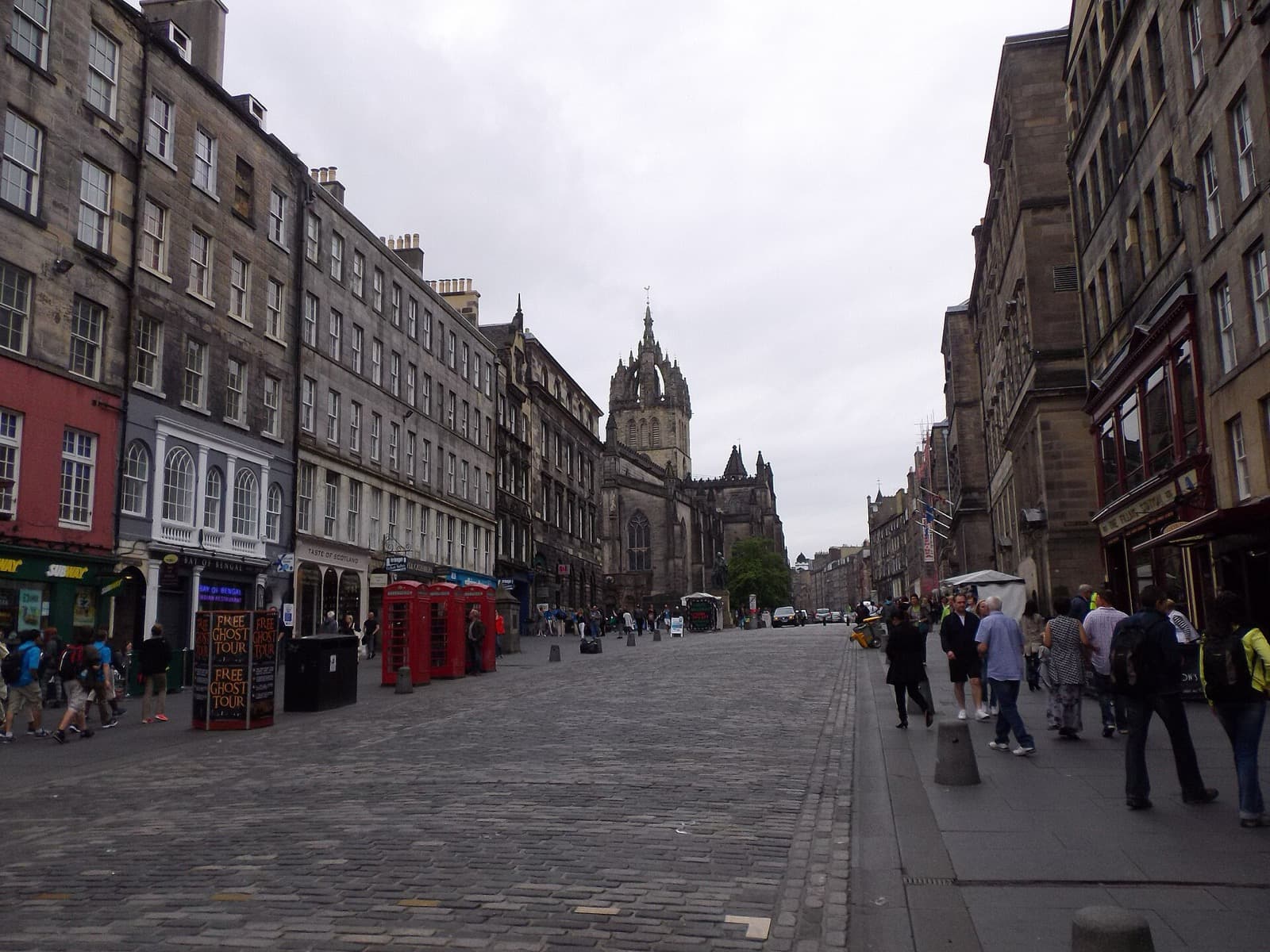
From the esplanade the street becomes the Lawnmarket, the upper cloth market of the High Street. This is where the plan really begins, and where the self-guided Old Town: The Royal Mile tour does its best work, reading the tall tenement lands and the narrow closes that drop off the ridge. Gladstone's Land, a seventeenth-century tenement cared for by the National Trust for Scotland, charges a modest entry for its painted ceilings; the street itself and the closes are free to wander.
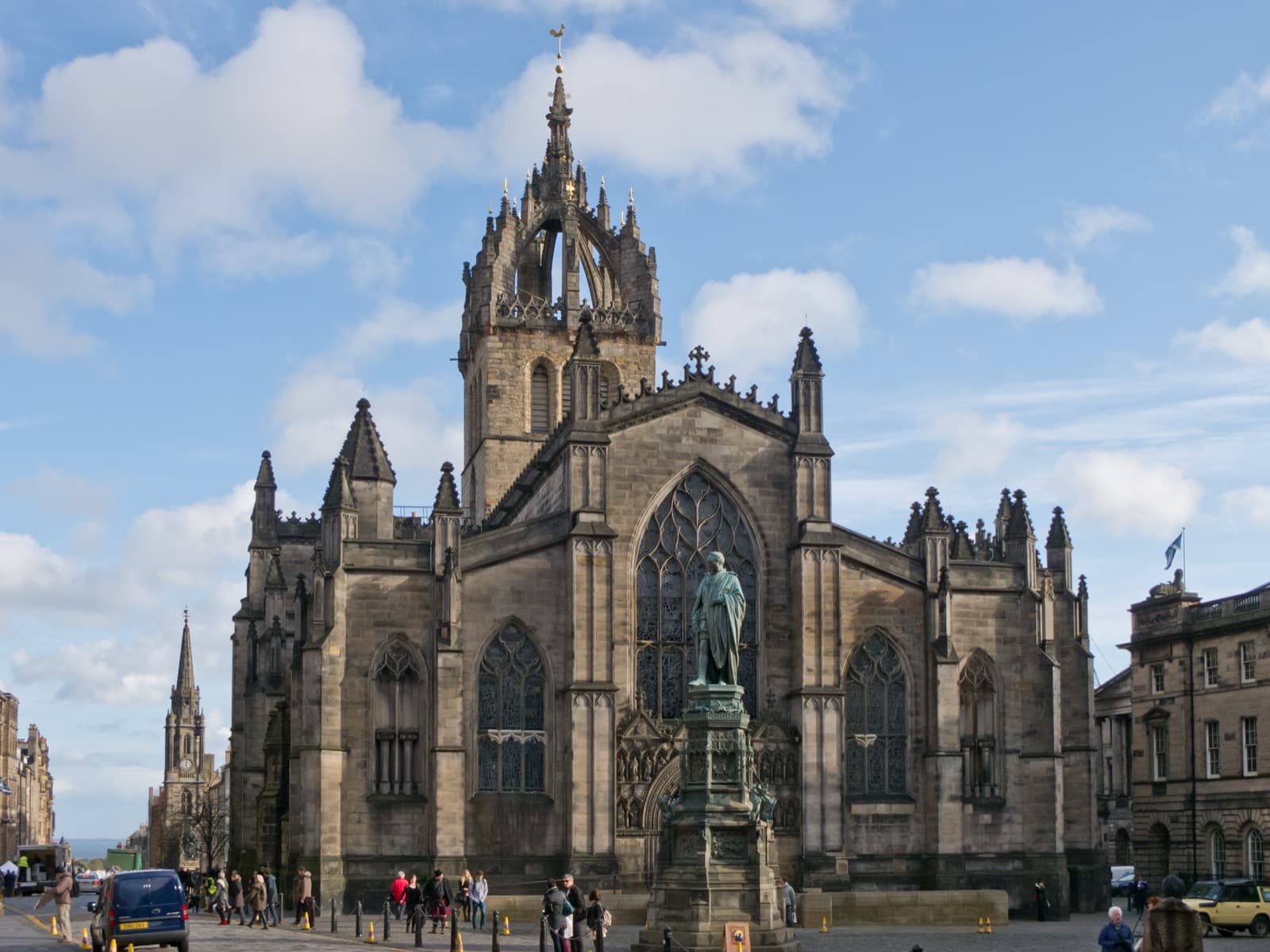
Walk on to Saint Giles' Cathedral, the crown-steepled High Kirk where John Knox preached the Reformation from fifteen fifty-nine. Entry is free with a suggested donation (a photo permit costs extra). Outside the west end, look down for the Heart of Midlothian mosaic in the cobbles, marking the vanished Old Tolbooth jail.
If you want one paid, ticketed experience in the morning, make it the Real Mary King's Close, the seventeenth-century streets sealed beneath the City Chambers when the Royal Exchange was built from seventeen fifty-three. It is a guided tour of about an hour, adult tickets recently around twenty-five to thirty pounds, and it books up; reserve a slot rather than turning up. Children under five are not admitted to the underground route.
Midday (12:30 to 3:00): down to Holyrood
Keep descending. The Mile becomes the Canongate, for more than seven hundred years a separate burgh outside Edinburgh's walls, only absorbed into the city in eighteen fifty-six. Step into the Canongate Kirkyard, which is free, to find the grave of the economist Adam Smith, author of The Wealth of Nations, buried here after his death in seventeen ninety.
At the foot of the ridge the story turns modern. The Scottish Parliament Building, where Scotland's Parliament reconvened in nineteen ninety-nine, is free to enter; its radical folded architecture, designed by the Catalan architect Enric Miralles and opened in two thousand four, faces the old royal palace straight across the road.
That palace is the Palace of Holyroodhouse, the monarch's official residence in Scotland and once the home of Mary Queen of Scots. It grew from the guesthouse of twelfth-century Holyrood Abbey, whose roofless ruin still stands beside it. Advance adult tickets run around twenty pounds online (a little more on the day), and it opens from 9:30am, but note two things: opening days are seasonal (often Thursday to Monday in the low season, daily from late spring), and the palace closes entirely during royal visits and certain state occasions. Check the Royal Collection Trust site for the exact dates of your day before you rely on it.
This is the natural lunch break. The lower Mile and the streets around the Canongate have cafes, or backtrack slightly for the Grassmarket, which sits directly under the castle and has plenty of places to eat.
Afternoon (3:00 to 6:00): the New Town and the views
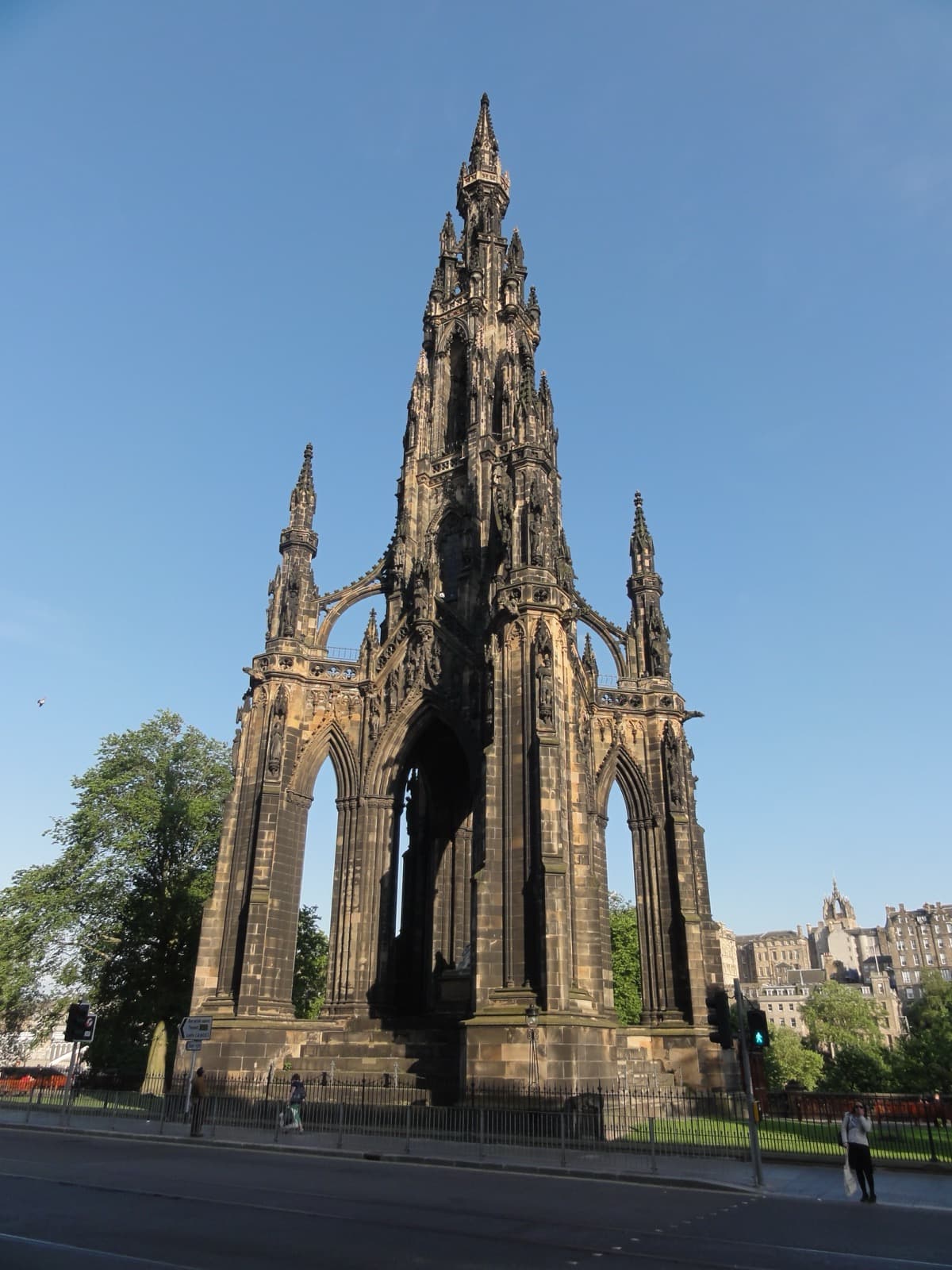
For the second half of the day, cross the valley to the New Town, Edinburgh's rational Georgian grid built when the medieval Old Town choked on its own crowding. The self-guided New Town: The Enlightenment Grid tour runs about two hours over three kilometres through Calton Hill, the Scott Monument, the National Galleries on the Mound, and the Georgian squares of St Andrew Square and Charlotte Square.
If your legs are tired after the downhill mile, do not walk all the way back up. Buses run frequently along the lower town, and the whole city core is small enough that a short hop resets you. Calton Hill is the single best free viewpoint for the late-afternoon light: it looks back over the whole Old Town ridge, the castle, and the Firth of Forth. Princes Street Gardens, laid out in the drained valley between the two towns, is a free green space to rest before dinner.
Evening: closes after dark, or the Grassmarket
End where the crowds thin. The Grassmarket, an old execution square under the castle rock, is the natural place for dinner, with the Old Town's closes and the atmospheric Grassmarket and the Closes route running behind and beneath the Royal Mile. Edinburgh's Old Town is one of the most guided streets in Britain, thick with costumed ghost groups after dark; you can take the same sunless canyon of the Cowgate and the Covenanters' story at your own pace instead, on your own quiet map, with no group at your shoulder.
The Old Town feels safe in the evening because it stays busy, but the closes are steep with worn, uneven steps, so keep to lit routes and take the cobbles slowly in the wet.
If you only have half a day
Walk the Royal Mile top to bottom and skip the paid interiors. The castle esplanade, Saint Giles', the closes, the Canongate Kirkyard, and the Scottish Parliament are all free, and together they carry the spine of the whole story. Add one ticket only if a specific place matters to you: the castle for the crown jewels, Mary King's Close for the buried streets, or Holyroodhouse for Mary Queen of Scots.
Getting there and around
From Edinburgh Airport, the Airlink 100 express bus runs to Waverley Bridge, in the centre and steps from the Royal Mile, in about thirty minutes for roughly six pounds, every few minutes and around the clock. The Edinburgh Tram also runs into town in about thirty minutes for a slightly lower fare, but it does not stop at Waverley Station; the nearest tram stop, at St Andrew Square, is about a ten-minute walk from the station. Once you are in the centre, you will barely need transport: the entire one-day route above is walkable, and the only real climbs are optional (Calton Hill and the return up the Mile).
Sources
- Historic Environment Scotland, Edinburgh Castle history and stories: https://www.historicenvironment.scot/visit/all/edinburgh-castle/history-and-stories/
- Edinburgh Castle official tickets and planning: https://www.edinburghcastle.scot/plan-your-visit/tickets/
- Royal Collection Trust, Palace of Holyroodhouse visitor information: https://www.rct.uk/visit/palace-of-holyroodhouse
- The Real Mary King's Close, opening times and prices: https://www.realmarykingsclose.com/plan-your-visit/opening-times/
- Lothian Buses Airlink 100 airport service: https://www.lothianbuses.com/our-services/airport-buses/
Frequently asked questions
- Can you see Edinburgh in one day?
- Yes. Edinburgh's core is compact and the main route runs downhill along the Royal Mile from Edinburgh Castle to the Palace of Holyroodhouse, about a mile of easy walking. In a single day you can walk the Old Town spine in the morning and cross to the Georgian New Town in the afternoon, seeing the headline sights on foot. Save time by picking only one or two paid interiors, since ticket queues and timed entries add up.
- How long does it take to walk the Royal Mile?
- The Royal Mile is roughly one mile, about two kilometres, and takes around ninety minutes to two hours at an easy pace before you stop to look. It runs almost entirely downhill from the castle to Holyrood, on cobbles and setts, so grippy shoes help. Ducking into the closes and lingering at Saint Giles' or the kirkyards will add time, and doing the walk in reverse is a steady uphill climb.
- Do you need to pay to walk the Royal Mile?
- No. Walking the Royal Mile itself is free, along with the castle esplanade, Saint Giles' Cathedral (free entry with a suggested donation), the Canongate Kirkyard, and the Scottish Parliament building. You only pay for interiors such as Edinburgh Castle, the Real Mary King's Close, and the Palace of Holyroodhouse. You can experience the whole spine at no cost and choose which tickets are worth it.
- What is the best order to visit Edinburgh Castle and Holyrood?
- Start at Edinburgh Castle at the top of the ridge and finish at the Palace of Holyroodhouse at the bottom, so the whole Royal Mile is downhill. Edinburgh Castle opens daily from 9:30am, so an early castle visit lets you descend the Mile as the crowds build. Book both interiors in advance, and check the Royal Collection Trust site because Holyroodhouse closes during royal visits.
- How do I get from Edinburgh Airport to the city centre?
- The Airlink 100 express bus runs to Waverley Bridge in the centre, steps from the Royal Mile, in about thirty minutes for roughly six pounds, running frequently around the clock. The Edinburgh Tram also reaches the centre in about thirty minutes but does not stop at Waverley Station; its nearest stop is about a ten-minute walk away. Once in the centre, the one-day walking route needs no further transport.
- Is Edinburgh Old Town safe to walk at night?
- The Old Town and Royal Mile stay busy in the evening and feel safe to walk, with plenty of people and lit streets. The main hazards are practical rather than criminal: the closes are steep with worn, uneven steps that turn slick in the wet, so keep to lit routes and take the cobbles slowly. As in any busy tourist area, keep valuables discreet in evening crowds.
Ready to experience it?
Old Town: The Royal Mile
100 min · 2 km · moderate
More from Edinburgh
Explore more at your own pace.
Two Cities on Two Ridges: How to Read Edinburgh's Old and New Towns
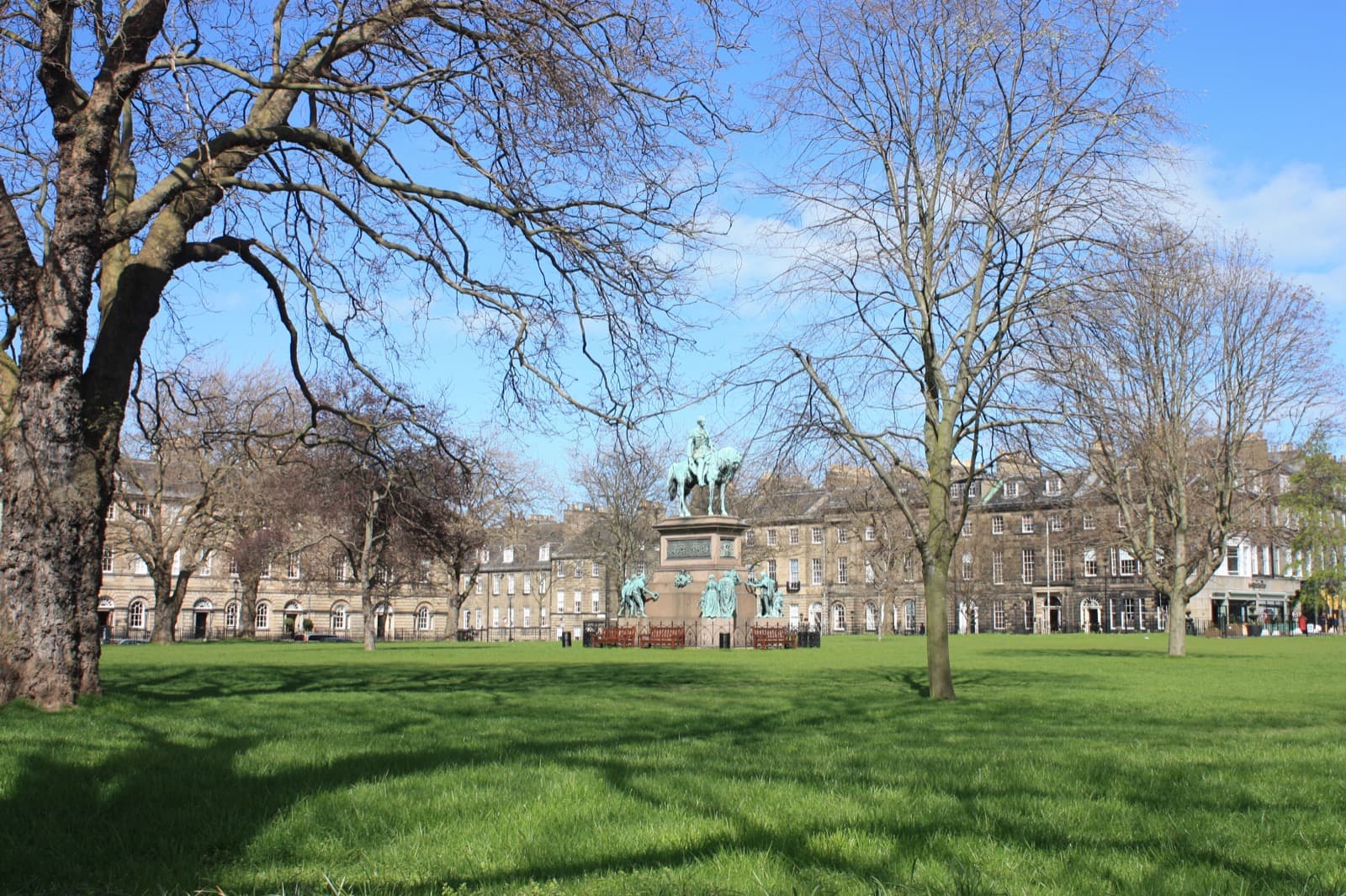
Charlotte Square: The Palace Front Where Edinburgh's Grid Resolves
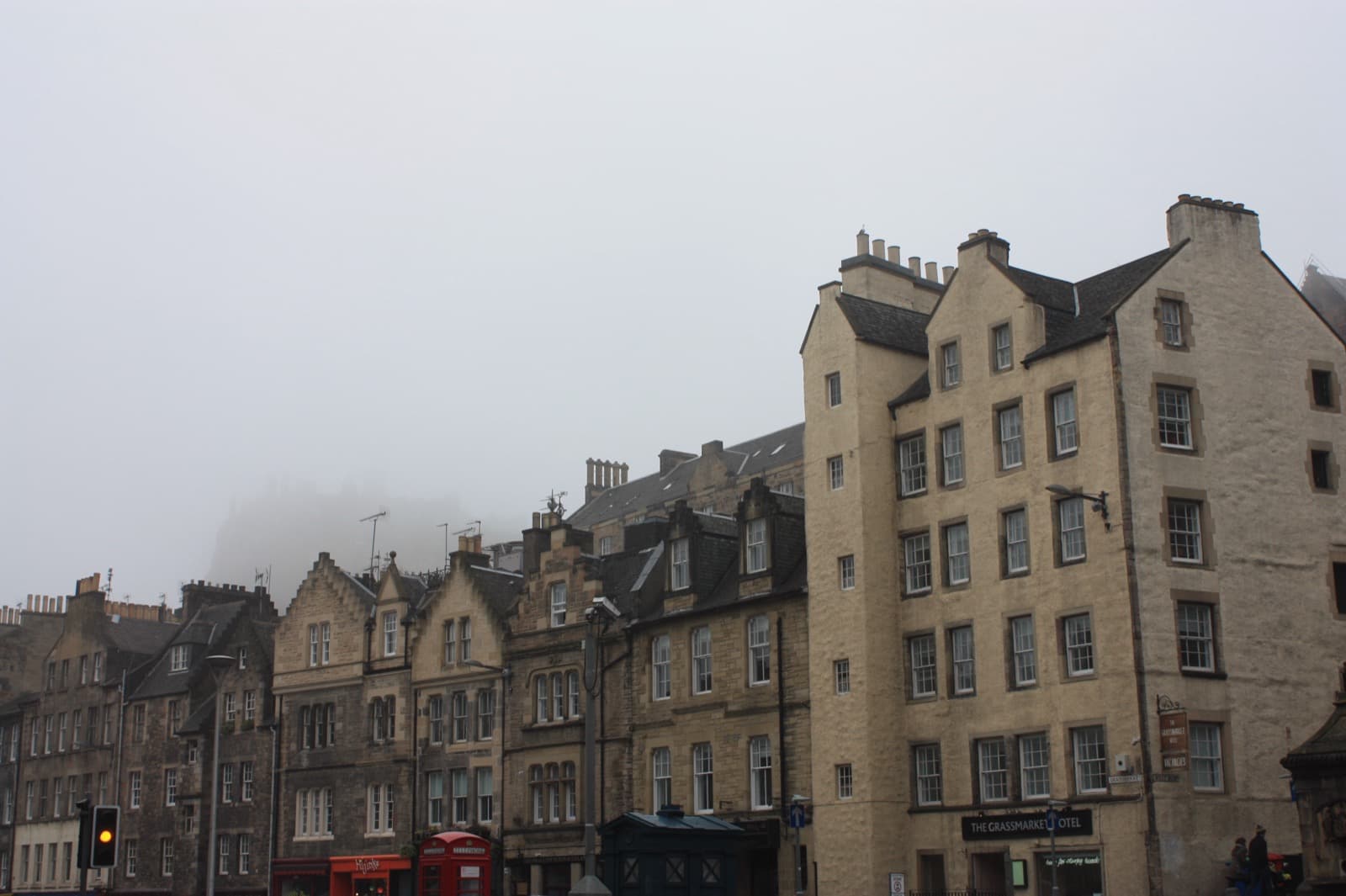
The Grassmarket: Edinburgh's Execution Square and the Old Town Underworld
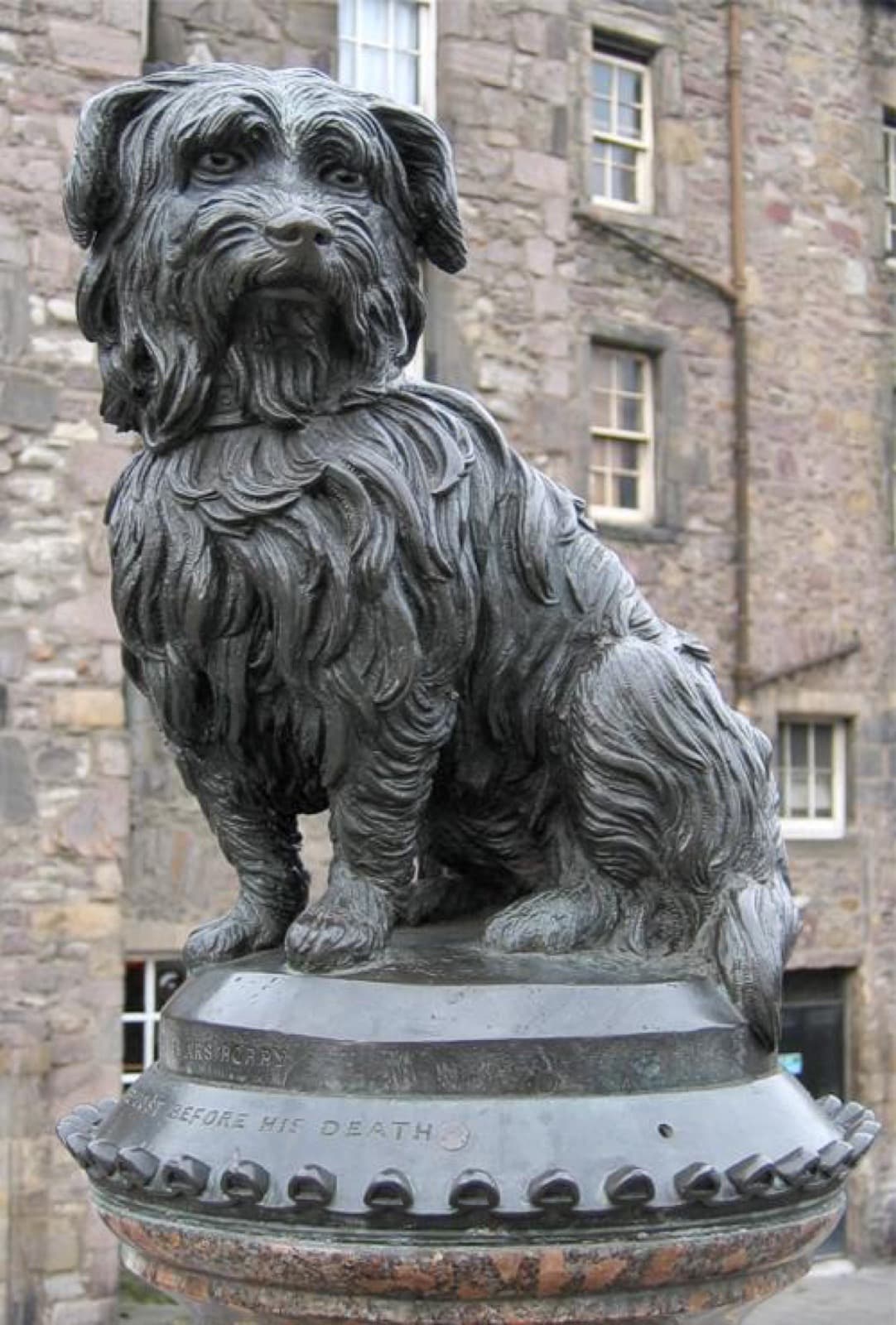
Greyfriars Bobby: The Legend, the Monument, and What the Record Actually Says
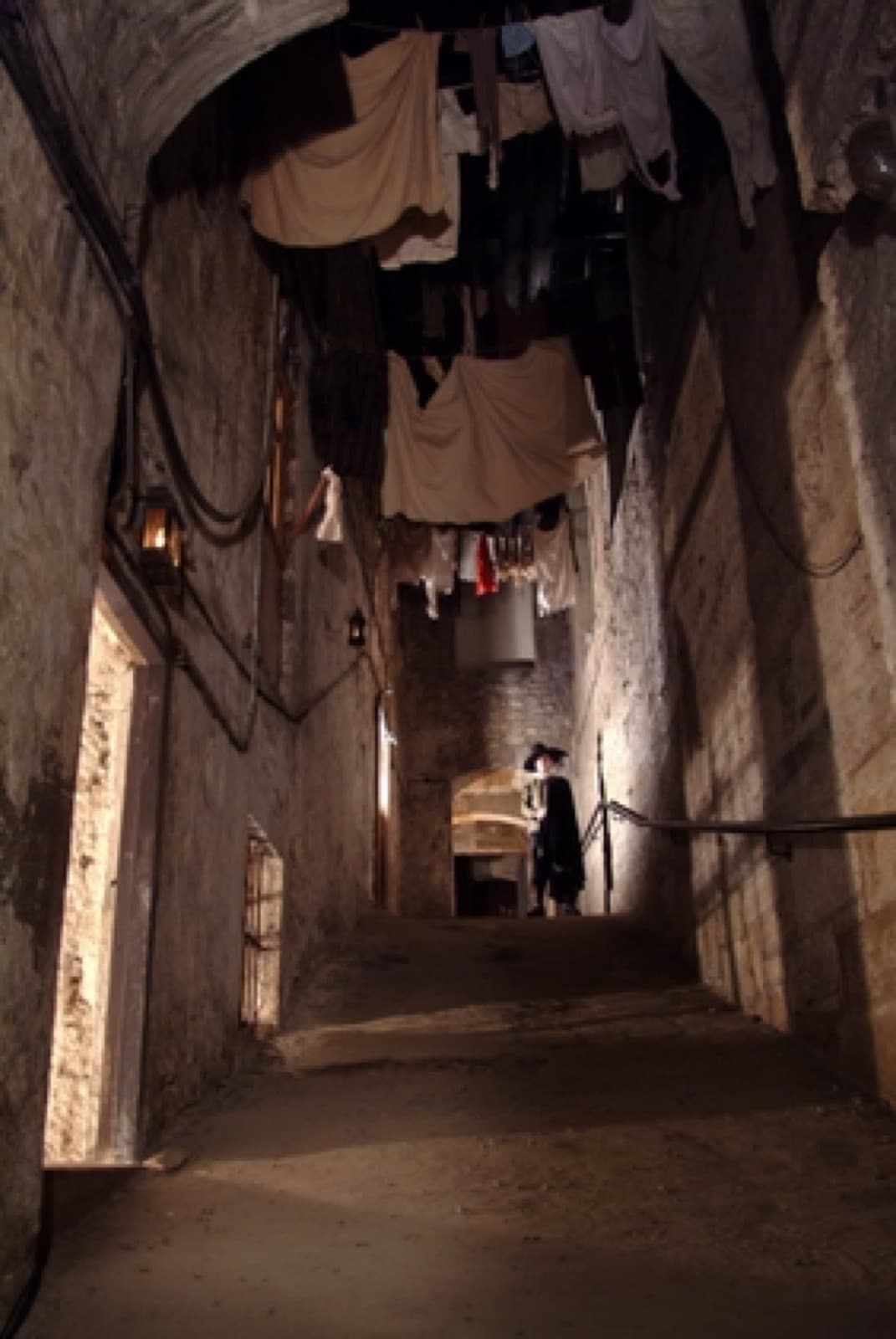
The Real Mary King's Close: The Edinburgh Street That Was Buried Alive