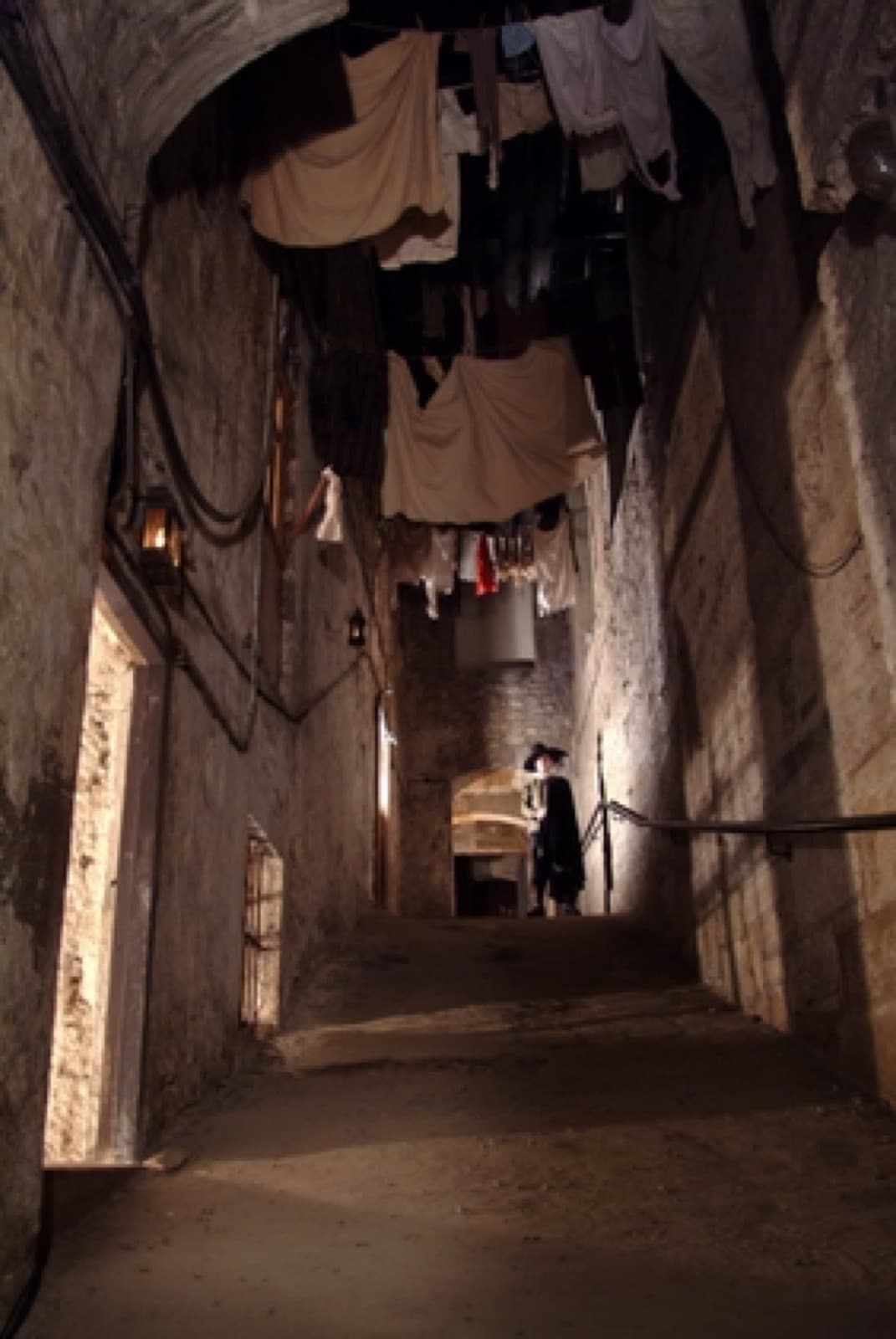
The Real Mary King's Close is a buried seventeenth-century street in Edinburgh, preserved not because anyone set out to save it but because a new building was dropped on top of it and sealed its lower storeys over. Whole houses and a whole alley survive down there, beneath what is now the City Chambers on the Royal Mile, and the one thing to understand standing at its entrance is that you are looking at a rare surviving fragment of the vertical Old Town, not at the haunted stage set its ghost lore has made of it. The buried street is a document. The ghosts are a story. Keep the two apart and the close tells you something true about how Edinburgh lived.
What a close is, and why this one went dark
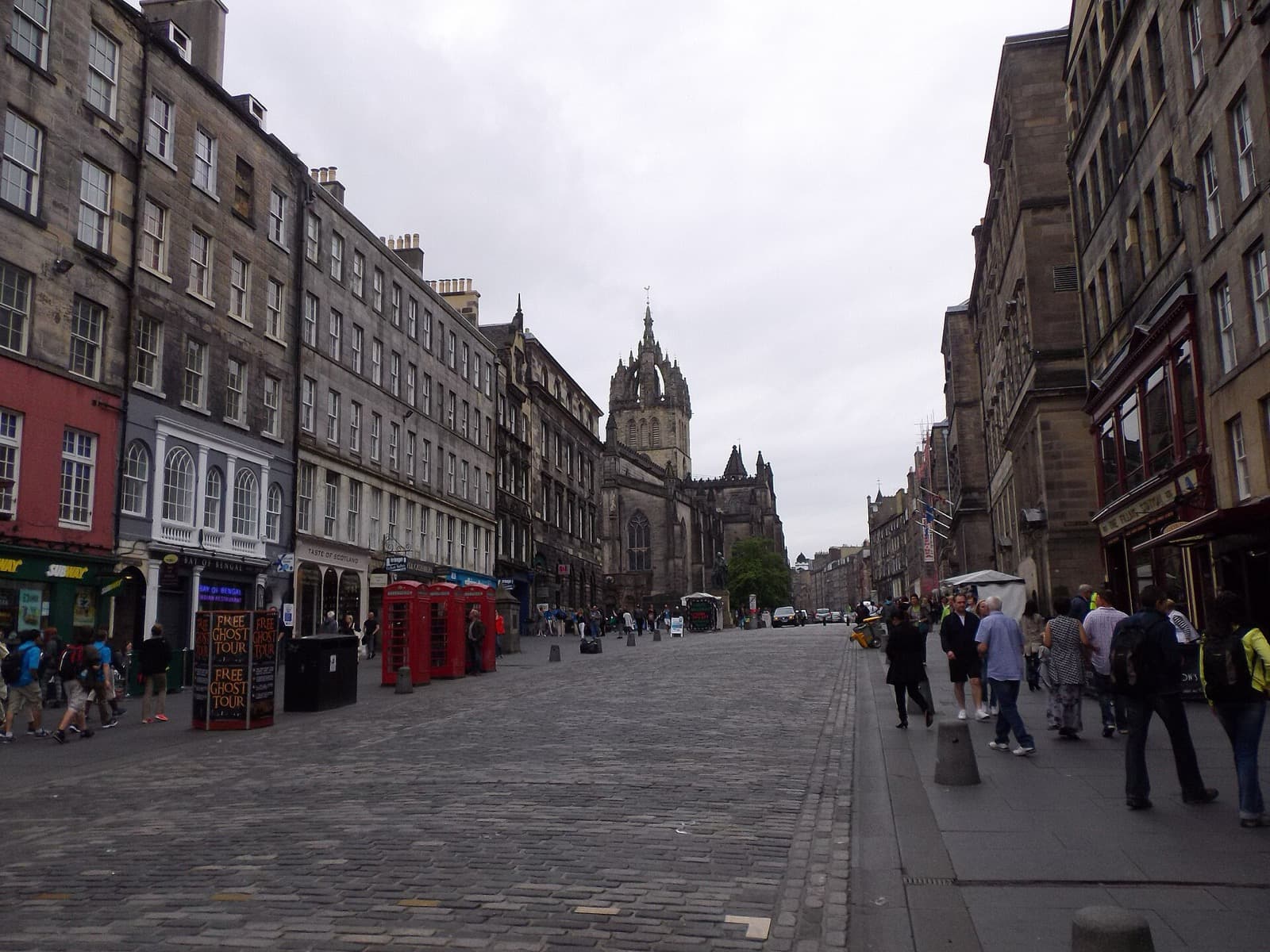
Edinburgh's Old Town was penned onto a narrow tail of volcanic rock, with the ground falling away on either side of the ridge that carries the Royal Mile. A town that cannot spread outward has only one direction left, so Edinburgh climbed. Its tenement blocks, called lands, stacked homes on top of homes, and between them ran the closes, narrow alleys that ducked off the High Street and dropped steeply toward the valleys below. A close was a street, a working artery of the crowded ridge, lined with dwellings and shops and the daily traffic of one of the most densely packed towns in early modern Europe.
Mary King's Close was one of these. It took its name from Mary King, a seventeenth-century merchant burgess who lived and traded on it. That detail is worth pausing on, because it quietly corrects a common assumption. The close is not named for a doomed maiden or a plague victim out of legend. It is named for a businesswoman, a burgess with her own standing in the town, and the naming of a public alley after her tells you she was a person of substance on that street.
Sealed, not demolished
Hear a stop from this walk
Edinburgh Castle and the Esplanade: The Fortress on the Dead Volcano
The close went underground for an ordinary municipal reason. From 1753 the burgh built the Royal Exchange, the grand civic building that today serves as the Edinburgh City Chambers, over the top of it. The upper storeys of the close were demolished to make room, but the lower storeys were not cleared away. They were sealed over, left standing beneath the new construction at street level. The people simply built on top of the old lane and closed it in.
That is the accident that makes the site extraordinary. Demolition erases; sealing preserves. Because nobody troubled to dig out the lower close, whole streets and houses were trapped intact beneath the Exchange, frozen at the moment they were covered. What survives today, opened to visitors as the Real Mary King's Close, is not a reconstruction or a themed tunnel. It is the genuine buried fabric of the seventeenth-century Old Town, held in place by the weight of the building above it. You descend from the modern street into rooms and a lane that were once open to the Edinburgh sky, now permanently under a roof of later masonry.
For anyone reading the Old Town along the Royal Mile, this is the clearest possible lesson in how the city is layered. Everywhere else on the ridge you infer the vertical, subterranean structure from the dark mouths of the closes still open to daylight. Here you can actually walk into the buried version and see the layering made literal: an old street with a new city stacked directly on top of it.
The ghosts, and where to file them
No account of Mary King's Close can avoid its reputation for hauntings, and it would be dishonest to pretend the legends are not part of the place. But they belong in a different drawer from the history. Tales of hauntings have clung to the close since at least the seventeenth century, which means the stories are themselves old, part of the folklore of the ridge rather than a modern marketing invention. That antiquity is interesting on its own terms. It does not make the ghosts real.
A rational explanation often offered points to the Nor Loch, the polluted body of water that once lay below the Old Town where Princes Street Gardens are now. Biogas seeping from that fouled loch is said to have produced eerie lights, and by some accounts even hallucinations, exactly the kind of thing a frightened resident in a dark, sealed lane might read as a spirit. Whether or not that particular mechanism is the full answer, the shape of it is the right one: unexplained phenomena in a grim, buried place, given a supernatural name by people who had no other vocabulary for them. Enjoy the stories, and then hold them clearly apart from the documented past. The buried street would be remarkable if not a single ghost had ever been reported in it.
What to notice, and what stands nearby
Standing at the close, the thing to carry with you is the sheer ordinariness of what was preserved. This was not a monument. It was a working alley, named for a working merchant, that happened to be roofed over instead of knocked down. That is why it matters: it caught the everyday texture of the Old Town at street level and kept it, which almost nothing else on the Royal Mile managed to do.
Keep walking down the High Street from here and the layers keep announcing themselves. John Knox House, a fine building dating from the fifteenth or sixteenth century and built from 1470, with a wooden gallery and a hand-painted ceiling, is reputed though not certainly known to have been a home of the reformer. It is a reminder that the surviving old fabric on this street sits cheek by jowl with legend at every turn, and that reading the Old Town well means always asking which is which.
The Real Mary King's Close is stop four on the Old Town: The Royal Mile self-guided audio tour, which follows the whole medieval spine of Edinburgh downhill from the castle on its dead volcano to the palace and roofless abbey at its foot. The buried street is the turn of that walk, the moment the ridge shows you that a whole city can be swallowed and paved over and still be there. To take the full mile at your own pace, browse Edinburgh walking tours or start from the Edinburgh city page, then walk the closes yourself and go quietly into the one that never made it back to daylight.
Sources
- The Real Mary King's Close, official visitor site. Background on the preserved close and its opening to the public.
- Mary King's Close, Wikipedia. Naming after the merchant burgess Mary King, the sealing of the lower close under the Royal Exchange from 1753, and the long-standing ghost lore.
- Edinburgh City Chambers / Royal Exchange, Wikipedia. The civic building constructed over the close from 1753, now the City Chambers, with the truncated closes sealed off beneath it.
- John Knox House, Wikipedia. Dating of the surviving High Street building and its disputed association with John Knox.
Ready to experience it?
Old Town: The Royal Mile
100 min · 2 km · moderate
More from Edinburgh
Explore more at your own pace.
Two Cities on Two Ridges: How to Read Edinburgh's Old and New Towns
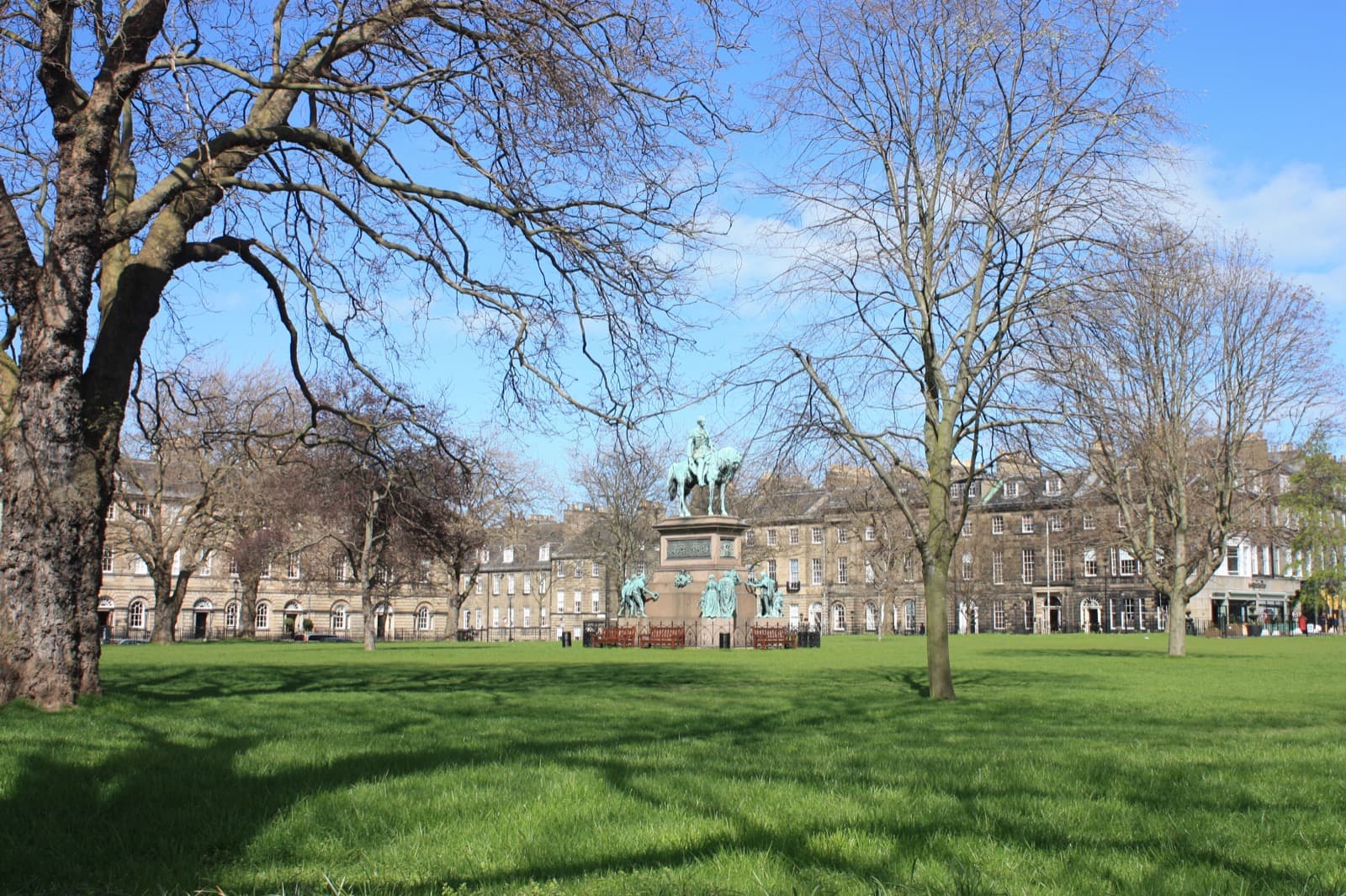
Charlotte Square: The Palace Front Where Edinburgh's Grid Resolves
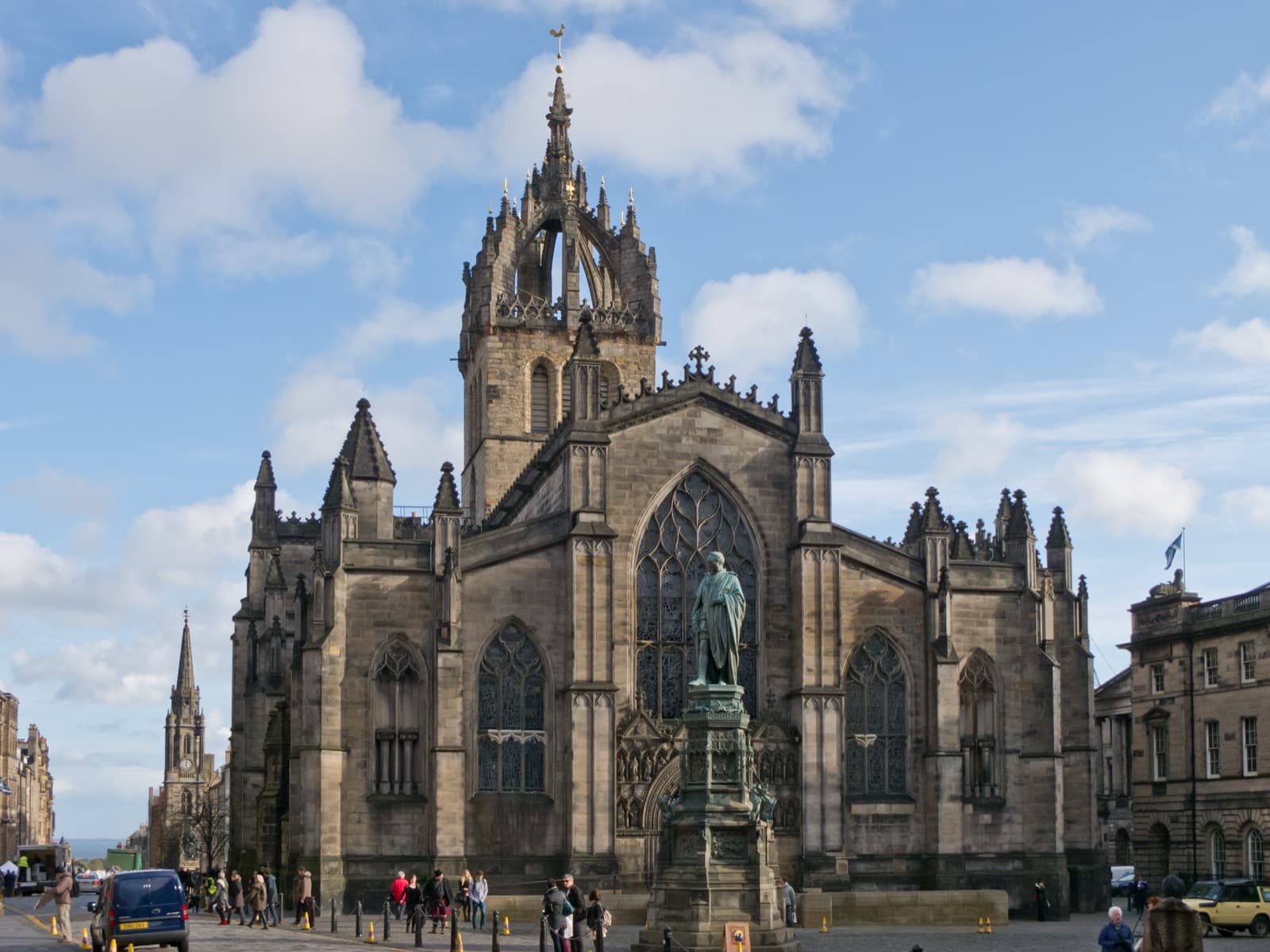
Saint Giles' Cathedral: Where the Royal Mile's Whole Story Turns
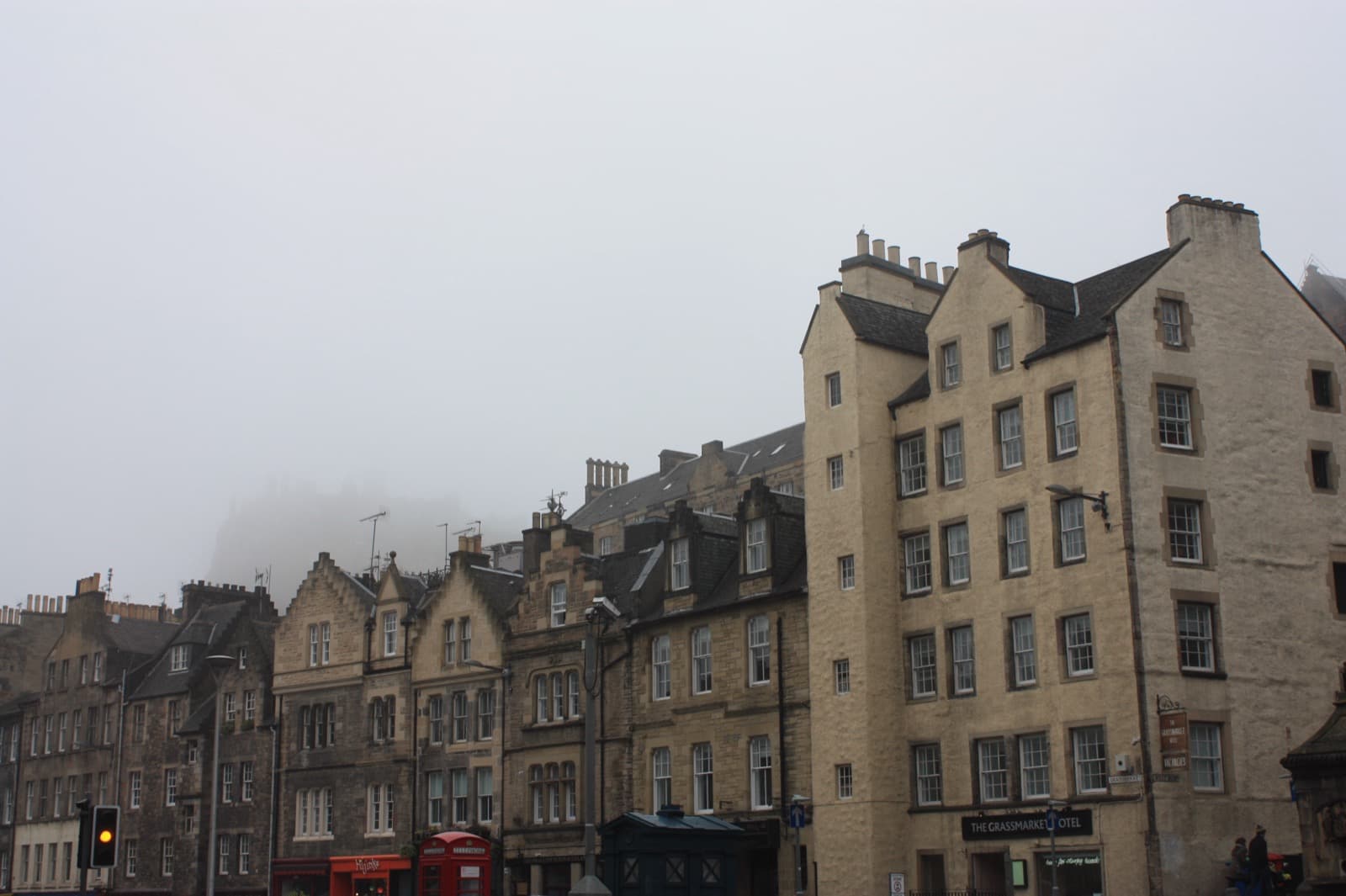
The Grassmarket: Edinburgh's Execution Square and the Old Town Underworld
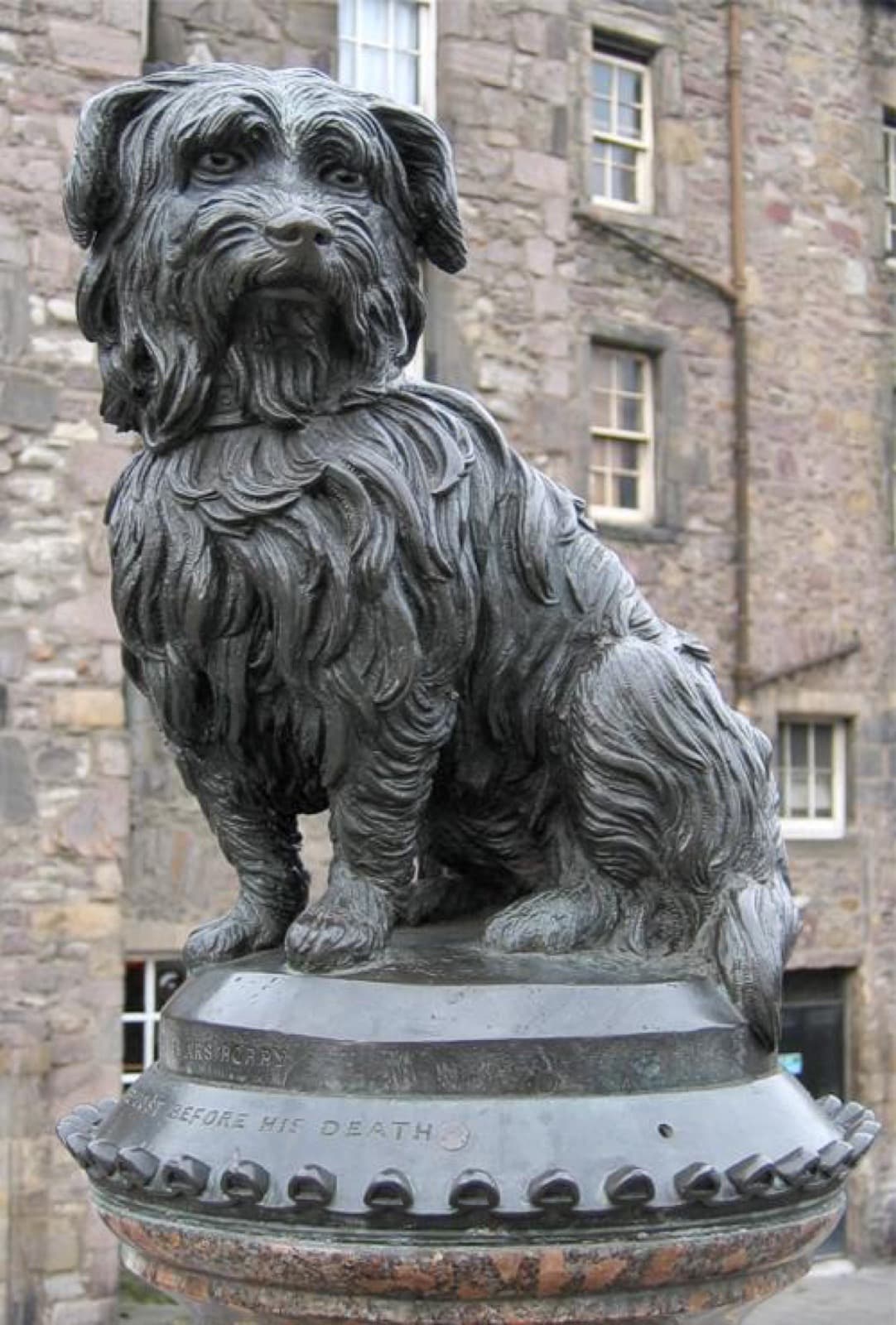
Greyfriars Bobby: The Legend, the Monument, and What the Record Actually Says