Medieval Dublin: The City Behind the Georgian Mask
90 min · 2.2 km · moderate
Dublin is a city best read in layers, because the elegant Georgian capital of red-brick terraces and fanlit doors is a mask laid over something far older. Underneath the polished eighteenth-century streets lies a Viking harbour town, a Norman city rebuilt in stone, two medieval cathedrals, and the burned-out ground where a modern state was proclaimed. The city began as Dubh Linn, the black pool, a Norse trading town on the River Liffey, and its English name still carries that dark water. The Normans seized it in the eleven seventies and governed Ireland from a castle here for seven centuries. Then, in the seventeen hundreds, Dublin remade itself in Georgian order. And on its grandest boulevard, the General Post Office still carries the bullet marks of the Easter Rising of nineteen sixteen. Read those four Dublins in turn, at your own unhurried pace, and the whole city becomes legible.
The mask and the town beneath it
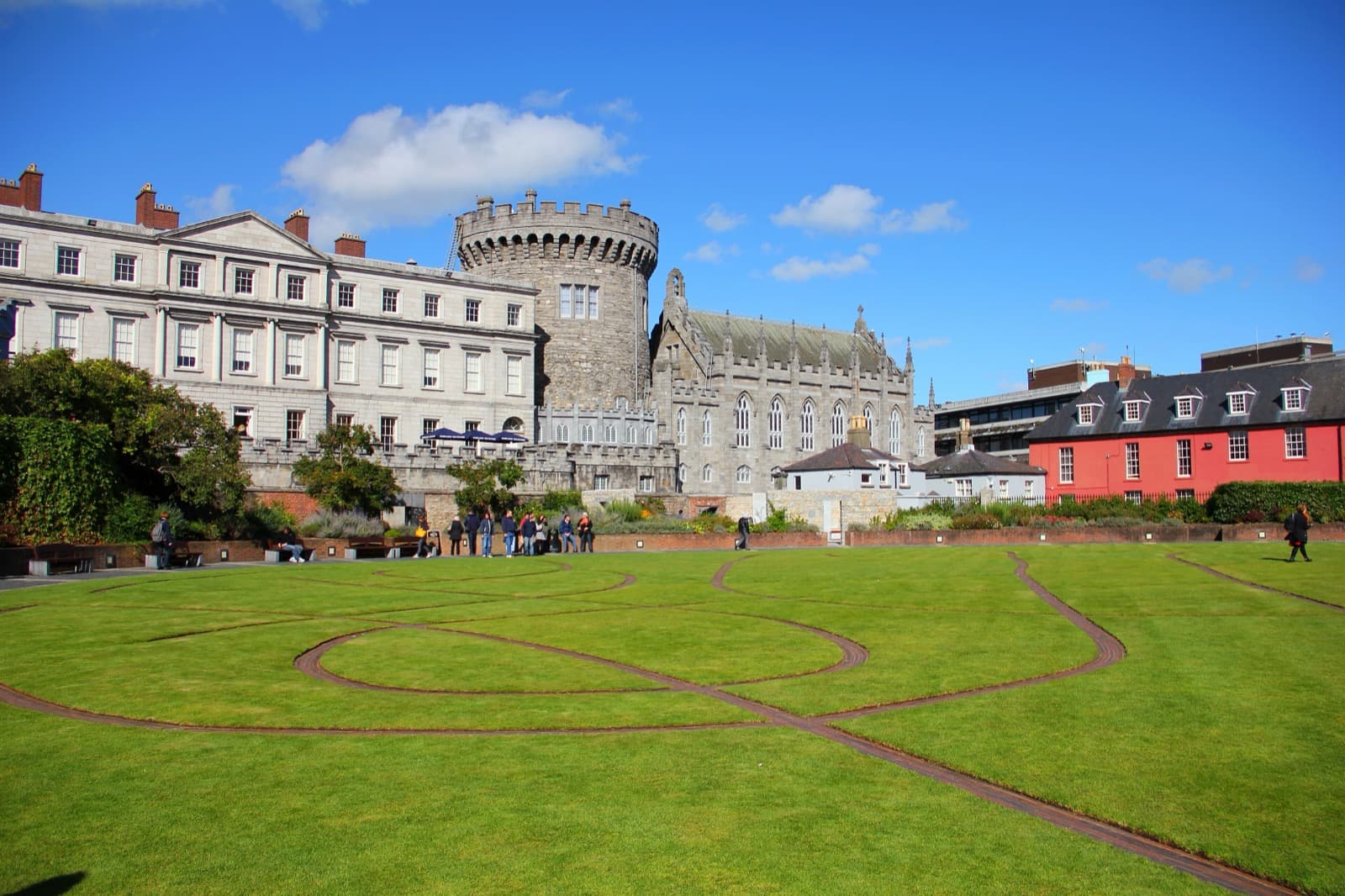
Start with the ground that named the city. Dublin Castle was raised as a major defensive work by Meiler Fitzhenry, on the orders of King John of England, in twelve oh four, and from it English and later British administrators governed Ireland until January nineteen twenty-two, when the castle was handed over to Michael Collins and the Provisional Government. That is close to seven hundred years of rule from one walled square. The buildings look Georgian, but the Record Tower, a squat medieval keep from about twelve twenty-eight with walls nearly five metres thick, is the only surviving medieval element of the whole castle. Behind the ranges, the castle garden sits over the Dubh Linn itself, the black pool of the little River Poddle, drained and roofed over with grass. The Medieval Dublin: The City Behind the Georgian Mask tour follows that pattern from stop to stop: the visible city is polished, and the real story is the older town it was built upon.
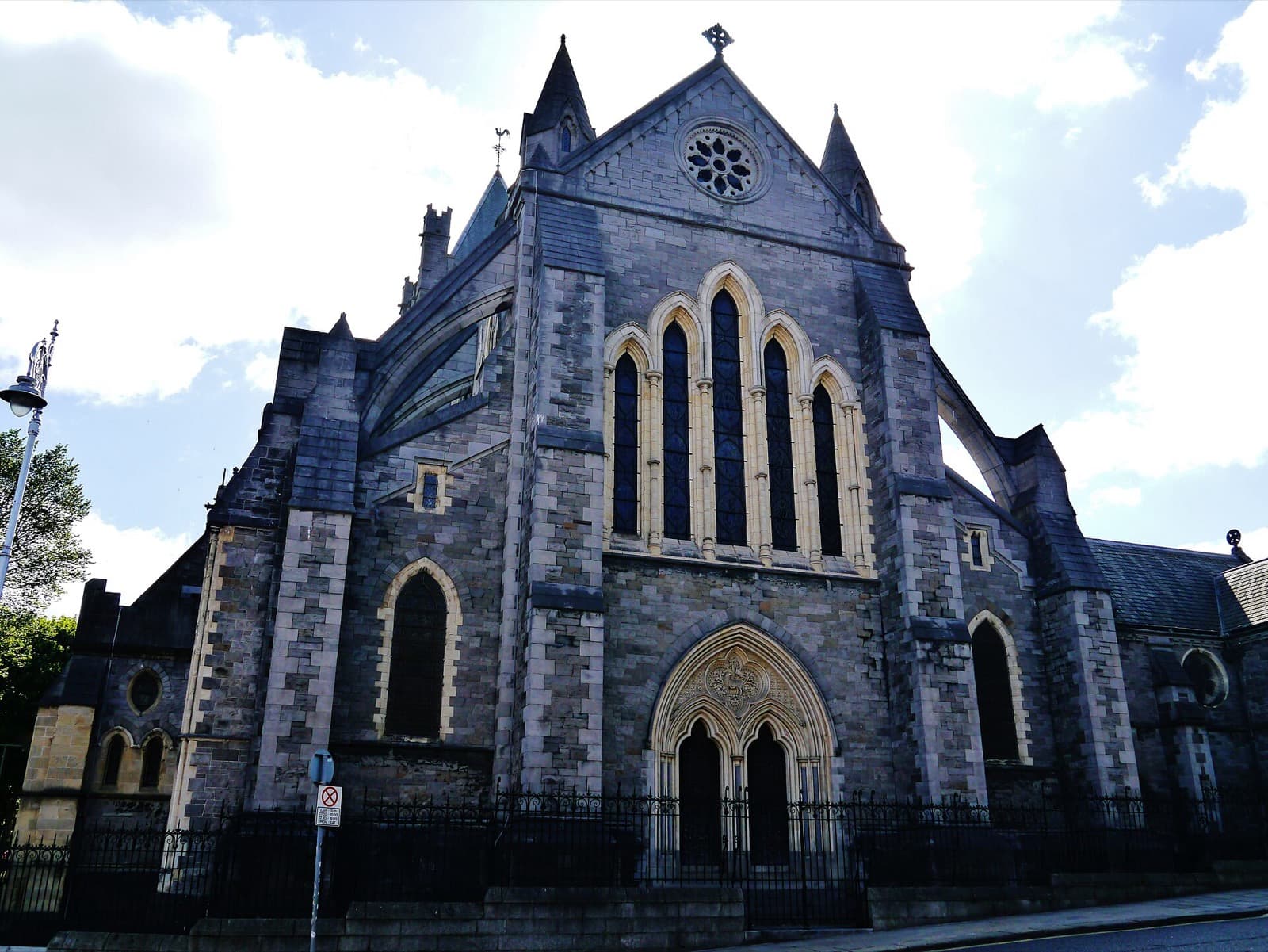
The cathedrals make the layering physical. Christ Church, the older of Dublin's two medieval cathedrals, was founded around ten thirty under the Hiberno-Norse king Sitric Silkenbeard and Dunan, the first Bishop of Dublin, as a timber church. After the Normans took Dublin in the eleven seventies, Strongbow, the Norman lord Richard de Clare, funded a complete rebuilding in stone. A Viking foundation, raised again by Norman hands. Its crypt, built in eleven seventy-two and eleven seventy-three and running some sixty-three metres, is the largest cathedral crypt in Britain or Ireland, and it holds a mummified cat and rat, nicknamed Tom and Jerry, that James Joyce fixed in Finnegans Wake.
Where the buried town came to light, and where it was lost
Hear a stop from this walk
Saint Patrick's Cathedral: Swift Under His Own Epitaph
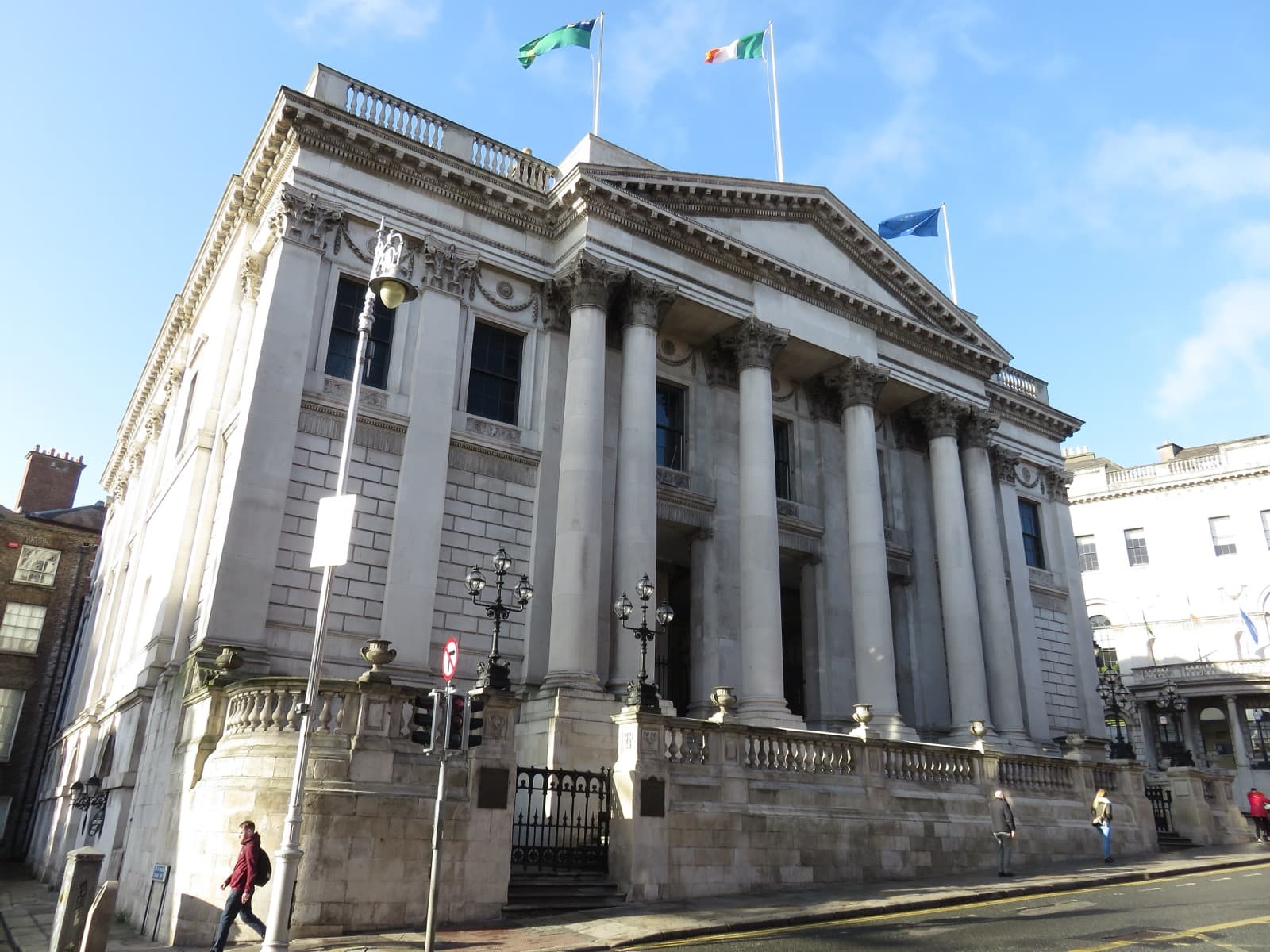
Beside Christ Church, Dublinia reconstructs the vanished Norse town room by room inside a nineteenth-century hall: a smoky longhouse, a medieval street, the everyday objects of a working harbour. It interprets the excavations at Wood Quay, which is where the tour reaches its hardest lesson. From nineteen seventy-four, archaeologists digging on the south bank of the Liffey uncovered timber houses, streets, and defences preserved some three metres deep in the wet ground, one of the largest urban Viking-age excavations in Europe. Then it was built over. The Save Wood Quay campaign brought a protest march of about twenty thousand people onto the streets on the twenty-third of September, nineteen seventy-eight, and the next summer protesters occupied the site in an action they called Operation Sitric, for the Norse king who helped found Christ Church. The Corporation prevailed. Dublin City Council governs from the civic offices raised there today.
Survival is the counterweight. On High Street stands Saint Audoen's, built between about eleven eighty-one and twelve twelve under John Comyn, the first Norman Archbishop of Dublin, and dedicated to a seventh-century bishop of Rouen, a Norman fingerprint carried across the sea. It is the only surviving medieval parish church in the city, and beside it Saint Audoen's Arch, from about twelve forty, is the only surviving medieval city gate. The medieval walk closes at Saint Patrick's Cathedral, built in the early thirteenth century on ground linked to Saint Patrick beside the Poddle. Jonathan Swift, author of Gulliver's Travels, was Dean here from seventeen thirteen until his death in seventeen forty-five and is buried inside beneath a furious Latin epitaph he wrote for himself.
The Georgian grammar
The second Dublin is the ordered one, and reading it is a matter of learning a grammar: the door, the fanlight, the terrace, the square, repeated until the whole city is fluent. The Trinity College: The Book and the Georgian City tour begins at the deepest root, Trinity College, founded by royal charter of Queen Elizabeth the First in fifteen ninety-two, Ireland's oldest university. Its Old Library, begun around seventeen twelve, holds the Long Room, running nearly sixty-five metres, and the Book of Kells, written close to the year eight hundred and brought to Trinity in sixteen sixty-one.
Across College Green stands the former Parliament House, begun in seventeen twenty-nine to designs by Edward Lovett Pearce, the world's first purpose-built two-chamber parliament house. Its order proved less permanent than its stone: the parliament ceased under the Act of Union on the first day of eighteen oh one, and the Bank of Ireland acquired the building in eighteen oh three. The walk moves up Grafton Street, past the bronze Molly Malone (a figure of song, not documented history, sculpted by Jeanne Rynhart and unveiled in nineteen eighty-eight), through Saint Stephen's Green, given to the public at the expense of Arthur Guinness, Lord Ardilaun, and re-opened on the twenty-seventh of July, eighteen eighty. It ends at Merrion Square, laid out from seventeen sixty-two, the finest and best-preserved of Dublin's Georgian squares, where Oscar Wilde grew up at number one from eighteen fifty-five to eighteen seventy-six. Nearby, Leinster House, built for the Earl of Kildare between seventeen forty-five and seventeen forty-eight, has been the seat of the Oireachtas since nineteen twenty-two, and the National Museum of Ireland holds the Tara Brooch of about seven hundred and ten to seven hundred and fifty, closing the circle with the golden age that made the Book of Kells.
The state proclaimed on the boulevard
The fourth Dublin is the one written in gunfire on the widest street. The O'Connell Street: The Rising of 1916 tour reads it stop by stop. The General Post Office, completed by Francis Johnston in eighteen eighteen, became the headquarters of the Rising on Easter Monday, the twenty-fourth of April nineteen sixteen, when Irish Volunteers and the Irish Citizen Army under Patrick Pearse seized it and Pearse read the Proclamation of the Irish Republic. Six days of shellfire and fire gutted the building, leaving only the granite facade, which still carries the marks of gunfire. In May nineteen sixteen fifteen leaders were executed at Kilmainham Gaol, among them the seven signatories of the Proclamation.
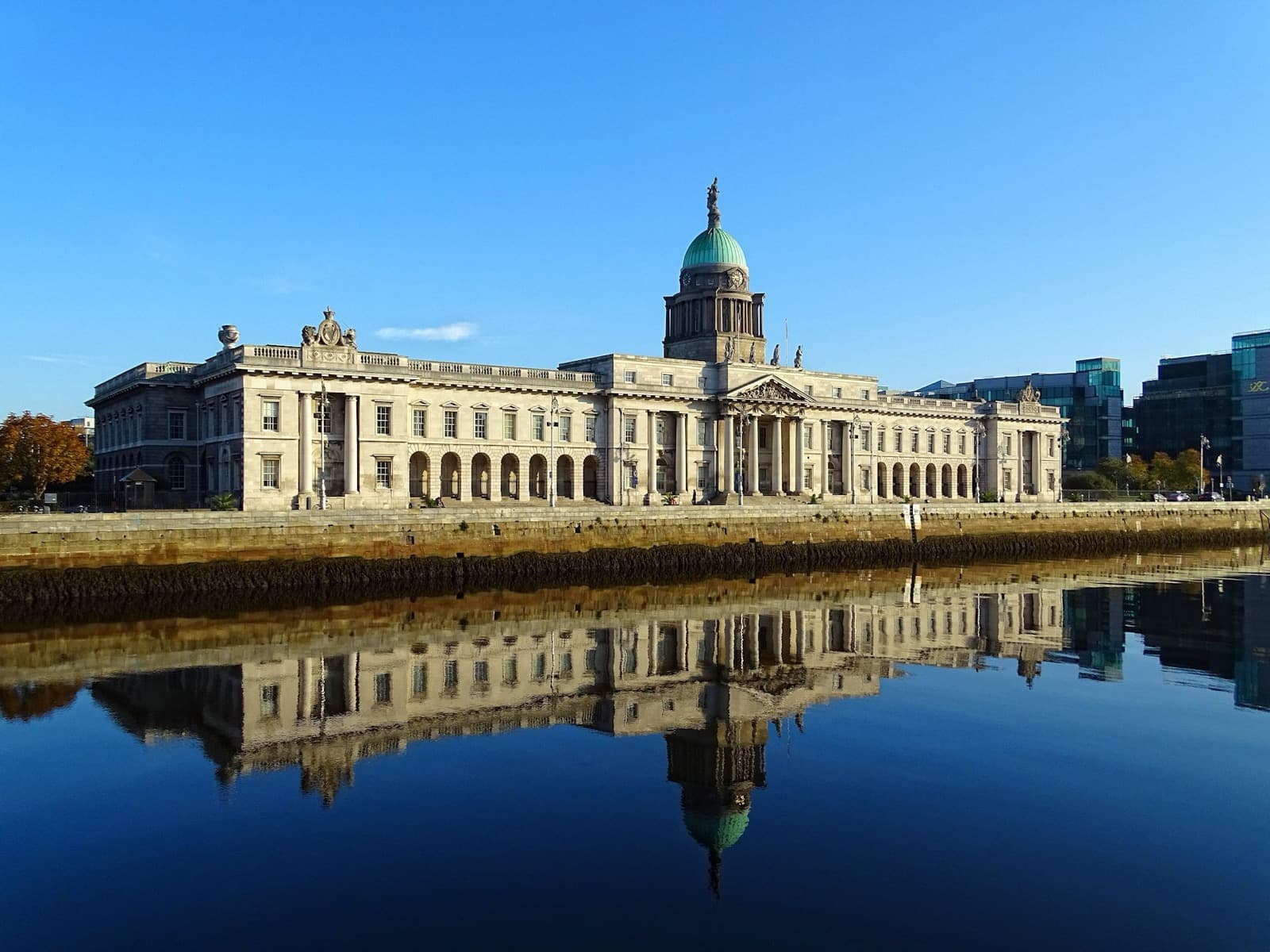
The street holds pride and ruin together. The winged victories at the base of the O'Connell Monument, unveiled in eighteen eighty-two to Daniel O'Connell, who won Catholic Emancipation in eighteen twenty-nine, still bear bullet holes from nineteen sixteen. On Moore Street, the leaders held their final council around the wounded James Connolly at number sixteen and drafted the surrender order on the twenty-ninth of April to spare the city's civilians. The walk ends at the Custom House, designed by James Gandon and completed in seventeen ninety-one, which the Irish Republican Army burned on the twenty-fifth of May nineteen twenty-one to destroy the records of British administration. The Irish Free State restored it in darker Irish limestone, an imperial building raised again as a national one.
Four Dublins, one ground: the Viking town, the medieval cathedrals, the Georgian grid, and the birthplace of the modern state. You can read them all, in any order and at whatever pace holds you, with no group at your shoulder. Begin with the Dublin walking tours and choose the layer you want to read first.
Sources
- Christ Church Cathedral, Dublin: history and crypt (christchurchcathedral.ie)
- Saint Patrick's Cathedral, Dublin: history and the grave of Jonathan Swift (stpatrickscathedral.ie)
- National Museum of Ireland, Archaeology: the Tara Brooch and Ireland's gold (museum.ie)
- Trinity College Dublin Library: the Book of Kells and the Old Library (tcd.ie/library)
- Office of Public Works: the General Post Office, Dublin Castle, and the Garden of Remembrance (opw.ie)
Frequently asked questions
- Why is Dublin called a city of layers?
- The elegant Georgian streets of red-brick terraces and fanlit doors were built over a much older city. Beneath them lie a Viking harbour town founded as Dubh Linn, the black pool on the River Liffey, the Norman city that grew from it after the eleven seventies, two medieval cathedrals, and the ground where the Easter Rising of nineteen sixteen was fought. Reading those layers in turn is the way to understand the city.
- Where did Dublin get its name?
- Dublin's English name comes from Dubh Linn, meaning the black pool, a still, dark stretch of the little River Poddle where the Vikings moored their ships. That pool now lies under the garden of Dublin Castle, drained and roofed over with grass. The city's older Irish name, Baile Atha Cliath, means the town of the hurdled ford.
- What is the oldest medieval building on a Dublin walking tour?
- Christ Church Cathedral was founded around ten thirty under the Hiberno-Norse king Sitric Silkenbeard and rebuilt in stone by the Normans after they took Dublin in the eleven seventies. Its crypt, built in eleven seventy-two and eleven seventy-three, runs some sixty-three metres and is the largest cathedral crypt in Britain or Ireland. Saint Audoen's, built around eleven eighty-one to twelve twelve, is the only surviving medieval parish church in the city.
- What happened at the General Post Office in 1916?
- On Easter Monday, the twenty-fourth of April nineteen sixteen, Irish Volunteers and the Irish Citizen Army under Patrick Pearse seized the General Post Office as the headquarters of an armed rising, and Pearse read the Proclamation of the Irish Republic. Six days of shellfire and fire gutted the building, leaving only the granite facade, which still carries the marks of gunfire. In May nineteen sixteen, fifteen leaders were executed at Kilmainham Gaol, including the seven signatories of the Proclamation.
- Can you see Viking Dublin today?
- Yes. Dublinia, in a nineteenth-century hall beside Christ Church, reconstructs the Norse town with a longhouse and a medieval street. Nearby Wood Quay on the Liffey was one of the largest urban Viking-age excavations in Europe, uncovered from nineteen seventy-four with timber houses preserved three metres deep, though most of the site was later built over with the city's civic offices.
Ready to experience it?
Medieval Dublin: The City Behind the Georgian Mask
90 min · 2.2 km · moderate
More from Dublin
Explore more at your own pace.
Dublin Travel Guide: Days, Transport, Weather, Safety, and Budget
Dublin Castle and the Black Pool: A Medieval City Under the Georgian Mask
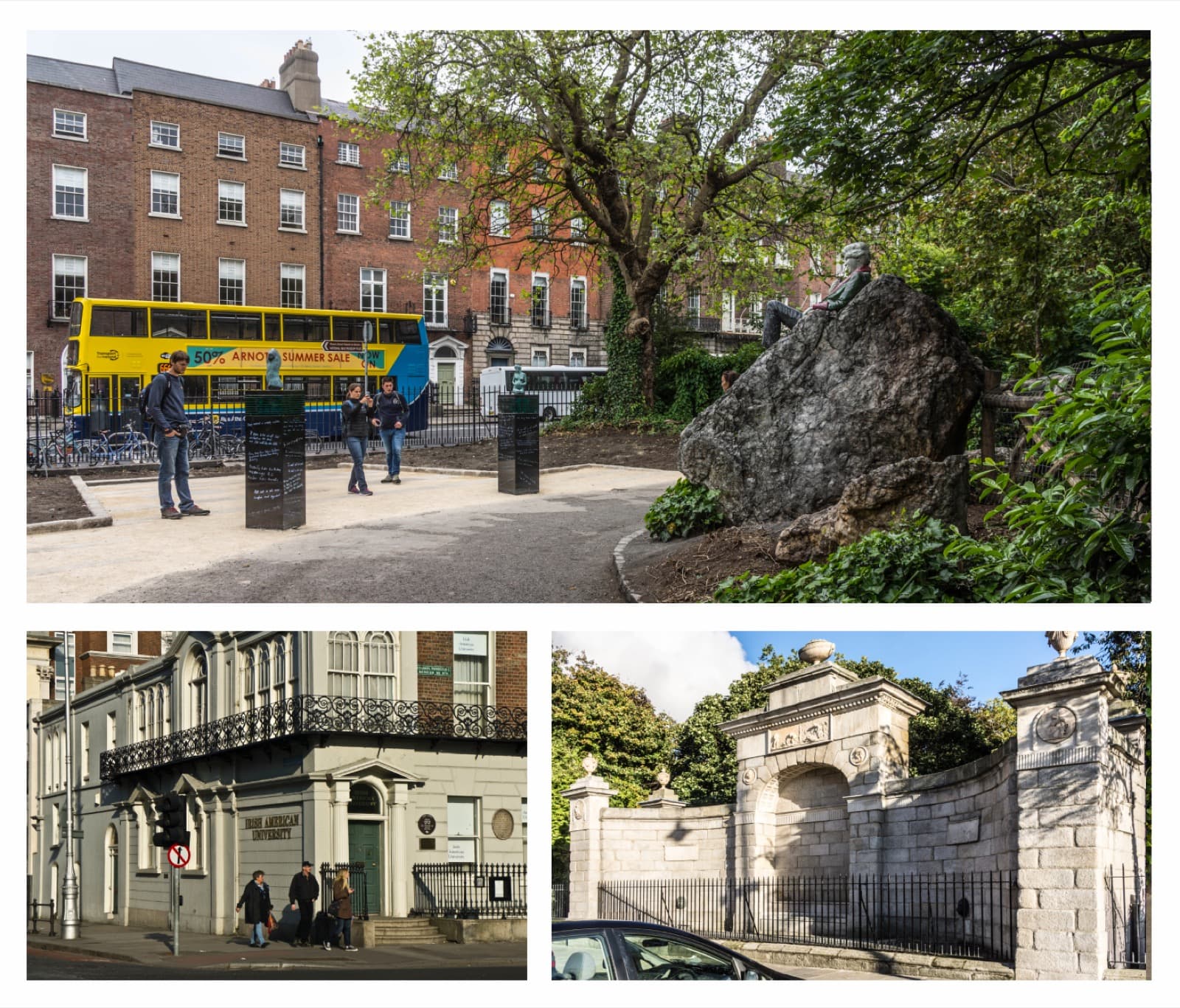
Merrion Square and the Grammar of Georgian Dublin
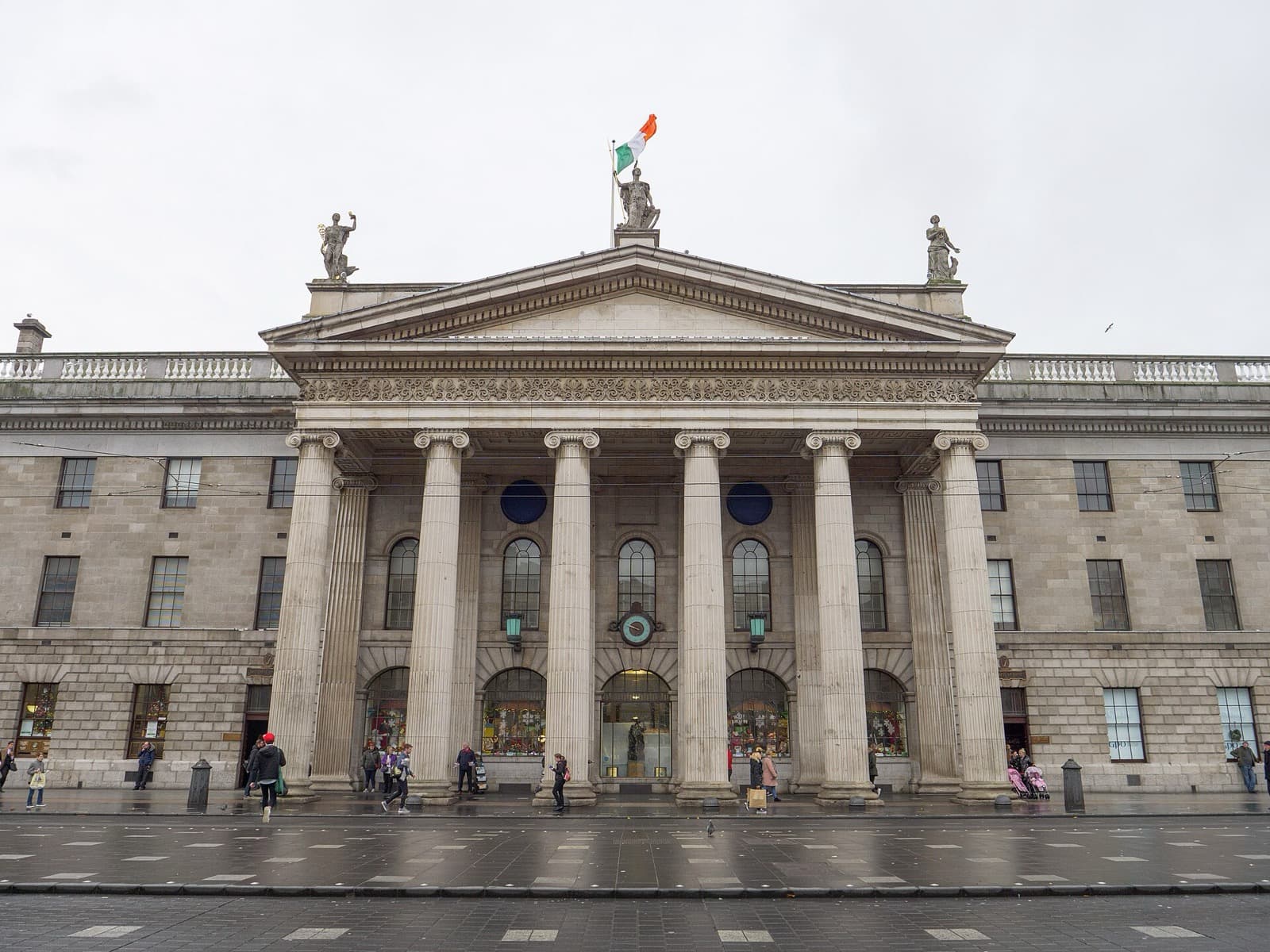
The GPO on O'Connell Street: How One Post Office Became the Birthplace of a Republic
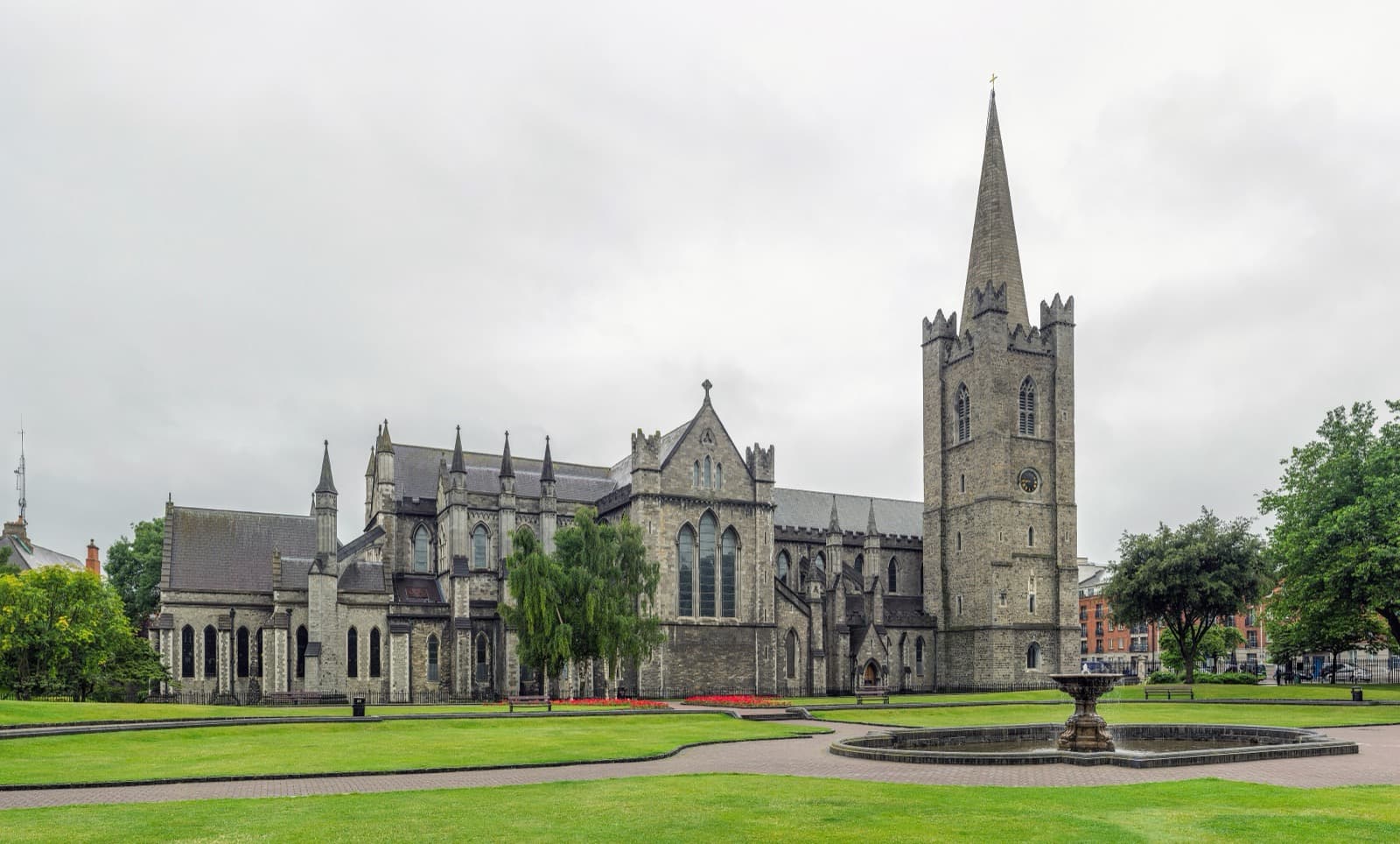
Saint Patrick's Cathedral, Dublin: Swift's Furious Epitaph