A walk that peels back Dublin's Georgian and Victorian elegance to find the Viking and Norman city buried underneath, from the castle over the black pool to the cathedral where Jonathan Swift lies under his own furious epitaph.
Start · Dublin Castle: The Fortress Over the Black Pool
DirectionsStops
- 1
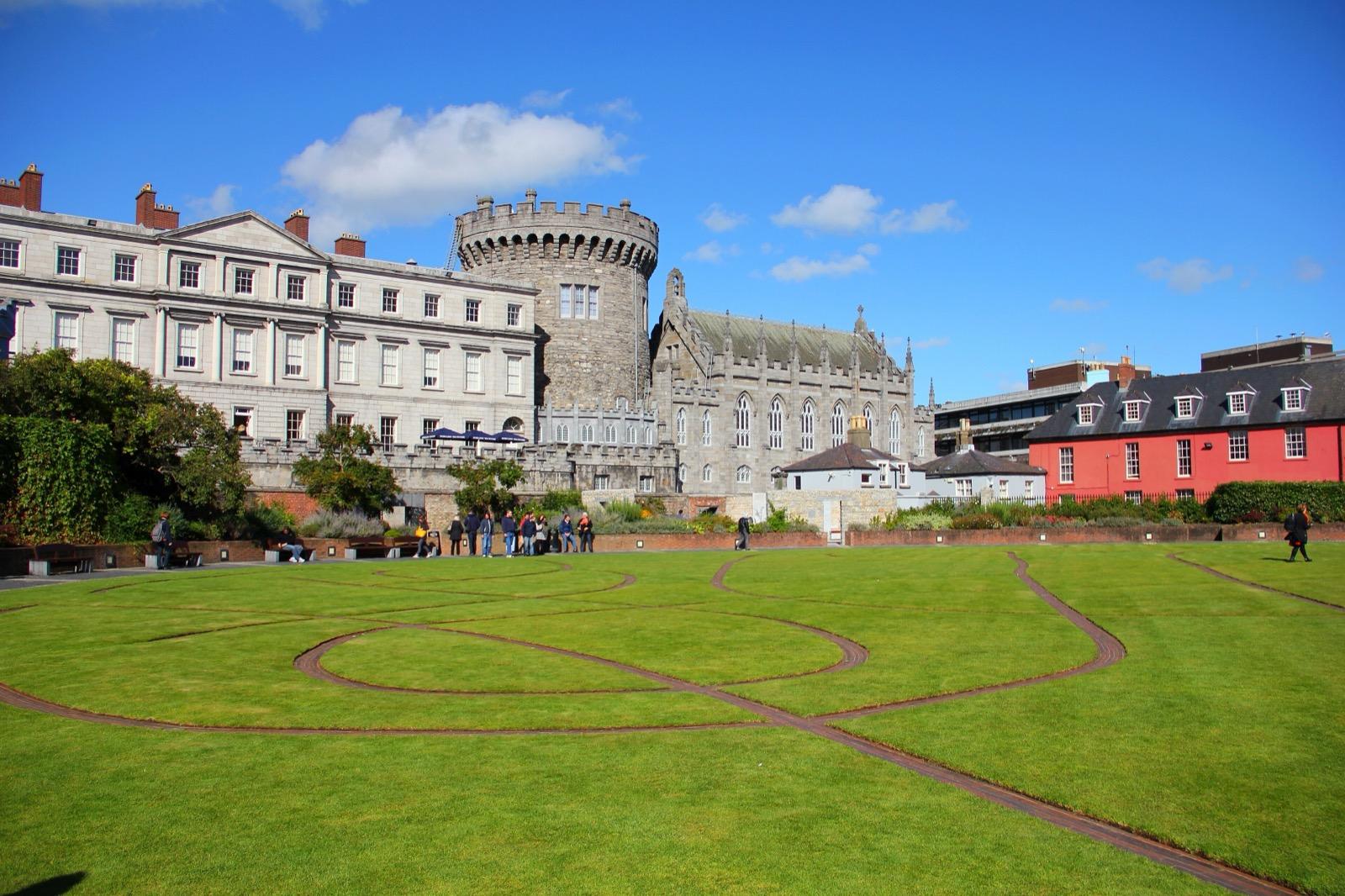
Dublin Castle: The Fortress Over the Black Pool
The medieval fortress and later seat of English then British rule in Ireland, raised over the very pool of dark water that gave Dublin its name.
- 2
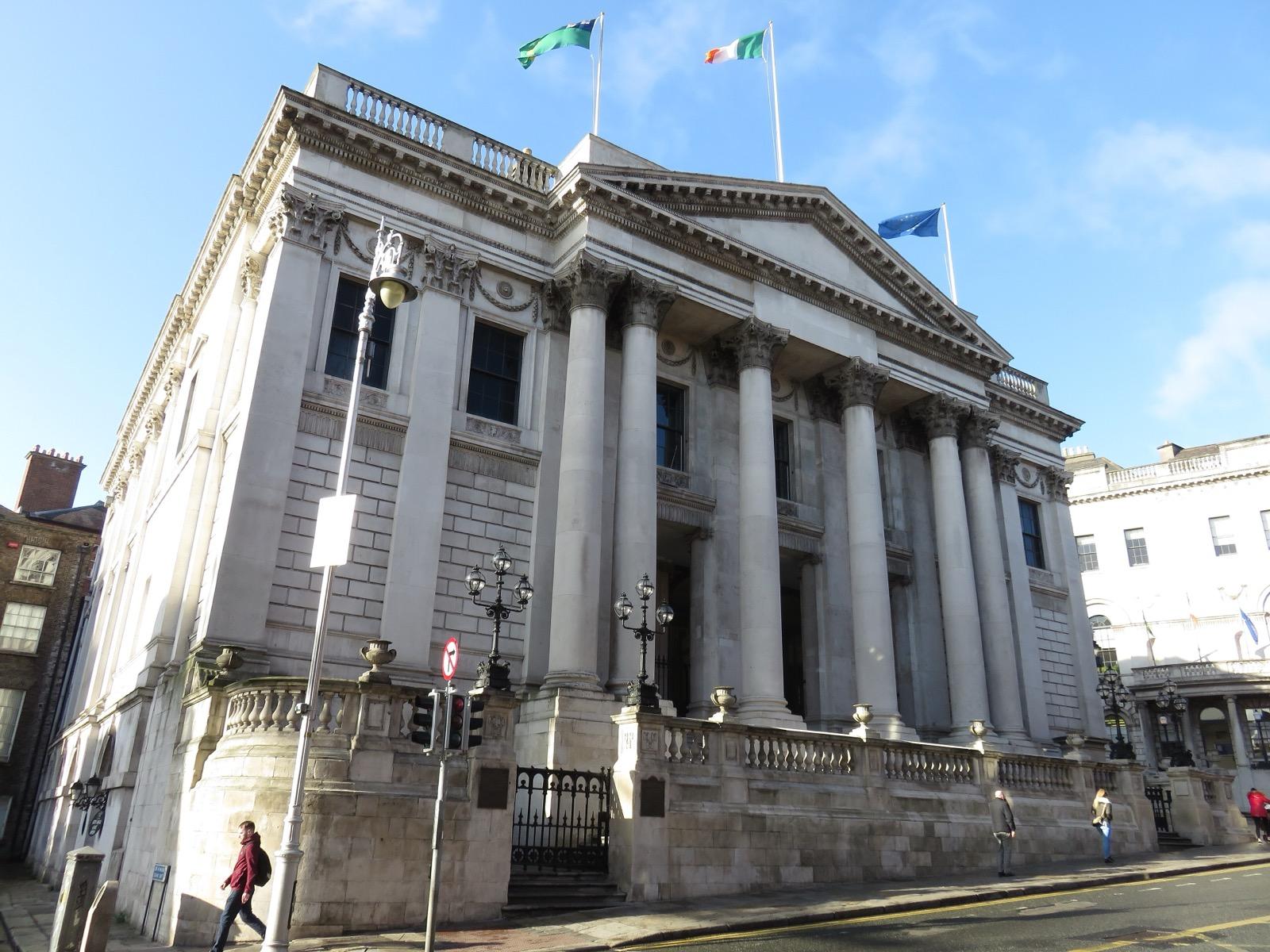
City Hall: The Merchants' Dome on Cork Hill
A grand neo-classical rotunda built as the city's Royal Exchange for its merchants, later taken over as the seat of the city council.
- 3
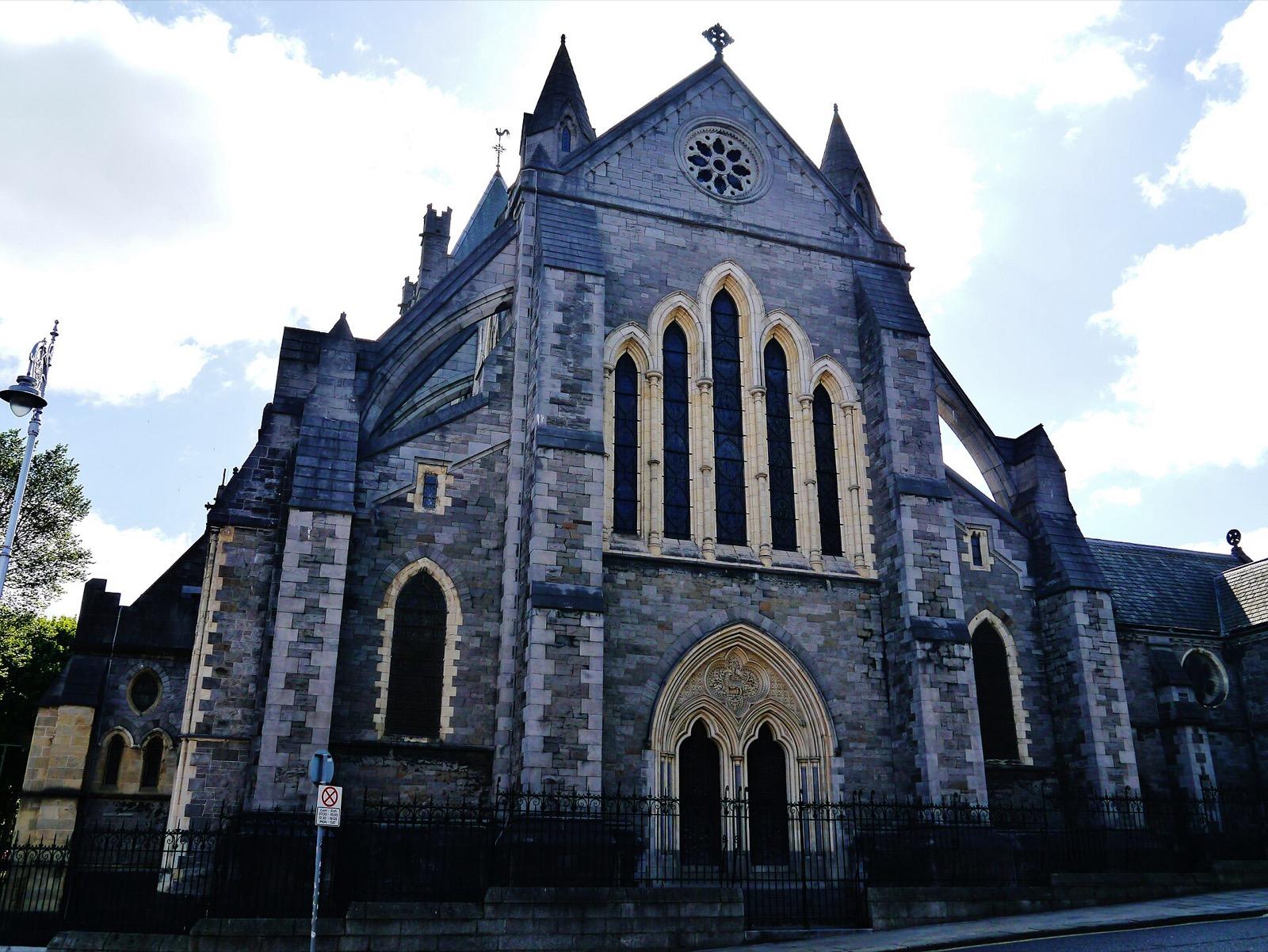
Christ Church Cathedral: Norse-Founded, Norman-Rebuilt
The older of Dublin's two medieval cathedrals, begun by a Norse king and rebuilt in stone by the Normans, with the largest cathedral crypt in Britain or Ireland.
- 4
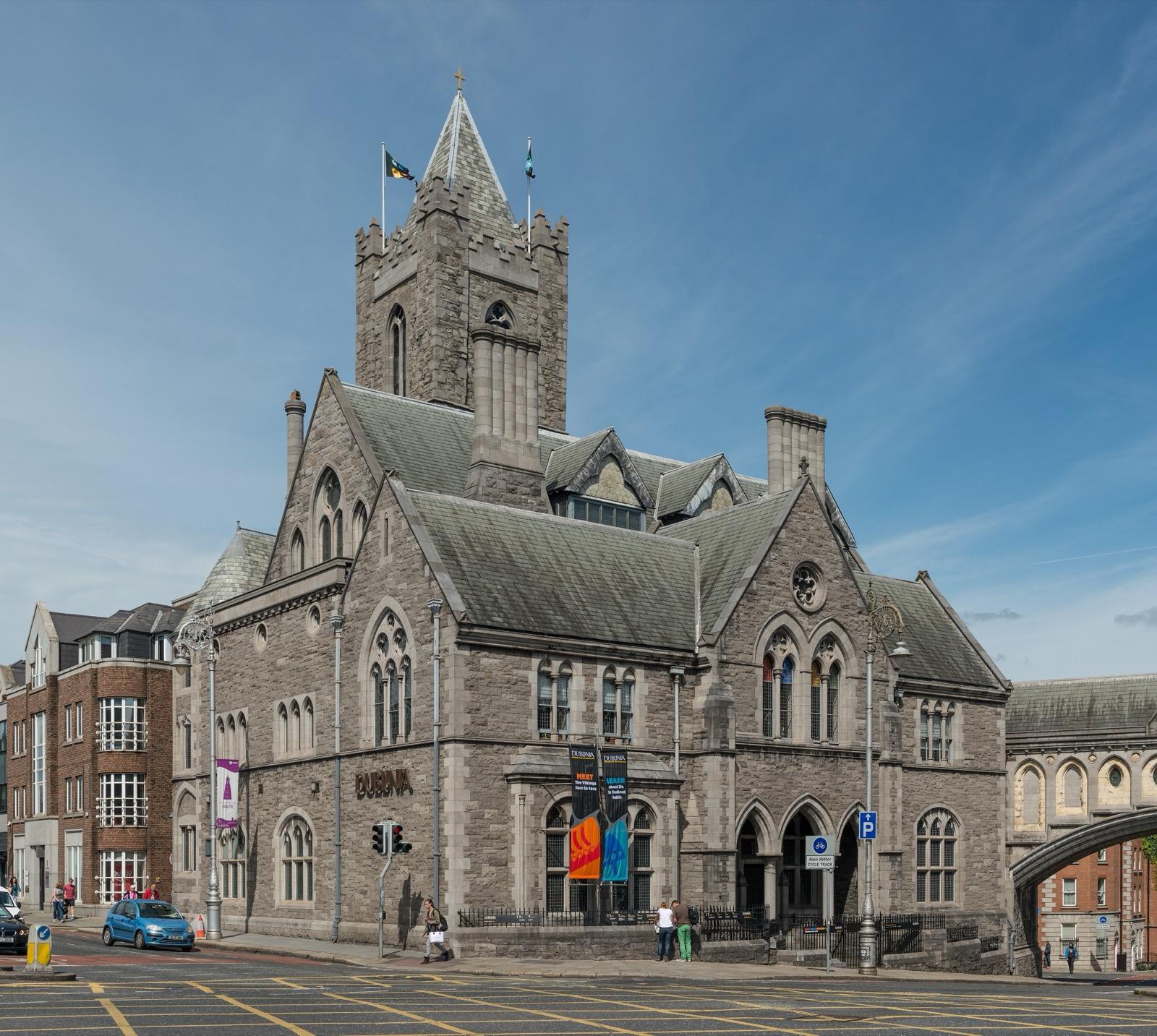
Dublinia: The Reconstructed Viking Town
A museum of Viking and medieval Dublin, set in a nineteenth-century hall linked to Christ Church, where the vanished Norse town is rebuilt room by room.
- 5
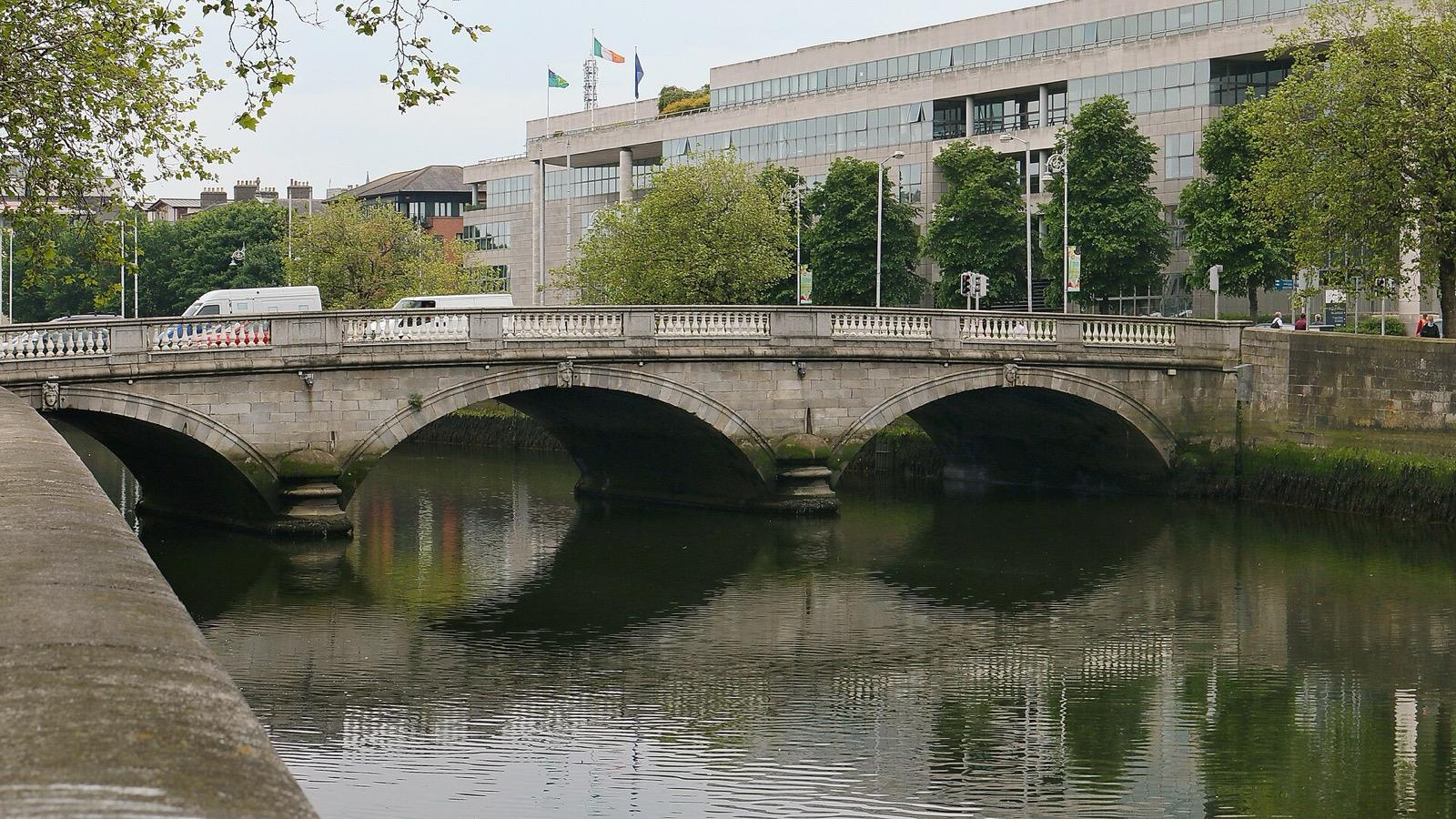
Wood Quay: The Buried Town Under the Offices
The riverside where Europe's great Viking-age excavation uncovered the timber town, then saw it built over despite one of Ireland's largest protests.
- 6
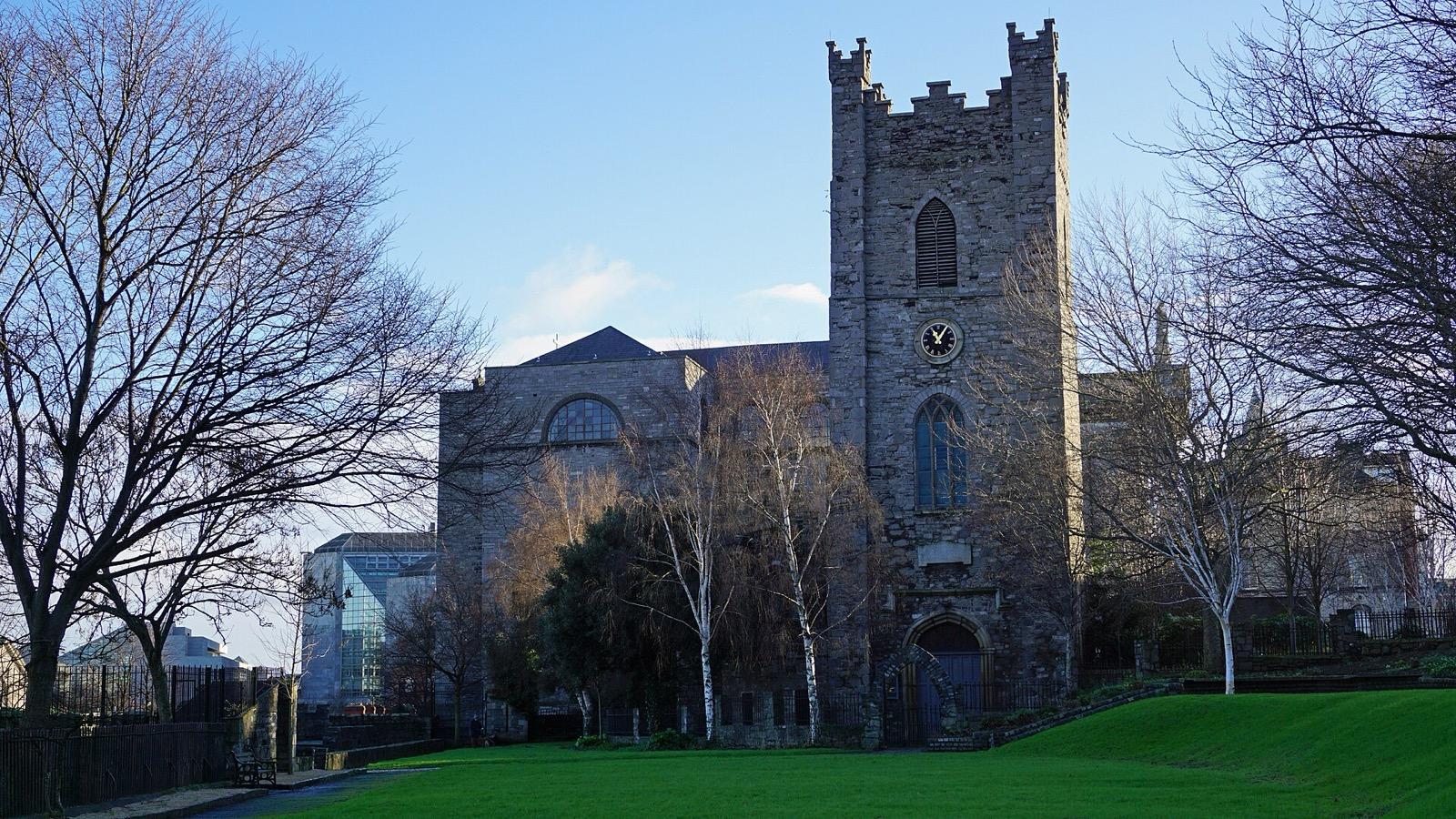
Saint Audoen's: The Oldest Church and the Last Gate
Dublin's only surviving medieval parish church, standing beside the last medieval city gate and the best-preserved stretch of the old wall.
- 7
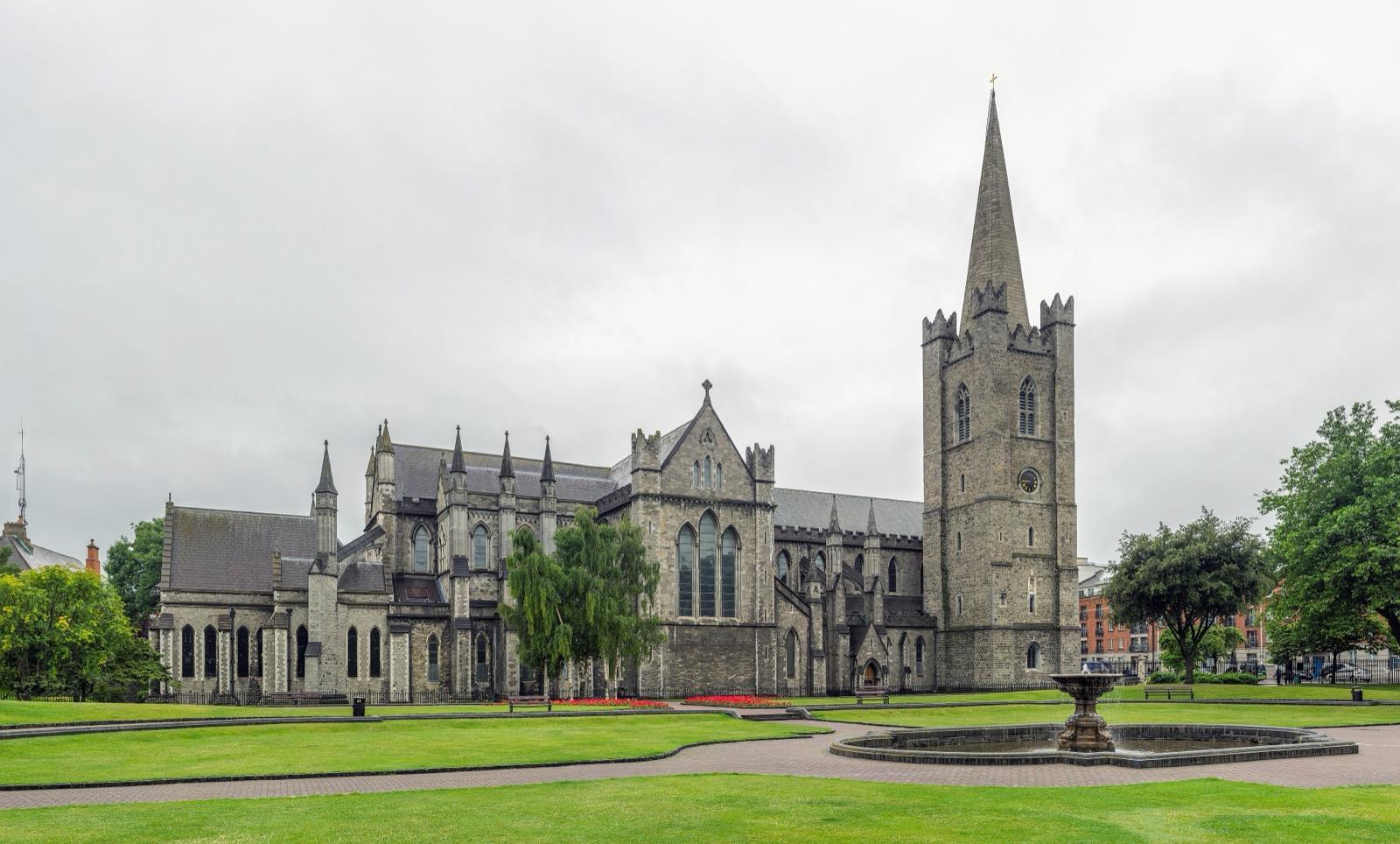
Saint Patrick's Cathedral: Swift Under His Own Epitaph
Ireland's largest church, built on ground linked to Saint Patrick, and the burial place of Jonathan Swift beneath the furious Latin epitaph he wrote for himself.
Details
Best Time to Visit
Late morning to mid-afternoon is ideal, when the castle courtyards, cathedrals, and the Dublinia museum are all open and daylight fills the medieval lanes. Weekdays are quieter than weekends in the cathedrals and around Christ Church. Aim to reach Saint Patrick's Cathedral, the closing stop, well before its last admission of the day.
Pro Tips
- •Buy any cathedral or crypt tickets on arrival at each door rather than in advance, so you can move at your own pace and skip a stop if you would rather linger longer somewhere else.
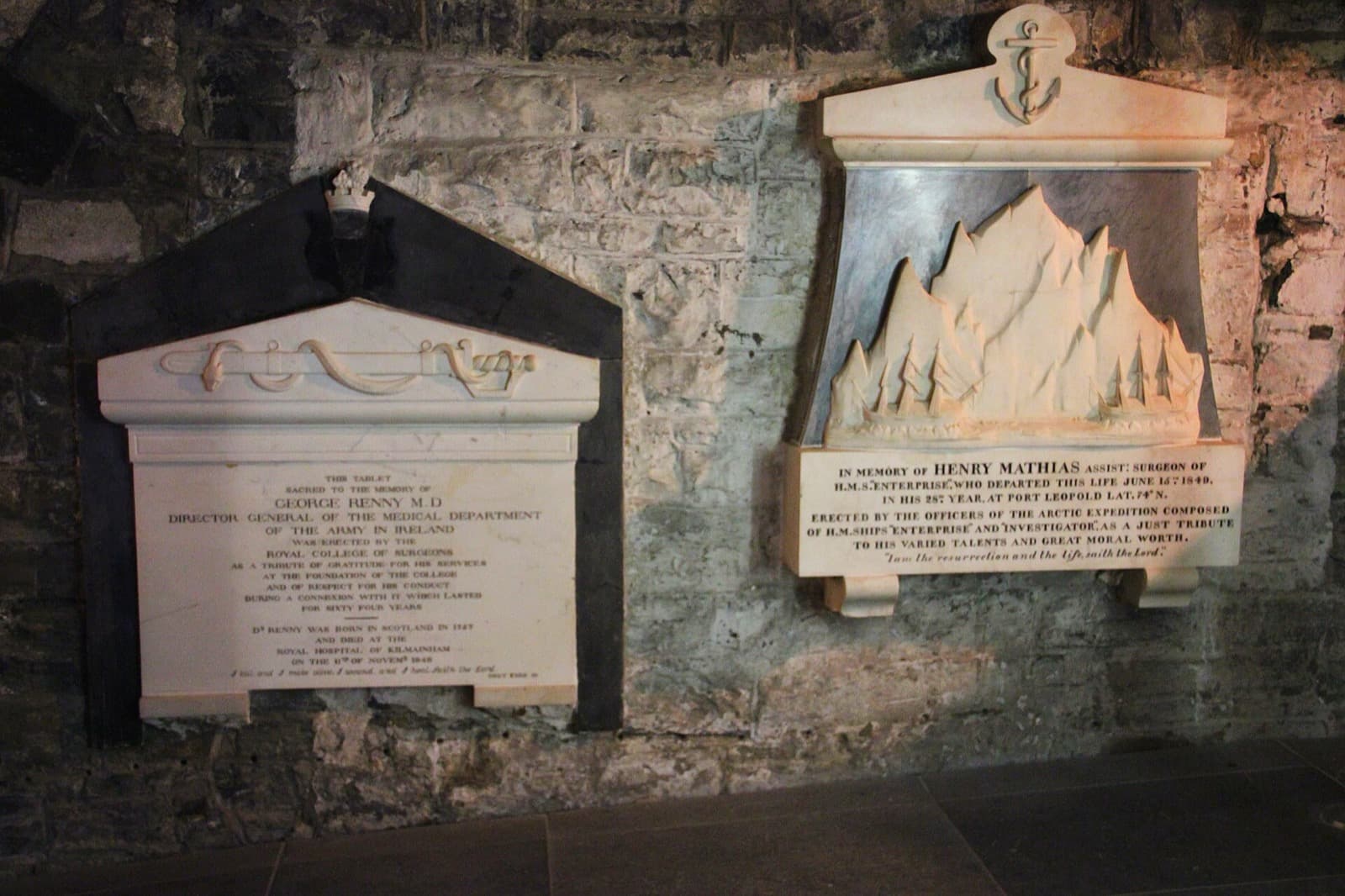
- •The Christ Church crypt is a highlight and is easy to miss: head down into it to see the medieval stonework, Strongbow's tomb, and the mummified cat and rat.
- •If the Viking city is what draws you, give Dublinia extra time, then walk down to Wood Quay right after, so the reconstructed town and the place it was dug from sit side by side in your mind.
- •At Saint Audoen's, follow the surviving city wall to the single medieval arch and take the stepped lane down toward the river to feel the shape of the old walled town.
- •Time your loop so you reach Saint Patrick's Cathedral well before its final admission, since it is the closing stop and deserves an unhurried visit.
- •Carry a little cash or a card in euro for the cathedral and museum entry charges, as the castle courtyards and City Hall rotunda are free but the interiors and crypts are not.
Safety & Precautions
- •This is a level pavement walk, but expect cobbles near Dublin Castle and a few uneven medieval lanes and steps around Saint Audoen's, so wear comfortable, sturdy shoes.
- •Dublin weather changes quickly: carry a waterproof or a compact umbrella even on a bright morning, and keep valuables discreet and zipped away in busier stretches and around the cathedrals.
- •The cathedrals and the crypts are places of worship and memory, so keep your voice low and be respectful of services and quiet corners inside Christ Church and Saint Patrick's.
- •At Wood Quay, treat the story of the buried town and the campaign to save it as real heritage and real loss rather than spectacle, and give the site the sober attention it asks for.
Travel advisory: Exercise Normal Precautions (Level 1).
Gallery
Related Reading
Go deeper on what you'll see, hear, and walk through.
Overview
Best Self-Guided Walking Tours in Dublin (2026)
4 min
Overview
Dublin Travel Guide: Days, Transport, Weather, Safety, and Budget
7 min
Overview
One Day in Dublin: A Walkable Morning-to-Evening Itinerary
9 min
Thematic
Best History Walking Tours in Dublin (2026)
2 min
Thematic
Dublin in Layers: The Viking Town Beneath the Georgian Mask
7 min
Companion
Dublin Castle and the Black Pool: A Medieval City Under the Georgian Mask
7 min
Deep dive
Saint Patrick's Cathedral, Dublin: Swift's Furious Epitaph
6 min
Read
What to Eat in Dublin: Coddle, Boxty, and How to Order Like a Local
7 min
Read the walk
The full story of Medieval Dublin: The City Behind the Georgian Mask, in words. Prefer to listen? Play it narrated, from home or on location.
Introduction
This is a walk that reads Dublin, in Ireland, like a text with an older page showing through. The elegant city of fanlit doors and red-brick squares is a Georgian and Victorian mask, and underneath it lies a Viking trading town and the Norman city that grew from it. Dublin began as Dubh Linn, the black pool, a Norse harbour on the River Liffey, and its English name still carries that dark water. Its older Irish name is Baile Atha Cliath, the town of the hurdled ford. Over about two kilometres and roughly ninety minutes, across seven stops, this route peels the mask back one layer at a time. It runs from the castle that governed Ireland for seven centuries, past the merchants' domed exchange, to the older of the city's two medieval cathedrals, then into a reconstructed Norse street, down to the river bank where the buried town was found, on to the last medieval gate and the oldest parish church, and finally to the great cathedral where a furious dean lies under his own epitaph. Every stop is a short one, and you set the pace: no group at your shoulder, no schedule, no guide steering you, no tip expected. This is a level city walk on pavement, with a few cobbles underfoot near the castle, and the cathedrals ask for a quiet, respectful voice. Linger as long as you like under a Georgian doorway or in a cool medieval crypt, then move on when you are ready. When you arrive at the Upper Yard of Dublin Castle, begin with stop one.
1. Dublin Castle: The Fortress Over the Black Pool
Here in the Upper Yard, you stand at the centre of power in Ireland for seven centuries. Dublin Castle was raised as a major defensive work by Meiler Fitzhenry, on the orders of King John of England, in twelve oh four. From this castle, English and then British administrators governed the country until January nineteen twenty-two, when the castle was handed over to Michael Collins and the Provisional Government under the Anglo-Irish Treaty. That is close to seven hundred years of rule from a single walled square. The buildings around you look Georgian, and most of the State Apartments are indeed eighteenth-century work. But the castle underneath is far older. Look for the Record Tower, a squat, round medieval keep from about twelve twenty-eight. It is the only surviving medieval element of the whole castle, with walls nearly five metres thick, and it later served as a state prison and a store for records. Now for the mask this whole walk keeps lifting. The castle garden behind these ranges sits over the Dubh Linn, the black pool, a still, dark stretch of the little River Poddle. That dark water gave Dublin its English name, and the Vikings moored their ships in it. The pool was long ago drained and remodelled into the lawn you can visit today. So the very ground that named the city lies quietly under grass, roofed over by an elegant garden. That is the pattern here: the visible city is polished and Georgian, and the real story is the older town it was built upon.
2. City Hall: The Merchants' Dome on Cork Hill
Just above the castle gate, on the rise called Cork Hill, stands a cool, domed circle of stone. This is City Hall, and it began not as a seat of government but as a place of trade. It was built as the Royal Exchange between seventeen sixty-nine and seventeen seventy-nine, to designs by the architect Thomas Cooley, on the site of a vanished medieval church. Merchants gathered here to do their business under the dome. Step inside, if you wish, and look up. The rotunda's dome is carried on twelve columns, and the marble floor beneath it bears a mosaic of Dublin's coat of arms and the city's Latin motto, Obedientia Civium Urbis Felicitas, which means the obedience of the citizens produces a happy city. It is a merchant's confidence set in stone, from the age when this quarter was reinventing itself as an elegant Georgian city. The building's second life tells you how the mask settled over the old town. Dublin Corporation, the city's governing body, acquired the exchange, and on the thirtieth of September, eighteen fifty-two, it held its first meeting here and renamed the building City Hall. It has been the formal seat of the city council ever since. So a trading floor became a council chamber, and the civic story of modern Dublin gathered under a dome that was raised for commerce. From here, the walk turns from Georgian polish toward the far older cathedral just up the hill, where the medieval city truly begins to show.
3. Christ Church Cathedral: Norse-Founded, Norman-Rebuilt
This is the older of Dublin's two medieval cathedrals, the Cathedral of the Holy Trinity, better known as Christ Church. Its story is the whole theme of this walk in one building. It was founded around ten thirty, under the Hiberno-Norse king Sitric Silkenbeard and Dunan, the first Bishop of Dublin. That first church was a timber one, raised by the Norse townsfolk. Then came the Normans. After they took Dublin in the eleven seventies, Strongbow, the Norman lord Richard de Clare, and other magnates funded a complete rebuilding in stone. So a Viking foundation was raised again by Norman hands, and the cathedral has stood on this spot ever since. Go down into the crypt if you can, because it is the heart of the medieval building. Constructed in eleven seventy-two and eleven seventy-three, it runs some sixty-three metres, and it is the largest cathedral crypt in Britain or Ireland. Its cool stone is older than the streets above your head. Up in the cathedral stands a tomb effigy long said to be Strongbow's. The original was smashed when the nave roof vaulting collapsed in fifteen sixty-two, and the monument you see was brought in later from Drogheda to replace it. And in the crypt is one small marvel that Dubliners love. A mummified cat and rat, nicknamed Tom and Jerry, found in the eighteen fifties trapped in an organ pipe. The story goes that the cat chased the rat into the pipe and both stuck fast. It is cathedral lore rather than record, but James Joyce thought it fine enough to fix in Finnegans Wake.
4. Dublinia: The Reconstructed Viking Town
Beside Christ Church, linked to it by a covered stone bridge arching over Winetavern Street, stands the Synod Hall, a nineteenth-century building that now holds Dublinia, the museum of Viking and medieval Dublin. This is where the walk stops peeling the mask back and simply…
Full narration for this stop unlocks with the tour.
5. Wood Quay: The Buried Town Under the Offices
You have reached the river, and this is the climax of the walk and its hardest lesson. Wood Quay, on the south bank of the Liffey below Christ Church, was the waterfront of Viking-age Dublin, the very edge of the harbour town. From nineteen seventy-four, archaeologists digging…
Full narration for this stop unlocks with the tour.
6. Saint Audoen's: The Oldest Church and the Last Gate
On High Street, once the principal street of medieval Dublin, stands Saint Audoen's, the Church of Ireland church that is the only surviving medieval parish church in the whole city. It was built between about eleven eighty-one and twelve twelve, under John Comyn, the first…
Full narration for this stop unlocks with the tour.
7. Saint Patrick's Cathedral: Swift Under His Own Epitaph
The walk closes at Saint Patrick's Cathedral, the larger of Dublin's two medieval cathedrals and the national cathedral of the Church of Ireland since eighteen seventy. It was raised to cathedral status by Archbishop John Comyn, with building beginning around eleven ninety-one…
Full narration for this stop unlocks with the tour.