Medieval Dublin: The City Behind the Georgian Mask
90 min · 2.2 km · moderate
Dublin rewards a compact, walkable trip: two or three days on foot covers the medieval core, the Georgian squares, and the O'Connell Street monuments where the Easter Rising of 1916 played out, and you can move between them at your own pace with cheap public transport and an honest read on safety. The city centre is small, mostly flat, and built for walking, which is why a self-guided audio tour fits it so well. Below is what travelers actually need to plan: how long to stay, how to get around, when to come, a calm word on safety, and what it costs.
How many days do you need in Dublin?
Two to three full days is the practical answer for the city itself. Dublin's core is genuinely small. The distance from Trinity College to Christ Church Cathedral is only about 800 metres, roughly a ten-minute walk, and the three neighborhoods most visitors want (medieval Dublin around the castle and cathedrals, the Georgian quarter around Trinity and Merrion Square, and the O'Connell Street spine north of the river) sit within about a square mile.
A workable rhythm: one day for the medieval and Viking layer, one for the Georgian city, and a half-day or third day for the 1916 story and the north side. Each of those maps to a self-guided route on Roamer. The Dublin walking tours hub lays out all three. If you have a fourth day, that is the one to spend outside the centre (the coastal DART villages of Howth or Dun Laoghaire, or a longer trip to Glendalough or the Cliffs of Moher).
How to get around Dublin
Hear a stop from this walk
Saint Patrick's Cathedral: Swift Under His Own Epitaph
Walk first. The centre is compact and level, and most of what you came to see is reachable on foot. Our three Dublin routes are all walking tours: the medieval old town loop runs about 2.2 kilometres over roughly ninety minutes, the Trinity and Georgian route about 3.4 kilometres, and the O'Connell Street and 1916 walk about 2.6 kilometres. None of them needs a bus.
For the times you do want transport, buy a TFI Leap Card and tap it. It works across Dublin Bus, the Luas tram lines, and the DART and commuter trains, and it caps your spending so you never overpay. With a Leap Card, a single trip uses the TFI 90 Minute Fare of 2 euro for adults (one tap covers 90 minutes across bus, Luas, and most rail in the central zones). Daily and weekly caps mean once your Leap spending reaches the adult daily cap of about 7.30 euro, further travel that day is free. If you would rather not top up a standard card, the Leap Visitor Card gives unlimited travel and comes in 1-day, 3-day, and 7-day versions (roughly 8, 19, and 40 euro).
The Luas is the tram: the Green Line runs north-south through the centre past St Stephen's Green, and the Red Line runs east-west. The DART is the coastal train, useful for Howth and Dun Laoghaire. Taxis and ride-hailing apps are widely available and worth it late at night.
Getting from Dublin Airport to the city centre
The old blue Airlink 747 airport bus is no longer running; it was permanently discontinued, so ignore older guides that still list it. Your current options, cheapest to fastest:
The cheapest is a regular public bus. Route 16 and Route 41 both run from the airport to O'Connell Street via Drumcondra and cost about 1.55 euro with a Leap Card (2.60 euro cash). They are slower, roughly 50 to 75 minutes with local stops, and luggage space is tight. Faster express coaches (Dublin Express and Aircoach) run the airport to city centre in around 30 minutes for about 9 euro one way, dropping at O'Connell Street, Temple Bar, and Heuston Station. A taxi from the rank takes 20 to 40 minutes depending on traffic and costs more.
Best time to visit Dublin
June and September are the sweet spots. June gives the longest daylight (long northern evenings), and September keeps mild weather while the summer crowds thin and accommodation prices ease. Both sit around comfortable walking temperatures.
The broader shoulder seasons of April to May and September to October are the value windows: milder weather, fewer crowds, lower hotel prices. High summer (July and August) is the warmest, with July highs around 19 to 20 degrees Celsius, but it is also the most crowded and most expensive, and "warm" in Dublin is relative. Winter (December to February) is chilly rather than freezing, with January around 7 degrees Celsius by day, and it delivers the cheapest flights and the most local pub atmosphere. Whenever you come, pack layers and a rain jacket; Dublin weather changes hour to hour, which is another reason a self-paced audio tour beats a fixed-schedule group walk in the rain.
Is Dublin safe?
Dublin is broadly safe, and the honest caveat is petty theft, not violence. Ireland ranks among the safest countries in the world on the Global Peace Index, and most visits pass without incident. The realistic risk for a tourist is pickpocketing in crowded spots: Grafton Street, Temple Bar, around the GPO on O'Connell Street, and on busy buses and trams. Keep your phone and wallet in a zipped or front pocket and stay aware in crowds.
At night, stick to well-lit main streets, treat the side streets and alleys off O'Connell Street with more caution, and take a taxi or ride-hailing car rather than walking through quiet areas after dark. There have been isolated serious assaults reported in the city centre, and the response has been increased police presence. That is worth knowing without letting it dominate your plan. Daytime walking, which is when you would do these tours, is comfortable and normal across the whole centre.
What does a Dublin trip cost?
Dublin is not cheap, but the walking is free. The city's best experiences (the medieval streets, the Georgian squares, St Stephen's Green, the O'Connell Street monuments, the Garden of Remembrance) cost nothing to walk through. Public parks and many church exteriors are free. Where the euros go: paid interiors and museums, food and drink, and accommodation.
Entry fees are modest and optional. Christ Church Cathedral and St Patrick's Cathedral each charge a single-digit-to-low-double-digit euro admission, the Book of Kells and Old Library at Trinity is a timed ticket in the higher teens to mid-twenties of euro, and Dublinia (the Viking and medieval museum) is around 16 euro. Crucially, the National Museum of Ireland is free. Our self-guided tours narrate the exteriors and streets for a fraction of a guided group's price, so you can decide stop by stop which interiors are worth paying to enter.
Transport is cheap if you use a Leap Card and lean on the daily cap. The bigger line items are lodging and pub meals. Traveling in the shoulder season is the single biggest lever on total cost.
Which Dublin tour should you start with?
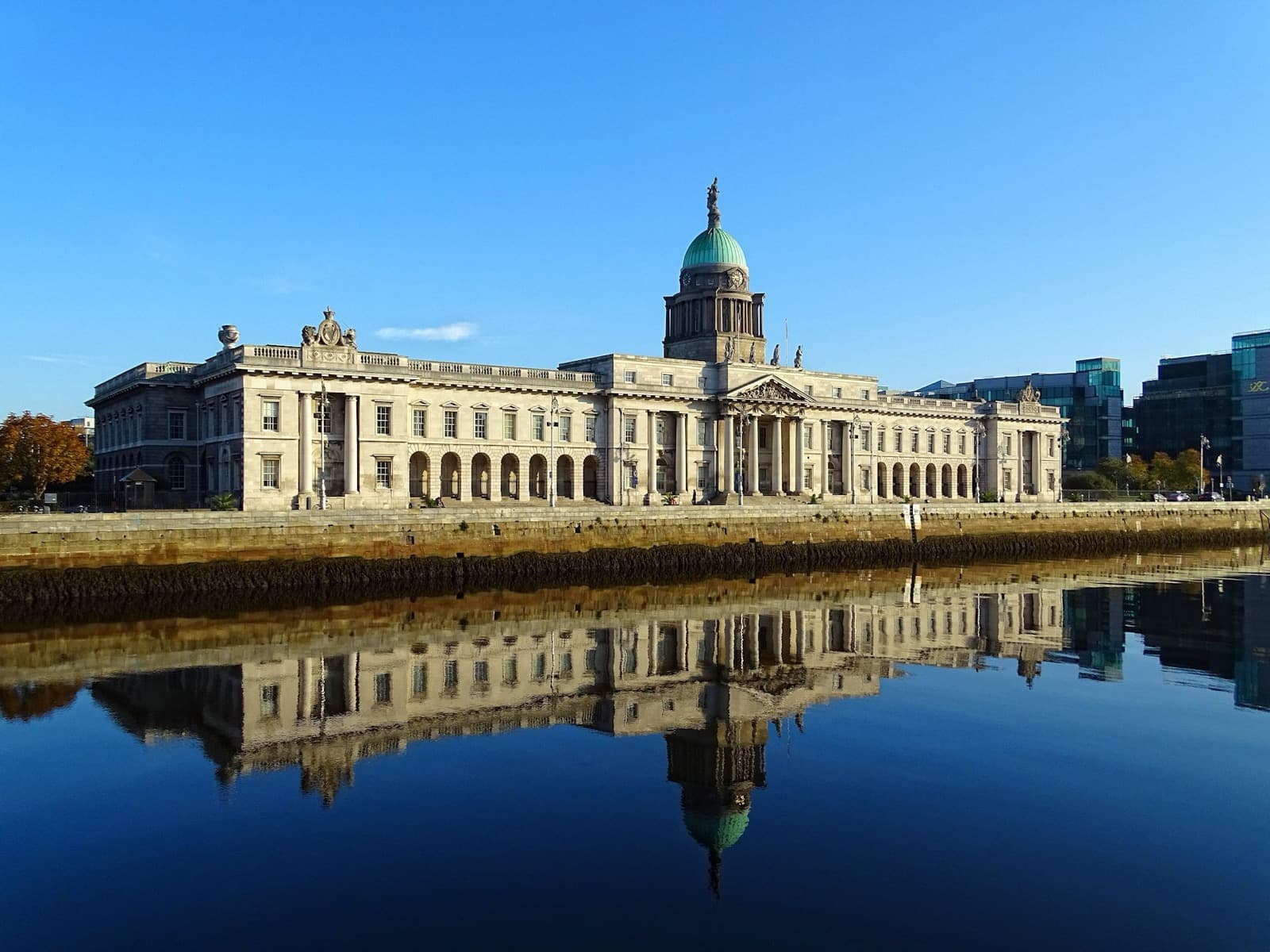
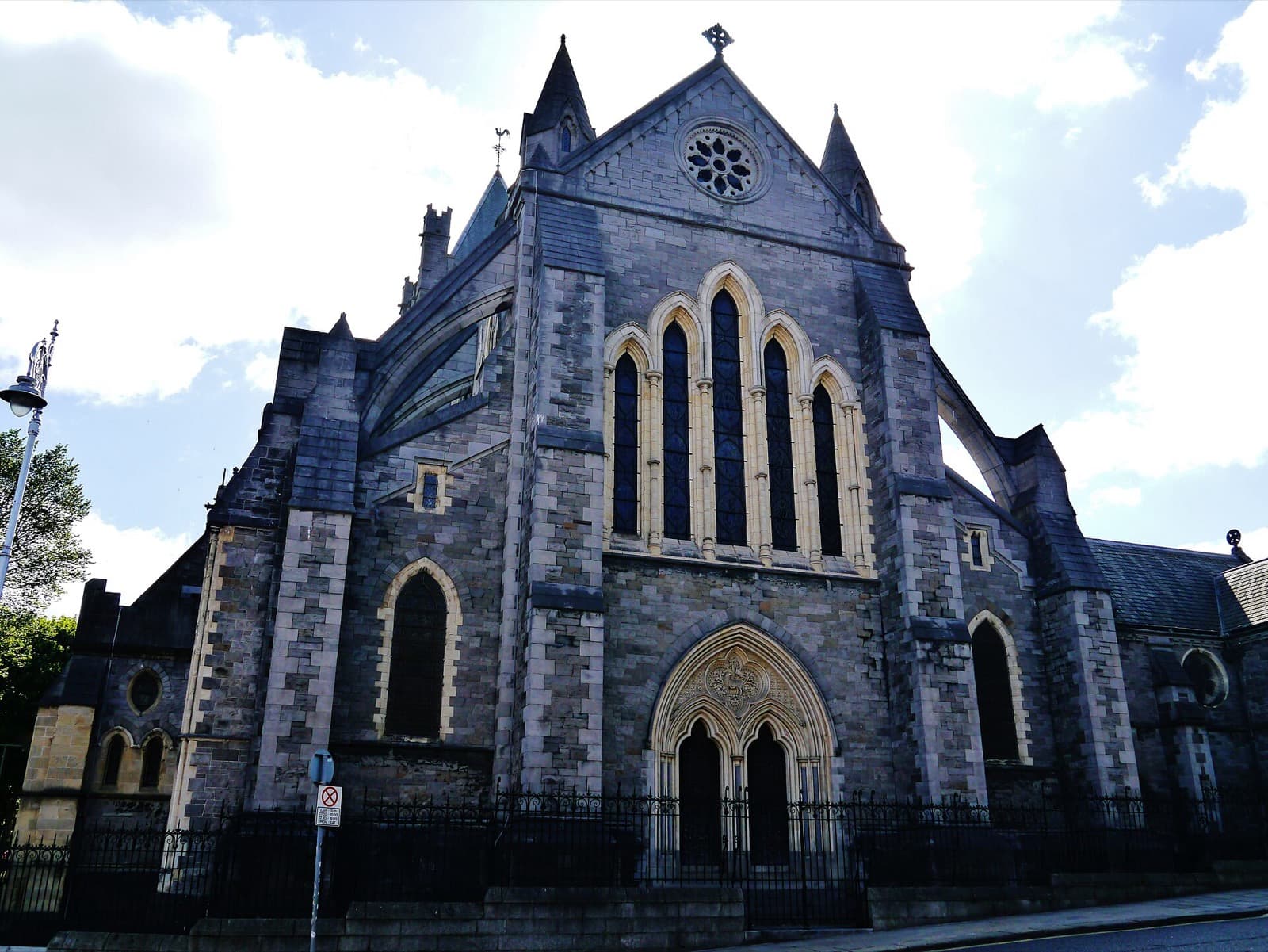
Match the tour to the layer of the city you most want. If you want the oldest Dublin (the castle that governed Ireland for centuries, the two medieval cathedrals, the reconstructed Viking street at Dublinia, and Jonathan Swift's cathedral), start with the medieval old town walk. If you want the ordered, red-brick Dublin of the seventeen hundreds (Trinity College, Grafton Street, St Stephen's Green, and the painted Georgian doors of Merrion Square), take the Trinity and Georgian route. If you want the founding story of the modern state, the O'Connell Street and 1916 walk runs from the bullet-marked General Post Office where the republic was proclaimed to the Custom House on the river.
All three start from the Dublin city page, download for offline use, and let you set your own pace with no group and no schedule.
Sources
Frequently asked questions
- How many days do you need in Dublin?
- Two to three full days covers the city centre comfortably. The core is about a square mile and mostly flat, so the medieval quarter, the Georgian squares around Trinity, and the O'Connell Street area are all walkable. Add a fourth day for coastal DART villages like Howth or a day trip further afield.
- What is the cheapest way to get from Dublin Airport to the city centre?
- A regular public bus is cheapest. Routes 16 and 41 run to O'Connell Street for about 1.55 euro with a Leap Card, though they take 50 to 75 minutes. Express coaches (Dublin Express and Aircoach) do the trip in around 30 minutes for about 9 euro. The old Airlink 747 bus has been permanently discontinued.
- Do I need a Leap Card in Dublin?
- It helps if you plan to use buses, the Luas tram, or the DART train. A Leap Card gives the TFI 90 Minute Fare of 2 euro for adults and caps daily spending at about 7.30 euro in the central zone, so you never overpay. A Leap Visitor Card offers unlimited travel for 1, 3, or 7 days. That said, the compact centre means you can walk most of Dublin without transport at all.
- When is the best time to visit Dublin?
- June and September are the best months. June has the longest daylight, and September keeps mild weather with fewer crowds and lower prices. The shoulder seasons of April to May and September to October offer the best value. July is the warmest, around 19 to 20 degrees Celsius, but also the busiest and most expensive. Pack a rain jacket in any season.
- Is Dublin safe for tourists?
- Dublin is broadly safe, with Ireland ranking among the safest countries on the Global Peace Index. The realistic risk is pickpocketing in crowded areas like Grafton Street, Temple Bar, and around the GPO on O'Connell Street. Keep valuables secure, stick to well-lit main streets at night, and take a taxi rather than walking through quiet areas after dark.
- How much does a Dublin trip cost?
- The walking is free: the medieval streets, Georgian squares, parks, and O'Connell Street monuments cost nothing. Paid interiors are modest and optional, such as single-digit-to-low-double-digit euro cathedral admissions and around 16 euro for Dublinia, while the National Museum of Ireland is free. The main costs are accommodation and pub meals, and traveling in the shoulder season lowers the total most.
Ready to experience it?
Medieval Dublin: The City Behind the Georgian Mask
90 min · 2.2 km · moderate
More from Dublin
Explore more at your own pace.
Dublin in Layers: The Viking Town Beneath the Georgian Mask
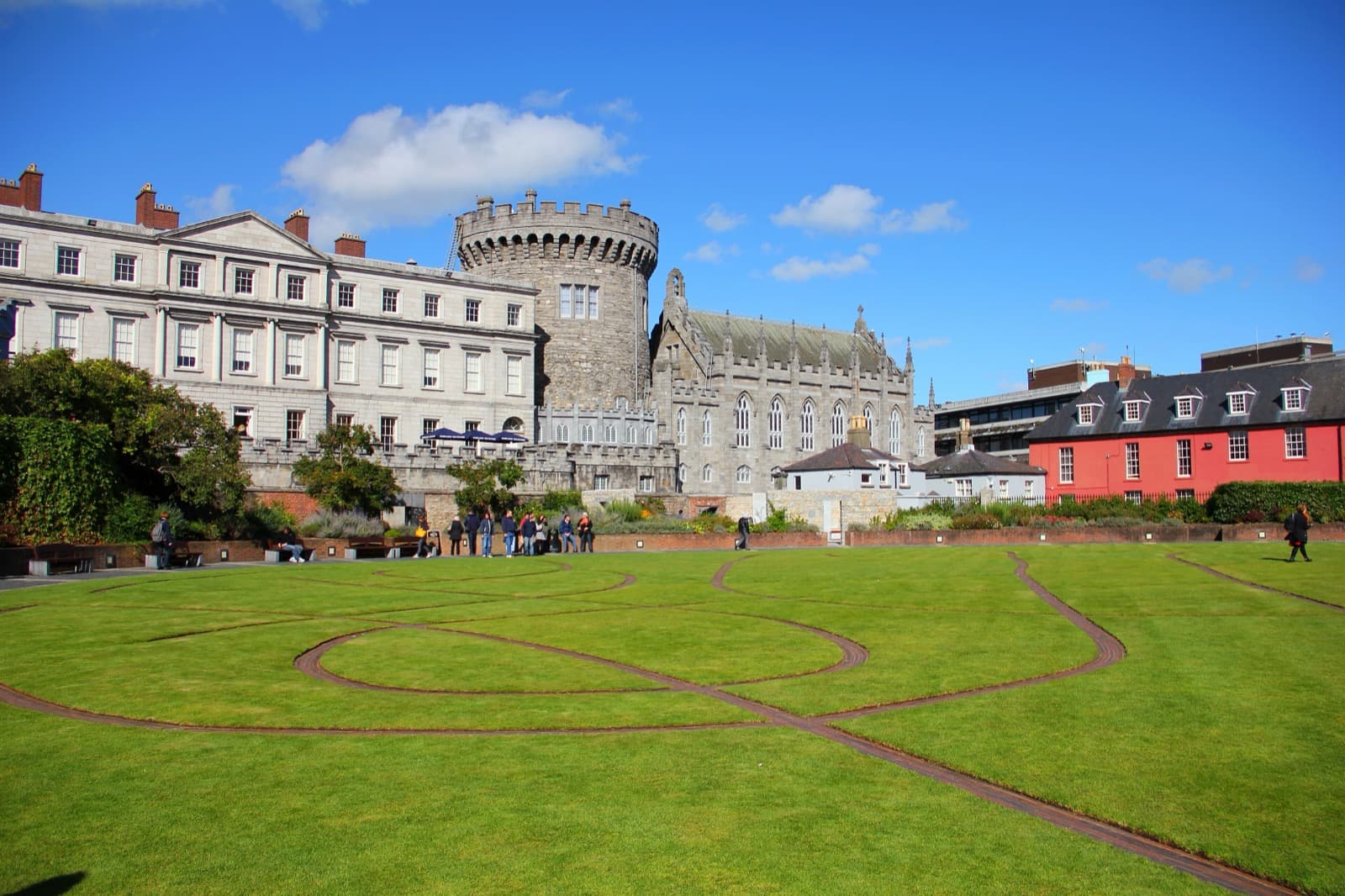
Dublin Castle and the Black Pool: A Medieval City Under the Georgian Mask
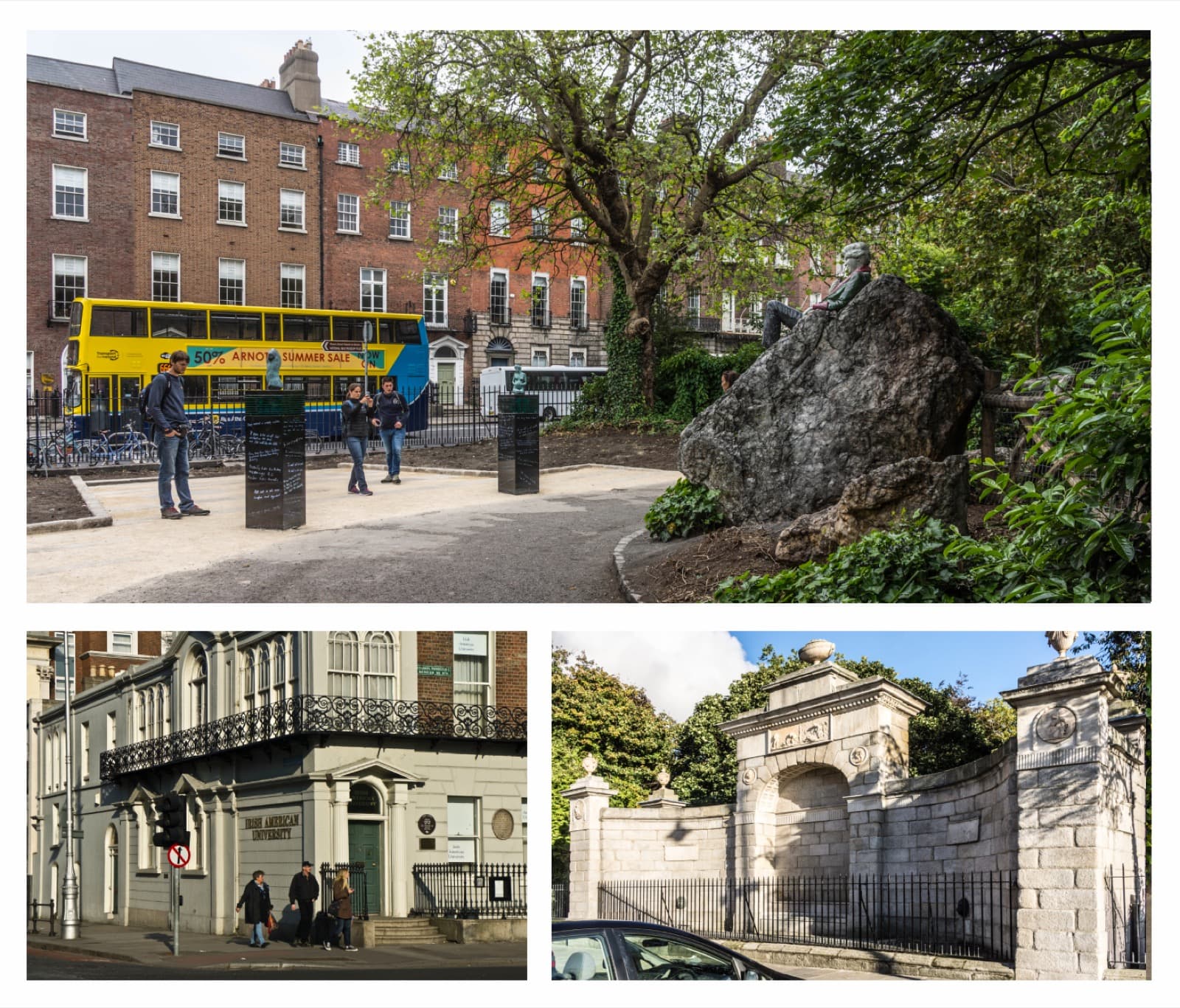
Merrion Square and the Grammar of Georgian Dublin
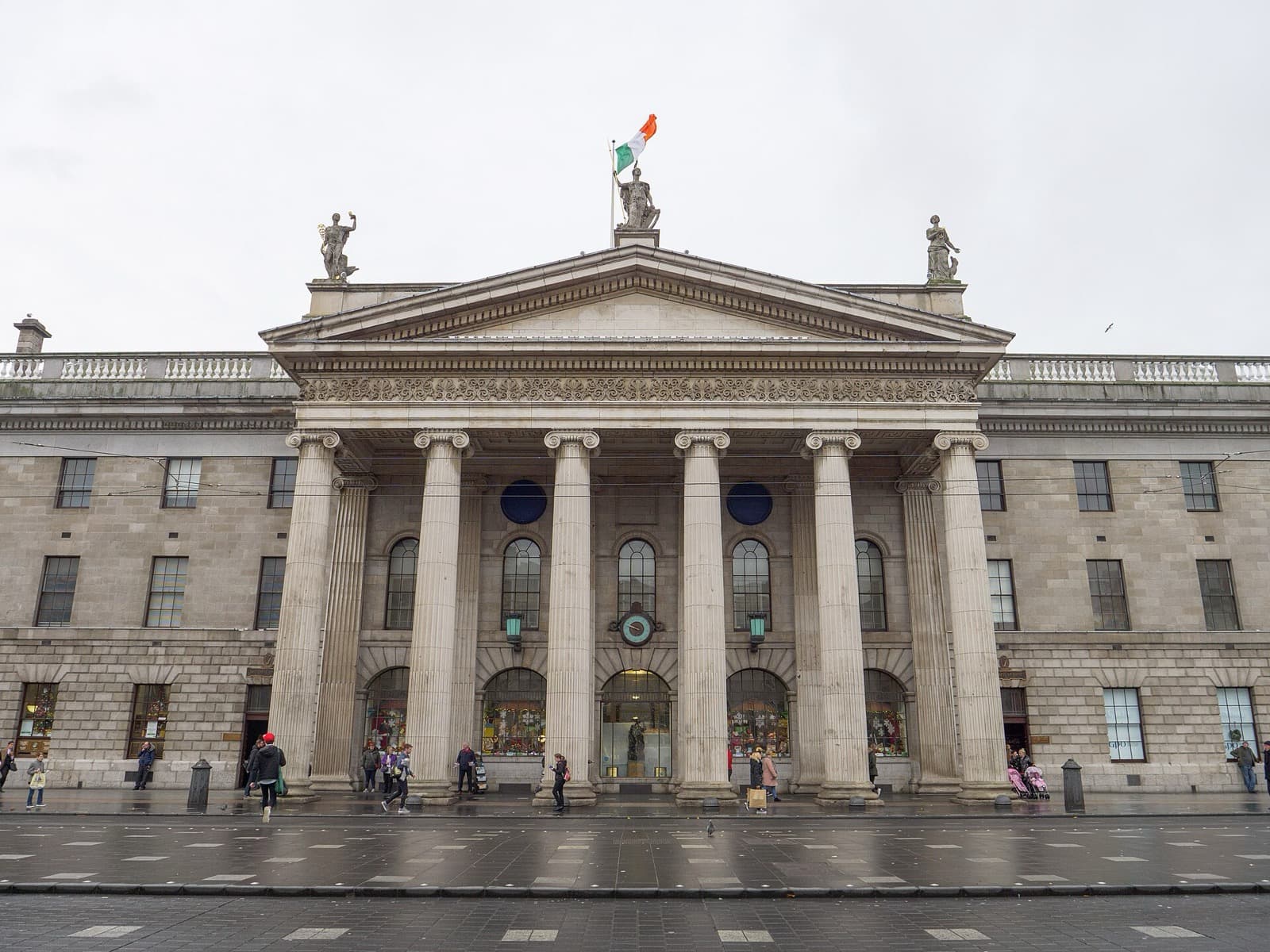
The GPO on O'Connell Street: How One Post Office Became the Birthplace of a Republic
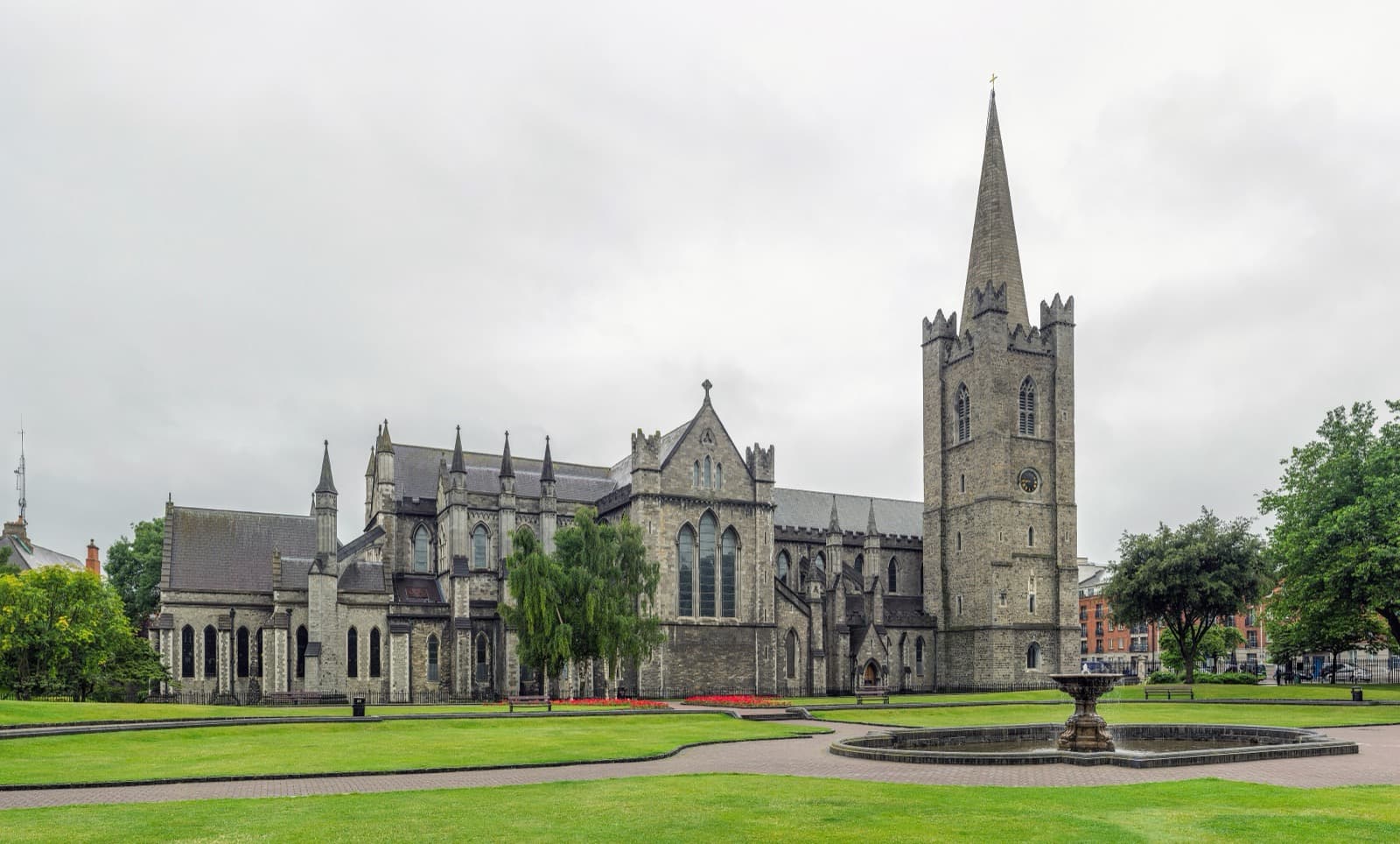
Saint Patrick's Cathedral, Dublin: Swift's Furious Epitaph