Dublin Castle governed Ireland for seven centuries, and it sits directly over the black pool that gave the city its name. That single fact holds the whole logic of a medieval walk through Dublin. The elegant capital of fanlit doorways and red-brick squares is a Georgian and Victorian surface, and underneath it lies a Viking trading town and the Norman city that grew from it. Start at the castle, read it correctly, and the rest of the old town starts to show through the polish.
The fortress over the black pool
Stand in the Upper Yard of Dublin Castle and the buildings around you read as Georgian. Most of the State Apartments are indeed eighteenth-century work. But the castle underneath is far older. It was raised as a major defensive work by Meiler Fitzhenry, on the orders of King John of England, in 1204. From this walled square, English and then British administrators governed the country until January 1922, when the castle was handed over to Michael Collins and the Provisional Government under the Anglo-Irish Treaty. That is close to seven hundred years of rule from one enclosure.
The oldest thing still standing here is the Record Tower, a squat, round medieval keep from about 1228. It is the only surviving medieval tower of the whole castle, its walls nearly five metres thick, and it later served as a state prison and a store for records. Then there is the detail that names the city. The castle garden behind these ranges sits over the Dubh Linn, the black pool, a still, dark stretch of the little River Poddle. That dark water gave Dublin its English name, and the Vikings moored their ships in it. The pool was drained and remodelled long ago into the lawn you can visit today. The very ground that named the city lies quietly under grass, roofed over by an elegant garden. That is the pattern the whole walk keeps repeating: the visible city is polished, and the real story is the older town it was built upon.
Reading the surface, then breaking through it
Hear a stop from this walk
Saint Patrick's Cathedral: Swift Under His Own Epitaph
From the castle gate the route climbs Cork Hill to City Hall, a cool domed rotunda that began not as a seat of government but as a trading floor. It was built as the Royal Exchange between 1769 and 1779, to designs by the architect Thomas Cooley, on the site of a vanished medieval church. Merchants did their business under a dome carried on twelve columns, above a marble floor bearing the city's coat of arms and the Latin motto Obedientia Civium Urbis Felicitas, the obedience of the citizens produces a happy city. Dublin Corporation later took the building over and, at its first meeting there on the thirtieth of September 1852, renamed it City Hall. A trading floor became a council chamber. That is still Georgian confidence, though. The medieval city proper begins just up the hill.
Christ Church Cathedral is the whole theme of the walk compressed into one building. It was founded around 1030 under the Hiberno-Norse king Sitric Silkenbeard and Dunan, the first Bishop of Dublin, as a timber church raised by the Norse townsfolk. After the Normans took Dublin in the 1170s, Strongbow, the Norman lord Richard de Clare, and other magnates funded a complete rebuilding in stone. A Viking foundation, raised again by Norman hands. Go down into the crypt, built in 1172 and 1173, which runs some sixty-three metres and is the largest cathedral crypt in Britain or Ireland. Its stone is older than the streets above your head. There you will also find the mummified cat and rat nicknamed Tom and Jerry, found trapped in an organ pipe in the eighteen fifties, a piece of cathedral lore that James Joyce thought fine enough to set down in Finnegans Wake.
Where the buried town came into the light
Next to the cathedral, linked by a covered stone bridge over Winetavern Street, the Victorian Synod Hall holds Dublinia, a museum where the Norse town is rebuilt room by room: a smoky longhouse, a reconstructed medieval street, the everyday tools of a working harbour town. It also interprets the great excavation that comes next, with many finds on loan from the National Museum of Ireland.
That excavation is Wood Quay, the riverside climax of the walk and its hardest lesson. From 1974, archaeologists digging on the south bank of the Liffey uncovered timber houses, streets, property boundaries, and the town's defences, preserved some three metres deep in the wet ground. It was one of the largest urban Viking-age excavations in Europe. And then most of it was lost. Dublin Corporation had already chosen the site for its new civic offices. The Save Wood Quay campaign, chaired by Professor F. X. Martin of the Friends of Medieval Dublin, brought a protest march of about twenty thousand people onto the streets on the twenty-third of September 1978, and the following summer a group occupied the site in an action they called Operation Sitric, named for the Norse king who helped found Christ Church. The Corporation prevailed. The offices opened in 1986, and Dublin City Council governs from them still. Stand on the quay and hold both facts at once: Europe's greatest Viking dig happened under your feet, and most of it was paved over anyway.
Survival, and a furious dean
After that loss, Saint Audoen's is a stop about what endured. Built between about 1181 and 1212 under John Comyn, the first Norman Archbishop of Dublin, it is the only surviving medieval parish church in the whole city, dedicated to a seventh-century bishop of Rouen who is a patron of Normandy. Beside it stands Saint Audoen's Arch, built around 1240, the only surviving medieval city gate in Dublin, along with the best-preserved stretch of the old wall.
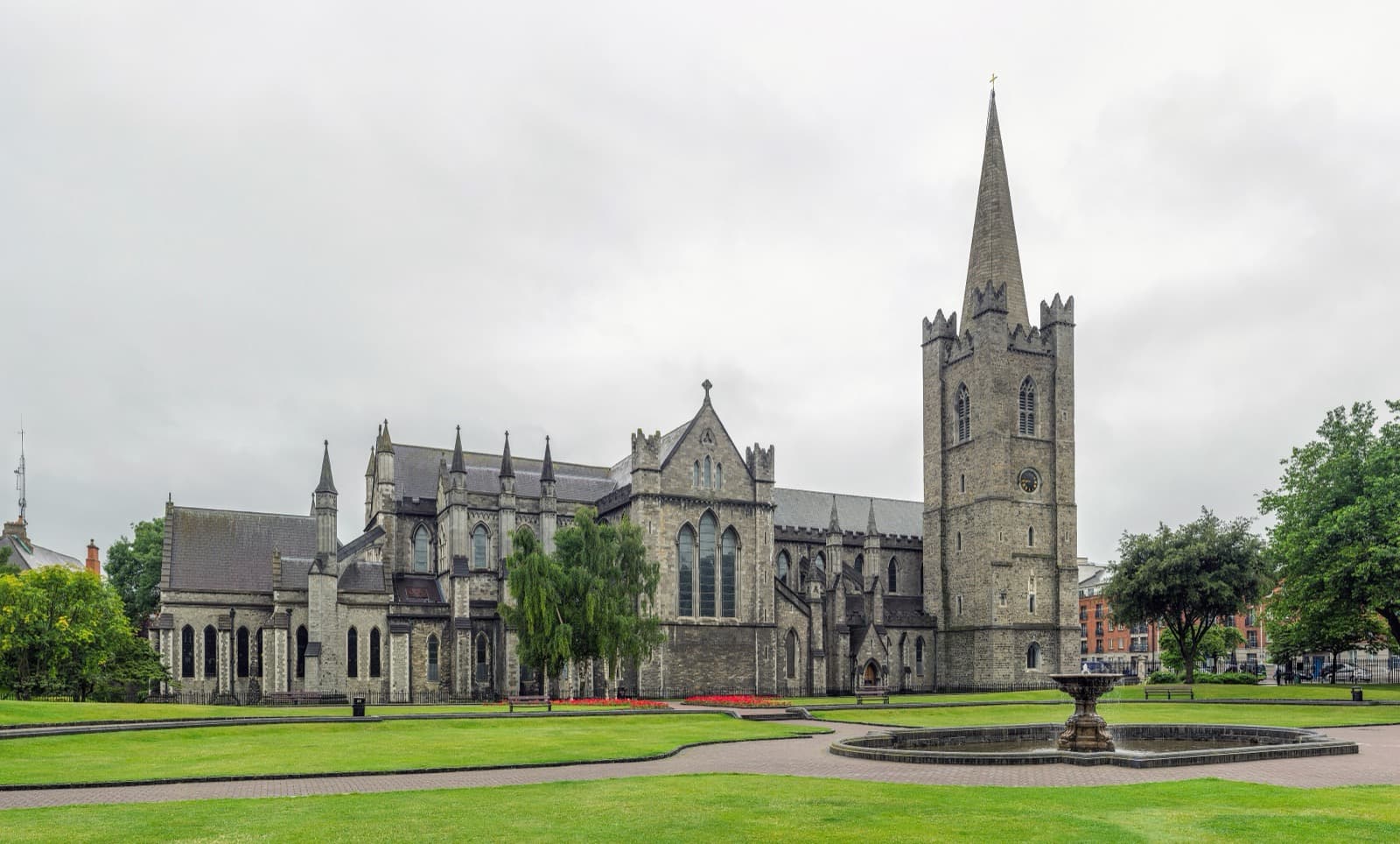
The walk closes at Saint Patrick's Cathedral, the larger of the two medieval cathedrals, begun around 1191 and granted cathedral status by about 1213. Its spire rises forty-three metres, making it the tallest and largest church in Ireland, and it stands on ground once forming an island between two branches of the same River Poddle whose black pool named the city. Jonathan Swift, author of Gulliver's Travels, was Dean here from 1713 until his death in 1745, and he is buried inside beneath a bitter Latin epitaph he wrote for himself, telling the passerby he has gone where savage indignation can no longer tear his heart. It is a fitting close for a walk that reads the city as furiously as Swift read his age.
You can walk this route at your own pace, about two kilometres over roughly ninety minutes, no group at your shoulder and no schedule to keep. For more routes across the city, see our guide to Dublin walking tours.
Sources
- Dublin Castle official site (dublincastle.ie), including its Medieval Tower pages, for the Record Tower and the castle's history of administration and 1922 handover.
- Christ Church Cathedral official history (christchurchcathedral.ie) and the cathedral's Wikipedia entry, for the founding, the Norman rebuilding, and the crypt.
- Wikipedia's Wood Quay entry and History Ireland's "Heritage outrage: Wood Quay," for the excavation, the Save Wood Quay campaign, and the civic offices.
- Saint Patrick's Cathedral official site (stpatrickscathedral.ie), "Jonathan Swift, Dean 1713-1745," for Swift's deanship, burial, and epitaph.
- Dublin City Council history of City Hall (dublincity.ie), for the Royal Exchange and its 1852 renaming.
Ready to experience it?
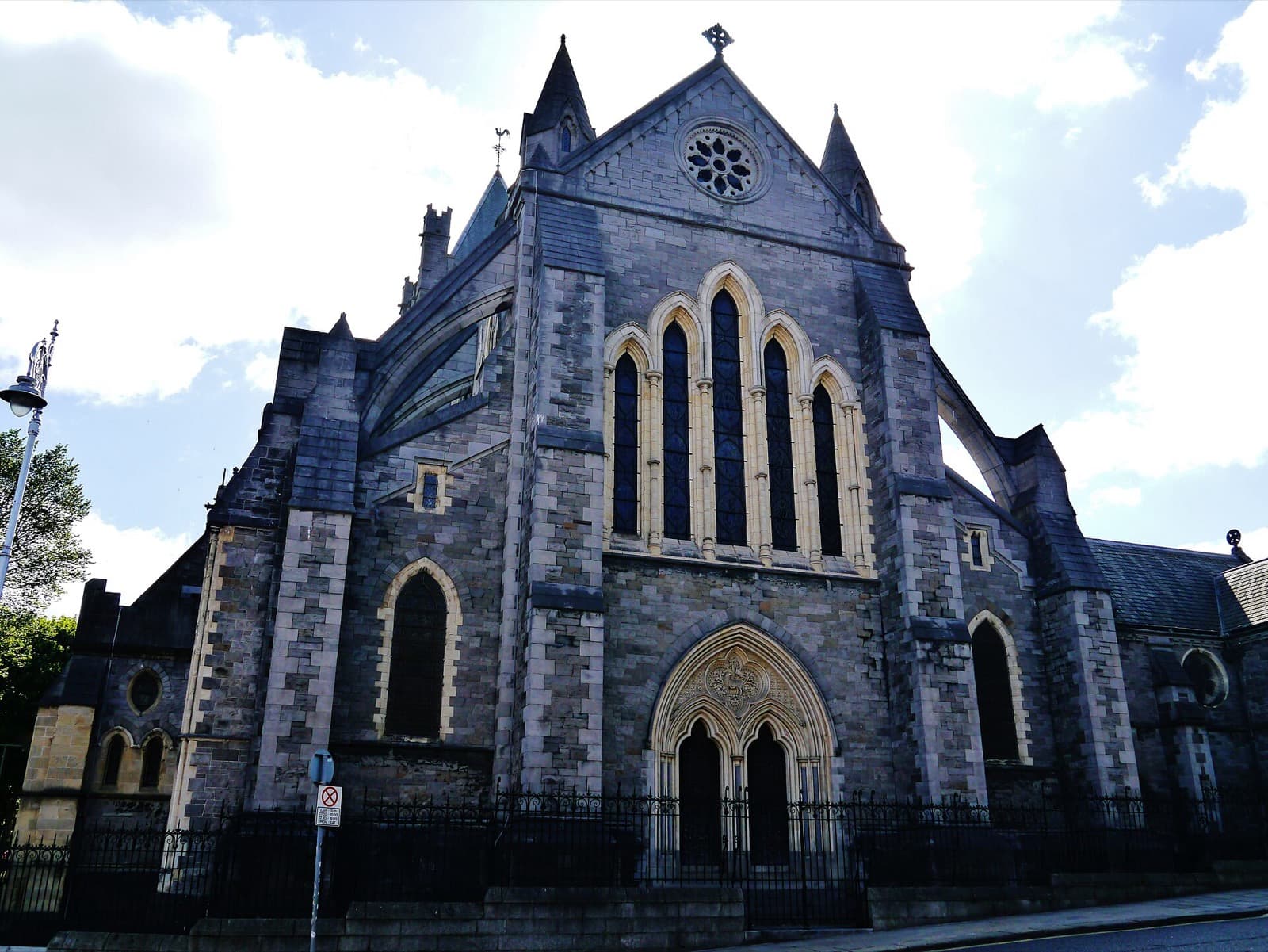
Medieval Dublin: The City Behind the Georgian Mask
90 min · 2.2 km · moderate
More from Dublin
Explore more at your own pace.
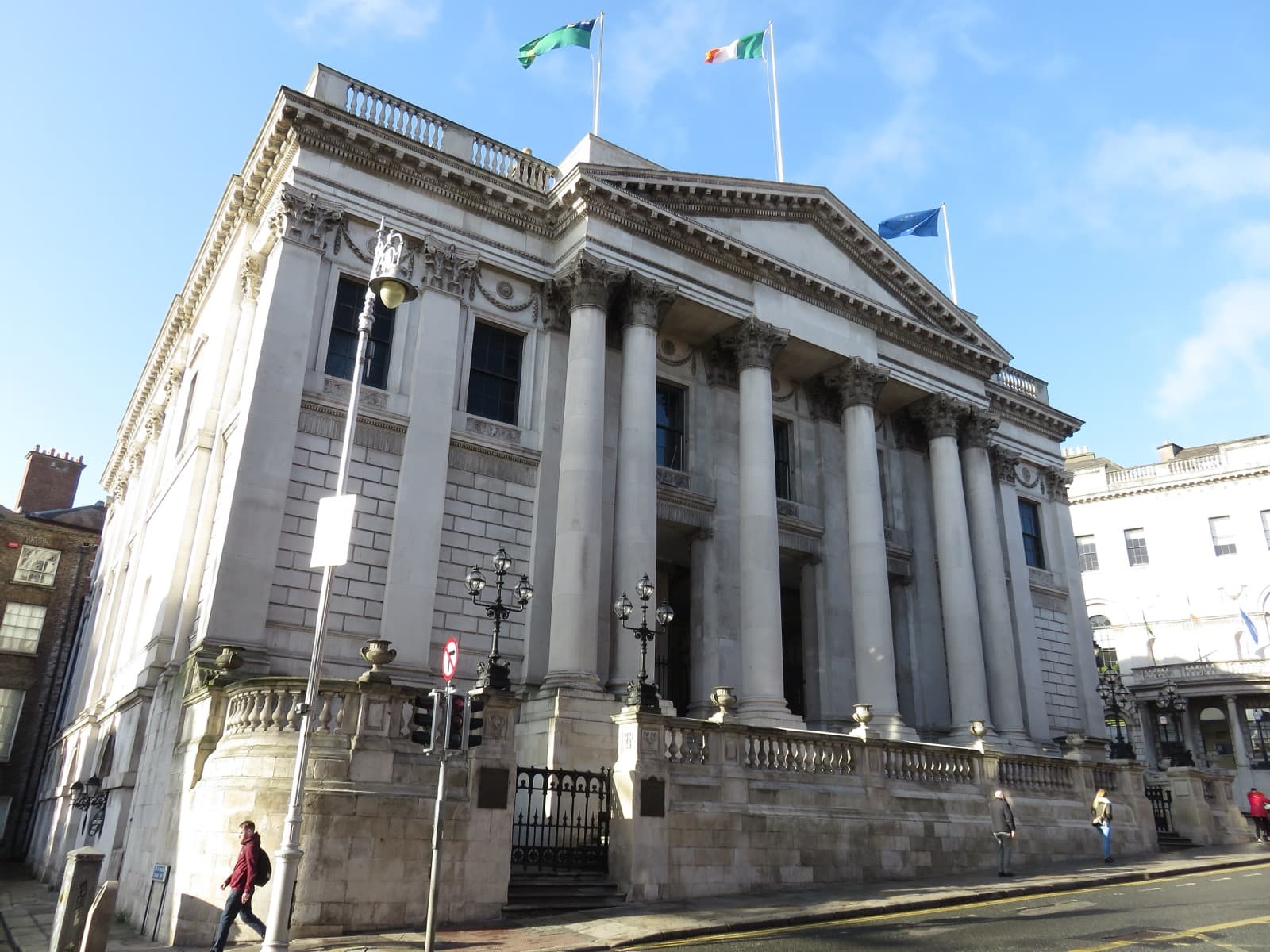
Dublin Travel Guide: Days, Transport, Weather, Safety, and Budget
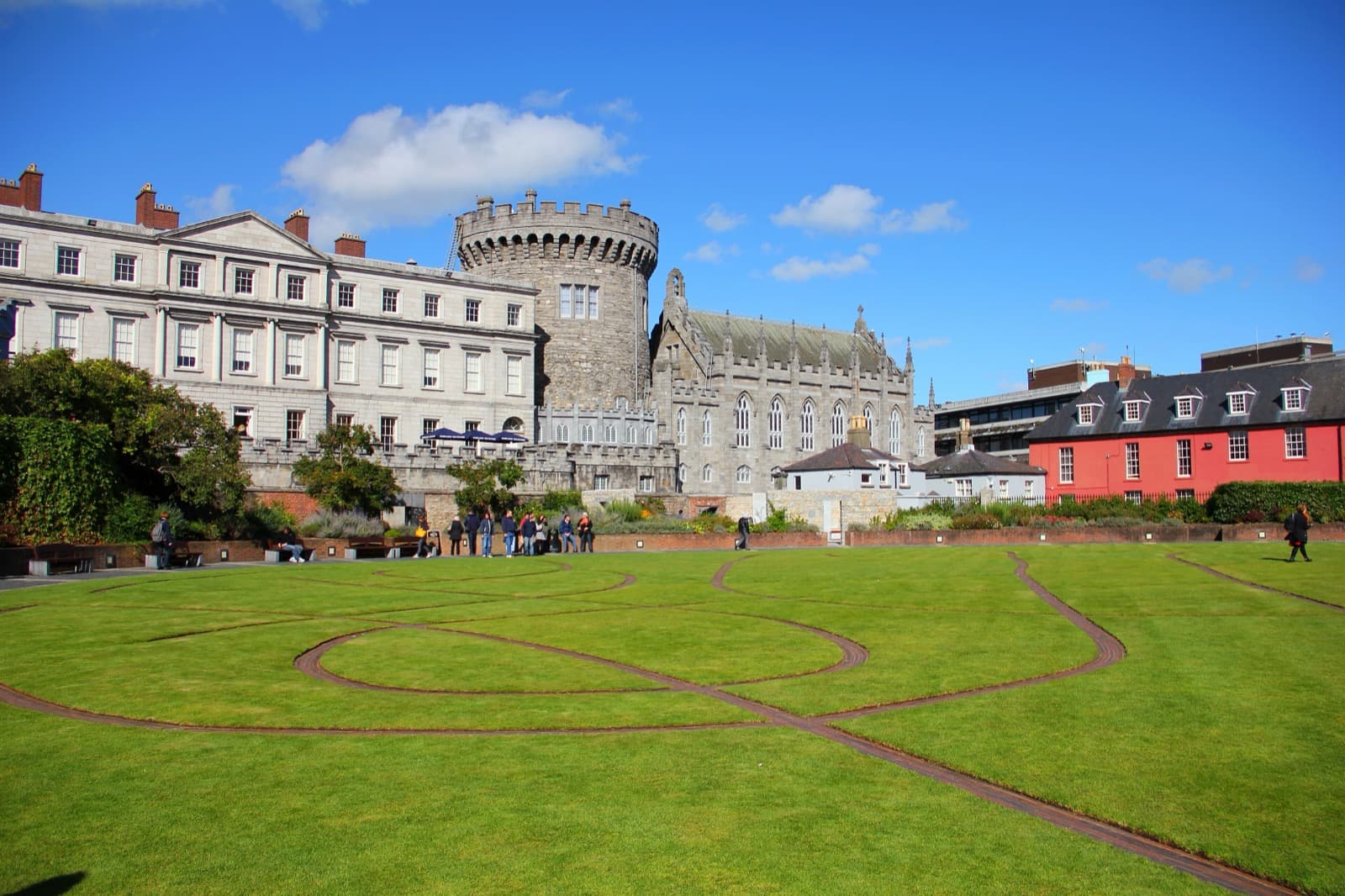
Dublin in Layers: The Viking Town Beneath the Georgian Mask
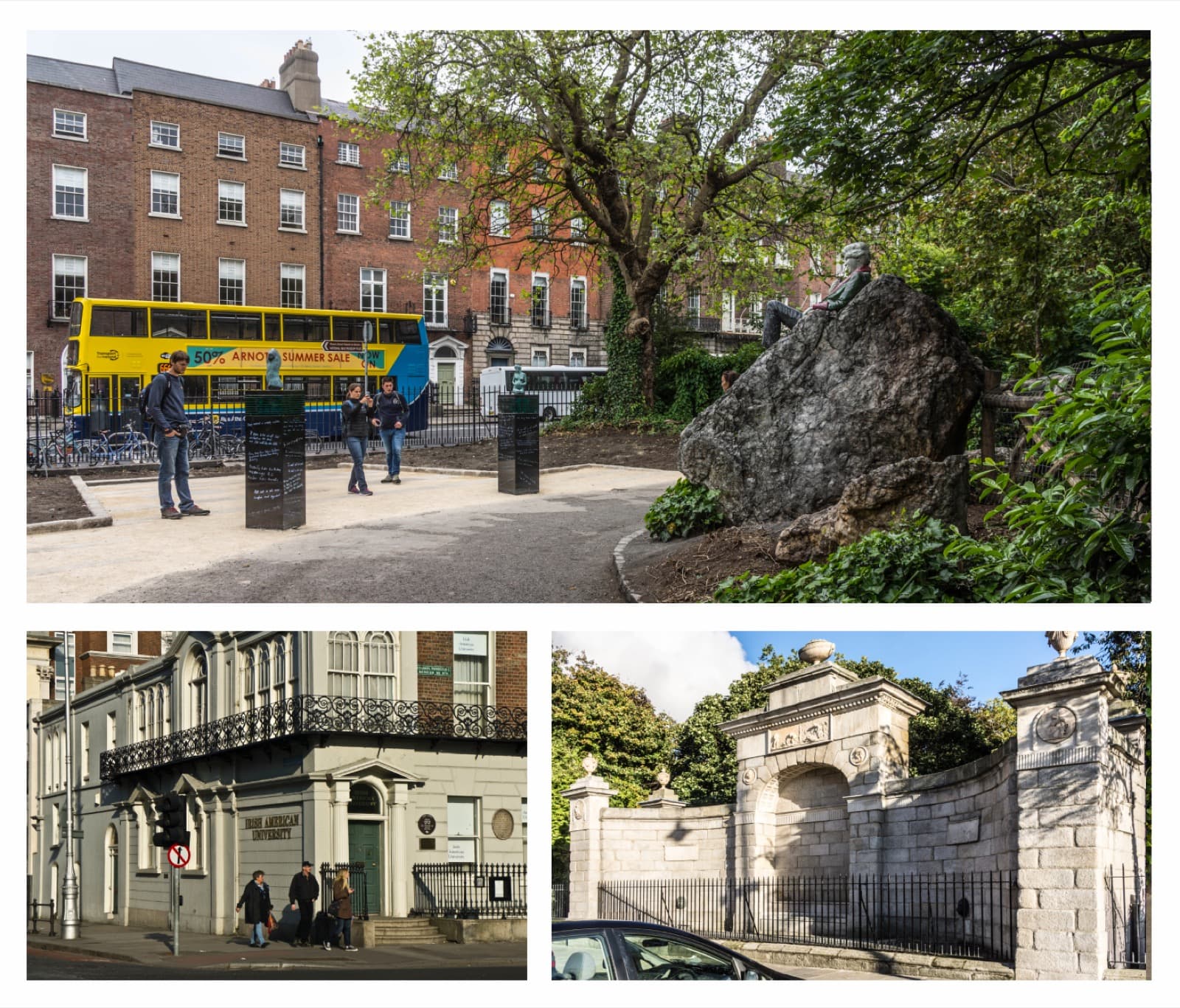
Merrion Square and the Grammar of Georgian Dublin
The GPO on O'Connell Street: How One Post Office Became the Birthplace of a Republic
Saint Patrick's Cathedral, Dublin: Swift's Furious Epitaph