Medieval Dublin: The City Behind the Georgian Mask
90 min · 2.2 km · moderate
If you want to eat like a Dubliner, start with Dublin coddle, a slow-cooked stew of sausages, rashers of bacon, potatoes, and onions that the city invented to use up the week's leftover pork. Then work outward to boxty (the Irish potato pancake), a bowl of Irish stew, oysters chased with Guinness, seafood chowder mopped up with soda bread, and a bag of fish and chips eaten on the walk home. These are the dishes with a real Dublin address, and this guide tells you where each one comes from and how to order it without looking like you just got off the plane.
Dublin food is working-class food that got proud of itself. Most of it starts with the potato and the pig, because for centuries those were what ordinary Dubliners could afford. Understanding that history is half the fun of eating here, and the compact medieval core where a lot of this food was born is exactly the ground our self-guided Dublin walking tours cover.
Dublin coddle: the city's own stew
Coddle is the one dish that belongs to Dublin specifically rather than to Ireland at large. It is a plain, comforting pot of pork sausages and rashers of bacon simmered slowly with potatoes and onions, usually pale rather than browned because everything is gently boiled rather than fried. The name comes from the French "caudle," meaning to boil gently or parboil.
The tradition is tied to the old Catholic fasting calendar. Meat was not eaten on Fridays, so cooks would coddle up the week's leftover sausages and bacon on a Thursday night so nothing went to waste. It became a Dublin staple around the seventeen hundreds and stuck as a marker of the city's working-class kitchens. Coddle also earned a literary footprint: it appears in the writing associated with James Joyce's Dublin, which is part of why it reads as a distinctly Dublin dish rather than a generic Irish one.
How to order it: coddle is a homely dish, so look for it on the menu at a traditional pub rather than a smart restaurant. It is filling and mild, so ask for brown soda bread on the side to soak up the broth, and expect a bowl rather than a plate.
Boxty: the potato pancake
Hear a stop from this walk
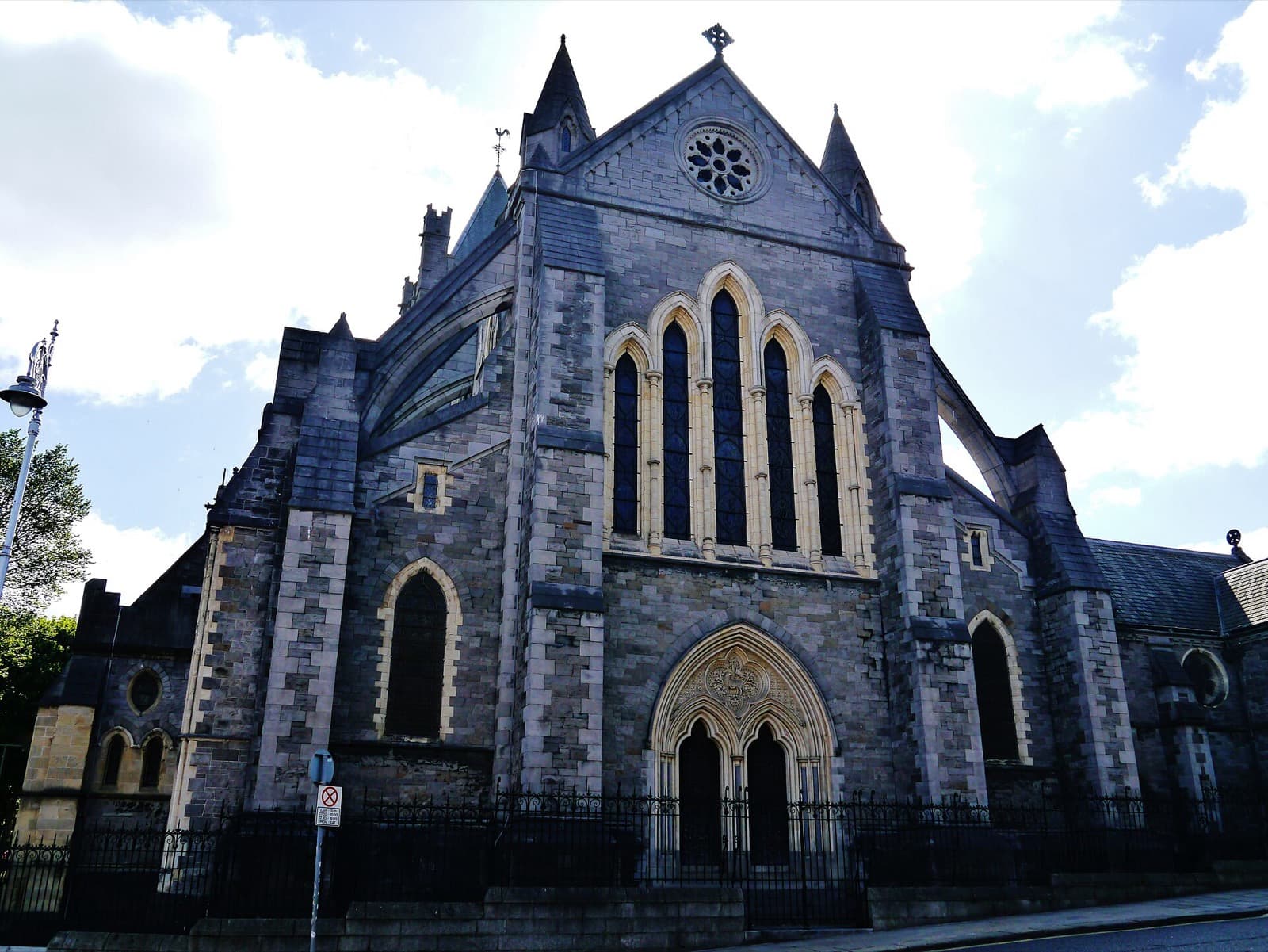
Saint Patrick's Cathedral: Swift Under His Own Epitaph
Boxty is a potato pancake made from a mix of grated raw potato and mashed potato bound with flour and buttermilk, then fried until it crisps at the edges. It comes out somewhere between a pancake and a hash brown, and it is often served as a soft wrap around a savoury filling like beef or bacon.
The name most likely comes from the Irish "arán bocht tí," meaning "poor-house bread," which tells you everything about its origins. The dish is a staple that dates to the seventeen hundreds and is most strongly associated with the north midlands and the border counties like Leitrim, Cavan, and Longford rather than Dublin itself. What Dublin gave it was a stage: the city has a dedicated boxty specialist, Gallagher's Boxty House in Temple Bar, which is where most visitors try it for the first time.
How to order it: if you want the full experience, order boxty as a wrap or "boxty pancake" filled with a stew or braised meat rather than as a plain side. It is a good vegetarian-friendly base too, since the pancake itself is just potato.
Irish stew, chowder, and soda bread
Irish stew is the national dish and it is genuinely simple: lamb or mutton, potatoes, onions, and carrots, cooked long and slow. Mutton (meat from an older sheep) was traditional because it was cheaper and had a stronger flavour, though most modern kitchens use lamb. Order it in a pub, ask for soda bread, and you have the most honest meal in the country.
Soda bread deserves its own mention because it is on nearly every table. It is a quick bread leavened with baking soda instead of yeast, made from flour, buttermilk, and salt, and it comes in a brown wholemeal version and a paler white one. It is not a side you skip. Use it to finish the last of a stew or a bowl of seafood chowder, which is the creamy fish soup you will see on menus all over the city, thickened and studded with smoked fish and shellfish. Chowder plus soda bread is the standard light lunch by the coast and in the city both.
Oysters and Guinness
The classic Dublin pairing is a plate of oysters with a pint of Guinness, and it is worth doing at least once. The match dates back to the eighteen hundreds, when oysters were cheap, plentiful bar food and stout was the everyday drink. The logic still holds: the briny, mineral hit of the oyster sits against the light bitterness and faint caramel of the stout.
How to order: oysters in Dublin are served raw on the half shell, usually with a wedge of lemon, a splash of mignonette (a vinegar-and-shallot dressing), or a dash of Tabasco. Squeeze, dress lightly, tip the shell to your mouth, and follow with the Guinness. If you are new to oysters, ask the bar which are freshest that day rather than ordering by name.
A note on the Guinness itself: a proper pint is poured in two stages with a rest in between, so do not be surprised when the bartender sets your half-full glass aside for a minute. That pause is the pour, not neglect.
Fish and chips, and where the food was born
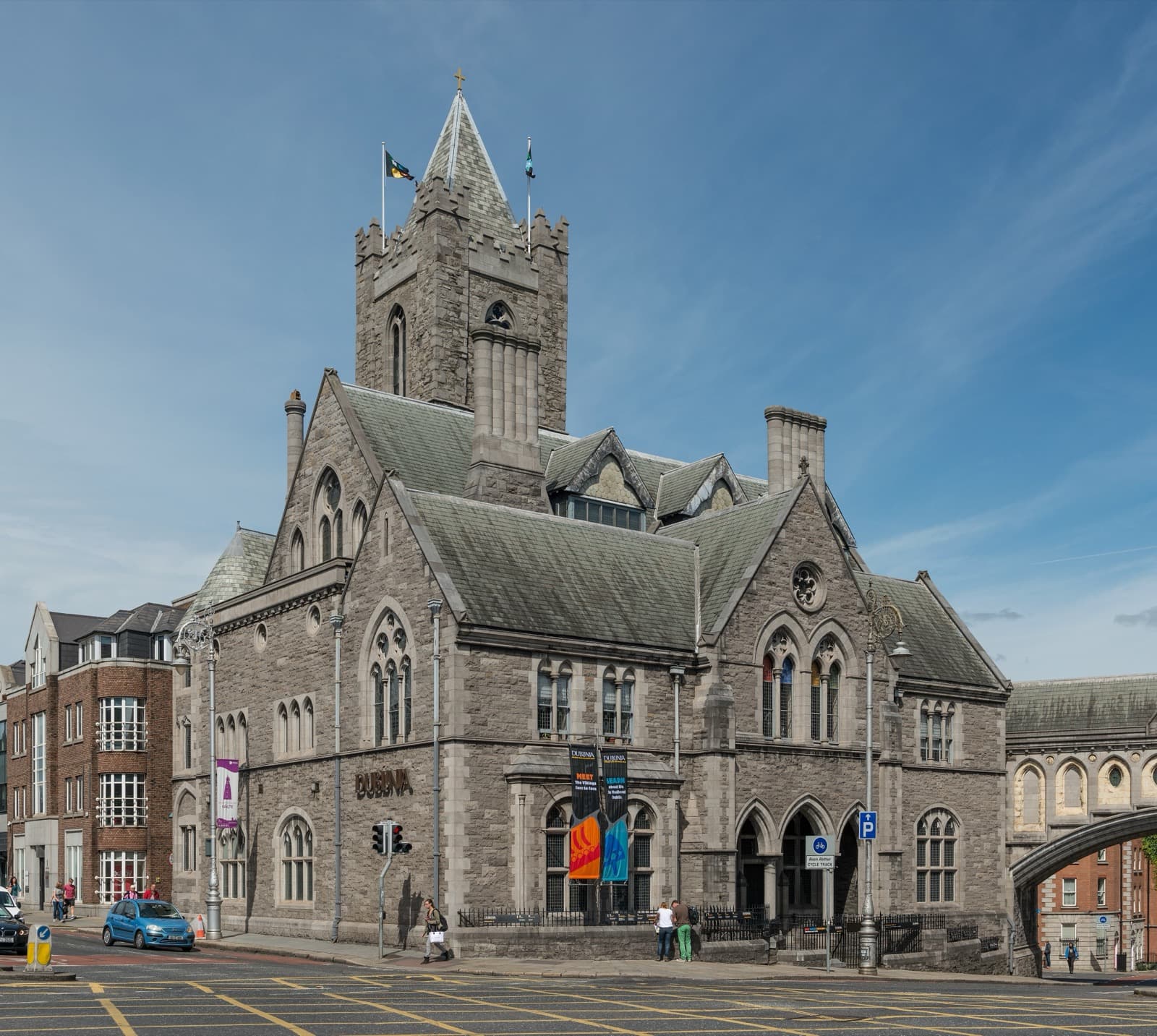
For a cheap, portable Dublin classic, get fish and chips (a "one and one" in old Dublin slang) from a chipper. The city's oldest is Leo Burdock, which opened near Christ Church Cathedral in 1913 and is a short walk from several of the medieval landmarks on our tours. It was started by Bella Burdock and named after her son Leo. It is a takeaway counter, not a sit-down restaurant, so plan to eat standing or walking.
That same neighbourhood is where a lot of this food culture began. The Liberties, the old Norse and medieval quarter around Christ Church and Saint Patrick's, is home to Ireland's oldest pub by tradition, The Brazen Head. Its signboard claims a hostelry on the site since 1198, though the present building dates to the seventeen hundreds and the documented licence records begin in the sixteen hundreds. Either way, it is a fine place for a bowl of stew and a pint, and it sits right along the route of the Dublin medieval old town walk on /ireland/dublin.
One honest word on Temple Bar: it is the district most visitors head to for "traditional" food and music, and it is real, but it is also the most expensive part of the city for a pint and a plate. The food is not better there than in a quieter pub two streets over, so treat Temple Bar as one option, not the only one.
Turning a meal into a walk
The neat thing about Dublin is that the food and the history share the same few streets. Coddle, Leo Burdock's chipper, and The Brazen Head all cluster in the medieval core around the two cathedrals, which is exactly the ground the Dublin medieval old town tour covers. The Georgian city where the merchants who could afford better food lived and dined is the Trinity and Merrion Square walk, and the modern city that grew up around O'Connell Street is its own route. Read the full set in our Dublin walking tours guide, then pick a tour and let the map take you from one landmark to the next at your own pace, stopping to eat whenever a good pub appears.
Sources
Frequently asked questions
- What food is Dublin famous for?
- Dublin is most famous for coddle, a slow-cooked stew of pork sausages, bacon rashers, potatoes, and onions that is specific to the city. Beyond coddle, Dublin is known for boxty potato pancakes, Irish stew, oysters paired with Guinness, seafood chowder with soda bread, and fish and chips. Most of these dishes trace back to working-class kitchens built around the potato and the pig.
- What is Dublin coddle and where can I try it?
- Dublin coddle is a gently boiled stew of sausages, rashers of bacon, potatoes, and onions, traditionally cooked on a Thursday to use up meat before the meat-free Friday. The name comes from the French word caudle, meaning to boil gently. It is a homely pub dish rather than a restaurant one, so look for it on the menu at traditional Dublin pubs and order brown soda bread on the side.
- Where is the oldest fish and chip shop in Dublin?
- Leo Burdock is Dublin's oldest chipper, opened near Christ Church Cathedral in 1913 by Bella Burdock, who named it after her son Leo. It is a takeaway counter rather than a sit-down restaurant, so you order at the window and eat standing or walking. It sits within a short walk of the medieval landmarks around Christ Church and Saint Patrick's cathedrals.
- Is the oysters and Guinness pairing really a Dublin thing?
- Yes. The pairing dates back to the eighteen hundreds, when oysters were cheap, plentiful bar food and stout was the everyday drink. The briny minerality of a raw oyster balances the light bitterness and faint caramel of Guinness. Oysters in Dublin are served raw on the half shell with lemon, a mignonette dressing, or a dash of Tabasco.
- What is boxty?
- Boxty is an Irish potato pancake made from a mix of grated raw potato and mashed potato bound with flour and buttermilk, then fried. Its name likely comes from the Irish aran bocht ti, meaning poor-house bread. It dates to the seventeen hundreds and is most associated with the north midlands and border counties like Leitrim and Cavan, though Dublin has a dedicated boxty specialist in Temple Bar.
- Is Temple Bar the best place to eat traditional Irish food?
- Temple Bar is the district most visitors head to for traditional food and pub music, and it is genuine, but it is also the most expensive part of Dublin for a pint and a plate. The food there is not better than in a quieter pub a couple of streets away. Treat it as one option among many rather than the only place to eat well.
Ready to experience it?
Medieval Dublin: The City Behind the Georgian Mask
90 min · 2.2 km · moderate
More from Dublin
Explore more at your own pace.
Dublin in Layers: The Viking Town Beneath the Georgian Mask
Dublin Castle and the Black Pool: A Medieval City Under the Georgian Mask
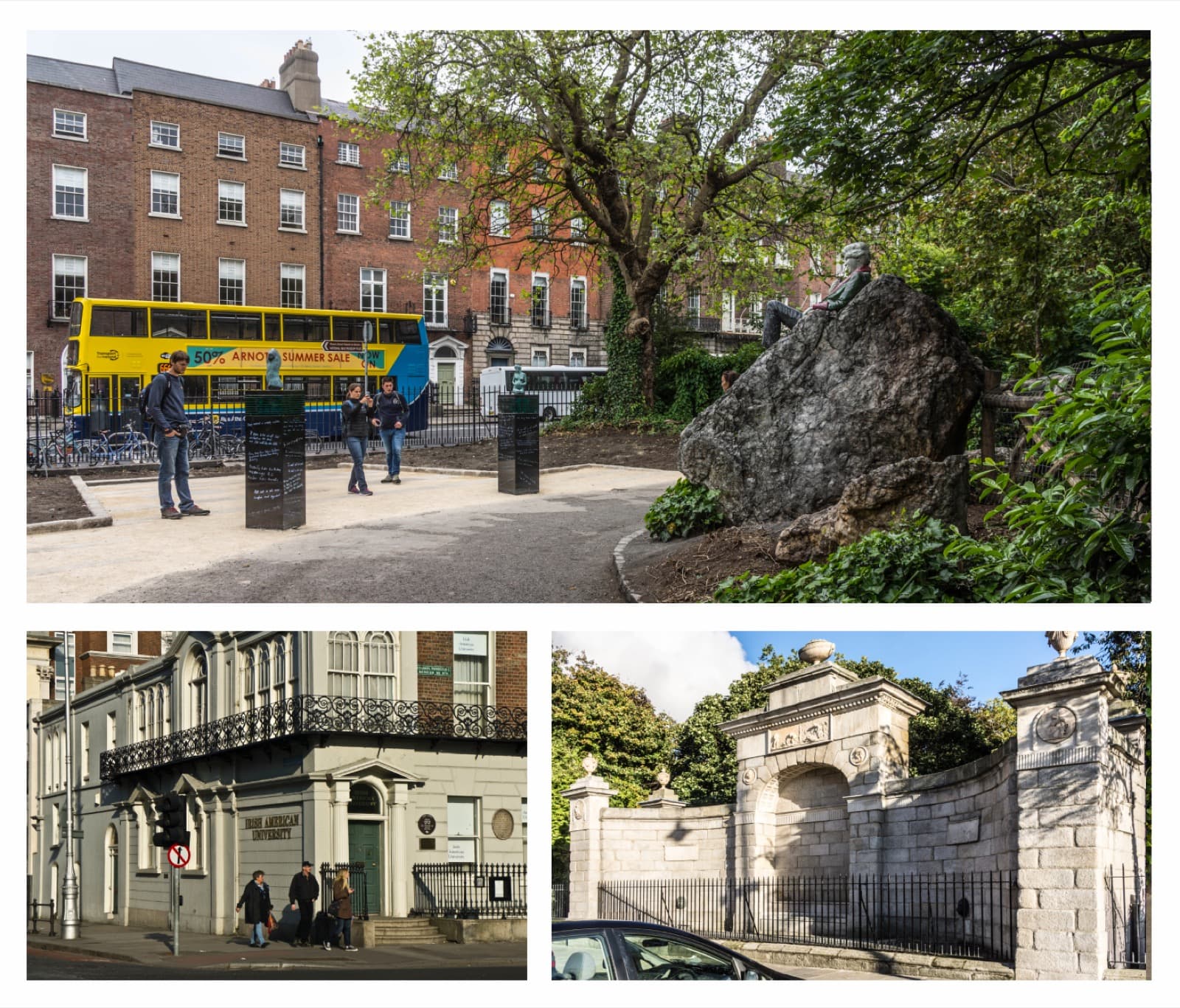
Merrion Square and the Grammar of Georgian Dublin
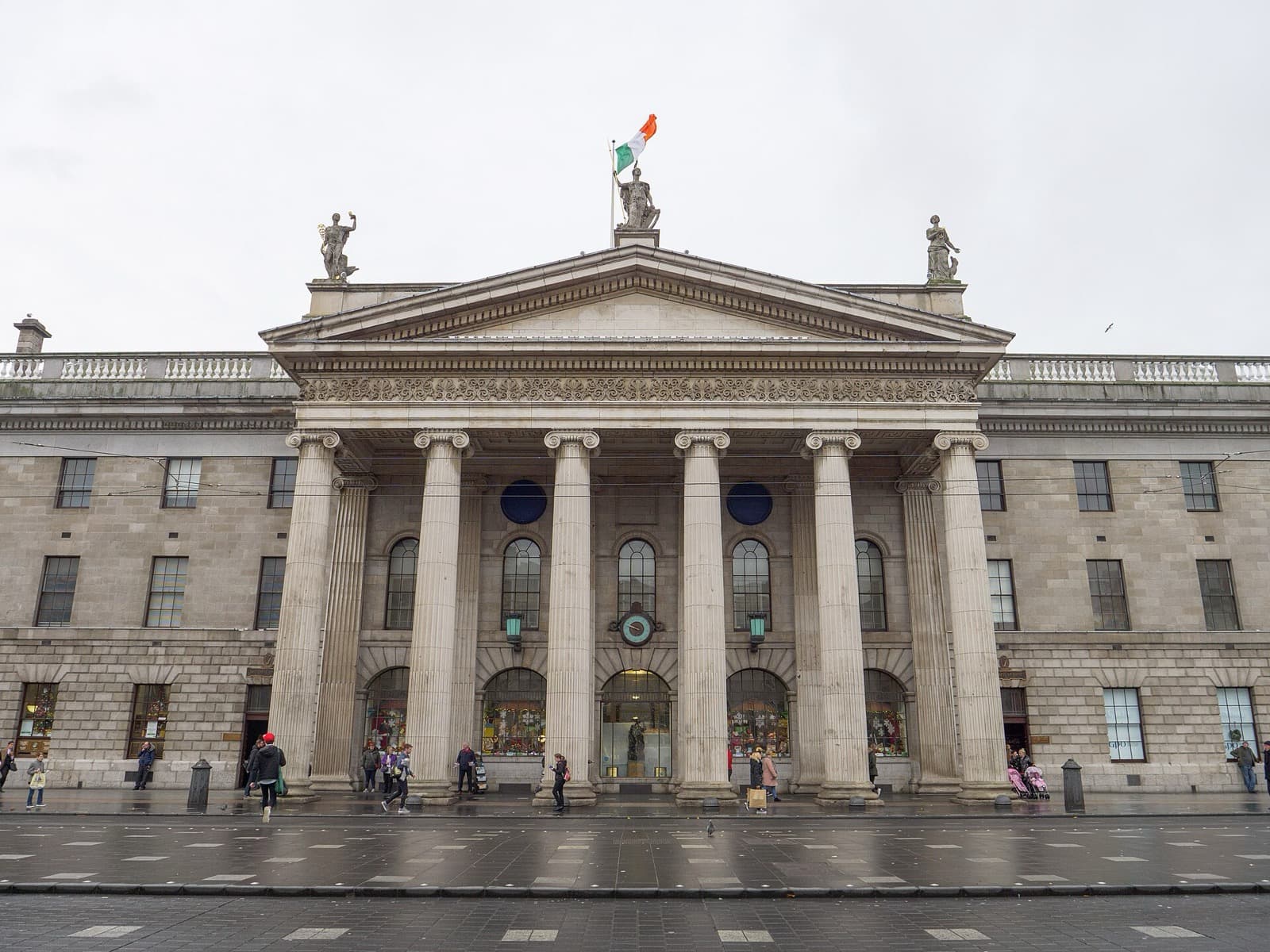
The GPO on O'Connell Street: How One Post Office Became the Birthplace of a Republic
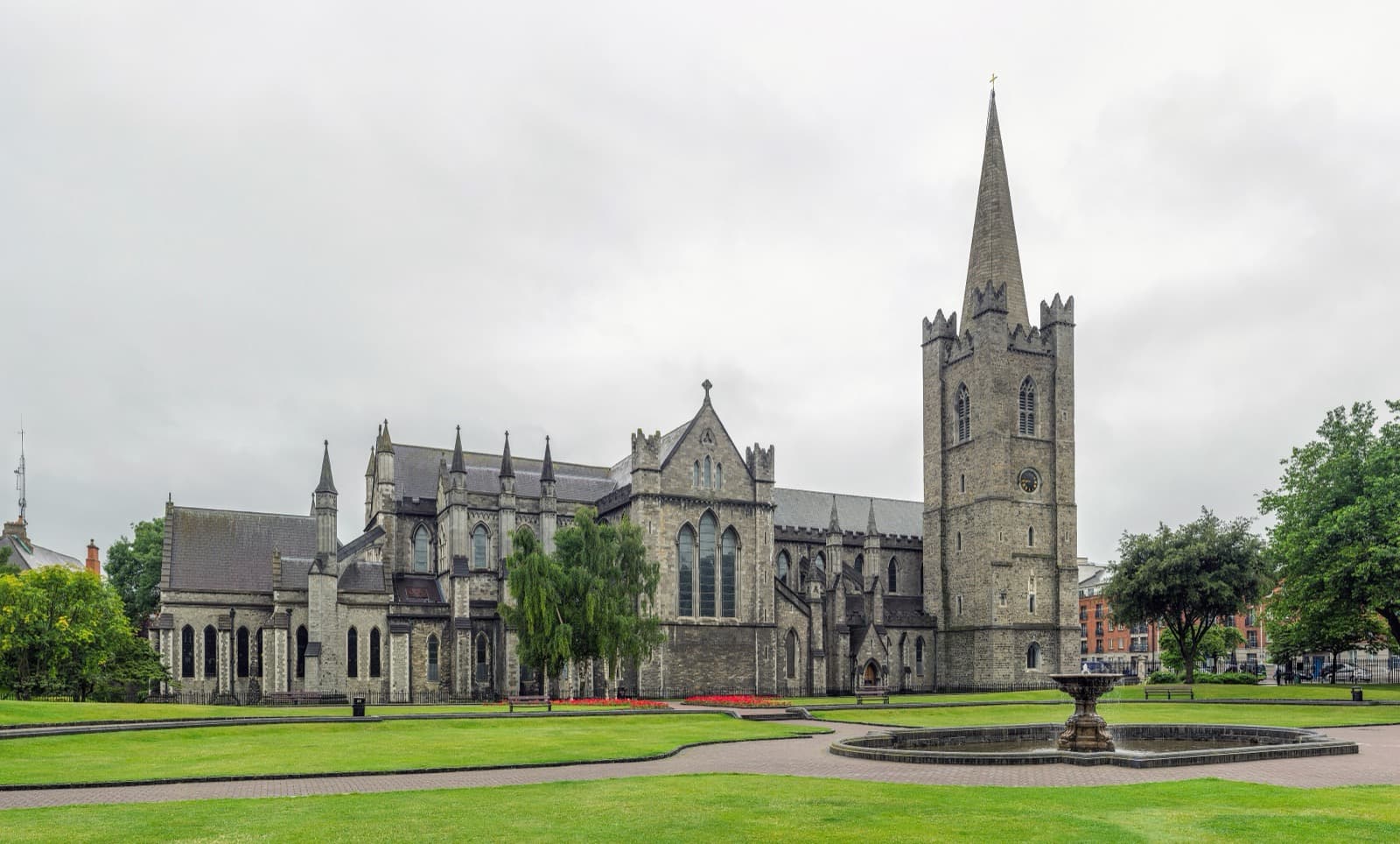
Saint Patrick's Cathedral, Dublin: Swift's Furious Epitaph