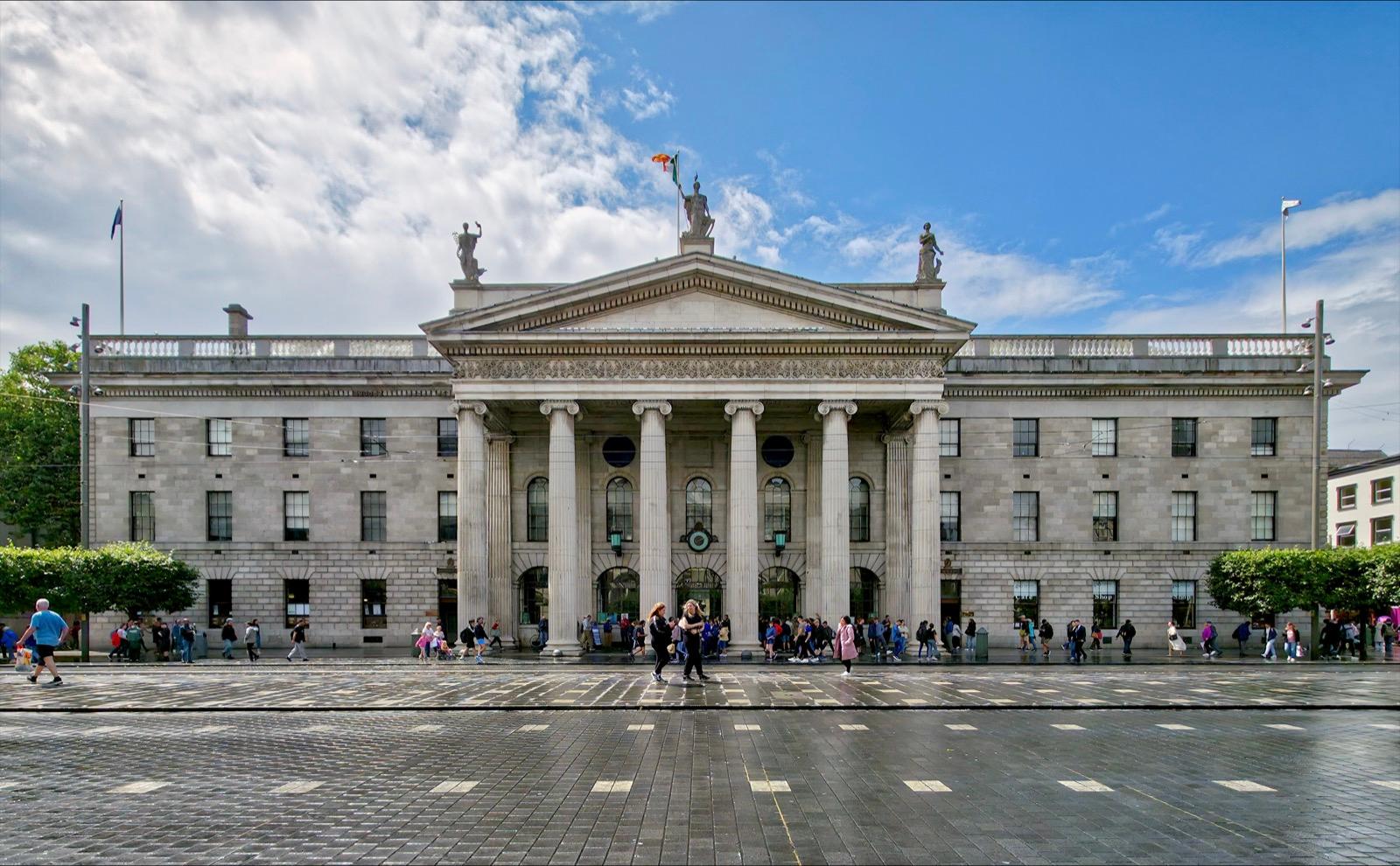
A sober walk along Dublin's grandest boulevard, from the bullet-marked General Post Office where a republic was proclaimed to the river palace burned to found a state, reading the Easter Rising of nineteen sixteen and its cost stop by stop.
Start · The General Post Office: Where a Republic Was Proclaimed
DirectionsStops
- 1
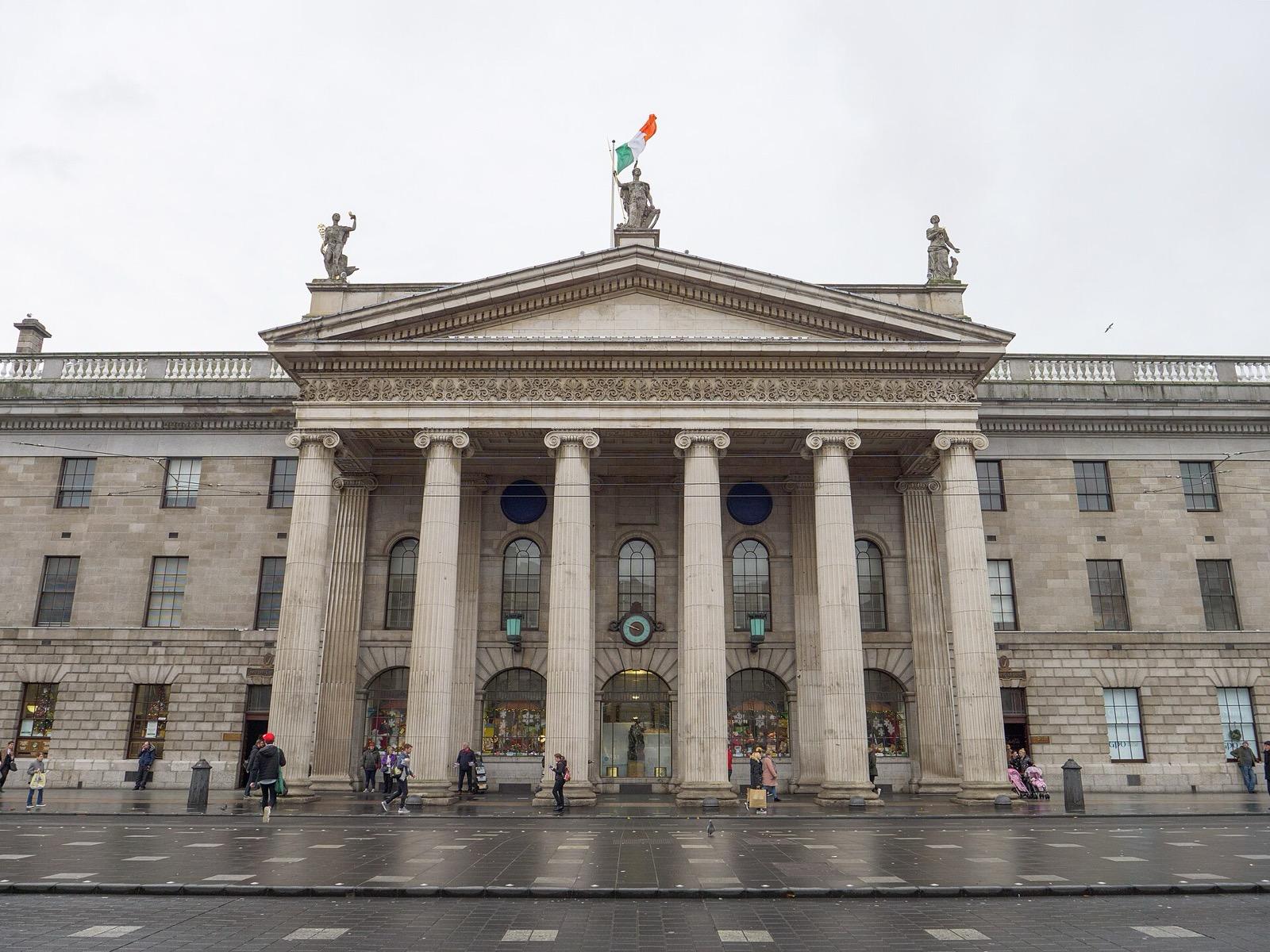
The General Post Office: Where a Republic Was Proclaimed
The granite-fronted post office that became the headquarters of the Easter Rising, where Patrick Pearse read the Proclamation of the Irish Republic before the building burned.
- 2
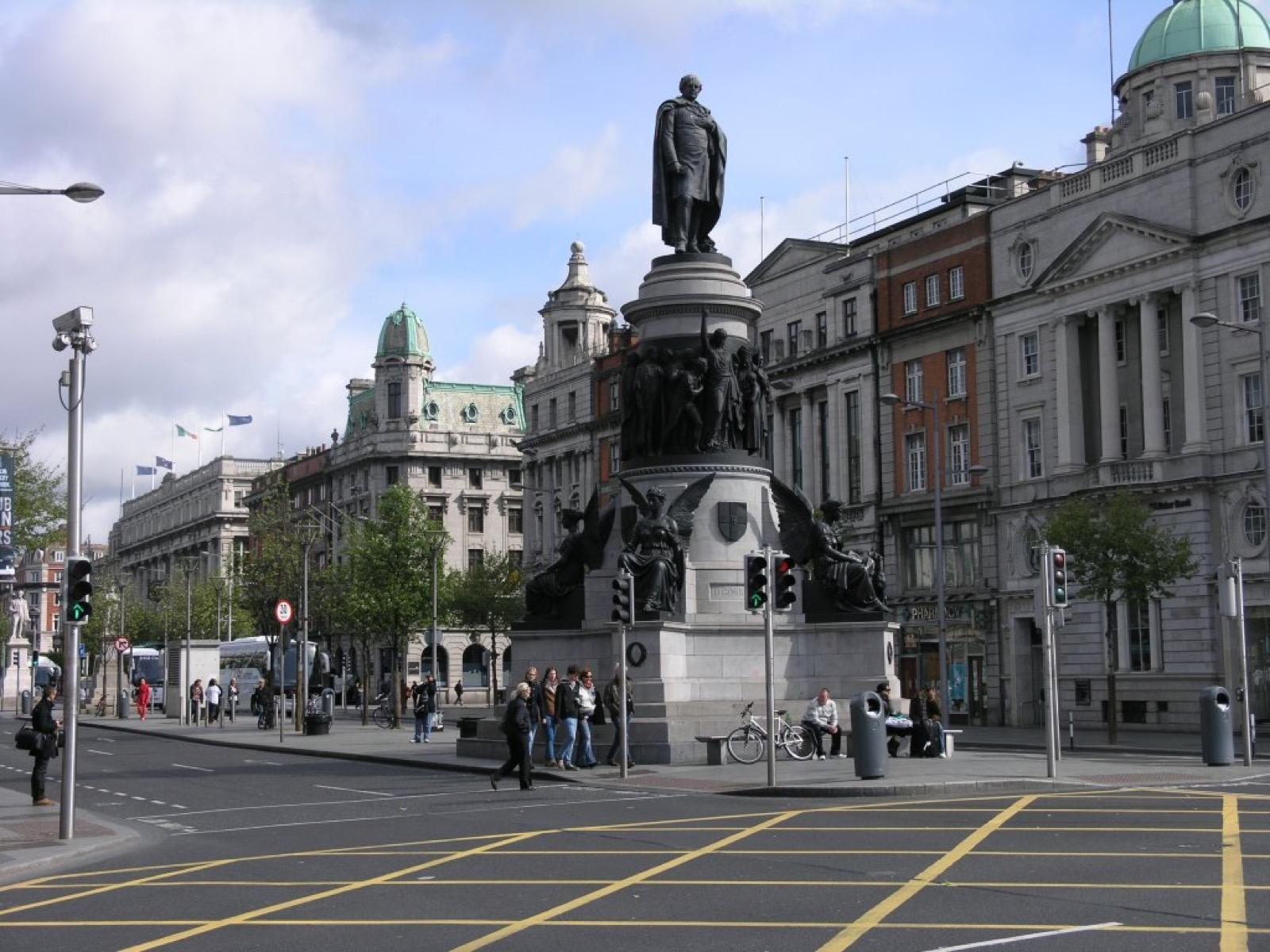
The O'Connell Monument: The Liberator in Bronze
A towering bronze and granite monument to Daniel O'Connell, the Liberator, whose winged victories at its base still carry bullet marks from the Rising.
- 3
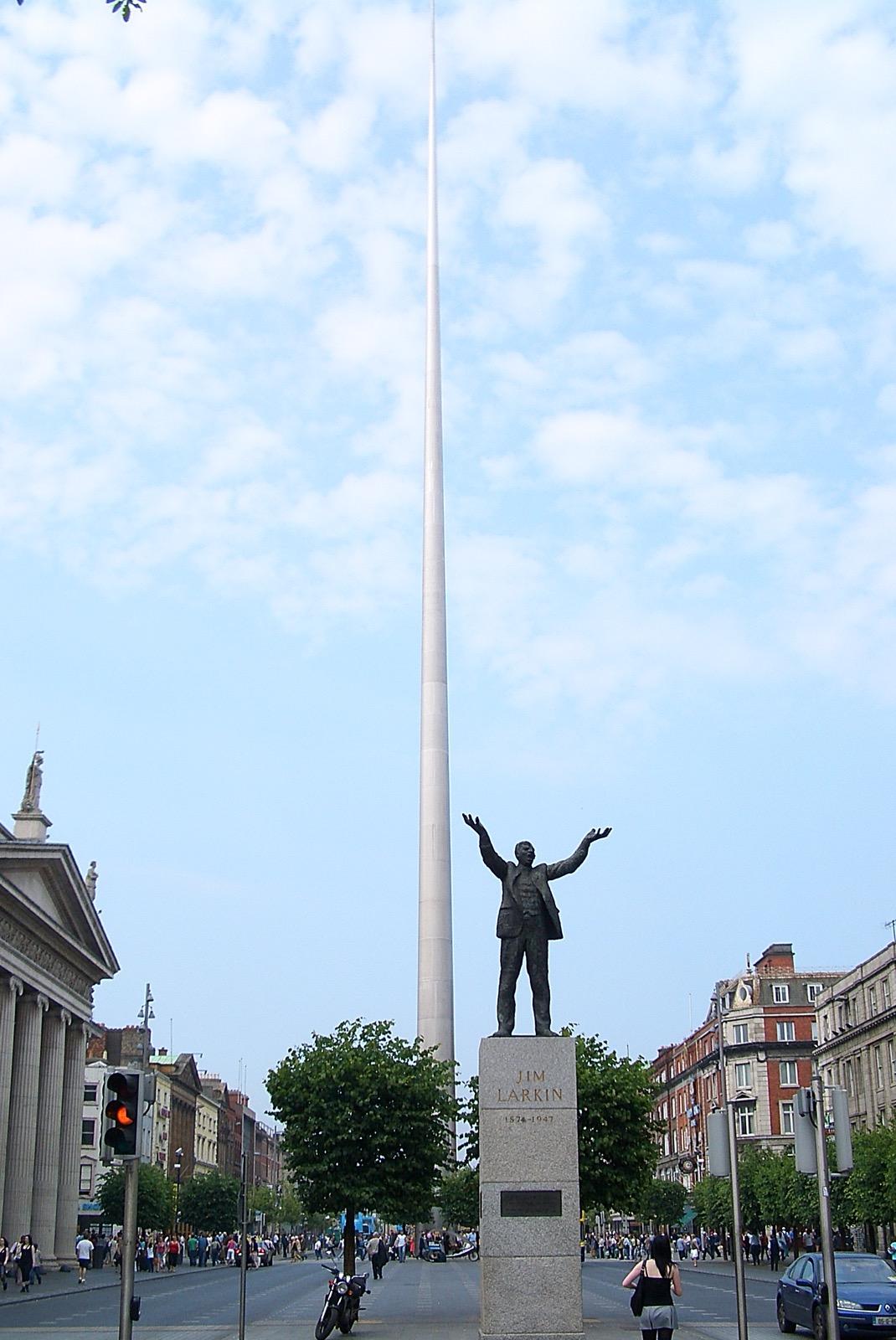
The Spire: Steel Where an Admiral's Column Stood
A stainless-steel needle rising one hundred and twenty metres opposite the GPO, standing on the site where an imperial column to Admiral Nelson once dominated the street.
- 4
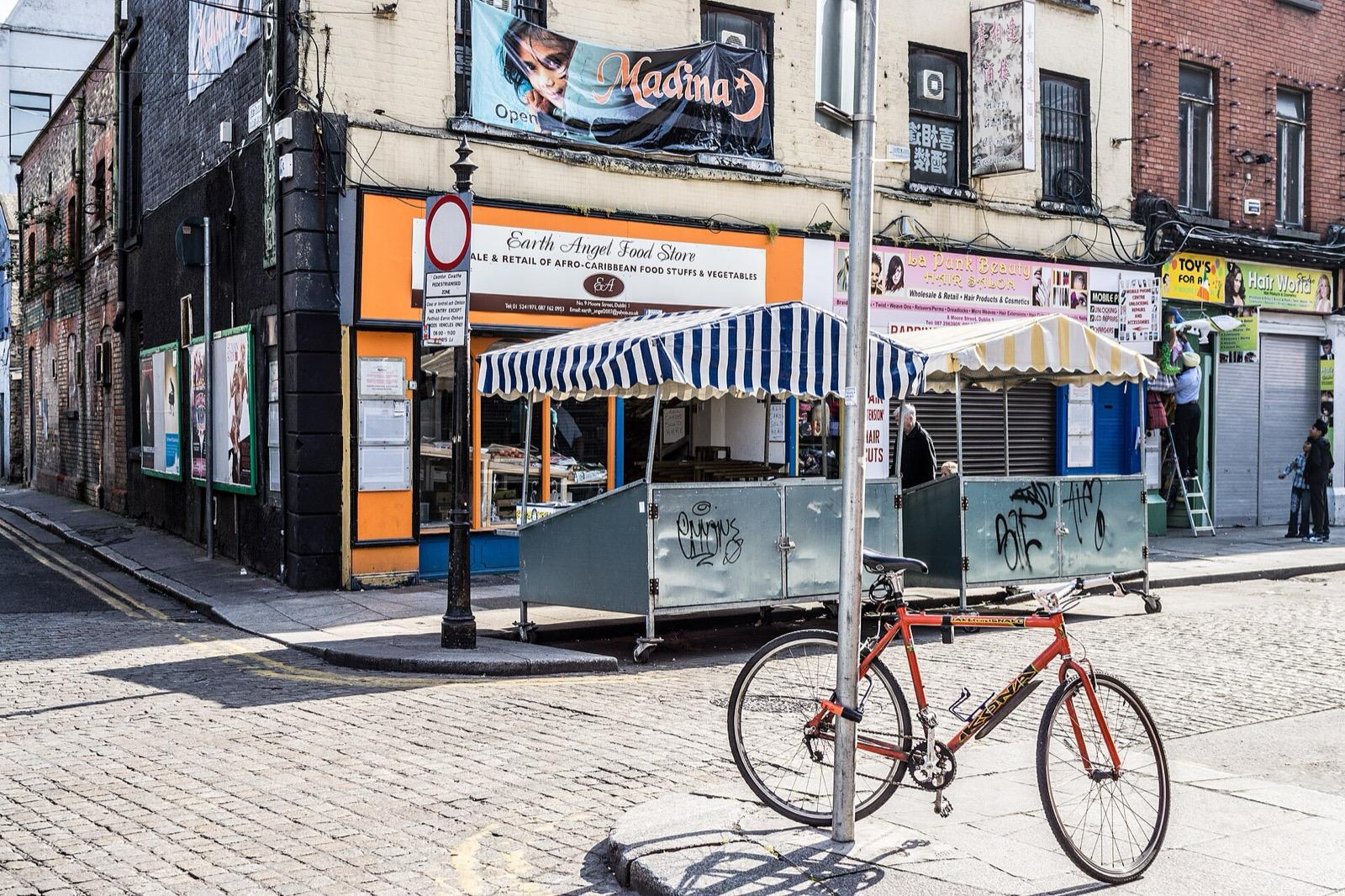
Moore Street: The Last Stand and the Surrender
A narrow working market street just west of the GPO, where the Rising's leaders held their final council around the wounded James Connolly and chose to surrender to spare civilians.
- 5
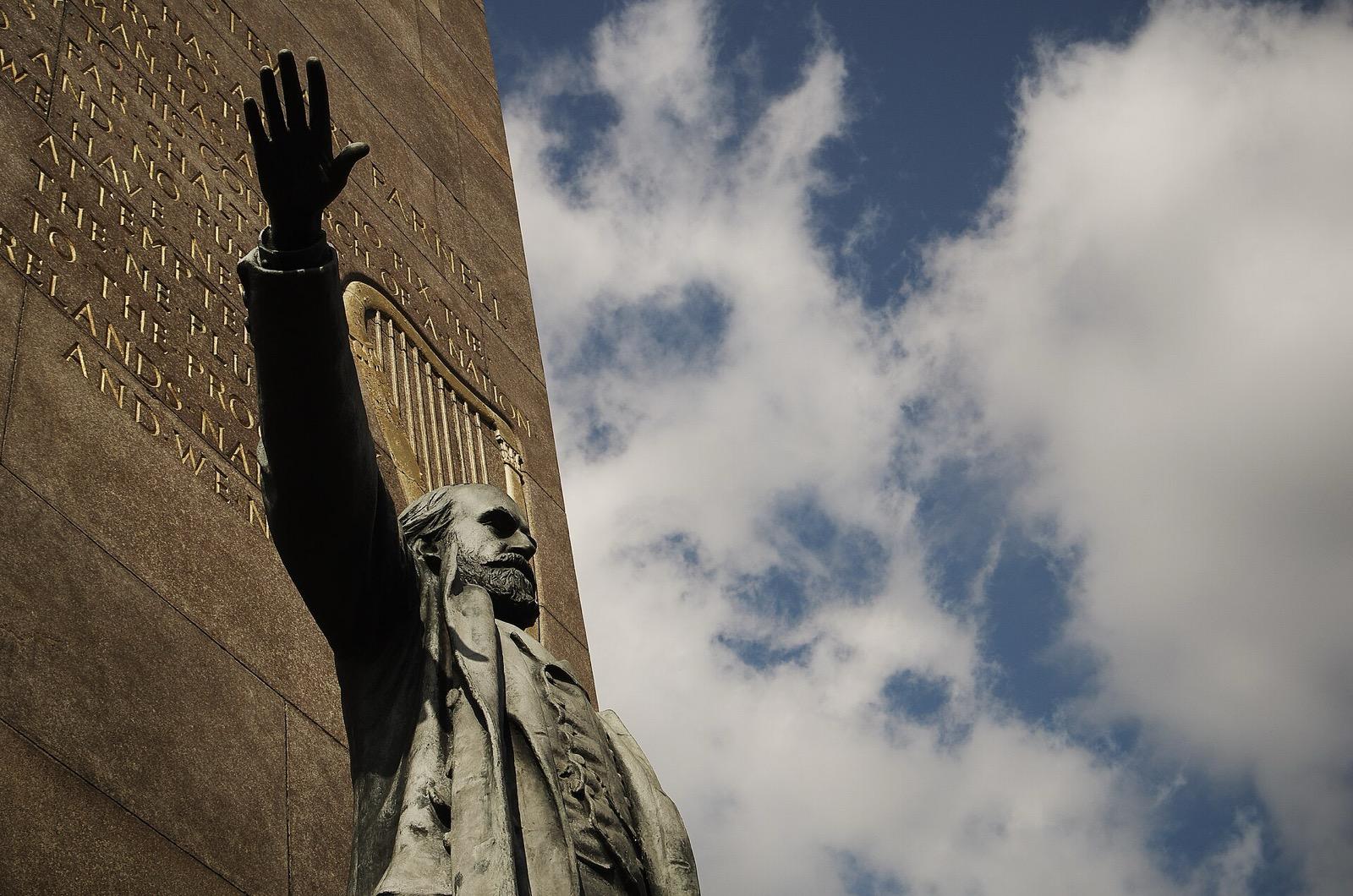
The Parnell Monument: No Boundary to a Nation's March
A granite obelisk and bronze statue at the head of the street honouring Charles Stewart Parnell, the fallen Home Rule leader, inscribed with his defiant words about the march of a nation.
- 6
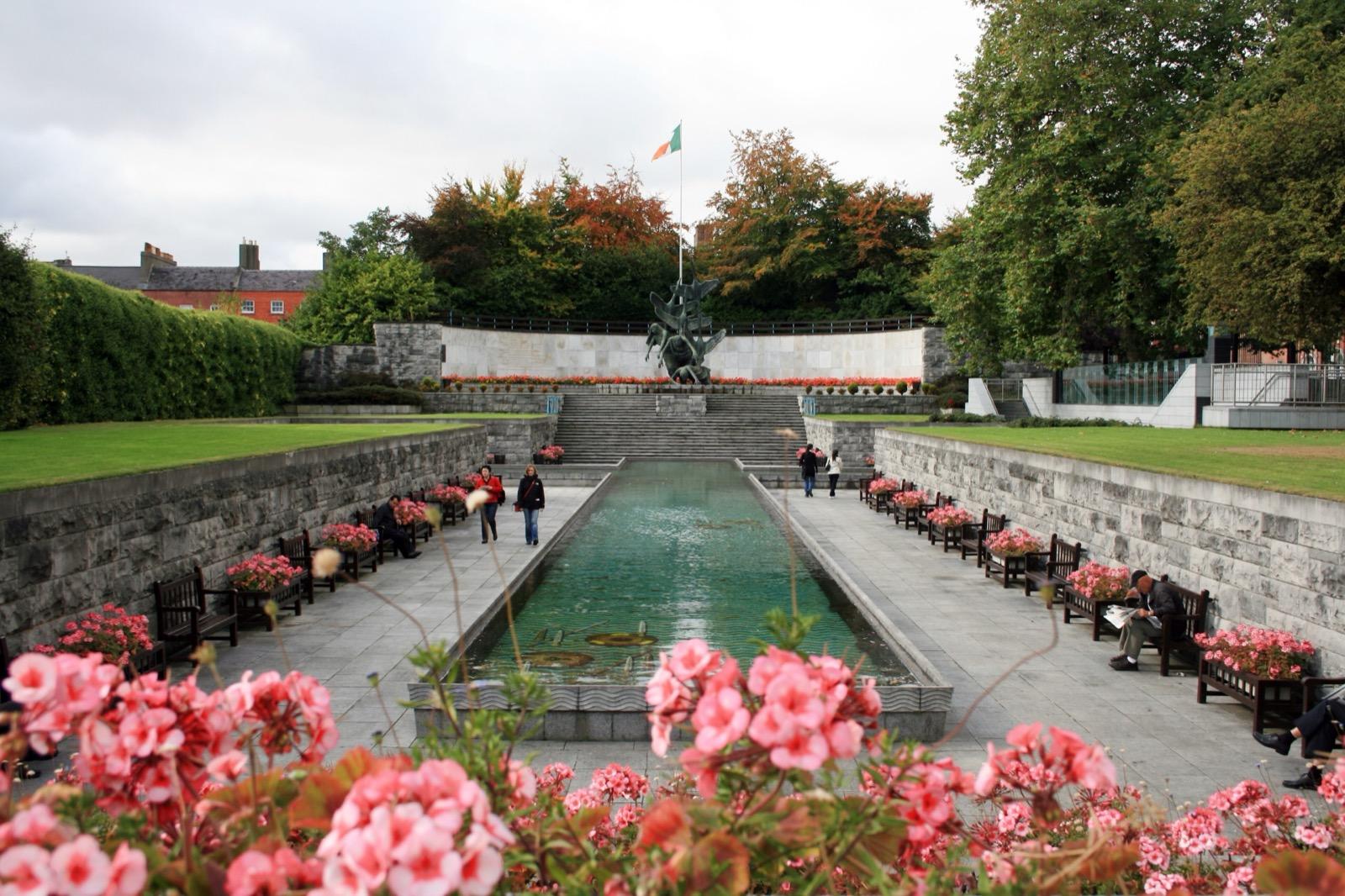
The Garden of Remembrance: The Children Rise as Swans
A sunken cruciform memorial garden in Parnell Square dedicated to all who died in the cause of Irish freedom, crowned by a bronze sculpture of the mythical children of Lir turning into swans.
- 7
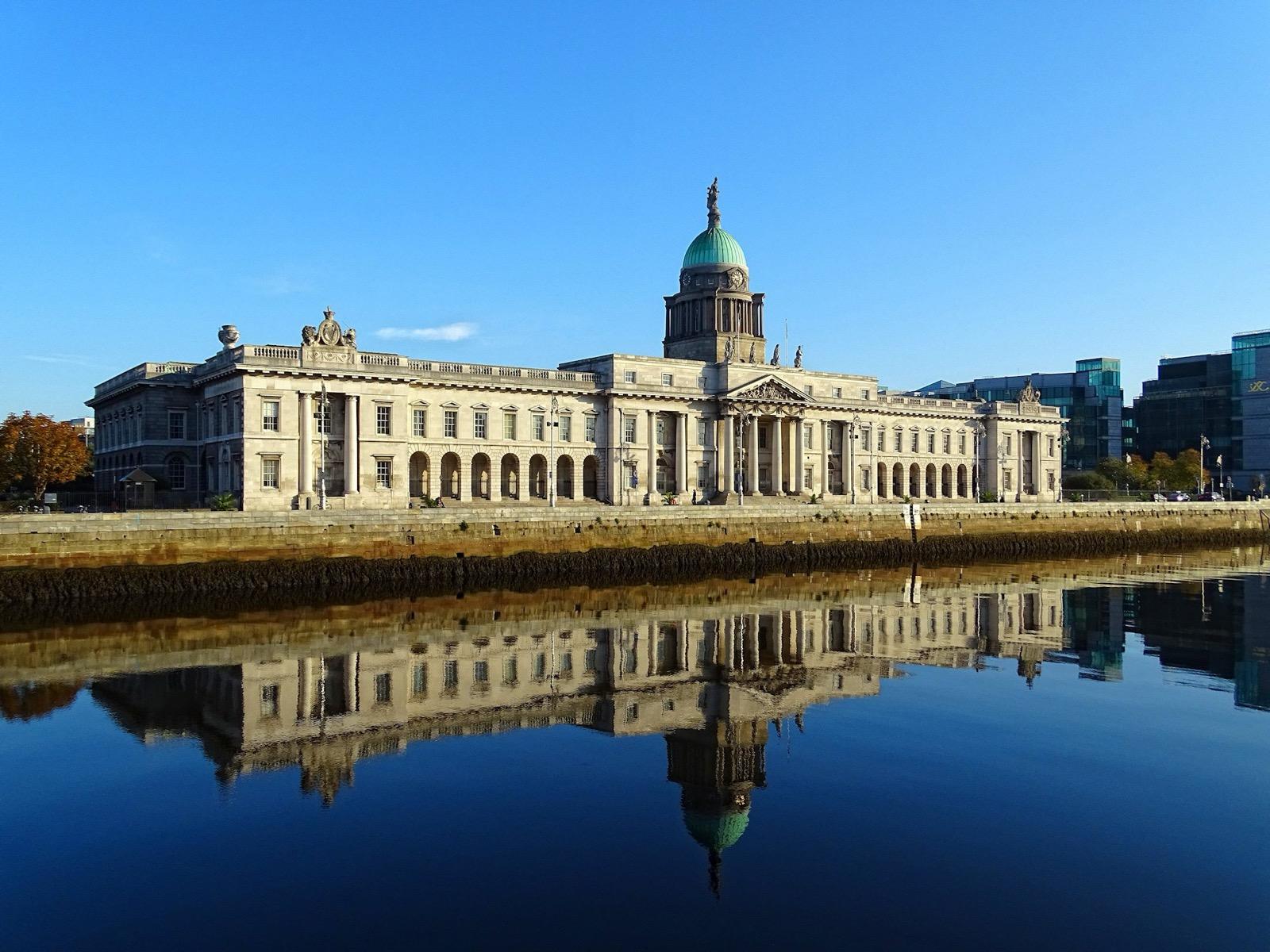
The Custom House: Gandon's River Palace, Burned and Raised
James Gandon's neoclassical river palace on the Liffey, burned by the IRA in nineteen twenty-one to destroy the records of British administration and later restored in Irish stone.
Details
Best Time to Visit
Late morning to mid-afternoon suits this walk best, when O'Connell Street and the north-city streets are busy and open and the light is good for reading the monuments and the marks on the stone. Weekday mornings and the Moore Street market are at their liveliest earlier in the day, while the Garden of Remembrance is quietest and most reflective outside the midday rush. Any season works, as this is an outdoor city walk; spring and early autumn tend to give the kindest weather, and the whole route is at its most moving around Easter, when the Rising is remembered across Dublin.
Pro Tips
- •Read the Proclamation and stand at the GPO facade before you move on; this is the emotional anchor of the whole walk, and it rewards a few unhurried minutes in your own silence.
- •Look for the bullet holes in the bronze winged victories at the base of the O'Connell Monument; they are easy to miss unless you know to seek them out.
- •Take Moore Street slowly and quietly out of respect; it is a working market and a place of memory at the same time, and number sixteen and O'Rahilly Parade are the points to pause at.
- •The whole route runs roughly north from the river along O'Connell Street, then doubles back down the quays to the Custom House, so you can pace it in either direction and break it wherever you like.
- •If you want the fuller story of the Rising, the GPO Museum and the Custom House visitor centre both charge entry in euro and sit right on this route, but every stop here works entirely from the street for free.
- •Carry the walk on your own schedule; there is no group and no timed entry, so you can sit with the Garden of Remembrance or the burned Custom House for as long as the history holds you.
Safety & Precautions
- •This is a pavement city walk on level ground, comfortable in ordinary shoes, with some cobbled and uneven surfaces where the older streets and quaysides meet the roadway.
- •Keep the usual city-centre street-awareness, especially around O'Connell Street, Moore Street, and the busier north-city streets, and keep valuables discreet in crowds and at the market.
- •Treat the Rising memorials with quiet respect, particularly at Moore Street, the Garden of Remembrance, and the GPO; these mark real dead, not tourist spectacle.
- •Dublin weather is changeable, so carry a waterproof and expect the light and the rain to shift within an hour, even in summer.
Travel advisory: Exercise Normal Precautions (Level 1).
Gallery
Related Reading
Go deeper on what you'll see, hear, and walk through.
Overview
Best Self-Guided Walking Tours in Dublin (2026)
4 min
Overview
Dublin Travel Guide: Days, Transport, Weather, Safety, and Budget
7 min
Overview
One Day in Dublin: A Walkable Morning-to-Evening Itinerary
9 min
Thematic
Best History Walking Tours in Dublin (2026)
2 min
Thematic
Dublin in Layers: The Viking Town Beneath the Georgian Mask
7 min
Companion
The GPO on O'Connell Street: How One Post Office Became the Birthplace of a Republic
7 min
Deep dive
The Custom House: Gandon's River Palace, Burned to Found a State
7 min
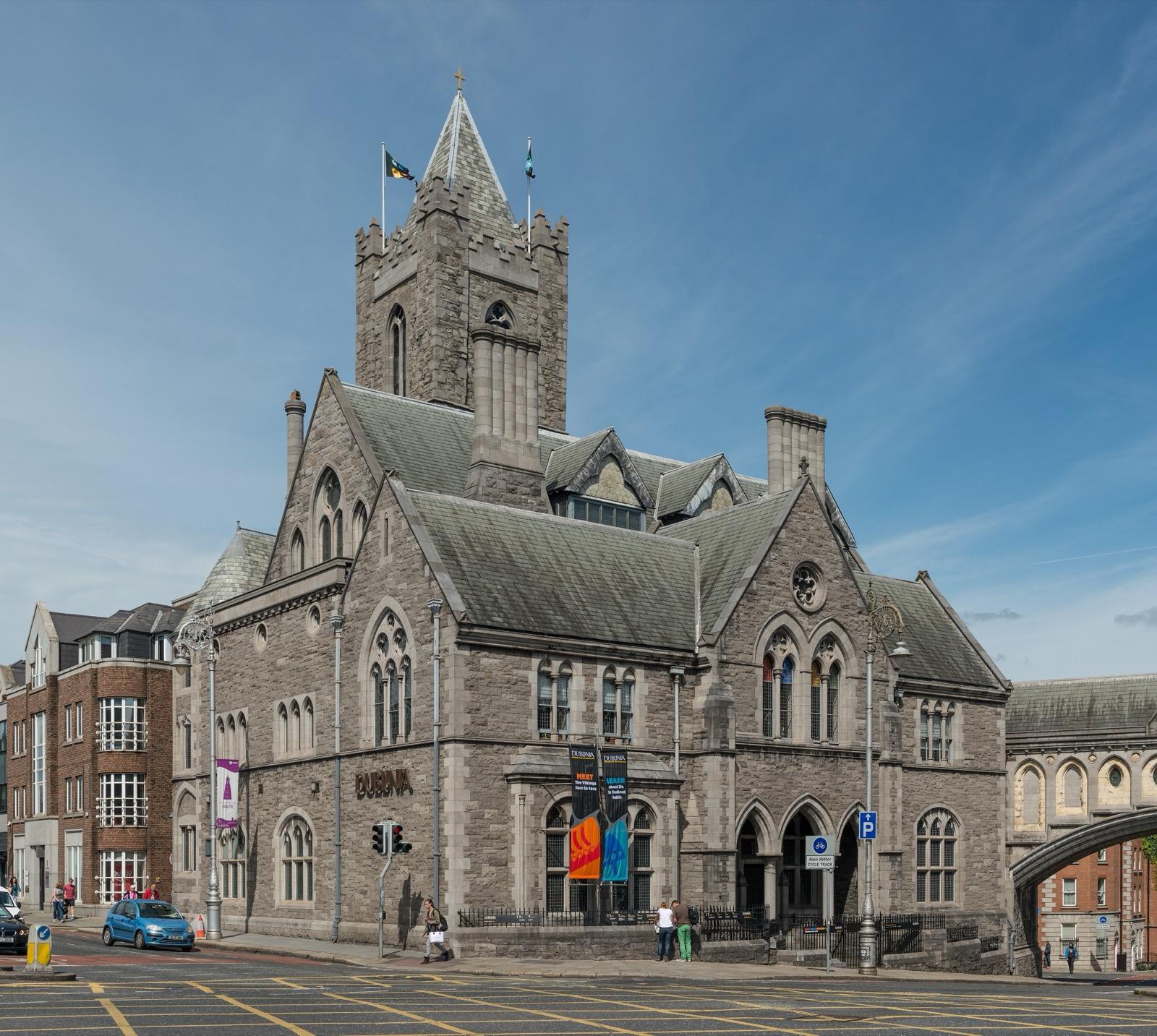
Read
What to Eat in Dublin: Coddle, Boxty, and How to Order Like a Local
7 min
Read the walk
The full story of O'Connell Street: The Rising of 1916, in words. Prefer to listen? Play it narrated, from home or on location.
Introduction
This is a walk about a week in nineteen sixteen when a small band of rebels seized a post office on Dublin's widest street, proclaimed an Irish Republic, and set in motion six days that left the city centre in ruins and fifteen of their leaders on their way to the firing squad. Over seven stops, about ninety minutes and roughly two and a half kilometres on foot along the pavements of central Dublin, in Ireland, you will read that story where it happened, from the General Post Office to the little market street where the leaders surrendered, then north to the monuments and the quiet garden of the dead, and finally down to the river to a palace burned in the war that followed. This street holds pride and ruin at the same time. It carries the Liberator in bronze and a republic proclaimed, and it carries a gutted post office, a street of last stands, and the names of the executed. The history here is grave, and this walk treats it that way, without spectacle and without romance, letting the executed and the civilian dead stand as real dead. You set the pace. Linger at the GPO in your own silence, read the Proclamation on your own clock, and move on only when you are ready, with no group at your shoulder and no one expecting a tip. When you arrive at the front of the General Post Office on O'Connell Street, begin with stop one.
1. The General Post Office: Where a Republic Was Proclaimed
You are standing before the General Post Office, the building that gives this walk its meaning. The architect Francis Johnston completed it in eighteen eighteen, and its front runs about sixty-seven metres along the street, with a portico about twenty-four metres wide carried on six fluted Ionic columns. Above them stand three figures, Mercury, Fidelity, and Hibernia. For most of a century it was simply the city's post office. Then, on Easter Monday, the twenty-fourth of April nineteen sixteen, it became something else. Irish Volunteers and the Irish Citizen Army, led by Patrick Pearse and others, seized the building as the headquarters of an armed rising, and from outside it Pearse read aloud the Proclamation of the Irish Republic. The fighting lasted six days. British shellfire and the fires that followed gutted the building, and by the end only the granite facade you see still stood. It was not rebuilt until nineteen twenty-nine. Look closely and the stone still carries the marks of gunfire. The cost came after the surrender. In May nineteen sixteen, fifteen of the leaders were executed by firing squad at Kilmainham Gaol, among them the seven men who had signed the Proclamation. Inside, out of the weather, stands the bronze figure of the dying warrior Cu Chulainn, sculpted by Oliver Sheppard and unveiled here at Easter nineteen thirty-five as the official memorial to the Rising. The GPO Museum records its story in full. For now, this is a place to stand in your own silence and let the two things sit together, the pride of a republic proclaimed and the ruin of a city that began to burn on this spot.
2. The O'Connell Monument: The Liberator in Bronze
At the river end of the street, just north of the bridge, rises the monument that gives O'Connell Street its name. The sculptor John Henry Foley and his assistant Thomas Brock completed it, and it was unveiled on the fifteenth of August eighteen eighty-two, about twelve metres of granite and bronze. At the top stands Daniel O'Connell, born in seventeen seventy-five and died in eighteen forty-seven, the man known as the Liberator. He won Catholic Emancipation in eighteen twenty-nine, the law that let Catholics sit in Parliament, and the street, once called Sackville Street, was renamed in his honour. Around the base runs a bronze frieze of dozens of figures, with the figure of Erin holding up the Act of Emancipation. At the four corners sit winged victories, and here is the detail that ties this monument to the rest of the walk. Those bronze angels still carry bullet holes from nineteen sixteen. The fighting that gutted the post office scarred the Liberator's own memorial, a few steps away. Just south of you stands the bridge, first called Carlisle Bridge, designed by the architect James Gandon and built between seventeen ninety-one and seventeen ninety-four. It is famously about as broad as it is long. Its river-god keystone matches the carved river heads you will meet at the very end of this walk, on Gandon's Custom House by the water. This is a good place to slow down. Linger under the monument at your own pace, and read the pride of the nineteenth century in the same bronze that the twentieth century marked with gunfire.
3. The Spire: Steel Where an Admiral's Column Stood
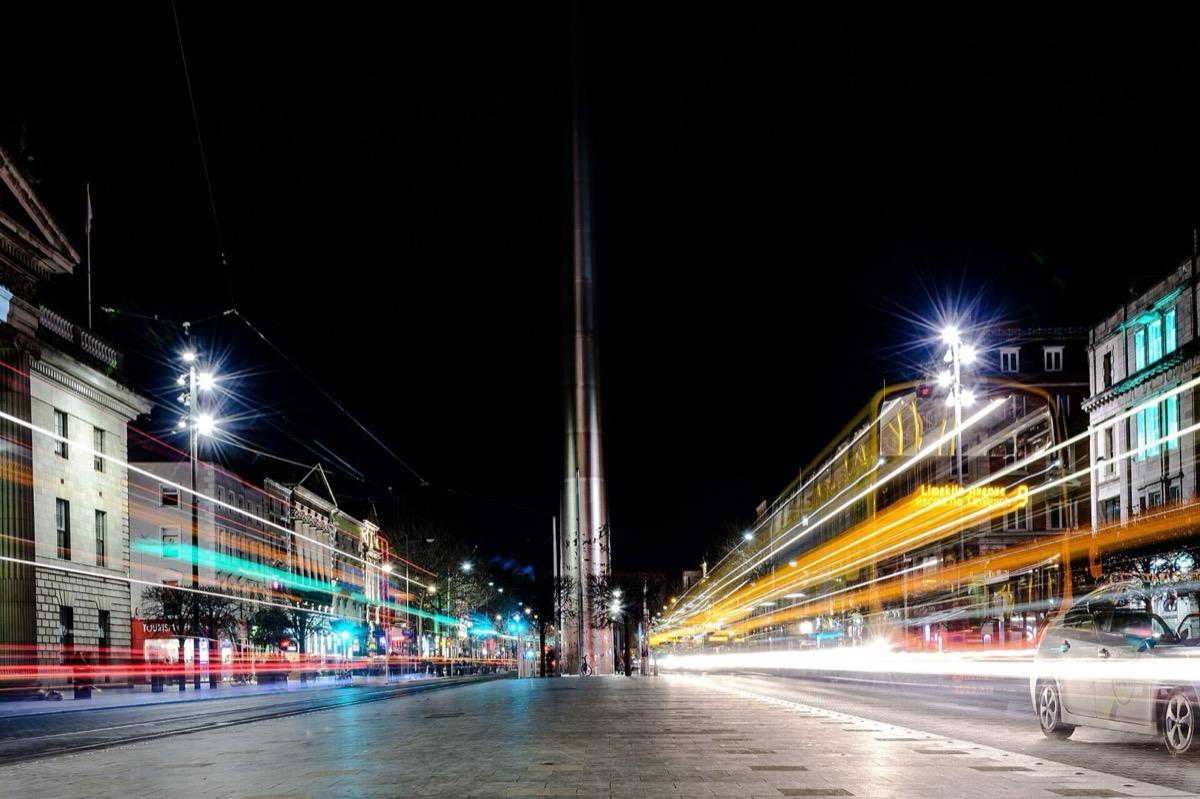
In the middle of the street, opposite the post office, a thin steel needle climbs into the sky. This is the Spire of Dublin, formally the Monument of Light, designed by Ian Ritchie Architects. It is one hundred and twenty metres of stainless steel, tapering from a base about three metres across to a point almost too fine to see, and it was completed on the twenty-first of January two thousand three. It is worth knowing what stood here before it, because the change tells its own story about the street and the state. For most of two centuries this spot was held by Nelson's Pillar, a Doric column raised in eighteen oh nine and topped by a statue of the British admiral Horatio Nelson. It dominated the street when this was still the second city of the British Empire. In nineteen sixty-six the column was blown up, and its stump was demolished days later. The site then stood empty for years, until the Spire finally filled it, an abstract national landmark rising where an imperial column once looked down. You do not need to read anything into the present in that change. The plain fact is enough. A monument to an admiral of empire gave way, over the course of a century, to a nameless spike of steel that belongs to no one but the city. From here you have the whole width of O'Connell Street to yourself, and the post office facade in your own quiet map, with no group crowding your shoulder as you look up.
4. Moore Street: The Last Stand and the Surrender
Just west of the post office runs a narrow street of market stalls, one of the oldest working street markets in Dublin. This is Moore Street, and it holds the hardest part of this story. When the fires drove the garrison out of the burning GPO, they did not run into the open.…
Full narration for this stop unlocks with the tour.
5. The Parnell Monument: No Boundary to a Nation's March
At the head of the street, where it meets Parnell Street and Parnell Square, stands a tall granite obelisk with a bronze figure at its foot. This is the Parnell Monument, designed by the American sculptor Augustus Saint-Gaudens with the architect Henry Bacon, and unveiled on the…
Full narration for this stop unlocks with the tour.
6. The Garden of Remembrance: The Children Rise as Swans
Off Parnell Square, on the former Rotunda gardens, lies a quiet sunken garden shaped like a cross, with a long pool of water at its heart. This is the Garden of Remembrance, designed by Daithi Hanly and opened in nineteen sixty-six by President Eamon de Valera, on the fiftieth…
Full narration for this stop unlocks with the tour.
7. The Custom House: Gandon's River Palace, Burned and Raised
This walk ends by the water, a level stroll down the quays from O'Connell Street, at the Custom House on the north bank of the Liffey. It is a masterpiece of Georgian public architecture, designed by the architect James Gandon and built between seventeen eighty-one and seventeen…
Full narration for this stop unlocks with the tour.