University of Coimbra: The Oldest Classroom in the Country
90 min · 0.7 km · moderate
For more than seven centuries, Coimbra has been the mind of Portugal, and the city is organized around a single idea: a school. Its university, chartered in the year twelve ninety and one of the oldest continuously operating universities in the world, sits on the hilltop inside a former royal palace, and the whole town leans toward it. Read Coimbra properly and it resolves into three levels of one story. The hill of the gown, where a palace of kings became a palace of scholars. The working lower town below it, where the first kings of Portugal are buried and where the nation, in a sense, first learned to govern itself. And the far bank across the Mondego river, where flood and a forbidden love turned the water itself into an elegy. Three walks, one city, one long argument about what a school can do to a place.
The hill where kings gave way to scholars
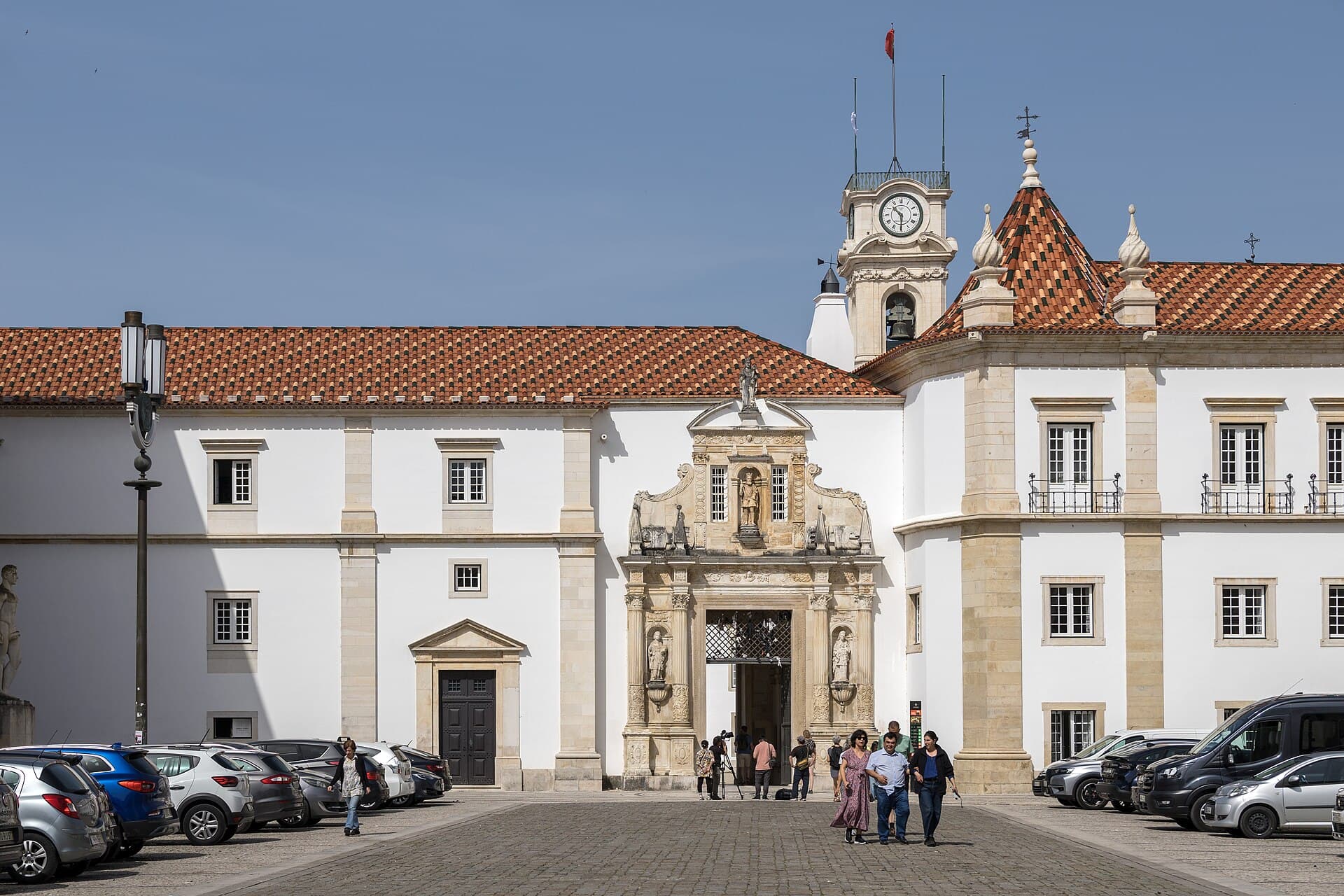
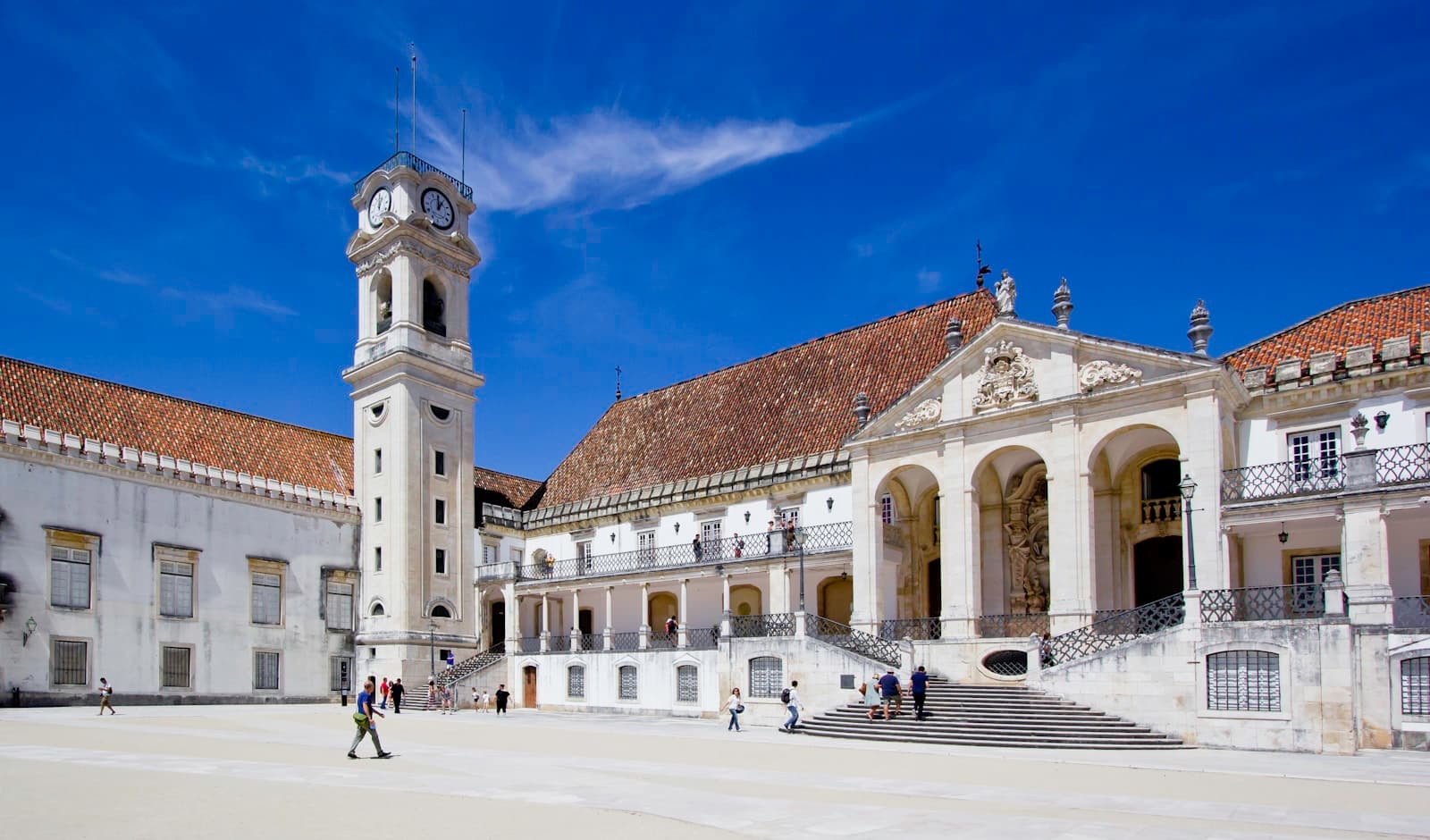
The clearest place to grasp the thesis is the courtyard at the top. The University Hill walk climbs from the twelfth-century Old Cathedral, the Se Velha, up through a ceremonial iron gate and into the Paco das Escolas, the Palace of the Schools. This U-shaped courtyard was quite literally a royal palace, the old Alcacova, home to Portuguese kings from the reign of King Denis until the sixteenth century. Then the crown transferred it to the university, a change completed around fifteen ninety-seven, and a palace of kings became a palace of scholars. That inversion is why Coimbra feels different from other university towns. The school did not build itself a campus beside the city. It moved into the throne room.
The details on the hill all say the same thing in different materials. The Porta Ferrea, the Iron Gate commissioned around sixteen thirty-four, carries two founding monarchs: King Denis, who chartered the university in twelve ninety, and King Joao the Third, under whom the school moved permanently to Coimbra in fifteen thirty-seven. Above them sits a figure of Wisdom, and around them allegorical figures personify the early faculties, so the gate is a small stone curriculum. The arcaded veranda along the courtyard is called the Via Latina, named for Latin, the official teaching language here until the Pombaline reform of seventeen seventy-two replaced it with Portuguese. Even the name preserves the exact moment the university changed its own tongue.
Above the courtyard rises the University Tower, built roughly between seventeen twenty-eight and seventeen thirty-three, whose bell the students nicknamed a cabra, the goat. For centuries that bell ran the academic day: the hours, the summons to lectures, and the evening curfew. The town ran on the school's clock, and the clock was this tower. Nearby, the Capela de Sao Miguel wraps its worshippers in azulejo tiles painted in Lisbon in sixteen thirteen, beneath a baroque organ of some two thousand pipes. And the summit of the whole climb is the Biblioteca Joanina, the library commissioned by King Joao the Fifth and built between seventeen seventeen and seventeen twenty-eight, its shelves rising in gilded and painted exotic wood, much of it brought from Brazil. A real colony of bats lives here and eats the insects that would gnaw the old books, one of the oldest pest control systems still working anywhere. The walk ends not in stone but in the black student capes, the traje academico, still worn on the street every day. The school became the city, and the city is still in session.
Below the gown, the town that learned to govern
Hear a stop from this walk
Paco das Escolas and the Via Latina: The Palace of the Schools
The famous city is up on the crown. The older, working city is beneath it, and it holds the deeper claim. The Lower Town walk reads the Baixa, the low town of merchants, artisans, and monks that spills from a medieval gate down to the river. It begins at the Arco de Almedina, the only survivor of three gates into the old citadel. Its name comes from the Arabic al-medina, meaning simply the city, a trace of the centuries when Coimbra lived under Islamic rule before Christian forces took it in the year ten sixty-four. Before there were scholars here, there was a walled city with an Arabic word carved into its threshold.
The center of the low town's argument is the Mosteiro de Santa Cruz, founded in eleven thirty-one by Saint Theotonius outside the protecting walls. It holds the tombs of the first two kings of Portugal: Afonso Henriques, the founding king, and his successor Sancho the First. Portugal's first two crowns rest not up on the university hill but here, in the working town. Santa Cruz was an important center of medieval learning long before the university crowned the hill, and under King Manuel the First in the early fifteen hundreds the complex was rebuilt in Manueline style, the royal tombs moved to the main chapel in fifteen thirty with sculpture carved by Nicolau Chanterene. In August of two thousand three, Santa Cruz was granted the status of National Pantheon. Here the nation, in a sense, first learned to govern itself, and then buried its own beginnings.
The rest of the low town fills in the daily life. The Praca do Comercio, the old commercial square locals still call Praca Velha, held a Royal Hospital in the sixteenth century and served as the city market for centuries until Saint Peter's Market took the trade indoors in eighteen sixty-seven. Rua Ferreira Borges, the guild street that carried trade down to the water, is named for Jose Ferreira Borges, a Coimbra graduate and principal author of the Portuguese Commercial Code of eighteen thirty-three, a merchants' street named for the author of the merchants' law. And binding the two towns together is Fado de Coimbra, the city's own serenade, traditionally sung by men in academic dress and carried by the Guitarra de Coimbra, a Portuguese guitar tuned a whole tone lower for a darker color. At night it drifts from the gown on the hill down into these working streets. The walk climbs at its end to the Se Nova, the New Cathedral that began as a Jesuit college church and inherited the bishop's seat in seventeen seventy-two, a high vantage from which to look back over everything the low town carried.
The far bank of water, death, and love
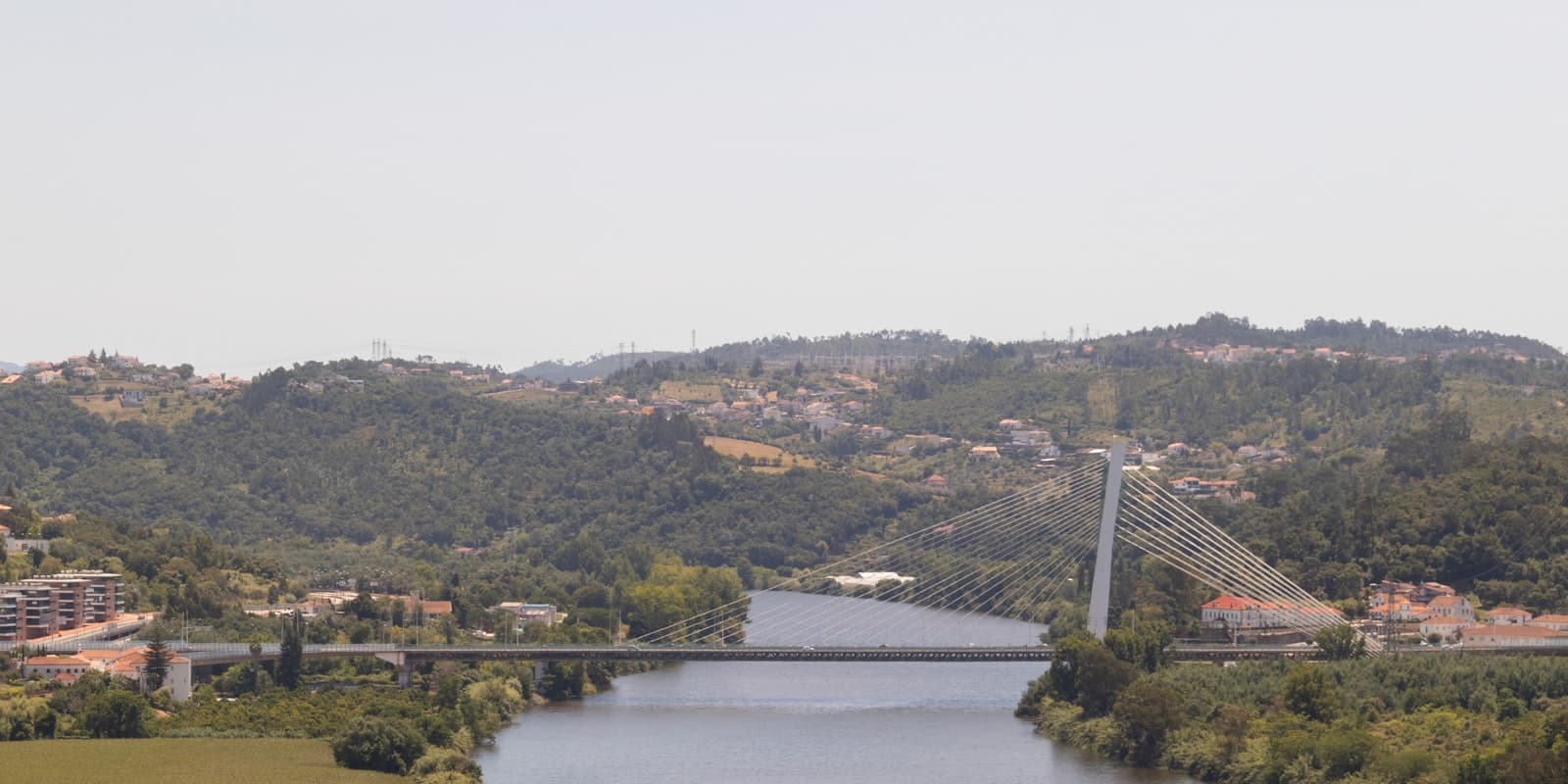
Across the Mondego lies the third level, and it is the elegy. The Santa Clara walk crosses the river to a low, quiet bank that carries two kinds of loss. The first is the Mosteiro de Santa Clara-a-Velha, a Gothic house of the Poor Clares founded in the twelve eighties and refounded in thirteen fourteen by Queen Isabel, wife of King Denis. The convent was flooding as early as thirteen thirty-one, and the nuns refused to give up: by sixteen twelve they had built a raised floor halfway to the roof to live above the water. King John the Fourth finally ordered them out in sixteen forty-seven, and the last nuns left in sixteen seventy-seven, carrying Queen Isabel's tomb uphill to safety. Then the river won. The church silted up until archaeologists cleared it after nineteen ninety-five, and it reopened in two thousand nine.
The second loss is the story of Pedro and Ines de Castro. Ines, born in thirteen twenty-five, was a Galician noblewoman who lived openly with Infante Pedro, heir to the throne, after his wife Constance of Castile died in thirteen forty-nine. On the seventh of January, thirteen fifty-five, three men killed her on the orders of King Afonso the Fourth. Pedro became King Dom Pedro the First in thirteen fifty-seven and had two of the killers executed. The famous tale that he later crowned her corpse first appears in a play by Jeronimo Bermudez in fifteen seventy-seven, more than two centuries after her death, so it is most likely legend. The nearby Quinta das Lagrimas, the Estate of Tears, holds the Fonte das Lagrimas by romantic tradition, though the documented murder site is the drowned convent itself. The walk closes on high ground the water could never reach: Santa Clara-a-Nova, built from sixteen forty-nine and completed in sixteen ninety-six, now holding the tomb of Saint Queen Isabel, canonized in sixteen twenty-six as patroness of Coimbra. What faith could carry, faith carried, all the way up here. For the full sweep of the three walks together, see the Coimbra walking tours hub.
Sources
- University of Coimbra, Alta and Sofia, UNESCO World Heritage List (inscribed 2013)
- Biblioteca Joanina and Paco das Escolas, University of Coimbra official visitor pages
- Mosteiro de Santa Cruz, National Pantheon of Portugal
- Santa Clara-a-Velha Monastery, Direcao-Geral do Patrimonio Cultural
- Ines de Castro and the House of Aviz succession, historical record of the Portuguese court
Frequently asked questions
- How old is the University of Coimbra?
- The University of Coimbra was chartered in the year twelve ninety by King Denis and is one of the oldest continuously operating universities in the world. It settled permanently in Coimbra in fifteen thirty-seven under King Joao the Third. Its historic core was inscribed on the UNESCO World Heritage List in twenty thirteen as University of Coimbra, Alta and Sofia.
- Why are Portugal's first kings buried in Coimbra?
- The Mosteiro de Santa Cruz in Coimbra's lower town holds the tombs of Afonso Henriques, Portugal's founding king, and his successor Sancho the First. The monastery was founded in eleven thirty-one and was an important center of medieval learning and power. It was granted National Pantheon status in August two thousand three.
- What is Fado de Coimbra and how is it different from Lisbon fado?
- Fado de Coimbra is a distinct genre tied to the university, traditionally sung by men in academic dress rather than the mixed tradition of Lisbon. It is more austere and serenade-oriented, carried by the Guitarra de Coimbra, a Portuguese guitar tuned a whole tone lower for a darker color. Recognized masters include the guitarists Artur Paredes and Carlos Paredes.
- Who were Pedro and Ines de Castro?
- Ines de Castro was a Galician noblewoman who lived openly with Infante Pedro, heir to the Portuguese throne, after his wife died in thirteen forty-nine. She was murdered on the seventh of January, thirteen fifty-five, on the orders of King Afonso the Fourth. The popular story that Pedro later crowned her corpse first appears in a play from fifteen seventy-seven and is most likely legend.
- Why was the Santa Clara-a-Velha convent abandoned?
- The Gothic convent of Santa Clara-a-Velha sat on the low bank of the Mondego and flooded repeatedly, with flooding recorded as early as thirteen thirty-one. The nuns built a raised floor by sixteen twelve to live above the water, but King John the Fourth ordered them out in sixteen forty-seven and the last left in sixteen seventy-seven. It was excavated after nineteen ninety-five and reopened to visitors in two thousand nine.
Ready to experience it?
University of Coimbra: The Oldest Classroom in the Country
90 min · 0.7 km · moderate
More from Coimbra
Explore more at your own pace.
Coimbra Travel Guide: Days, Getting Around, Safety, and Cost
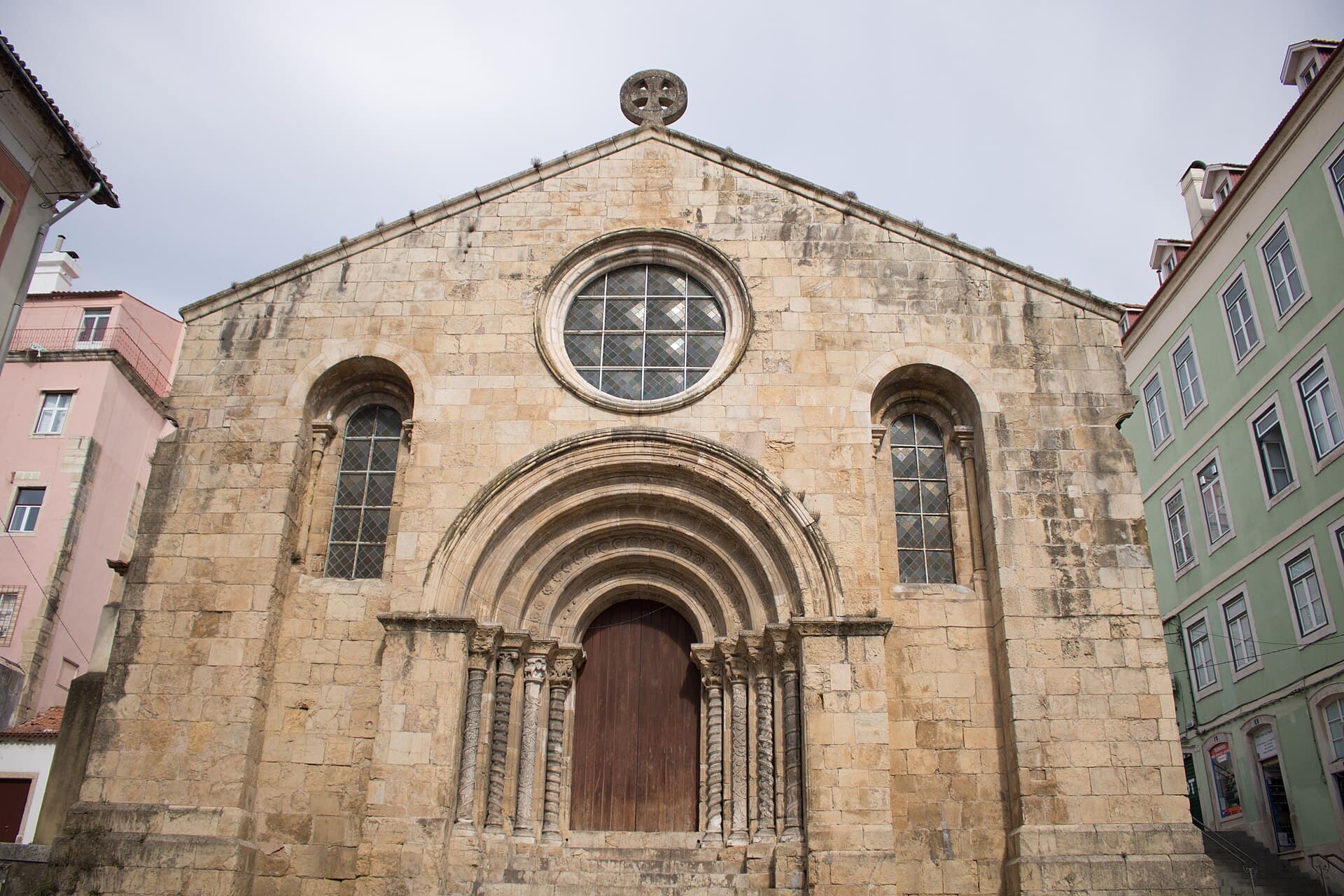
Igreja de Santiago and the Case for Walking Coimbra's Low Town
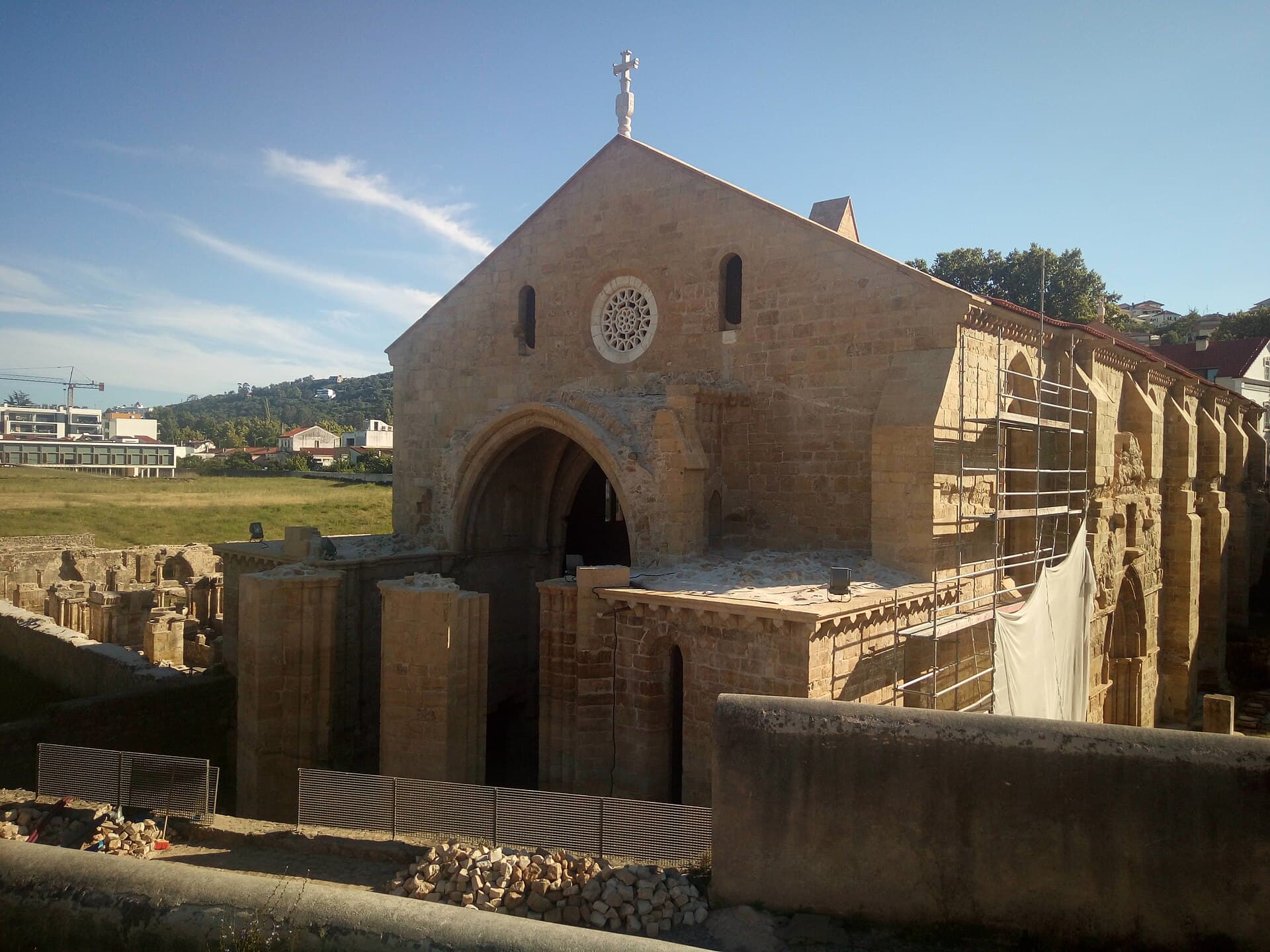
Santa Clara-a-Velha: The Convent the Mondego Drowned
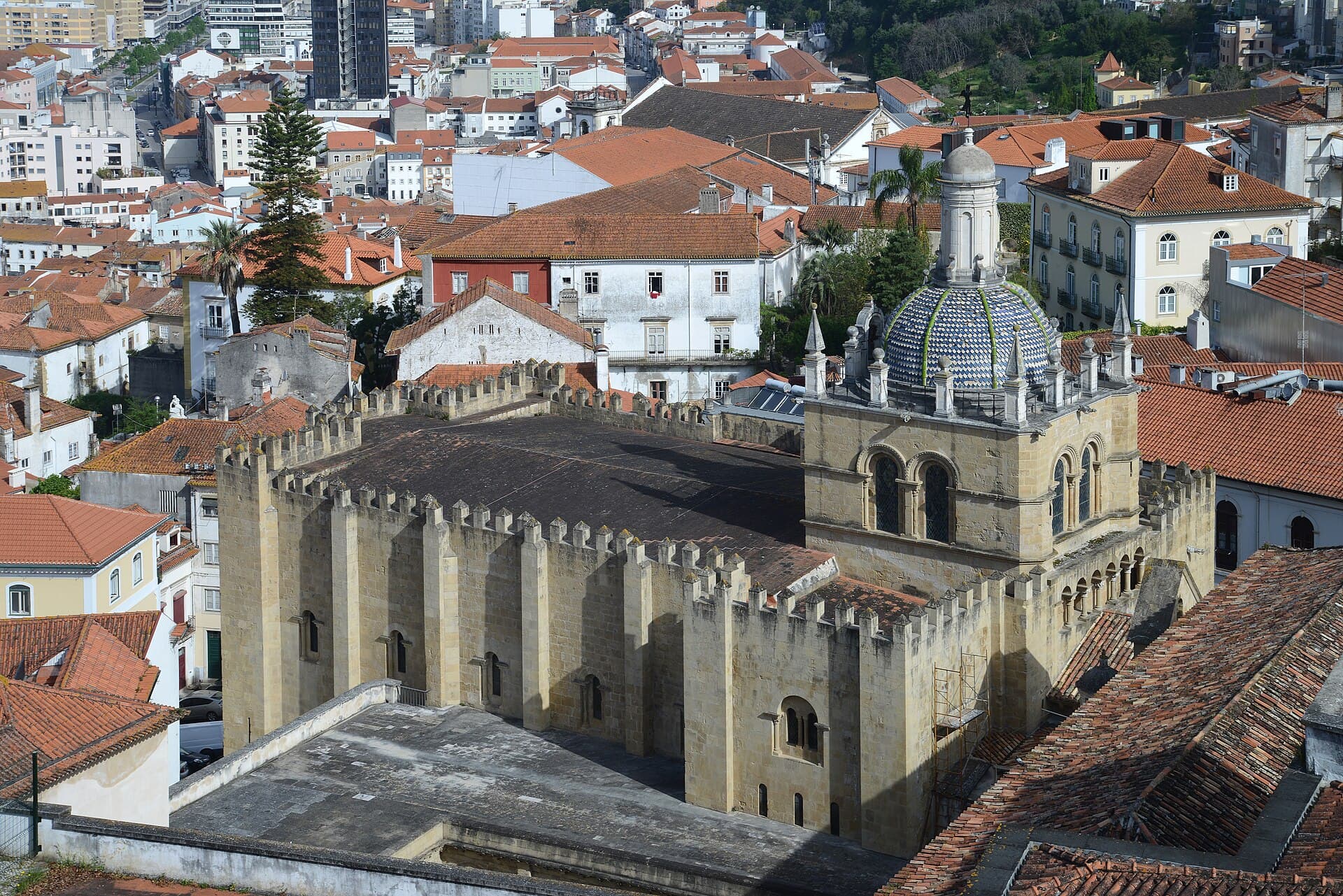
The Old Cathedral That Explains All of Coimbra
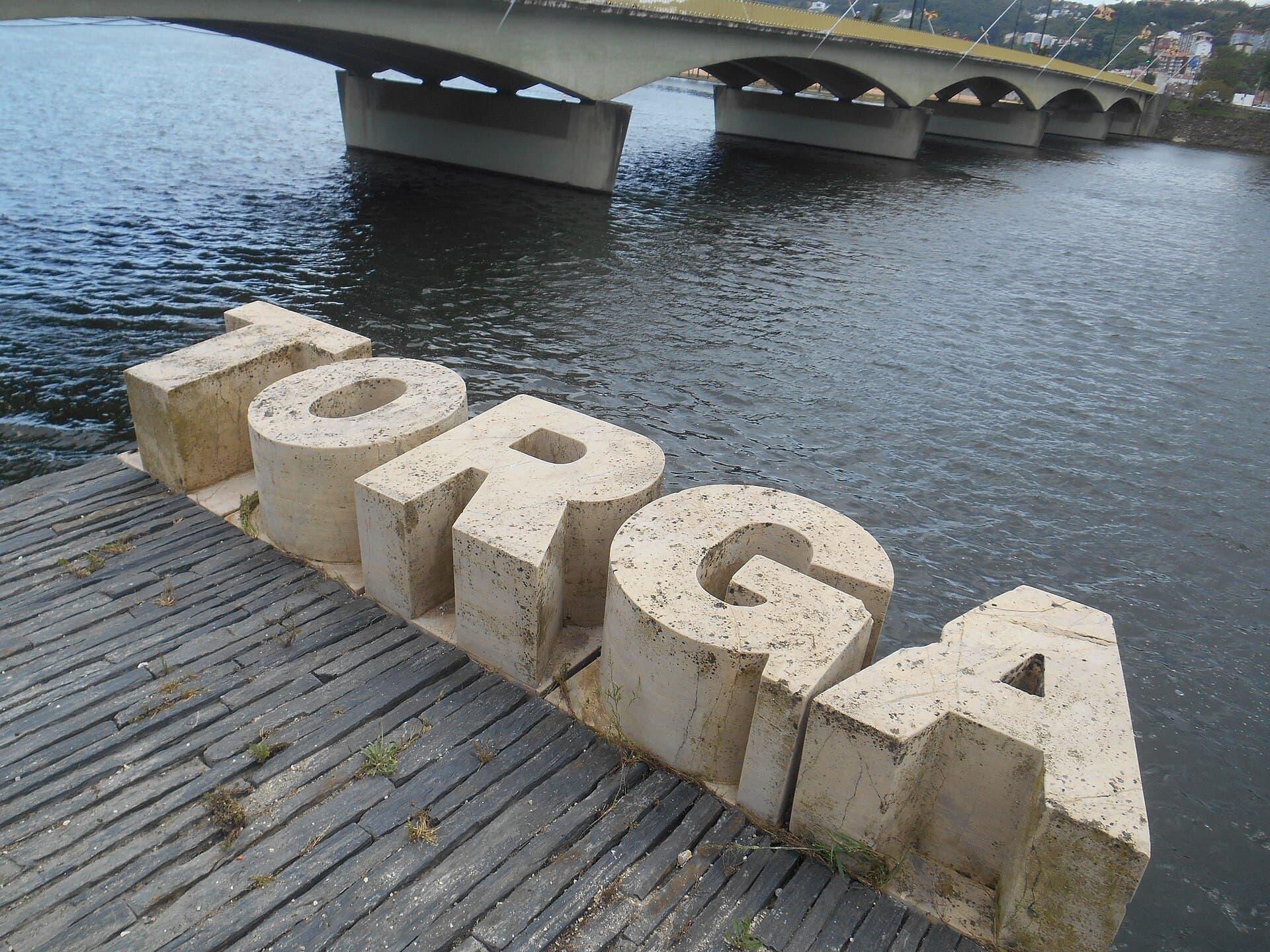
Ponte de Santa Clara: Reading the River That Drowned a Convent