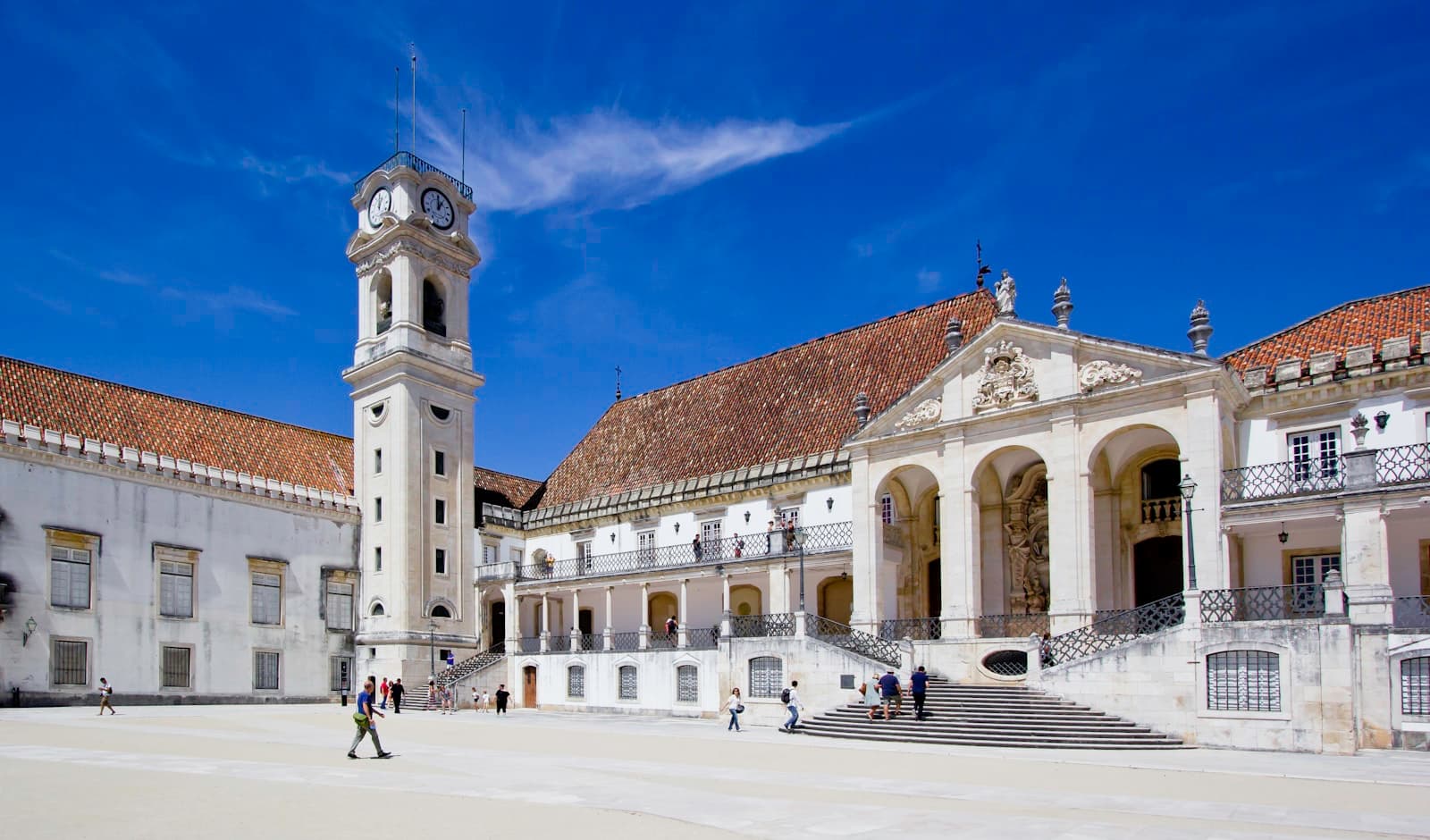
The Oldest Classroom in the Country
Climb the hill where a palace of kings became a palace of scholars, and read a whole Portuguese city built around one ancient school, from its Romanesque cathedral to a gilded baroque library guarded by bats.
4.53|90 minutes|0.7 km|7 Stops
Start
Se Velha de Coimbra: The Old Cathedral
1
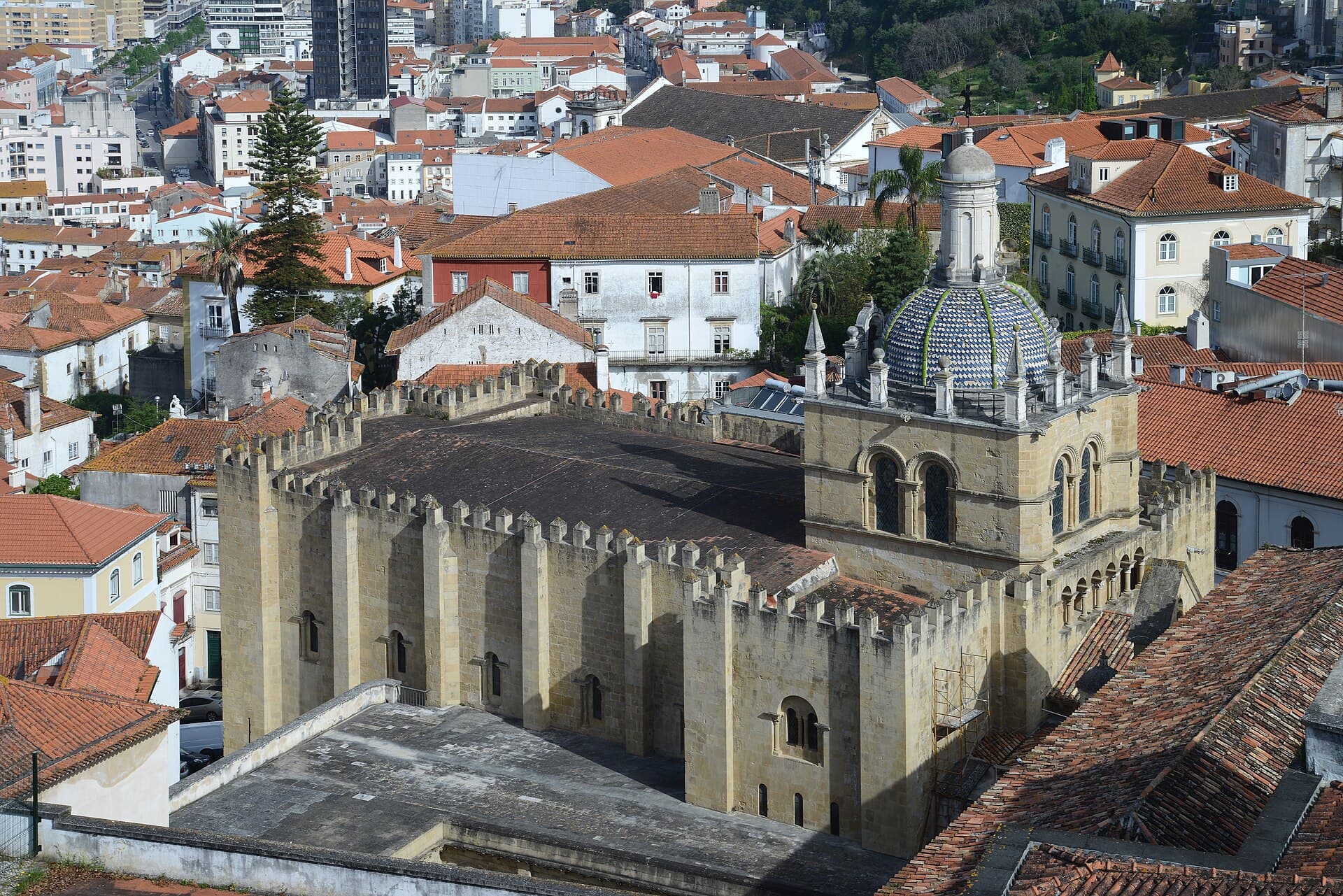
Se Velha de Coimbra: The Old Cathedral
A fortress-like Romanesque cathedral from the mid-twelfth century, the stone seed of Christian Coimbra long before the university climbed the hill above it.
2
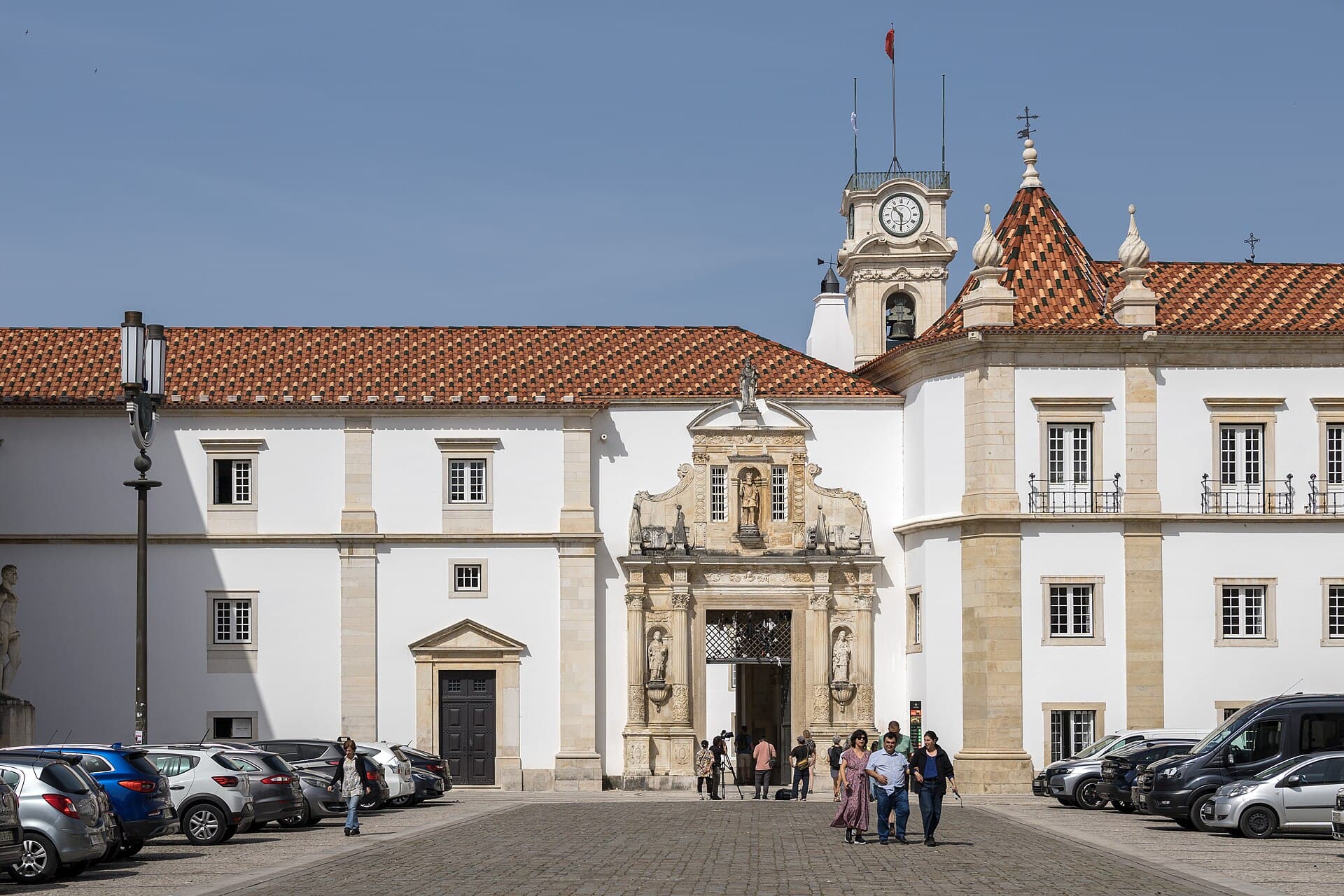
Porta Ferrea: The Iron Gate
A seventeenth-century ceremonial arch built on the site of the old Moorish citadel gate, the threshold where the medieval city ends and the palace of scholars begins.
3
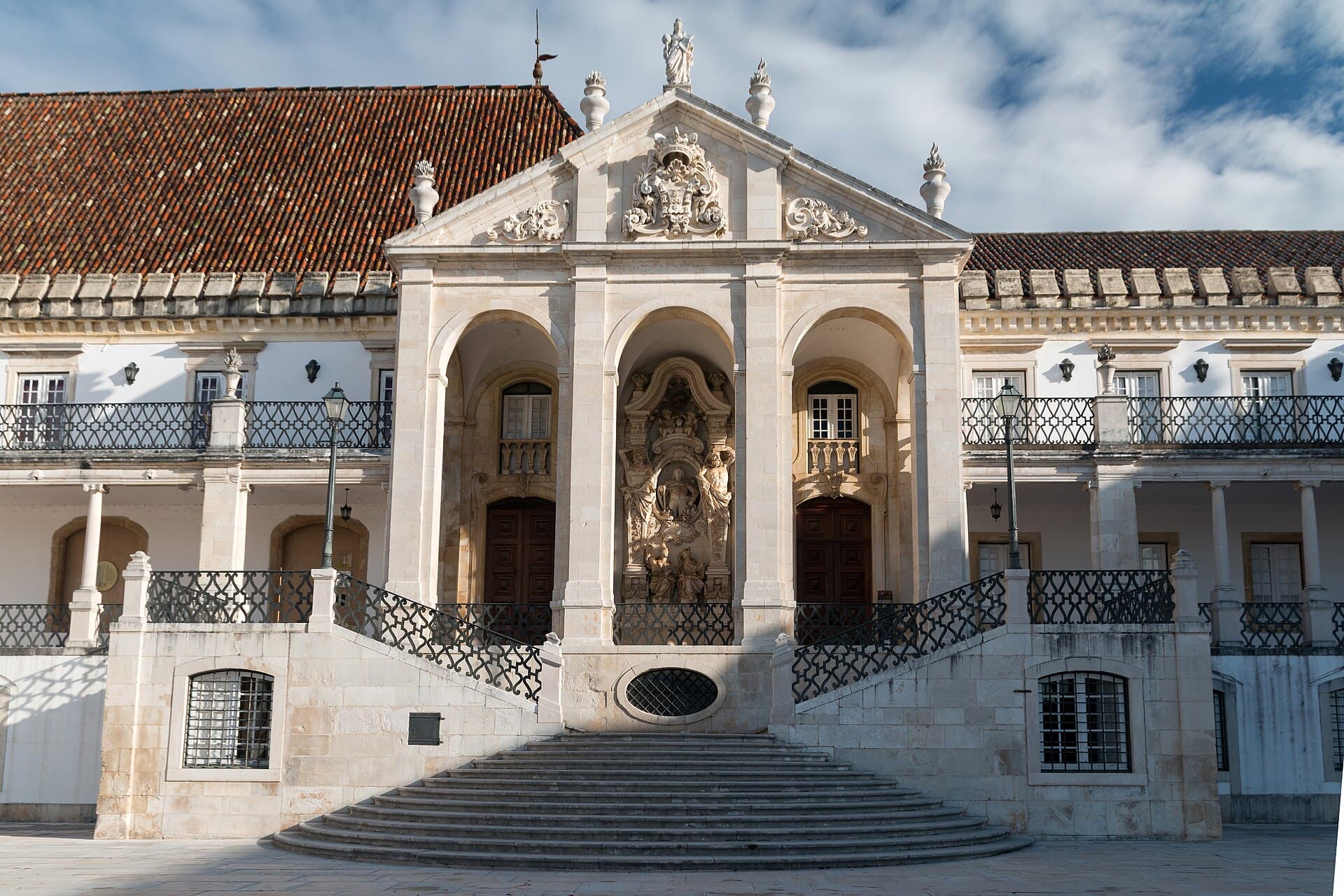
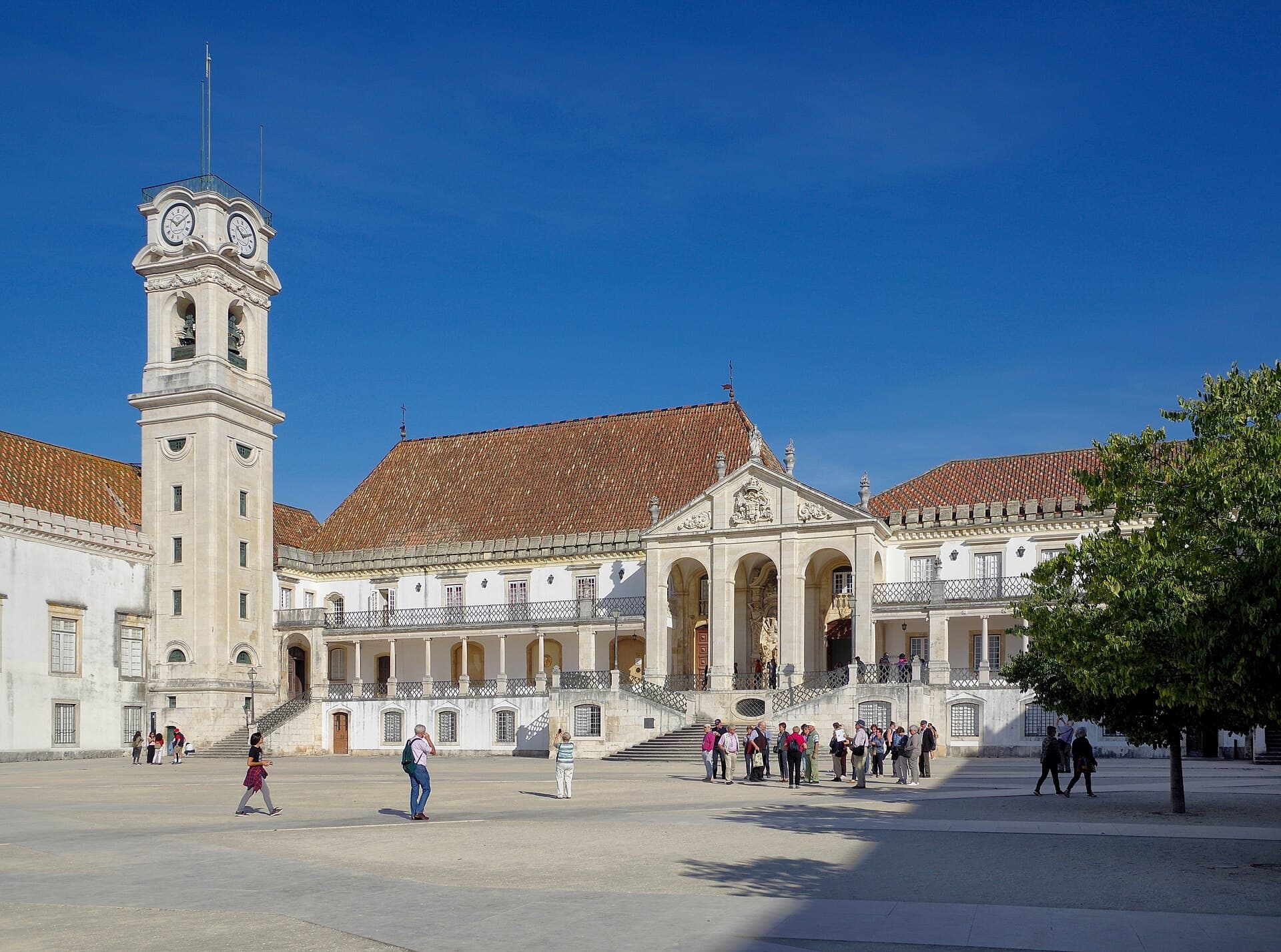
Paco das Escolas and the Via Latina: The Palace of the Schools
The U-shaped former royal courtyard, once the palace of kings and now the ceremonial heart of the university, overlooking the river Mondego far below.
4
Torre da Universidade: The Tower and the Goat Bell
The eighteenth-century clock and bell tower whose bell, nicknamed the goat, rang the academic hours and the evening curfew that structured student life for centuries.
5
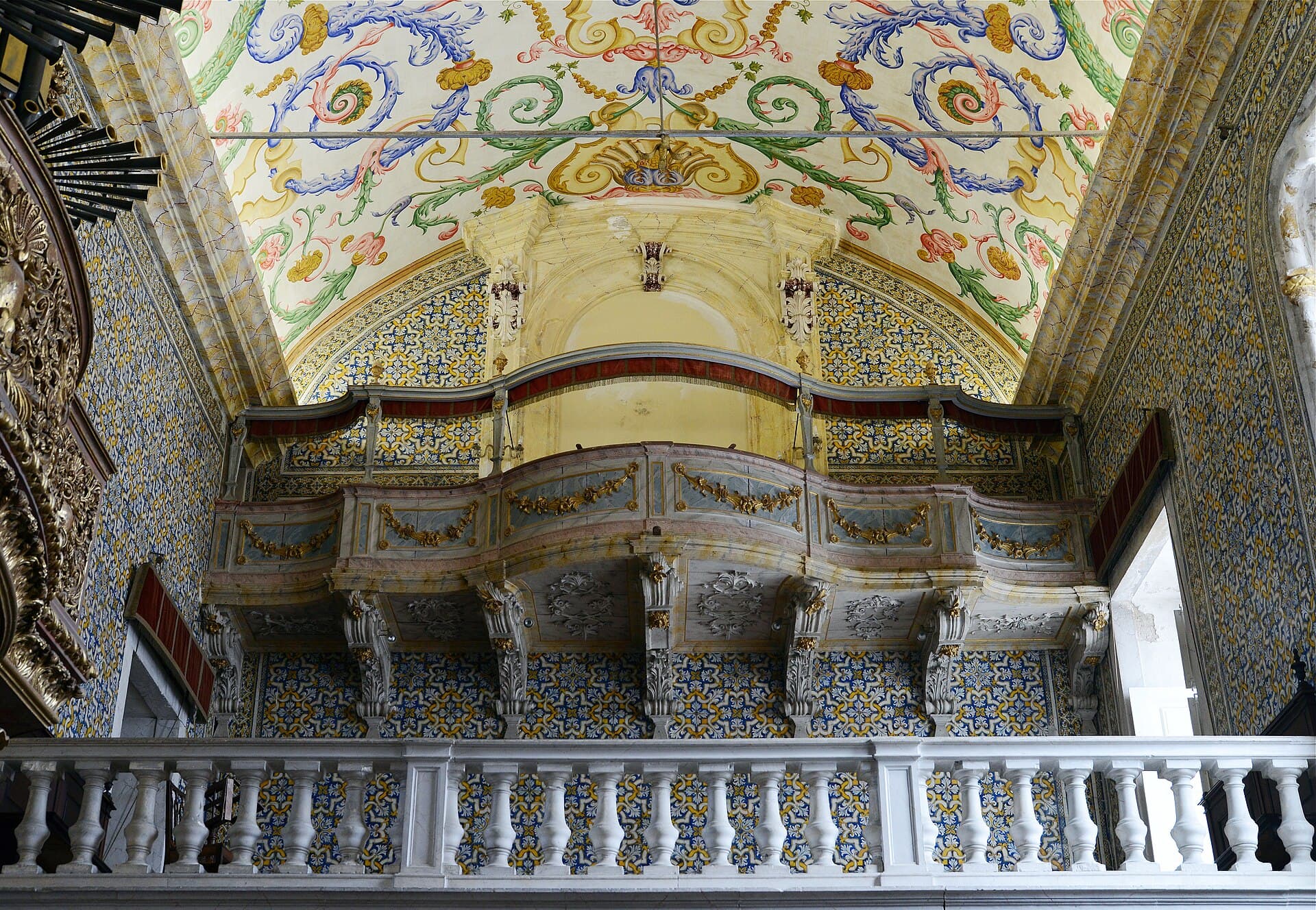
Capela de Sao Miguel: The University Chapel
A Manueline chapel on the site of a twelfth-century oratory, wrapped in painted tiles from sixteen thirteen and crowned by a baroque organ of some two thousand pipes.

6
Biblioteca Joanina: The Gilded Baroque Library
The eighteenth-century library of gilded exotic wood, guarded at night by a real colony of insect-eating bats, and widely counted among the most beautiful libraries in the world.
7
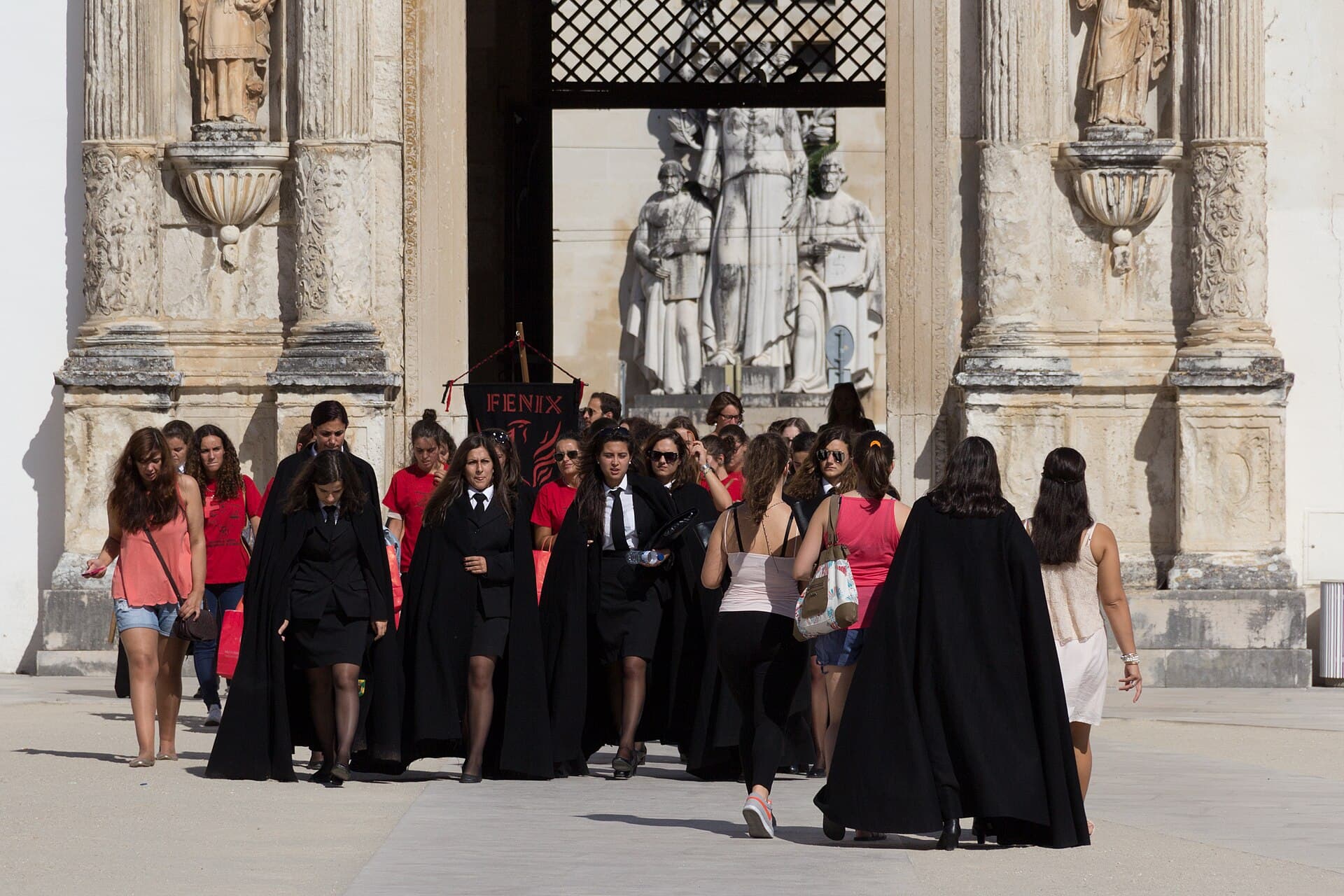
The Living Traditions: Capes, Praxe, and Queima das Fitas
The closing stop, not stone but living student culture: the black capes worn on the street, the initiation rites, the ribbon-burning festival, and the mournful guitar of Fado de Coimbra.
Best Time to Visit
Late morning to early afternoon on a weekday, when the ticketed university monuments are open and the courtyard is full of students in black capes. Arrive early in high summer to climb the hill before the midday heat and to beat the queues at the Joanina Library, whose timed entry slots fill quickly. Spring, especially around the Queima das Fitas festival, brings the streets alive with color, though crowds swell accordingly.
Pro Tips
- •Buy your combined university visit ticket early in the day, since the Biblioteca Joanina is timed-entry and its short slots sell out fastest.
- •Do the walk uphill in order, from the Se Velha at the bottom to the courtyard at the top, so gravity works with you rather than against you.
- •Wear proper shoes with grip: the route runs on steep calcada, traditional Portuguese cobblestone, which is beautiful and slick.
- •Photography rules vary inside the Joanina and the chapel, so check the signs and be ready to put the camera away and simply look.
- •Carry water and pace yourself on the climb; there is no need to rush, and every stop is short enough to pause or skip.
- •Listen for the tower bell and, in the evenings, for Fado de Coimbra drifting from doorways, part of the living soundtrack of the city.
Safety & Precautions
- The route is a steep, sustained climb on calcada cobblestones that grow slippery when wet or worn smooth, so take the descent slowly and use handrails where they exist.
- Summer heat inland can be intense with little shade on the open courtyard and hillside, so bring water, sun protection, and plan the climb for cooler hours.
- The cathedral and chapel are active places of worship: dress modestly, keep your voice low, and respect any services or quiet requests inside.
- Major monuments like the Joanina Library have ticket queues and strict timed entry, and the university's narrow lanes carry pedestrian, cycle, and occasional vehicle traffic, so stay alert at corners.
Gallery
Related Reading
Go deeper on what you'll see, hear, and walk through.
Overview
Best Self-Guided Walking Tours in Coimbra (2026)
3 min
Overview
Coimbra Travel Guide: Days, Getting Around, Safety, and Cost
6 min
Overview
One Day in Coimbra: A Walkable Morning-to-Evening Itinerary
8 min
Thematic
Best History Walking Tours in Coimbra (2026)
2 min
Thematic
Coimbra Has Been Portugal's Mind for Seven Centuries
8 min
Companion
The Old Cathedral That Explains All of Coimbra
6 min
Deep dive
Porta Ferrea: The Iron Gate That Reads Like a Curriculum in Stone
6 min
Read
What to Eat in Coimbra
6 min