University of Coimbra: The Oldest Classroom in the Country
90 min · 0.7 km · moderate
If you have one day in Coimbra, walk it from the top down: start on the university hill in the morning when the ticketed monuments open, drop into the lower town, the Baixa, for lunch and the older churches, then cross the Mondego river in the late afternoon to the Santa Clara bank for the ruined convent and the garden tied to Portugal's saddest love story. Coimbra is compact and built on a steep hillside, so a single day genuinely covers the three areas that matter, and each one lines up with a self-guided Coimbra walking tour you can play as you go. This guide sets the route morning to evening, with verified opening hours, ticket needs, and honest walking times.
Coimbra sits between Lisbon and Porto on the main rail line, which makes it a realistic day trip or a one-night base. Direct Comboios de Portugal trains run from Lisbon in roughly one hour forty-three minutes on the faster Alfa Pendular (about two hours on the Intercidades) and from Porto in about one hour fourteen minutes. One practical warning that trips up a lot of visitors: the express trains arrive at Coimbra-B station, which is about a twenty-minute walk or a short two-minute connecting regional train from the central Coimbra station. When you leave, make sure your express train departs from Coimbra-B, not the central stop.
Morning: the university hill (the Alta)
Begin the day at the top, because the university monuments run on tickets and timed slots, and the morning is when you have the most flexibility. The climb up to the Alta is short but steep, so wear real shoes and take it slowly.
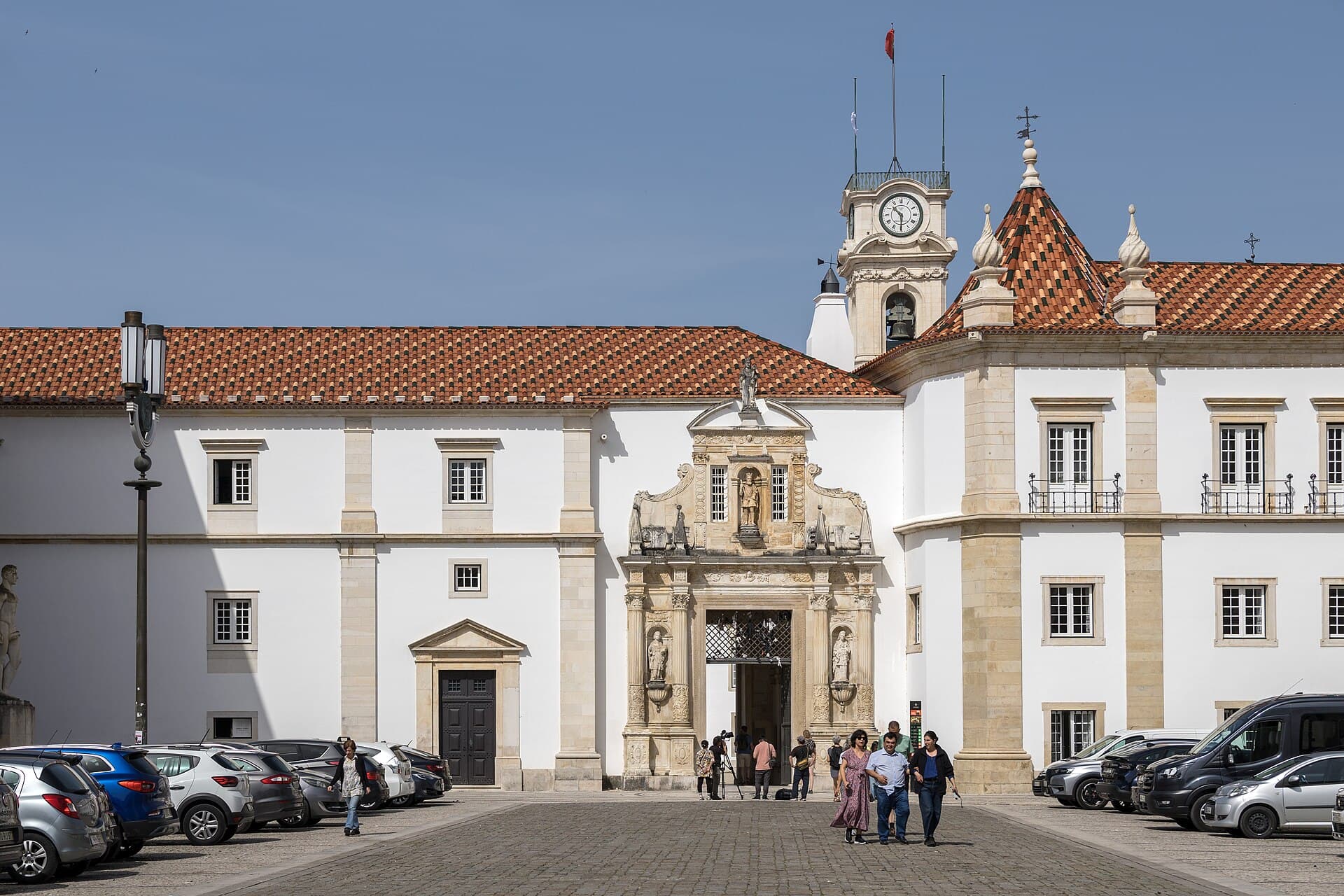
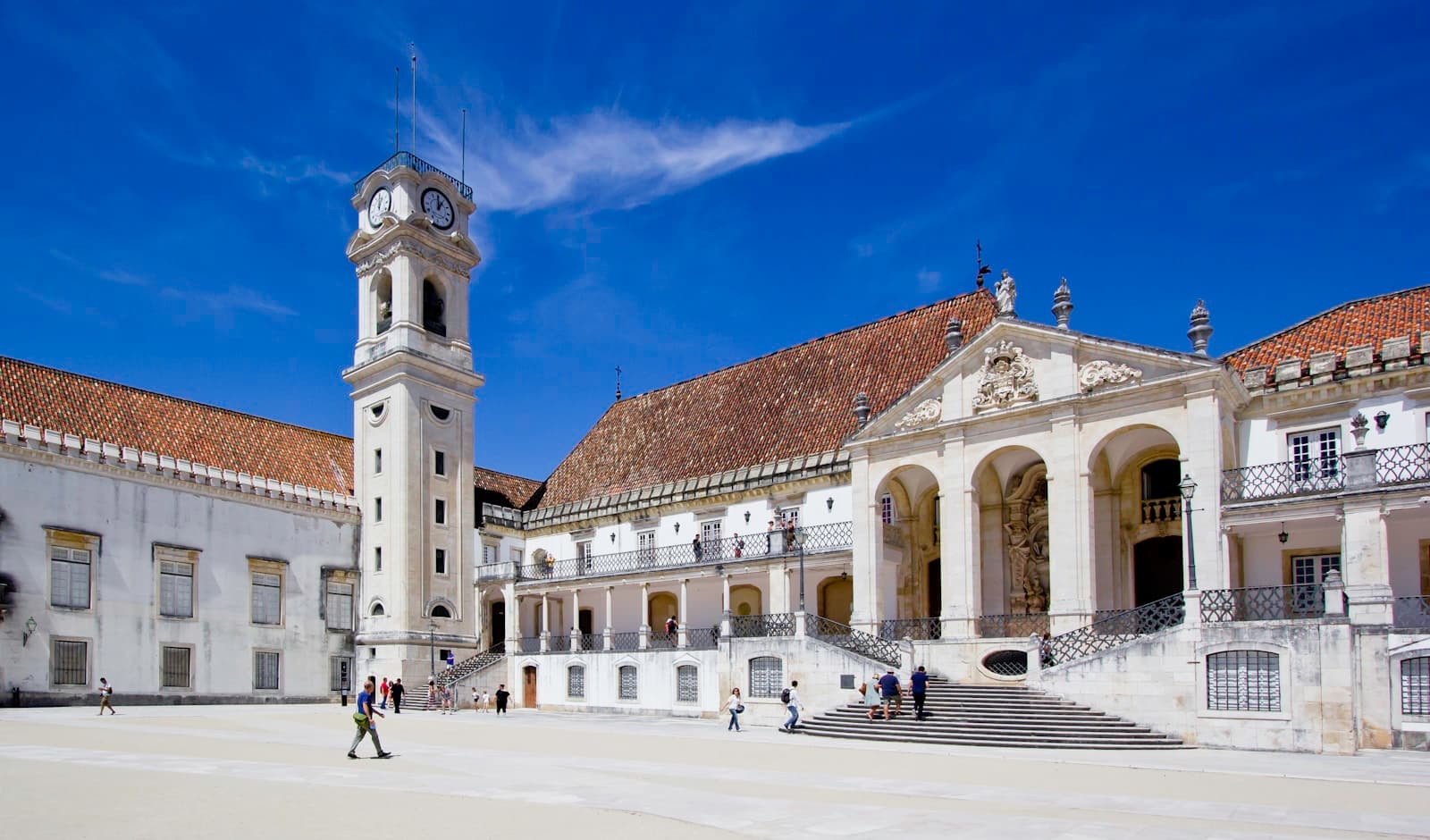
Your first stop is the Se Velha, the Old Cathedral, a fortress-like Romanesque church from the twelfth century. Entry is about 2.50 euros, and it opens daily in the morning, but visits are not allowed during Mass, so plan around the service times posted at the door. From there you keep climbing to the Paco das Escolas, the ceremonial heart of the University of Coimbra, which was chartered in the year twelve ninety and is one of the oldest universities in continuous operation anywhere. The old town, the Alta and Sofia, is a UNESCO World Heritage Site.
The university visit is where you need a plan. A combined ticket costs around 12.50 euros and covers the Joanina Library (the gilded baroque library), the Royal Palace rooms of the Paco das Escolas, and the Chapel of Sao Miguel with its painted tiles and organ. The Joanina Library is the piece to book carefully: entry runs in strict twenty-minute slots for small groups, and the time printed on your ticket is the exact time you go in. Buy online in advance and choose a morning slot so the rest of the complex stays open to you before and after. The Palace of Schools is generally open daily from around 9:00 to 19:30, with the last library entrance near 19:00. The university tower, which climbs to a view over the rooftops, opens seasonally (roughly April to October) and has been listed as temporarily closed on the official visit site, so check its current status on the day rather than counting on it.
This whole cluster is tight. The seven stops of the university hill audio tour cover only about 700 metres of ground, so the time you spend here is about the monuments and the queues, not the distance. Give yourself ninety minutes to two hours, more if you linger inside the library and chapel.
Midday: lunch and the lower town (the Baixa)
Hear a stop from this walk
Paco das Escolas and the Via Latina: The Palace of the Schools
Walk back down into the Baixa, the flat commercial lower town, for lunch and a change of register. This is the working city that sat beneath the university and the crown, and it moves at a calmer pace than the hilltop.
The gateway is the Arco de Almedina, the medieval arch that was the main entrance through the old city wall. Passing under it is free. Just above it sits the Igreja de Santiago and the Praca do Comercio, the old market square lined with shopfronts, both free to wander. The set-piece of the lower town is the Mosteiro de Santa Cruz, the Monastery of the Holy Cross, where the first two kings of Portugal are buried. The church itself is generally free to enter, while the sacristy, chapter house, and cloister carry a small separate fee of a few euros. This is a good stretch to eat: the streets around Praca do Comercio and Rua Ferreira Borges are full of cafes and tascas, and a plate of the local roast suckling pig, leitao, is the regional order if you want it.
The lower-town walk runs about 2.5 kilometres on mostly flat ground and takes around ninety minutes at a browsing pace. It is the easiest of the three routes and the natural one to do on a full stomach.
Afternoon and evening: across the Mondego to Santa Clara
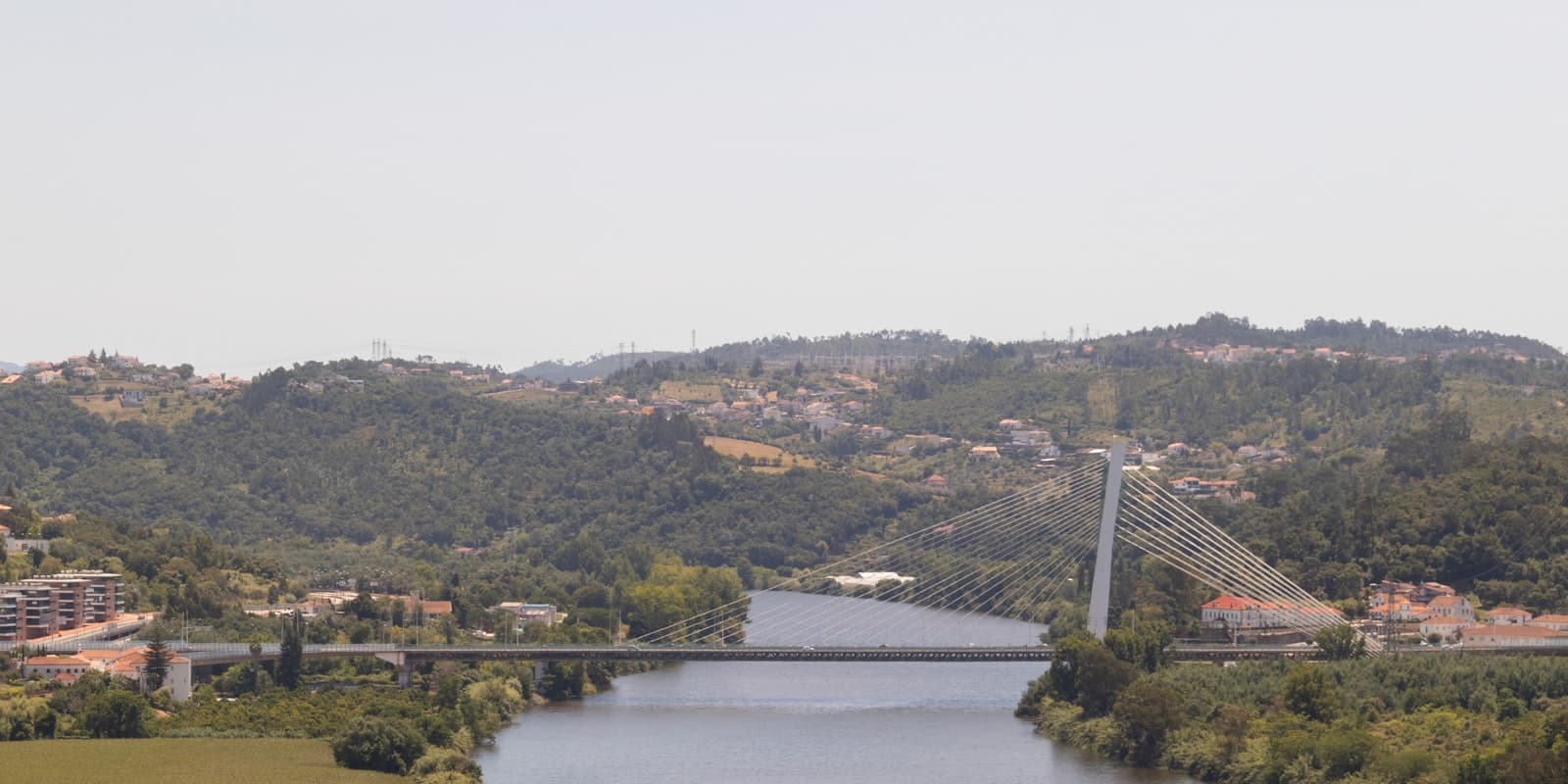
For the late afternoon, cross the river. The Ponte de Santa Clara carries you over the Mondego to the far bank, and the light on the water in the afternoon is the reason to save this stretch for last.
The anchor here is the Mosteiro de Santa Clara-a-Velha, the Gothic convent that the river slowly flooded and buried over centuries before it was excavated and reopened to visitors. Admission is about 4 euros, children up to twelve are free, and it closes on Mondays. Hours are seasonal: roughly 10:00 to 19:00 in spring and summer (about April to mid-October), and 10:00 to 17:00 in the colder months, so an autumn or winter visit needs to happen earlier in the afternoon. A short walk further brings you to the gardens of the Quinta das Lagrimas, tied to the legend of Pedro and Ines de Castro, the prince and the noblewoman whose forbidden love ended in her murder and, later, one of the strangest episodes in Portuguese royal history. The gardens are open to the public with their own admission; the palace on the grounds is a private hotel. Nearby you can also see Santa Clara-a-Nova, the newer convent up the slope, and Portugal dos Pequenitos, a miniature-Portugal park that is a good stop if you have children along.
This Santa Clara loop is the longest of the three at about 3.6 kilometres with some gentle climbing, so budget close to two hours. The Santa Clara audio tour reads the water, the ruins, and the legend as one thread, which makes it the right note to end the day on. Walk back across the bridge for dinner in the Baixa, and if you want to hear Coimbra's own tradition of fado (sung here by men, historically students, and distinct from Lisbon's) look for one of the small ticketed venues in the lower town in the evening.
How to fit it in one day
The honest version of a one-day Coimbra plan is three linked walks: the hilltop university in the morning while it is fresh and the timed library slots are open, the flat lower town for lunch and its churches, and the far river bank for the late-afternoon convent and gardens. Total walking across all three is under seven kilometres, but the hill and the ticket queues, not the distance, set the pace. Book the Joanina Library slot before you arrive, carry a little cash for the small church and monastery fees, and check the Santa Clara-a-Velha and university tower hours the morning of, since both shift with the season. Compare all three routes and pick your priorities on the Coimbra walking tours hub.
Safety and practical notes
Coimbra is a small, calm university city and is generally considered safe for walkers, including solo travellers, with ordinary big-city caution around crowded spots and the train stations. The real hazards are physical: the Alta is steep with worn cobblestones, so grippy shoes matter more than anything, and summer afternoons get hot on the exposed hilltop, so carry water. Tickets for the express trains to and from Lisbon and Porto are seat-assigned and can sell out on busy services, so book those ahead rather than at the platform.
Sources
Frequently asked questions
- Is one day enough to see Coimbra?
- Yes. Coimbra is compact and built on one hillside, so a single day covers the three main areas: the university hill (the Alta), the flat lower town (the Baixa), and the Santa Clara bank across the Mondego river. Total walking is under seven kilometres. The pace is set by the steep hill and ticket queues, not the distance.
- How much does it cost to visit the University of Coimbra and the Joanina Library?
- A combined University of Coimbra ticket costs around 12.50 euros and includes the Joanina Library, the Royal Palace rooms of the Paco das Escolas, and the Chapel of Sao Miguel. The Joanina Library runs in strict twenty-minute timed slots, so book online in advance and pick a morning slot. The time on the ticket is the exact time you enter the library.
- How do I get to Coimbra from Lisbon or Porto?
- Direct Comboios de Portugal trains run from Lisbon in about one hour forty-three minutes on the Alfa Pendular (roughly two hours on the Intercidades) and from Porto in about one hour fourteen minutes. Express trains use Coimbra-B station, about a twenty-minute walk or a short connecting regional train from the central Coimbra stop. Book seat-assigned express tickets ahead, as they can sell out.
- What are the opening hours for Santa Clara-a-Velha Monastery?
- The Monastery of Santa Clara-a-Velha is closed on Mondays. Hours are seasonal: roughly 10:00 to 19:00 in spring and summer (about April to mid-October) and 10:00 to 17:00 in the colder months. Admission is about 4 euros, and children up to twelve enter free. Check the current hours the morning of your visit, since they shift with the season.
- Can I climb the University of Coimbra tower?
- The university tower opens seasonally, roughly April to October, and climbs to a view over the rooftops. It has recently been listed as temporarily closed on the official university visit site, so confirm its current status on the day rather than counting on it. When open, it usually requires a separate ticket from the main university visit.
- Is Coimbra safe to walk, including for solo travellers?
- Coimbra is a small, calm university city and is generally considered safe for walking, including for solo travellers, with ordinary caution around crowded areas and the train stations. The bigger risks are physical: the Alta is steep with worn cobblestones, so grippy shoes help, and summer afternoons get hot on the exposed hilltop, so carry water.
Ready to experience it?
University of Coimbra: The Oldest Classroom in the Country
90 min · 0.7 km · moderate
More from Coimbra
Explore more at your own pace.
Coimbra Has Been Portugal's Mind for Seven Centuries
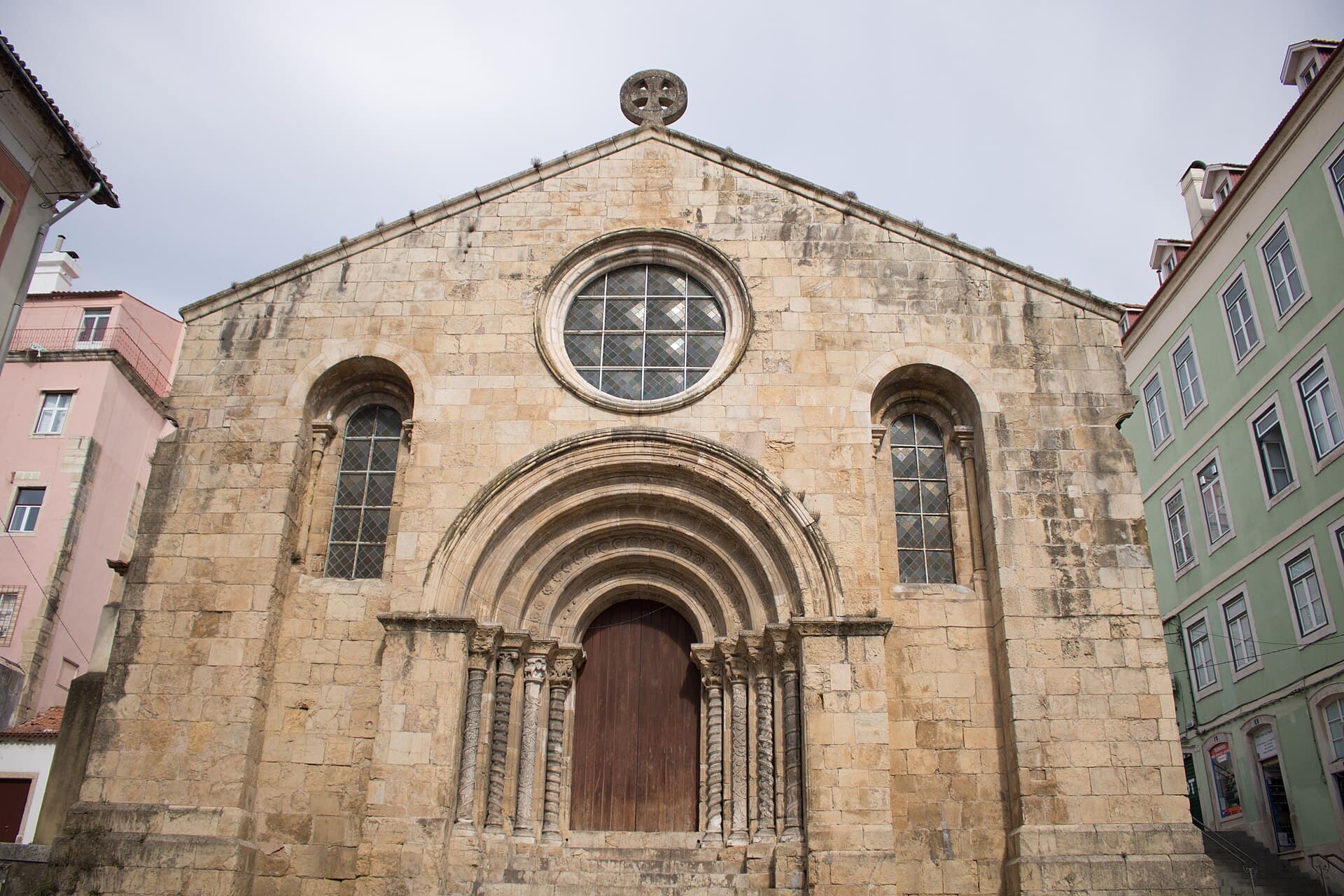
Igreja de Santiago and the Case for Walking Coimbra's Low Town
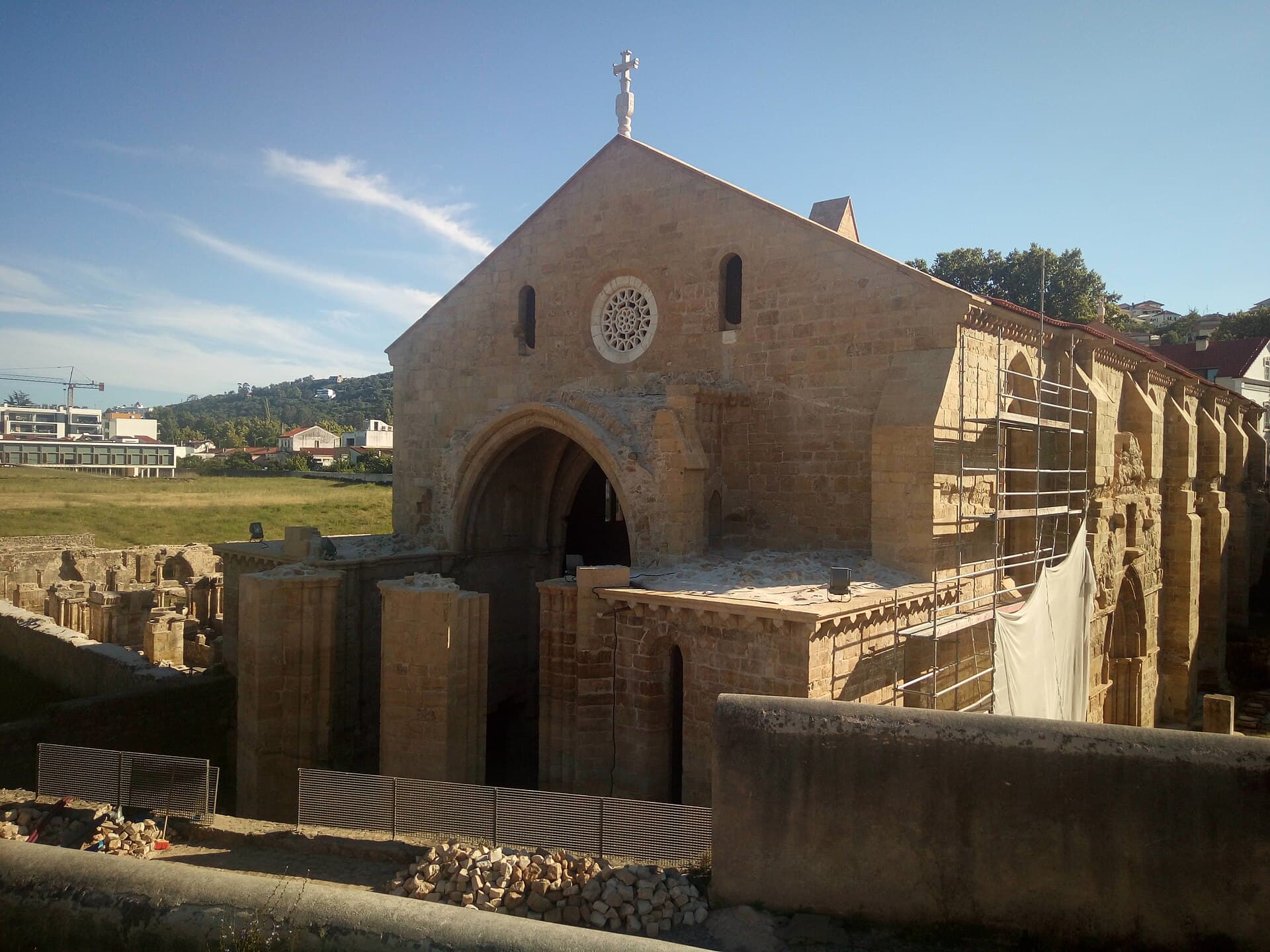
Santa Clara-a-Velha: The Convent the Mondego Drowned
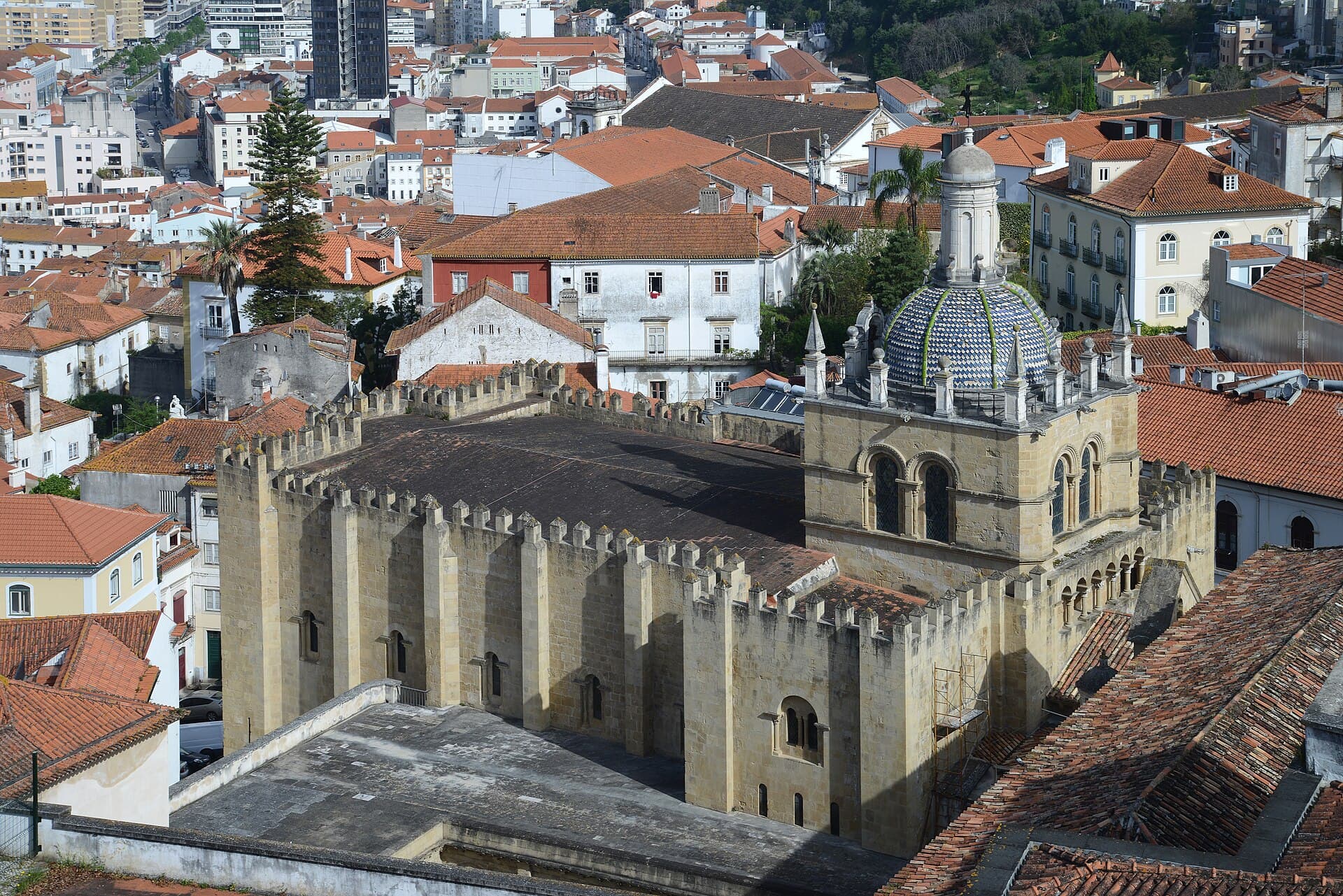
The Old Cathedral That Explains All of Coimbra
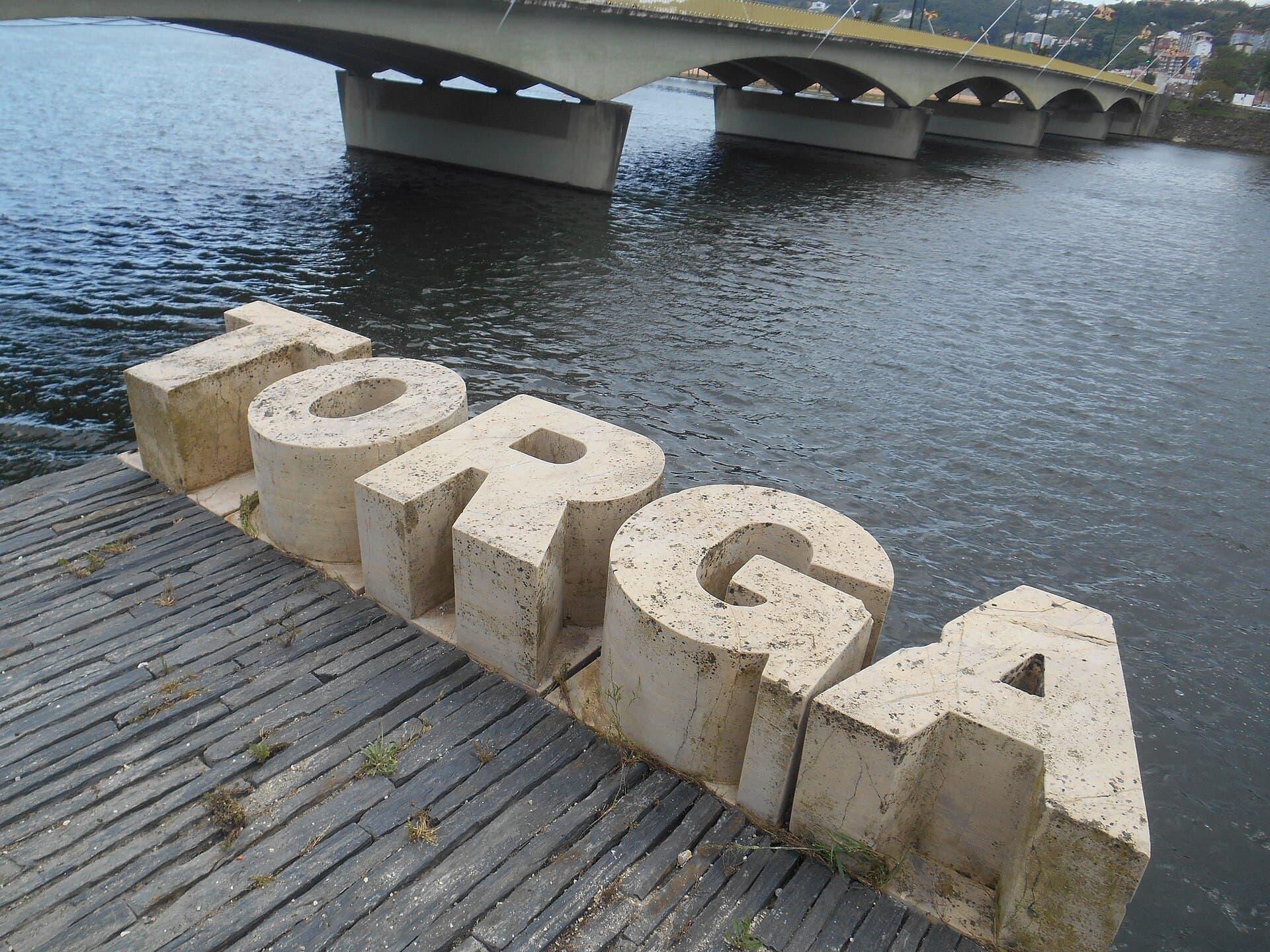
Ponte de Santa Clara: Reading the River That Drowned a Convent