
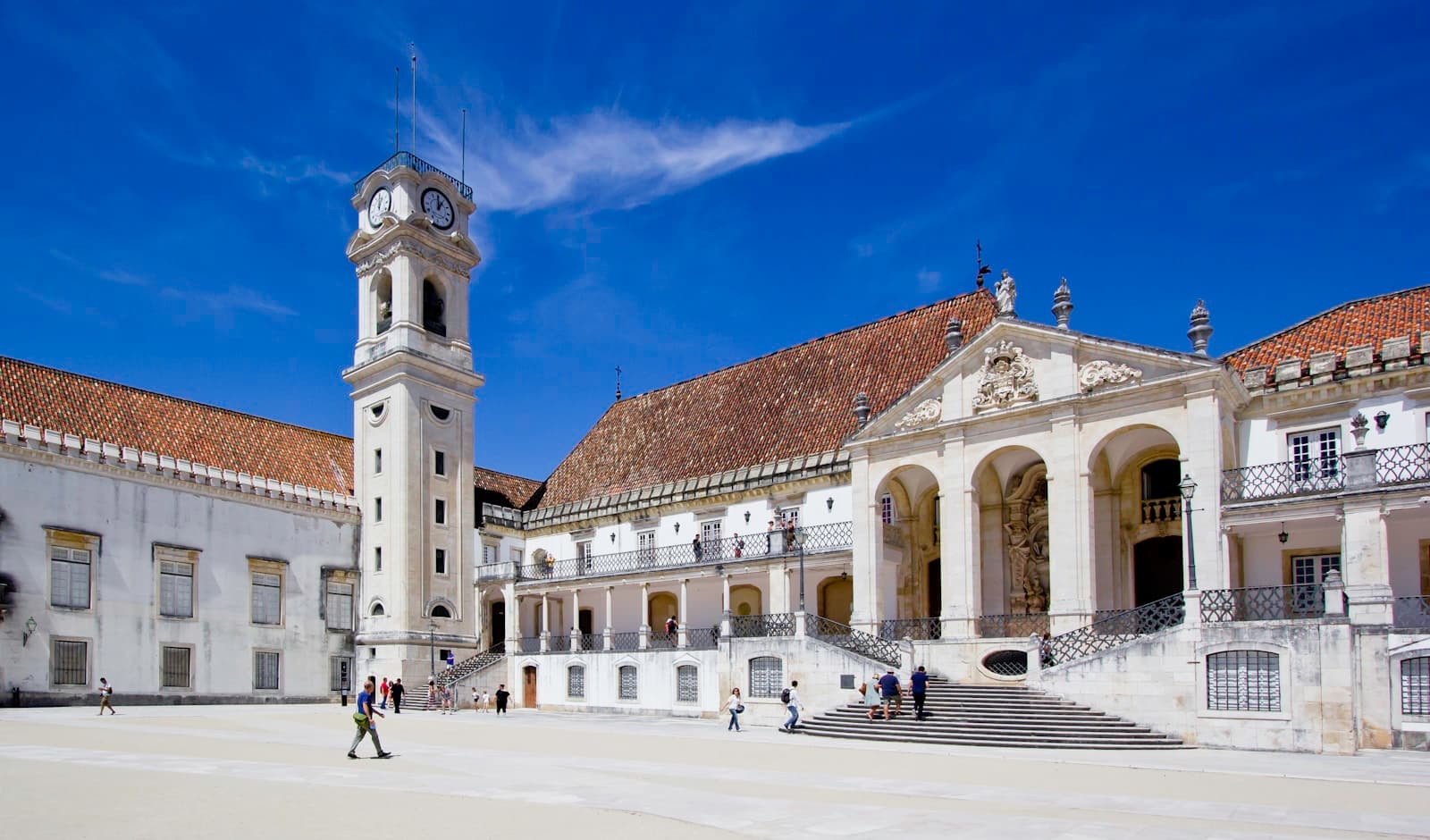
University of Coimbra: The Oldest Classroom in the Country
90 min · 0.7 km · moderate
Coimbra rewards one full day of walking, ideally with a night added, and it works cleanly by train from Lisbon or Porto. Plan the city as a walk up and back down one hillside: the university crown at the top, the working lower town beneath it, and the far bank of the Mondego river across the bridge. Below is how many days to give it, how to arrive and get around, when to come, an honest read on safety, and roughly what it costs. Every price and time here was checked against current 2026 sources.
How many days you need
One full day covers the essentials without rushing: the university hill, the old and new cathedrals, the monastery of Santa Cruz, and the lower-town streets. If you can, sleep over one night. Coimbra is a student city, and its evening character (fado, lit-up squares, the walk back down from the Alta) is the part day-trippers miss. Give it two days if you also want the far bank across the river or the Roman ruins of Conimbriga outside town.
The three Roamer self-guided audio walks map onto that plan directly. Coimbra University Hill is a short, steep loop (about 0.7 km) through the Iron Gate, the Paco das Escolas courtyard, the tower, the chapel, and the Joanina Library. Coimbra Lower Town is a flatter 2.5 km through the Almedina arch, Praca do Comercio, the Santa Cruz monastery, and the fado streets of the Baixa. Coimbra Santa Clara crosses the Mondego (3.6 km) to the drowned Gothic convent, the Quinta das Lagrimas gardens tied to the Pedro and Ines legend, and the hilltop Santa Clara-a-Nova. Do the university hill first while your legs are fresh, the lower town second, and save Santa Clara for a second day or a lighter afternoon. Browse all three at Coimbra walking tours.
How to get there and get around
Hear a stop from this walk
Paco das Escolas and the Via Latina: The Palace of the Schools
By train is the simplest arrival. Coimbra sits on the main Lisbon to Porto line, served by the fast Alfa Pendular and the Intercidades trains, which run frequently through the day (the Lisbon to Porto corridor alone carries roughly 37 daily services). Long-distance trains stop at Coimbra-B, on the northern edge of town. From there a short local shuttle train runs to Coimbra-A (also called Coimbra) in the center, about a five-minute ride, and that connection is included free with your Alfa Pendular or Intercidades ticket, so keep the ticket to hand. The shuttle runs every 15 to 20 minutes. A taxi from Coimbra-B to the center takes about 10 to 15 minutes if you prefer.
Once you are in the center, Coimbra is a walking city, and a hilly one. The historic core, the university crown, the cathedrals, and the lower town all sit within a compact area you cover on foot. The climb from the riverside up to the university is steep, so wear proper shoes and take the stairs and lanes at your own pace. City buses run by SMTUC connect the outer neighborhoods and the far bank, useful if you are walking the Santa Clara side and want to skip the return climb. You do not need a car for the city itself.
Best time to visit
Roughly early April through early November gives you warm, dry days and the full cultural calendar. Spring is the sweet spot: comfortable walking temperatures and the botanical garden in bloom, without midsummer heat on the exposed hillside.
The date to know is Queima das Fitas, Coimbra's student graduation festival, which runs in 2026 from the 22nd to the 30th of May. It fills the city with parades, academic dress, and open-air concerts, and it is a memorable time to be here. It is also the busiest: rooms book out well ahead and the crowds are large, so reserve accommodation months in advance if you come for it, and expect a livelier, more packed version of every square on this walk. If you want quiet, aim for outside the festival window.
Is Coimbra safe
Yes, Coimbra is a calm and safe city for visitors, with one of the lower crime indexes in Portugal. Violent incidents involving tourists are rare, and the city is smaller and quieter than Lisbon or Porto. The realistic risk is ordinary petty theft: keep an eye on your bag in crowded spots, near the university, and during festivals like Queima das Fitas when squares are packed. A crossbody bag worn in front is enough of a precaution.
Two practical notes for these walks. The climb up to the Alta is on public streets and stairs that are well used by day. The riverside parks and quieter stretches near the Mondego are pleasant in daylight but can be poorly lit and empty after dark, so save those for daytime and stick to busier, lit streets if you are out late.
What it costs
Most of what you walk past is free. The public squares, the Almedina arch passage, the Iron Gate courtyard, the bridges, and the lower-town streets cost nothing. The interiors are where you spend.
The main paid site is the university. The general University of Coimbra visit ticket is 12.50 EUR and includes the Paco das Escolas royal palace, the Chapel of Sao Miguel, the Joanina Library, and the university's two museums. The Joanina Library is timed: only about 60 people enter at a time, so you are given a scheduled 20-minute slot when you buy, and it is worth booking ahead in high season. Climbing the university clock tower is a separate 2 EUR extra (the tower keeps its own seasonal hours and can be closed, so check on the day). The Palace of Schools is open daily 9:00 to 19:30, with last library entry at 19:00 (shorter hours in the November to February low season, so check before you go).
For the rest: the Old Cathedral (Se Velha) charges a small entry fee of about 2.50 EUR, while the New Cathedral (Se Nova) is free to enter. At Santa Cruz monastery the church is free, while the sacristy, chapter house, and cloister carry a small charge of around three euros. Across the river, the Santa Clara-a-Velha monastery ruins run about 4 euros. Treat these interior prices as approximate and verify the current figure at each door, since heritage-site pricing changes; the free exteriors and squares carry most of the story on all three walks anyway.
Sources
- University of Coimbra ticket office and hours (visit.uc.pt)
- Coimbra University visit price and details (Coimbra Portugal Tourism)
- Alfa Pendular schedule and Coimbra-B stop (CP, Comboios de Portugal)
- Coimbra-B to city center shuttle (Coimbra Portugal Tourism, transportation)
- Queima das Fitas 2026 dates (Coimbra Explore)
- Coimbra safety overview (TravelSafe Abroad)
Frequently asked questions
- How many days do you need in Coimbra?
- One full day covers the university hill, both cathedrals, the Santa Cruz monastery, and the lower town without rushing. Adding an overnight lets you experience the evening student atmosphere and fado. Give it two days if you also want the far bank across the Mondego or the Roman ruins of Conimbriga outside town.
- How do you get to Coimbra by train?
- Coimbra sits on the main Lisbon to Porto line, served by frequent Alfa Pendular and Intercidades trains. These stop at Coimbra-B on the edge of town, from which a free local shuttle train reaches the central Coimbra-A station in about five minutes. The shuttle connection is included with your long-distance ticket, so keep it to hand.
- How much does the University of Coimbra cost to visit?
- The general University of Coimbra visit ticket is 12.50 EUR and includes the Paco das Escolas palace, the Chapel of Sao Miguel, the Joanina Library, and the two university museums. Climbing the clock tower is a separate 2 EUR. The Joanina Library uses timed 20-minute entry slots assigned when you buy, so booking ahead helps in high season.
- Is Coimbra safe for tourists?
- Yes. Coimbra has one of the lower crime indexes in Portugal, and violent incidents involving tourists are rare. The main risk is ordinary petty theft in crowded spots near the university or during festivals, so keep your bag secure. Riverside parks are pleasant by day but can be quiet and poorly lit after dark, so visit those in daylight.
- When is the best time to visit Coimbra?
- Roughly early April through early November gives warm, dry days and the full cultural calendar, with spring especially comfortable for walking the hilly old town. The Queima das Fitas student festival runs 22 to 30 May in 2026, filling the city with parades and concerts. It is memorable but very busy, so book accommodation months ahead if you come for it.
- Do you need a car to see Coimbra?
- No. The historic center, university, cathedrals, and lower town are all walkable, though the climb up to the Alta is steep, so wear good shoes. SMTUC city buses reach the outer neighborhoods and the far bank across the river if you want to skip a return climb. A car is unnecessary for the city itself.
Ready to experience it?
University of Coimbra: The Oldest Classroom in the Country
90 min · 0.7 km · moderate
More from Coimbra
Explore more at your own pace.
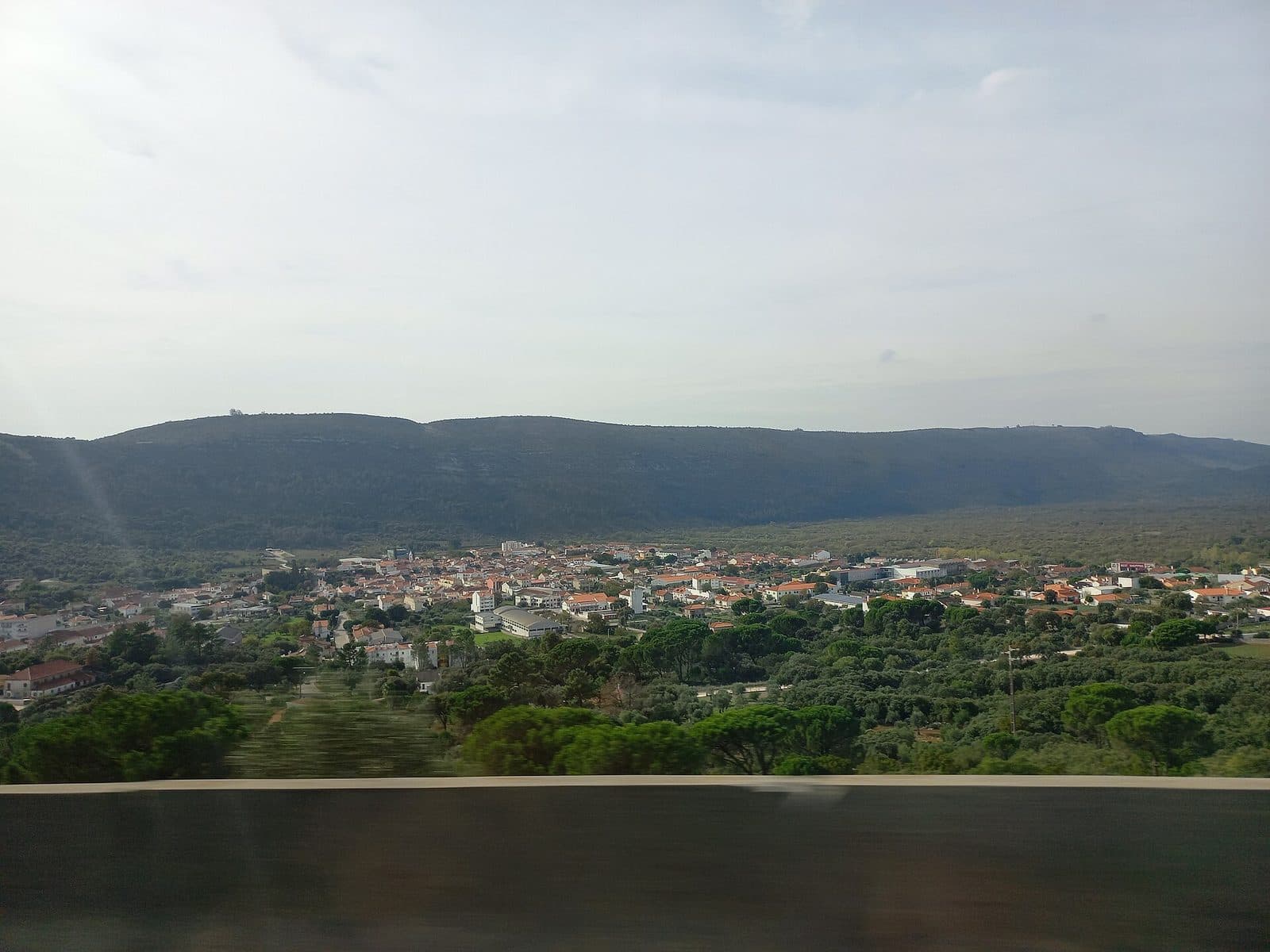
Coimbra Has Been Portugal's Mind for Seven Centuries
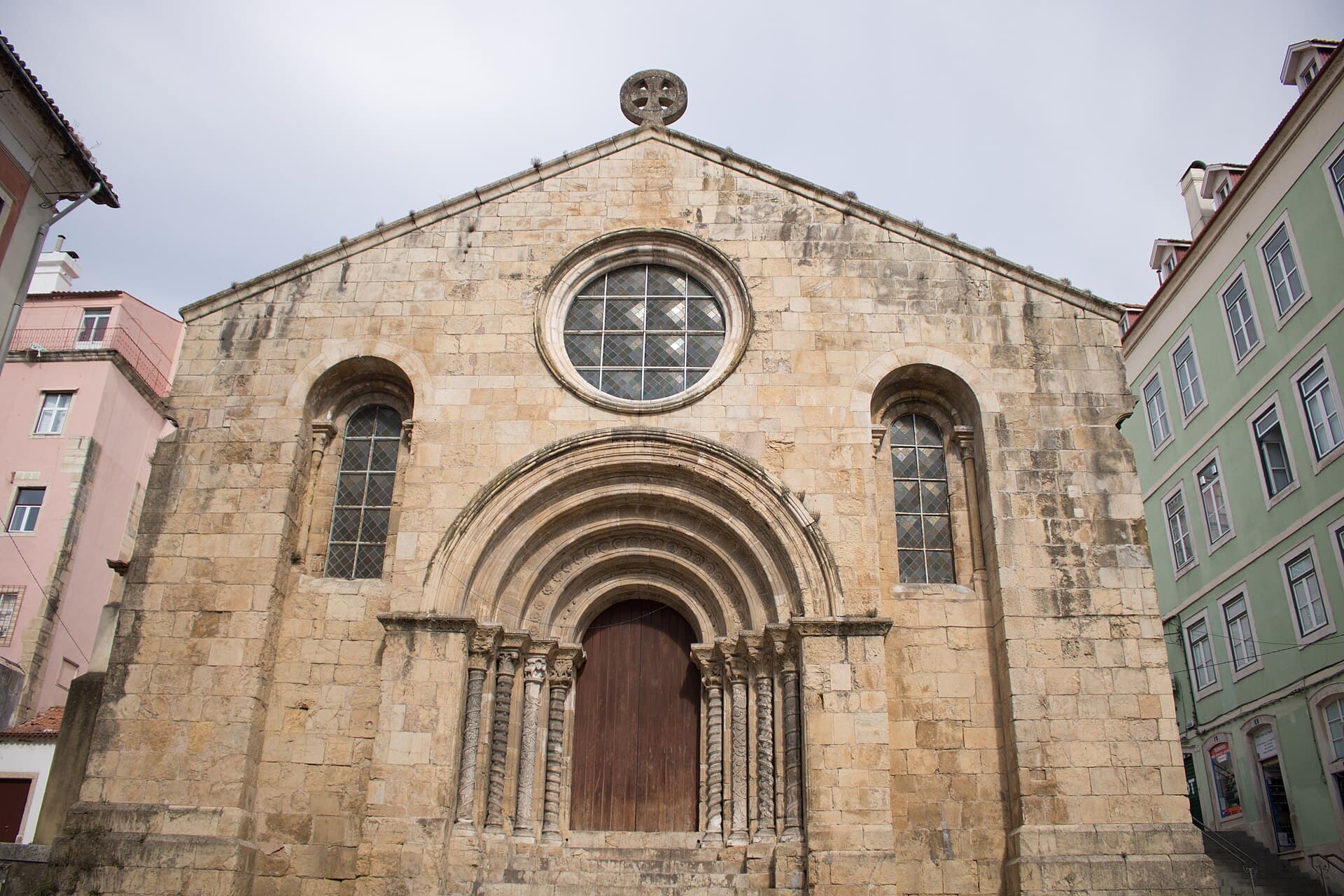
Igreja de Santiago and the Case for Walking Coimbra's Low Town
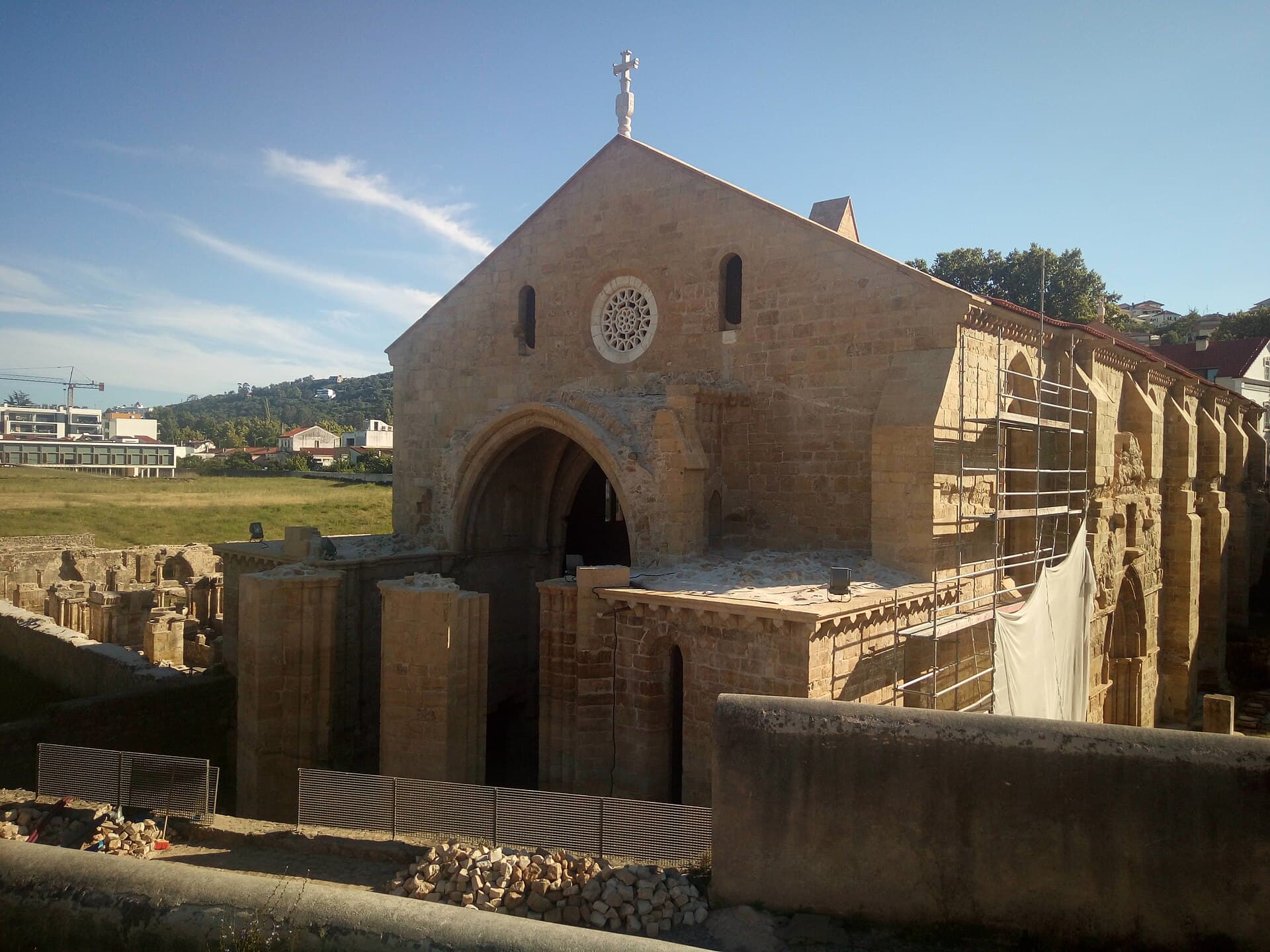
Santa Clara-a-Velha: The Convent the Mondego Drowned
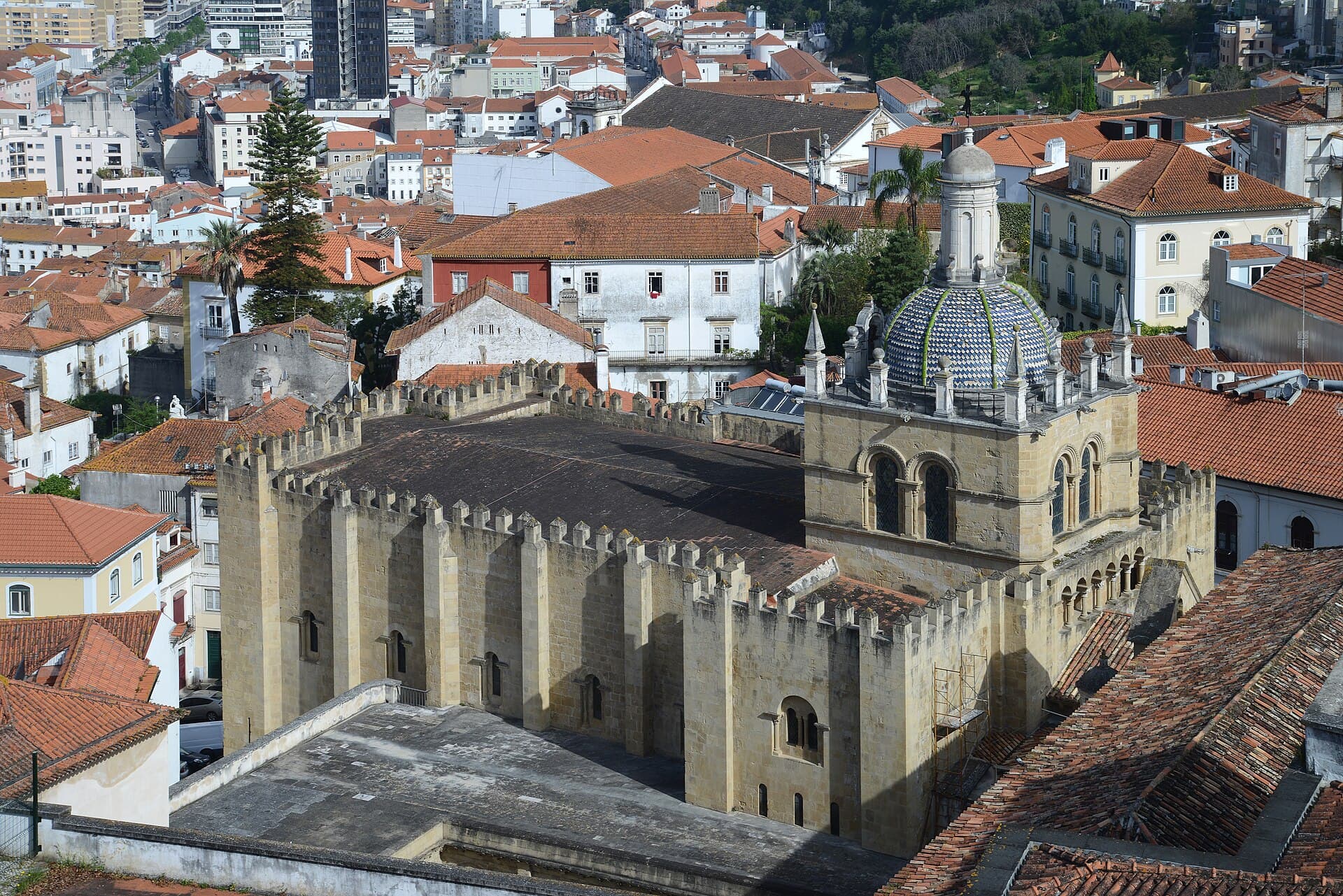
The Old Cathedral That Explains All of Coimbra
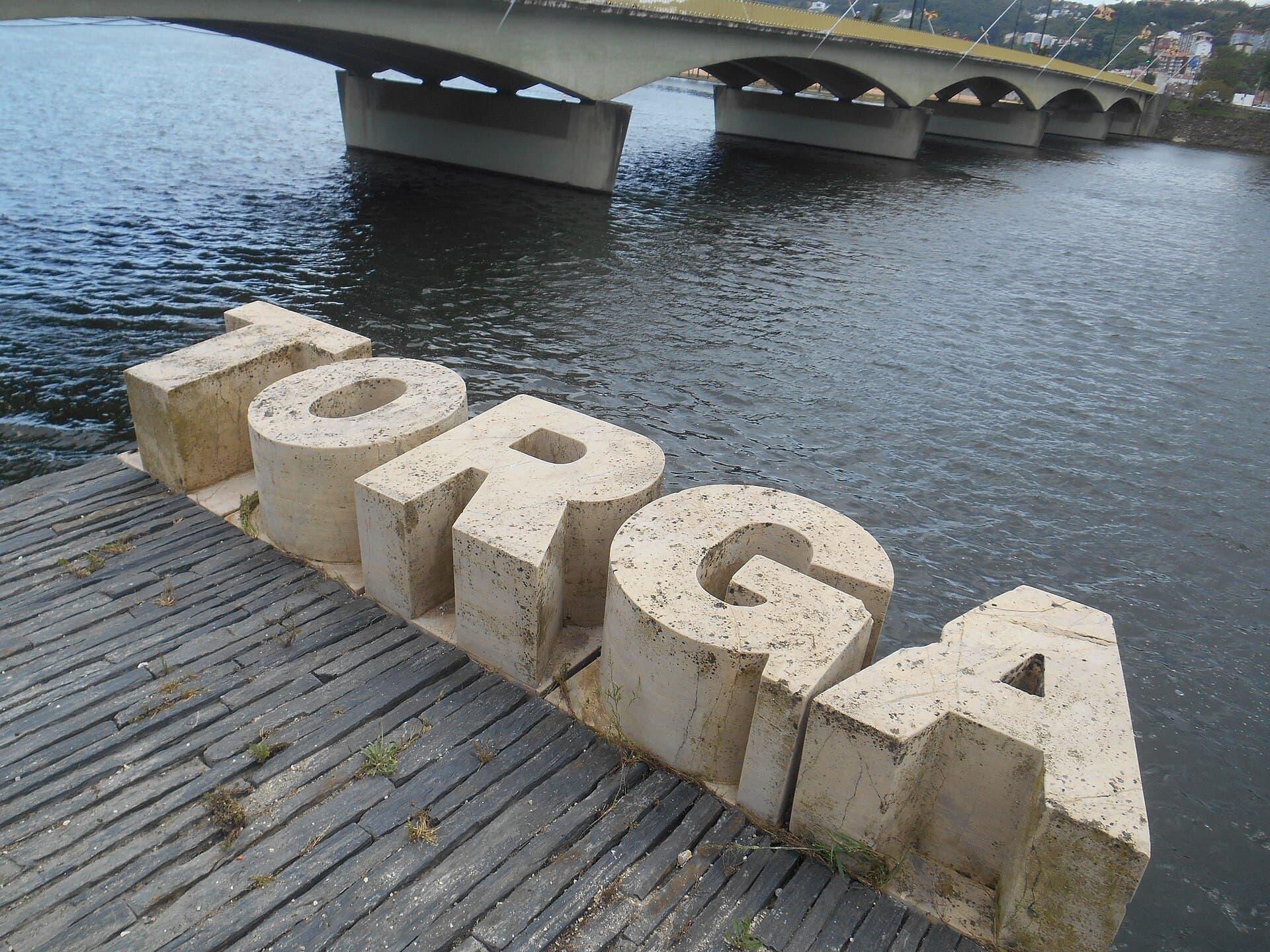
Ponte de Santa Clara: Reading the River That Drowned a Convent