University of Coimbra: The Oldest Classroom in the Country
90 min · 0.7 km · moderate
If you want to eat like a local in Coimbra, order two things first: chanfana, an old goat braised for hours in red wine inside a black clay pot, and a pastel de Santa Clara, a crisp almond-and-egg-yolk pastry the city's convent nuns perfected. Coimbra sits in central Portugal on the Mondego River, and its food splits cleanly into two traditions. The savory side comes from the goat pastures and pig country of the Beira Litoral and neighboring Bairrada. The sweet side comes from convents, where nuns spun leftover egg yolks into pastries that still fill the pastry-shop windows in the lower town. Learn a handful of names, know where they come from, and you can order confidently in any tavern or pastelaria below the university hill.
This guide pairs naturally with the Coimbra walking tours, since most of the food is within a short walk of the routes. Read it, then plan your day on the Coimbra city page.
Chanfana: the dish Coimbra argues over
Chanfana is the region's signature. It is old goat meat, seasoned a day ahead, then braised slowly in red wine, garlic, and bay leaf inside a traditional black clay pot. The wine tenderizes meat that would otherwise be tough, and the long cook in a wood-fired oven turns it dark and rich. The recipe is referenced in Portuguese writings from the seventeenth century, and one popular legend ties it to the French invasions of the Napoleonic era: nuns at the convent of Semide are said to have slaughtered and cooked their animals so the invading troops could not take them, and with no clean water to hand, they cooked the meat in wine instead.
Two towns near Coimbra, Miranda do Corvo and Vila Nova de Poiares, both call themselves the Capital of Chanfana. You do not have to pick a side to enjoy it. In Coimbra's taverns you order it simply as "chanfana," usually with potatoes and a glass of regional red. It is heavy, so it is a lunch or a leisurely dinner, not a quick bite.
Leitão and the river: the rest of the savory table
Hear a stop from this walk
Paco das Escolas and the Via Latina: The Palace of the Schools
Just north of Coimbra is the Bairrada, the region famous for leitão, roast suckling pig with crackling skin, seasoned with garlic, pepper, and bay. In 2011 an initiative backed by Portugal's Ministry of Culture ran a public vote, and close to 900,000 people helped name the Seven Wonders of Portuguese Gastronomy. Leitão da Bairrada was one of the winners. Many Coimbra restaurants serve it, and it is a good trip out to a Bairrada leitaria if you have a car and an appetite.
The Mondego River shapes the other savory plates. Lamprey and eel appear in traditional dishes here, most notably lamprey rice, in which the rice is cooked in the fish's blood and red wine until the grains turn deep red. Lamprey is seasonal, roughly winter into spring, and not on menus year-round. If you want a lighter local staple, look for bacalhau (salt cod) prepared any number of ways, a Portuguese constant rather than a Coimbra invention.
The convent sweets: what to order and why they exist
Coimbra's desserts are conventual sweets, born inside convents where nuns used enormous quantities of egg yolks (egg whites were often used to starch habits and clarify wine, leaving the yolks for the kitchen). The results are dense, almond-heavy, and very sweet. Here is how to order:
- Pastel de Santa Clara. The city's most famous sweet: a thin, crisp pastry filled with a jam of egg yolk and almond. It is named for the Convent of Santa Clara, across the river from the lower town.
- Arrufada de Coimbra. A round sweet bread with a soft, lightly sweet dough scented with cinnamon and fennel.
- Manjar branco. A creamy pudding of milk, sugar, and rice, flavored with cinnamon or lemon.
- Crúzios. Thin crisp pastry filled with a delicate egg-and-almond cream.
You will also see Barrigas de Freira ("nun's bellies"), Pudim das Clarissas, and sweet rice in the same cabinets. Order a couple, take an espresso (a "bica"), and you are eating exactly what generations of university students have eaten.
Where to buy it and how to order like a local
For groceries, cheese, and a casual meal, go to the Mercado Municipal D. Pedro V on Rua Olímpio Nicolau Rui Fernandes in the Baixa (the lower town). The market stalls generally run until about 7 p.m. Monday to Saturday, and the market is closed on Sundays. Verify current hours on arrival, as market schedules shift.
A few ordering habits smooth the experience. Portuguese lunch runs roughly 12:30 to 3 p.m. and dinner from about 7:30 p.m., so a tavern that looks closed at 6 p.m. is simply between services. Ask for "a conta" when you want the bill. The small bread, olives, or cheese placed on your table at the start (the "couvert") is optional and charged if you eat it, so wave it away if you do not want it. And do not rush chanfana or leitão: these are slow dishes meant for a long table.
Coimbra is a calm, walkable university city, and eating here is low-stress. Keep normal city awareness in crowded market aisles, but there is no special caution required beyond that.
Fitting food into a walking day
The lower-town food, the Mercado D. Pedro V, and the convent-sweet pastelarias all sit close to the routes covered in the Coimbra walking tours. A practical plan: walk the university hill and the Baixa in the cooler morning hours, break for chanfana or a market lunch, then finish the afternoon across the Mondego near Santa Clara, where the pastry that carries the convent's name was born. Start planning from the Coimbra city page.
Sources
Frequently asked questions
- What food is Coimbra known for?
- Coimbra is known for chanfana, an old goat braised slowly in red wine in a black clay pot, and for convent sweets like the pastel de Santa Clara, a crisp pastry filled with egg yolk and almond. The nearby Bairrada region is famous for leitao, roast suckling pig. Fish from the Mondego River, such as lamprey and eel, also appears in traditional local dishes.
- What is chanfana and where does it come from?
- Chanfana is old goat meat seasoned a day ahead and braised for hours in red wine, garlic, and bay leaf inside a traditional black clay pot. It comes from the Beira Litoral region near Coimbra, and both Miranda do Corvo and Vila Nova de Poiares claim the title of Capital of Chanfana. The dish is referenced in Portuguese writings from the seventeenth century.
- What is a pastel de Santa Clara?
- The pastel de Santa Clara is Coimbra's most famous sweet, a thin crisp pastry filled with a jam of egg yolk and almond. It is named for the Convent of Santa Clara, where the nuns developed it as one of the city's conventual sweets. You will find it in pastry shops throughout the lower town.
- Where can I buy fresh local food in Coimbra?
- The Mercado Municipal D. Pedro V on Rua Olimpio Nicolau Rui Fernandes in the Baixa is the main market, selling fruit, vegetables, fish, meat, and regional cheese. The stalls generally run until about 7 p.m. Monday to Saturday, and the market is closed on Sundays, so check current hours before you go.
- Is leitao da Bairrada worth trying near Coimbra?
- Yes. Leitao da Bairrada is roast suckling pig with crackling skin from the Bairrada region just north of Coimbra. In 2011 a public vote backed by Portugal's Ministry of Culture, with close to 900,000 participants, named it one of the Seven Wonders of Portuguese Gastronomy. Many Coimbra restaurants serve it, and a Bairrada leitaria is a good short trip if you have transport.
- What are the main convent sweets to order in Coimbra?
- Beyond the pastel de Santa Clara, order the arrufada de Coimbra, a round sweet bread flavored with cinnamon and fennel, and manjar branco, a creamy pudding of milk, sugar, and rice. Cruzios are thin crisp pastries filled with egg-and-almond cream. These conventual sweets are egg-yolk-rich and very sweet, best paired with an espresso.
Ready to experience it?
University of Coimbra: The Oldest Classroom in the Country
90 min · 0.7 km · moderate
More from Coimbra
Explore more at your own pace.
Coimbra Has Been Portugal's Mind for Seven Centuries
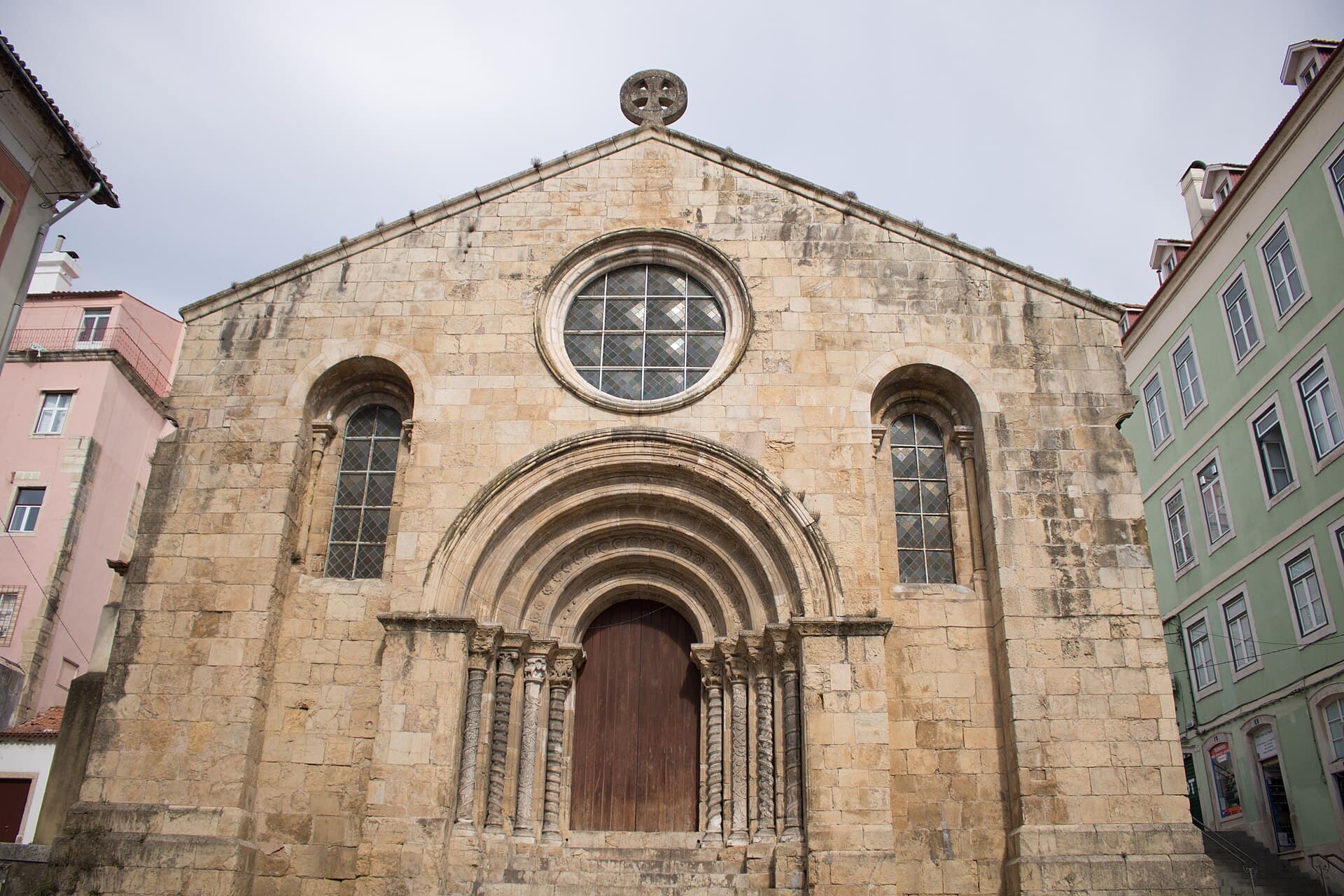
Igreja de Santiago and the Case for Walking Coimbra's Low Town
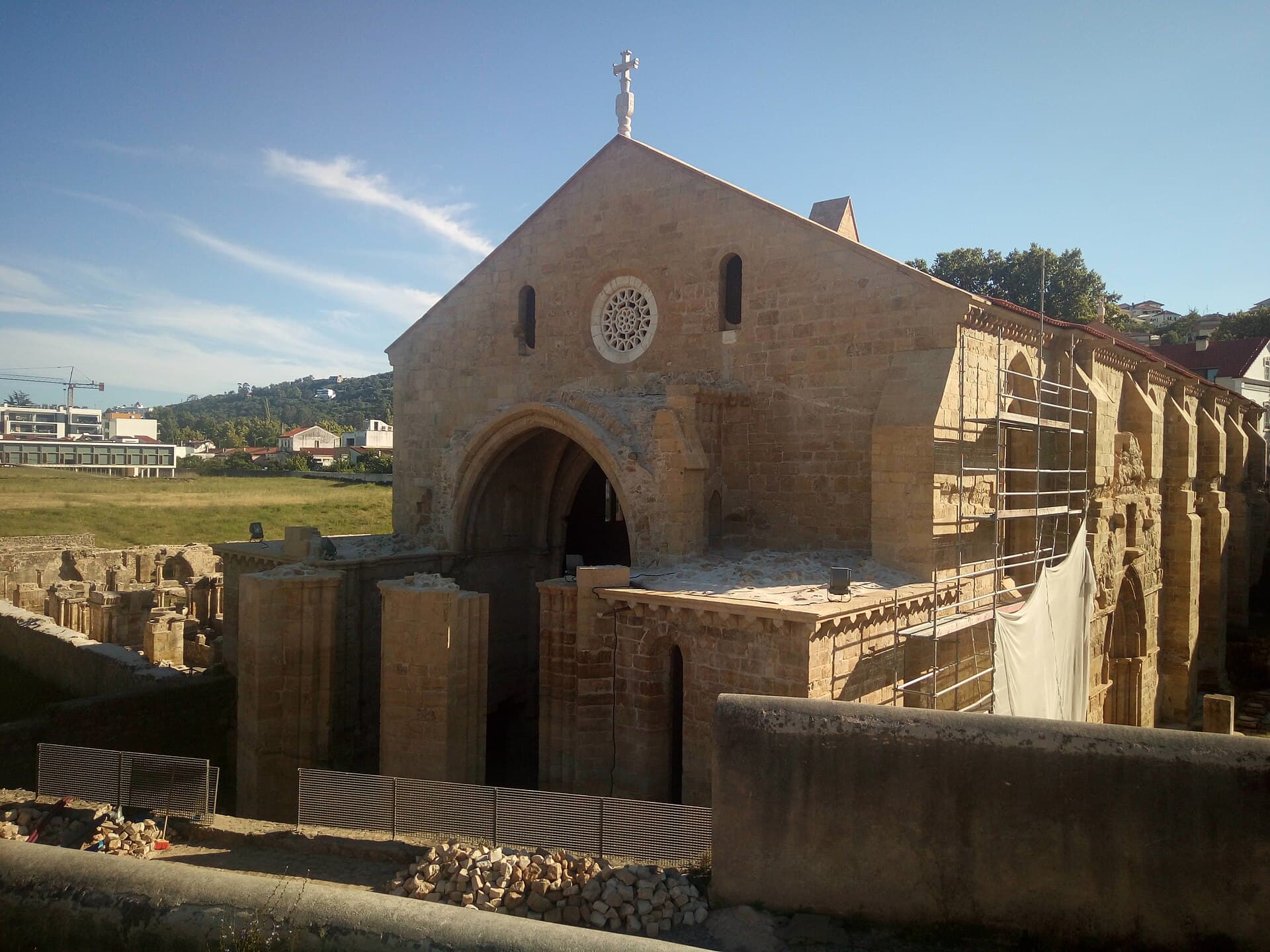
Santa Clara-a-Velha: The Convent the Mondego Drowned
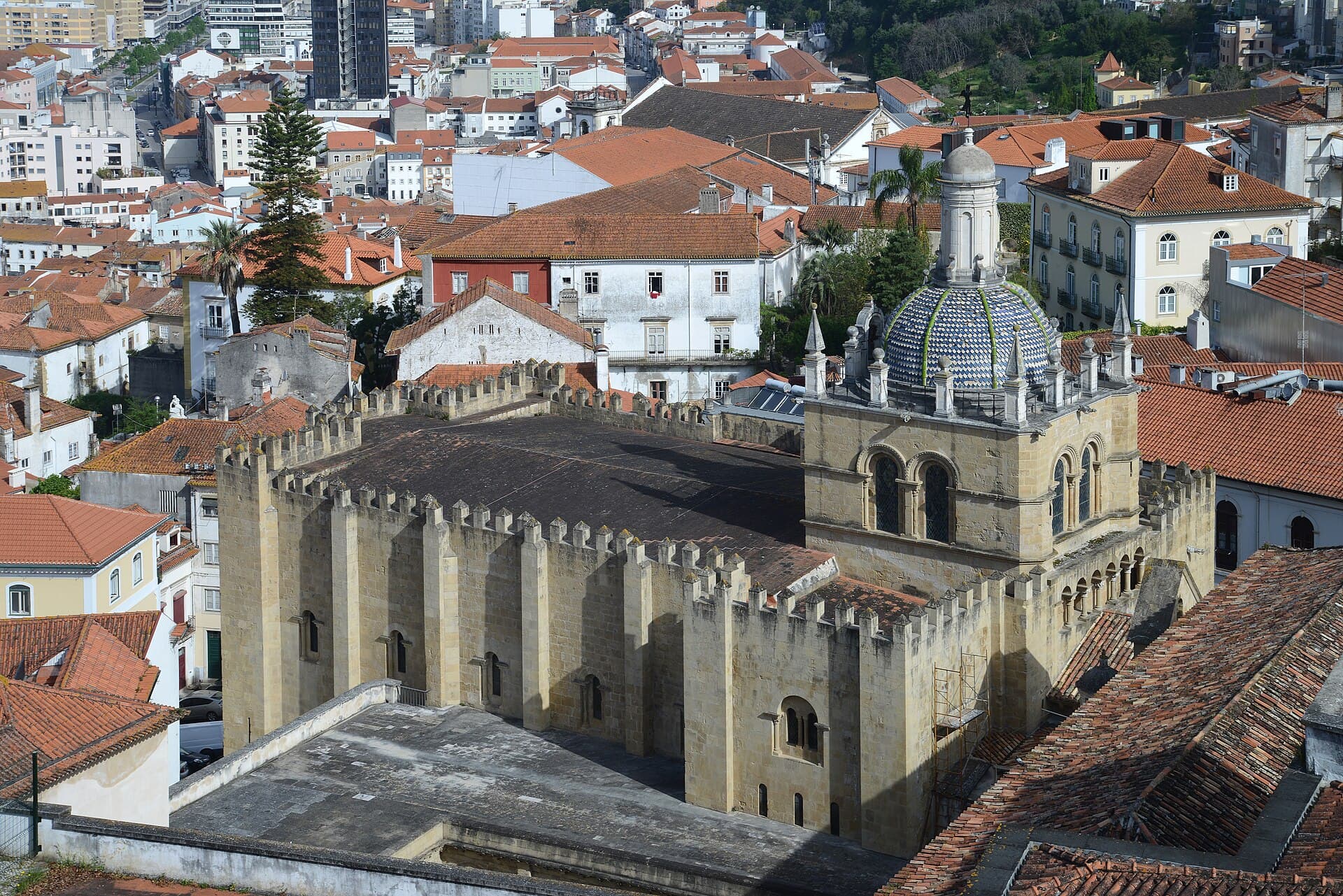
The Old Cathedral That Explains All of Coimbra
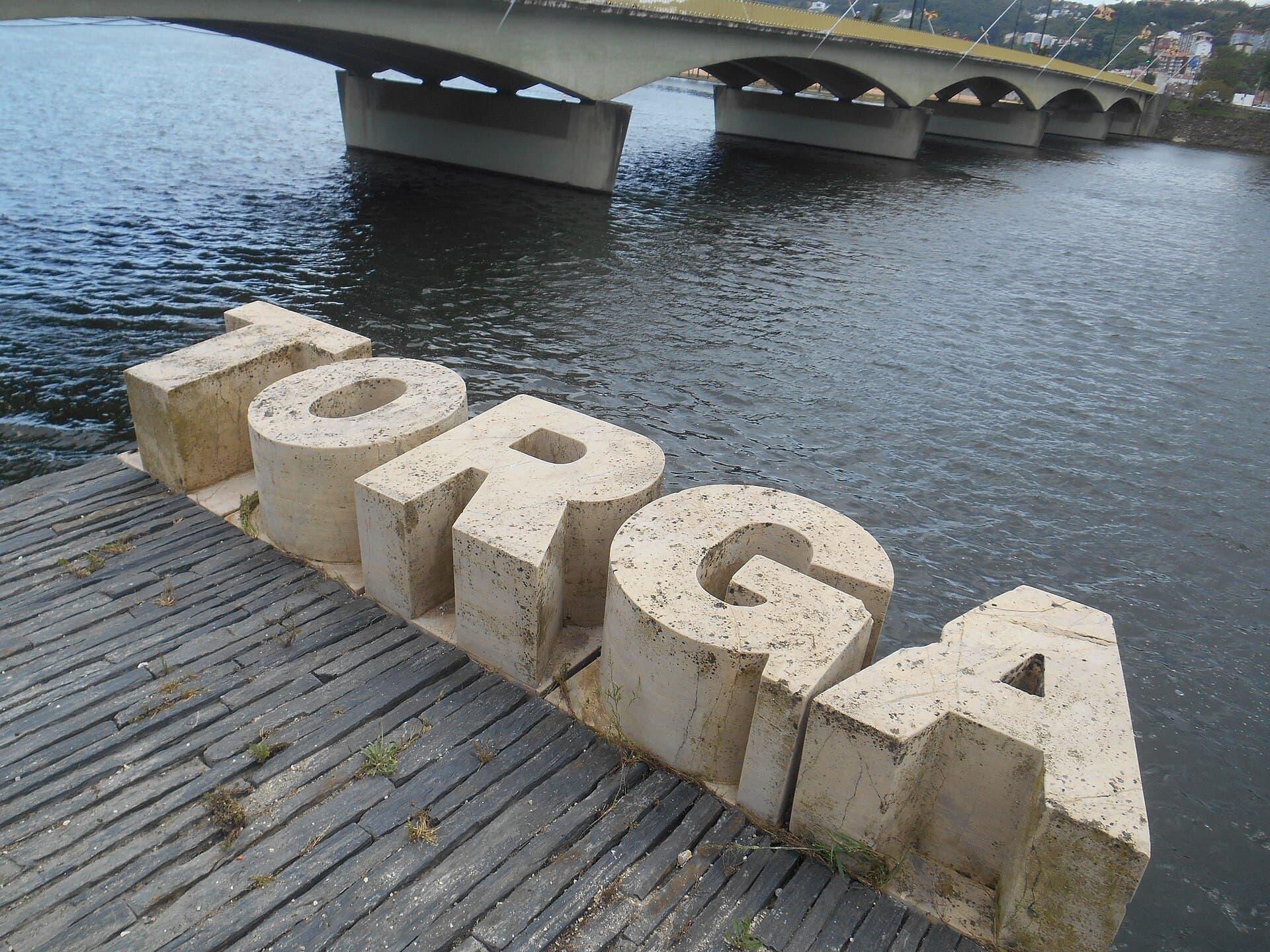
Ponte de Santa Clara: Reading the River That Drowned a Convent