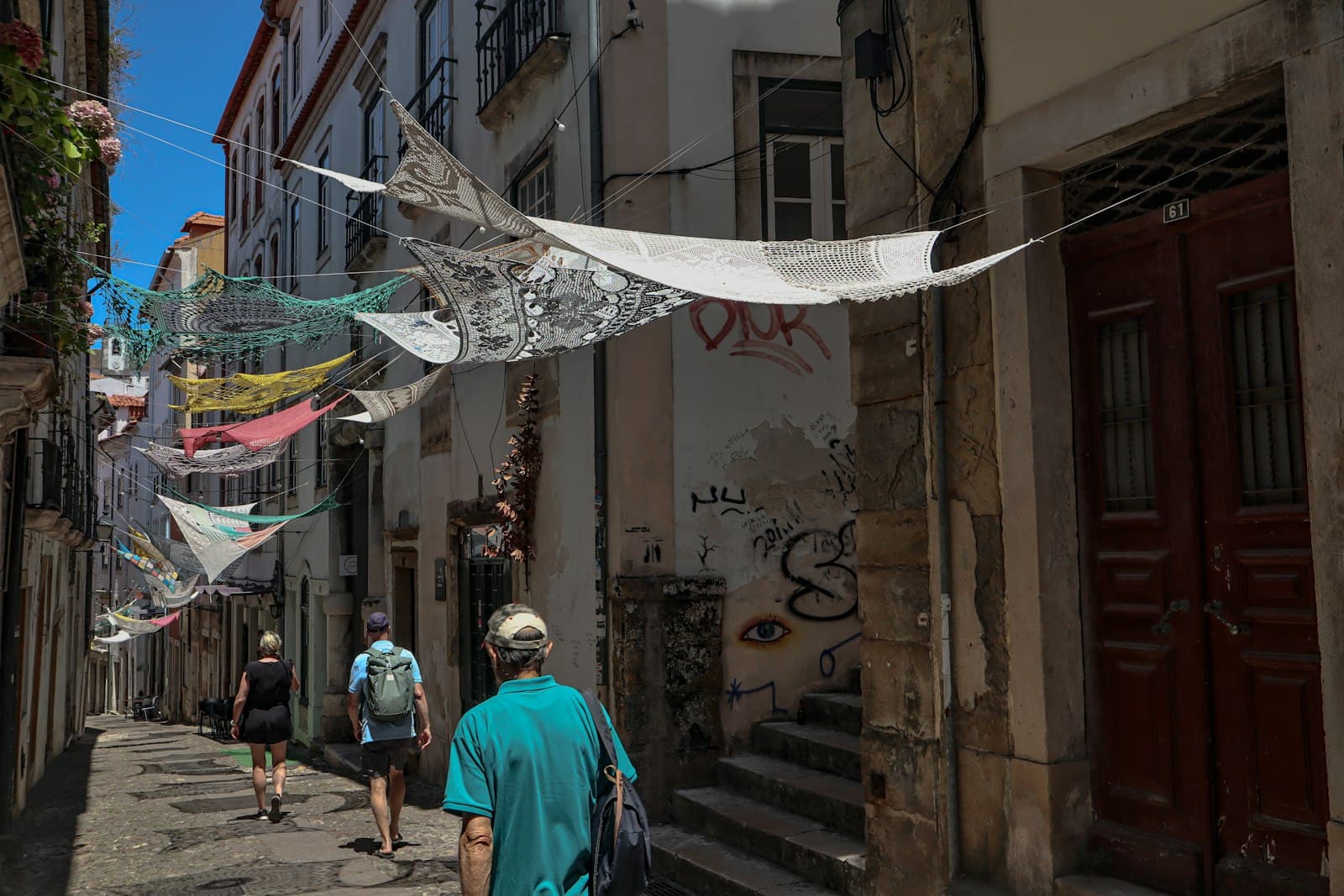
Coimbra is two cities stacked on one hillside: the high town of the university and the gown, and the working low town beneath it. This walk reads the older city under the crown, where the first kings of Portugal are buried and where the country, in a sense, learned to govern itself before the scholars arrived to write it down.
Start · Arco de Almedina: The Threshold Gate
DirectionsStops
- 1
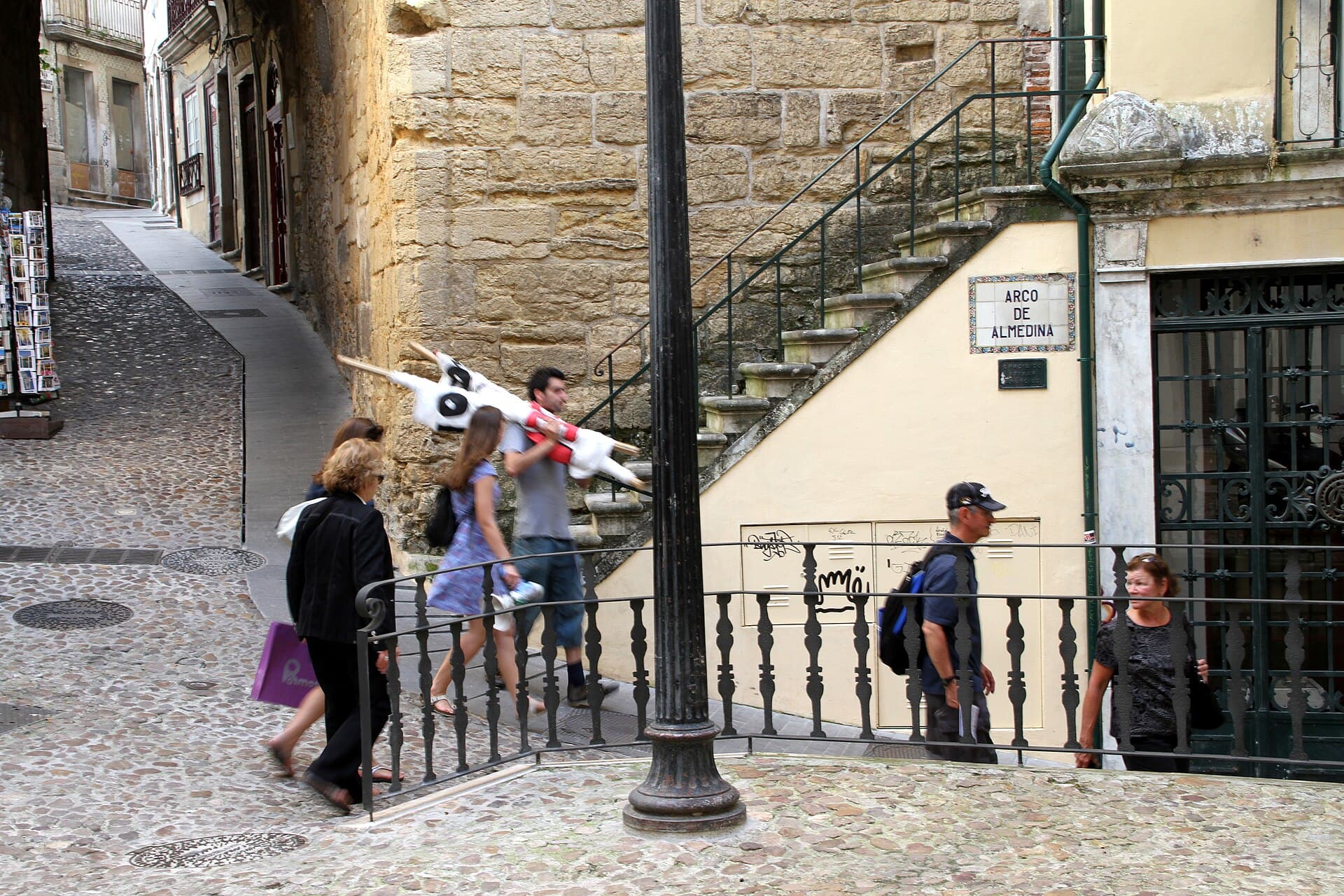
Arco de Almedina: The Threshold Gate
The last surviving medieval gate of Coimbra, a fortified arch and tower whose Arabic name, al-medina, means simply the city.
- 2
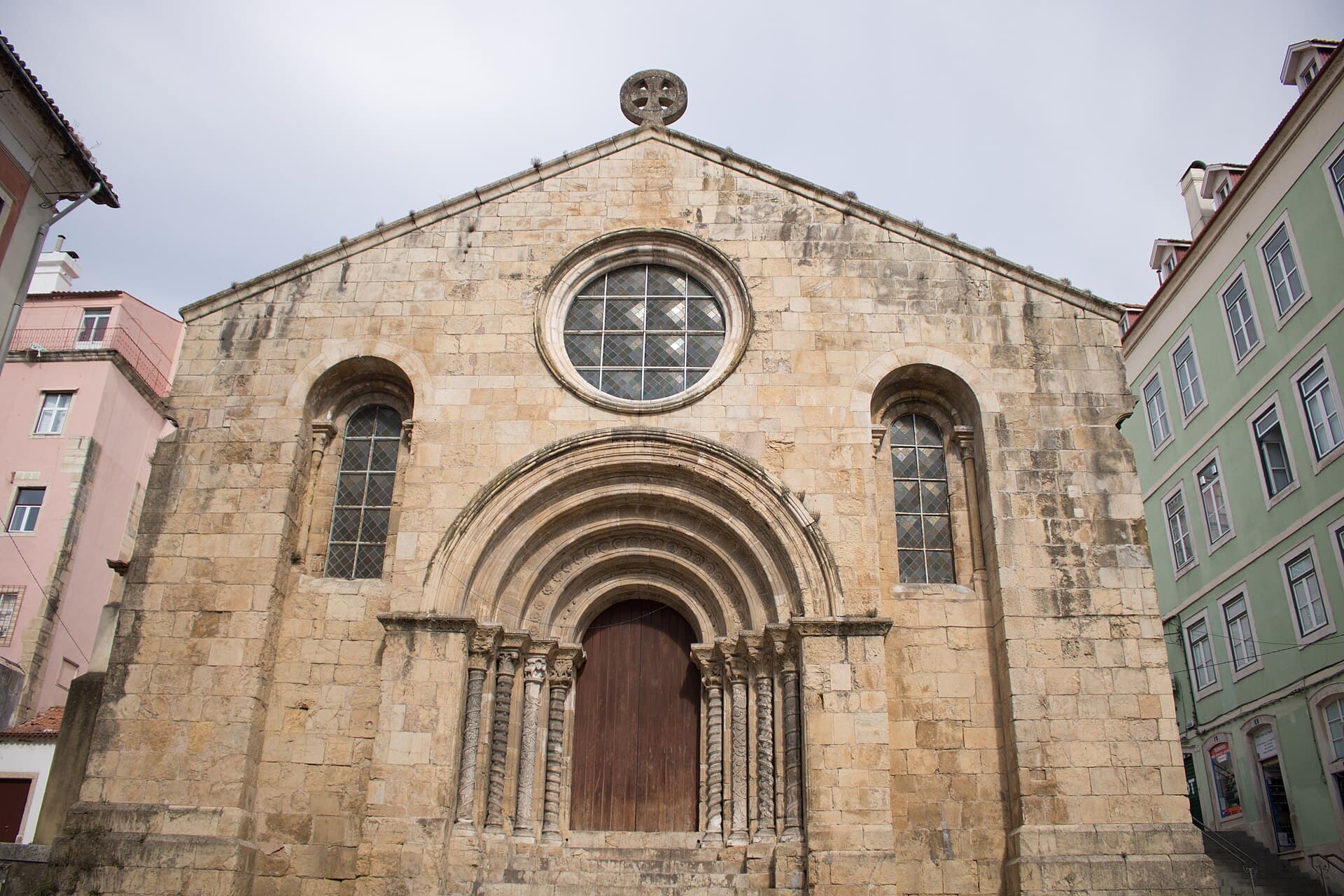
Igreja de Santiago: The Working Town's Church
A sober Romanesque church on the corner of the old commercial square, built by and for the merchant and artisan parish of the low town.
- 3
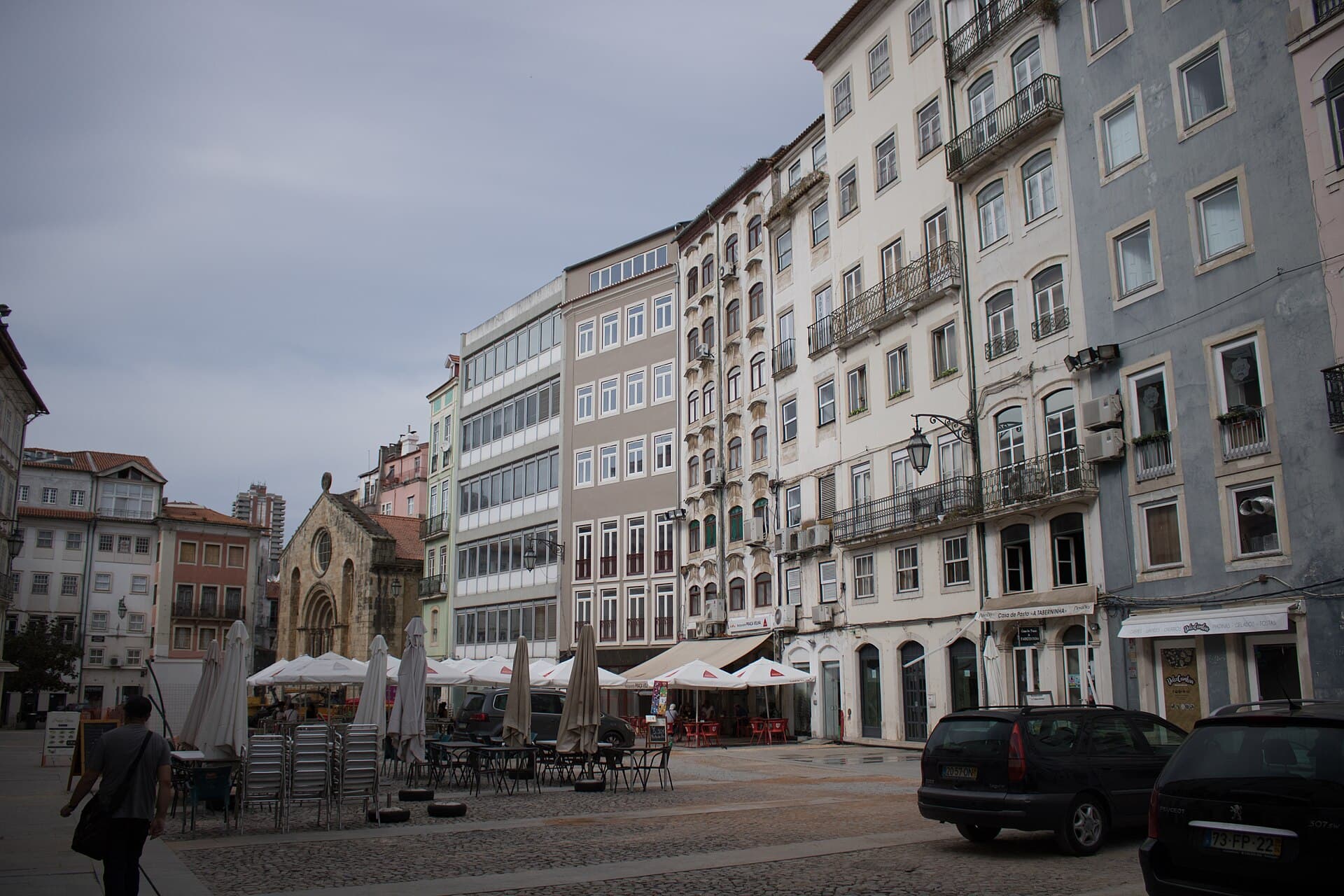
Praca do Comercio: The Old Square
The historic commercial heart of the Baixa, a square that was a royal hospital and a market long before it was a place to pause.
- 4
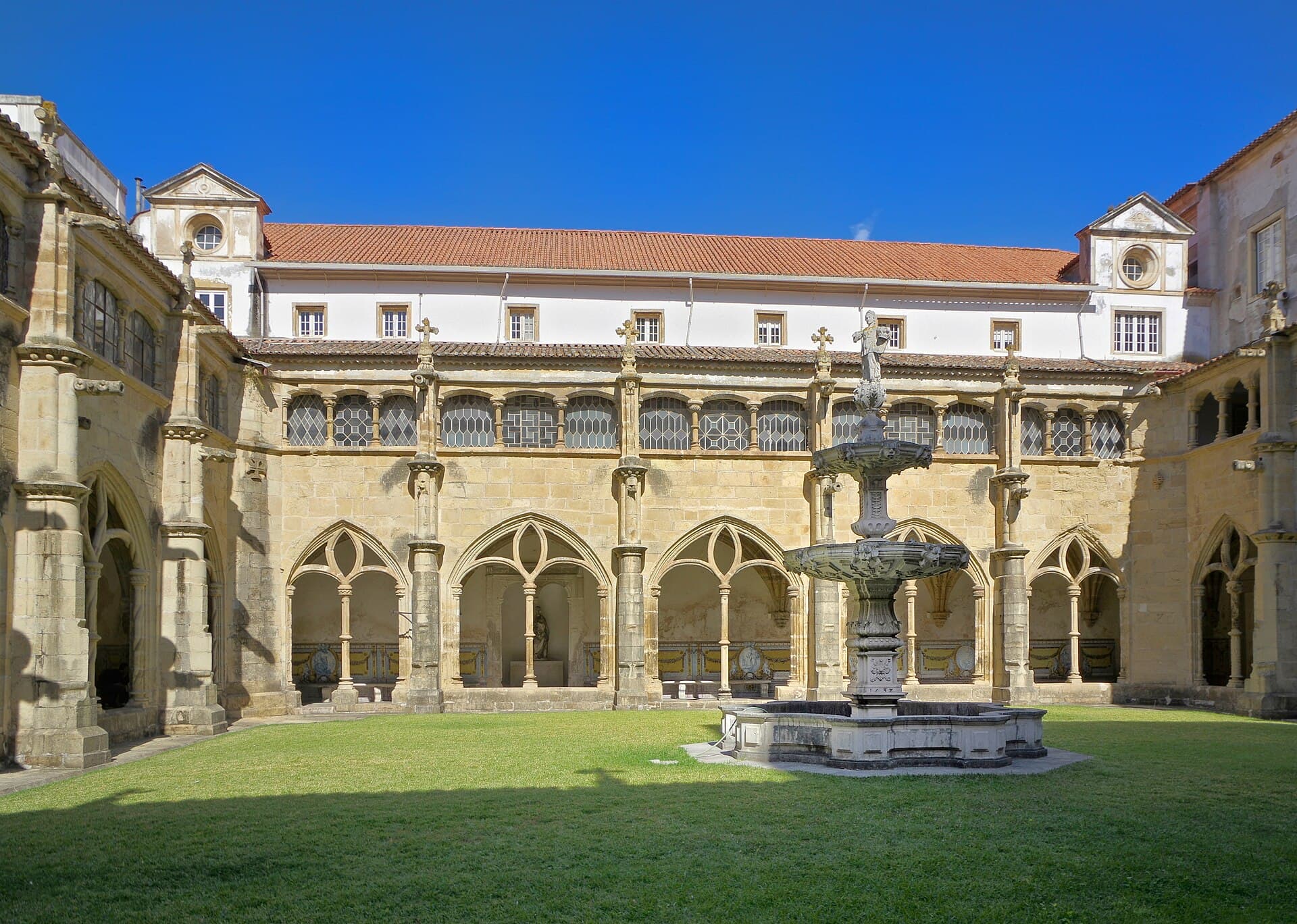
Mosteiro de Santa Cruz: Where the Kings Lie
The monastery that holds the tombs of Portugal's first two kings, and where the young nation, in a sense, buried its beginnings.
- 5
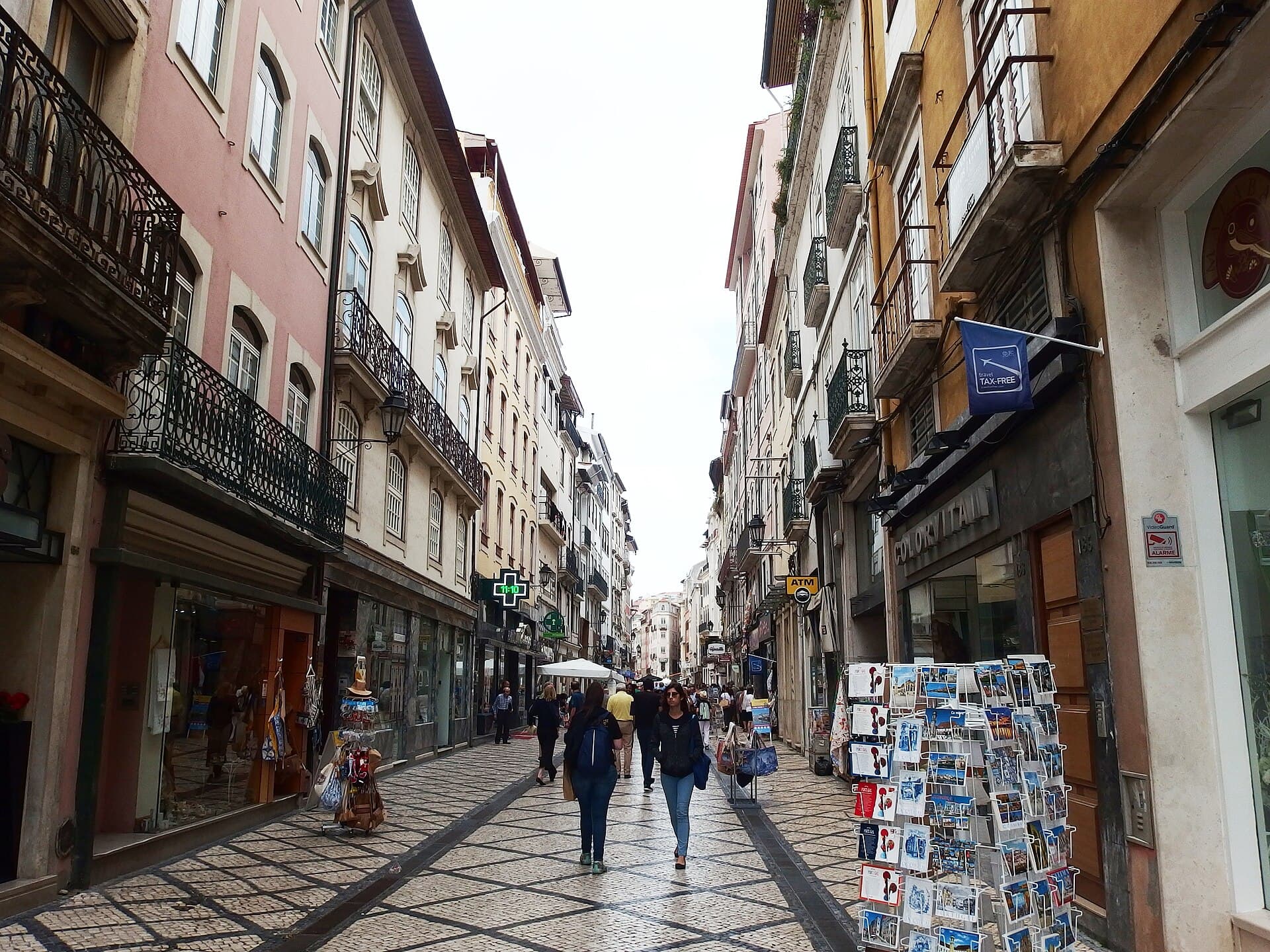
Fado de Coimbra: The Sound That Binds the Towns
The city's own serenade-fado, sung by men in academic dress, the music that drifts from the gown on the hill down into the working streets.
- 6
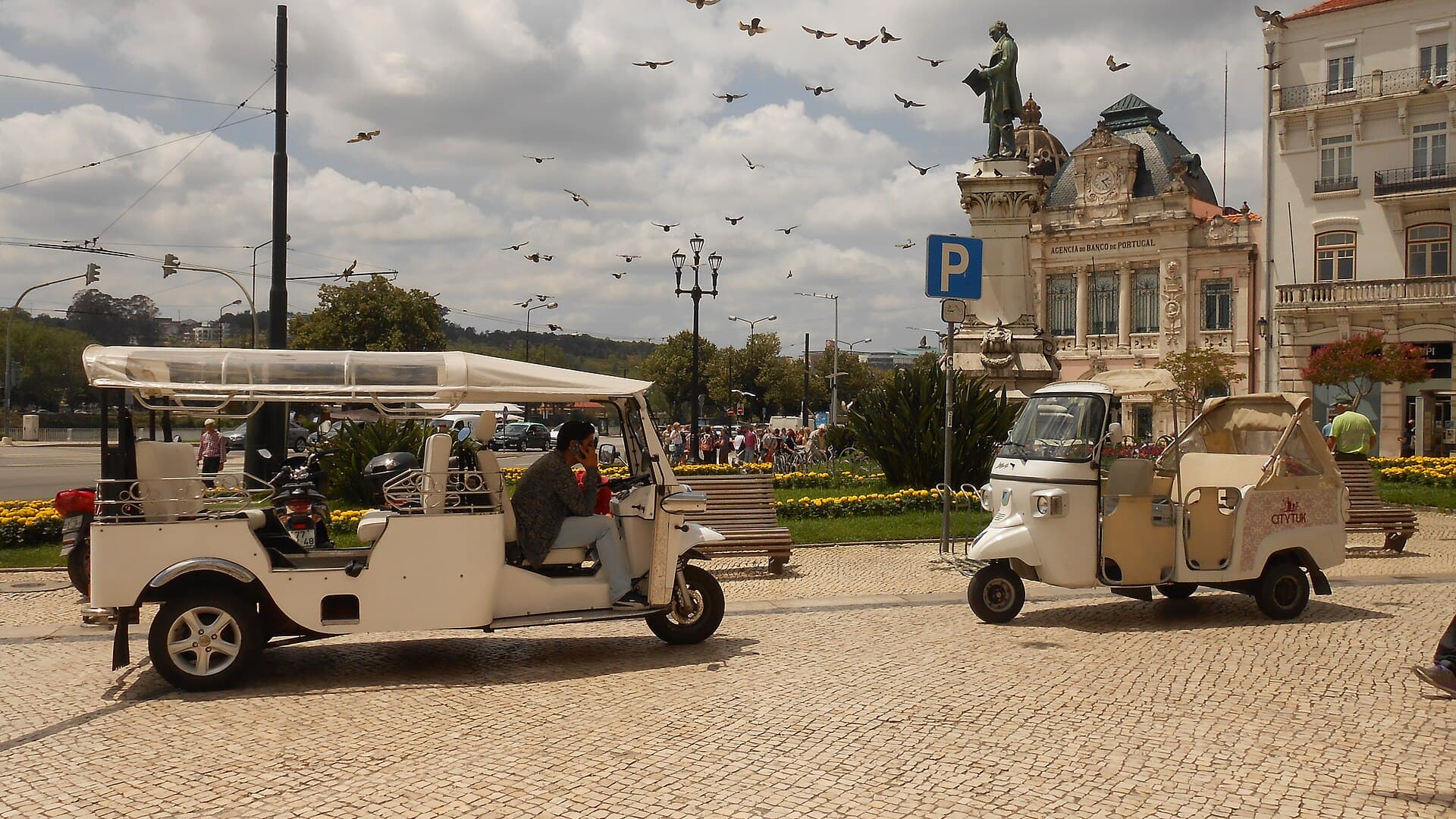
Rua Ferreira Borges and the Riverside
The guild street that carried the low town's trade down to the water, ending at the old toll square where arrivals once paid to enter Coimbra.
- 7
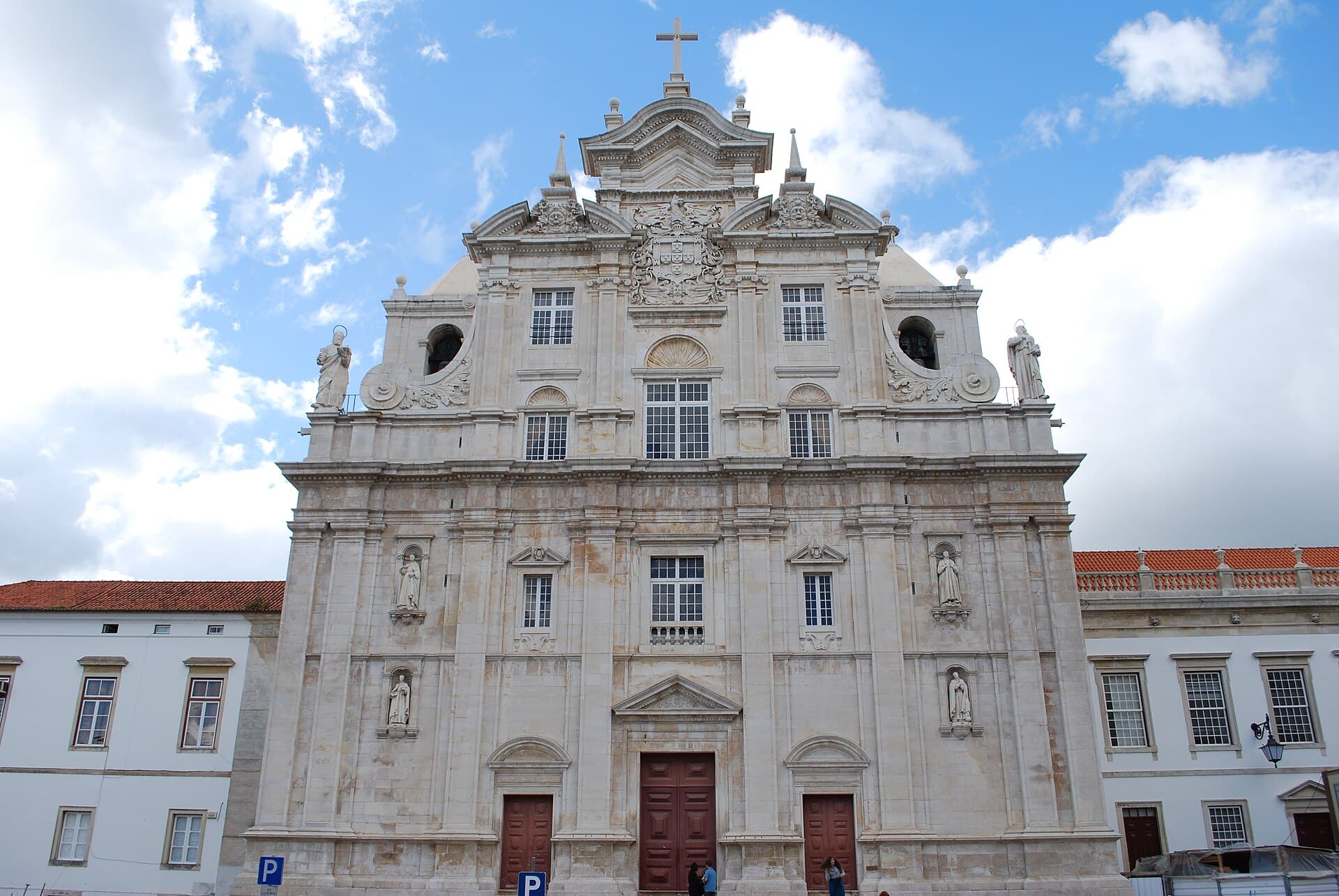
Se Nova: The Gown's Own Cathedral
The former Jesuit college church at the top of the climb, which became the new cathedral and lets you look back down over the whole low town you have just read.
Details
Best Time to Visit
Late morning through the golden light of the afternoon works best. Start around ten to be inside the churches and the monastery while they are open and before the midday queues, then let the walk carry you downhill to the river as the light warms. If you want to understand the fado stop fully, linger in the Baixa into the early evening, when the academic serenades traditionally sound in these streets. Avoid the hottest hours of a summer afternoon on the exposed riverside square, and remember that churches and the monastery may close for a period at midday.
Pro Tips
- •Wear shoes with real grip. The calcada, the traditional Portuguese stone paving, is smooth and can be slippery, and the low-town-to-cathedral climb is steep in places.
- •Carry a few euros in coins. The church at Santa Cruz is free, but the sacristy, chapter house, and royal-tomb cloister charge a small fee, and the Se Nova charges a modest entry too.
- •Do the walk in order and downhill first. The route is designed to descend to the Mondego and then make the cathedral climb its natural finale, so you end on the high-town view back over everything you read.
- •Time your church visits around midday closures. Some churches and the monastery pause for a period in the middle of the day, so aim to be inside them in the late morning or the later afternoon.
- •Treat the crafts as heritage, not a to-do list. The ceramics, embroidery, basketry, and linens along the guild street are living tradition, so enjoy them at your own pace without feeling you must buy.
- •If you can, return to the Baixa streets after dark to sense the fado stop properly, since the serenade tradition belongs to the night.
Safety & Precautions
- •The steep lanes and calcada cobblestones are genuinely slippery when smooth or wet, and the descent to the river plus the climb to the cathedral are demanding. Take the hills slowly and use handrails where they exist.
- •Churches and the monastery expect modest dress and quiet. Cover shoulders and knees, keep your voice low, and be discreet if services are underway, especially inside Santa Cruz and the Se Nova.
- •Summers here are hot and the riverside square offers little shade. Carry water, wear sun protection, and pace the exposed sections during the strongest afternoon sun.
- •Major monuments can have ticket queues at midday, and the narrow lower-town lanes carry pedestrians, delivery traffic, and the occasional vehicle. Buy entry early where you can, and stay aware of your footing and of traffic on the tight streets.
Travel advisory: Exercise Normal Precautions (Level 1).
Gallery
Related Reading
Go deeper on what you'll see, hear, and walk through.
Overview
Best Self-Guided Walking Tours in Coimbra (2026)
3 min
Overview
Coimbra Travel Guide: Days, Getting Around, Safety, and Cost
6 min
Overview
One Day in Coimbra: A Walkable Morning-to-Evening Itinerary
8 min
Thematic
Coimbra Has Been Portugal's Mind for Seven Centuries
8 min
Companion
Igreja de Santiago and the Case for Walking Coimbra's Low Town
7 min
Read
What to Eat in Coimbra
6 min
Read the walk
The full story of Baixa de Coimbra: Below the Gown, in words. Prefer to listen? Play it narrated, from home or on location.
Introduction
Coimbra, in central Portugal, has always been two cities stacked on one hillside. On the crown sits the Alta, the high town of the gown: the university, the black-caped students, the male serenade-fado that answers only to itself. Below, spilling from a medieval gate down to the Mondego river, lies the Baixa, the low town of merchants, artisans, and monks. This walk stays mostly below, in the older, working city, where the first two kings of Portugal are buried, where a Romanesque church still guards a market square that once held a royal hospital, and where a nation, in a sense, first learned to govern itself. The gown is famous. This tour is about everything under it.
There are seven stops. Plan for roughly ninety minutes at an unhurried pace, though the streets are yours to linger in or skip as you like, and the walking covers about two and a half kilometres. The route runs downhill toward the water and then climbs, as the whole town's story climbs, to the cathedral at the top. Expect steep lanes and calcada, the traditional stone paving, so wear something you trust on smooth cobbles.
You will move at your own speed the entire way. Stop where a doorway holds you, rest when a square invites it, and let the fado you may hear at night stay a mystery until we reach it. When you arrive at the Arco de Almedina, the fortified gate on Rua Ferreira Borges, begin with stop one.
1. Arco de Almedina: The Threshold Gate
Stand under this arch and you are standing on a seam. Behind you, the low town of trade and river. Above you, the climb to the citadel and the university. The Arco de Almedina, Arco meaning arch, is the fortified gate that once controlled that passage, and it is the only survivor of three gates that led into the old citadel. Everything else in the wall has fallen or been absorbed into later buildings. This one held.
Listen to the name. Almedina comes from the Arabic al-medina, which means the city. It is a trace of the centuries when Coimbra lived under Islamic rule, before it was taken in the year ten sixty-four. That name predates the gown on the hill entirely. Before there were scholars here, there was a walled city with an Arabic word carved into its threshold.
Be careful with dates at this gate, because the stone does not tell a single story. Tradition ties the wall's rebuilding to the era of al-Mansur, around the tenth and eleventh centuries. The gate as it stands is generally called twelfth-century work, and it was embellished again in the fifteen hundreds. So think of it not as one moment but as a threshold that kept being rebuilt because it kept mattering.
Above the arch sits the Torre de Anto, Torre meaning tower. Today it holds a branch of the Coimbra museum, tied to the city and to its fado. Look up at it, then pass through, and feel the town change register around you as you go down into the working streets. The gate is classified a National Monument of Portugal, cared for by the municipal museum.
2. Igreja de Santiago: The Working Town's Church
Here is the low town's own church, and it wears the low town's character in its stone. Igreja de Santiago, Igreja meaning church, is one of the great Romanesque monuments of Coimbra and a clear example of what scholars call the Coimbra Romanesque school. That means sober decoration, small openings, thick walls, and a fortified, almost military feel. This is not the soaring, gilded style you will meet later on the hill. This is a building that looks like it was made by people who worked with their hands.
It was rebuilt in the last decades of the twelfth century, during the reign of Sancho the First, a king whose tomb you will visit before this walk is done. Look at the south portal, probably from that same late twelfth century. Its archivolts are left unpainted, framed in a vine shape, with capitals carved in plant motifs. The church has three naves and three chapels, and a Gothic chapel was added on the north side in the fourteen hundreds.
The building has survived some rough centuries. In the fifteen forties a second church was actually raised on top of the original, and it was only removed during restoration work in the nineteen hundreds. Then in eighteen sixty-one, the widening of the street cost the church much of its southern apse and part of the main chapel. So what you see is a survivor, planted firmly on its market square.
And that placement is the whole point. This church did not stand apart in a cloister on the hill. It stood on the trading square, in the middle of the parish that bought and sold and made things. It is a National Monument now, but it began as the spiritual home of the working town.
3. Praca do Comercio: The Old Square
You are now in the beating civic heart of the low town. Praca do Comercio, Praca meaning square, is the historic commercial center of the Baixa, and locals also call it Praca Velha, the Old Square. Everything around you was built outside the medieval walls, down near the natural frontier of the Mondego river, which is exactly where religious and military orders first chose to settle. This was the town's front room.
The square has worn more than one identity. In the fifteen hundreds it was the site of the Royal Hospital, a place of healing at the center of daily life. Most of that hospital moved away in seventeen ninety, transferred up to the Jesuit college beside the new cathedral, which is where this walk will eventually climb. And for centuries this square was the city market, the place where goods changed hands, until Saint Peter's Market was built in eighteen sixty-seven and took the trade indoors.
Look around at the buildings that ring the square. Many are from the seventeen hundreds, and many wear azulejos, the traditional painted tiles. From one corner the Romanesque church you just saw keeps watch. Around and above run the medieval streets of the merchants and the artisans, and the crafts of that world are still alive here in ceramics, embroidery, basketry, and linens. Treat those as living heritage rather than a shopping list.
So before this was a lovely place to stand, it was a hospital and a market. It was where the working town governed its own ordinary business, the low town's honest answer to the university's cloisters up on the hill.
4. Mosteiro de Santa Cruz: Where the Kings Lie
This is the anchor of the low town, spiritual and political at once. Mosteiro de Santa Cruz, Mosteiro meaning monastery, holds the tombs of the first two kings of Portugal: Afonso Henriques, the founding king, and his successor Sancho the First. Think about that. The country's…
Full narration for this stop unlocks with the tour.
5. Fado de Coimbra: The Sound That Binds the Towns
Stand still in these streets and imagine them at night. This is where Coimbra's own fado belongs. Fado de Coimbra is a distinct genre, tied to the university, and it is traditionally sung by men, students and graduates, in the traje academico, the academic dress of dark robe and…
Full narration for this stop unlocks with the tour.
6. Rua Ferreira Borges and the Riverside
This street is the low town's spine, the guild road that carried its trade down to the water. Rua Ferreira Borges, Rua meaning street, is the main pedestrian street of the Baixa. It runs from the Santa Cruz and town-hall end down to the riverfront, stretching between Praca 8 de…
Full narration for this stop unlocks with the tour.
7. Se Nova: The Gown's Own Cathedral
Now you climb, because the town's whole story climbs, up out of the Baixa into the Alta, the high town, to end at the gown's own cathedral. Se Nova, Se meaning the cathedral, is the New Cathedral, and it began life as the church of the Jesuit college beside the university. This…
Full narration for this stop unlocks with the tour.