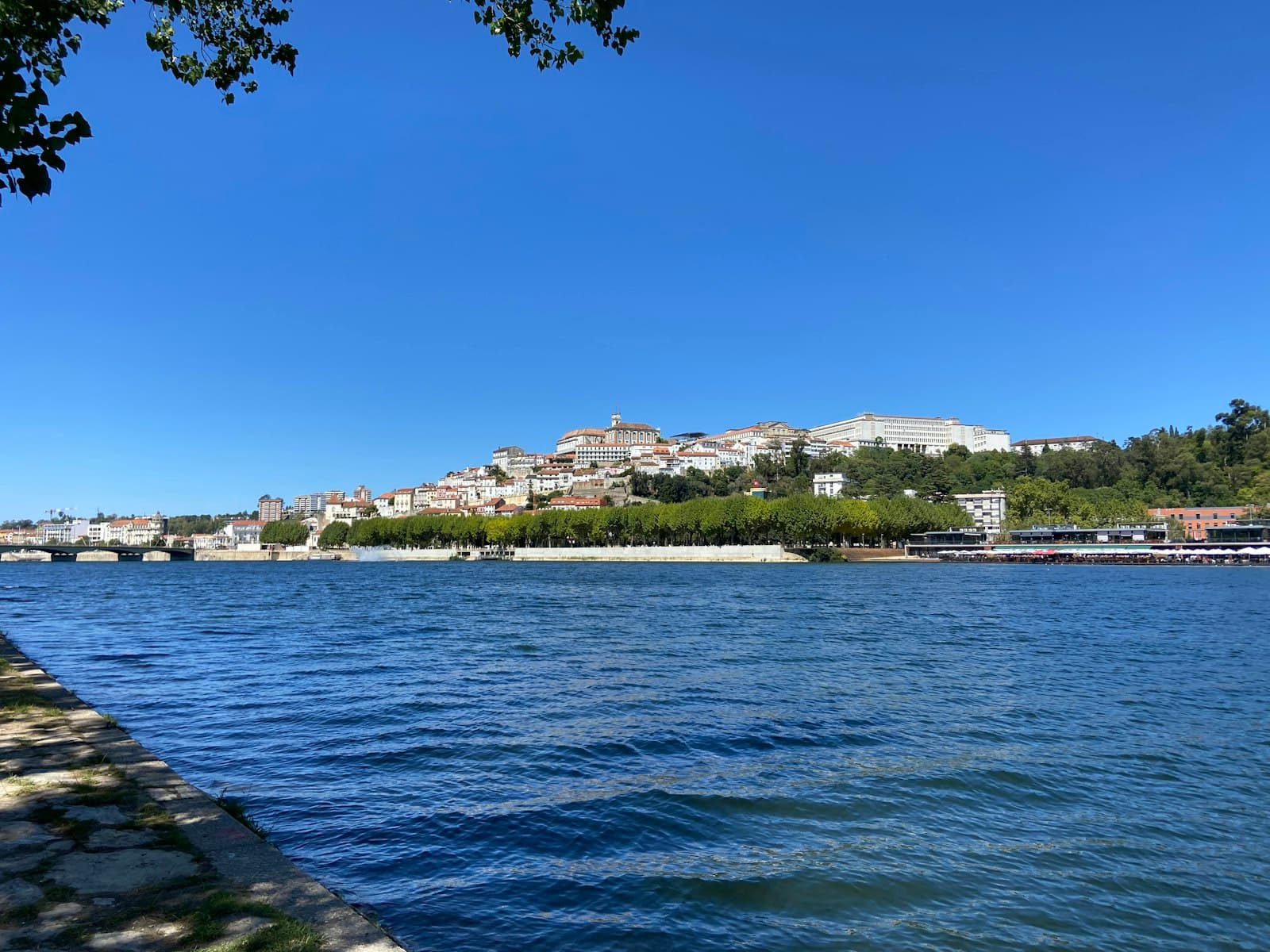
Cross the Mondego to Coimbra's far bank, where a Gothic convent was slowly drowned by the river and a prince's forbidden love became Portugal's greatest tragedy. This walk reads the water, the ruins, and the legend as a single elegy.
Start · Ponte de Santa Clara: The Crossing to the Far Bank
DirectionsStops
- 1
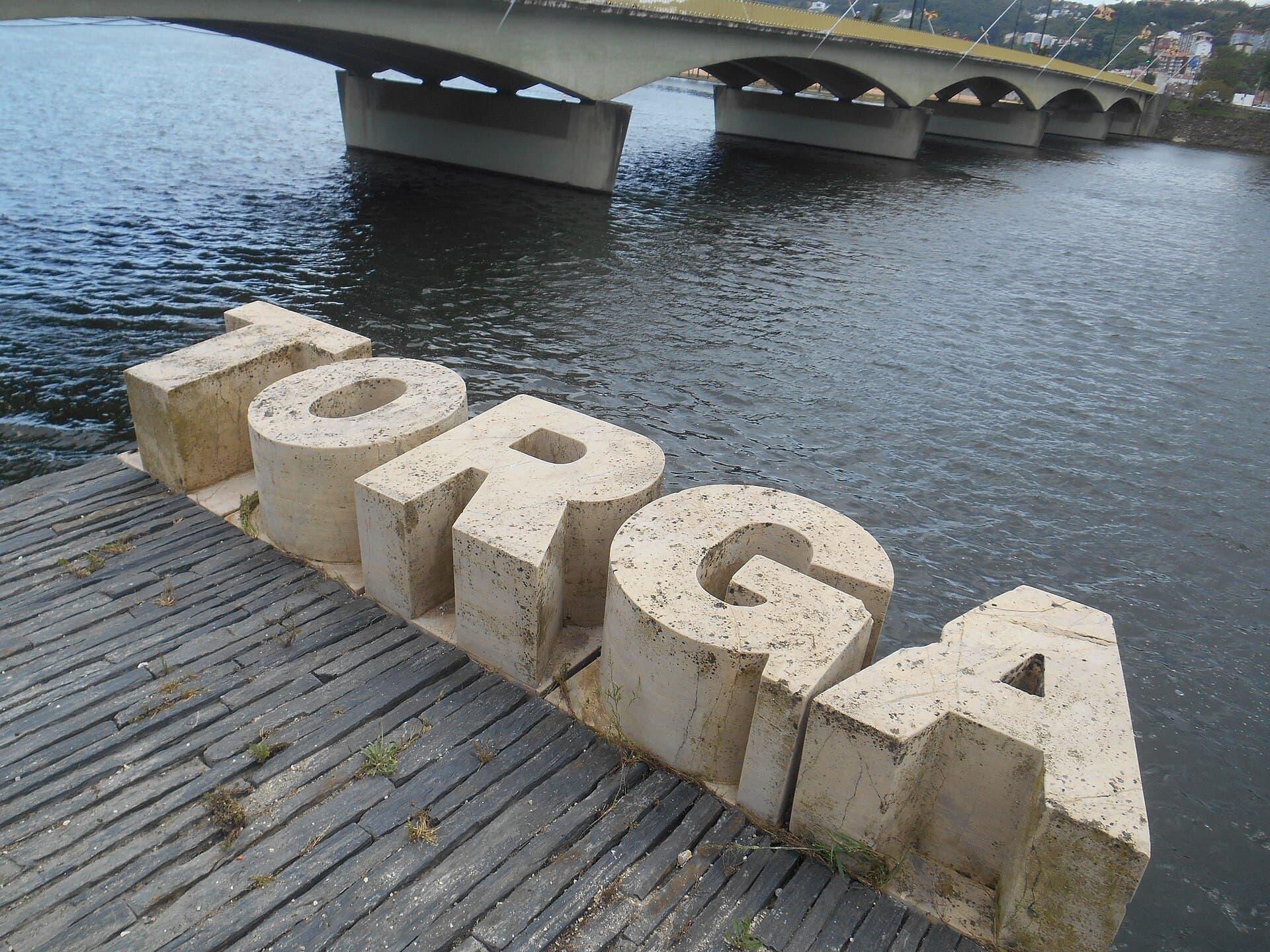
Ponte de Santa Clara: The Crossing to the Far Bank
The oldest of Coimbra's river bridges and your threshold onto the bank of water, death, and undying love.
- 2
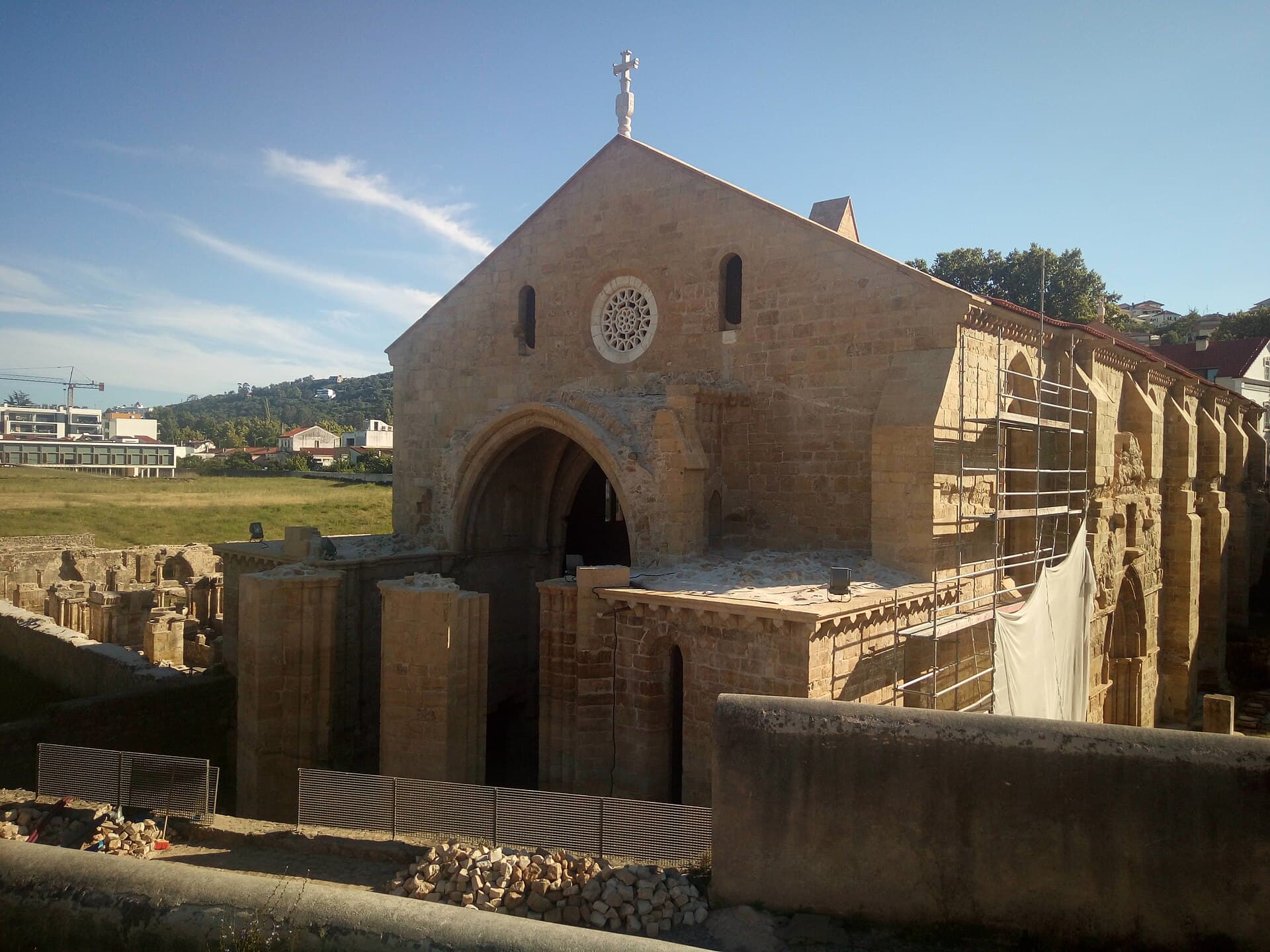
Mosteiro de Santa Clara-a-Velha: The Drowned Convent
The excavated Gothic shell of a Poor Clares monastery that the Mondego flooded for centuries until the nuns finally gave it to the river.
- 3
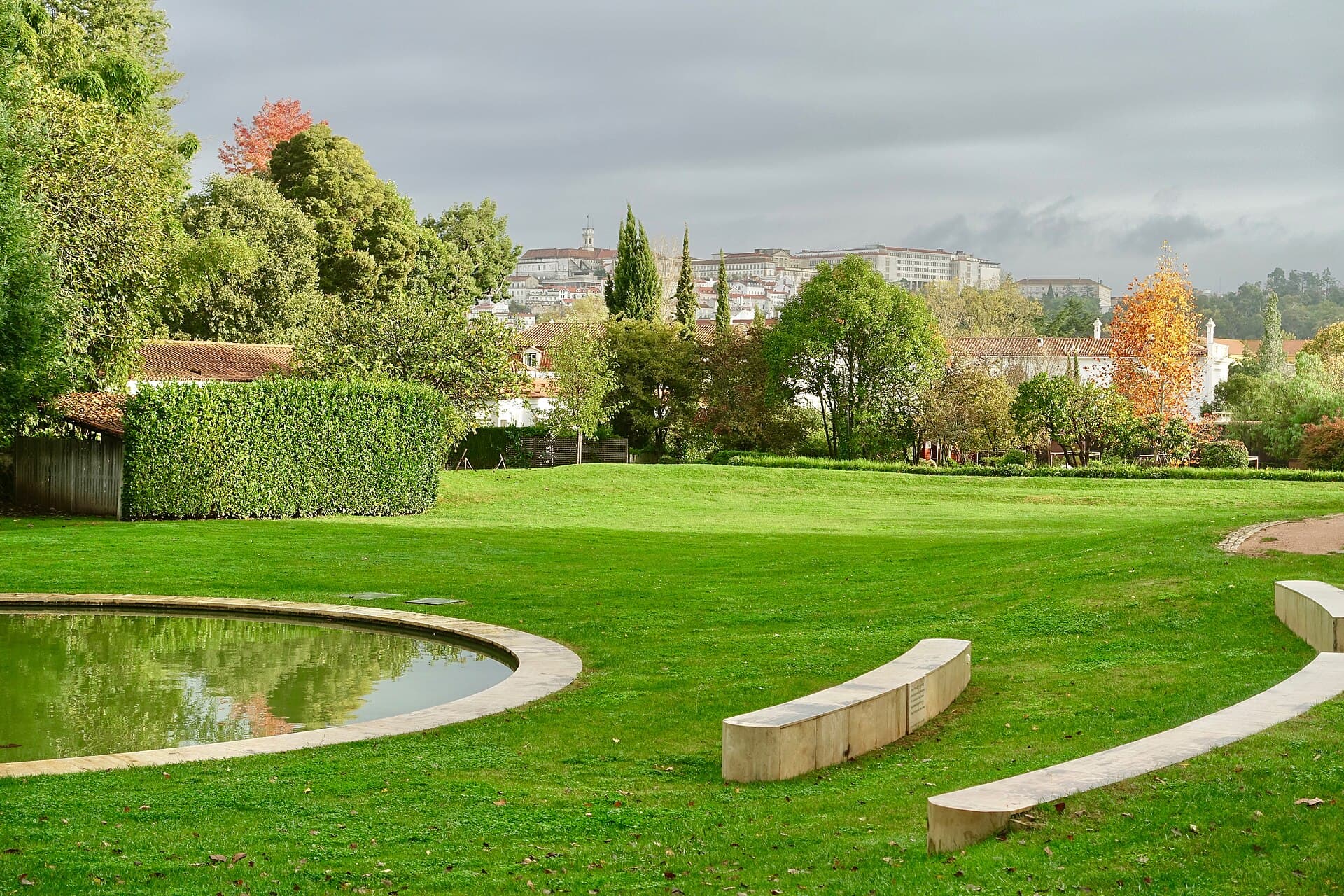
Quinta das Lagrimas: The Estate of Tears
A twelve-hectare garden estate whose fountains carry the romantic legend of Ines de Castro, held here as tradition, not documented fact.
- 4
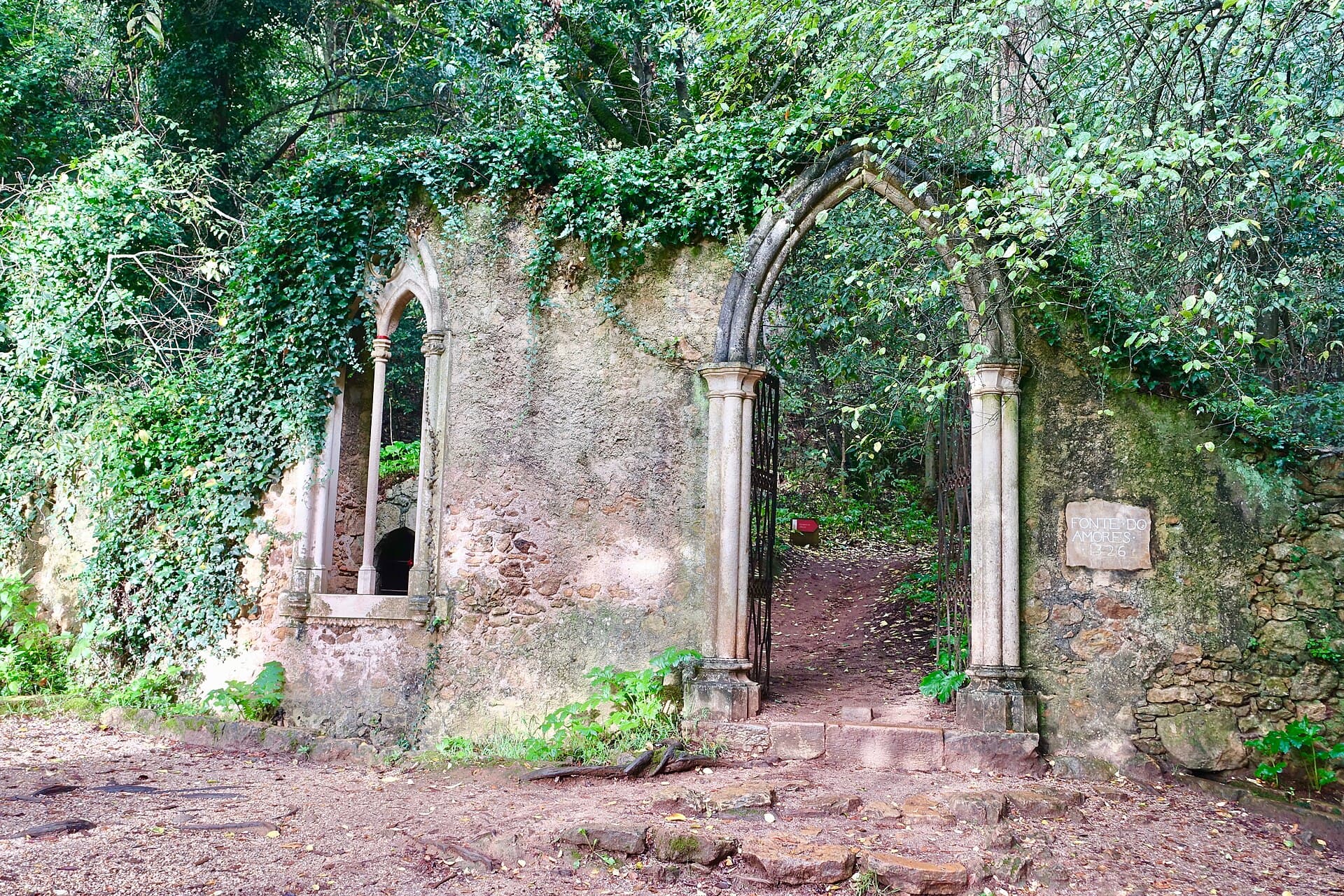
Pedro and Ines de Castro: The Story Itself
The full love tragedy told in the garden, with the documented history and the later legend held plainly apart.
- 5
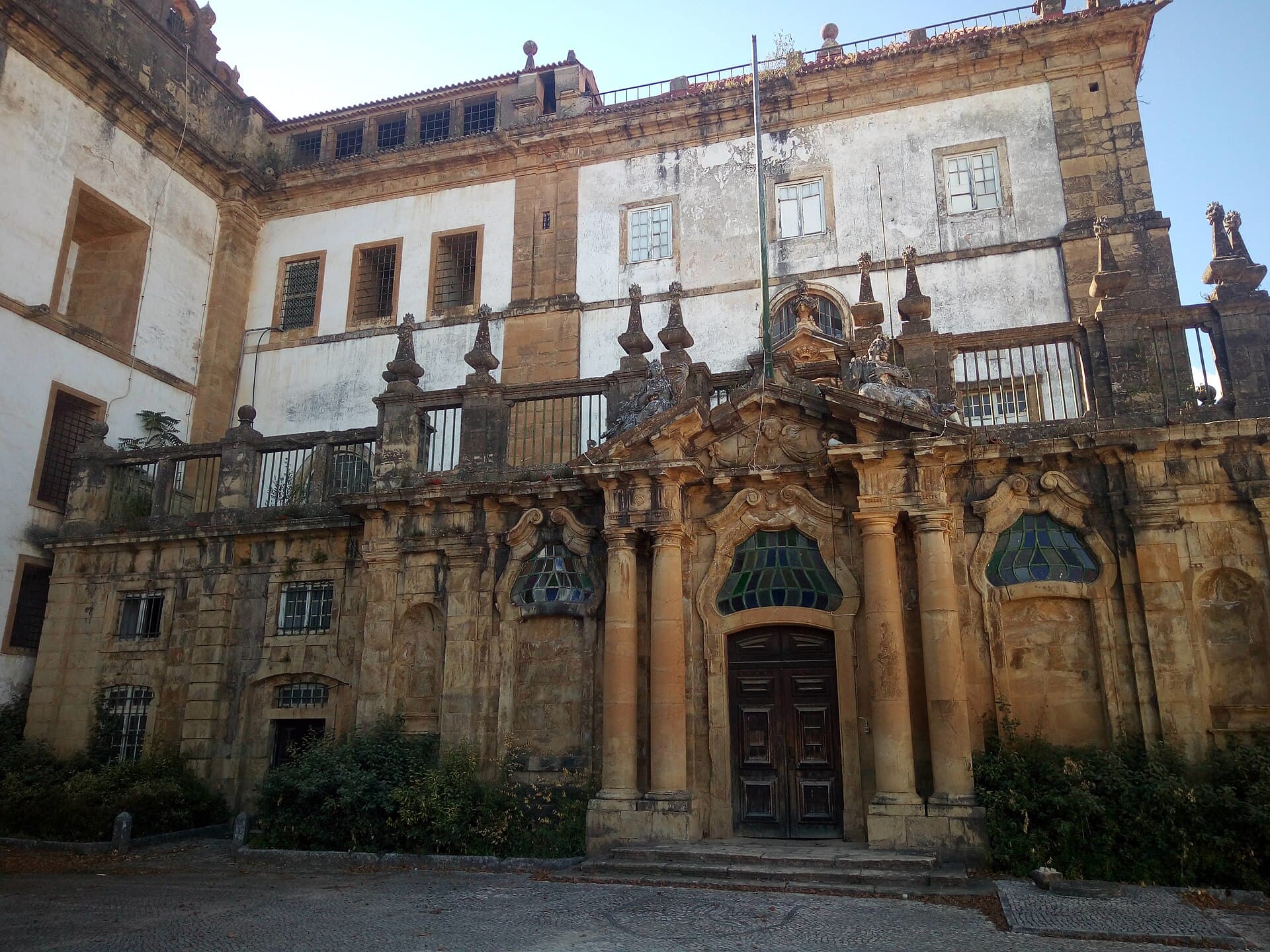
Mosteiro de Santa Clara-a-Nova: The High Ground
The new convent built uphill to escape the floods, now holding the tomb of the saint-queen the nuns carried to safety.
- 6
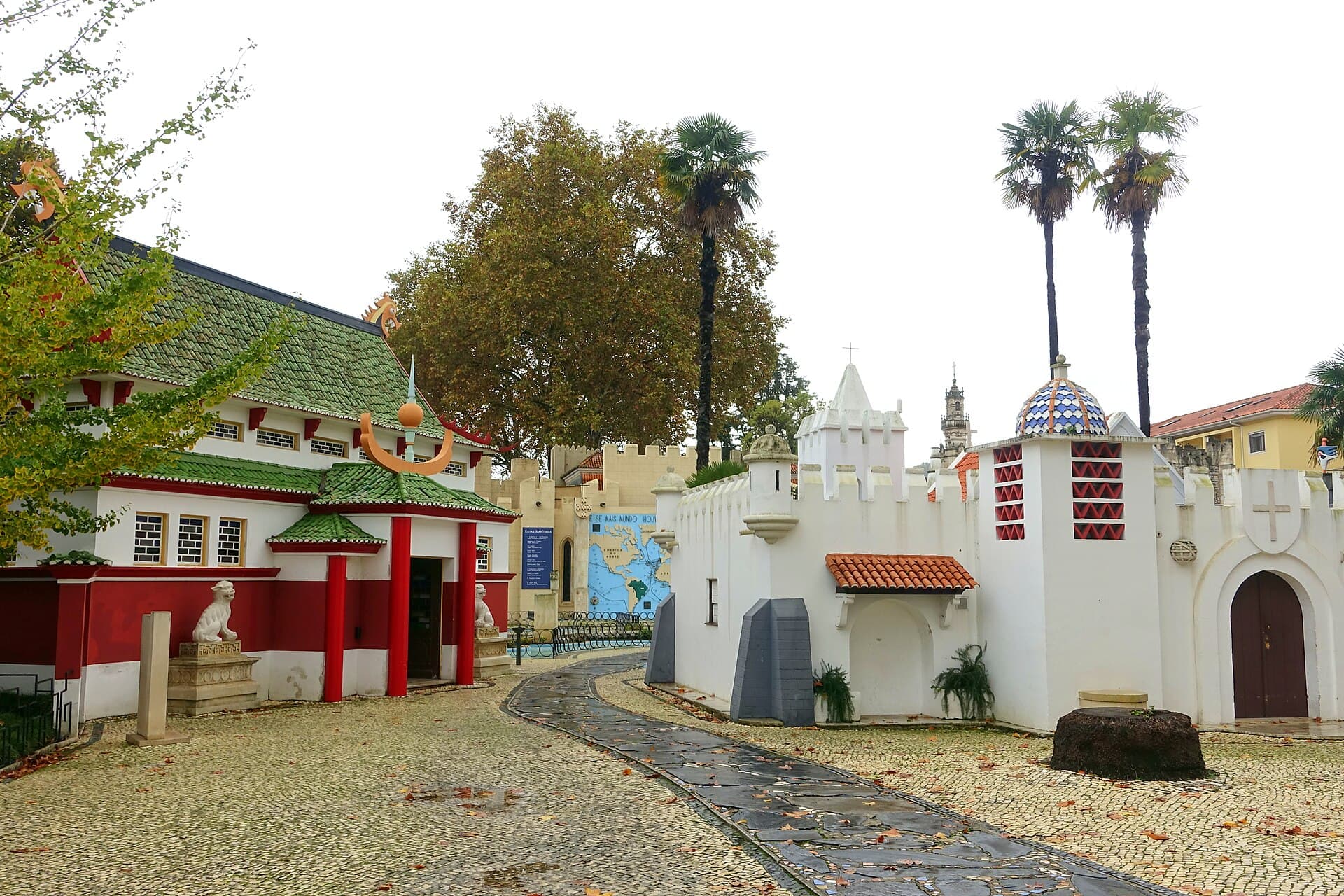
Portugal dos Pequenitos: Portugal Made Small and Safe
A miniature park of scale-model Portuguese houses and monuments, a lighter close on the very bank the river once threatened.
Details
Best Time to Visit
Late morning to mid-afternoon, so the monasteries and the Quinta das Lagrimas gardens are open and well lit. Spring and autumn are gentlest; in high summer, start earlier to walk the riverbank before the inland heat peaks. Overcast light suits the excavated shell of Santa Clara-a-Velha and the melancholy of the fountains.
Pro Tips
- •Check current opening hours and ticket prices for Santa Clara-a-Velha and Santa Clara-a-Nova before you go; the heritage-site prices quoted here are approximate and change.
- •At Santa Clara-a-Velha, spend time at the visitor center first: it explains the raised floor and the flood story that makes the ruin legible.
- •At the Quinta das Lagrimas, you are visiting the gardens and fountains, not the palace, which is a private hotel; buy the separate garden admission on site.
- •Keep Saint Queen Isabel and Ines de Castro clearly separate in your mind: Isabel is the saint-queen at Santa Clara-a-Nova, Ines is the murdered lover of the fountains.
- •The walk trends downhill to the river and then climbs to Santa Clara-a-Nova, so save some energy for that ascent, or take it slowly and rest at the top.
- •If the elegy feels heavy, let Portugal dos Pequenitos be your release stop; it is deliberately the lightest note of the walk.
Safety & Precautions
- •Coimbra's slopes and calcada cobblestones can be slippery, especially after rain and on the climb toward Santa Clara-a-Nova; wear grippy, closed shoes and watch your footing.
- •Inland Portugal gets hot and bright in summer, and much of this riverside walk is exposed; carry water, sun protection, and a hat, and pace yourself in the afternoon heat.
- •The monasteries are religious and heritage sites: dress modestly, keep noise low, and follow any photography or quiet-zone rules, especially near the saint-queen's tomb.
- •Major monuments can have ticket queues and set opening hours, and the bridge and riverside lanes carry traffic, so cross with care and build in buffer time rather than rushing between stops.
Travel advisory: Exercise Normal Precautions (Level 1).
Gallery
Related Reading
Go deeper on what you'll see, hear, and walk through.
Overview
Best Self-Guided Walking Tours in Coimbra (2026)
3 min
Overview
Coimbra Travel Guide: Days, Getting Around, Safety, and Cost
6 min
Overview
One Day in Coimbra: A Walkable Morning-to-Evening Itinerary
8 min
Thematic
Best History Walking Tours in Coimbra (2026)
2 min
Thematic
Coimbra Has Been Portugal's Mind for Seven Centuries
8 min
Companion
Santa Clara-a-Velha: The Convent the Mondego Drowned
6 min
Deep dive
Ponte de Santa Clara: Reading the River That Drowned a Convent
6 min

Read
What to Eat in Coimbra
6 min
Read the walk
The full story of Santa Clara-a-Velha: The Convent the River Drowned, in words. Prefer to listen? Play it narrated, from home or on location.
Introduction
Some walks are about a skyline. This one is about a riverbank, and everything the water either took or spared. Across the Mondego from Coimbra's famous university hill lies a low, quiet strip of ground in central Portugal that carries two kinds of loss, and they rhyme. One is a Gothic convent that the flooding river slowly drowned, stone by stone, until the nuns carried their dead queen uphill and started again. The other is a love story, the prince Pedro and Ines de Castro, part hard fact and part centuries of romantic legend layered on top. This walk holds both, and I will tell you plainly, at every turn, which part is stone and which part is story. There are six stops, spread across roughly three and a half kilometres, and if you linger the way this bank invites you to, expect somewhere between two and three hours. You will move mostly downhill toward the water, then climb to high ground, then end somewhere lighter. Go at your own pace. Sit by a fountain if a fountain asks you to sit. Skip a stop if it does not call to you, and double back if it does. This is a solo walk you can shape entirely to your own mood, and this particular bank rewards slowness more than most. It is a place that asks you to grieve a little and then, gently, lets you go. When you arrive at the Ponte de Santa Clara, on the Coimbra side of the river, begin with stop one.
1. Ponte de Santa Clara: The Crossing to the Far Bank
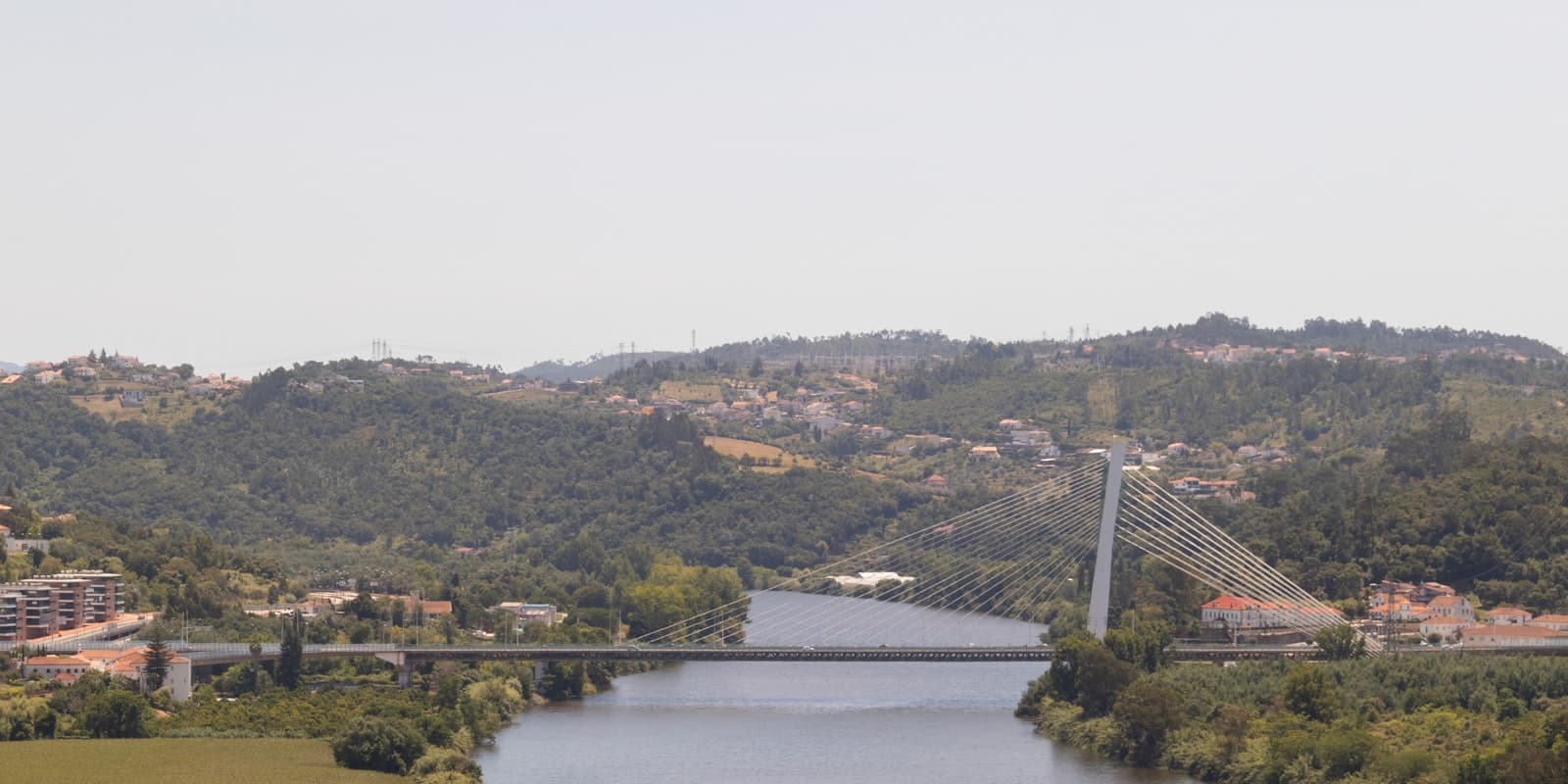
Stand on the Ponte de Santa Clara, and you are standing on a threshold. Ponte means bridge, and this one carries you from Coimbra's lower town across the Mondego to the far bank, the left bank, where every stop on this walk waits. So before you cross, meet the river, because the Mondego is the real protagonist here. Its floods are what drowned the convent you are about to visit downstream. It is the agent of the whole story, patient and unstoppable, and everything on the far side is a response to what this water can do. The bridge under your feet is younger than it looks. This concrete crossing was designed by the engineer Edgar Cardoso, and it opened on the thirtieth of October, nineteen fifty-four, inaugurated by the prime minister of the time, Antonio de Oliveira Salazar. But people have crossed here far longer. According to the record, this modern span succeeded a stone bridge dated to fifteen thirteen, and then an iron bridge that opened in eighteen seventy-five. So you are on the newest surface of a very old habit, the habit of reaching the other side. It is the oldest of Coimbra's three river bridges today. Look upstream and down at the water for a moment. It looks calm, ordinary, useful. Hold that image, because the whole elegy of this walk turns on the fact that this same gentle river, over centuries, rose high enough to fill a church to its windows and force nuns to abandon their home. When you are ready, cross. You are leaving the university side behind and stepping onto the bank of water, death, and love.
2. Mosteiro de Santa Clara-a-Velha: The Drowned Convent
Mosteiro means monastery, and this is Santa Clara-a-Velha, the old Santa Clara, a Gothic house of the Poor Clares on the low bank of the Mondego. It was founded in the twelve eighties by a woman named Mor Dias, and after a dissolution it was refounded in thirteen fourteen by Queen Isabel, wife of King Denis. Remember her name. She matters again at the end of this walk. Look at what survives. The church had a nave and two aisles fully covered in stone vaulting, tall mullioned Gothic windows, and three rose windows. It was built to last centuries. And it did, but not the way its builders imagined. Here is the spine of the whole tour. This monastery was already flooding as early as thirteen thirty-one. The nuns did not give up. By the year sixteen twelve, they had built a raised floor, a whole new interior pavement halfway up toward the roof, just to live above the water that kept coming in. Picture that. A congregation quite literally rising inside its own drowning church. Finally King John the Fourth ordered them to abandon it in sixteen forty-seven, and the last nuns left in sixteen seventy-seven, carrying Queen Isabel's tomb and the royal tombs uphill to safety. Then the river won. The church silted up and was partly buried, and it stayed that way until archaeologists began clearing it after nineteen ninety-five. It reopened to the public in April, two thousand nine, with a visitor center. One more thing to hold here, gently. According to the documented account, this is also the place where Ines de Castro was murdered in thirteen fifty-five. So the drowned convent and the love tragedy share a single floor. Stand quietly. Let the water and the murder occupy the same silence.
3. Quinta das Lagrimas: The Estate of Tears
Quinta das Lagrimas means Estate of Tears, and the name tells you exactly which register we are in now. We have left hard archaeology behind and stepped into legend, and I want to be honest with you about the seam between them. This is a twelve-hectare estate on the Santa Clara…
Full narration for this stop unlocks with the tour.
4. Pedro and Ines de Castro: The Story Itself
Stand in the garden and let me tell you the whole story, keeping fact and legend clearly apart. First the documented part. Ines de Castro, born in thirteen twenty-five, was a Galician noblewoman and a lady-in-waiting at the Portuguese court. She became involved with Infante…
Full narration for this stop unlocks with the tour.
5. Mosteiro de Santa Clara-a-Nova: The High Ground
Climb a little, and you reach Santa Clara-a-Nova, the new Santa Clara. Everything about this place is an answer to the river. When the flooding downhill became unwinnable, the community built here, on high ground, deliberately out of the water's reach. Construction began in…
Full narration for this stop unlocks with the tour.
6. Portugal dos Pequenitos: Portugal Made Small and Safe
End here, and let the walk breathe out. Portugal dos Pequenitos is a miniature park on the same Santa Clara bank, a whole country shrunk to child-sized scale: little houses, little monuments, and pavilions built for the former Portuguese colonies. After an afternoon of drowned…
Full narration for this stop unlocks with the tour.