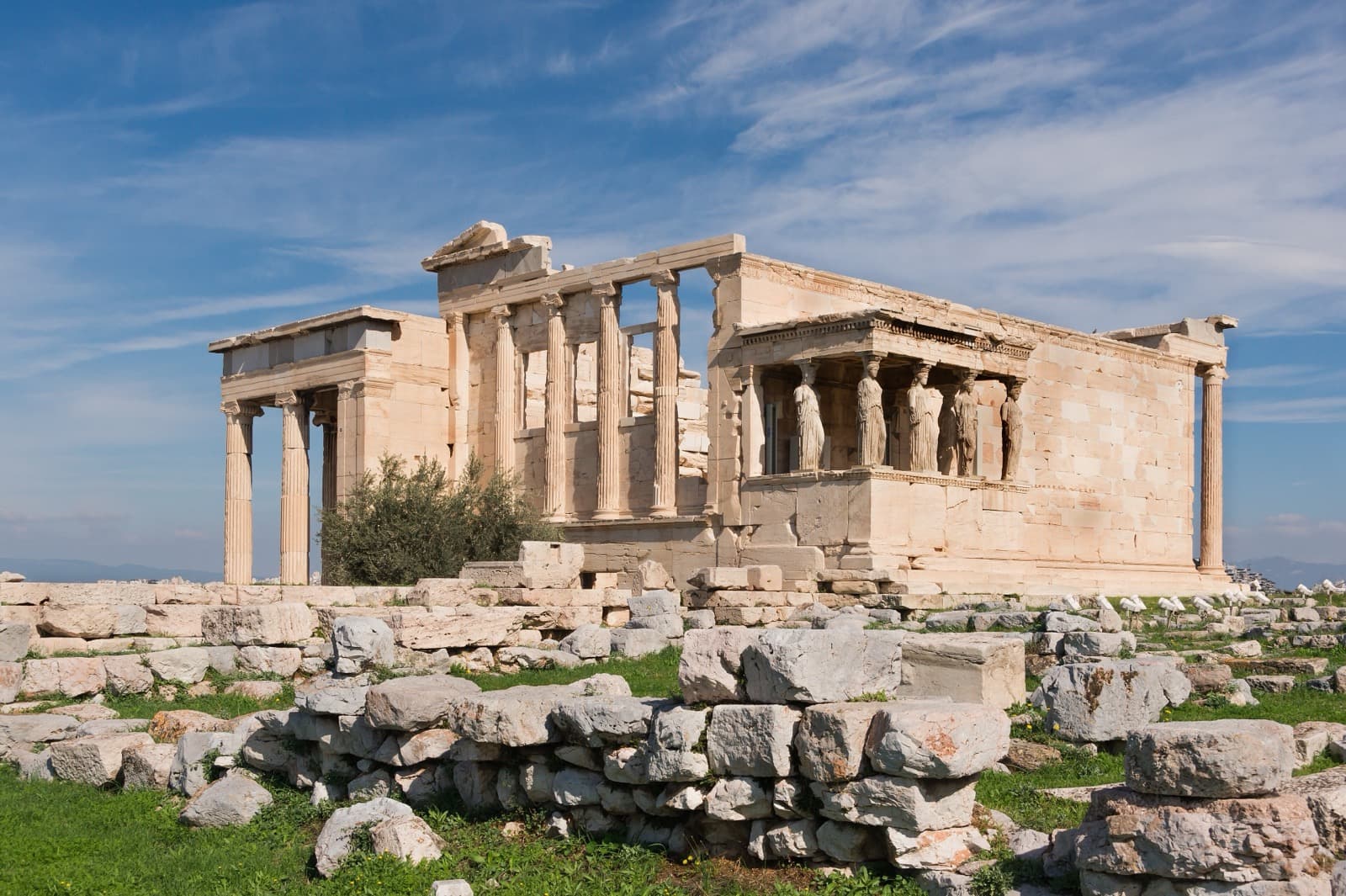
Next to the great Doric bulk of the Parthenon stands a smaller, stranger temple, and on one of its porches six carved women carry the roof on their heads. They are the Caryatids, columns in the shape of women, and one of the most photographed things on the Acropolis. But the six standing there now are not the ones the ancient Athenians raised. The real story of the Caryatids is a story of separation, and to follow it you have to look at the temple, then look down the hill, then think of a museum in another country entirely.
A temple to two powers
The Caryatids belong to the Erechtheion, an Ionic temple traditionally dated to between 421 and 406 BC. It went up as part of the same building program driven by Pericles that gave the Acropolis the Parthenon, though this temple is more irregular, shaped around the sacred features it had to enclose. It was dedicated jointly to Athena Polias, Athena as guardian of the city, and to Poseidon-Erechtheus, a fusing of the sea god with a legendary early king of Athens. That double dedication is the key to the building: it stands on the most sacred ground of the Acropolis, where two gods once contested the city itself.
The ground the myth is written on
Hear a stop from this walk
Areopagus and the Acropolis Museum: The Court and the Keeper
The Erechtheion marks the spot of the founding myth of Athens. Here, the story went, Athena and Poseidon competed to become the city's patron. The site held the sacred olive tree of Athena, her gift to the Athenians, and the rock nearby carried marks said to be the strike of Poseidon's trident from that mythical contest. Athena won, the city took her name, and the temple kept both the olive and the trident marks inside a single sacred enclosure. So when you stand at the Erechtheion you are standing where a whole city explained to itself why it was called what it was called.
Six maidens holding a roof
On the south side of the temple projects the Porch of the Maidens, supported not by ordinary columns but by six sculpted female figures, the Caryatids. Each bears the weight of the porch roof on her head with a quiet poise, drapery falling in deep folds that double as the fluting of a column. It is one of the boldest ideas in Greek architecture: to make the support of a building into a row of human figures without letting them look strained. They read as calm and upright, women who happen to be holding up a temple.
Why the ones you see are copies
Here is the twist. The Caryatids standing on the Erechtheion today are replicas; not one of the figures on the porch is original. Of the six original Caryatids, five are preserved in the Acropolis Museum, and one was removed by Lord Elgin and is now in the British Museum in London. So the six are split five and one, across two cities, and the porch itself carries stand-ins. That scatter is the whole story: an intact set of six sisters broken up, most sheltered indoors down the hill, one still overseas, and copies left to face the weather in their place.
To meet the real ones you walk to the Acropolis Museum, about 280 meters from the Parthenon at the foot of the sacred rock. It was designed by the architect Bernard Tschumi with the Greek architect Michael Photiadis and opened on 20 June 2009, and its galleries display the five original Caryatids together, lifted out of the weather and lit so you can walk around them. See the five real figures indoors and then climb to the copies on the porch, or do it the other way around, and one visit shows you both halves of a divided masterpiece.
How to read it on the ground
Stand where you can see the whole Porch of the Maidens at once and look for the differences between the figures: the way each carries the weight, the balance of the drapery, the gap where the London figure's sister once stood. Then remember you are looking at copies, and that the originals are minutes away and, in one case, an ocean away. The Erechtheion asks you to hold two thoughts at once, the myth in the rock beneath it and the modern scattering of its own sculpture.
Practical notes: the Erechtheion is inside the paid Acropolis site, general ticket around 30 euros in 2026, reached over uneven ancient rock. Wear shoes with grip and carry water and sun protection, because the summit has almost no shade. The Acropolis Museum is a separate ticket a short walk downhill.
The Caryatids are a single stop on a walk that climbs the whole sacred rock. From here, read how the Parthenon set the standard for every Greek temple right beside them, see the best-preserved Greek temple of all still standing in the Agora below, and learn how the machinery of Athenian democracy ran in the same valley. Browse the full set of Athens walking tours, plan one day in Athens around the climb, or start from the Athens hub. Come back to the Porch of the Maidens knowing where all six sisters really are, and the copies stop being a disappointment and become a map.
Sources
- Erechtheion, Wikipedia. The Ionic temple traditionally dated 421 to 406 BC as part of the building program of Pericles; the joint dedication to Athena Polias and to Poseidon-Erechtheus; the Porch of the Maidens supported by six sculpted female figures, the Caryatids; five of the six originals preserved in the Acropolis Museum and one removed by Lord Elgin now in the British Museum, with replicas standing on the building today; and the sacred olive tree of Athena and the trident marks of the mythical contest for the city.
- Acropolis Museum, Wikipedia. The museum designed by architect Bernard Tschumi with Greek architect Michael Photiadis, opened 20 June 2009, about 280 meters from the Parthenon, with galleries displaying the five original Caryatids.
- Roamer tour transcript, "The Acropolis" (athens-acropolis), fact-audited Erechtheion stop.
Ready to experience it?
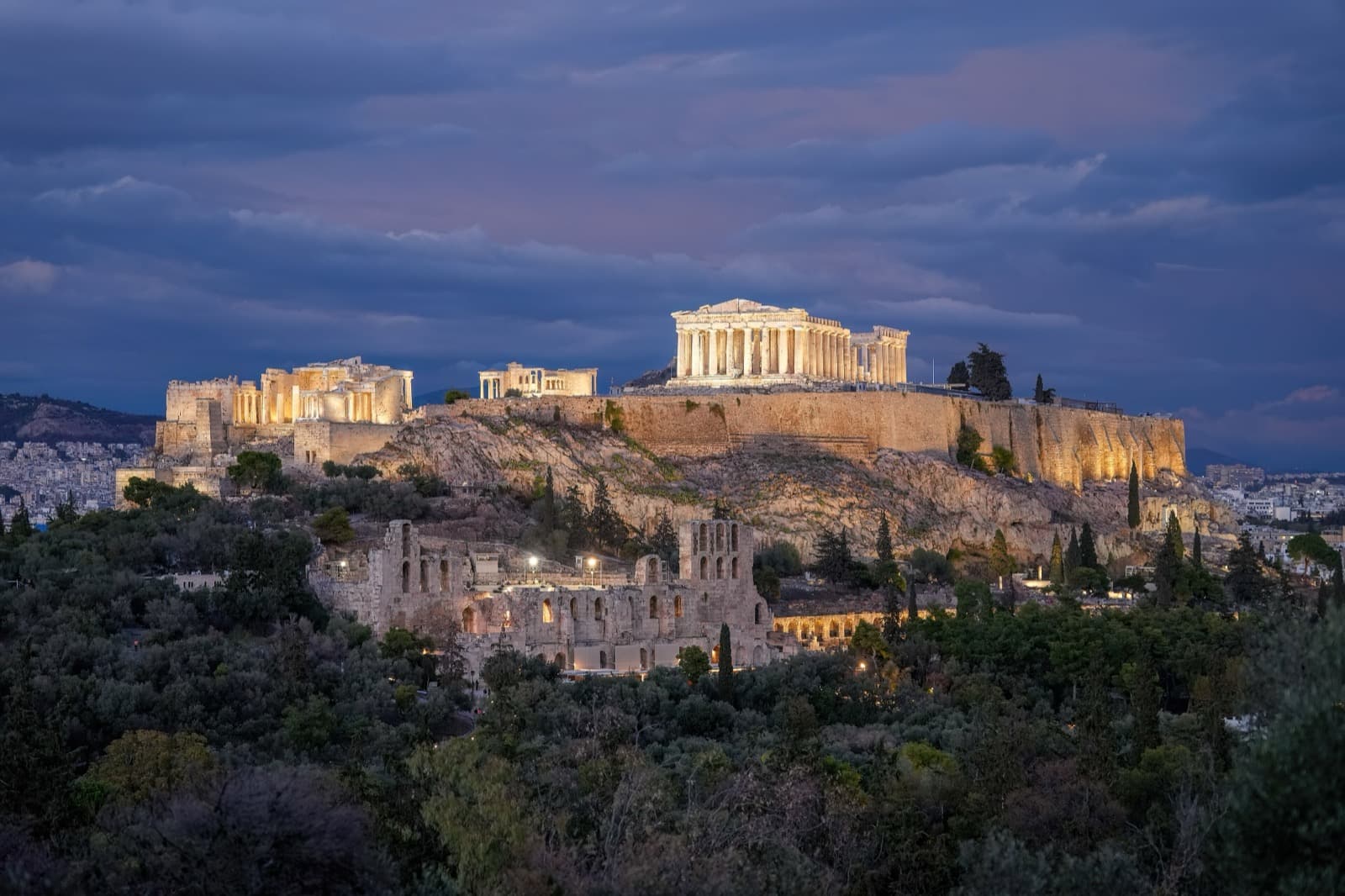
The Acropolis: The Rock That Invented the West
120 min · 1.6 km · moderate
More from Athens
Explore more at your own pace.
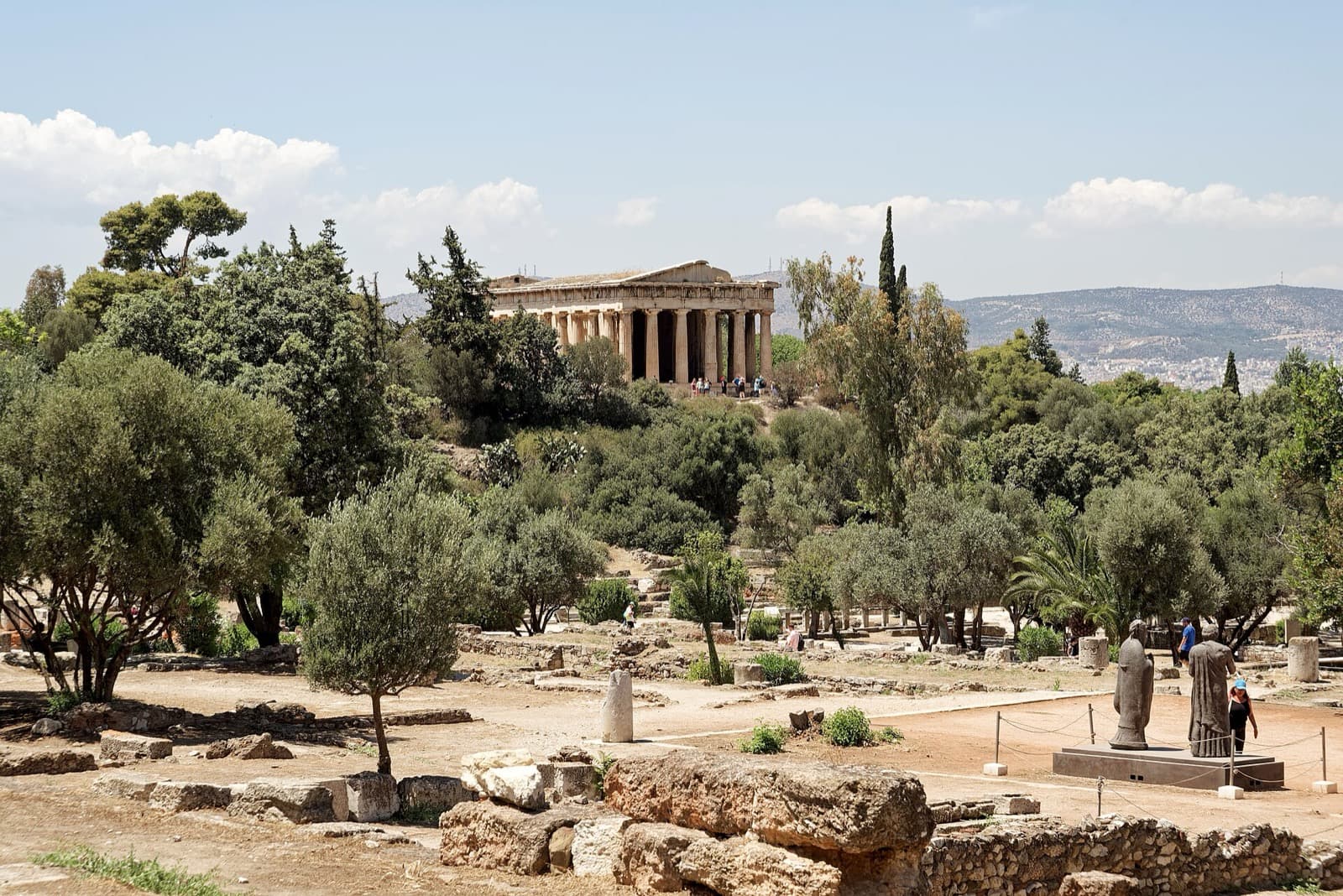
Athens: The Ground Floor of the Western City
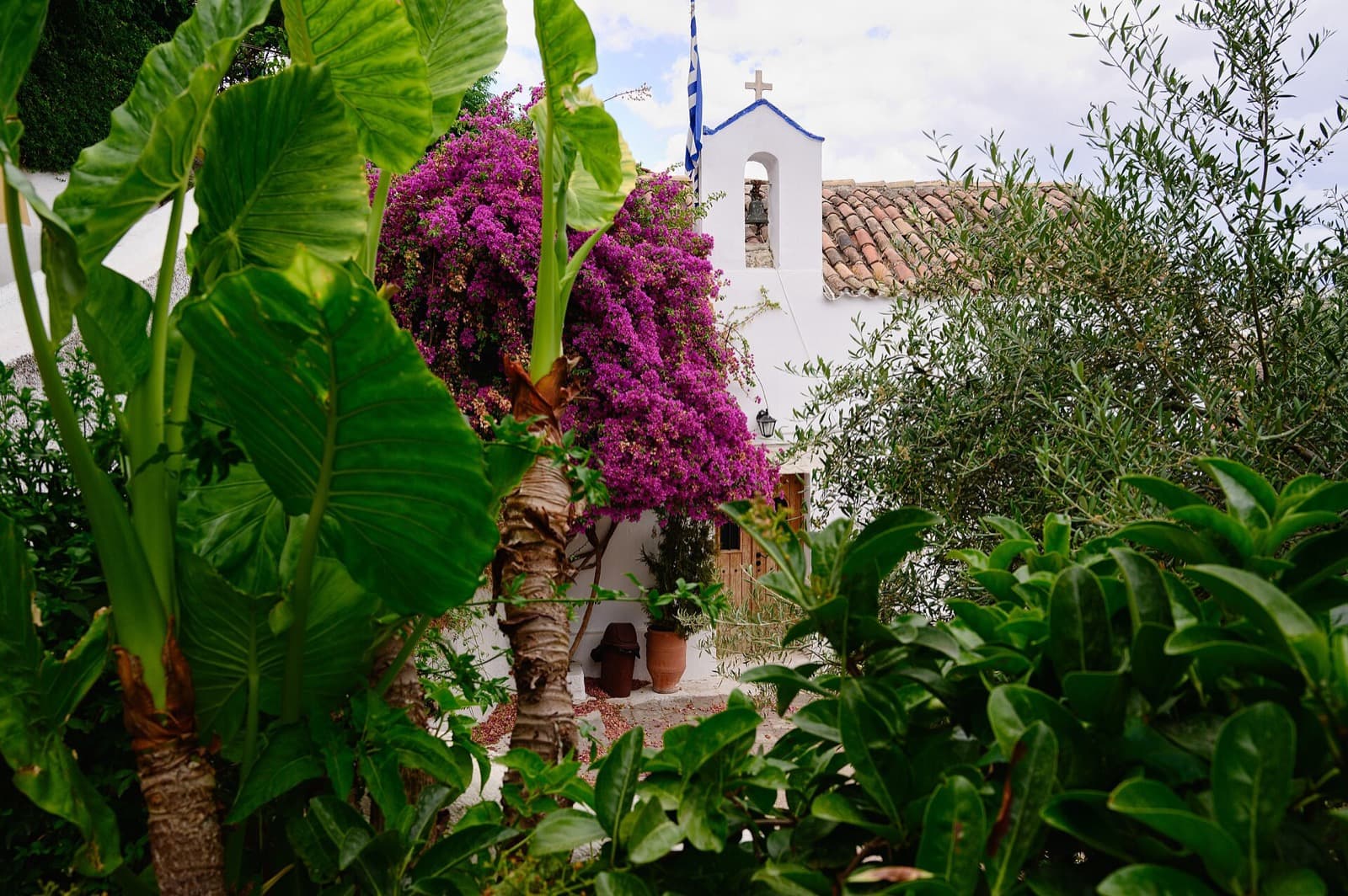
Anafiotika: The Cycladic Island Village Hiding on the Acropolis Slope
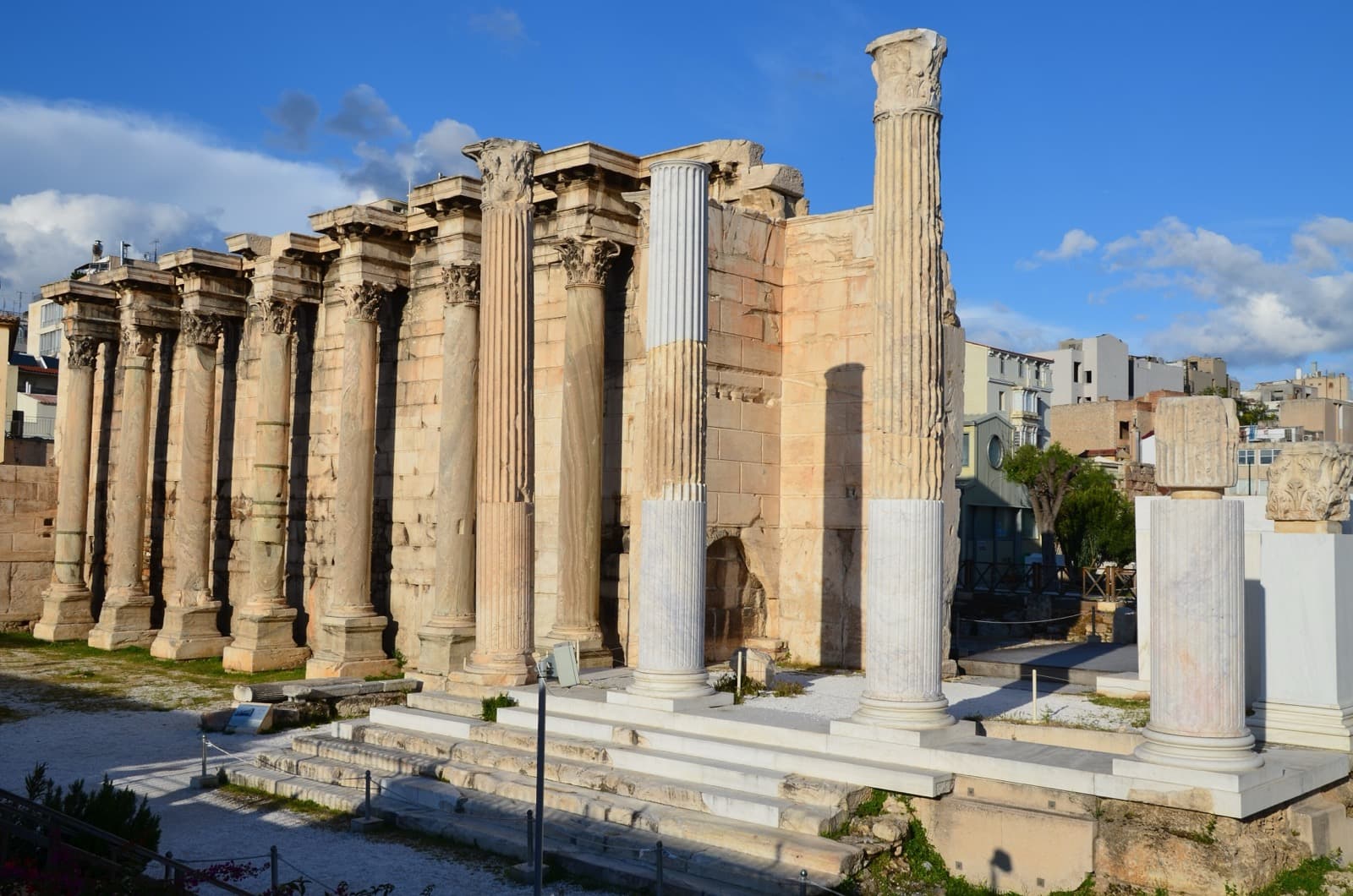
Hadrian's Library: The Roman Wall That Anchors Monastiraki
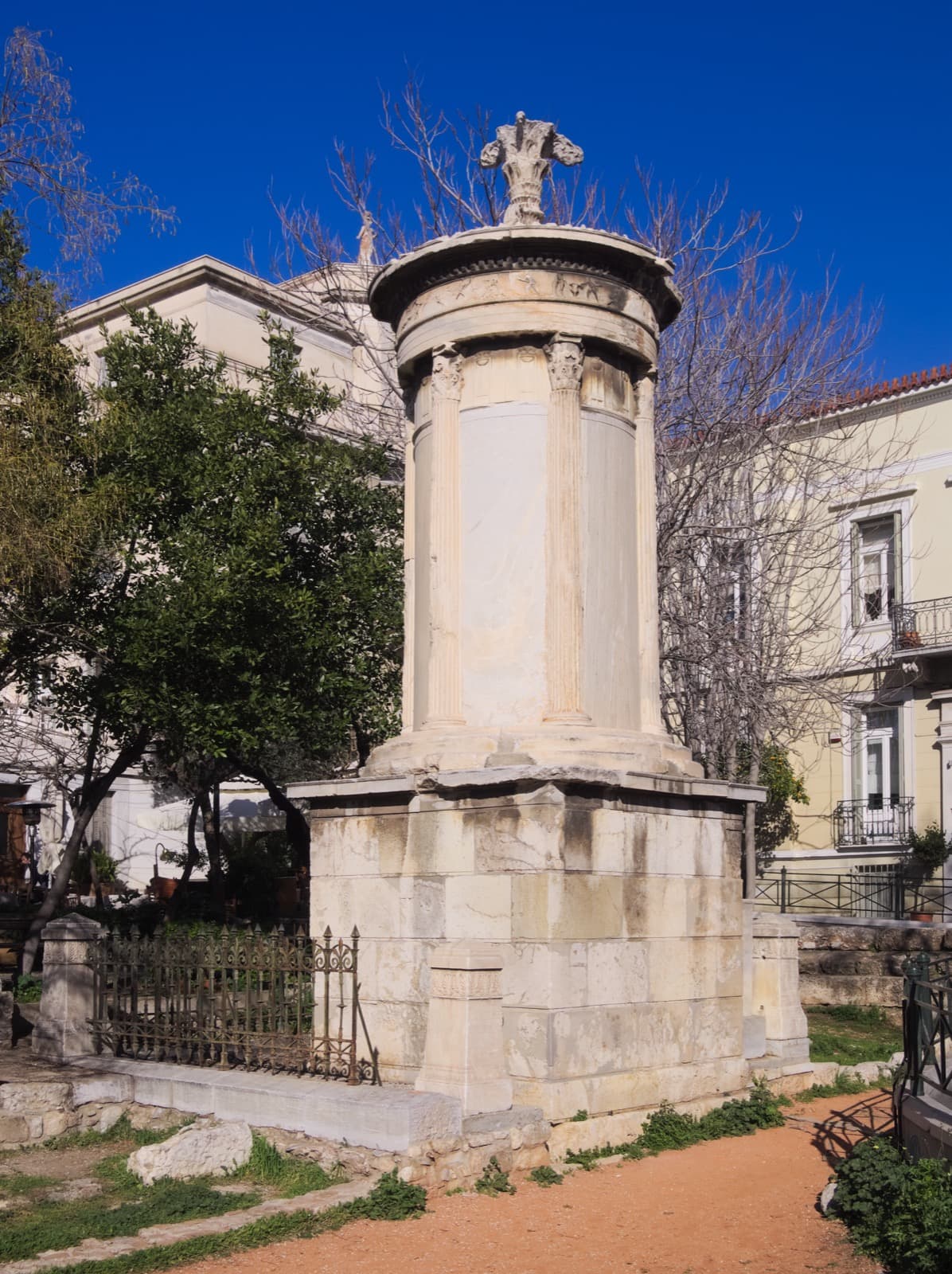
The Choragic Monument of Lysicrates: A Trophy Case That Changed Architecture
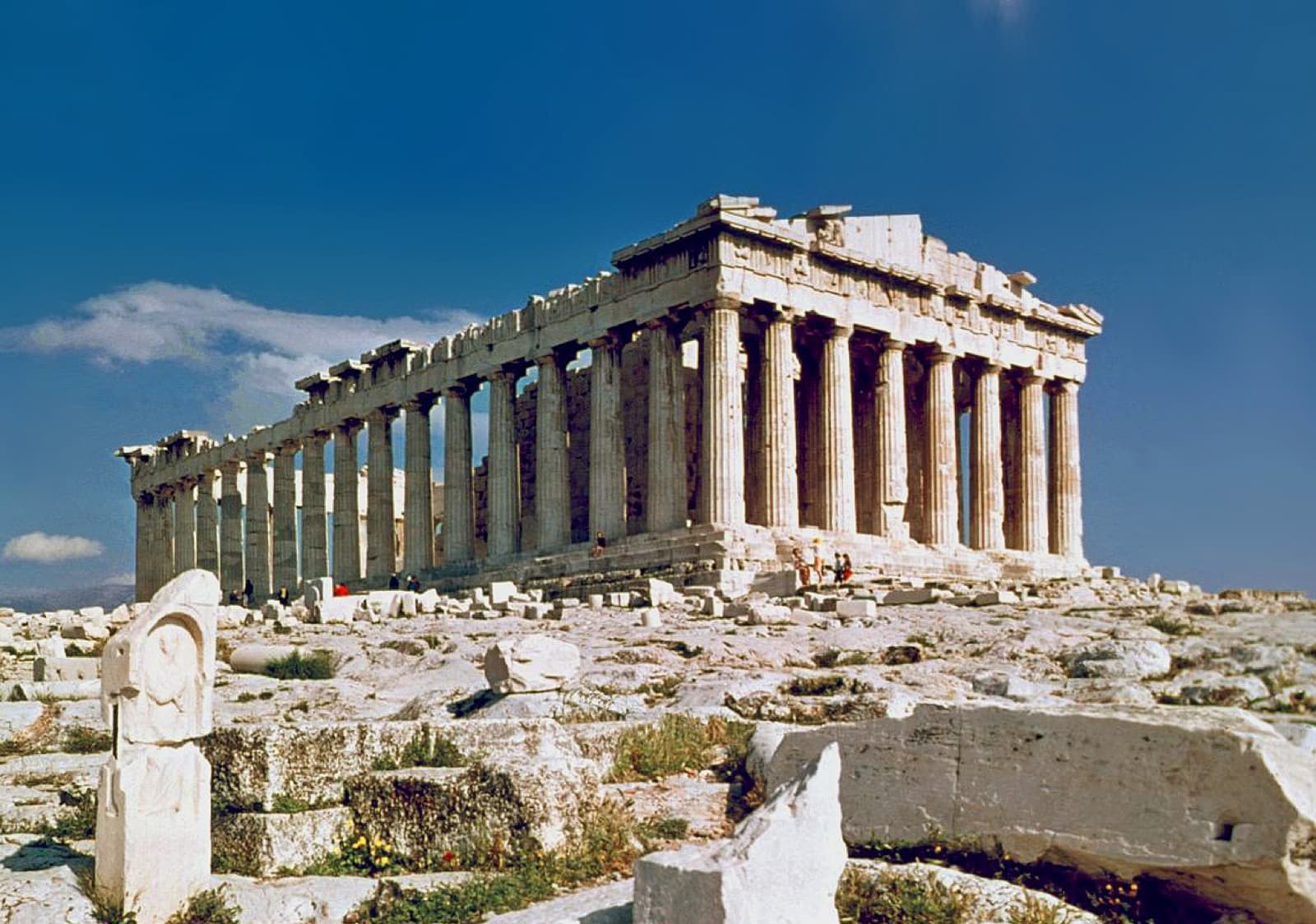
The Parthenon: The Temple That Set the Standard