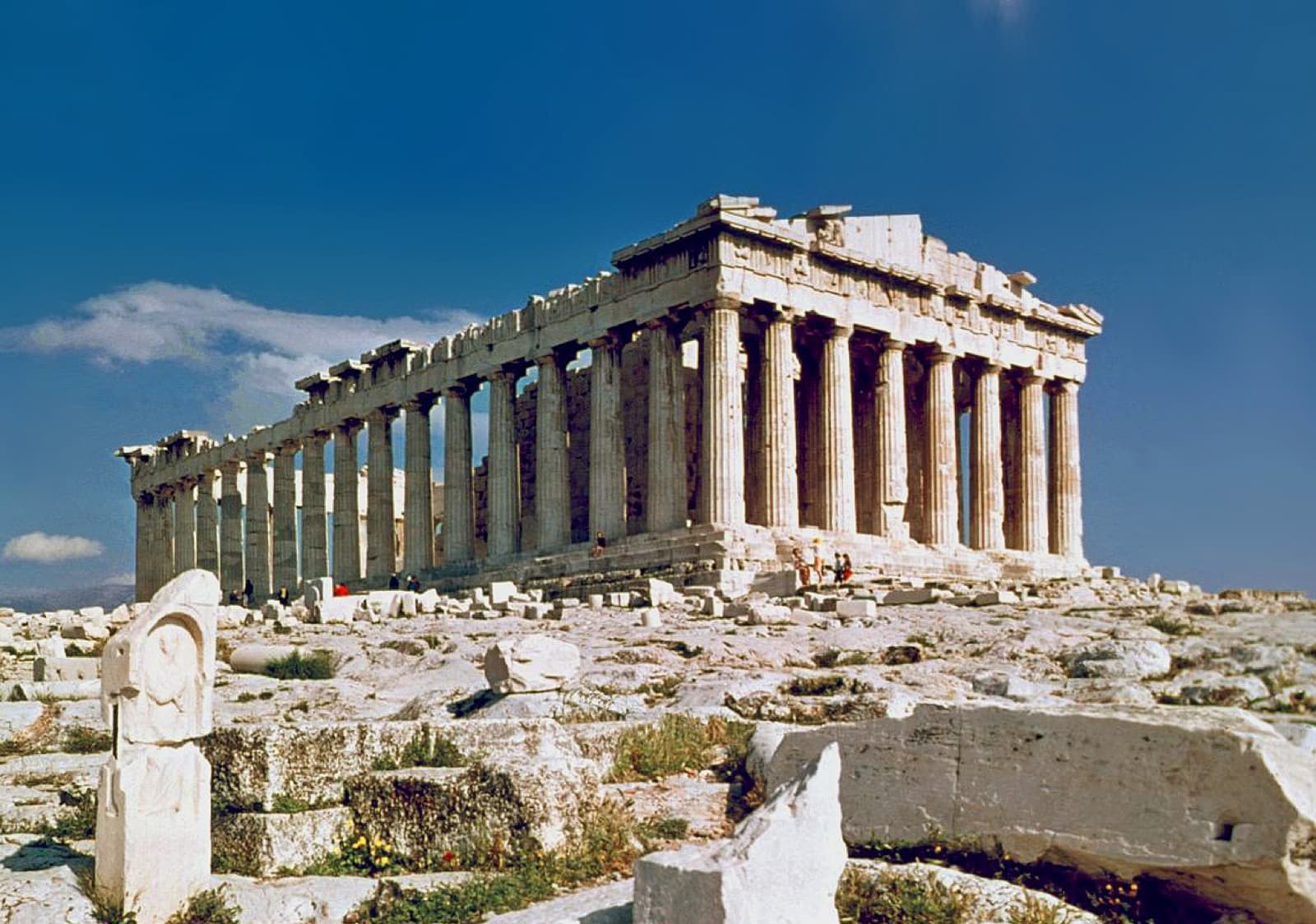
Most visitors climb the Acropolis expecting to be moved by a ruin, and they are. But the Parthenon was never meant to be a ruin, and reading it as one misses the point. When it was finished it was a working temple, built fast and built to a rulebook, at the single highest moment of Athenian confidence. It is the most celebrated surviving building of ancient Greece, and the reason is not its age. It is that this one temple set the standard everything else was judged against.
Fifteen years at the top of the world
The Parthenon went up between 447 and 432 BC, as the centerpiece of the building program driven by Pericles, the leading Athenian statesman of the age. That is a remarkably short span for a structure of this scale and precision. The architects were Iktinos and Kallikrates, and the entire sculptural program was overseen by Phidias, the most famous sculptor of his generation. It was raised at the peak of Athenian power, when the city led an alliance of Greek states and had the wealth and the ambition to build something that would outlast the moment. The speed matters: this was not a cathedral that took centuries and drifted through changing tastes. It is one clear idea, executed once, at full strength.
A temple with a grammar
Hear a stop from this walk
Areopagus and the Acropolis Museum: The Court and the Keeper
The Parthenon is a Doric temple, the plainer and older of the two main Greek architectural orders, but it quietly folds in Ionic features as well, which is part of why it reads as both severe and refined at once. Its plan is octastyle and peripteral, which are the two words worth knowing. Octastyle means eight columns run across each short end, rather than the more usual six. Peripteral means the building is ringed by a single continuous colonnade, columns on all four sides. Along each long flank there are seventeen columns. That eight-by-seventeen cage of stone is the frame you are actually looking at when you circle the building today.
The dimensions are deliberately generous. The temple measures roughly 69.5 by 30.9 meters on the ground and stands about 13.7 meters high. Those are not random numbers; a Greek temple was a set of relationships, a grammar of proportion where the width answers the length and the height answers both. Stand back far enough to take in a whole flank at once and you can feel the building insisting on its own order, the columns spaced and sized so the eye reads harmony rather than mass.
The goddess inside
The Parthenon was dedicated to Athena Parthenos, Athena the Virgin, and that title gives the building its name. This was her house, and it was built to hold her image. Inside stood a colossal statue of the goddess made by Phidias in the chryselephantine technique, a construction of gold and ivory over a wooden core, dedicated in 439 or 438 BC. Gold for her robes and armor, ivory for her skin: a figure of enormous size and expense, glowing in the dim interior, seen by worshippers as the living presence at the center of the temple. The statue is long gone, but knowing it was there changes how you read the shell. The colonnade you admire from outside was the wrapping. The point was the goddess in the dark room within.
How to read it on the ground
Today you circle the Parthenon rather than enter it; the interior is closed and the building is best understood from the outside, walked slowly around its full perimeter. As you move, watch how the columns line up and then pull apart, how the eight-column ends feel broader and more monumental than a typical temple front, how the seventeen columns of the flank march away from you. Try to see it as a finished thing rather than a broken one. Picture the roof, the painted sculpture, the closed inner chamber with Athena's gold-and-ivory figure inside. The Acropolis crowns the city, and the Parthenon crowns the Acropolis, so from almost anywhere in central Athens you can look up and find it again.
Practical notes: the Acropolis is a paid archaeological site, with a general ticket around 30 euros in 2026, and the climb is over uneven ancient rock. Wear shoes with grip, carry water and sun protection, and go early or late to dodge both the heat and the crush, because the summit has almost no shade.
The Parthenon is the high point of a walk that climbs through the whole sacred rock. From here, step across to the Caryatids on the Porch of the Maidens at the Erechtheion next door, then read how the best-preserved Greek temple of all survives intact just below in the Agora, or wander down into the island village of Anafiotika tucked under the north slope. Browse the full set of Athens walking tours, plan one day in Athens around the climb, or start from the Athens hub. Come back to the Parthenon seeing a rulebook in stone, and the ruin turns back into a building.
Sources
- Parthenon, Wikipedia. Construction between 447 and 432 BC under the building program of Pericles; the architects Iktinos and Kallikrates; the sculptural program overseen by Phidias; dedication to Athena Parthenos; the octastyle peripteral Doric plan with Ionic features, eight columns across each end and seventeen along each side; overall dimensions of about 69.5 by 30.9 meters and about 13.7 meters high; the chryselephantine gold-and-ivory statue of Athena by Phidias dedicated in 439 or 438 BC; and its standing as the most celebrated surviving building of ancient Greece.
- Roamer tour transcript, "The Acropolis" (athens-acropolis), fact-audited Parthenon stop.
Ready to experience it?
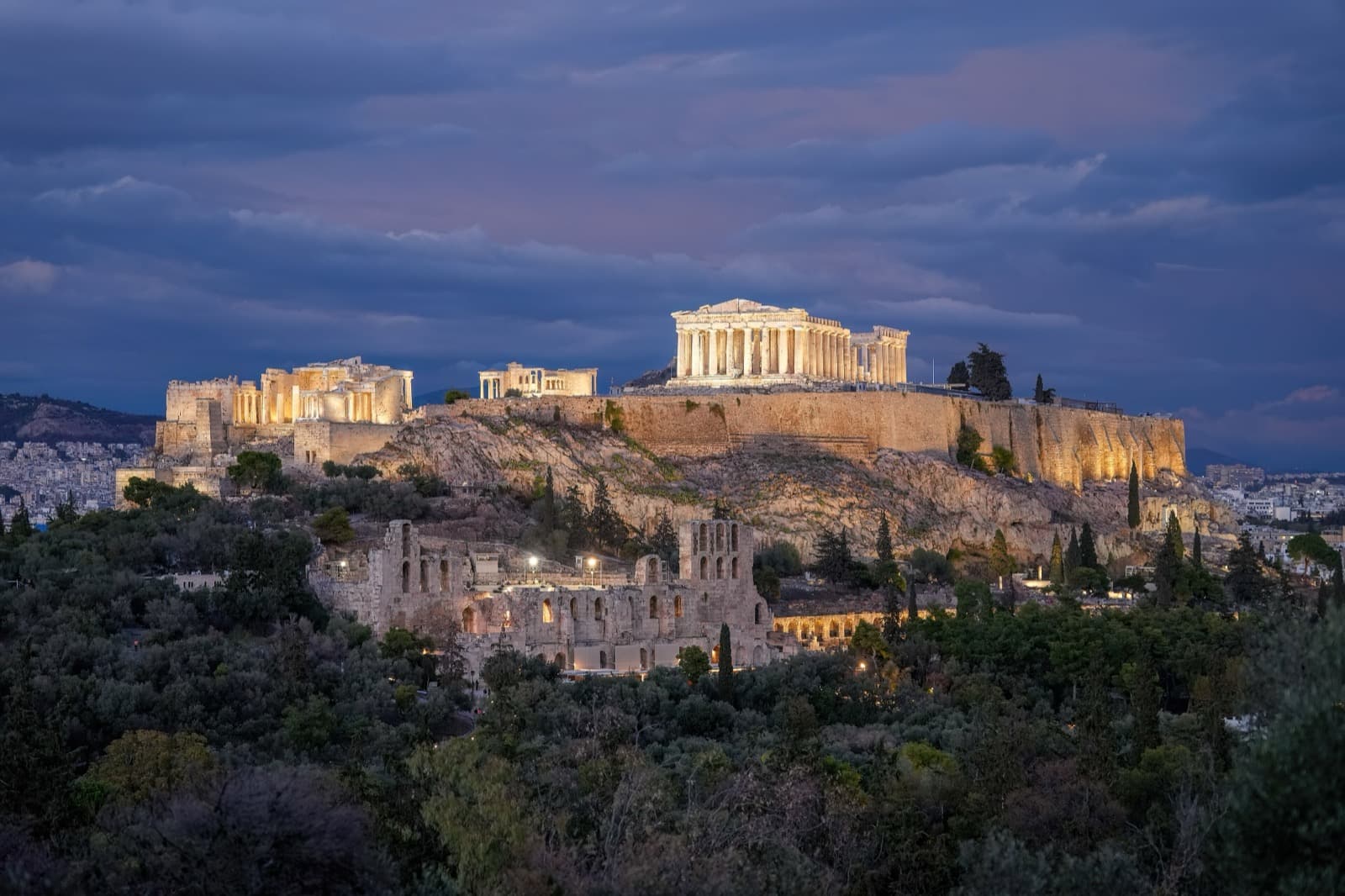
The Acropolis: The Rock That Invented the West
120 min · 1.6 km · moderate
More from Athens
Explore more at your own pace.
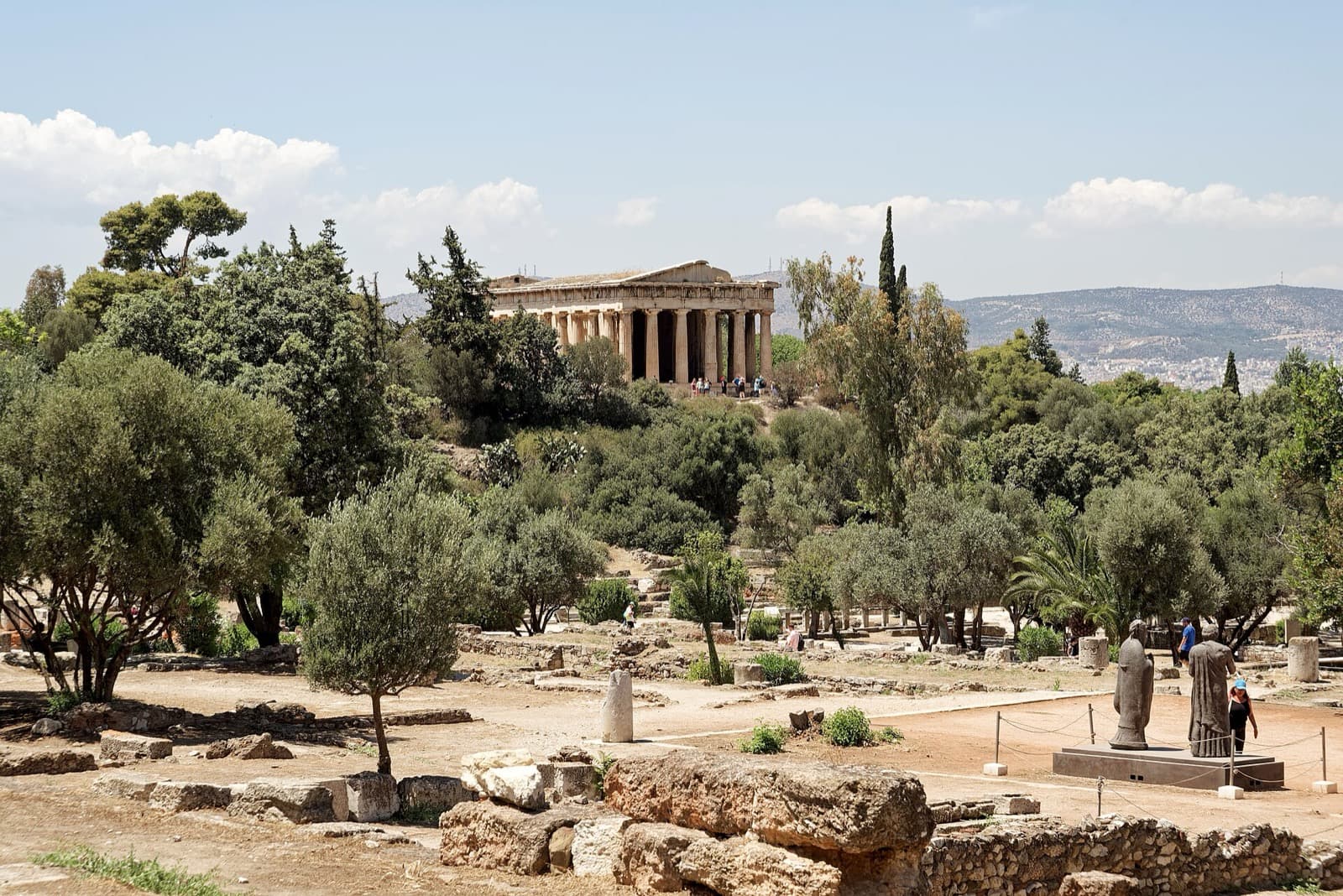
Athens: The Ground Floor of the Western City
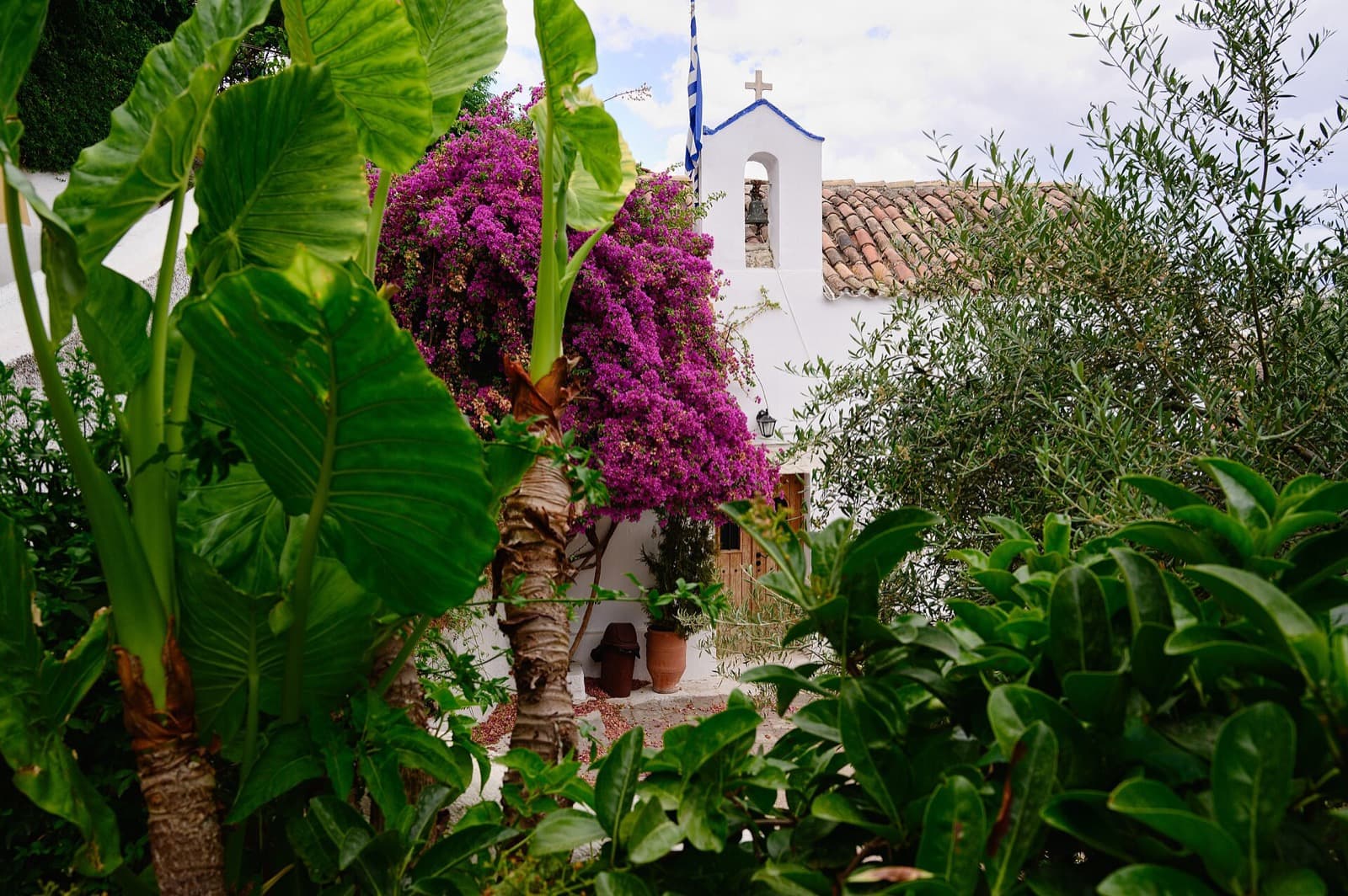
Anafiotika: The Cycladic Island Village Hiding on the Acropolis Slope
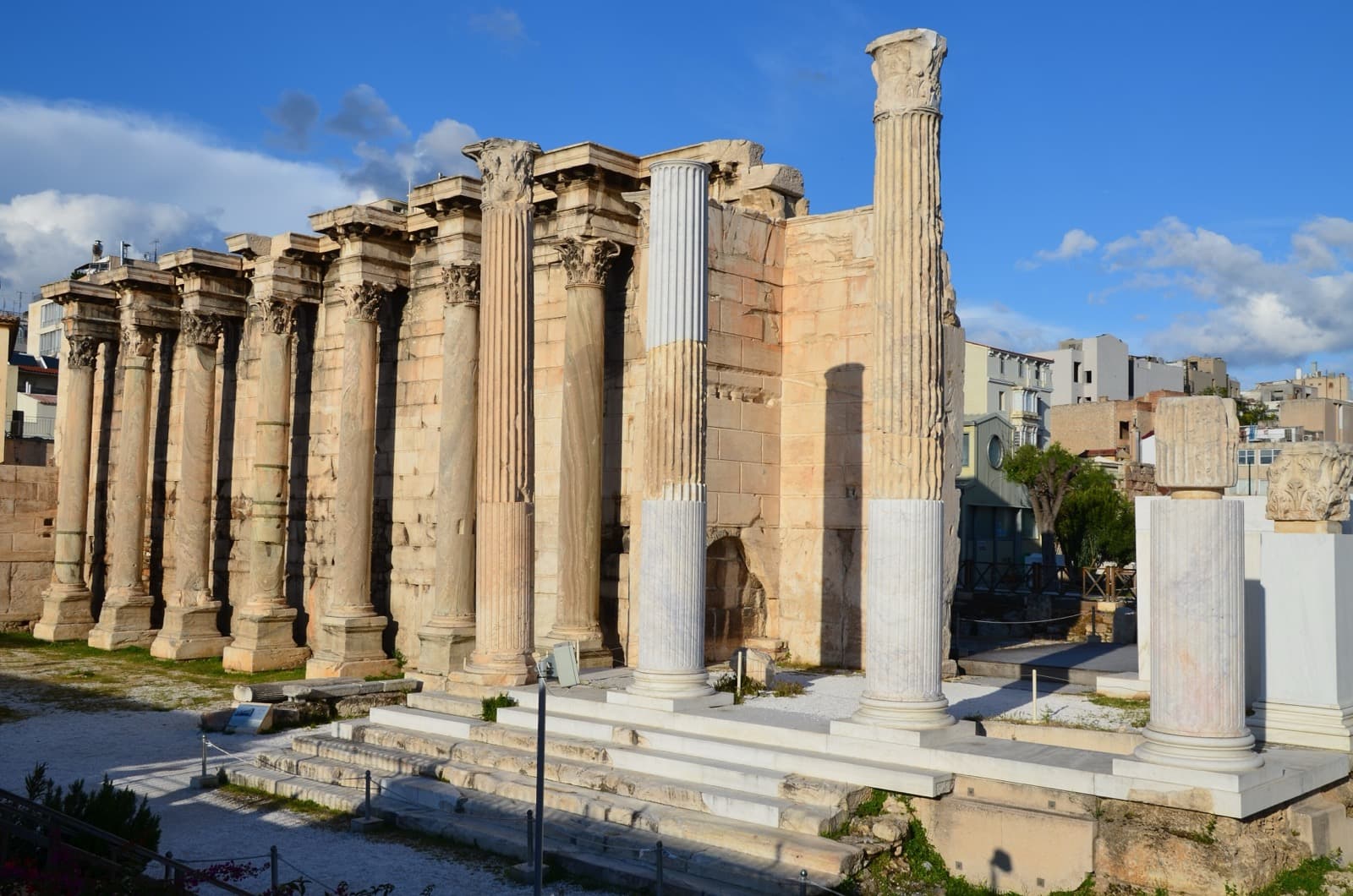
Hadrian's Library: The Roman Wall That Anchors Monastiraki
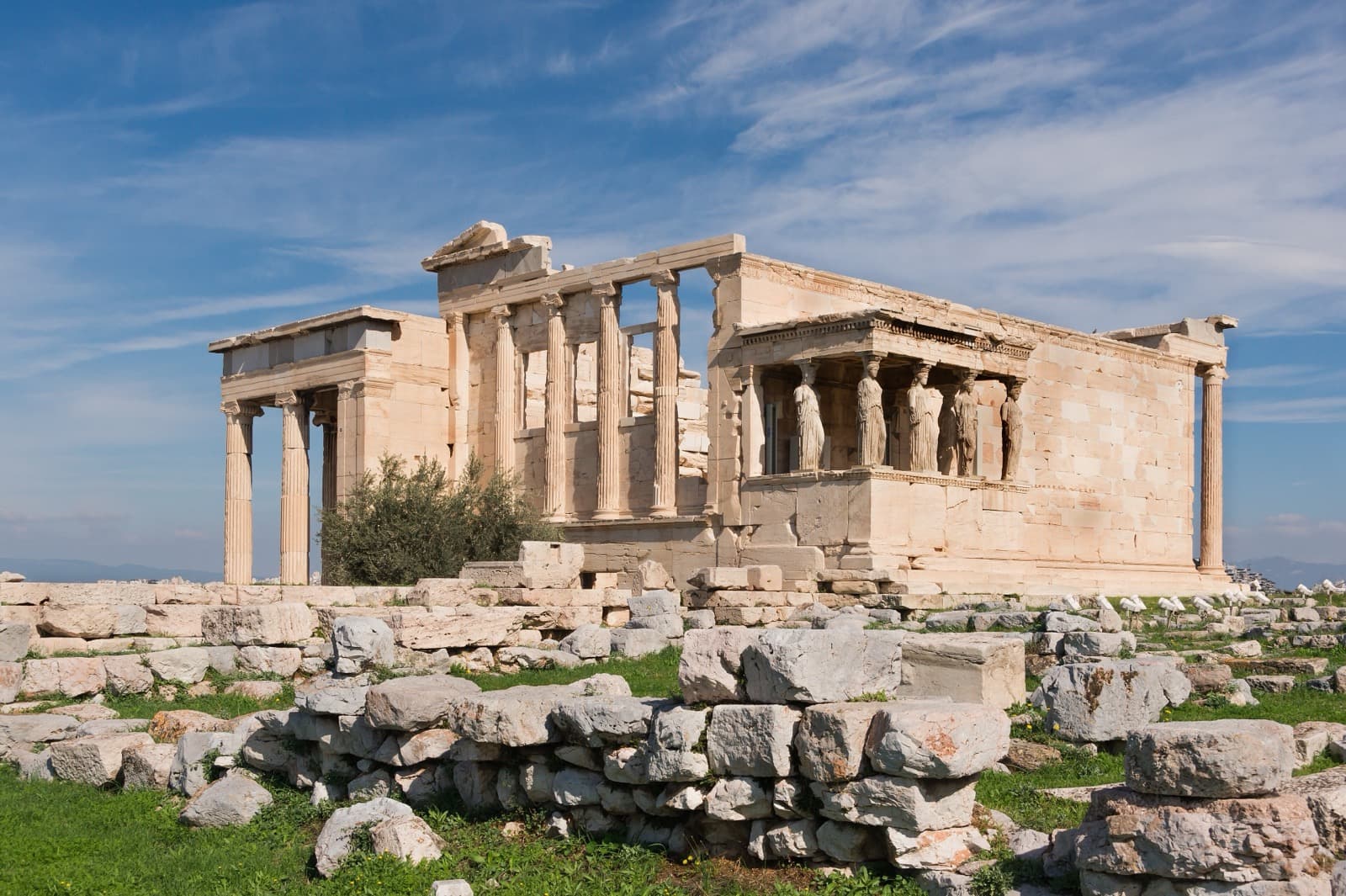
The Caryatids: The Maidens of the Erechtheion
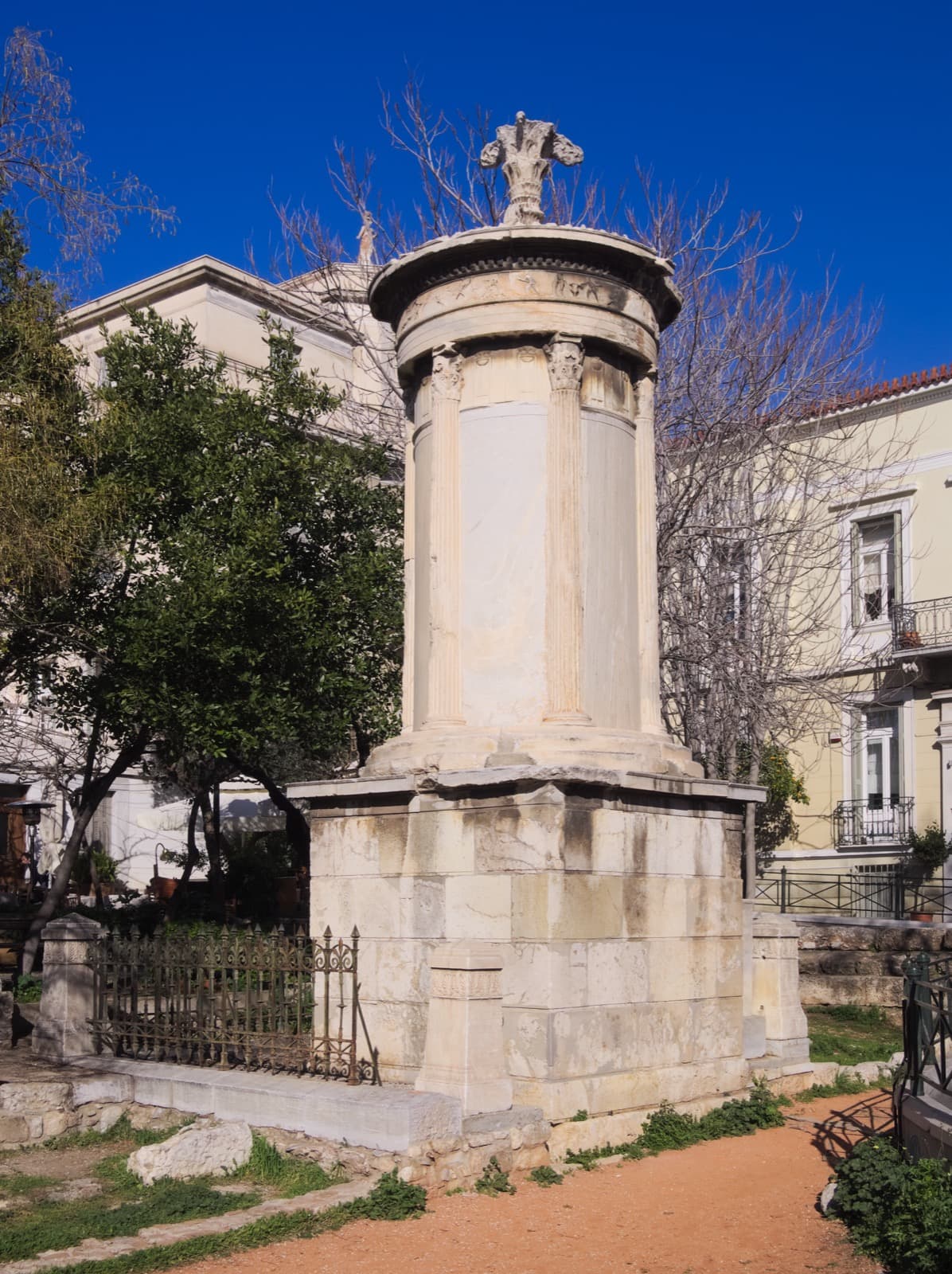
The Choragic Monument of Lysicrates: A Trophy Case That Changed Architecture