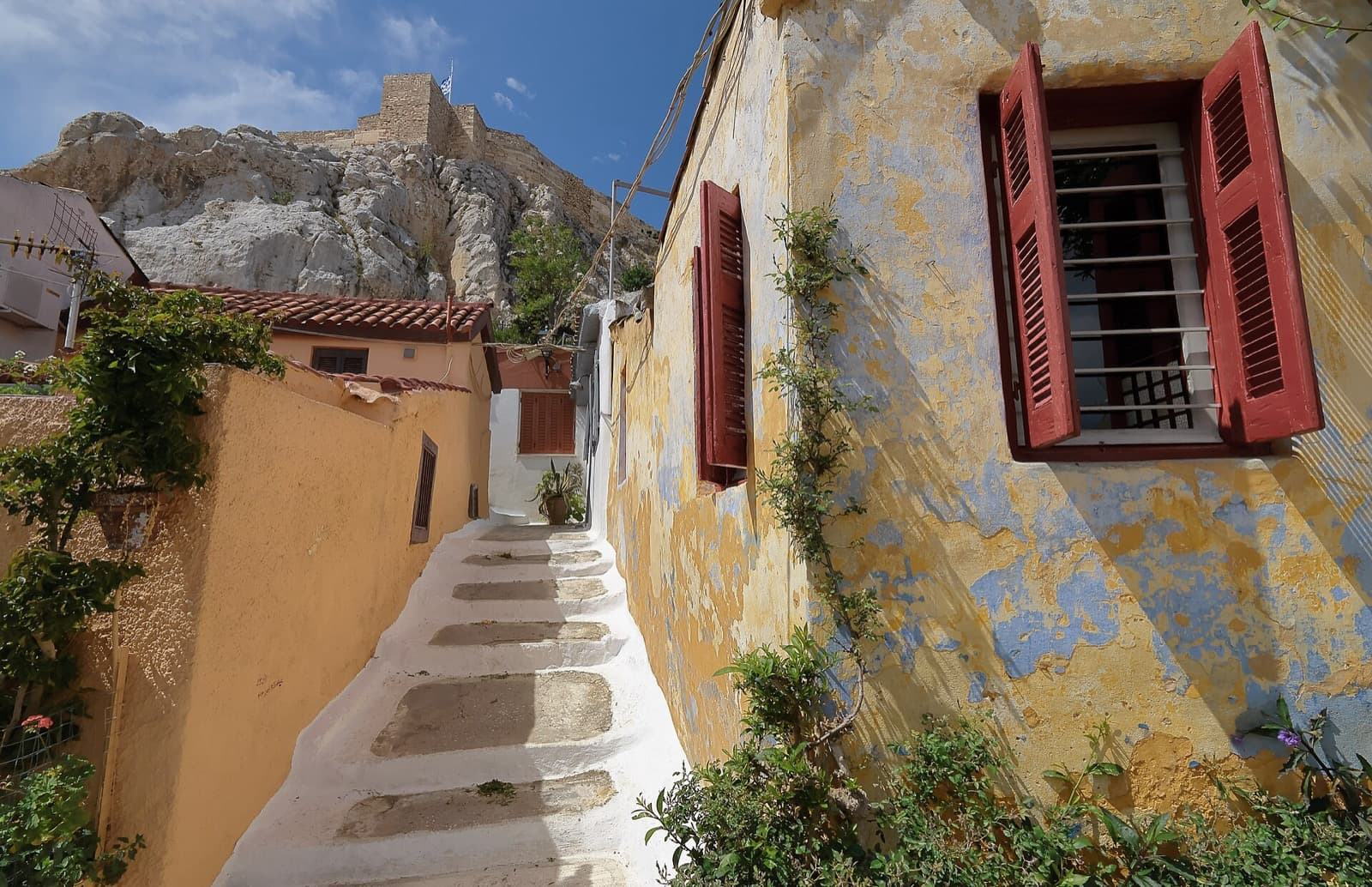
Plaka and Anafiotika: The Island Under the Rock
75 min · 1.6 km · moderate
Plan two to three full days in Athens: that is enough to see the Acropolis and its slopes, walk the old center on foot, and give the ancient sites the slow, uncrowded morning hours they deserve. The historic core is compact and almost entirely walkable, the metro handles the rest, and the honest constraint is not distance or danger but summer heat and midday crowds. This guide covers how many days, how to get around, when to come, what it costs, and a calm word on safety, so you can spend your time walking rather than researching.
How many days do you need in Athens?
Two days covers the essentials without rushing. Give the first morning to the Acropolis and the second to the ground below it: the Ancient Agora, the old quarter of Plaka, and the market streets of Monastiraki and Psyrri. A third day lets you slow down, add the Acropolis Museum, and take an afternoon at your own pace instead of on a schedule.
The city rewards walking. The distance from the Acropolis down through Plaka to Monastiraki is a matter of minutes on foot, and the streets between them are pedestrian or nearly so. Our three self-guided walks are built for exactly this compact core: the Ancient Agora as the flat civic ground where democracy was actually practiced, Plaka and Anafiotika as a slow climb through stacked layers of the city, and Psyrri and Monastiraki as the noisy market heart. Each runs roughly 75 to 85 minutes at your own pace, and you can pause or skip a stop whenever your feet ask you to. See the full set on the Athens walking tours hub.
How do you get around Athens?
Hear a stop from this walk
Agios Georgios tou Vrachou: Saint George of the Rock
Walk the center, take the metro for everything else. The three metro lines are clean, well signed in Greek and English, and they connect the airport, the port at Piraeus, and the main squares. Syntagma and Monastiraki stations both sit at the edge of the historic core, so most sightseeing starts and ends on foot from a metro stop.
A single ticket costs 1.20 euros and is valid for 90 minutes across the metro, buses, trolleys, and tram, so one fare covers a transfer. A 24-hour ticket is 4.10 euros. In 2026 the transport authority runs a contactless Tap2Ride system, so you can tap a bank card, phone, or watch directly at the reader instead of buying a paper ticket. The airport is the one exception: the metro Blue Line (Line 3) runs from Athens International Airport to Syntagma in about 40 minutes for 9 euros one way, or 16 euros return. A taxi from the airport to the center runs a fixed daytime flat rate in the region of 40 euros.
For the walking tours, you do not need transport at all. The three routes chain together on foot, and the app triggers each stop's audio by GPS as you arrive, so you keep your eyes on the street rather than a screen.
When is the best time to visit?
Come in spring or autumn. April to June and September to October give warm, comfortable days, blooming hillsides in spring, and archaeological sites that are far less crowded than in high summer. May, September, and October are the reliable sweet spots, with daytime highs in the mid 20s Celsius and mild evenings.
Summer is the season to plan around, not avoid entirely, but plan around it seriously. July is typically the hottest month, with highs near 35 Celsius and worse during heatwaves. On dangerously hot days Greece's Culture Ministry closes the Acropolis and other open-air sites during the hottest afternoon hours, often from around midday to 5pm, to protect visitors and staff. This happened repeatedly across 2024 and 2025. If you visit in July or August, do the outdoor sites at opening time, carry water, and keep the afternoon for shade, a museum, or a long lunch.
Winter is quiet and cheap, with cool but walkable days and the bonus of free admission on the first Sunday of each month from November through March.
What does it cost to enter the sites?
Budget for one big ticket and a handful of small ones. The Acropolis has a single general admission of 30 euros in 2026, sold in timed entry slots that you should book online in advance through the official platform, hhticket.gr, to skip the queue. The old combined multi-site ticket has been withdrawn from the official government site, so plan the Acropolis as its own booking.
The other sites on our walks are far cheaper. The Ancient Agora, which holds the Stoa of Attalos, the Temple of Hephaestus, and the Areopagus rock, is around 20 euros as its own site, with reduced or free entry for eligible visitors such as EU residents under 25. The Roman Agora and Tower of the Winds run a small entry fee in the region of eight euros. Hadrian's Library is a few euros, cheaper in winter than summer. Plaka, Anafiotika, Monastiraki Square, the flea-market streets, and the food market are all free public ground you can wander at any hour.
State-run sites are free on the winter free Sundays (the first Sunday of each month from November through March) and on several national culture days, including March 6, April 18, May 18, the last weekend of September, and October 28. On those dates you simply collect a free ticket at the site office.
Is Athens safe?
Athens is a safe city to walk, with one practical caveat: petty theft. Violent crime against visitors is genuinely rare. The realistic risk is pickpocketing in crowds, and it concentrates in predictable places: the packed metro at Syntagma, Monastiraki, and Omonia stations, busy pedestrian streets, and the entrances to major sites where everyone is looking up.
Thieves work in pairs or small groups and rely on distraction, so the defense is boring and effective. Keep your bag closed and in front of you on crowded trains, carry only the cash you need, and stay alert when a train is packed or a group boards all at once. The metro itself is well lit and busy, which is why it is a fine way to travel, crowds and all.
At night the center around Plaka, Monastiraki, and Psyrri is lively and well populated. The area around Omonia has been under regeneration, and the main avenues are fine after dark, though a few side streets to the northwest still see occasional drug activity and aggressive panhandling. None of it is somewhere the typical visitor needs to go at night. Walk with normal city awareness and you will be fine.
Putting it together
Two to three days, most of it on foot, timed for spring or autumn, one 30-euro Acropolis booking plus a few small site fees, and ordinary crowd awareness for your pockets. That is the whole plan. When you are ready to actually walk it, the three self-guided routes through the Ancient Agora, Plaka, and Monastiraki turn the plan into a day, with the history read aloud to you as you arrive at each stop rather than crammed into a guidebook the night before. Start from the Athens walking tours hub.
Sources
- The Official Athens Guide (This Is Athens): getting around and airport transport
- OASA: prices of public transport products
- Greek Ministry of Culture: free admission days for state sites and museums
- Greek Reporter: Athens monuments closed during heatwave peak
- Lonely Planet: the best time to visit Athens
Frequently asked questions
- How many days do you need in Athens?
- Two days covers the Acropolis and the historic center on foot, with the Ancient Agora, Plaka, and Monastiraki all within walking distance. A third day adds the Acropolis Museum and lets you move at your own pace. The core is compact, so most sightseeing happens on foot rather than by transport.
- How do you get from Athens airport to the city center?
- The metro Blue Line (Line 3) runs directly from Athens International Airport to Syntagma Square in about 40 minutes for 9 euros one way or 16 euros return in 2026. A taxi runs a fixed daytime flat rate in the region of 40 euros. Both drop you at the edge of the walkable historic core.
- How much is a metro ticket in Athens?
- A single ticket costs 1.20 euros and is valid for 90 minutes across the metro, buses, trolleys, and tram, so one fare covers transfers. A 24-hour ticket is 4.10 euros. In 2026 you can also tap a bank card, phone, or watch directly at the reader through the Tap2Ride contactless system.
- When is the best time to visit Athens?
- Spring (April to June) and autumn (September to October) offer the most comfortable weather and thinner crowds, with May, September, and October the reliable sweet spots. July and August bring highs near 35 Celsius, and on extreme-heat days the Culture Ministry closes the Acropolis during the hottest afternoon hours to protect visitors and staff.
- How much does it cost to enter the Acropolis in 2026?
- General admission to the Acropolis is 30 euros in 2026, sold in timed entry slots best booked online in advance through the official platform hhticket.gr. The old combined multi-site ticket has been withdrawn from the official government site. State sites are free on the first Sunday of each month from November through March and on several national culture days.
- Is Athens safe for tourists?
- Athens is generally safe, and violent crime against visitors is rare. The realistic risk is pickpocketing in crowds, concentrated at the Syntagma, Monastiraki, and Omonia metro stations and around busy site entrances. Keep your bag closed and in front of you, carry only the cash you need, and stay alert on packed trains.
Ready to experience it?
Plaka and Anafiotika: The Island Under the Rock
75 min · 1.6 km · moderate
More from Athens
Explore more at your own pace.
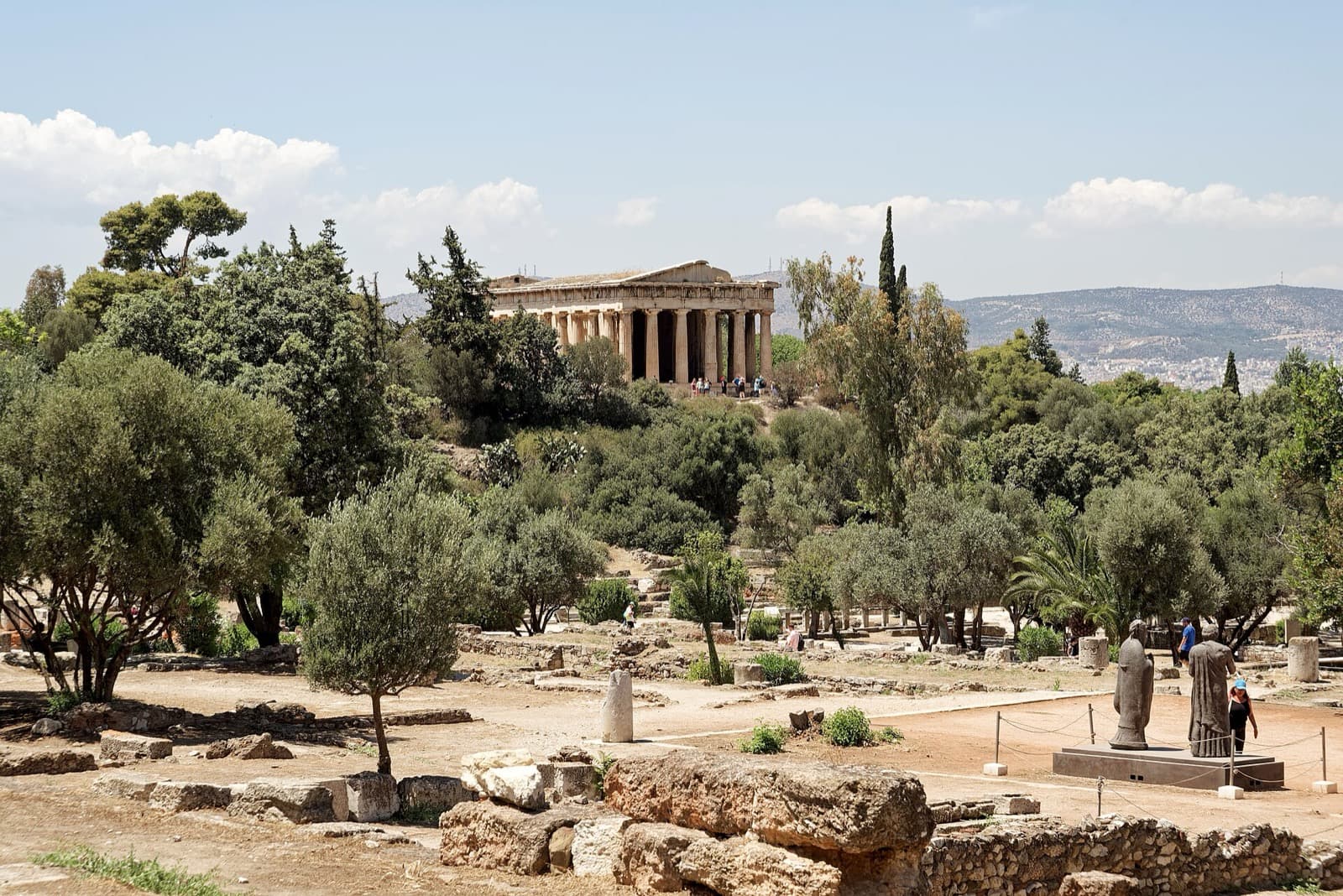
Athens: The Ground Floor of the Western City

Anafiotika: The Cycladic Island Village Hiding on the Acropolis Slope
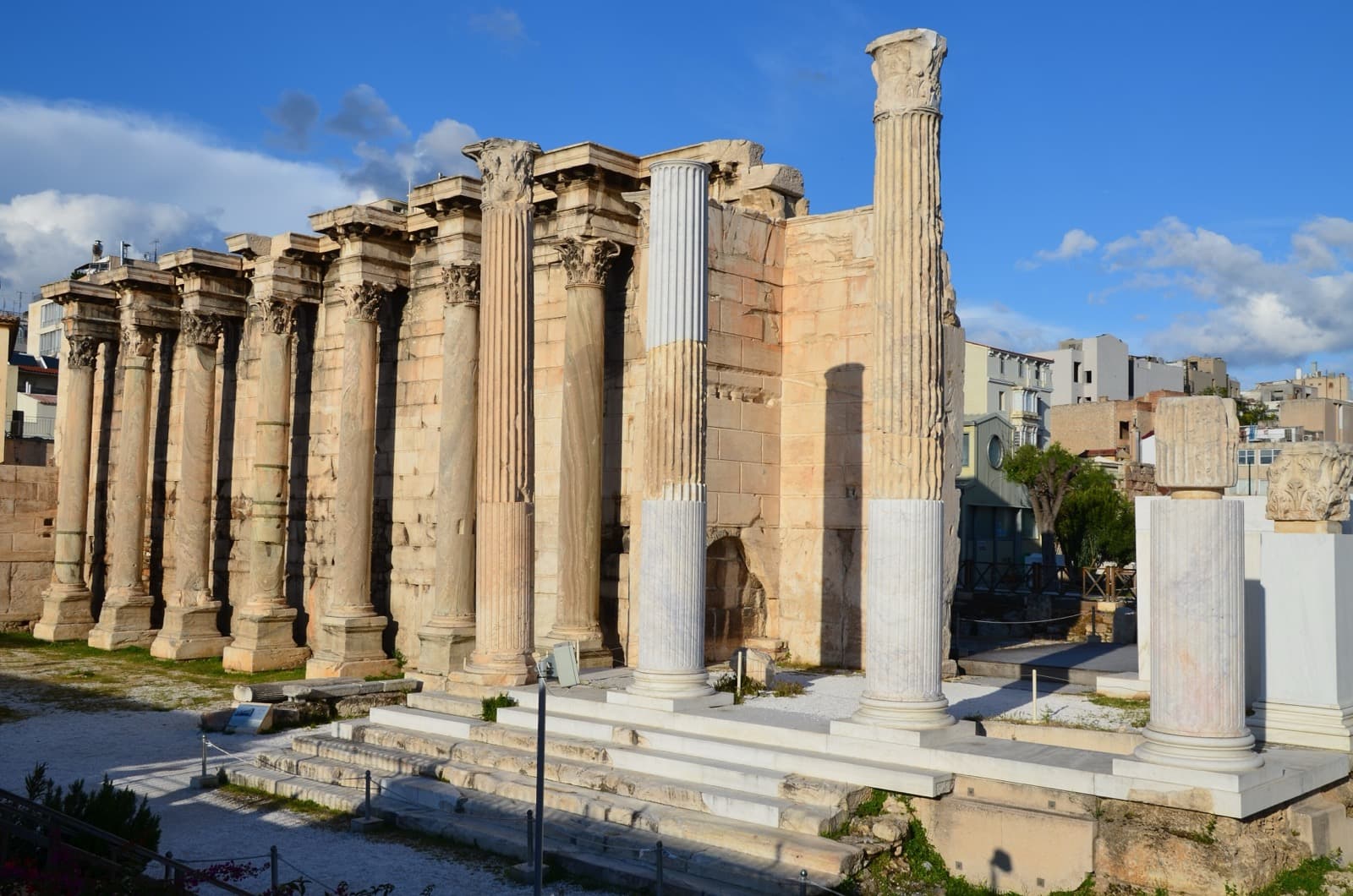
Hadrian's Library: The Roman Wall That Anchors Monastiraki
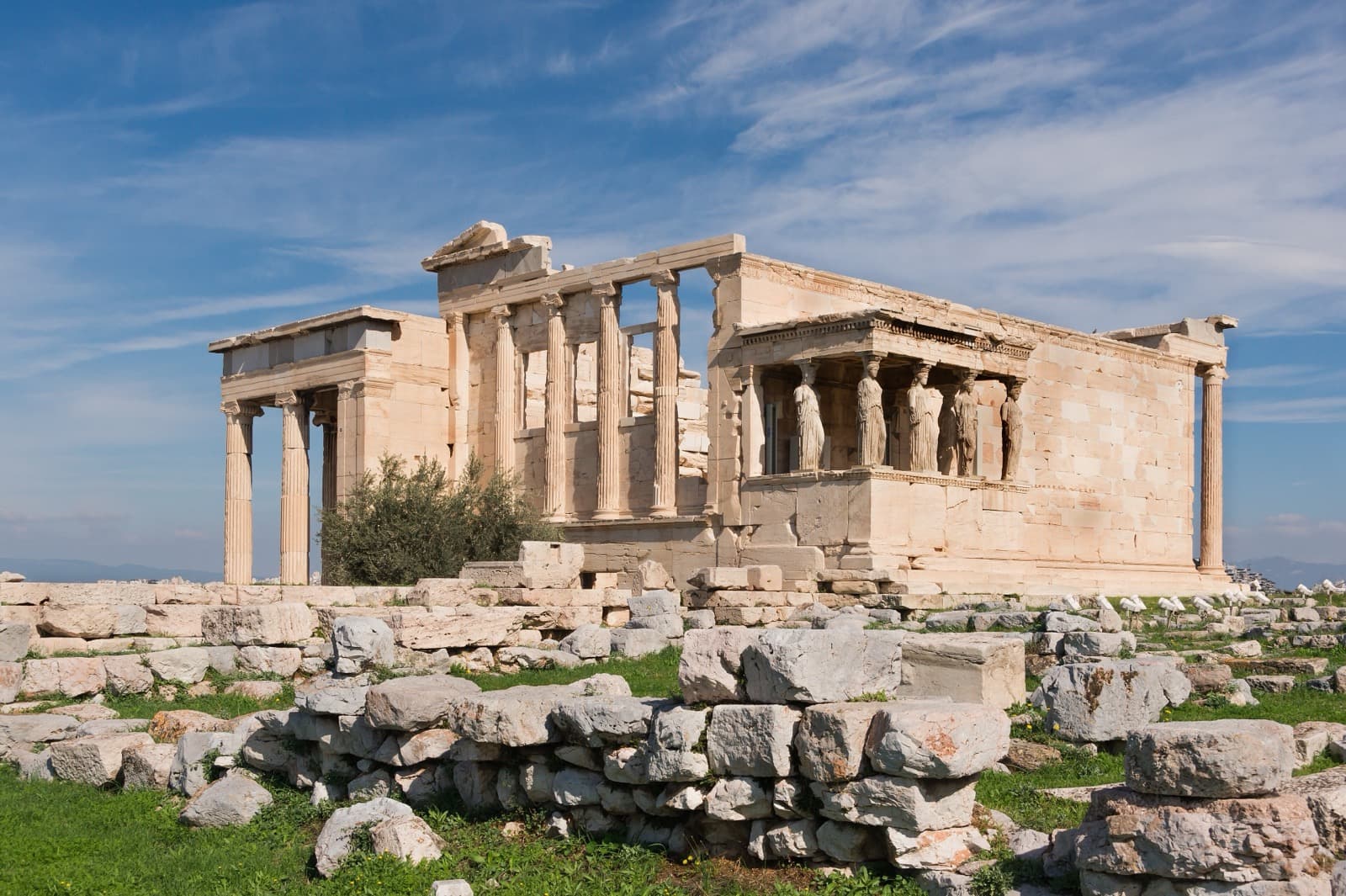
The Caryatids: The Maidens of the Erechtheion
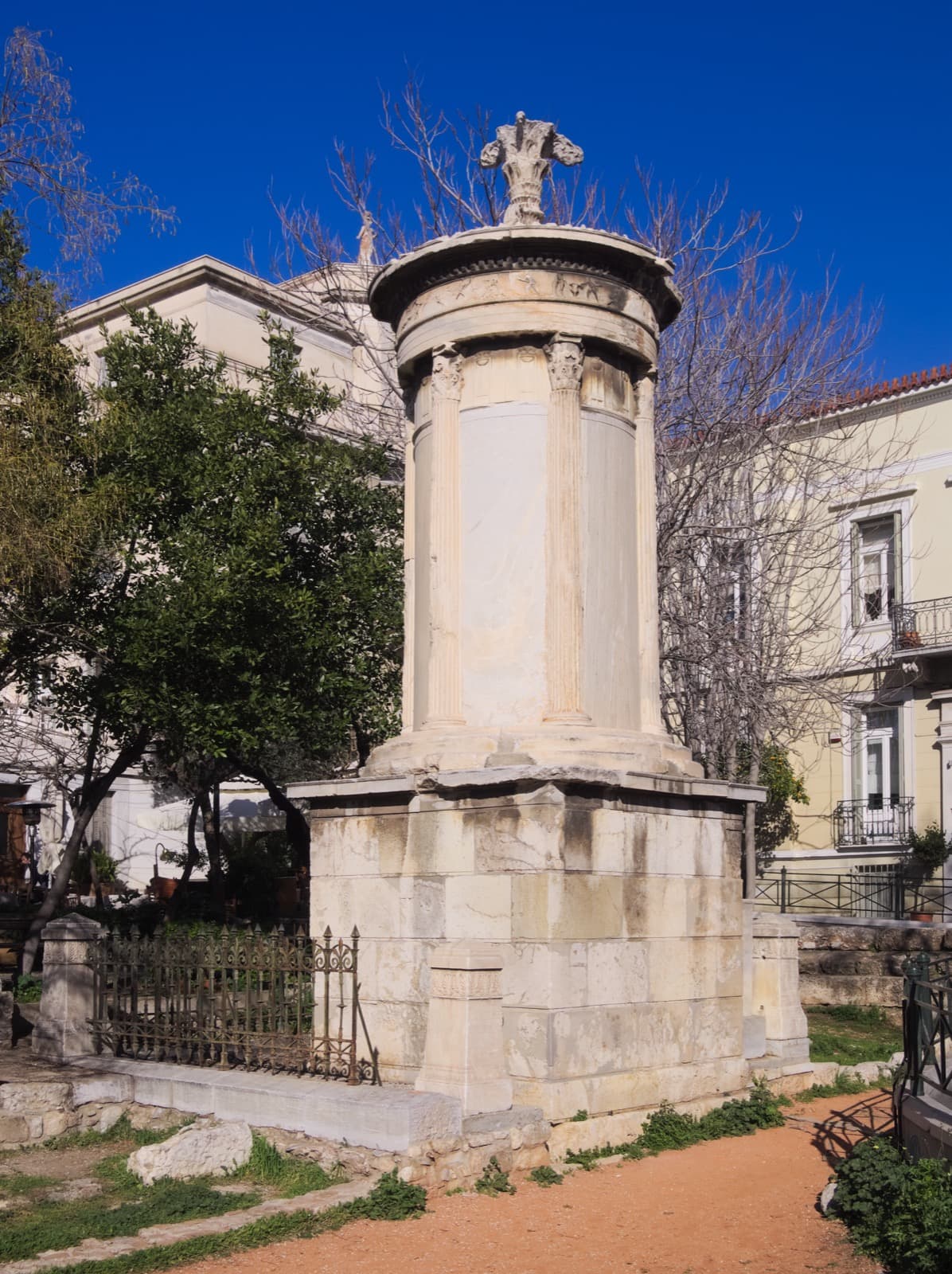
The Choragic Monument of Lysicrates: A Trophy Case That Changed Architecture