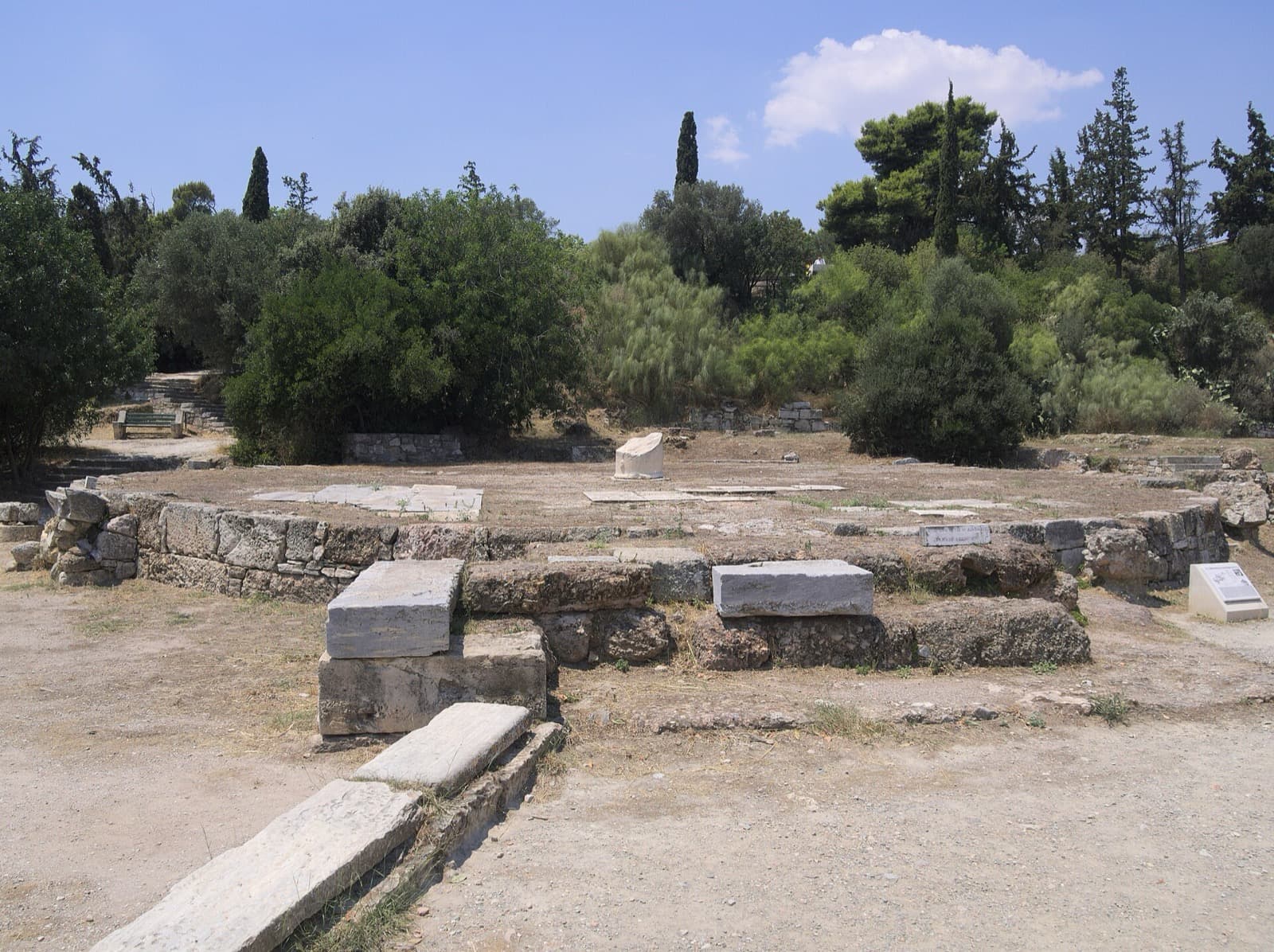
Athenian democracy was not an abstraction that lived on the Acropolis. It was a working office, and it ran on the flat, unglamorous ground of the Ancient Agora, staffed around the clock by ordinary citizens chosen by lot. The two buildings that housed that office sit close together on the western edge of the site: the Tholos, a round building where the government literally never slept, and the Bouleuterion, the council house where five hundred citizens met almost every day. Stand between their low foundations and you are standing in the machinery of self-government, not the monument to it.
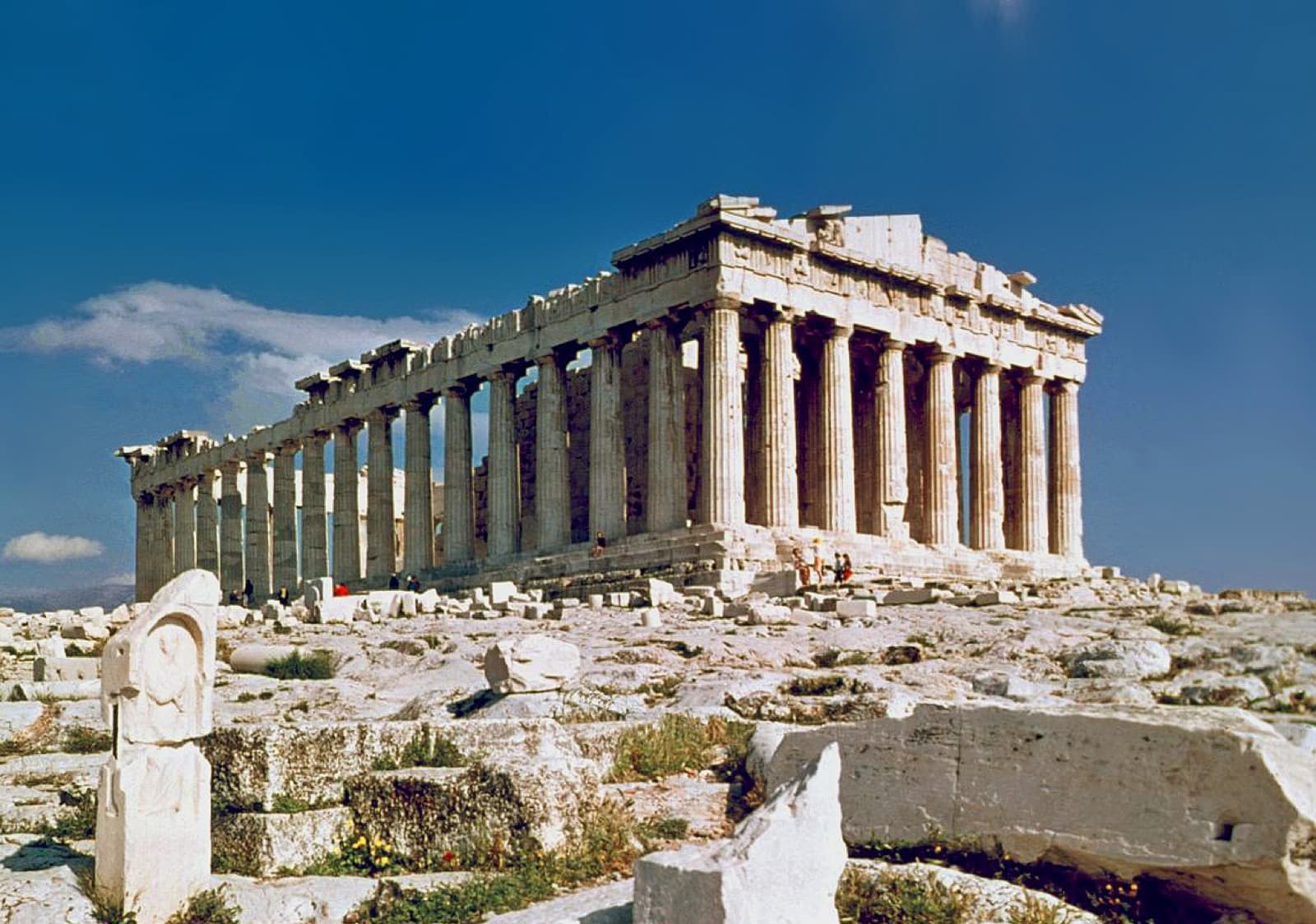
Most people never look here. The postcard pulls the eye upward to the Parthenon, the sacred rock crowning Athens. But the invention that changed the political world happened down at the foot of that rock, on ground most visitors cross in a hurry. The tour "Where the Citizens Stood" reads this marketplace as the ground floor of the Western idea of the citizen, and the Tholos and Bouleuterion are its working heart. Understanding them is the fastest way to understand why the whole walk is worth taking slowly.
The round building that never slept
Begin with the round one. The Tholos was built about four hundred and seventy B C, and it solved a very practical problem. Athens was run day to day by a Council of Five Hundred, five hundred ordinary citizens chosen by lottery rather than elected, each serving for a single year. Five hundred people cannot be on duty at every hour, so the council rotated. At any given time, fifty of them, called the prytaneis, formed a standing committee. Each group of fifty served for one tenth of the year before handing off to the next.
Those fifty men were fed here, in the Tholos, at public expense. And here is the detail that turns the idea into a fact you can feel: at least seventeen of them slept in this round building every single night, so the state always had officials on hand in case of emergency. The Greek Ministry of Culture describes it plainly as the place where these presidents could be found on duty day and night. They handled correspondence, received foreign envoys, and managed the state's daily affairs. This was not a ceremonial post. It was the night shift of a functioning government, run by people who, a year earlier, might have been potters or farmers.
Selecting officials by lot rather than election was central to the whole Athenian idea. It gave every citizen an equal chance to govern and guarded against the entrenchment of a political class. Nearly any citizen might serve on the council at some point in his life. The Tholos is where that principle stopped being philosophy and started being a rota, a kitchen, and a set of beds.
The council house next door
Hear a stop from this walk
The Areopagus: The Hill of Justice
A few steps uphill stood the Bouleuterion, the council house itself, where all five hundred met almost every day. Their job was not to make the final decisions. It was to prepare the business: to draft and debate the proposals that the full citizen assembly would later vote on. Think of it as the committee stage of the entire democracy, the place where raw argument was shaped into something the assembly could actually decide.
The Old Bouleuterion here dates to about five hundred B C, right after the reforms of Cleisthenes. It was later replaced by a newer chamber, and the old one was repurposed as the Metroon, the state archive. That single building therefore did two jobs across time: first a debating chamber, then a records office that safeguarded laws, decrees, and financial records for centuries. There is something fitting in that. A democracy that argued in the open also needed a place to keep the paperwork, and the Athenians simply reused the room where the arguing had once happened.
Why the anchor explains the whole walk
The Tholos and Bouleuterion are the turn where the tour's argument locks into place, and every other stop reads differently once you have stood here. Just across the open ground, on the western side, stood the Monument of the Eponymous Heroes, more than sixteen metres of marble base topped by ten bronze statues. It was the city's official noticeboard. Proposed laws went up there for citizens to argue over before a vote, and so did the blunt practical lists, military muster rolls and jury summonses, posted directly beneath each tribe's own hero. Those ten tribes were the invention of Cleisthenes, who in five hundred and eight or five hundred and seven B C reorganised the whole population into ten new groups to break up old regional loyalties. The noticeboard sat opposite the council buildings on purpose: information hub beside decision-making chamber.
Walk a little further and democracy shows its sharpest edge. Once a year the Athenians could hold an ostracism, handing in potsherds scratched with the name of a citizen they wanted gone. If the votes reached six thousand, the man named most often was exiled for ten years, though he kept his citizenship and his property. This is not legend. Archaeologists have dug more than eleven thousand inscribed ostraka out of the Agora and the nearby Kerameikos, including a single deposit of roughly nine thousand found in the nineteen sixties, many scratched with identical names. The same ground held the popular courts where juries of hundreds, again chosen by lot, judged ordinary cases. A jury like that condemned Socrates.
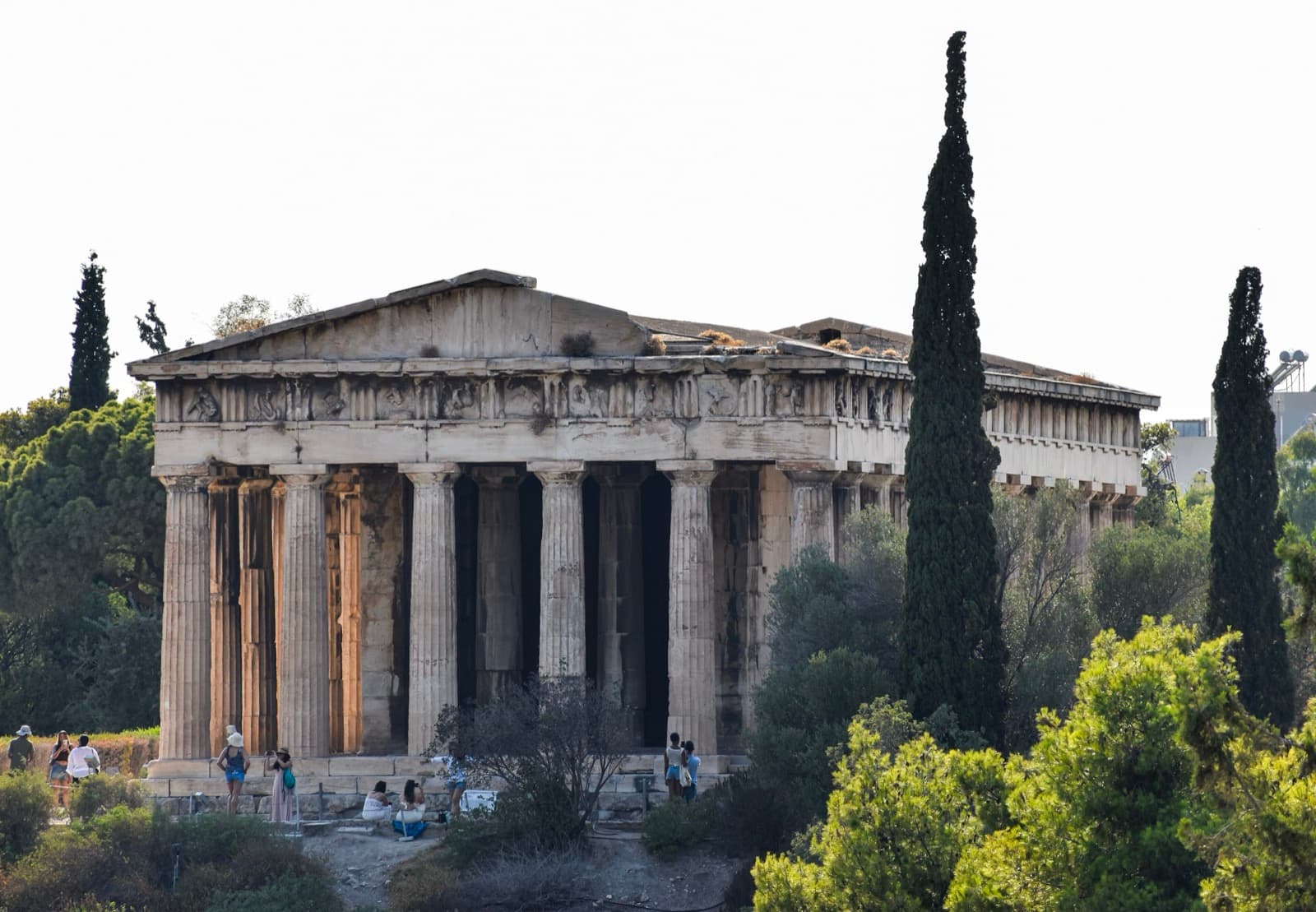
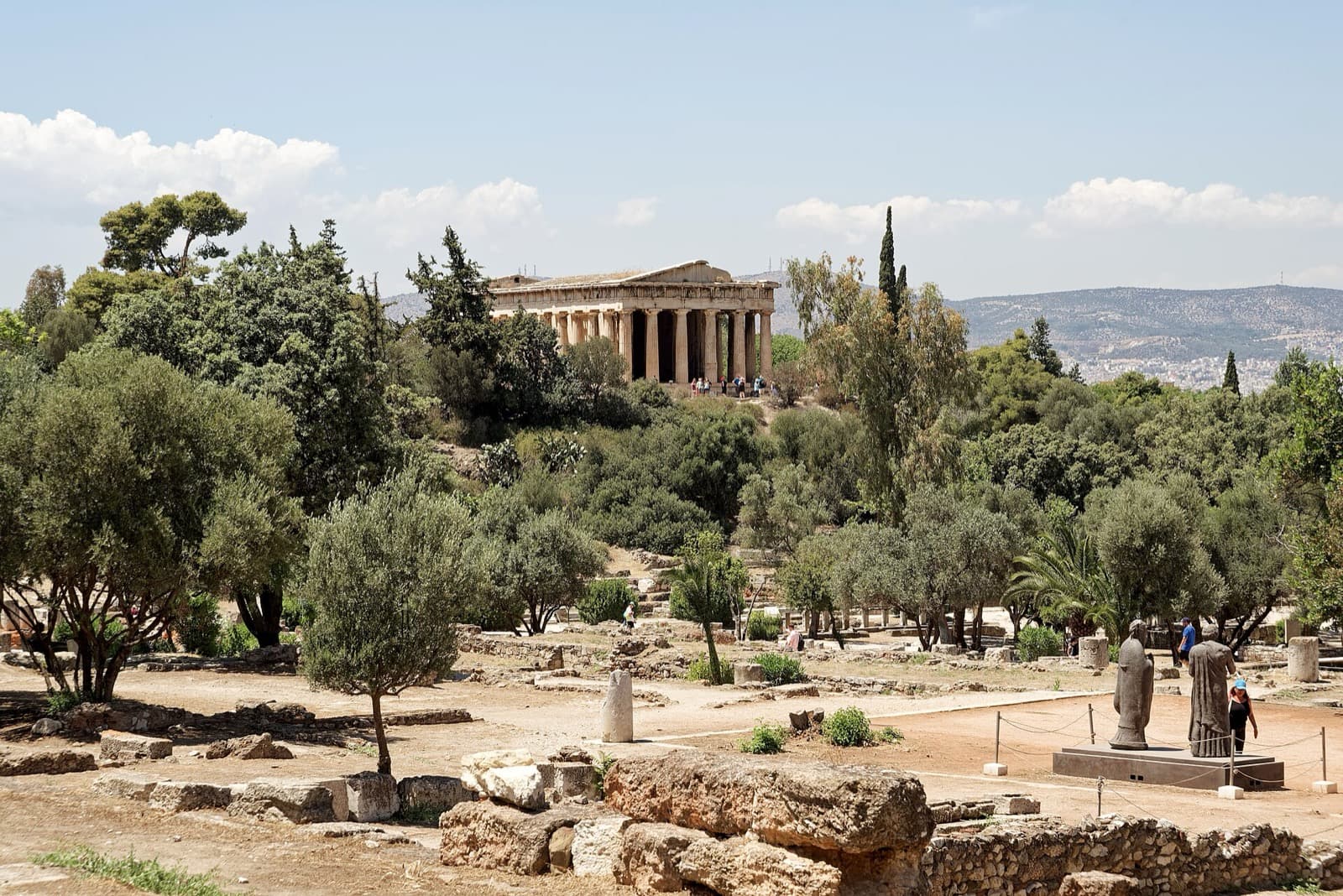
The rest of the route widens the frame. The Temple of Hephaestus, built between about four hundred and forty-nine and four hundred and fifteen B C, still stands nearly whole because it served as the church of Saint George Akamates from roughly the seventh century until eighteen thirty-four. The small Church of the Holy Apostles, built around the year one thousand, was one of only two buildings spared when excavators cleared the later neighbourhood. And the Areopagus, a bare rock just outside the fence, gives you the view that ties it together: the council house, the courts, the noticeboard, and the temple laid out below, with the Acropolis rising behind. From that rock you see both the postcard and the machinery at once.
That is the case for walking the full route rather than glancing at one ruin. The Tholos gives you the human scale of self-government, the committee that never went home. The rest of the stops show you what that committee governed. If you want to see how this tour fits among other routes through the city, browse our Athens walking tours, or start planning from the Athens city page. Bring water, wear shoes with grip, and go early or late. The Agora offers almost no shade, and the ground rewards a slow pace.
Sources
- Ancient Agora of Athens, Wikipedia. Overview of the site, its buildings, and the American excavations that shaped what visitors see today.
- Tholos (Ancient Agora), ToposText. Reference entry on the round building of the prytaneis and its function within the Council of Five Hundred.
- Monument of the Eponymous Heroes, Wikipedia. Background on the ten tribes of Cleisthenes and the monument's role as the city's public noticeboard.
- Ostracism, Wikipedia. Account of the practice, the surviving ostraka, and the Kerameikos deposit uncovered in the twentieth century.
- Temple of Hephaestus, Wikipedia. On the temple's construction, its survival as a church, and its standing as the best-preserved ancient Greek temple.
Ready to experience it?
The Ancient Agora: Where the Citizens Stood
85 min · 2 km · moderate
More from Athens
Explore more at your own pace.
Athens: The Ground Floor of the Western City
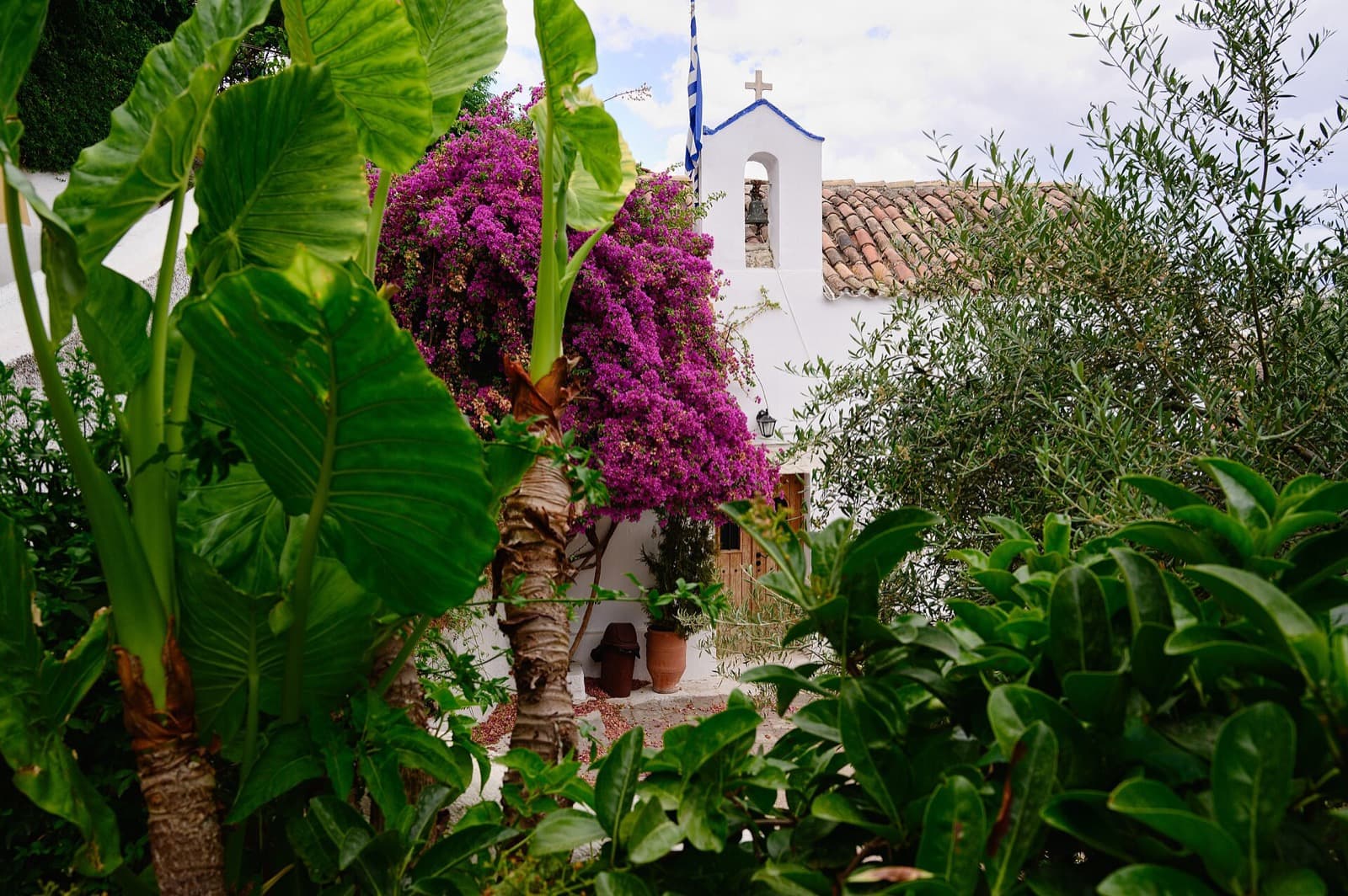
Anafiotika: The Cycladic Island Village Hiding on the Acropolis Slope
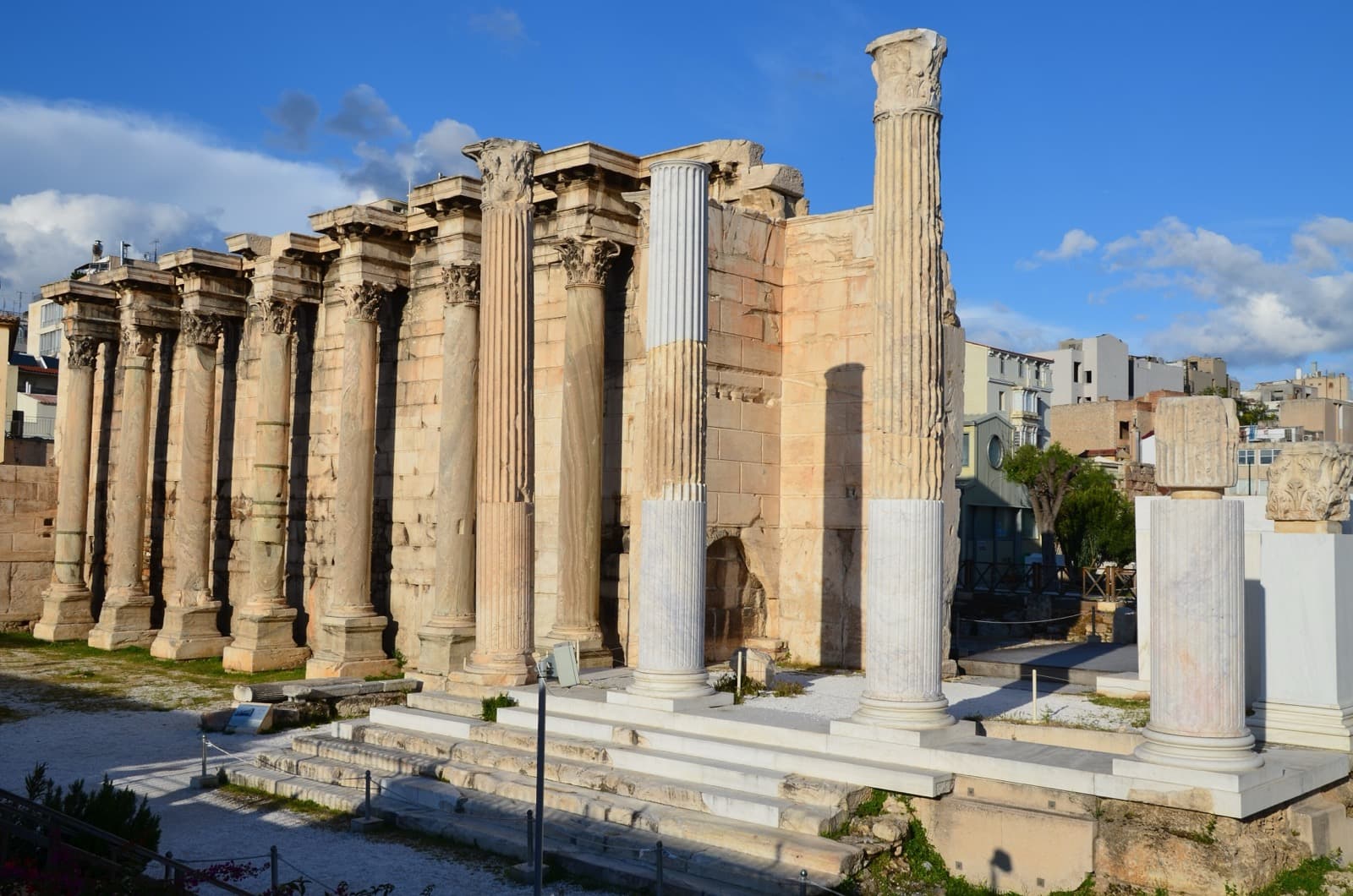
Hadrian's Library: The Roman Wall That Anchors Monastiraki
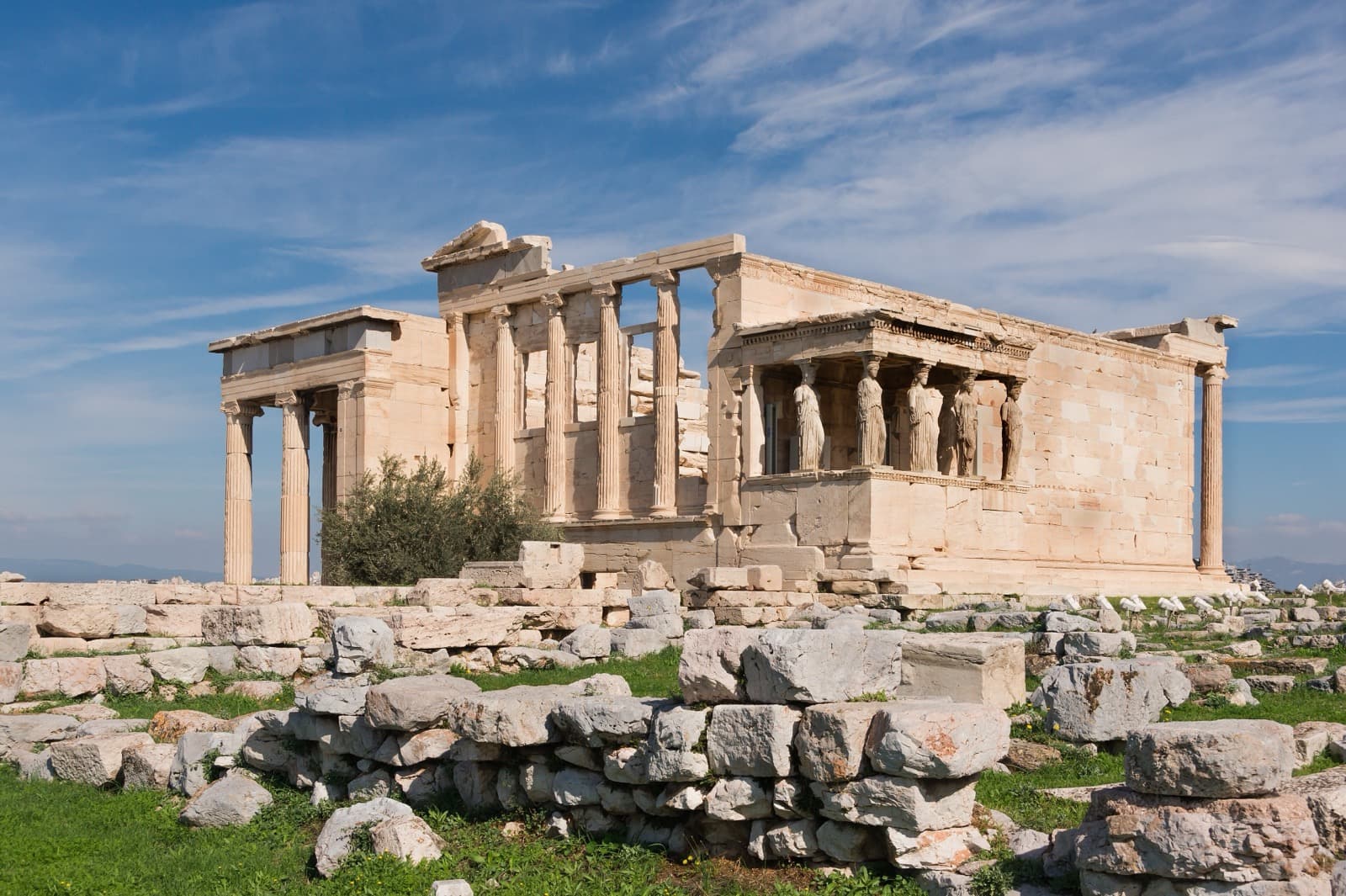
The Caryatids: The Maidens of the Erechtheion
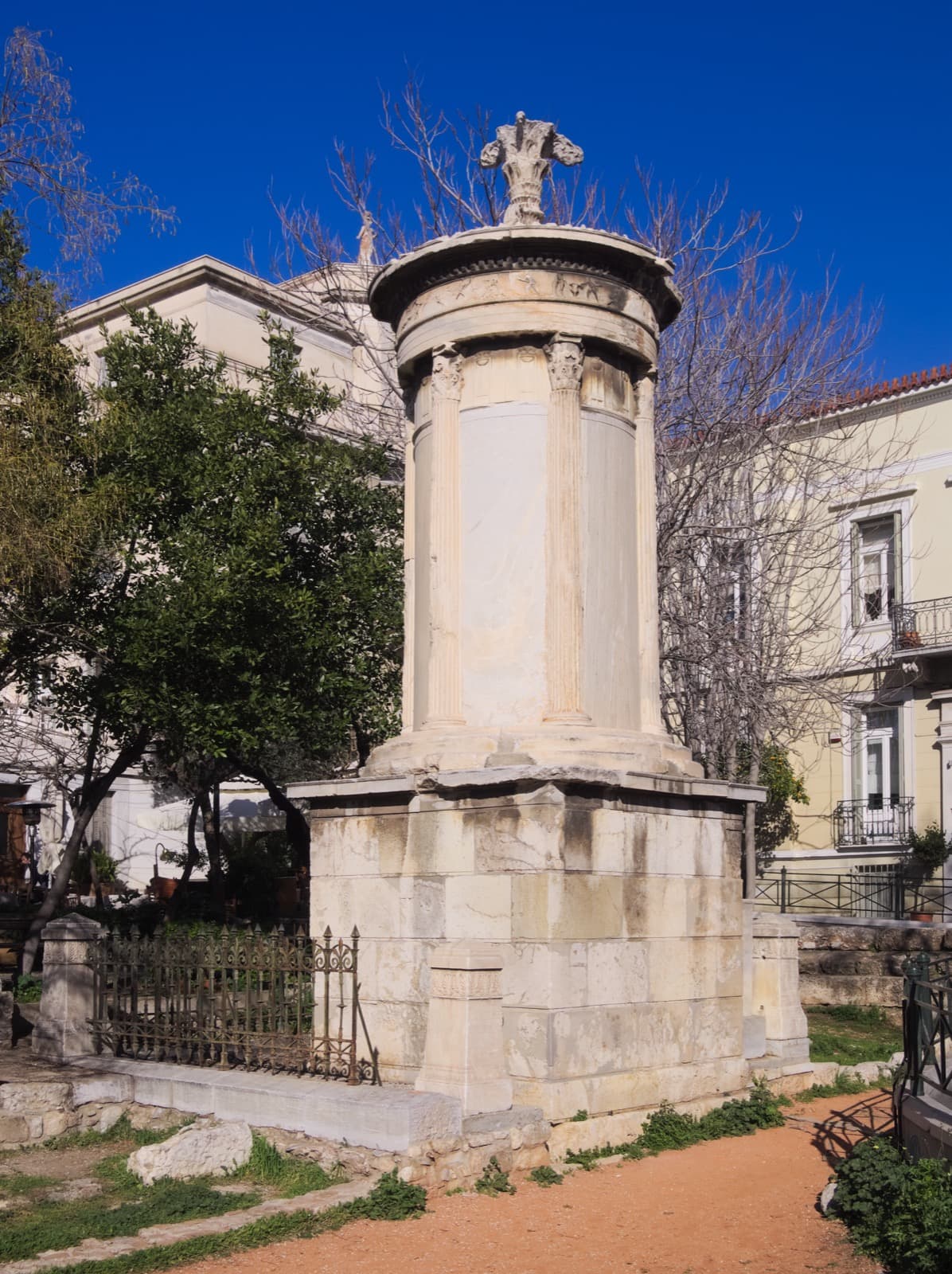
The Choragic Monument of Lysicrates: A Trophy Case That Changed Architecture