Taj Mahal: A Paradise Garden Built to Face the River
70 min · 1.3 km · easy
In 1632 an English East India Company merchant, Peter Mundy, was in Agra while Shah Jahan's tomb for Mumtaz Mahal was being begun. He watched the emperor appoint places "for streets, shopps" and dwellings beside it, ordering merchants, shopkeepers and craftsmen to come and live there, in a town "called by her name, Tage Gunge." That town is still there. Taj Ganj, also known as Mumtazabad, is the crowded neighborhood south of the Taj Mahal, and it is as old as the tomb and part of the same plan.
One line from the tomb to the town
Archnet describes the Taj Ganj market as "aligned on axis with the southern entrance gate of the Taj complex", laid out on the same module of measurement as the tomb's forecourt. The official Taj site describes the levels stepping down toward the river: from the bazaar to the forecourt, from the forecourt to the garden, from the garden to the river. A town at the top, a tomb in the middle, the Yamuna at the bottom.
Scholars of the Taj, following Ebba Koch, describe the town's heart as a square divided by two cross streets with gates to the four directions and four caravanserais, the walled courts of rooms round a yard where traveling merchants lodged and traded. The names those courts carried are recorded as Katra Omar Khan in the north-west, Katra Fulel, the perfume market, in the north-east, Katra Resham, the silk market, in the south-west, and Katra Jogidas in the south-east. Hold the names lightly: the book was not opened for our walk. One survey name agrees: the old gateway in the north-west lane is mapped as "Kuttra Omurkhan".
Rents for a tomb
Hear a stop from this walk
East Riverfront: The Moonlight Garden
The town was commercial from the first day, and its rents were part of the money that kept the tomb running. Archnet calls it a shopping district in the 1640s, past its peak by the 1650s and still trading when the first colonial travelers came. Today the lane to the East Gate is lined with marble-inlay showrooms; no shop is part of the walk, and the town still lives off the tomb, as it was built to.
Gates the Survey still protects
The Archaeological Survey's list of protected monuments names exactly the places the walk stands at: the "Dakhini darwaza in Mohalla Tajganj", the southern gate, and a "Gateway in the interior of Tajganj". The Dakhini Darwaza stands about 330 meters south of the Taj's own South Gate, on the same line; Archnet's figure for the caravanserai's length on the old module fits that distance, so it is very probably the plan's south gate.
The household round one grave
The emperor's other wives are buried at the Taj's edges. The Survey gives the tombs at the forecourt's south-east and south-west corners to two of Shah Jahan's other wives, Akbarabadi Begum and Fatehpuri Begum. Outside the West Gate stands the Fatehpuri Masjid, a mosque named for, or made by, Fatehpuri Begum, who is also remembered at the far end of Chandni Chowk in Delhi. The walk ends at the Kali Masjid, the Black Mosque, a hundred meters from the East Gate, with a tomb beside it. Tradition names Kandahari Begum, whom Shah Jahan married in 1610, two years before Mumtaz Mahal; the records do not say. Every other attribution among these tombs is tradition too, and the walk says so.
Walking it
Taj Ganj: The Town Built for the Taj is free and needs no ticket: ten stops over about 1.6 km, about an hour, on public lanes outside the Taj's ticket check. It starts at the Taj's South Gate, which is now an exit only, so it follows naturally from the Taj Mahal walk, and finishes by the East Gate. The Taj is closed on Fridays; the town is quieter then, and the walk still works.
The lanes are narrow and shared with motorbikes and handcarts, and people live here, so ask before photographing anyone. Go in daylight. Traffic drives on the left, and the Canadian government's advice is to be very careful crossing the street, even at crossings. Buy Taj tickets only at the official counter or website. For the tomb itself, read the mausoleum piece.
Ready to experience it?
Taj Mahal: A Paradise Garden Built to Face the River
70 min · 1.3 km · easy
More from Agra
Explore more at your own pace.
Agra Monument Tickets, Hours and Closures (Checked November 2026)
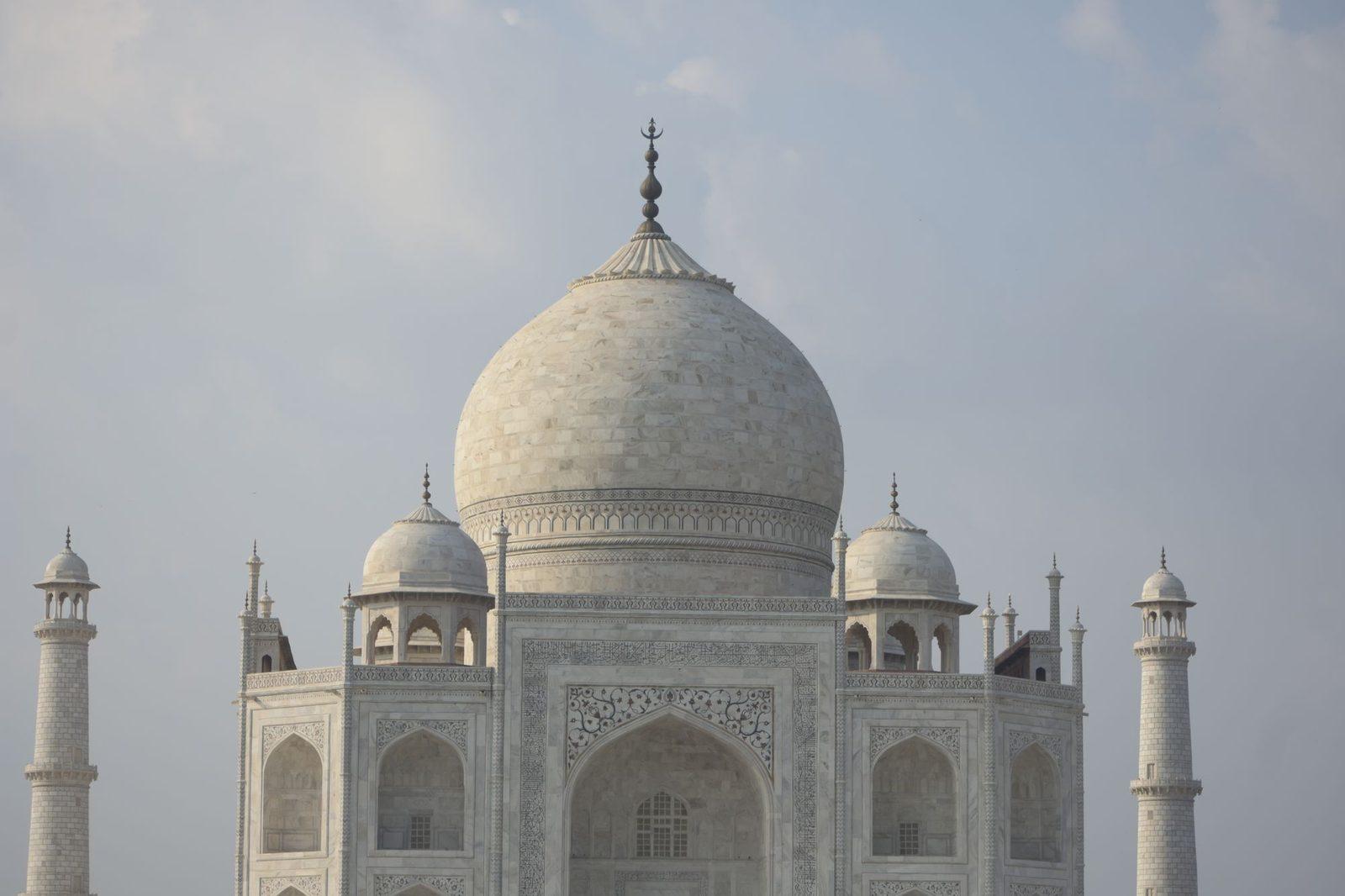
Mughal Tombs of Agra: From Akbar's Grave to the Taj Mahal
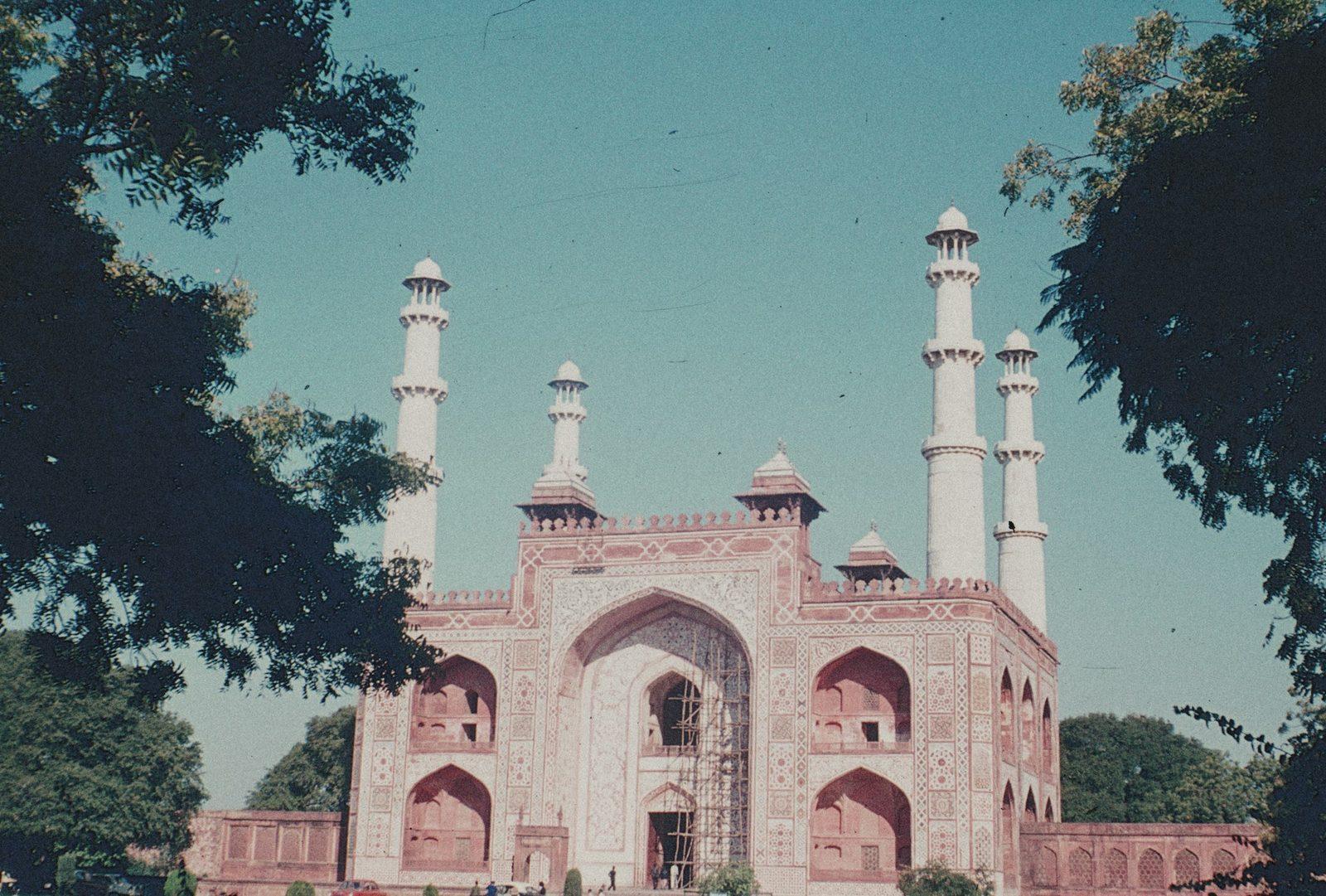
Akbar's Tomb, Sikandra: The Grave His Son Rebuilt
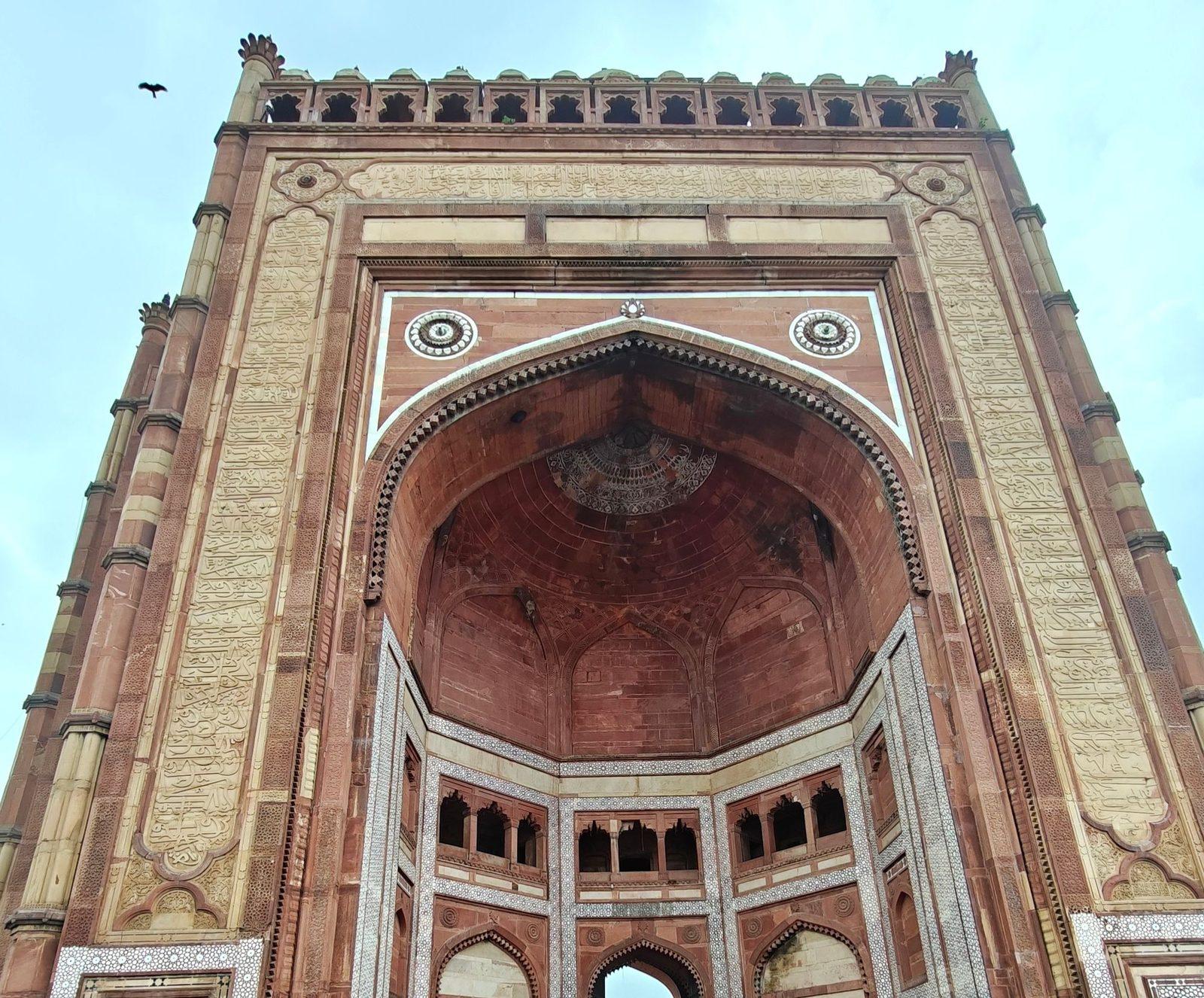
Fatehpur Sikri: Akbar's Red City and the Names It Borrowed
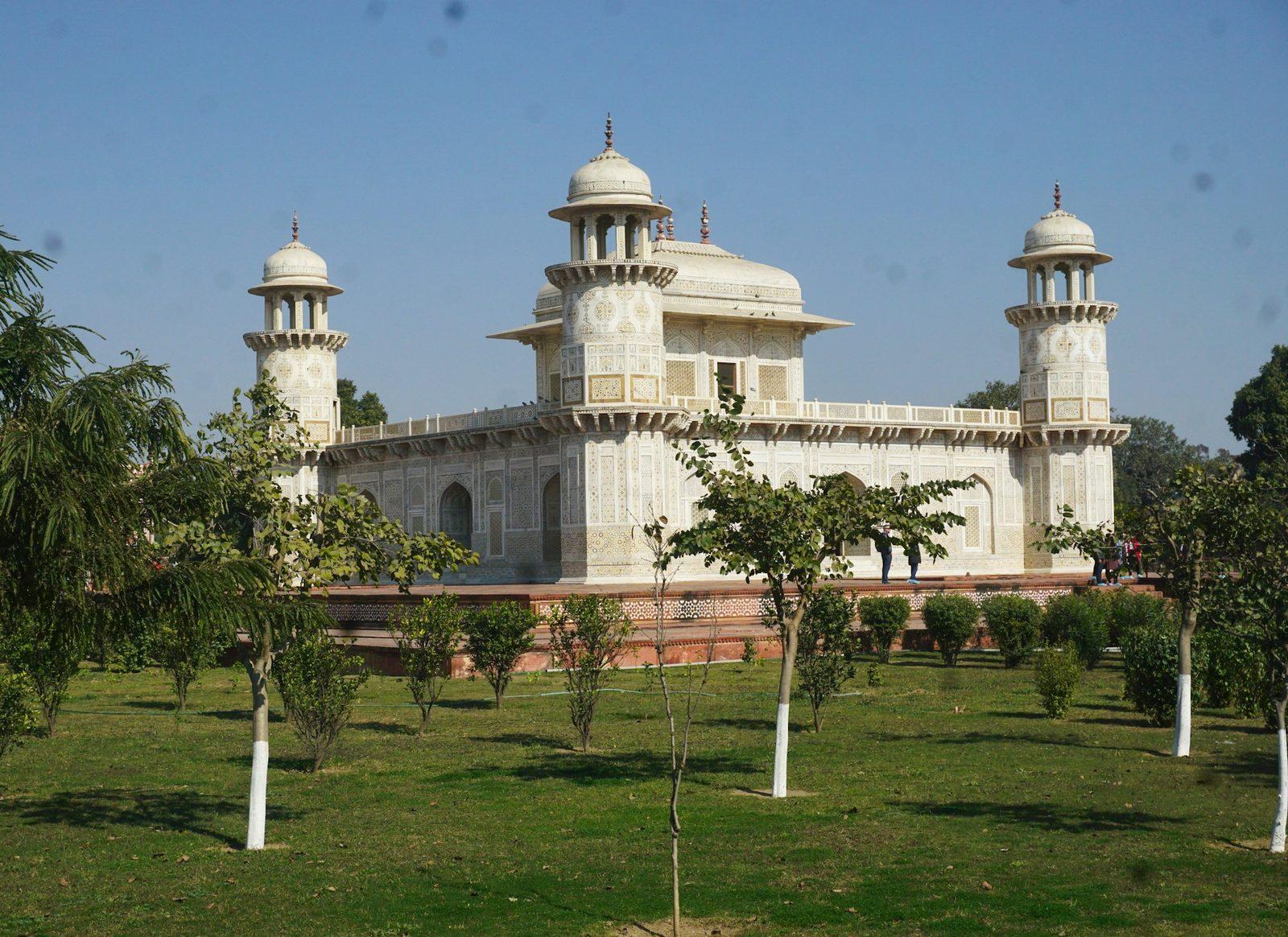
Itimad-ud-Daulah, Agra: The Baby Taj That Came First