Agra Fort: Akbar's Red Stone to Shah Jahan's Marble
60 min · 0.9 km · easy
Fatehpur Sikri is a whole imperial capital in red sandstone on a ridge nearly forty kilometers west of Agra. The emperor Akbar built it from about 1571 and ruled from it until 1585; then the court moved north to Lahore and never really came back. The stone survived so well that you can walk room to room. What the city lost were its names. Many of the labels you will hear were given later, and the honest way to walk it is to know which.
A city round a saint
The Archaeological Survey gives the reason the city is here. A Sufi saint, Shaikh Salim Chishti, lived on this ridge; Akbar revered him, and the saint had blessed him with a son, born in 1569 and named Salim, who became the emperor Jahangir. Akbar moved his court to Sikri, the Survey says, for thirteen years, from 1572 to 1585, and named it Fathabad; it came to be known as Fatehpur Sikri. UNESCO calls it the first planned city of the Mughals. The Jama Masjid, UNESCO notes, was built first, completed in 1571-72, before the palace.
Names given later
Hear a stop from this walk
Governor's Grave: 1857
The building names are the walk's thread, because so many are guesses. E. W. Smith, writing for the Archaeological Survey in the 1890s, put it bluntly:
- The largest house in the palace is "erroneously known as Jodh Bai's Mahal". Jahangir's mother was the daughter of Raja Bihari Mal, known by the title Maryam-uz-Zamani; Jodh Bai was a wife of Jahangir.
- The Golden House called Mariam's: the story that a Portuguese Christian wife of Akbar lived there has, Smith says, no support in the chronicles, which never mention such a marriage. He adds that guides spread it because it brought them extra tips.
- Birbal's House is Birbal's "according to tradition"; a carved inscription dates it to 1571.
- The room called Akbar's bedroom is tradition, and so is the throne said to have sat on top of the single carved pillar in the Diwan-i-Khas.
Even the hall where Akbar held his famous debates between faiths, the Ibadat Khana, has been placed by scholars in seven or eight different buildings. Nobody has settled it.
What is not a guess is the Panch Mahal, a five-story pavilion of columns, each floor smaller than the one below, which UNESCO compares to a Persian wind-catcher tower. Smith counted 84 columns on the ground floor and four at the top.
The gate that says the world is a bridge
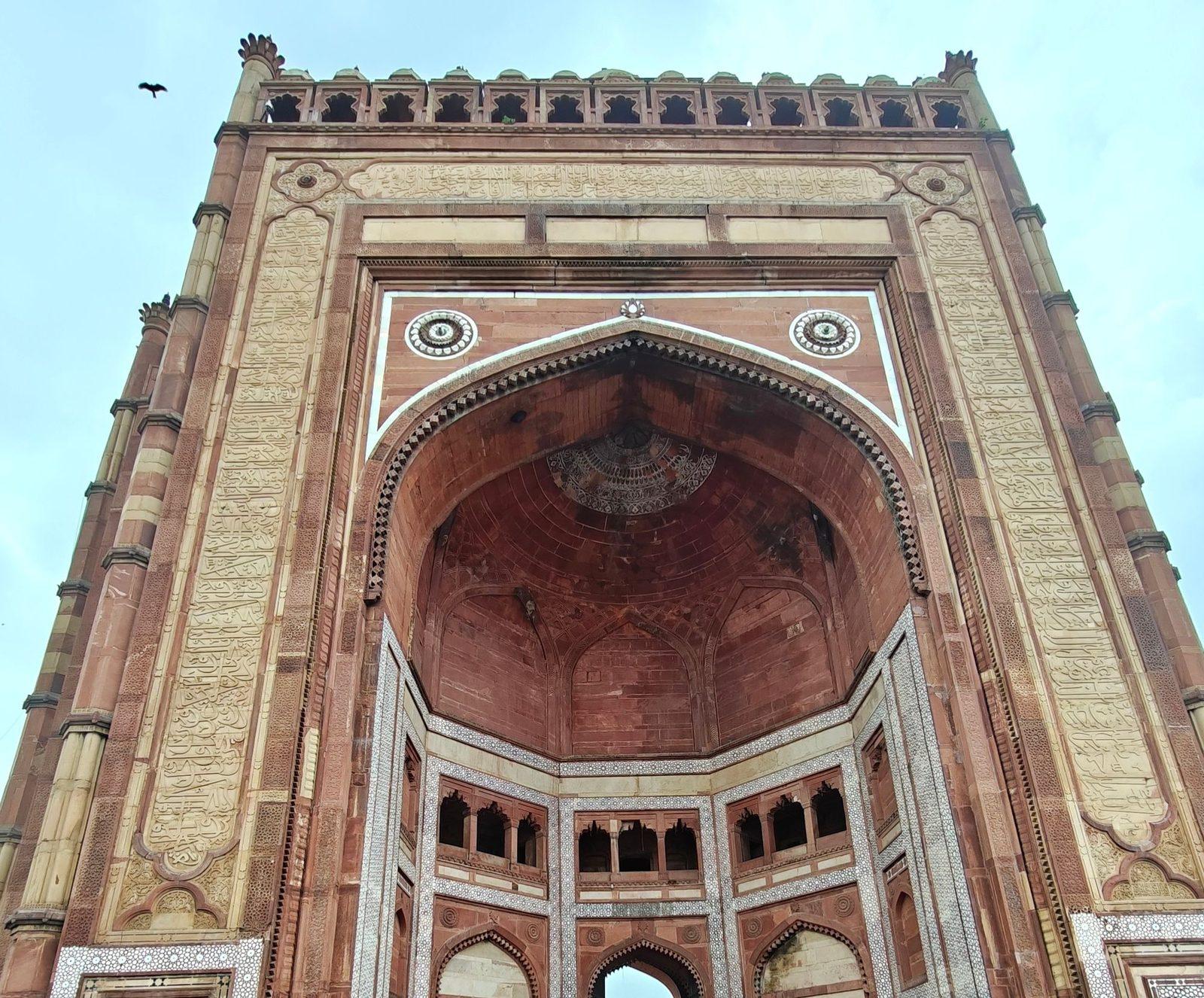
The Buland Darwaza, the lofty gate, rises about forty meters above the mosque court. Its date is argued. UNESCO says it was completed in 1575 to mark the conquest of Gujarat; Smith read the inscription inside the arch as celebrating Akbar's victories in the Deccan in the Hijri year 1010, about 1601, and thought it a late triumphal arch. Either way, it was built to say he won.
On the same arch is a saying attributed to Jesus, which the old Archaeological Survey translated as: "The world is a bridge, pass over it, but build no house there." Akbar built a whole city here and left it within about fourteen years.
Why it was left
UNESCO and the Survey give no cause beyond the move to Lahore in 1585. The popular story is that the water ran out, but the historian S. A. N. Rezavi's survey of the city's waterworks found a dammed lake and wheels that lifted water up the ridge in stages. People still argue about why; the water story is only one answer.
Walking it
Fatehpur Sikri: The Red City Akbar Built and Left has thirteen stops over about 1.2 km, about 80 minutes, ending down the long, steep stair of the Buland Darwaza. The palace is open every day from sunrise to sunset; by the Survey's page the foreign visitor fee is 600 rupees at the counter and 550 online, and 50 rupees in cash for Indian, SAARC and BIMSTEC citizens, with the district page printing 610 (checked 22 November 2026). The ticket is not included with the walk. The mosque, the saint's tomb and the gate are free. The mosque is a living place of prayer: shoes come off before its courtyard, keep shoulders and knees covered, and avoid Friday midday. Nobody needs to buy anything to enter, and the district advises using only authorized guides. Akbar's palace style is easy to compare with his Jahangiri Mahal at Agra Fort.
Ready to experience it?
Agra Fort: Akbar's Red Stone to Shah Jahan's Marble
60 min · 0.9 km · easy
More from Agra
Explore more at your own pace.
Agra Monument Tickets, Hours and Closures (Checked November 2026)
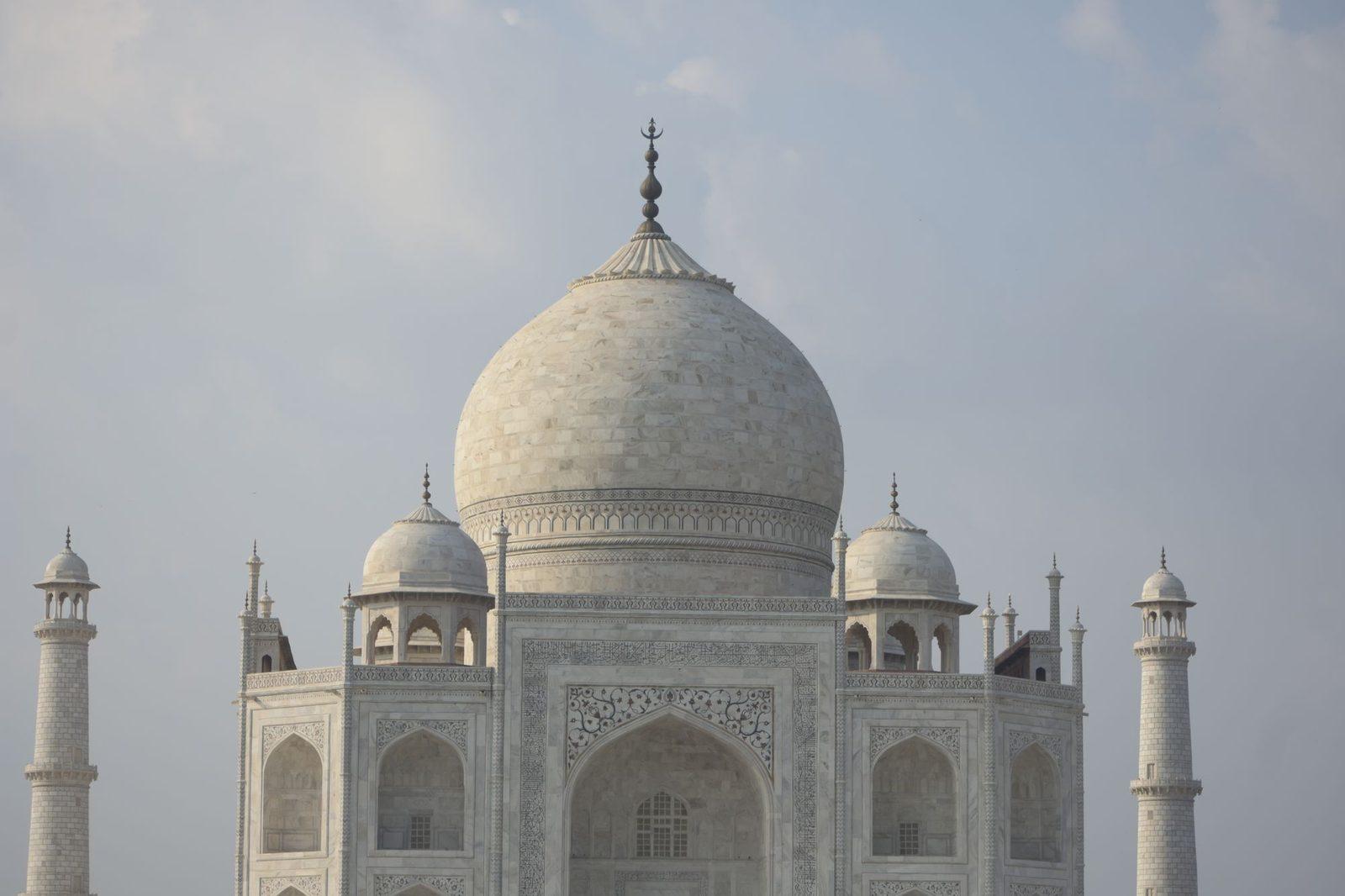
Mughal Tombs of Agra: From Akbar's Grave to the Taj Mahal
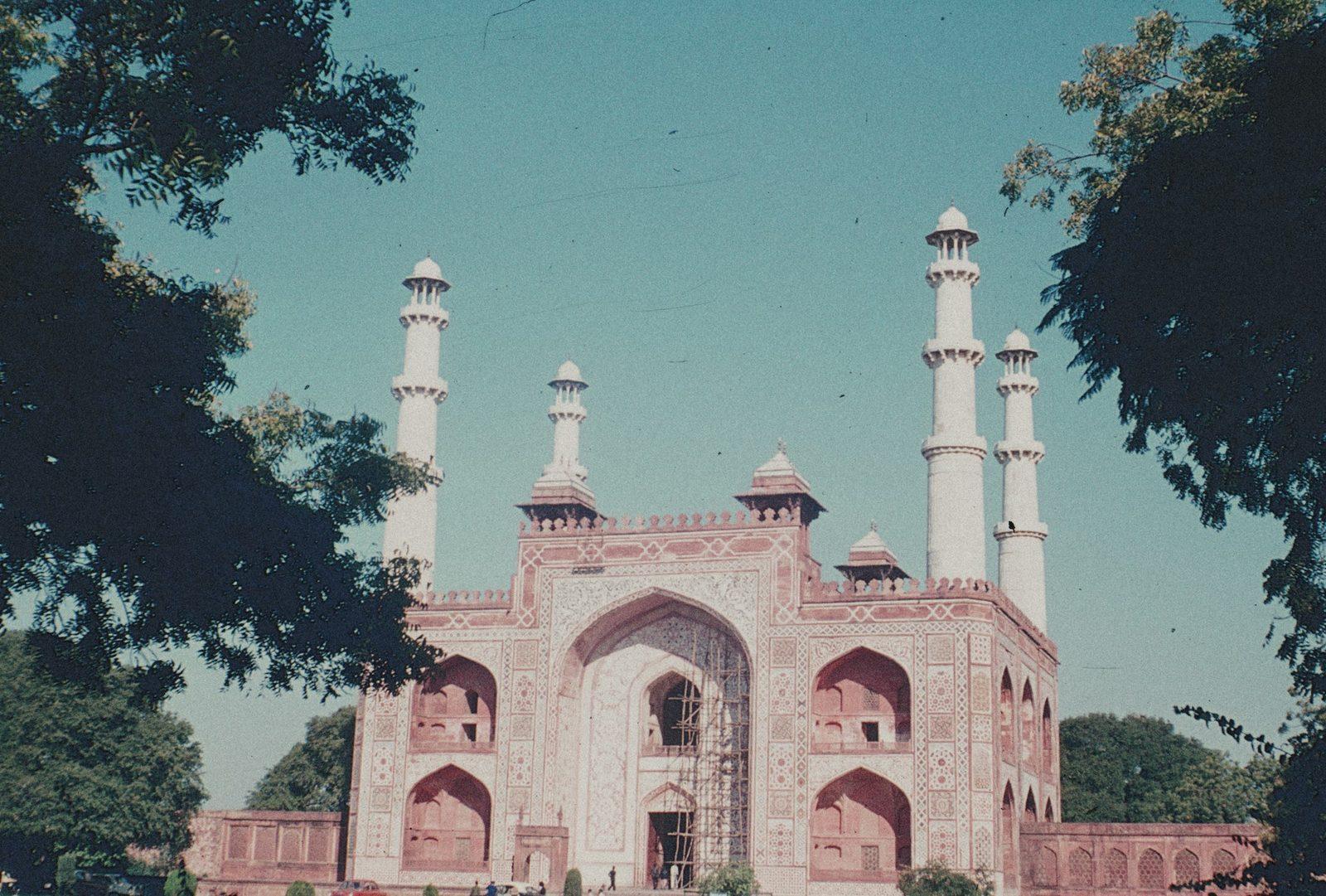
Akbar's Tomb, Sikandra: The Grave His Son Rebuilt
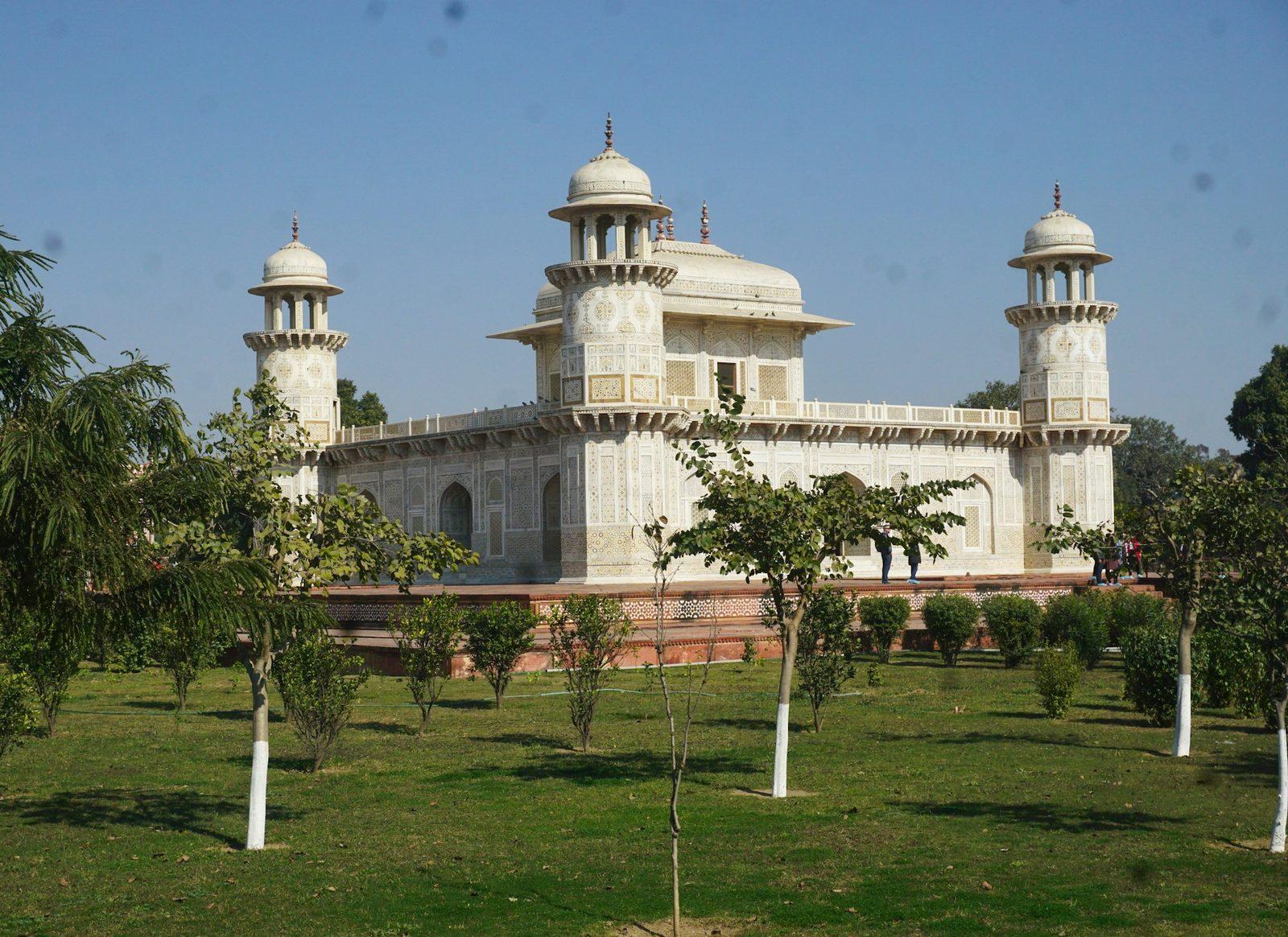
Itimad-ud-Daulah, Agra: The Baby Taj That Came First
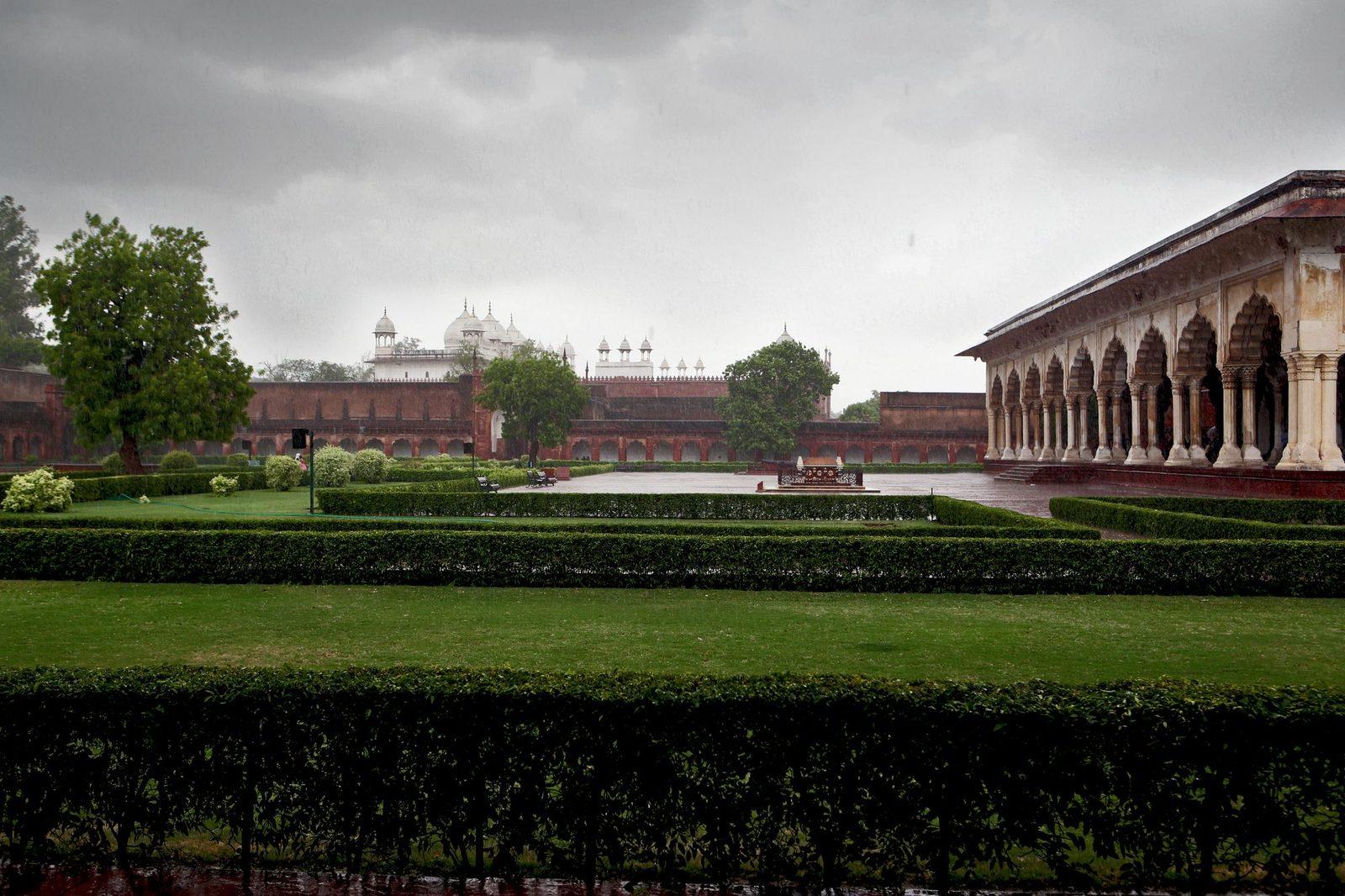
Musamman Burj, Agra Fort: A Tower of Justice and Confinement