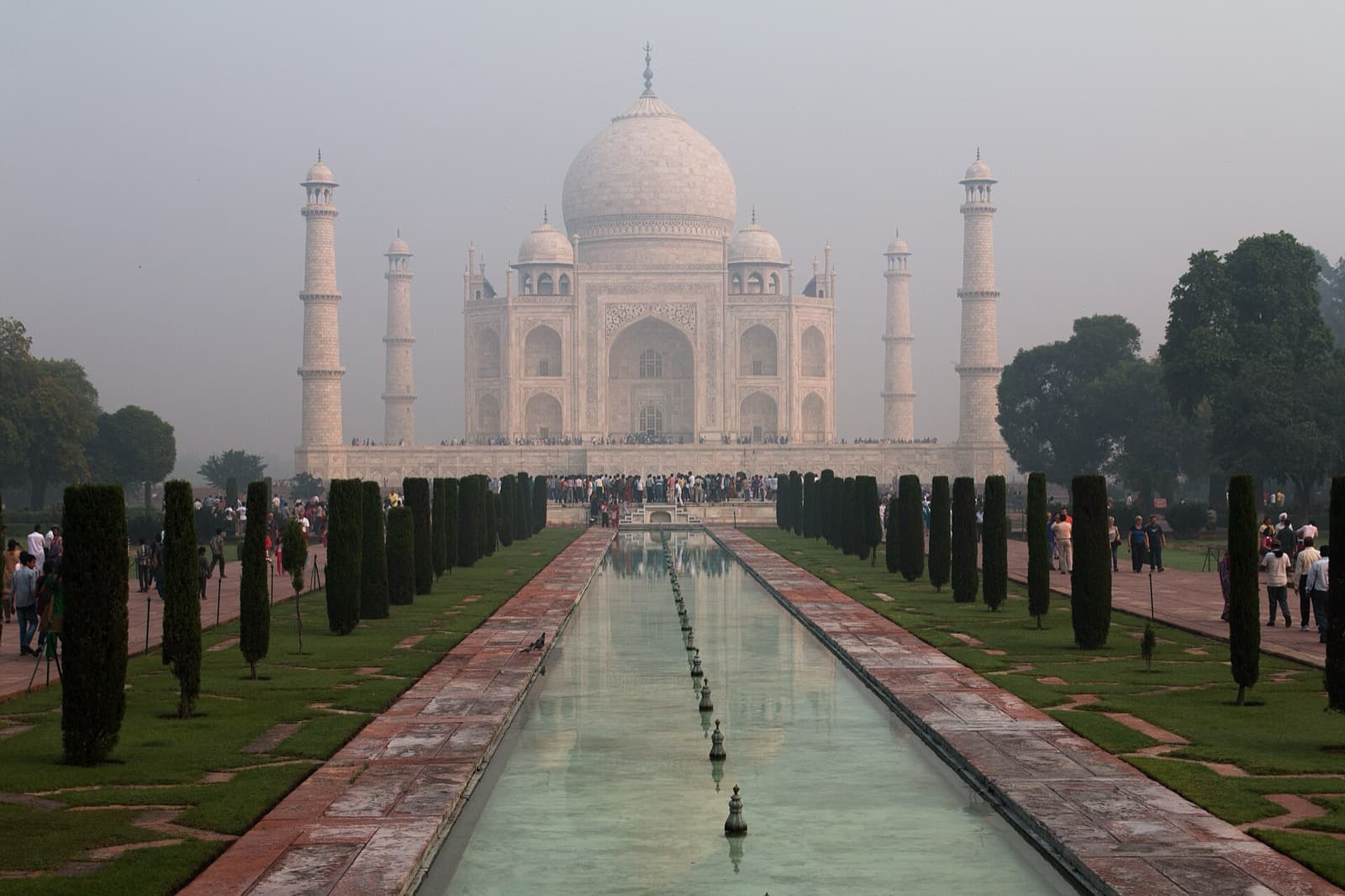
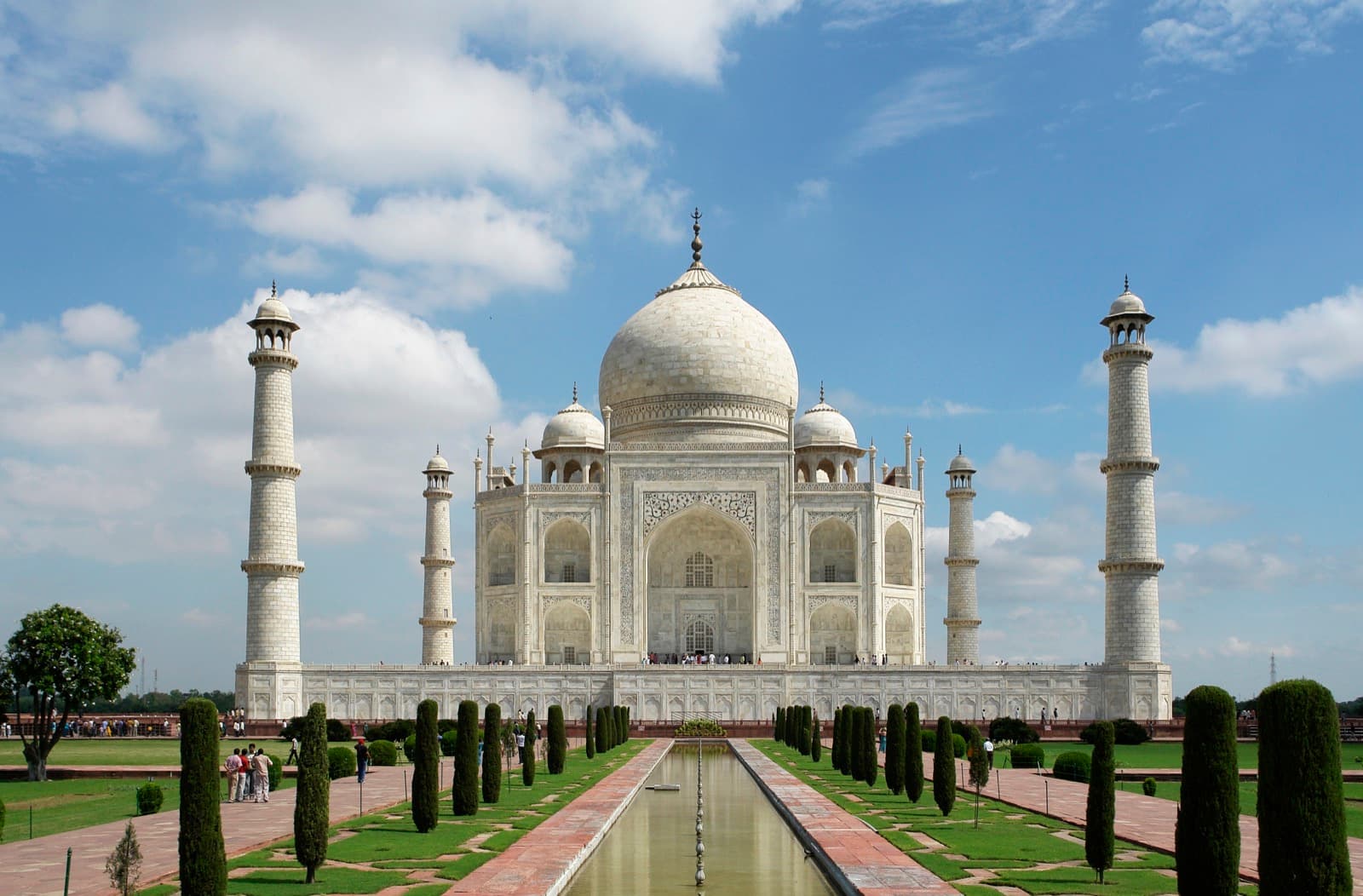
Taj Mahal: An Emperor's Monument to Grief
90 min · 1 km · easy
Agra rewards two to three days: one for the Taj Mahal and Agra Fort, a second for Fatehpur Sikri, and an optional third for the quieter Mughal sites. You get around by auto-rickshaw and electric rickshaw, visit best from October through March, drink only bottled water, and decline the touts firmly. This guide answers the practical questions before you route into the walks themselves.
Most travelers treat Agra as a lightning stop from Delhi, in and out in a day for one photograph. That works, but it sells the city short. The two monuments that carry it, the Taj Mahal and Agra Fort, sit a little over two kilometers apart on the same bend of the Yamuna River, and reading them slowly (the tomb an emperor built for grief, the fort where that same emperor later died a prisoner) is the whole point. Here is how to plan the visit.
How many days do you need in Agra?
Two full days is the comfortable answer, three if you want the Mughal sites beyond the headline pair. A common rhythm looks like this:
- Day one: The Taj Mahal at opening, then Agra Fort in the late afternoon. These are the two walks we cover, and they pair naturally because the fort's marble tower looks straight downriver at the Taj.
- Day two: Fatehpur Sikri, the abandoned red-sandstone capital about 40 kilometers west, a half-day trip.
- Day three (optional): The smaller Mughal monuments, Itimad-ud-Daulah (often called the "Baby Taj"), Akbar's tomb at Sikandra, and the Mehtab Bagh garden across the river for a sunset view of the Taj from the far bank.
If you only have a single day, do the Taj at sunrise and the fort before it gets hot, and accept that you are skimming. You can browse both routes on the Agra walking tours hub and on the /india/agra city page.
How do you get around Agra?
Hear a stop from this walk
The Mosque and the Jawab: A Twin Built Only for Symmetry
Three modes cover almost everything: auto-rickshaws for short hops, electric rickshaws around the Taj, and ride-hailing apps when you want a fixed price without negotiating.
Auto-rickshaws are everywhere and cheap, but meters are effectively decorative. Agree the fare before you get in. Electric rickshaws matter specifically near the Taj Mahal, because petrol and diesel vehicles are barred from the immediate zone around the monument to protect the marble from pollution, so the last stretch to the gates is covered on foot, by battery rickshaw, or by the shared electric shuttle. Ola and Uber both operate in Agra and remove the haggling, which is the easiest option if you would rather not negotiate every ride. The horse-drawn tongas near the Taj gates are priced for photos, not for getting anywhere.
Getting to Agra from Delhi is fast. The Gatimaan Express runs from Hazrat Nizamuddin station in Delhi to Agra Cantonment, covering roughly 188 kilometers in about 100 minutes, which makes a same-day round trip physically possible even if it is a rushed way to see the city.
What are the entry fees and hours?
Both monuments charge a foreign-visitor rate, and both are worth buying online in advance where possible.
For the Taj Mahal, the foreign-tourist ticket is around 1,100 rupees, with an optional extra of about 200 rupees to step onto the marble mausoleum plinth and go inside to the tomb chamber. Buying online usually shaves a small amount off the price. The site opens roughly 30 minutes before sunrise and closes about 30 minutes before sunset, so exact clock times drift with the season, and it is closed every Friday for prayers at the mosque inside the complex. Plan around that: a Friday in Agra is a Friday for the fort, Fatehpur Sikri, or the smaller sites, never the Taj.
For Agra Fort, the foreign-visitor ticket is around 650 rupees on a single ticket that covers the whole route inside. It is open every day, roughly sunrise to sunset. Security at both sites is tight and bag rules are strict, so carry as little as possible: a phone, wallet, and water, no tripods or large bags.
When is the best time to visit?
Come between October and March, and within any single day come at opening or in the last hour before closing. The cool months bring daytime temperatures in a comfortable range and clear light on both the white marble and the red sandstone. From April through June the heat turns severe, occasionally pushing past 46 degrees Celsius, across terraces and ramparts with almost no shade. The monsoon from roughly July to September brings dramatic skies and fewer crowds but the risk of heavy rain.
The reason to arrive at opening is not only the light, which is at its softest just after sunrise, but the crowds, which are thinnest then and build steadily through the morning. On our Taj Mahal walk the first stop is the dark Great Gate, and walking through it into the garden before the tour groups arrive is the version of the visit people remember.
Is Agra safe, and what should you watch for?
Agra is generally safe for visitors, including solo travelers, with a low level of serious crime, but it is one of the most tout-heavy places in India, and that is the thing to prepare for rather than fear. Expect persistent guide-touts, photo-touts, and hawkers at both monuments. You are free to decline firmly and keep walking, and you owe no one a tip for help you did not ask for. This is one reason a self-guided audio walk suits Agra well: the narration is already in your ear, so there is nothing a tout is offering that you need.
Beyond the touts, the ordinary precautions apply. Drink bottled or filtered water, not tap. Keep valuables close in the dense crowds at the reflecting pool and the mausoleum. Watch your footing on the smooth marble, which can be slick. Avoid walking around alone late at night and keep cash and expensive items out of sight. None of this is unusual for a busy Indian tourist city, and the warmth of the people is as real as the hassle.
How the two walks fit together
The Taj Mahal walk reads the monument for what it actually is, a tomb rather than a palace, from its gateway through the paradise garden to the riverfront terrace, setting the famous legends gently aside from the documented history. The Agra Fort walk reads the whole Mughal empire as a single building, from Akbar's sandstone walls to the marble tower where his grandson Shah Jahan spent his final years looking downstream at the Taj he had built. Done in that order, one day, they tell a single story from two ends. Start from the Agra walking tours hub or head straight to the /india/agra page to begin.
Sources
Frequently asked questions
- How many days do you need in Agra?
- Two to three days is the comfortable range. One day covers the Taj Mahal and Agra Fort, a second covers Fatehpur Sikri about 40 kilometers away, and an optional third covers smaller Mughal sites like Itimad-ud-Daulah, Akbar's tomb at Sikandra, and Mehtab Bagh. A single day is possible but rushed.
- What is the Taj Mahal entry fee in 2026 and is it closed any day?
- The foreign-tourist ticket is around 1,100 rupees, with an optional extra of about 200 rupees to enter the marble mausoleum plinth and tomb chamber. Booking online usually shaves a small amount off. The Taj Mahal is closed every Friday for prayers at the mosque inside the complex.
- What does Agra Fort cost and when is it open?
- The foreign-visitor ticket for Agra Fort is around 650 rupees on a single ticket that covers the whole interior route. It is open every day, roughly from sunrise to sunset. Unlike the Taj Mahal, it does not close on Fridays, which makes it a good Friday alternative.
- How do you get around Agra?
- Auto-rickshaws handle short hops but you should agree the fare before getting in since meters are decorative. Electric rickshaws serve the area around the Taj Mahal because petrol and diesel vehicles are barred from the immediate zone to protect the marble. Ola and Uber both operate in Agra if you prefer a fixed price without negotiating.
- When is the best time to visit Agra?
- October through March offers the most comfortable weather, with clear light and manageable temperatures. April to June brings severe heat that can exceed 46 degrees Celsius with little shade. Within any day, arrive at opening for the softest light and thinnest crowds, or in the last hour before closing.
- Is Agra safe for tourists and solo travelers?
- Agra is generally safe with a low level of serious crime, but it is heavily touted, so expect persistent guide-touts, photo-touts, and hawkers at both monuments. Decline them firmly and keep walking. Drink bottled water, keep valuables close in crowds, and avoid walking alone late at night.
Ready to experience it?
Taj Mahal: An Emperor's Monument to Grief
90 min · 1 km · easy
More from Agra
Explore more at your own pace.
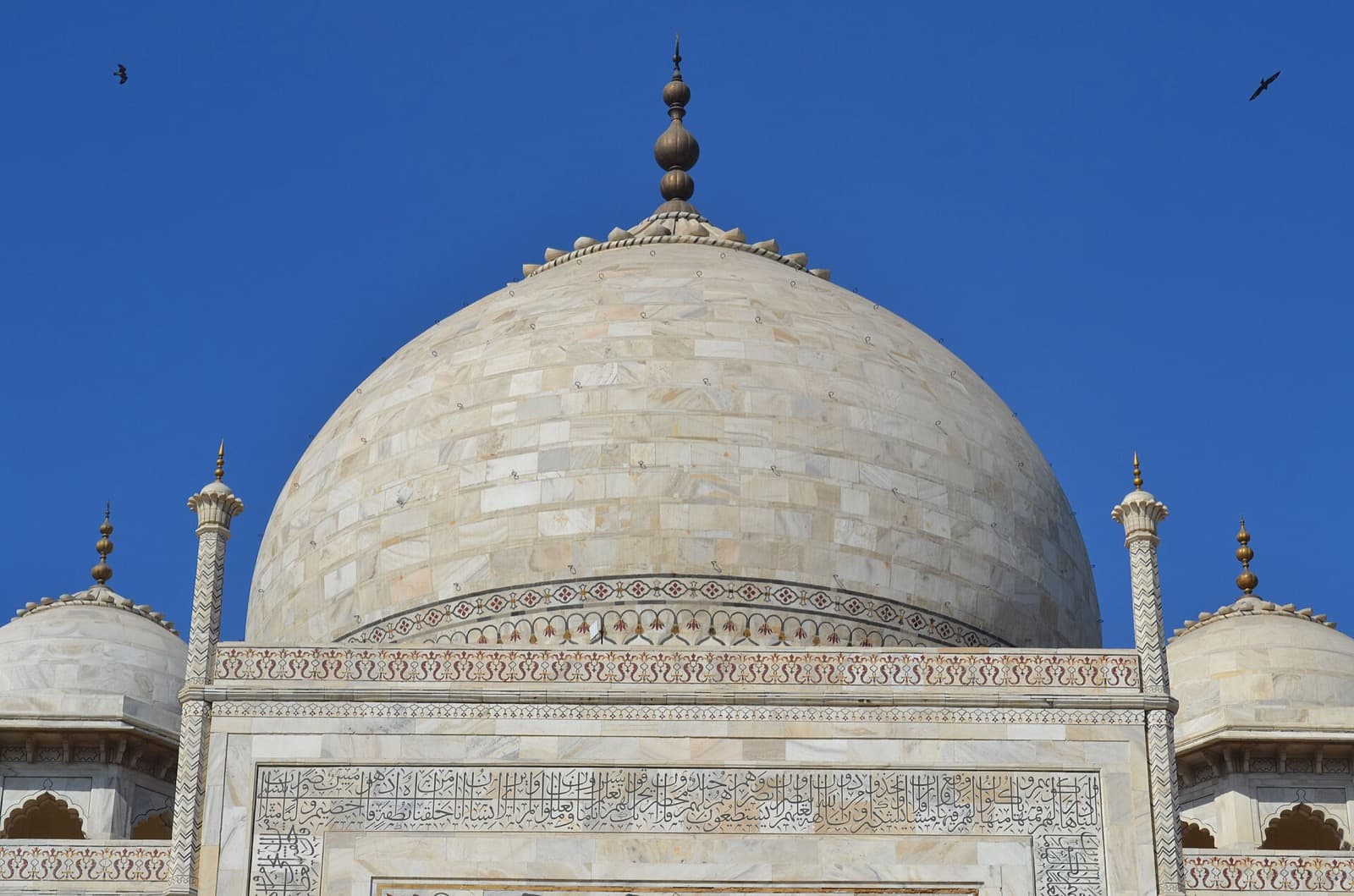
One Day in Agra: A Walkable Itinerary from the Taj Mahal to Agra Fort
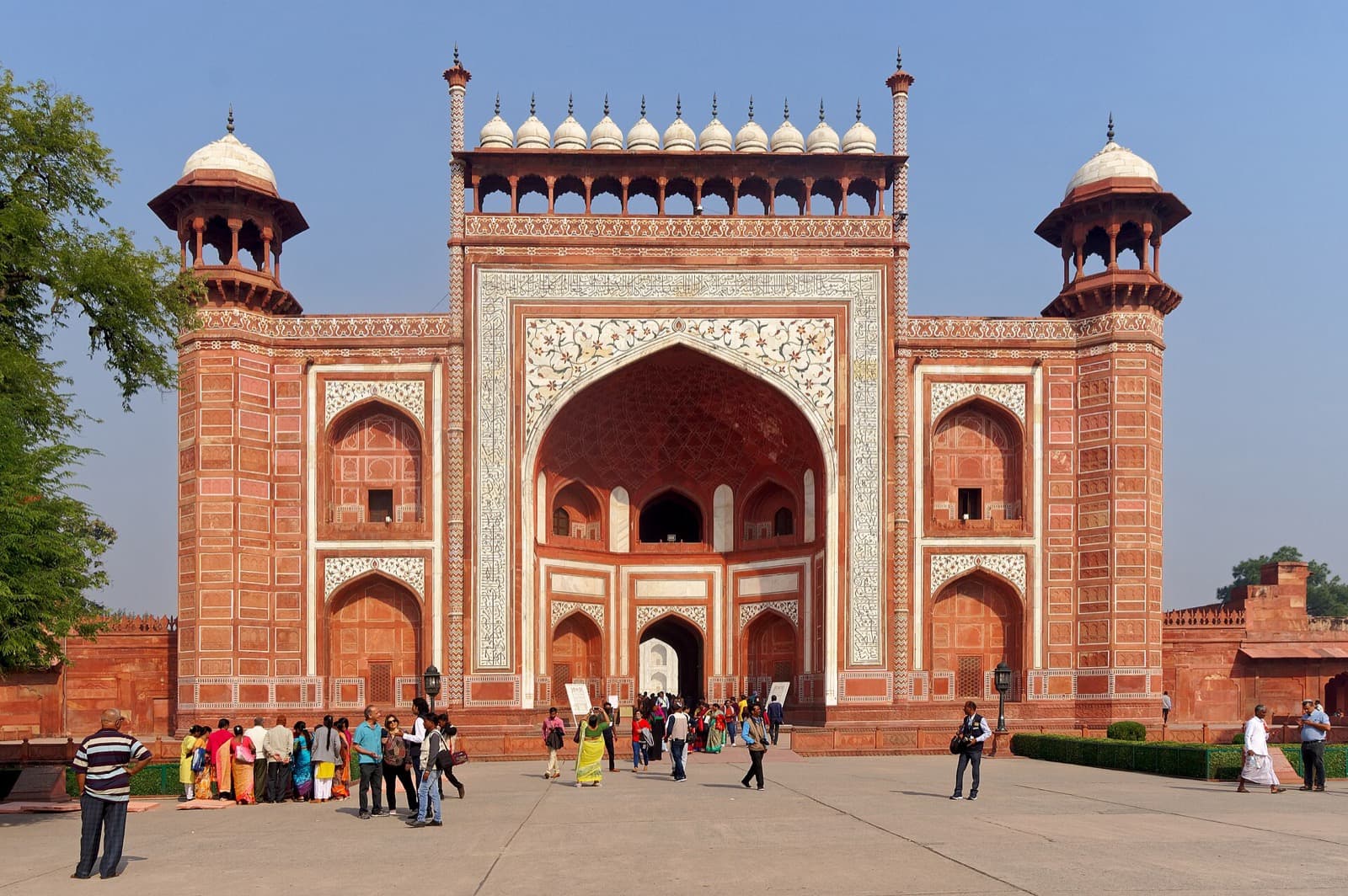
Agra: The Mughal Zenith Read Across a River
Reading the Taj Mahal as a Tomb: What the Mausoleum Tells You
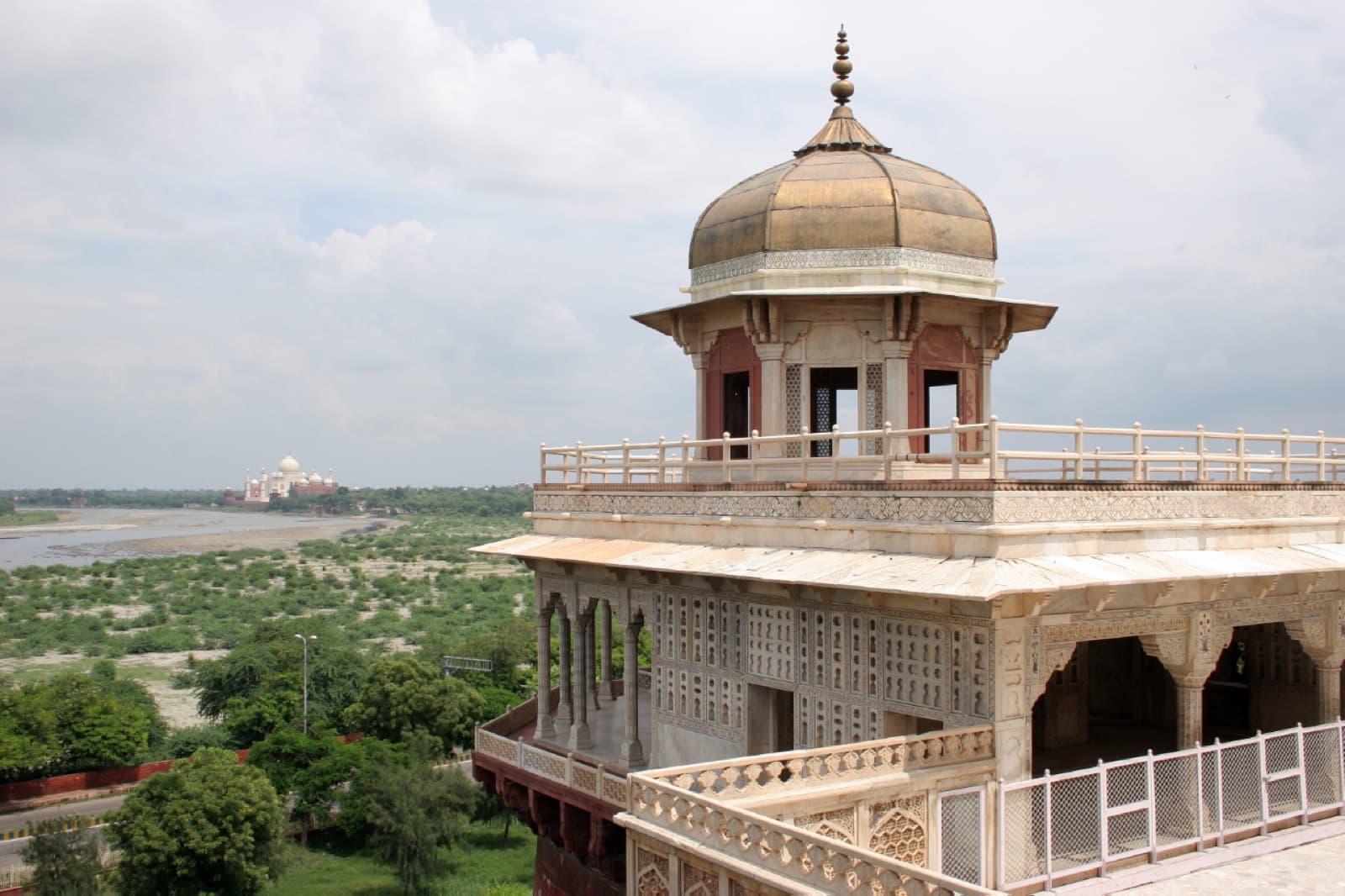
The Marble Tower Where a Mughal Emperor Was Jailed by His Own Son
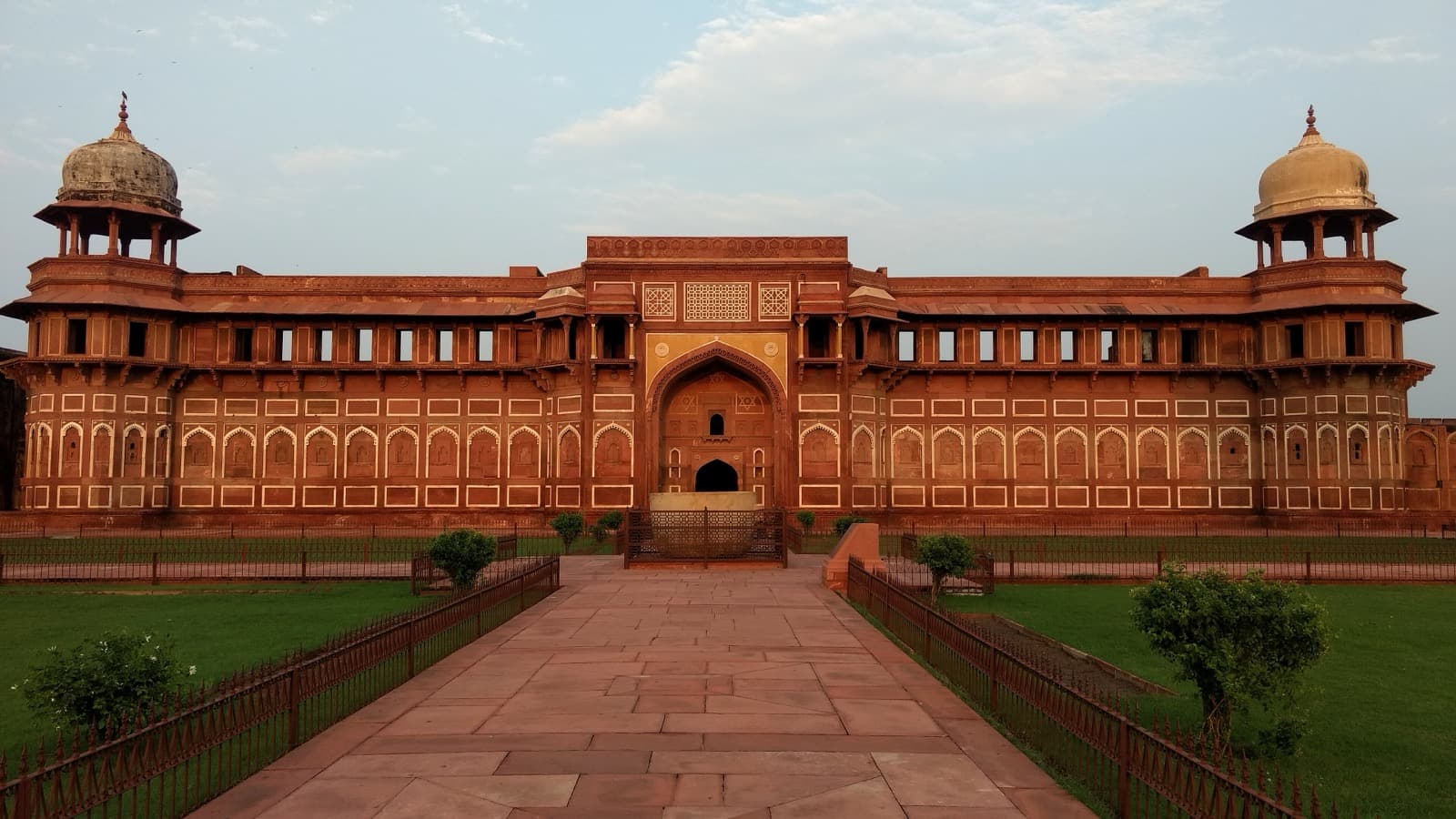
Jahangiri Mahal: Akbar's Red Palace Where Mughal and Rajput Built as One