The Rocks to the Opera House: The Town Sydney Kept Trying to Knock Down
120 min · 3.7 km · moderate
Eat Sydney across three registers at once: the founding-era pastry counter (meat pie, sausage roll), the harbour's native seafood (Sydney rock oysters, barramundi, prawns), and the migrant kitchens that reshaped the modern city (Vietnamese banh mi and pho, Cantonese yum cha, Lebanese charcoal chicken). Order a flat white with any of them, because the drink itself is arguably a Sydney invention. This guide runs through the specific dishes, where each tradition comes from, and how to order like a local, then hands you back to the sandstone lanes with our Sydney walking tours.
Start with the pie, because Sydney did
The meat pie is the plainest possible entry into Australian food and one of the oldest. British settlers brought the savoury pie with them, and pies appear in Sydney's story from the start: they were on the menu of the city's first official banquet, held to mark the King's birthday in June 1788. By the early nineteenth century the streets of Sydney rang with the cries of roving pie sellers, most famously William King, the "flying pieman" who sprinted between wharves in the 1840s hawking his wares. The industrial version came later: George Sargent opened a Paddington shop selling penny pies in 1891, and Sargents grew into the dominant New South Wales brand, turning out well over one hundred thousand pies a week by 1913. What you buy today is a hand-sized shell of pastry filled with minced beef in thick gravy, meant to be eaten standing up with a squeeze of tomato sauce (Australians call ketchup "tomato sauce," and the sauce goes on top, not on the side).
The Sydney version worth crossing town for is the "Tiger Pie" at Harry's Cafe de Wheels in Woolloomooloo, a meat pie crowned with mashed potato, mushy peas and gravy. The caravan traces to the late 1930s, when Harry Edwards parked a pie cart near the naval dockyard gates. He enlisted in 1938, earned the nickname "Tiger" for his boxing while serving in the Middle East, and reopened after the war. A council rule that mobile food caravans move at least twelve inches a day gave the cart its "de Wheels" name. It has run near the same corner ever since, which is why locals treat a late-night pie there as a rite rather than a snack.
The sausage roll (seasoned mince rolled in flaky pastry) is the pie's everyday cousin, sold at every bakery. Its cruder relative is the "sausage sizzle," a single sausage in a folded slice of white bread with fried onion and sauce, cooked at hardware-store car parks and school fundraisers on weekends. If you see a barbecue outside a Bunnings store, that is the sizzle, and buying one is a small act of citizenship.
The harbour's native seafood
Hear a stop from this walk
Playfair Street: Where The Rocks Fought Back
Sydney sits on one of the world's great harbours, and its signature shellfish is the Sydney rock oyster (Saccostrea glomerata), which grows only in estuaries along Australia's east coast. Aboriginal people ate these oysters for millennia, as the huge shell middens around the harbour record, long before commercial farming began. That commercial farming started early: the first oyster ponds were established at Gwawley Bay on the Georges River by Thomas Holt in 1872, and the Sydney rock oyster now makes up more than ninety percent of New South Wales oyster production. Order them raw on the half shell, unadorned or with a squeeze of lemon. They are smaller than the Pacific oyster and carry a creamy, mineral finish, so taste them before you reach for any dressing.
For a fish, ask for barramundi. The name is an Aboriginal word meaning "river fish with large scales," and it is caught wild across Australia's tropical north and farmed in several states. A whole grilled barramundi or a fillet with lemon is the reliable local order. The place to eat all of this together is the Sydney Fish Market, which handles more than a hundred species a day on its auction floor. The market relocated to a new building at Blackwattle Bay in the Glebe area, so check its current location and hours before you go. Prices for a grilled seafood plate sit in the mid range in Australian dollars rather than being cheap, so treat it as a sit-down meal, not a bargain snack. Green (raw) prawns in season, snapper, and Eastern rock lobster round out the harbour list.
The migrant kitchens that made modern Sydney
Sydney's best everyday eating is not colonial at all. It is the food of the communities who arrived over the last century, and knowing where to go is the whole skill.
For Vietnamese, the answer is Cabramatta, a suburb about thirty kilometres southwest of the centre that has been the heart of Sydney's Vietnamese community since the 1980s. Order pho (beef noodle soup) at a dedicated pho house, then a banh mi (a crackling baguette filled with pork, pate, pickled carrot, coriander and chilli) from a hot-bread bakery. Cabramatta's bakeries have been slinging banh mi for decades; it is street food, so expect to queue and eat standing. Closer to the centre, Chinatown around Dixon Street and the food lanes near it deliver the same energy at a walkable distance.
For Cantonese, the ritual is yum cha (literally "drink tea"), the weekend brunch of steamed and fried dumplings wheeled to your table on trolleys or ordered from a card: har gow (prawn dumplings), siu mai, char siu bao (barbecue pork buns), rice-noodle rolls. Go with a group, go hungry, and go before noon on a weekend when the trolleys are busiest.
For Lebanese and Middle Eastern food, Lakemba in the southwest is the destination: charcoal chicken with garlic toum, manoush flatbread, shawarma, and sweets like knafeh. Closer in, Cleveland Street and Surry Hills carry the same cuisines. None of this is a detour from "real" Sydney food. It is the center of it.
Sweets and the coffee argument
Two desserts anchor the sweet end. The lamington is a cube of sponge cake dipped in chocolate and rolled in desiccated coconut, tied by the common Australian origin story to Lord Lamington, a governor of Queensland around 1900 (a New Zealand counterclaim turned out to be a University of Auckland April Fools' joke). The pavlova is a meringue shell, crisp outside and marshmallow-soft within, piled with cream and fruit, named after the Russian ballerina Anna Pavlova, who toured Australia and New Zealand in 1926. Australia and New Zealand have argued over the pavlova's parentage for decades, and food historians have since traced meringue cakes of this shape to Europe and America well before 1926, so enjoy it and skip the border dispute.
Then there is coffee. The flat white (espresso under steamed milk with a thin layer of microfoam, stronger and silkier than a latte) emerged in the Australian and New Zealand cafe scenes in the 1980s. Sydney has a documented claim: the term appears in Sydney media by 1983, and by 1985 "Flat White" was on the permanent menu at Moors Espresso Bar in Sydney's Chinatown, run by Alan Preston. New Zealand contests the origin, and the honest answer is that it belongs to both. Order one anywhere and you are drinking the city's default coffee.
Where to eat it while you walk
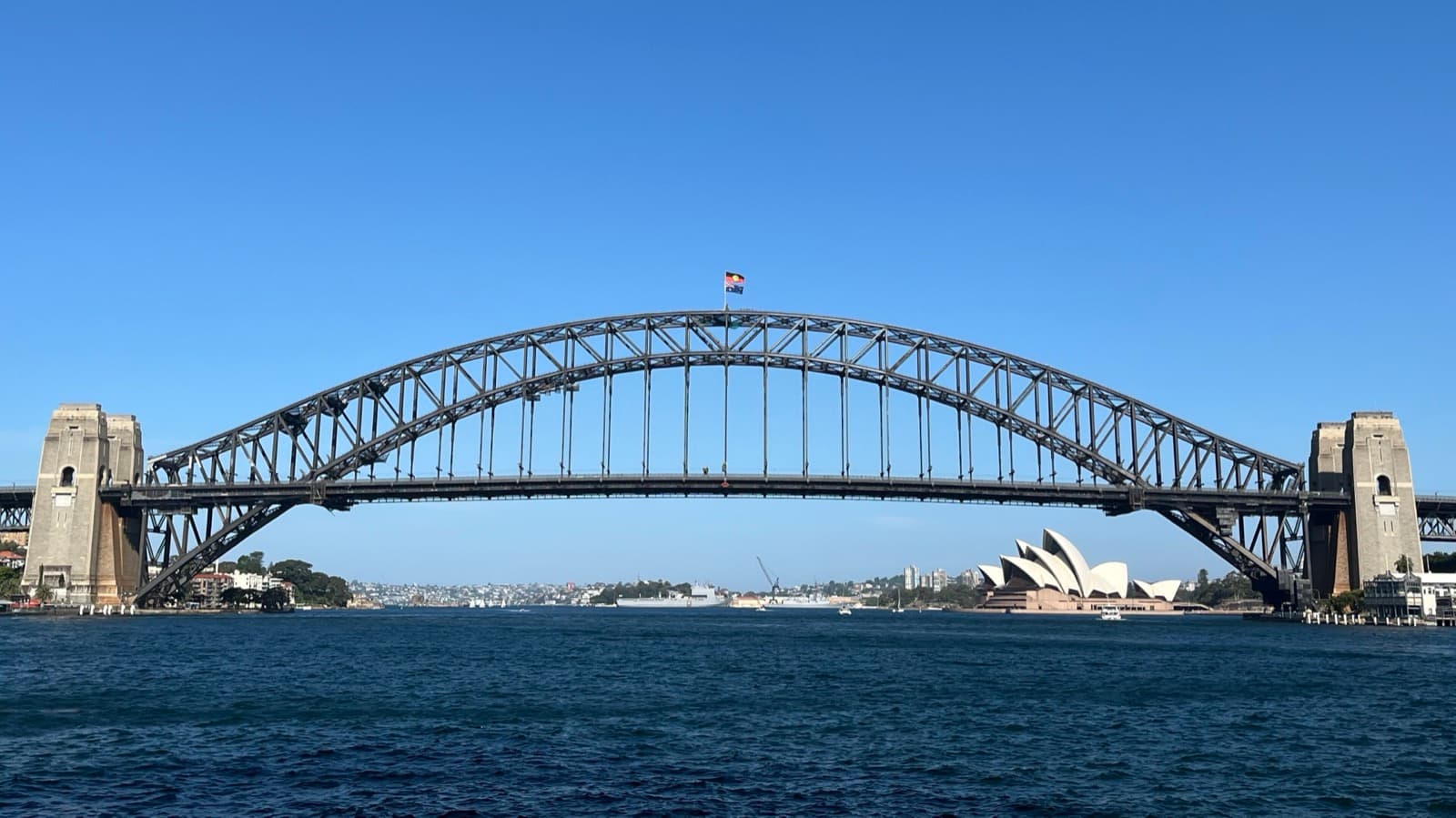
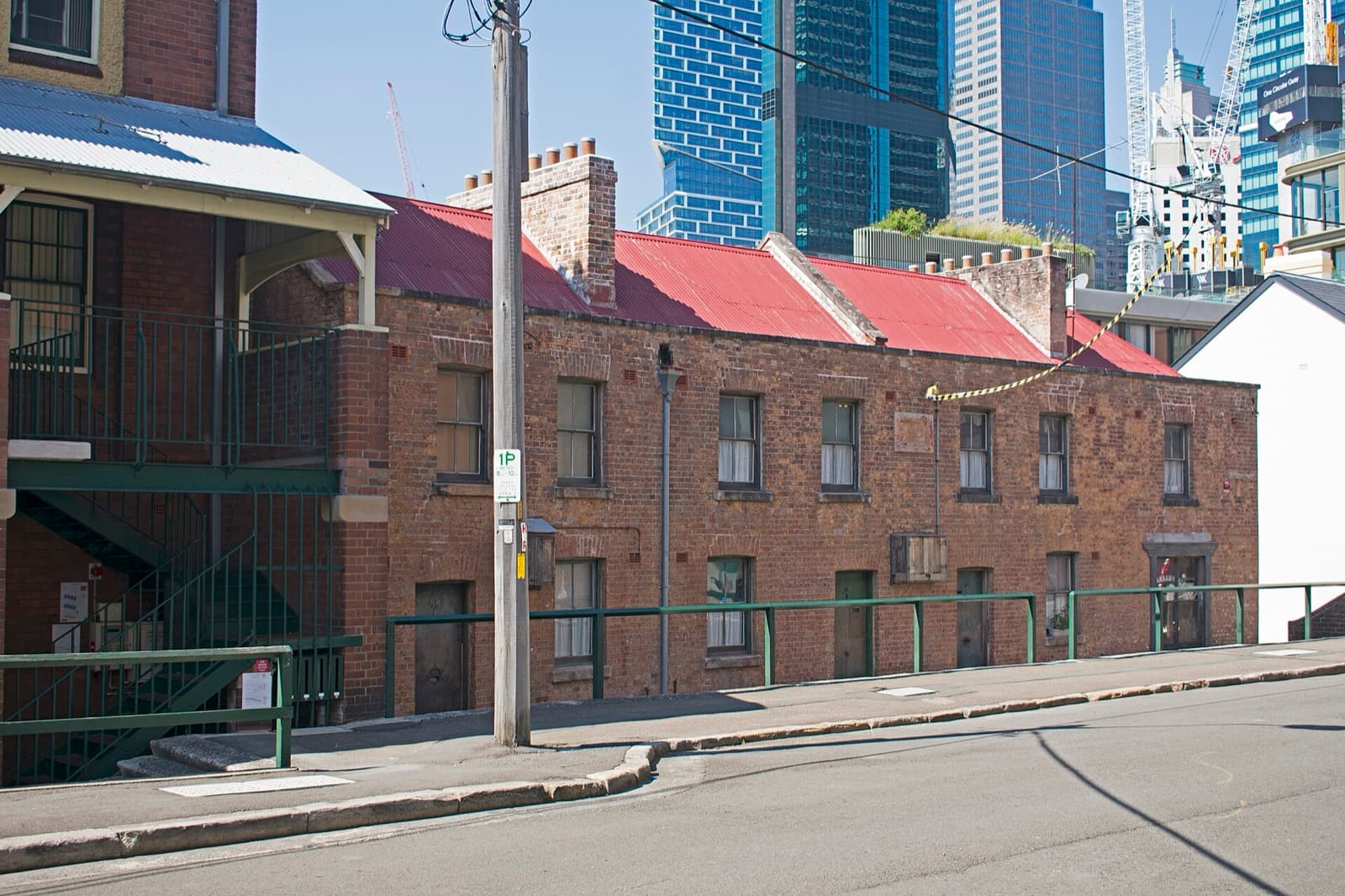
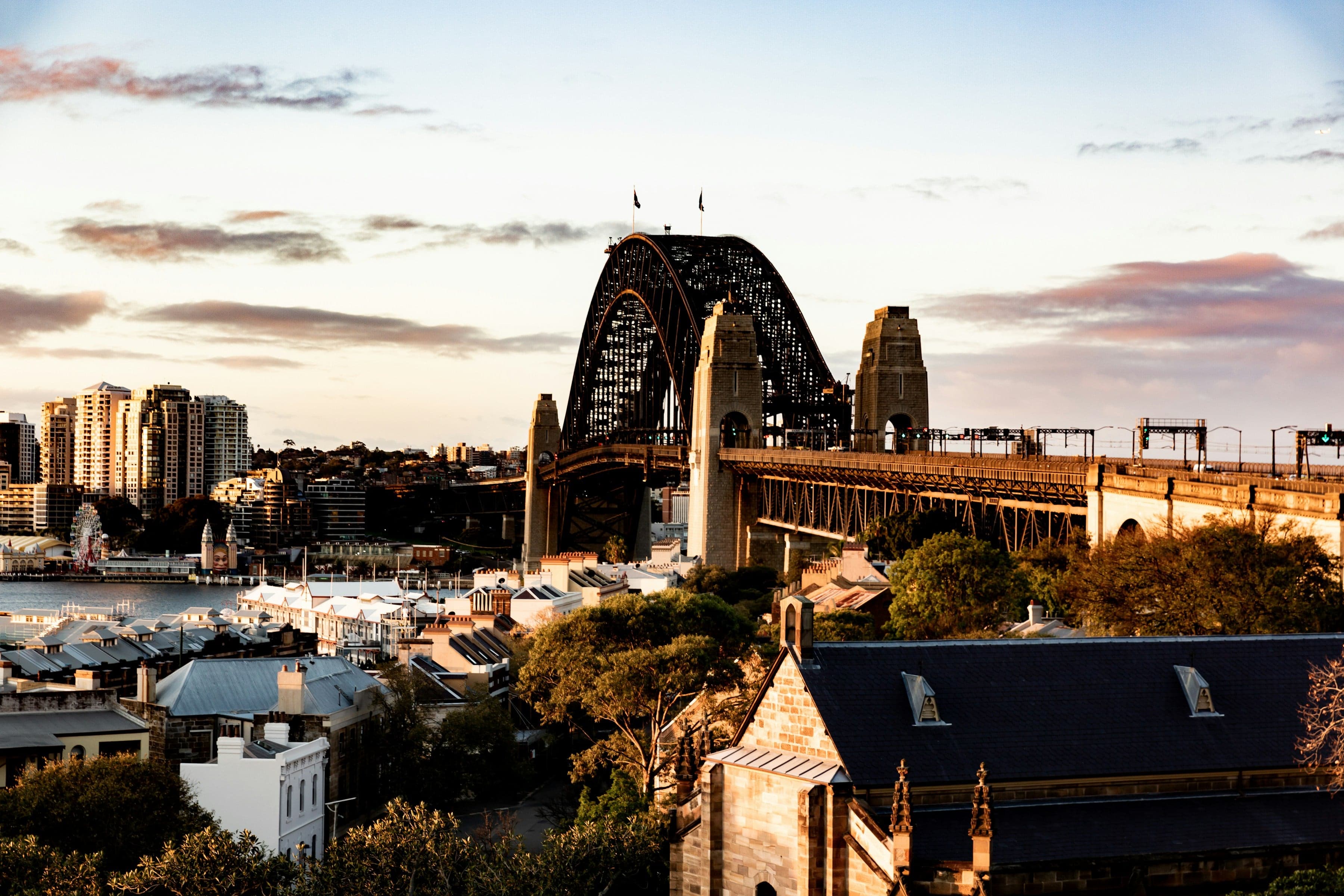
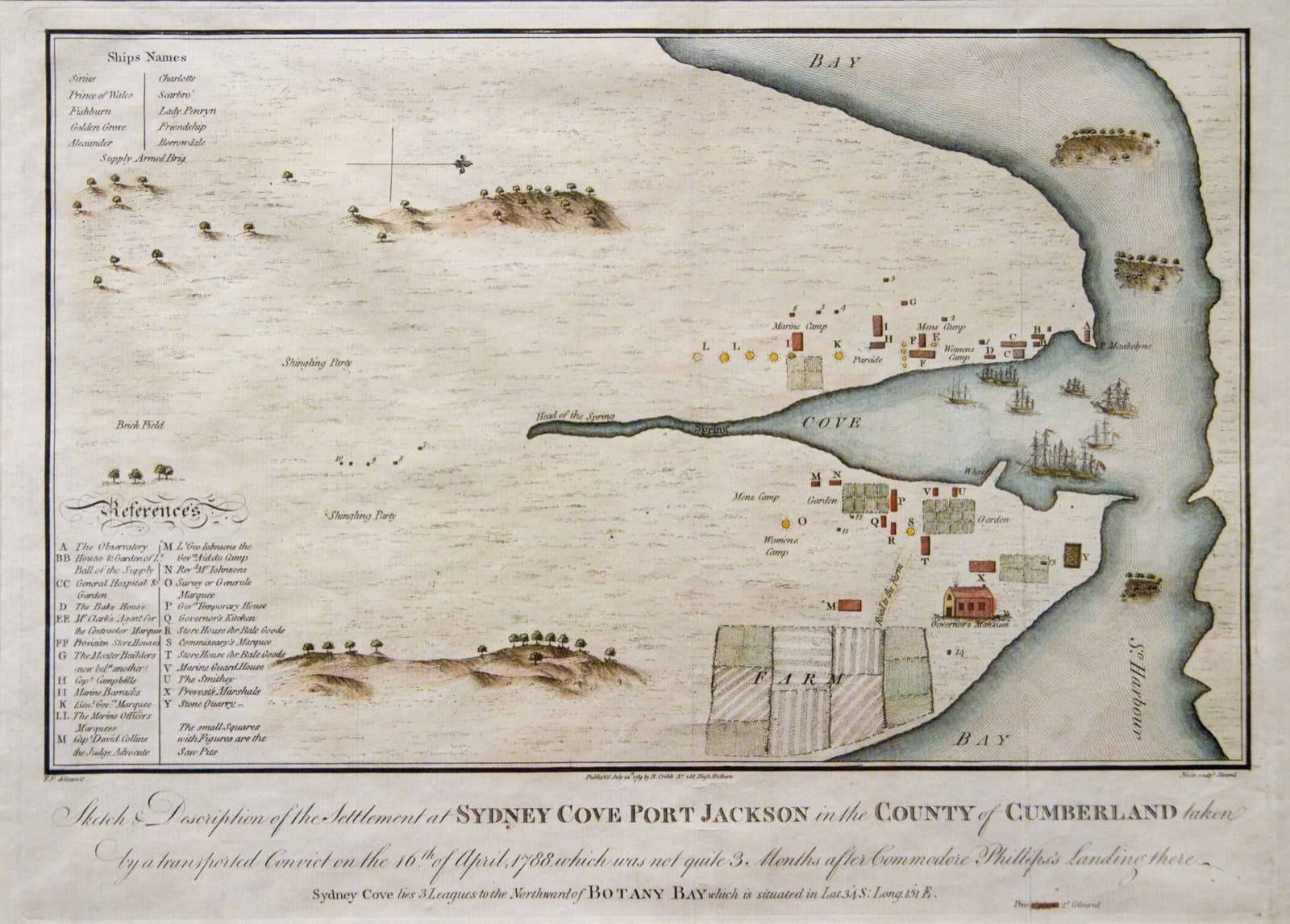
The food and the history sit in the same lanes. The Rocks, Sydney's founding quarter, is where the colony's first hospital stood in tents in 1788 and where convicts cut the sandstone by hand, and it is a short walk from Circular Quay's oyster bars and the Fish Market ferry. Our self-guided audio walk The Rocks to the Opera House runs ten stops over just under four kilometres, once round Sydney Cove from Cadmans Cottage, under the Harbour Bridge and back past Circular Quay to the Opera House, at your own pace, with no group and no schedule, so you can break for a pie or a dozen oysters whenever you like. Pair it with the Macquarie Street convict-architecture mile, and you have a full day of eating and reading the city at once. Browse all of our Sydney walking tours to plan the route.
Sources
Frequently asked questions
- What food is Sydney known for?
- Sydney is known for the Australian meat pie (including the Woolloomooloo Tiger Pie topped with mash, mushy peas and gravy), Sydney rock oysters and other harbour seafood like barramundi and prawns, and migrant cuisines such as Vietnamese banh mi and pho, Cantonese yum cha, and Lebanese charcoal chicken. The flat white coffee, which Sydney has a documented claim to, is the city's default cup. Lamingtons and pavlova are the classic sweets.
- What is a Sydney rock oyster and how do you eat it?
- The Sydney rock oyster (Saccostrea glomerata) is a native oyster that grows only in estuaries along Australia's east coast and makes up more than ninety percent of New South Wales oyster production. It is smaller than a Pacific oyster with a creamy, mineral flavour. Eat it raw on the half shell, plain or with just a squeeze of lemon, so you taste the oyster before any dressing.
- Where did the flat white come from, Australia or New Zealand?
- Both countries claim it, and the honest answer is that it emerged in the Australian and New Zealand cafe scenes in the 1980s. Sydney has a documented claim: the term appears in Sydney media by 1983, and by 1985 Flat White was on the permanent menu at Moors Espresso Bar in Sydney's Chinatown, run by Alan Preston. New Zealand contests this, so it is fair to call it a shared invention.
- Where is the best Vietnamese food in Sydney?
- Cabramatta, a suburb about thirty kilometres southwest of the city centre, has been the heart of Sydney's Vietnamese community since the 1980s and is the go-to for pho and banh mi. Its hot-bread bakeries have sold banh mi for decades. For something more central, Chinatown around Dixon Street offers similar food within walking distance of the harbour.
- What is a Tiger Pie at Harry's Cafe de Wheels?
- A Tiger Pie is an Australian meat pie topped with mashed potato, mushy peas and gravy, served at Harry's Cafe de Wheels in Woolloomooloo. The cart traces to the late 1930s, when Harry Edwards parked a pie caravan near the naval dockyard; he was nicknamed Tiger for his boxing during the war. A council rule requiring mobile caravans to move twelve inches a day gave the cart its de Wheels name.
- What are lamingtons and pavlova?
- A lamington is a cube of sponge cake dipped in chocolate and rolled in coconut, tied by the common Australian story to Lord Lamington, a governor of Queensland around 1900. A pavlova is a crisp-outside, soft-inside meringue topped with cream and fruit, named after ballerina Anna Pavlova, who toured Australia and New Zealand in 1926. Both are claimed by Australia and New Zealand, and food historians have traced pavlova-style meringues to Europe and America before 1926.
Ready to experience it?
The Rocks to the Opera House: The Town Sydney Kept Trying to Knock Down
120 min · 3.7 km · moderate
More from Sydney
Explore more at your own pace.
One Day in Sydney: A Walkable Morning-to-Evening Itinerary
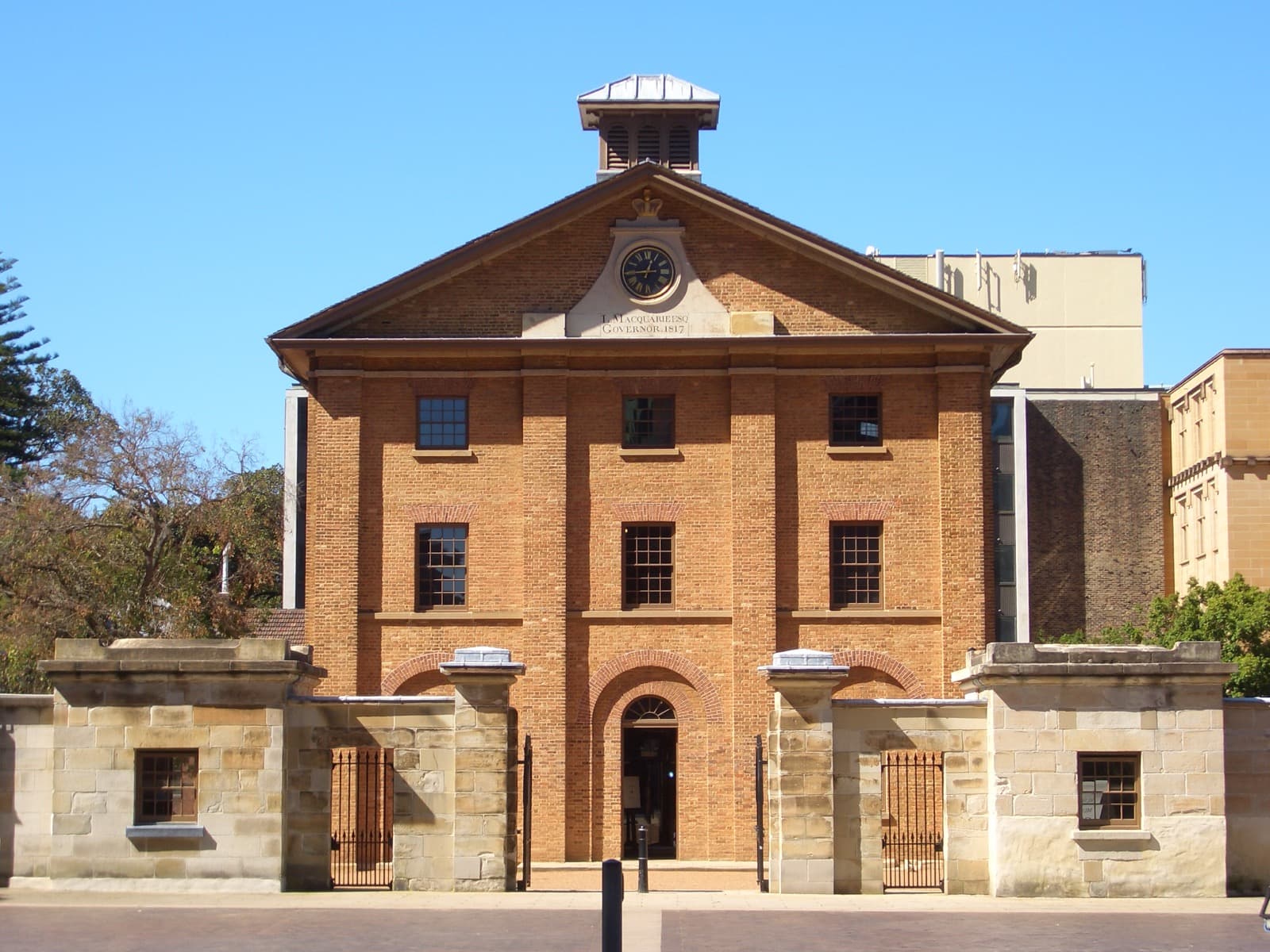
Hyde Park Barracks: The Building That Explains Convict Sydney
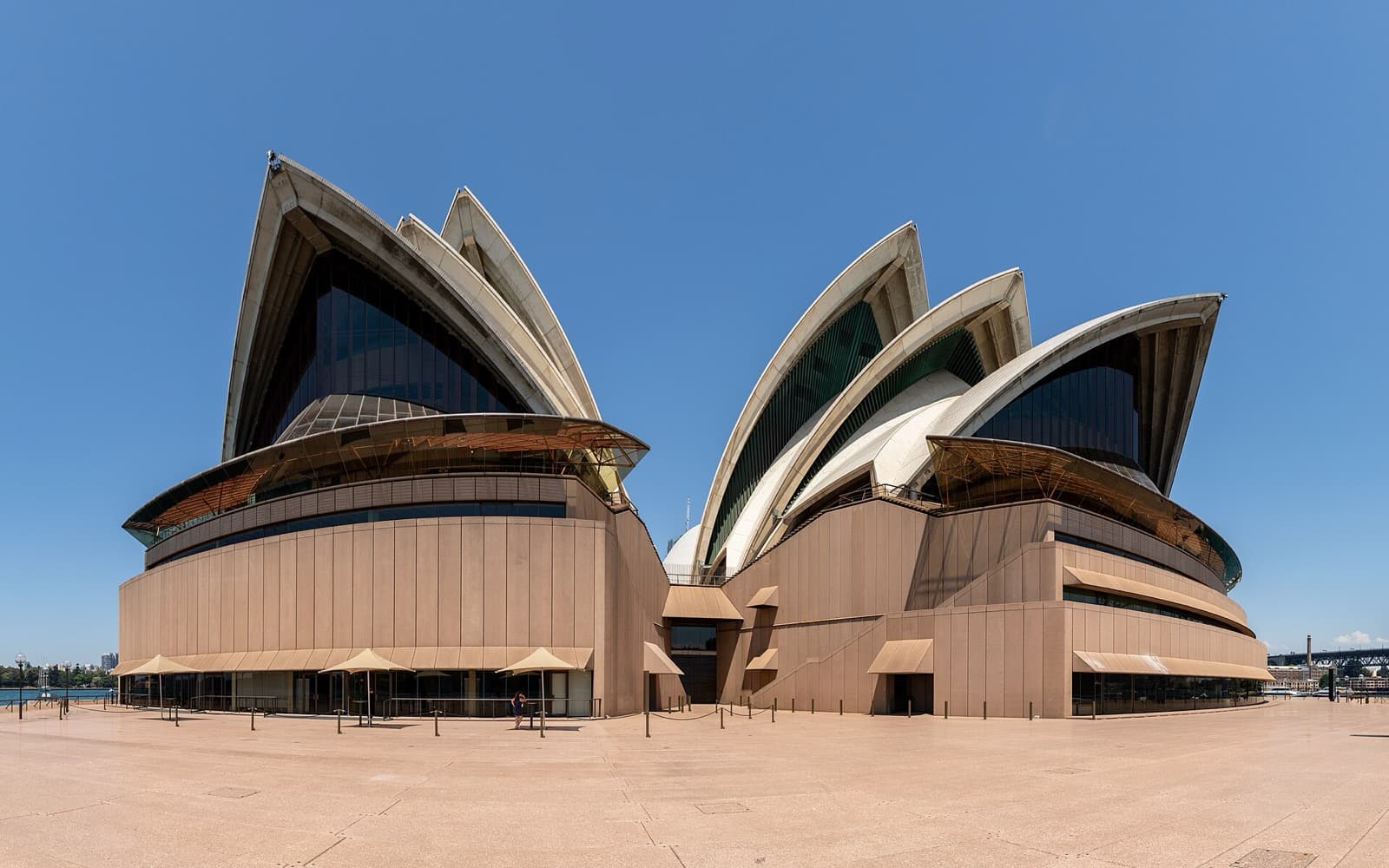
The Sydney Opera House and the Struggle Behind the Postcard
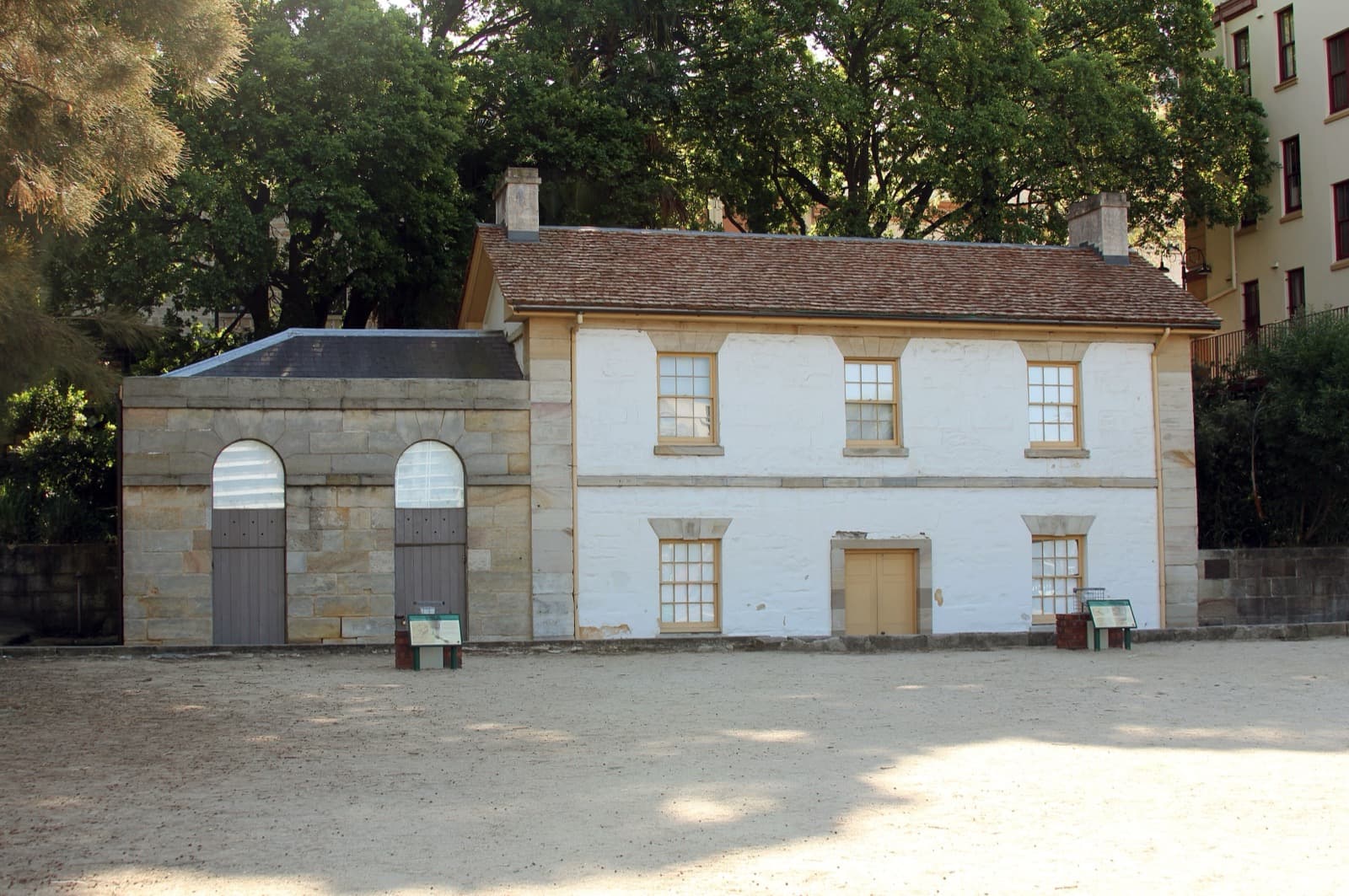
Cadmans Cottage: Sydney's Little House by the Water
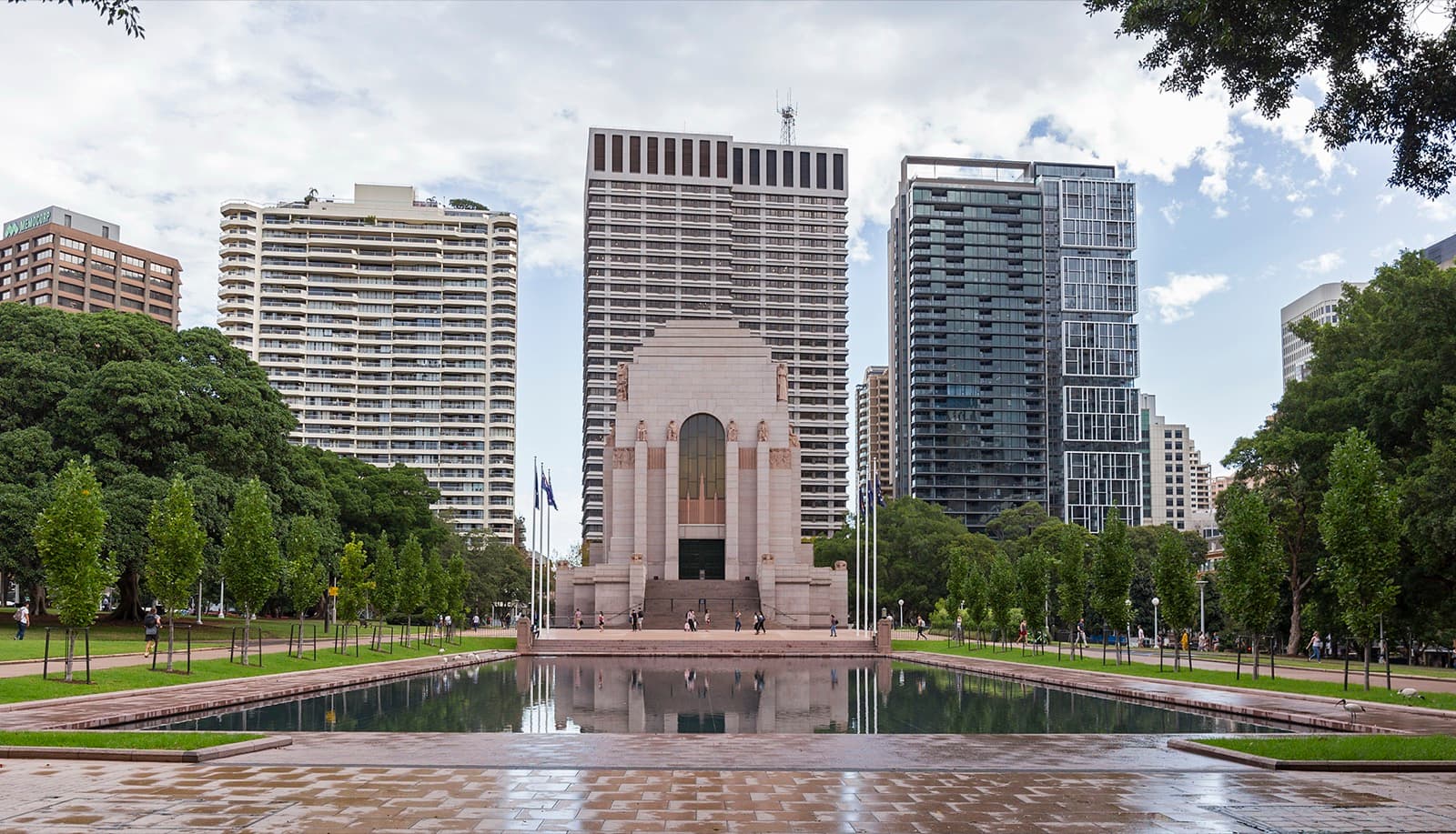
Hyde Park and the ANZAC Memorial: Australia's Oldest Park and Its War Memory