Ephesus: The City That Rebuilt Itself
90 min · 1.2 km · moderate
The food to seek out in Selcuk, the small town at the gates of Ephesus, is çöp şiş: tiny skewers of marinated lamb roasted over wood coals, the signature dish of this stretch of the Aegean coast south of Izmir. Order those first, then build outward into the region's olive-oil vegetable plates, griddled gözleme, and the fruit wines of the hills above town. Selcuk is a farming town in one of Turkey's most fertile valleys, so the cooking here leans on what grows nearby: tomatoes, herbs, olive oil, lamb, and whatever the Saturday market piled up that week. This is Aegean food, lighter and greener than the meat-heavy fare of central Anatolia, and it pairs naturally with a slow day among the ruins.
Start with çöp şiş, the local skewer
Çöp şiş is the dish to try before any other. It is a specialty of the Aegean region south of Izmir, closely associated with Selcuk and the neighboring town of Germencik, and you will see signs for it all over the district. The skewers are small: a few chunks of lamb plus a piece of fat, threaded onto a thin wooden stick rather than a metal one, then roasted quickly over coals. The meat is marinated first in garlic, tomato, black pepper, oregano, and olive oil, which is why it tastes so much richer than its plain look suggests.
The name is often translated as "trash skewer," and that translation has a story worth knowing when you order. The word çöp does mean trash in modern Turkish, but the older sense is "little branch" or "twig," which is what the wooden skewer originally was. A parallel folk explanation holds that the dish began as a way to use the lamb trimmings left over from cutting larger kebabs. Either way, do not read the name as an insult to the food. It is served hot off the fire with grilled green peppers, raw onion, and bread you use to wrap the meat and vegetables into your own bite. A plate is usually several skewers, so order by the skewer or by the portion and share.
How the ordering works
Hear a stop from this walk
Theater Gymnasium and the Lower Gate: The Long Afterlife
Turkish table service in a town like Selcuk follows a rhythm. Sit down, and cold mezes and salad often arrive first, sometimes before you have ordered anything, and you pay for what you eat from them. Ask what is included if you want to be sure. The vegetable dishes cooked in olive oil, grouped under the name zeytinyağlı, are a category to look for: artichokes, green beans, or eggplant stewed gently in oil and served cool with a squeeze of lemon. They are meant to be eaten at room temperature, not reheated, and a couple of them plus bread makes a light lunch on a hot day.
For breakfast, the local move is a full Turkish spread, called kahvaltı: olives, white cheese, tomatoes, cucumbers, eggs, bread, honey, and jam, with black tea refilled until you stop it. Bread and tea are the constants of the day here, so pace yourself. If you only want a quick bite between the ruins and your bus, look for gözleme, a thin flatbread folded over cheese, spinach, potato, or minced meat and cooked on a domed griddle, often by a woman working the dough right in front of you.
Eat the market, and the hills above town
The best single food day in Selcuk is Saturday, when the town sets up a large weekly market, the Selcuk Saturday Market, in the streets of the center. Farmers bring in fruit, vegetables, olives, cheeses, and dried goods straight from the surrounding valley, and locals shop it alongside visitors. Bring cash, since most stalls do not take cards, and treat it as a place to graze: a bag of figs or cherries in season, some olives, a wedge of cheese, and bread turns into a picnic you can carry up to the ruins.
For a different flavor of the region, head up to Şirince, a hill village about eight kilometers east of Selcuk reachable by cheap minibus from the town center. Şirince is known across Turkey for its homemade fruit wines, pressed from apple, peach, strawberry, mulberry, quince, and more, and its little shops let you taste a flight before you commit to a bottle. It is also a good lunch stop, with small restaurants serving olive-oil dishes and village cooking on terraces above the valley. Save the sweets for last: baklava layered with nuts and syrup, or lokma, small fried dough balls soaked in syrup that turn up around festivals and street stalls.
Fit it around the ruins
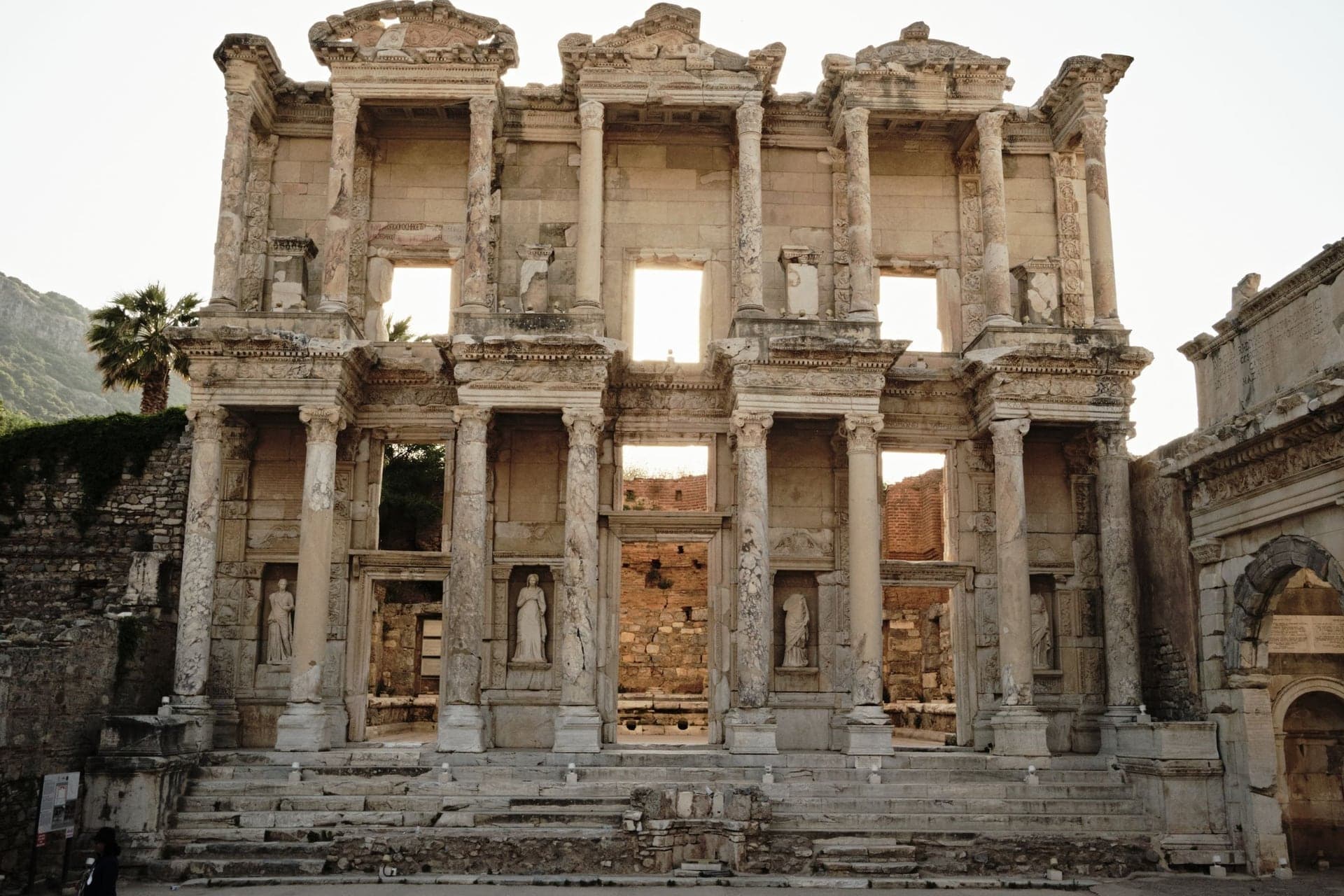
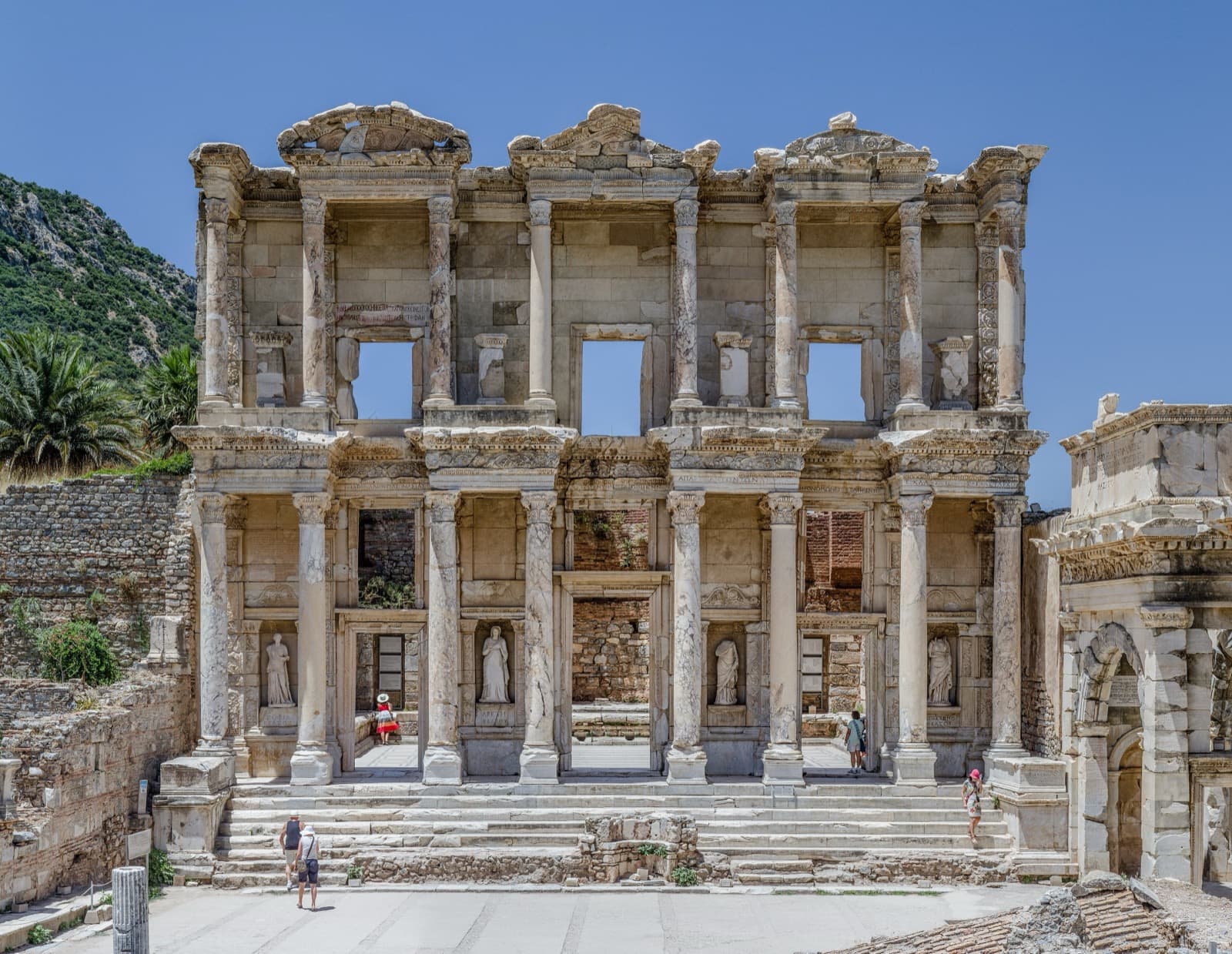
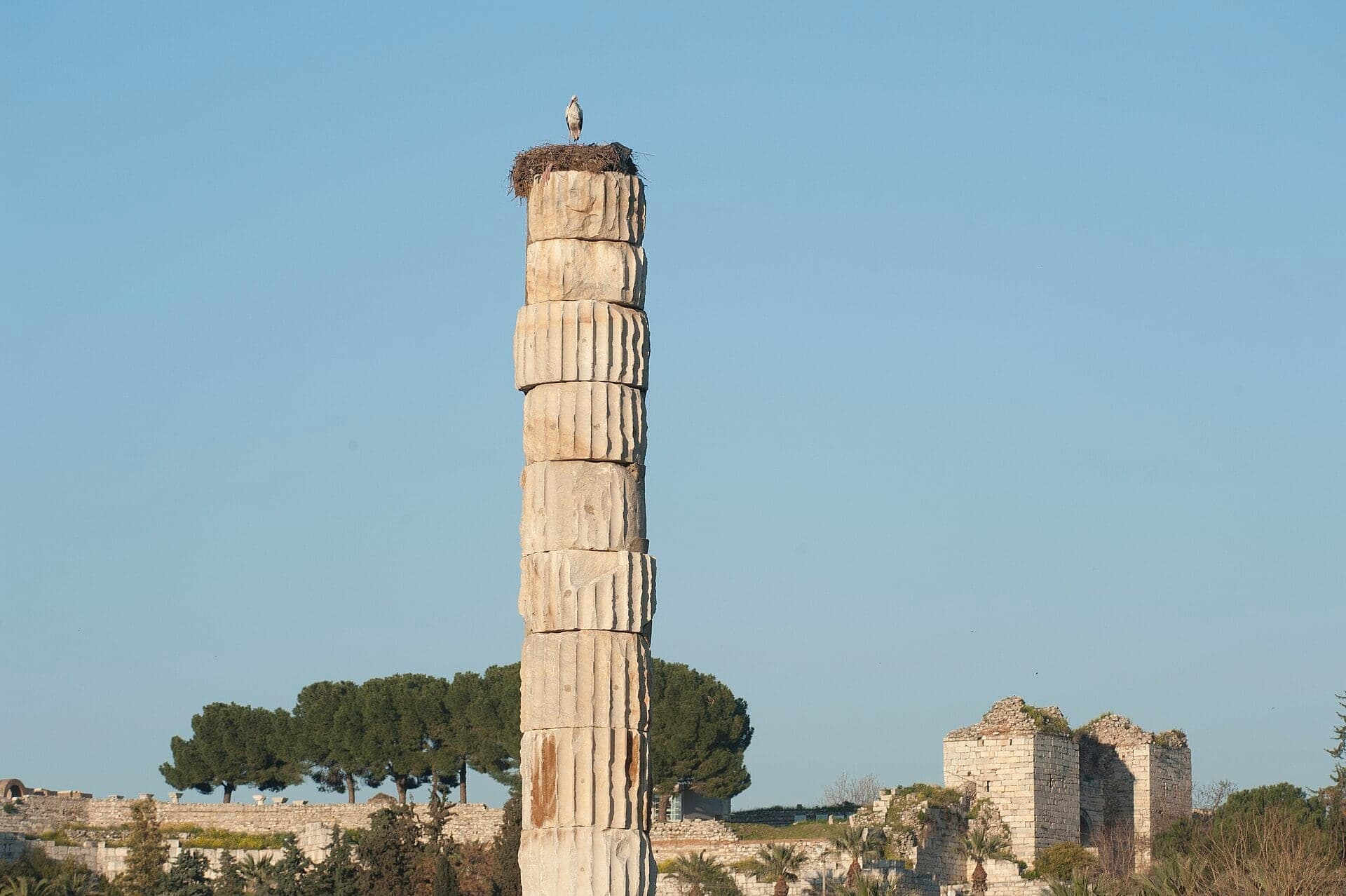
Selcuk's food is best treated as the bracket around a walk, not a separate expedition. The Ephesus site slopes downhill from top to bottom, so most people finish at the lower gate hungry and hot, which is exactly when a plate of çöp şiş and a cold drink lands well. Our self-guided Ephesus walking tour traces the marble streets from the council house down past the Library of Celsus and the great theatre to the lower gate, about 1.2 kilometers, all downhill, in about an hour and a half at an easy pace. A second route through Selcuk itself starts at the Ephesus Museum in the town center, near the restaurants and, on a Saturday, the market, and runs past the Basilica of Saint John and the Isa Bey Mosque to the Temple of Artemis.
Practical notes on money and timing: Ephesus site entry is a fixed euro-priced ticket (forty euros in 2026), with the Terrace Houses inside charging a separate fee (fifteen euros), and the state ticket offices prefer card over cash. In town it flips: markets and small eateries run largely on Turkish lira cash, so carry some. Plan to eat after the site, not before, since there is little shade and a long downhill ahead, and you will enjoy the meal more. For the full set of routes and where each one ends, see the Selcuk (Ephesus) walking tours hub.
Sources
Frequently asked questions
- What is the signature dish to eat in Selcuk?
- Çöp şiş, small skewers of marinated lamb roasted over wood coals. It is a specialty of the Aegean region south of Izmir, closely associated with Selcuk and the nearby town of Germencik. Each skewer holds a few small chunks of lamb plus a piece of fat, and the meat is marinated in garlic, tomato, black pepper, oregano, and olive oil.
- What does çöp şiş mean?
- In modern Turkish çöp means trash, so the name is often translated as trash skewer, but the older sense of the word is little branch or twig, which describes the thin wooden skewer the meat is roasted on. A common folk explanation also says the dish began as a way to use the lamb trimmings left over from cutting larger kebabs. It is a respected regional dish, not scrap food.
- Is there a market day in Selcuk?
- Yes. The Selcuk Saturday Market sets up every Saturday in the streets of the town center, with farmers selling fruit, vegetables, olives, cheeses, and dried goods from the surrounding valley. Most stalls take cash only, so bring Turkish lira. It is a working local market, good for assembling a picnic to carry up to the ruins.
- Where can I try Şirince fruit wine near Selcuk?
- Şirince is a hill village about eight kilometers east of Selcuk, reachable by cheap minibus from the town center. It is known across Turkey for homemade fruit wines pressed from apple, peach, strawberry, mulberry, quince, and more, and its shops let you taste before buying. It is also a good lunch stop with olive-oil dishes and village cooking.
- Should I eat before or after visiting Ephesus?
- After is usually better. The Ephesus site slopes downhill from top to bottom with little shade, so you finish at the lower gate hot and hungry, which is the ideal moment for a plate of çöp şiş and a cold drink. Carry water for the walk and save the full meal for the town afterward.
- How much does it cost to enter Ephesus in 2026?
- Standard site entry is forty euros in 2026, and the Terrace Houses inside the site require a separate fifteen euro ticket. State ticket offices prefer card payment over cash. In town, by contrast, markets and small eateries run largely on Turkish lira cash, so carry some for meals.
Ready to experience it?
Ephesus: The City That Rebuilt Itself
90 min · 1.2 km · moderate
More from Selcuk
Explore more at your own pace.
One Day in Selcuk and Ephesus: A Walkable Morning-to-Evening Itinerary
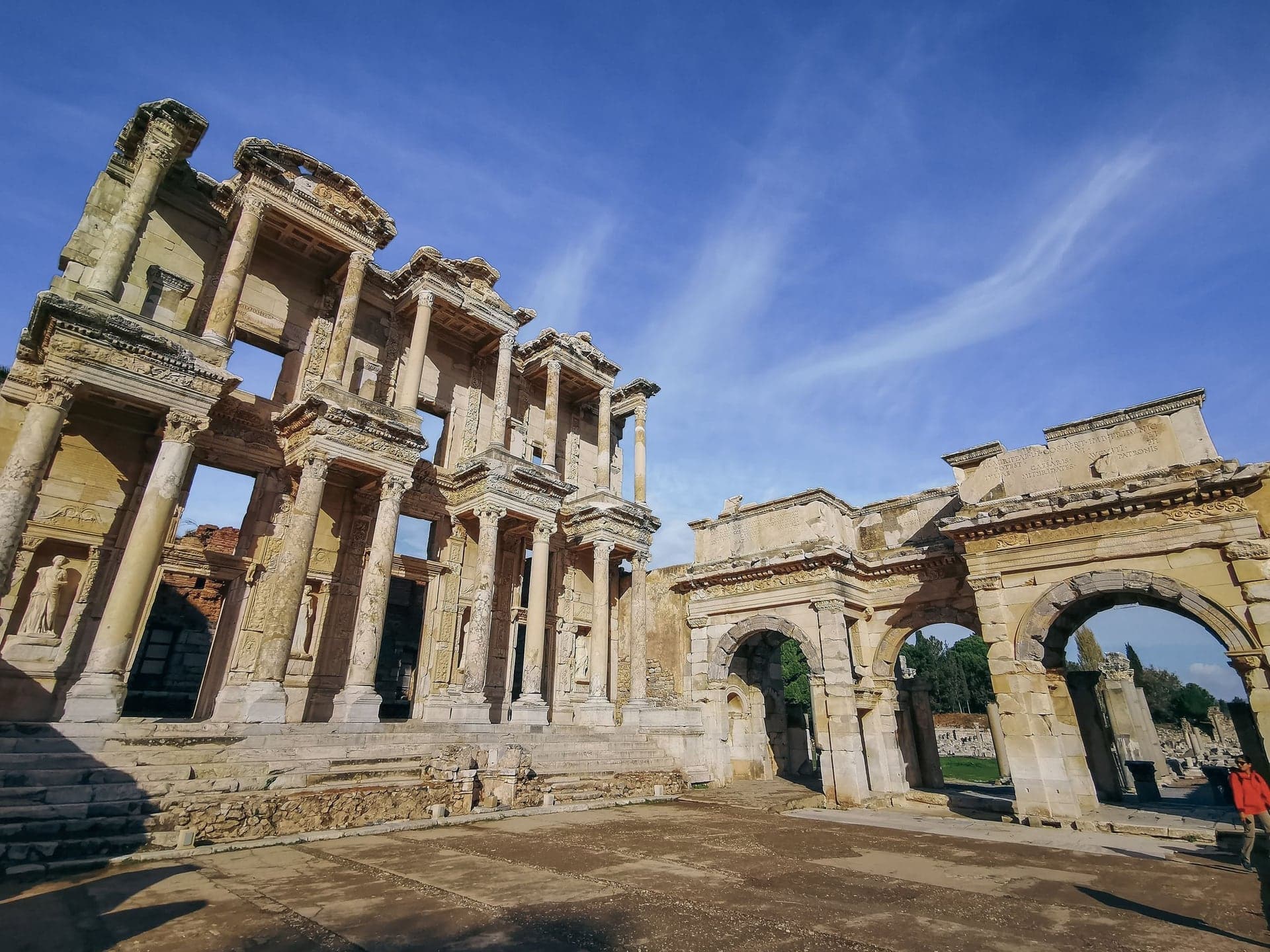
Selcuk: The Afterlife of Ephesus
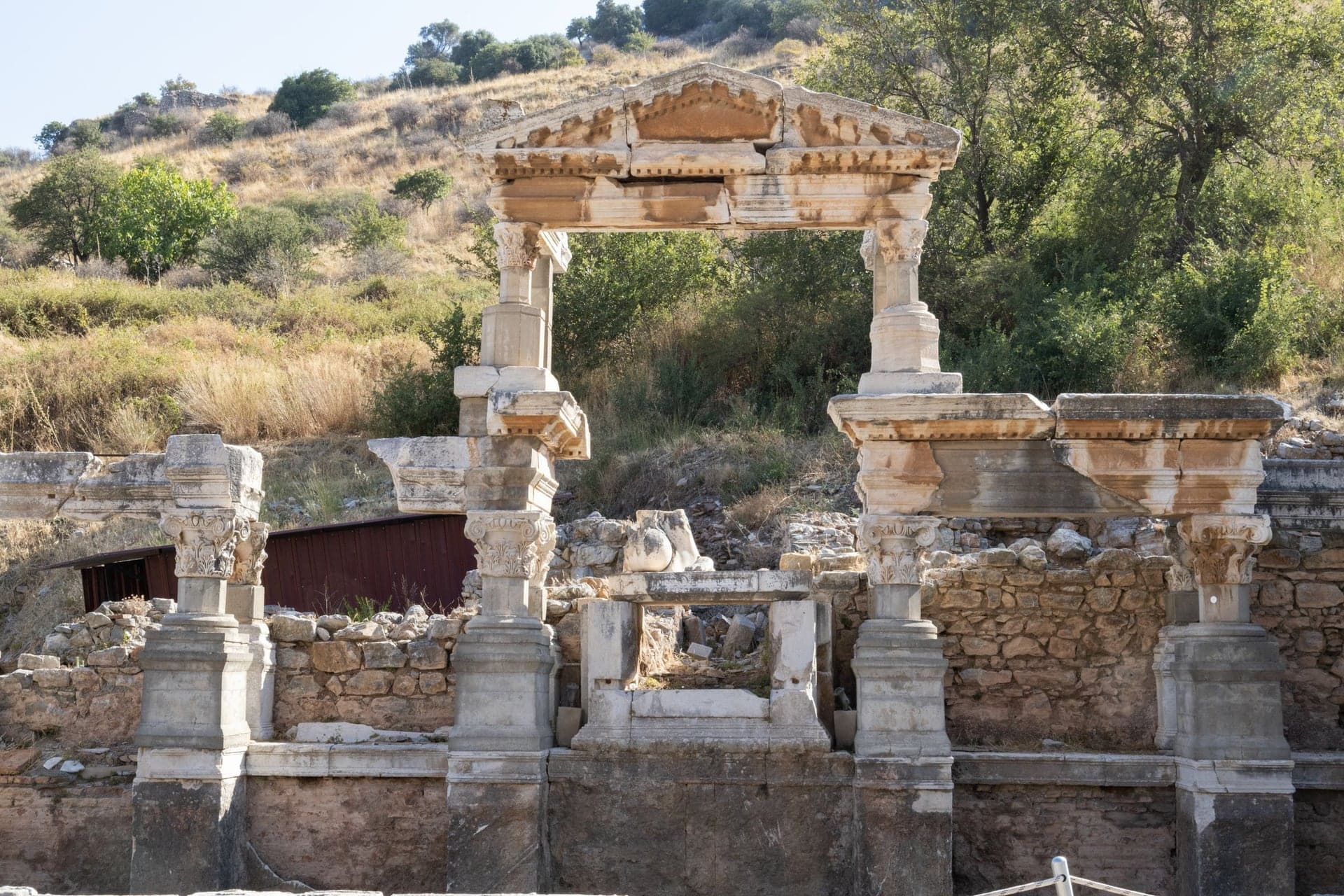
Curetes Street: How to Read the Whole Marble City of Ephesus
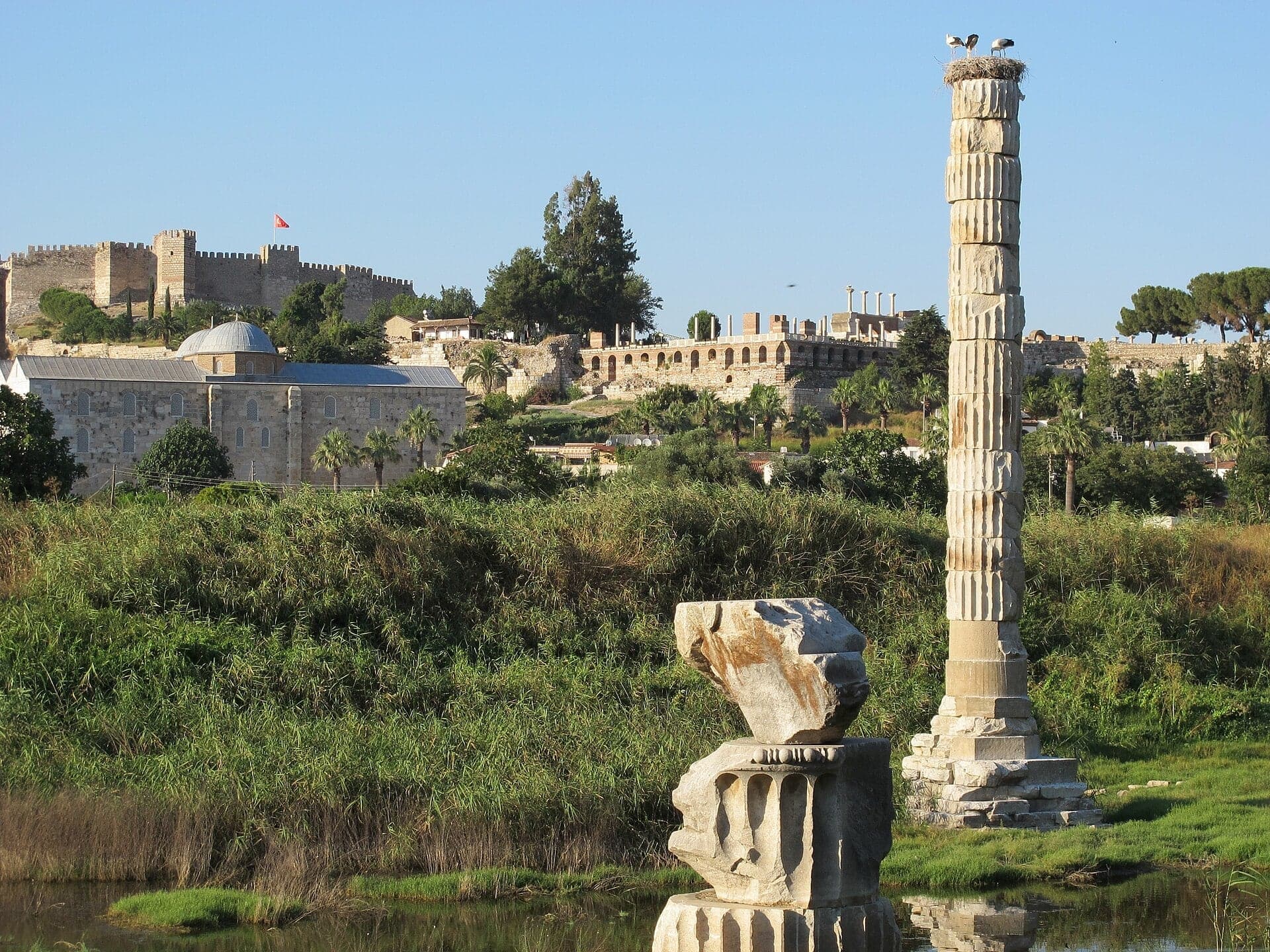
The Temple of Artemis and How Selcuk Reads Its Own Absences
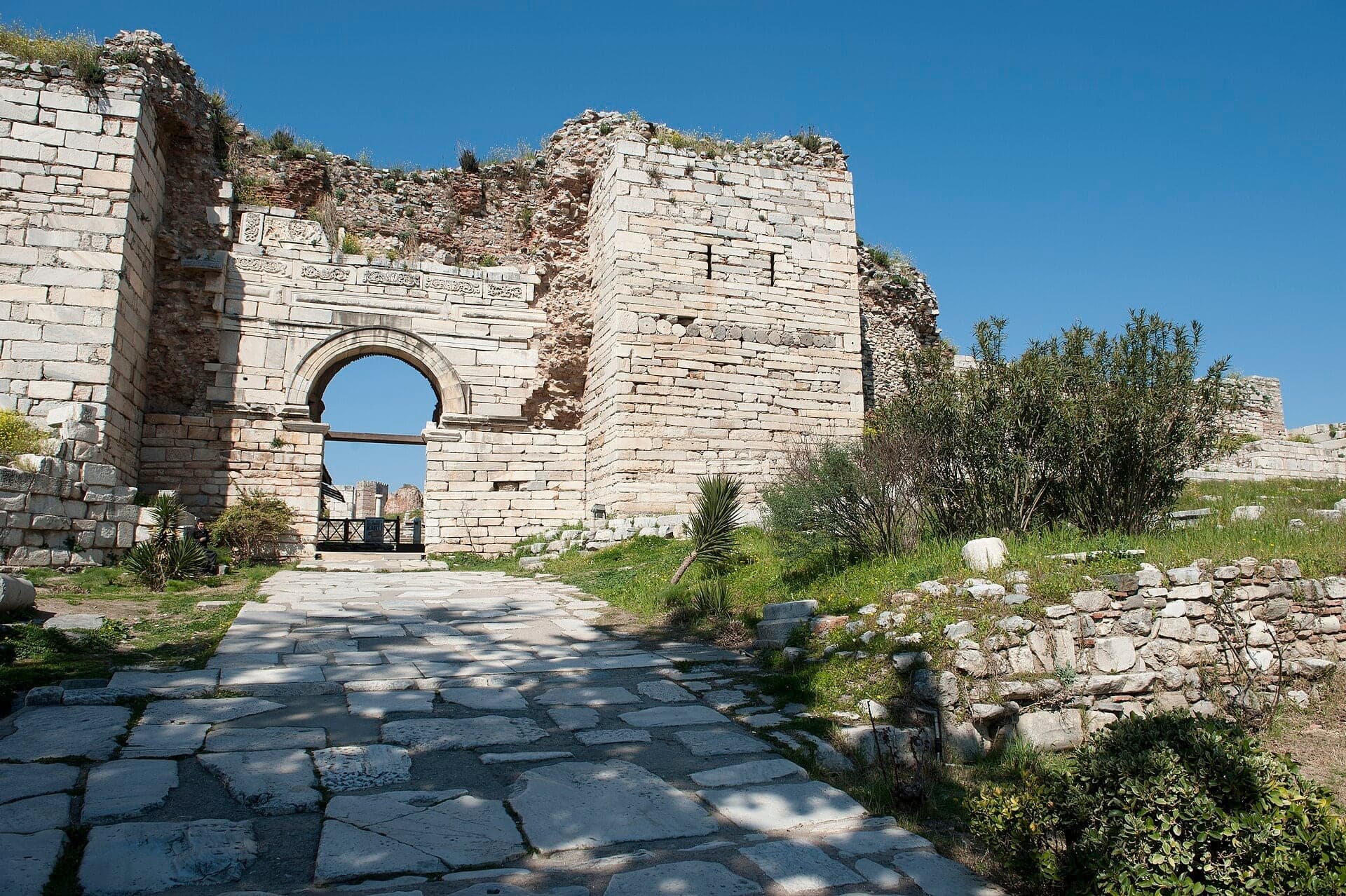
The Basilica of Saint John: Justinian's Church Built Over a Tomb