Ephesus: The City That Rebuilt Itself
90 min · 1.2 km · moderate
Plan two days in Selcuk to see Ephesus properly: one day for the great marble city on foot, one day for the town's own hill of ruins, its museum, and a day trip. Selcuk is the small Aegean town next to Ephesus, and it works best as a base rather than a rushed stop. You can walk or take a short minibus to the ancient site, cover the ruins downhill in a morning, and keep the afternoon for the Temple of Artemis field, the Basilica of Saint John, and the Ephesus Archaeological Museum. This guide answers what travelers actually search: how long to stay, how to get around, when to come, what it costs, and an honest word on safety.
How many days do you need
One full day is the minimum. Two days is the comfortable answer, and it is what we recommend.
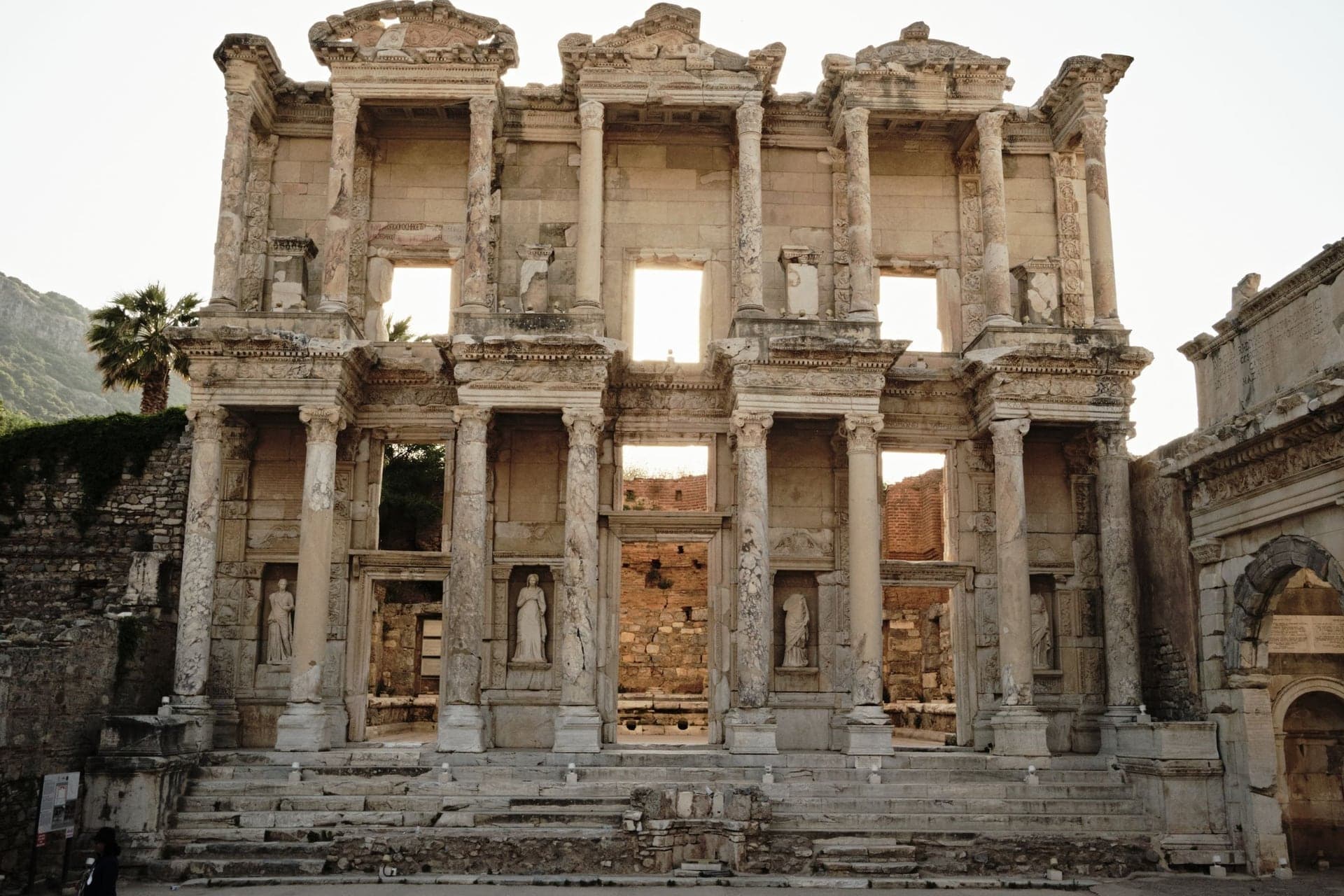
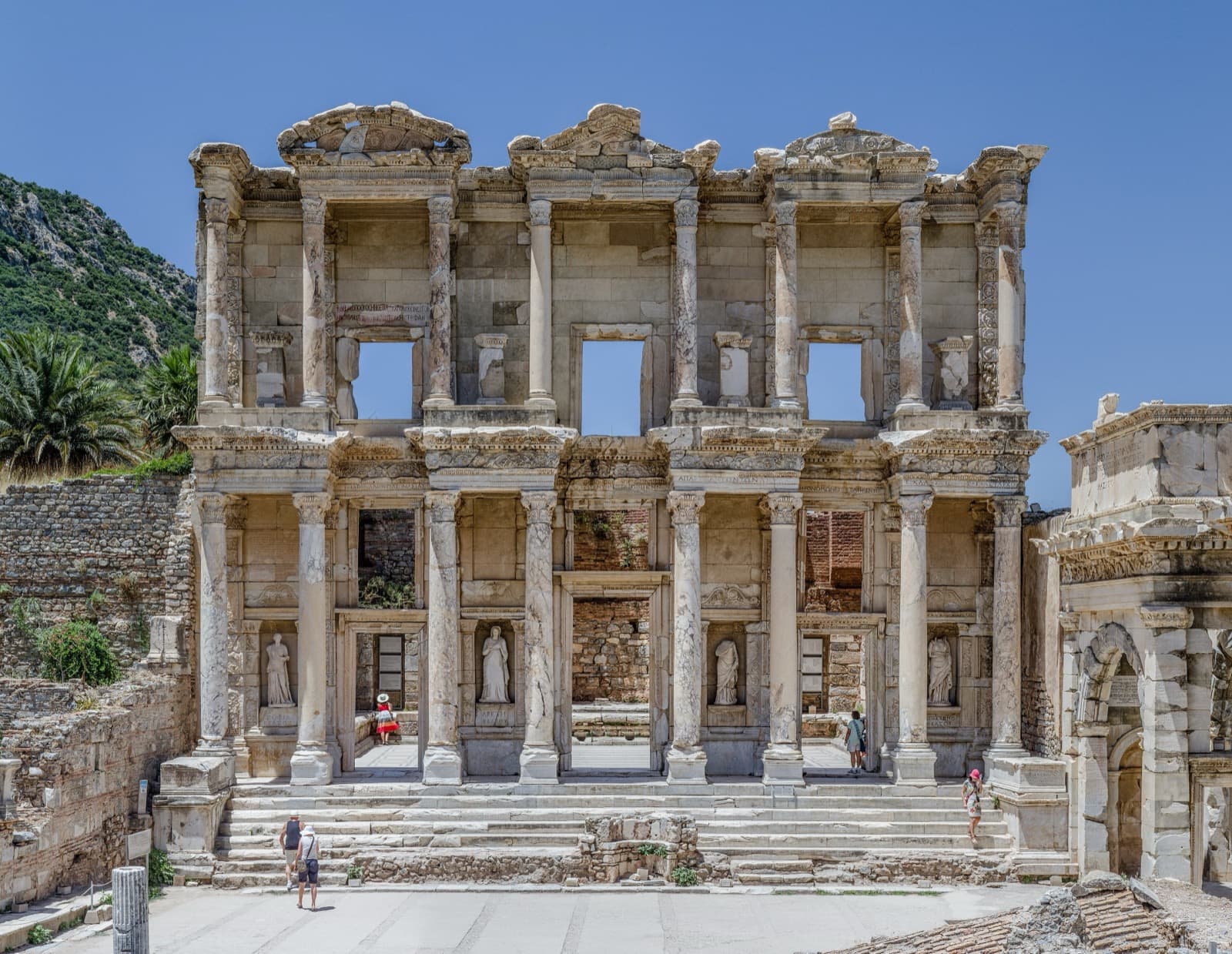
The main Ephesus site is a single downhill walk; the audio route is about 1.2 kilometers and takes about an hour and a half at an easy pace, and two hours or more if you linger at the Library of Celsus, go into the Terrace Houses, and stop at the Great Theatre. That fills a morning. The rest of what makes Selcuk worth the trip sits outside the fenced site: the Ephesus Archaeological Museum in town, the Basilica of Saint John, the Ayasuluk Fortress, the Isa Bey Mosque, and the marshy field of the Temple of Artemis. That is a second walking day.
If you only have one day, do Ephesus first thing, then pick two or three town sites in the afternoon and accept that you are skimming. Add a third day if you want the common day trips: the House of the Virgin Mary above the site, and Sirince, a hill village about 8 kilometers away known for its old houses and fruit wine. Both fit into a single half-day or full-day loop.
The two self-guided routes on Roamer map onto this split. Ephesus: The City That Rebuilt Itself walks the ancient site top to bottom in eleven stops, from the upper gate to the lower gate. The town route, Temple of Artemis and Ayasuluk Hill: Where Ephesus Went, runs nine stops over just under 3 kilometers, from the museum past the aqueduct, the basilica, and the mosque to the Artemis field. See all the Selcuk (Ephesus) walking tours for how they fit together.
How to get around
Hear a stop from this walk
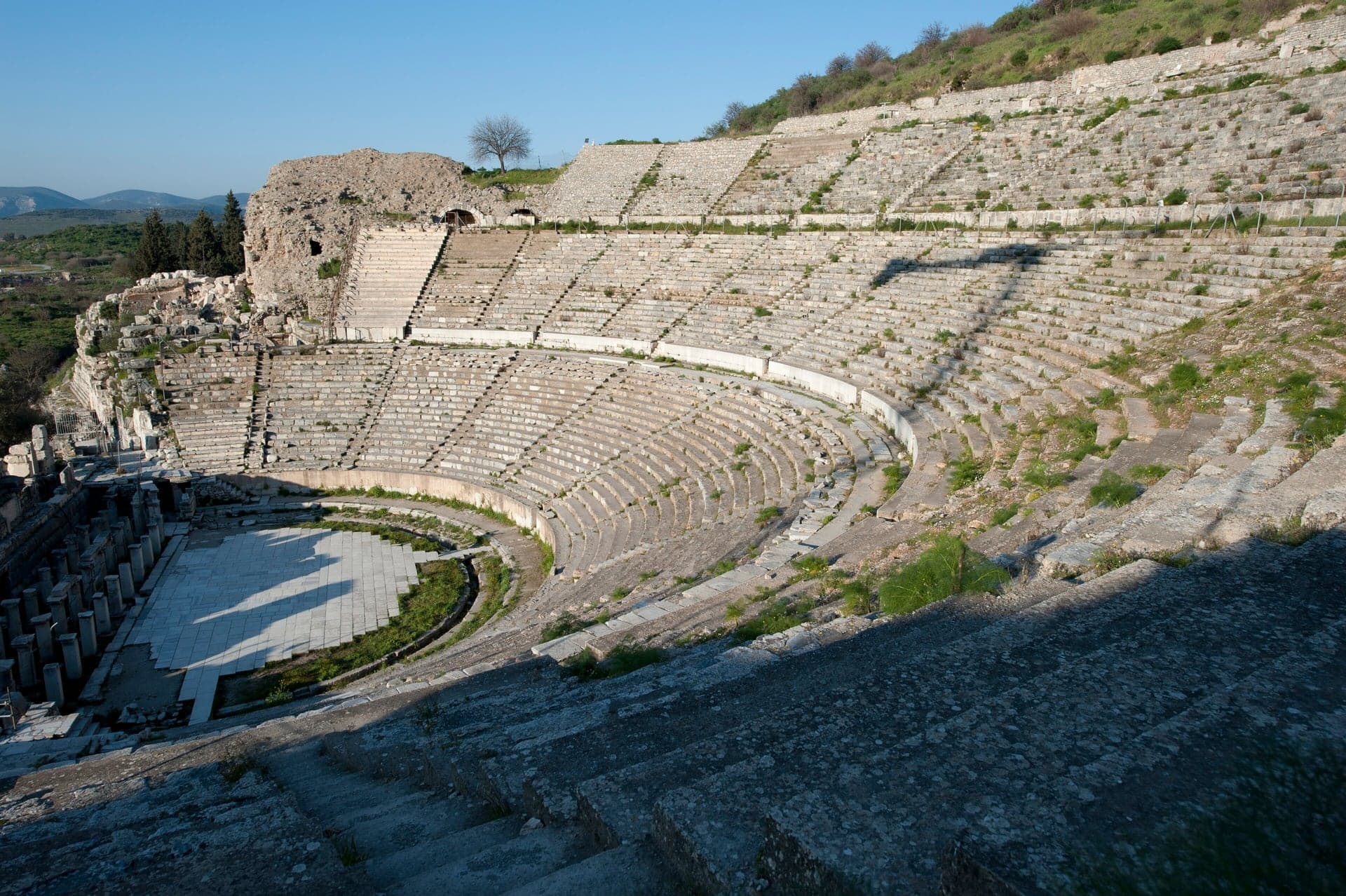
Theater Gymnasium and the Lower Gate: The Long Afterlife
Selcuk is compact enough to cross on foot, and the ancient site is close.
From the town center, the Ephesus site is about 3.5 kilometers. You can walk it in roughly 45 minutes along a marked trail, take a taxi, or hop a dolmus, the shared minibus, for a fare of around 25 Turkish lira and a ride of under 10 minutes. The dolmus is the cheapest option by far. One planning note that shapes your whole visit: enter at the upper gate rather than the lower gate, so you walk the entire site downhill from the civic center to the harbor road instead of climbing back up in the heat.
Getting to Selcuk in the first place is easy. From Izmir Adnan Menderes Airport, Turkish State Railways runs a direct train to Selcuk from a station inside the airport, taking about an hour for a fare around 90 lira (roughly two euros in 2026). Shuttle buses from the airport run around 450 lira, about nine euros. Trains and intercity buses also connect Selcuk from Izmir city and the coastal resorts. Once here, you will not need a car for the sites in this guide.
Best time to visit
Come in spring or autumn, and start early or late in the day.
Ephesus is largely open marble with very little shade, so midday summer heat is the real enemy, made worse by tour groups arriving from cruise ports and the coastal resorts. April to June and September to October give you mild temperatures and softer light on the stone. If you are here in summer, walk right at opening or in the last couple of hours before closing.
Opening hours shift with the season, so check before you go. As checked on 5 October 2026, the site opens at 8:00 and closes at 18:00 every day, with ticket sales stopping at 17:45; winter hours are not yet published. The Terrace Houses open a little later and close a little earlier than the main site (9:00 to 17:00). Evening openings run on some nights of the week. One seasonal bonus in town: storks nest on the arches of the Byzantine aqueduct from about mid-March to the end of August, which makes late spring a fine time to walk the center of Selcuk.
What it costs
Budget for one main ticket, one optional add-on, and cheap local transport. Everything else in town is modest.
The Ephesus site ticket in 2026 is 40 euros, and it includes the Ephesus Experience Museum. The Terrace Houses, the block of elite Roman homes with mosaics and frescoes above Curetes Street, need a separate ticket, an extra 15 euros on top of site entry. Buy the main ticket at the gate or in advance through the official muze.gov.tr site. State ticket offices strongly prefer card payment, and children under a certain age enter free with ID.
In town the costs drop. The Isa Bey Mosque is a working mosque with no ticket (it reopened for worship in 2025 after restoration). The ministry lists no ticket for the Temple of Artemis field, and published hours disagree, so check at the site. The Basilica of Saint John and the Ayasuluk Fortress share a combined ticket (6 euros, checked 5 October 2026), so one admission covers both on the hill. The Ephesus Archaeological Museum, home to the two famous marble statues of Artemis, charges 10 euros (checked 5 October 2026) and is open every day 08:30 to 17:30. Add the dolmus fares, water, a hat, and lunch, and a full day of sightseeing here is inexpensive by European standards.
An honest word on safety
Selcuk is a calm, welcoming small town, and violent crime against visitors is rare. Turkey drew tens of millions of international tourists in recent years, and the Ephesus region is among its most visited and well-worn areas. Solo travelers, including solo women, generally report friendly, helpful locals.
The practical risks are ordinary ones. Watch your pockets in crowds at the site entrance and in busy markets, as you would anywhere touristy. The bigger real hazard is the ground and the sun: the ancient marble paving is worn uneven and slippery when wet, and there is almost no shade across the open streets, the agora, and the theatre. Wear closed shoes with grip, carry more water than you think you need, and pace the descent. At the working mosques in and around Selcuk, dress modestly, remove your shoes, keep quiet, and avoid the daily prayer times. These are living places of worship, not monuments.
Sources
- Ephesus Entrance Fee & Hours 2026, Felicity Travel Turkey
- Ephesus History, Tickets, and Opening Hours 2026 Guide, Istanbul Clues
- Ephesus Archaeological Site, official page (muze.gov.tr)
- Museum and archaeological site fees, Ministry of Culture and Tourism (DOSIM)
- Transport to and from Selcuk (Ephesus), Turkey Travel Planner
- How to go from Selcuk to Ephesus, Ephesian Tourism
- Is Turkey Safe to Visit in 2026, My Turkey Adventure
Frequently asked questions
- How many days do you need in Selcuk and Ephesus?
- One full day is the minimum and two days is comfortable. The main Ephesus site is a downhill walk that fills a morning, two hours or more with the Terrace Houses. A second day covers the Ephesus Archaeological Museum in town, the Basilica of Saint John and the Ayasuluk Fortress, the Isa Bey Mosque, and the Temple of Artemis field. Add a third day for day trips to the House of the Virgin Mary and Sirince village.
- How do you get from Izmir Airport to Selcuk?
- Turkish State Railways runs a direct train to Selcuk from a station inside Izmir Adnan Menderes Airport, taking about an hour for a fare around 90 Turkish lira (roughly two euros in 2026). Shuttle buses run about 450 lira, around nine euros. Intercity buses and trains from Izmir city and the coastal resorts also connect Selcuk.
- How much is the Ephesus entrance fee in 2026?
- The Ephesus site ticket in 2026 is 40 euros and includes the Ephesus Experience Museum. The Terrace Houses require a separate ticket, an extra 15 euros on top of site entry. State ticket offices strongly prefer card payment. Buy the main ticket at the gate or in advance through the official muze.gov.tr site.
- What is the best time of year to visit Ephesus?
- Spring and autumn are best, roughly April to June and September to October, with mild temperatures and little crowd pressure. Ephesus is open marble with almost no shade, so summer visits are hot and busy with cruise and resort groups. Start right at opening or in the last couple of hours before closing, and note that storks nest on the Selcuk aqueduct from about mid-March to the end of August.
- How do you get from Selcuk town to the Ephesus ruins?
- The Ephesus site is about 3.5 kilometers from the Selcuk town center. You can walk it in roughly 45 minutes on a marked trail, take a taxi, or ride a shared dolmus minibus for around 25 Turkish lira and a trip of under 10 minutes. Enter at the upper gate so you walk the whole site downhill instead of climbing back up in the heat.
- Is Selcuk safe for tourists and solo travelers?
- Yes, Selcuk is a calm, welcoming small town and violent crime against visitors is rare. The Ephesus region is one of Turkey's most visited areas, and solo travelers, including solo women, generally report friendly locals. Watch for pickpockets in crowds, and treat the uneven marble paving and strong sun as the main real hazards by wearing grippy shoes and carrying water.
Ready to experience it?
Ephesus: The City That Rebuilt Itself
90 min · 1.2 km · moderate
More from Selcuk
Explore more at your own pace.
One Day in Selcuk and Ephesus: A Walkable Morning-to-Evening Itinerary
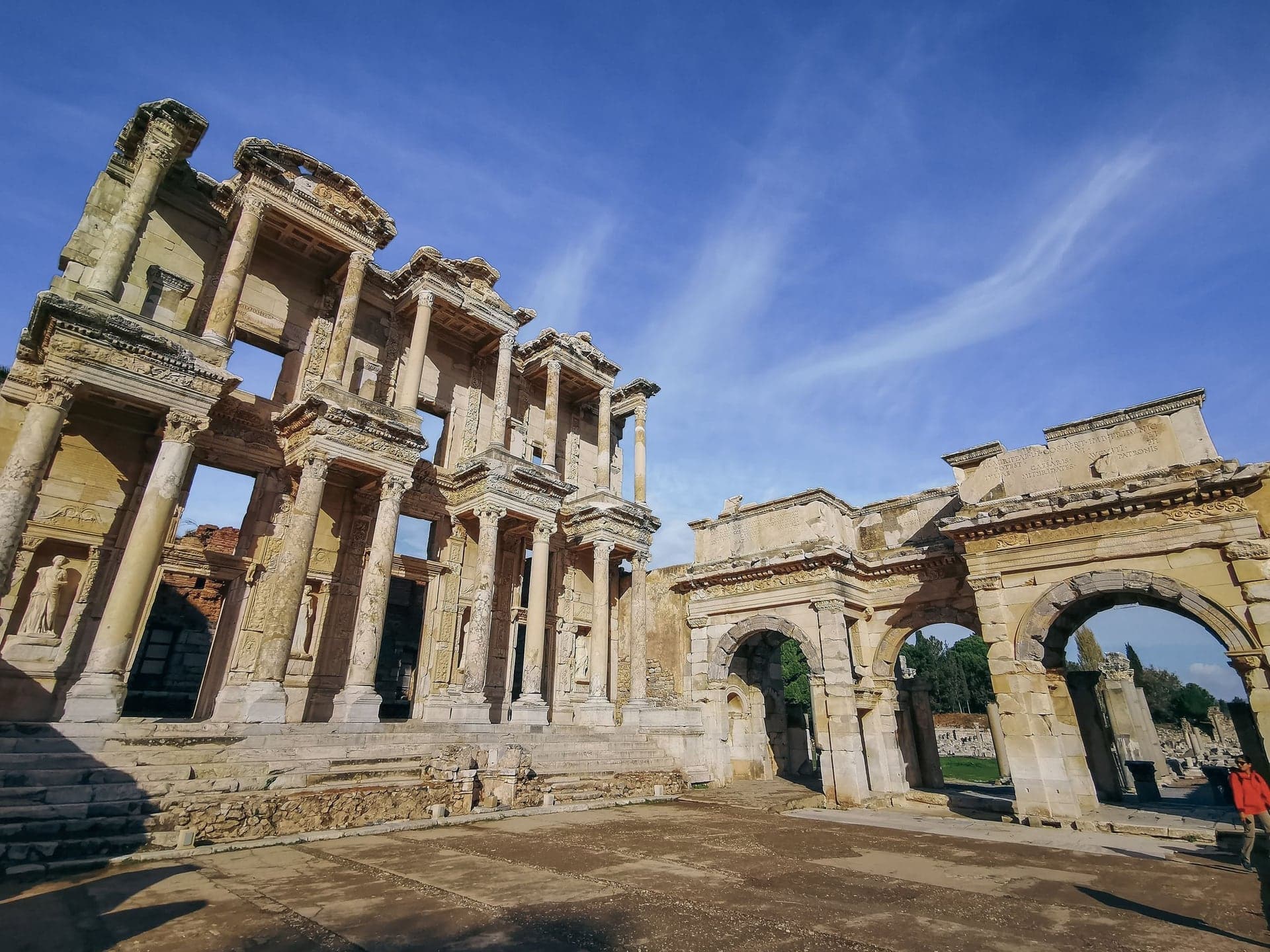
Selcuk: The Afterlife of Ephesus
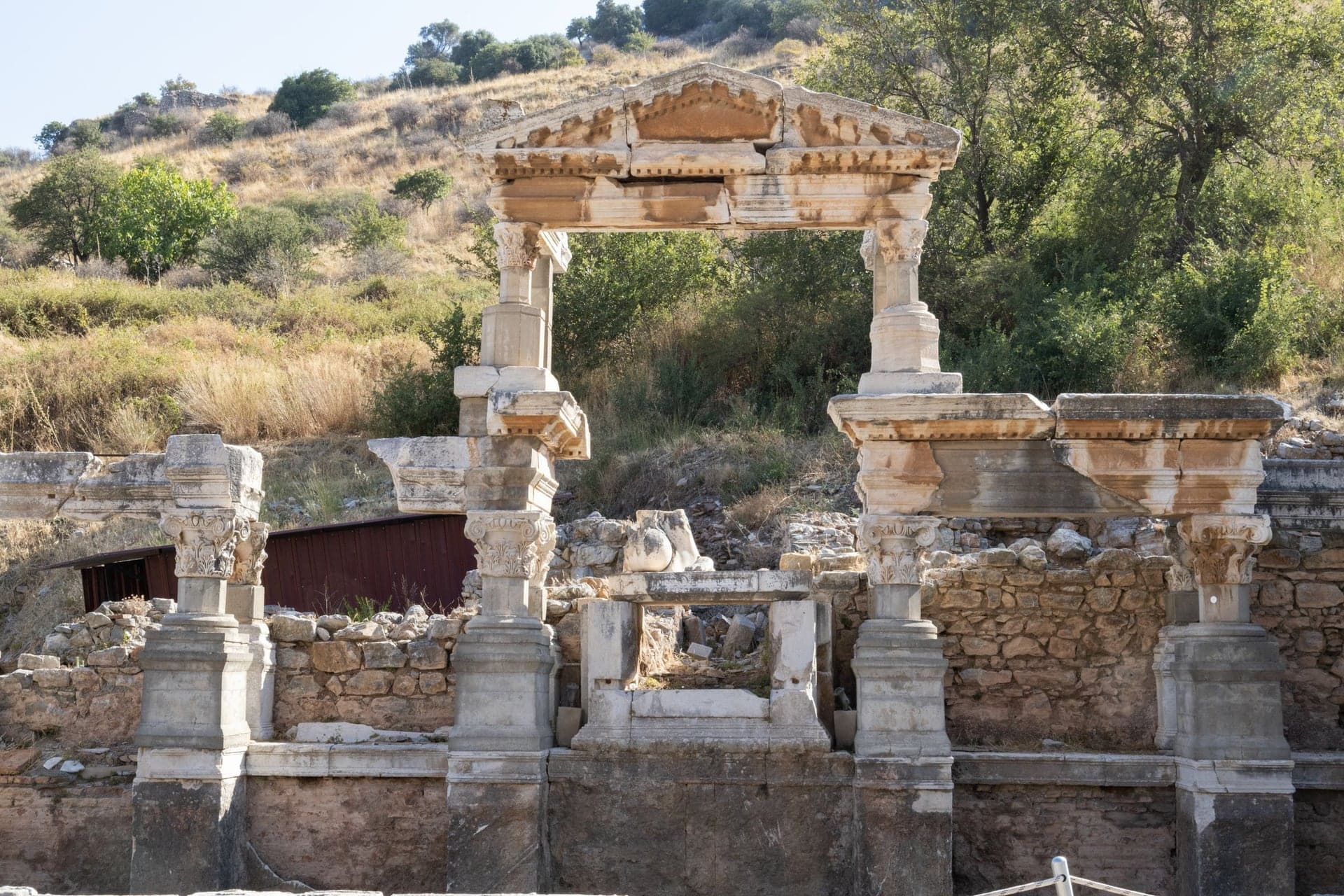
Curetes Street: How to Read the Whole Marble City of Ephesus
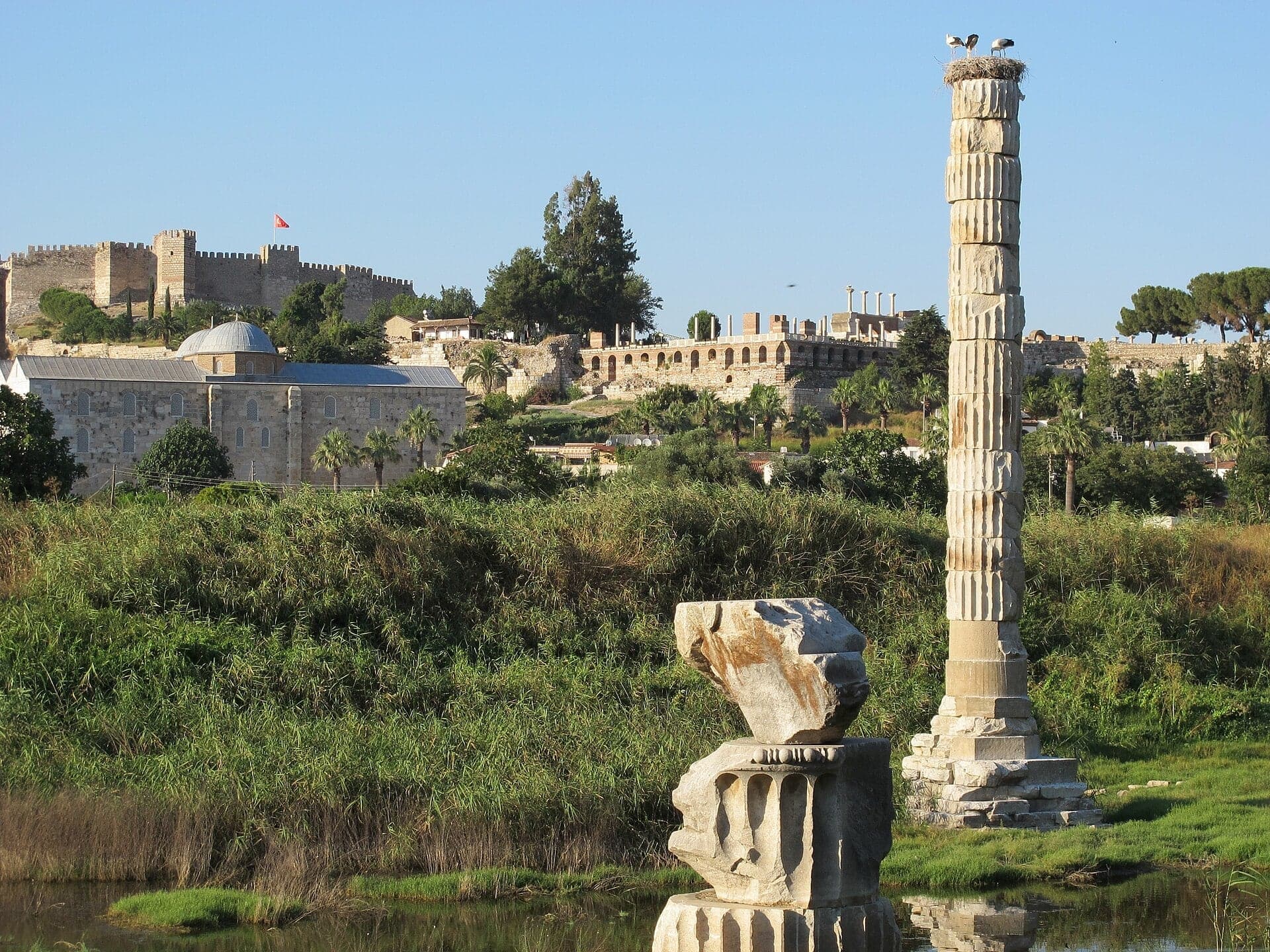
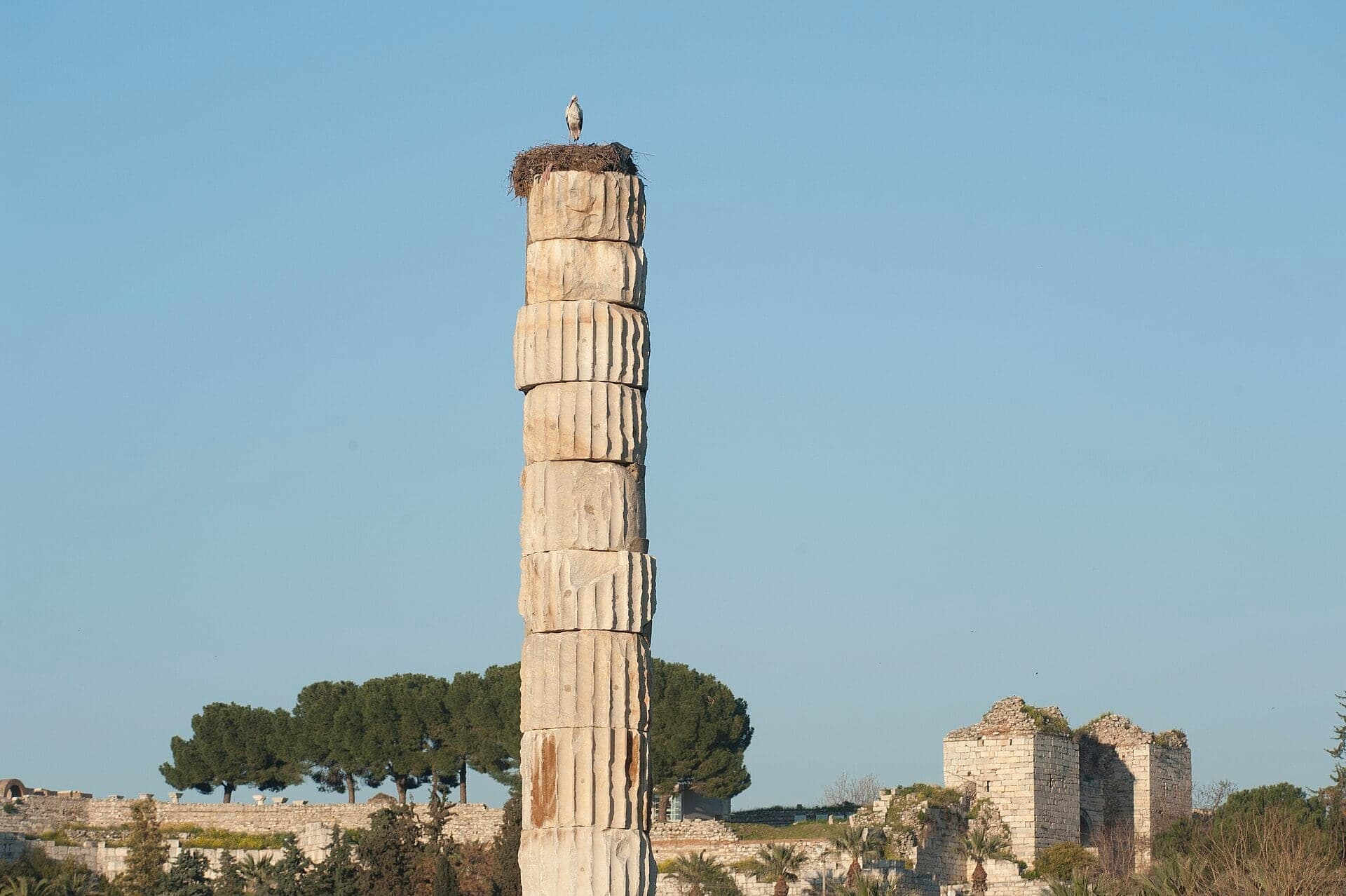
The Temple of Artemis and How Selcuk Reads Its Own Absences
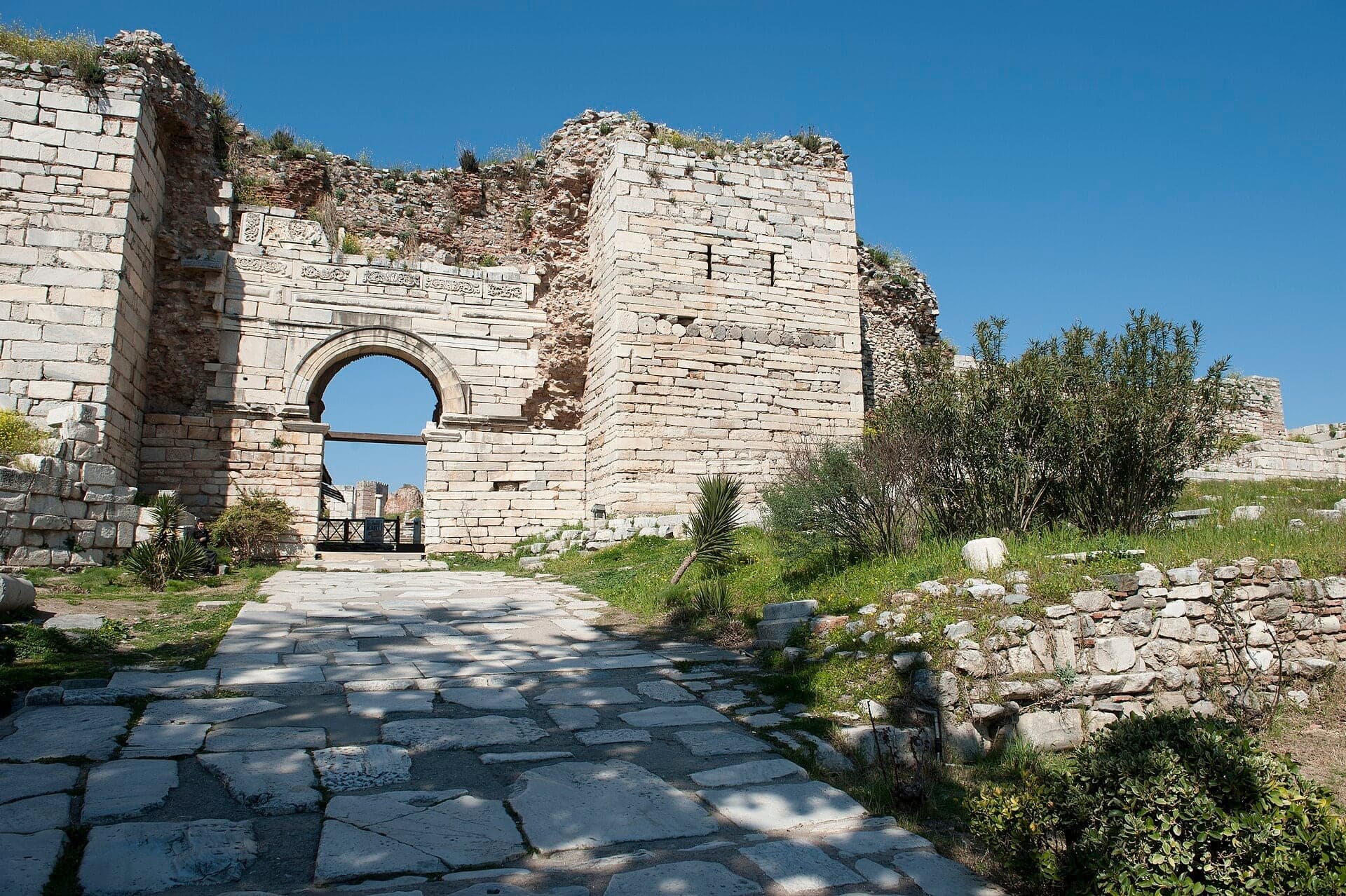
The Basilica of Saint John: Justinian's Church Built Over a Tomb