Historic Center: The City That Kept Reassigning Itself
110 min · 3.2 km · moderate
Oaxaca is widely called the culinary capital of Mexico, and it earns the title in its markets rather than its restaurants. The food here is defined by pre-Hispanic depth over novelty: an indigenous larder of corn, chiles, cacao, agave, and insects, refined over centuries into sauces so complex they take days to make. Eat well in Oaxaca and you are eating in the one part of this city that never had to be reassigned to something else. This guide covers the dishes worth seeking out and where the food culture actually lives, and it pairs naturally with a slow walk on one of our Oaxaca self-guided tours.
The dishes to seek out
The seven moles. Oaxaca is famed as the land of the seven moles, each a complex sauce that can carry fifteen to more than thirty ingredients. Mole negro is the queen: inky, velvety, and layered with chilhuacle and other chiles, dark chocolate, nuts, raisins, and warm spices. The others are rojo (colorado), amarillo, verde, chichilo, mancha manteles, and coloradito, each with its own color and use. Some are everyday and some are ceremonial, chichilo is traditionally made for funerals, so eating a range of them is a small tour through Oaxacan life.
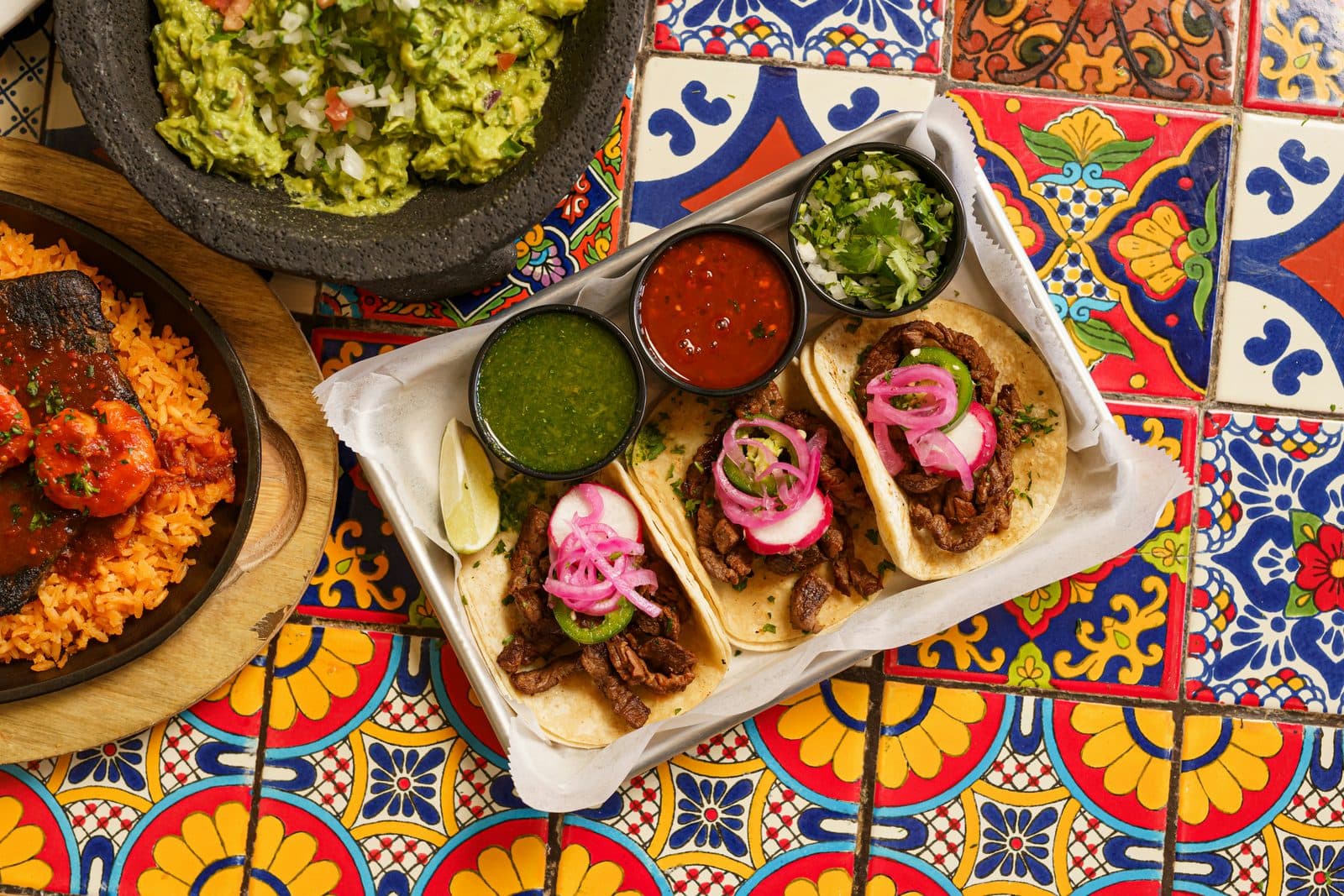
Tlayudas. Oaxaca's most iconic street food, sometimes called Oaxacan pizza. A large, partially dried corn tortilla, roughly 12 to 16 inches across, is grilled over coals until it blisters and crisps at the edges, then loaded with black-bean paste, asiento (unrefined pork lard), quesillo, avocado, and a grilled meat like tasajo or cecina. It is the dish to eat with your hands off a market grill.
Chapulines. Toasted grasshoppers seasoned with garlic, lime, and chile, a pre-Hispanic snack eaten here for centuries and sold by the bagful in the markets. Crunchy, tangy, and genuinely local. Roll a pinch into a warm tortilla with quesillo for the classic bite.
Quesillo (Oaxaca cheese). The soul of Oaxacan cooking: a soft, white, hand-stretched string cheese wound into balls at market stalls. Made by the same pasta-filata stretching technique as mozzarella but saltier and tangier, it melts across tlayudas, stuffs empanadas, and pulls into long strings on its own beside a cold mezcal.
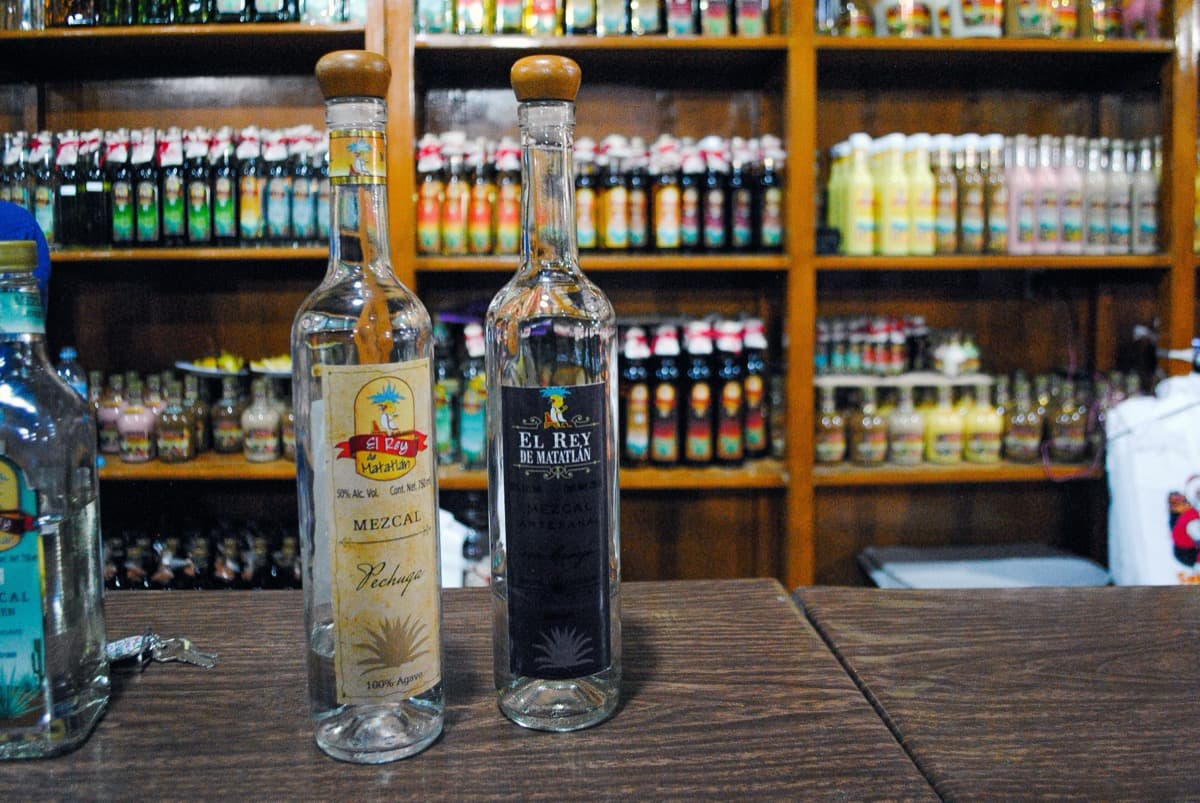
Mezcal. The smoky agave spirit that is Oaxaca's signature, produced in the valley palenques by roasting agave hearts in earth pits. It is best understood not as a novelty shot but as a pre-Columbian craft; the companion piece What Is Actually In the Glass reads it as liquid memory. Sip it slowly, ideally beside a plate of quesillo and chapulines.
Chocolate and champurrado. Oaxaca is a heartland of stone-ground drinking chocolate, blended with cinnamon, almonds, and sugar, served hot and frothy or whisked into a warm masa drink called champurrado. The chocolate corridor of the markets grinds it to order.
Where the food culture lives
Hear a stop from this walk
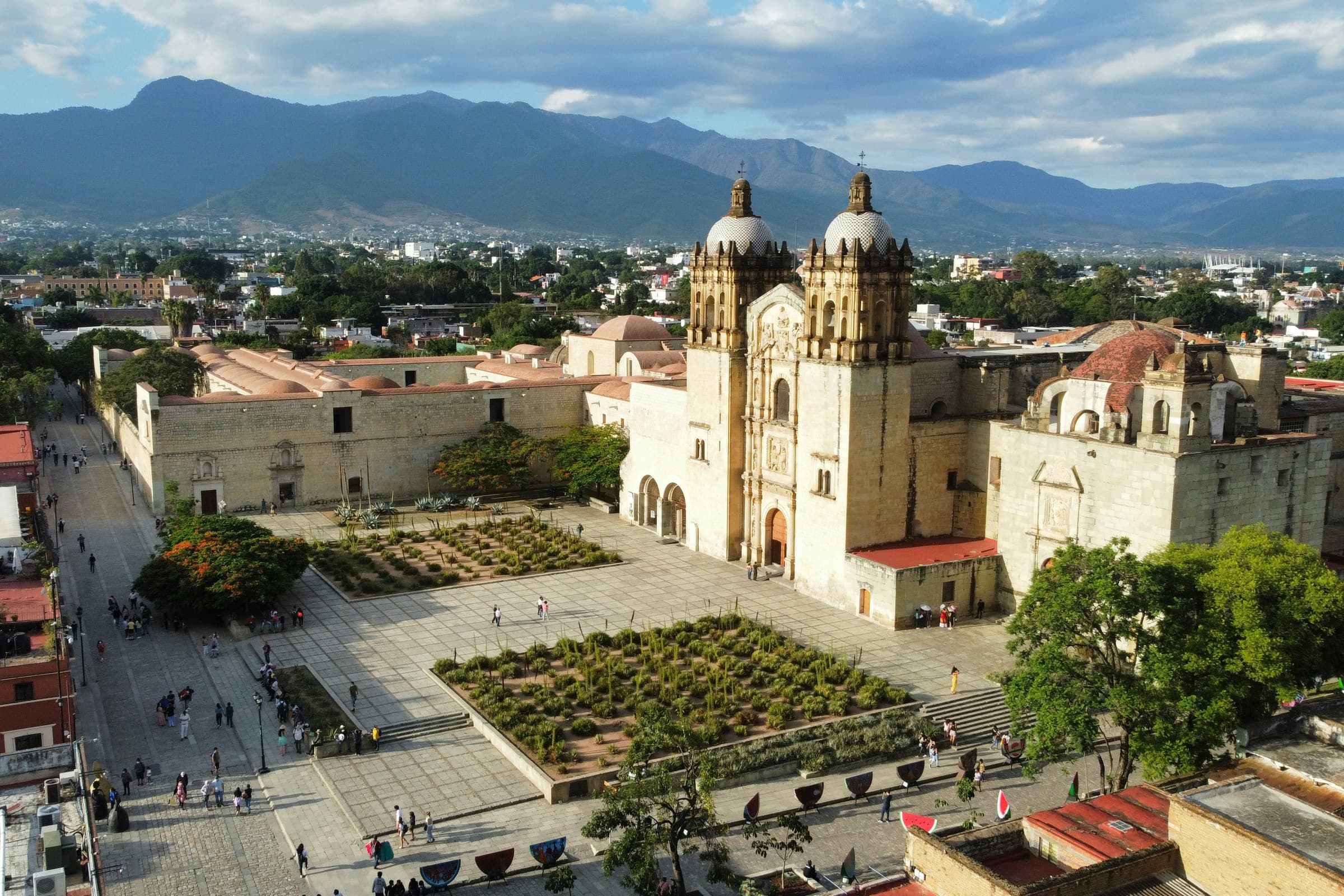
Santo Domingo: A Church, a Barracks, and a Garden in the Drill Yard
Mercado 20 de Noviembre, for the Pasillo de Humo. Housed in an 1882 building just south of the Zócalo, this market holds the famous Pasillo de Humo, the smoke alley where you choose your raw tasajo or cecina and have it grilled on the spot amid the smoke. It also has corridors for bread, chocolate, and champurrado and rows of regional cooks. It is the single best place to graze.
Mercado Benito Juárez, for the larder. The older general market next door, dense with produce, quesillo, chocolate, mole pastes, chapulines, and crafts. This is where the city's kitchens and its home cooks shop.
The streets around Santo Domingo, for an evening. The blocks along the Andador Alcalá and near the gilded church are lined with mole kitchens and mezcalerías. Walk the markets and mezcal tour at dusk and it doubles as your route to dinner. For the history behind that gilded church, and the cochineal dye boom that paid for it, see Santo Domingo de Guzmán: How a Cochineal Boom Built the Gilded Church.
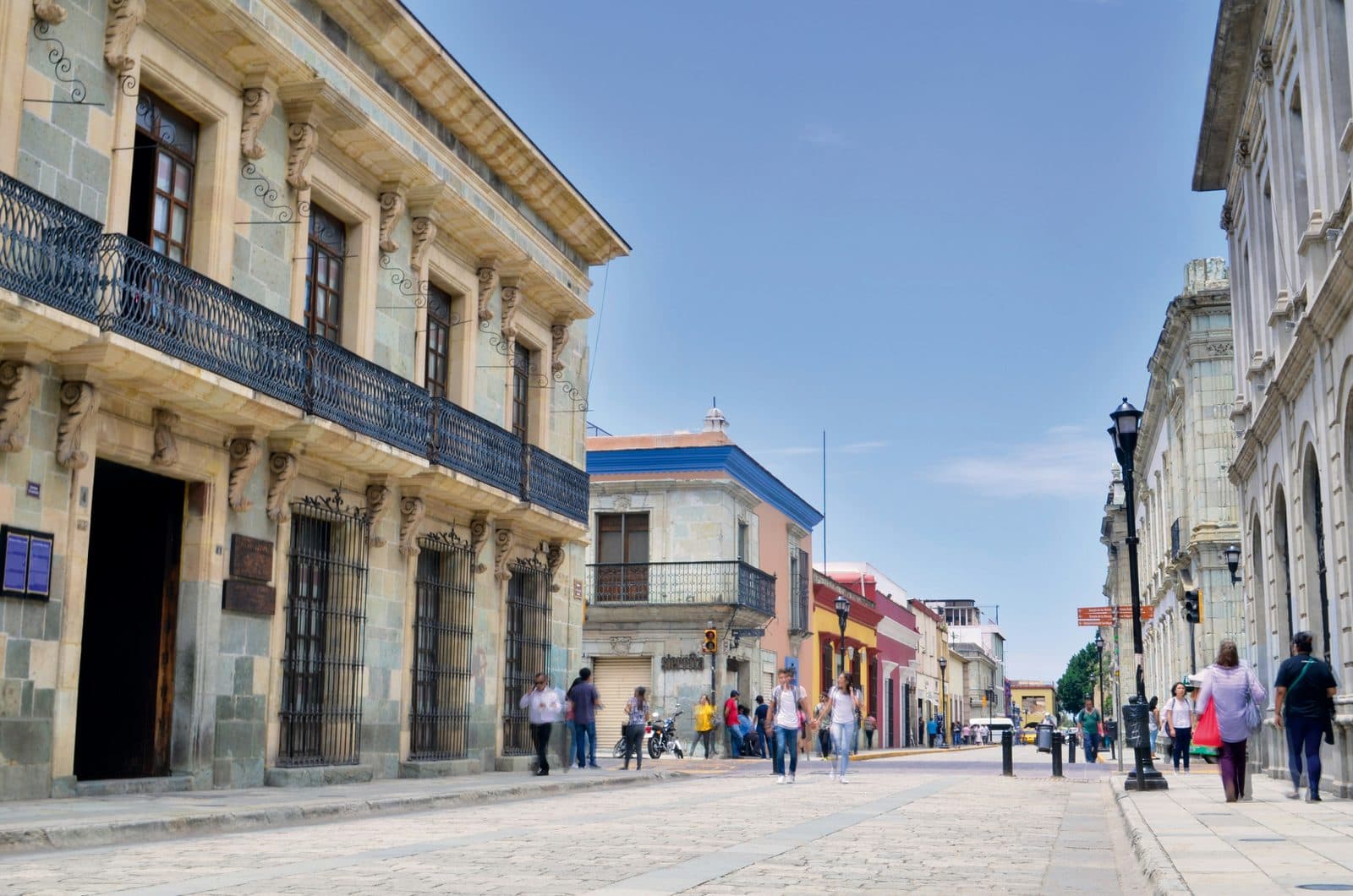
The historic center, for context. The historic center tour has one stop that belongs in a food guide. The grand house on the Andador that everyone calls the Casa de Cortés is not his, and the documentary study of the city's colonial houses places his actual residence on the ground where the market now stands, which held a pre-Hispanic market in the same space. People have been buying and selling food on that spot through three completely different regimes. The walk and the meal really are the same trip.
Eat as you walk
The best way to work through this list is on foot, one market at a time. Pair a morning of churches and plazas with a market lunch of tlayuda and quesillo, an afternoon in the Pasillo de Humo with grilled tasajo, and an evening near Santo Domingo with mole and mezcal. Route your day with the one day in Oaxaca itinerary, plan the practical side with the Oaxaca travel guide, and browse all Oaxaca tours. Every tour is free to start: the introduction and first stop play in full, and every later stop plays a short preview before an optional purchase.
Frequently asked questions
- What food is Oaxaca known for?
- Oaxaca is widely regarded as the culinary capital of Mexico. It is most famous as the "land of the seven moles," complex sauces led by the deep, dark mole negro. Its other headline dishes are the tlayuda (a large, crisp grilled tortilla often called Oaxacan pizza), chapulines (toasted grasshoppers), and quesillo (the local stringy Oaxaca cheese). Oaxaca is also a heartland of mezcal, the smoky agave spirit, and of stone-ground drinking chocolate.
- What are the seven moles of Oaxaca?
- Oaxaca is called the land of the seven moles: negro, rojo (colorado), amarillo, verde, chichilo, mancha manteles, and coloradito. Each is a complex sauce that can carry anywhere from fifteen to more than thirty ingredients. Mole negro is the best known, an inky, velvety sauce built on chilhuacle and other chiles, dark chocolate, nuts, and warm spices. Some, like chichilo, are traditionally reserved for special occasions such as funerals.
- Where should you eat in Oaxaca?
- The markets are the heart of it. Mercado 20 de Noviembre holds the famous Pasillo de Humo (Smoke Alley), where you pick raw tasajo or cecina and have it grilled on the spot, plus corridors for chocolate and champurrado. The neighboring Mercado Benito Juárez is the older general market of produce, quesillo, chocolate, and crafts. Beyond the markets, the streets around Santo Domingo and the Andador are lined with mole kitchens and mezcalerías.
- Are chapulines (grasshoppers) really safe and worth trying?
- Yes. Chapulines are toasted grasshoppers seasoned with garlic, lime, and chile, a pre-Hispanic snack that has been eaten in Oaxaca for centuries. They are sold by the bagful in the markets, crunchy and tangy, and are a genuine local staple rather than a tourist gimmick. Roll a pinch into a warm tortilla with a string of quesillo for the classic combination.
Mexico eSIM· 10% off with ROAMER10
Ready to experience it?
Historic Center: The City That Kept Reassigning Itself
110 min · 3.2 km · moderate
More from Oaxaca
Explore more at your own pace.
Best Self-Guided Walking Tours in Oaxaca (2026)
Oaxaca Travel Guide: How Many Days, Getting Around, When to Go (2026)
One Day in Oaxaca: A Walkable Historic-Center Itinerary (2026)
Markets, Mezcal, and the Continuity the Spanish Never Broke
Who Decides What a Building Is For: Reading Oaxaca's Historic Centre