Historic Center: The City That Kept Reassigning Itself
110 min · 3.2 km · moderate
Oaxaca rewards planning, but not in the way a big, spread-out city does. Its historic center is small, flat, and entirely walkable, so the real questions travelers search are about timing, safety, and what to save for day trips rather than how to cross a sprawling map. This guide answers those questions, answer first, then the detail.
How many days do you need in Oaxaca?
Short answer: three to four days for most people.
- 2 days covers the walkable historic center, the great markets, and mezcal. Enough for a first taste.
- 3 days adds a half-day trip to the Zapotec ruins of Monte Albán and time to slow down between meals.
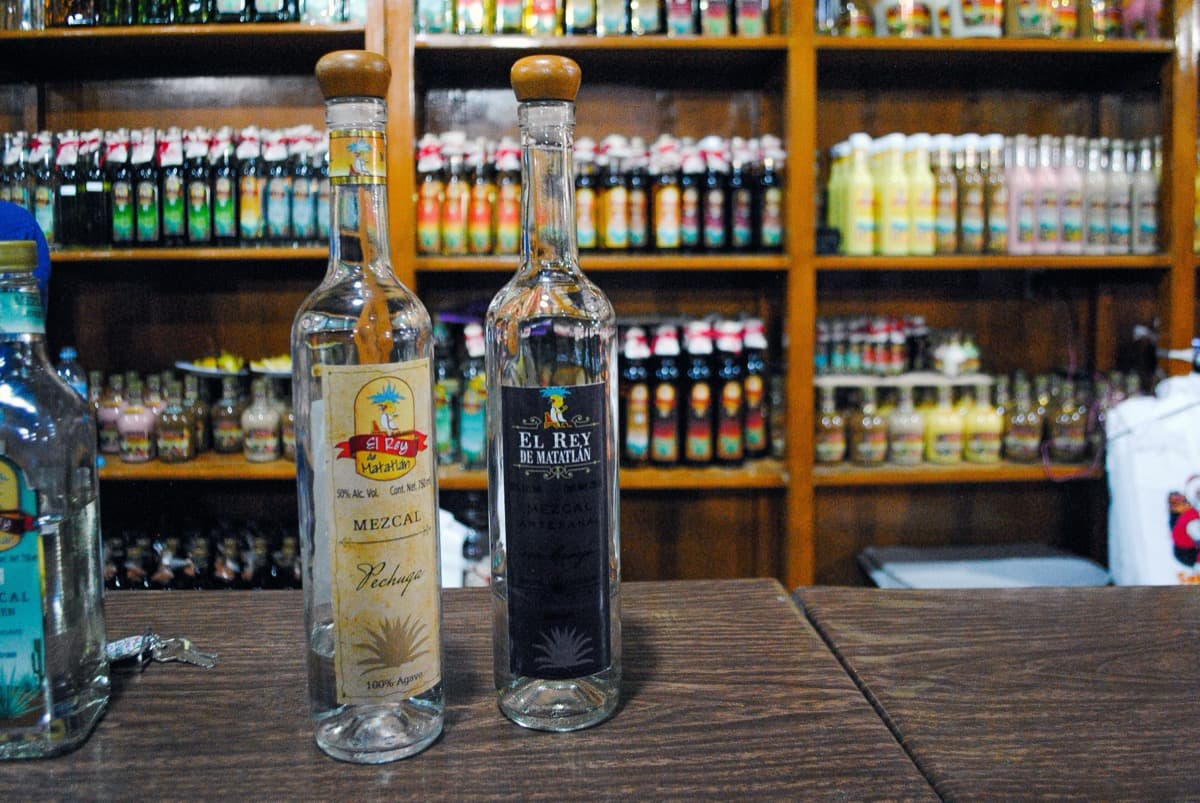
- 4 to 5 days reaches the valley villages, the weaving town of Teotitlán, and the mezcal palenques, at an unhurried pace.
Because the center itself is compact, the extra days are really for the surrounding valley, not the city core. If you only have one day, follow our focused one day in Oaxaca route through the historic center.
Getting around Oaxaca
Hear a stop from this walk
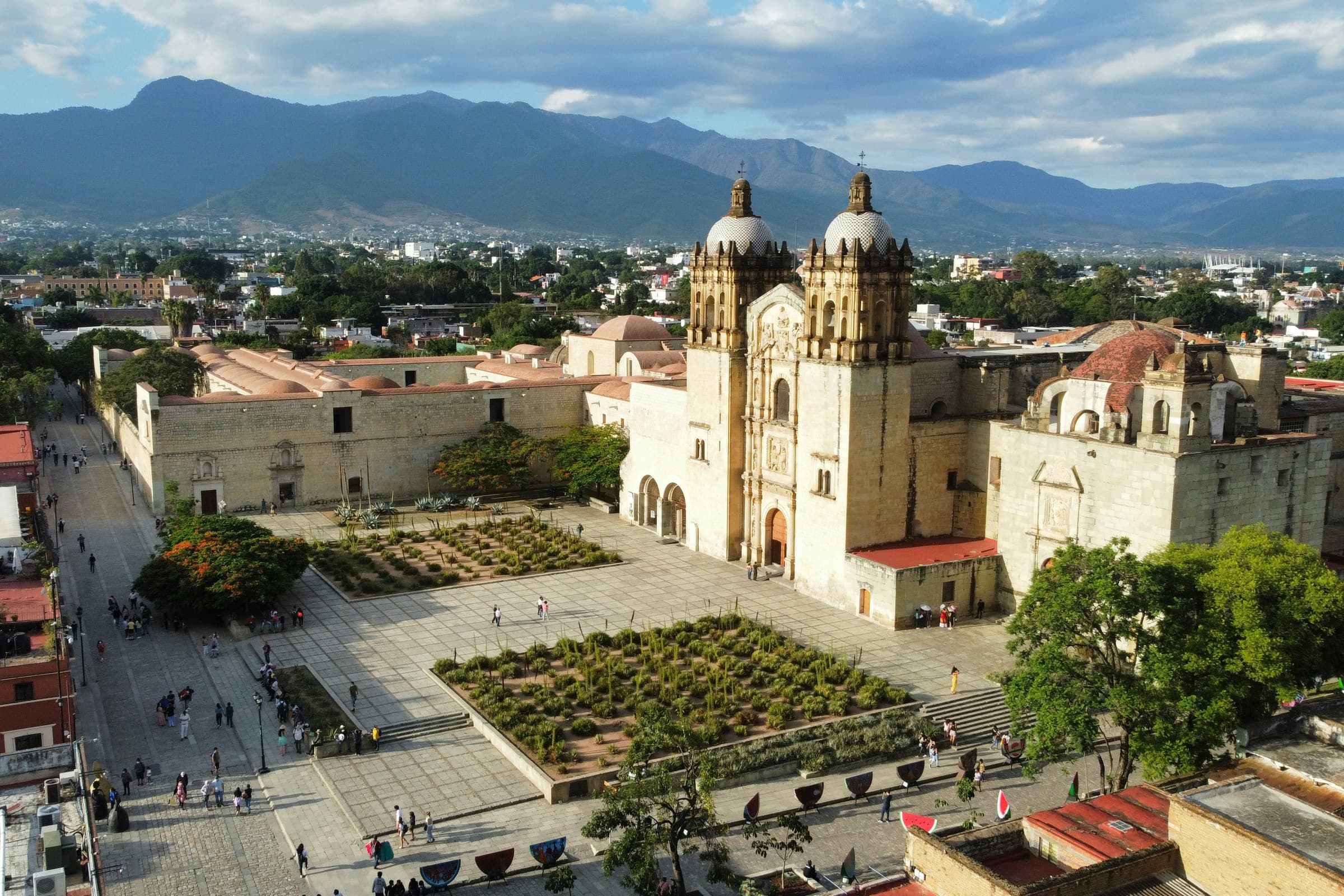
Santo Domingo: A Church, a Barracks, and a Garden in the Drill Yard
The historic center is a joy on foot and flat, so walking is how our self-guided Oaxaca tours are built.
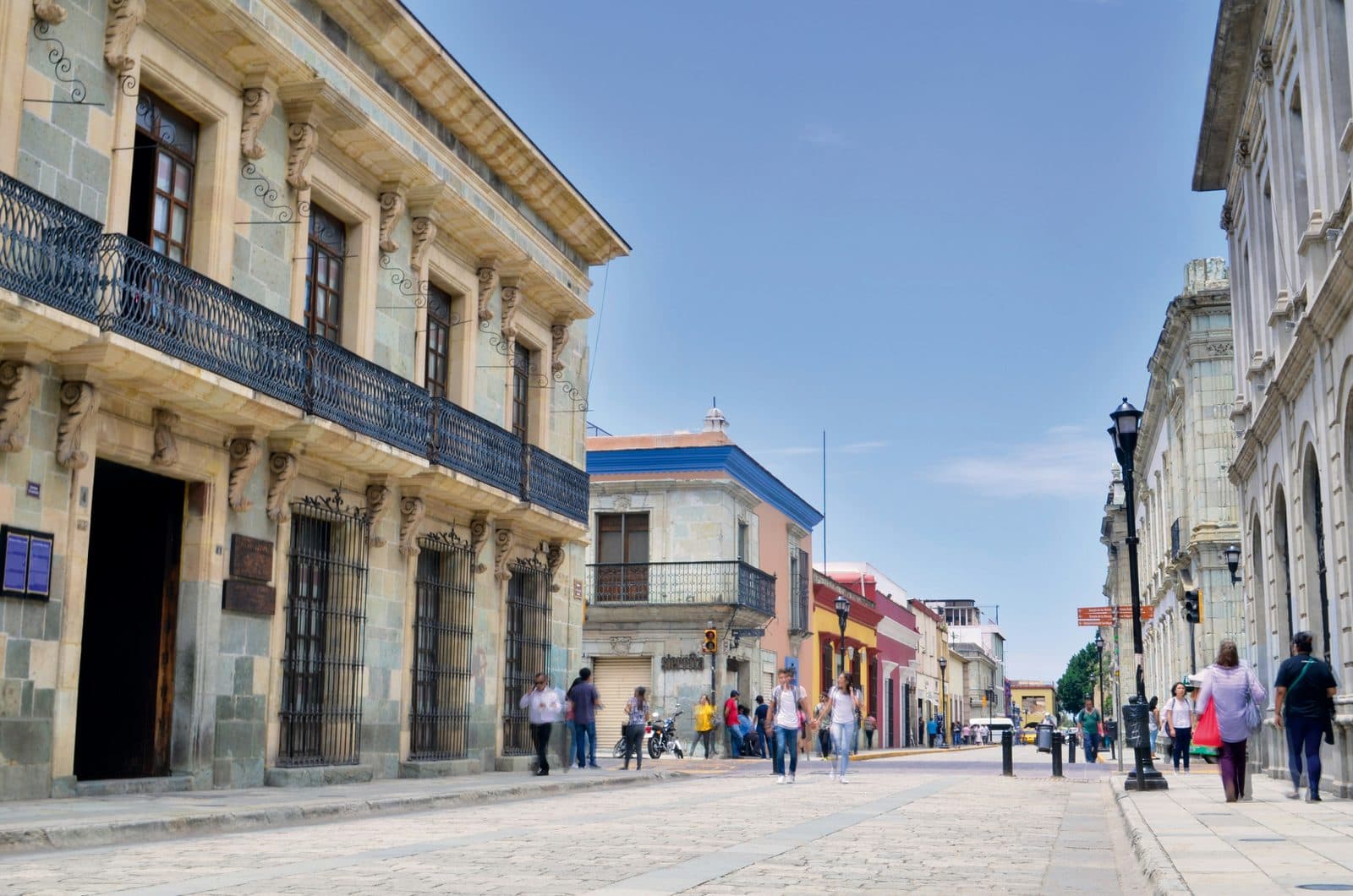
- Walk the center. The Zócalo, Cathedral, Santo Domingo, and the main markets sit within a compact UNESCO-listed core, connected by pedestrian streets like the Andador Turístico. You rarely need transport inside it.
- Taxis and ride-hailing. For trips out to Monte Albán or the valley, book a taxi through your hotel or use a ride-hailing app. Avoid unmarked cars.
- Colectivos. Shared vans reach the valley villages cheaply if you want to travel like a local.
- Skip driving in the center. The narrow one-way historic streets are discouraged for visitors; walk or take a taxi.
Best time to visit Oaxaca
Oaxaca has two showcase seasons, both extraordinary and both crowded:
- Día de Muertos (Day of the Dead), late October to early November. The peak is October 31 to November 2, and Oaxaca is one of the most powerful places on earth to witness it: neighborhood comparsas (street parades with brass bands and costumed dancers), elaborate altars, and candlelit cemetery vigils. It is the single most popular time to visit, so book far ahead.
- Guelaguetza, all of July. This major indigenous dance-and-culture festival centers on the two Mondays after July 16, known as Los Lunes del Cerro (Mondays on the Hill), with performances from Oaxaca's eight regions. Expect the whole month to be festive, busy, and pricier.
Outside those two peaks, the dry-season months from roughly November through April offer pleasant weather and thinner crowds. The summer rainy season brings warm afternoons and short downpours but keeps the valley green.
Is Oaxaca safe?
Very, by Mexican-city standards. Oaxaca City is widely regarded as one of the safest urban destinations in the country, and its walkable center stays lively into the evening. Oaxaca State carries a US State Department Level 2 advisory, "Exercise Increased Caution," the same level as the UK, France, and Germany, with no Level 3 or Level 4 warning. Violent crime targeting tourists is rare. Ordinary precautions apply: watch your belongings in crowded markets, use licensed taxis or a ride-hailing app rather than unmarked cars, and favour well-lit streets late at night. Note that occasional protests or road blockades can affect the wider state, so check locally before longer excursions.
Oaxaca on a budget
Oaxaca is friendlier to a tight budget than most colonial-capital destinations. Much of what makes it special costs nothing:
- Free to walk: the Zócalo, the Andador, the churches, the barrio of Jalatlaco, and the market halls themselves.
- Eat cheap and well: the markets. A tlayuda from a stall, a plate from the Pasillo de Humo, or a cup of market chocolate is delicious and inexpensive. See what to eat in Oaxaca for what to order.
- Skip taxis in the center: everything is walkable.
- Skip the guide fee: Roamer self-guided audio tours are free to start, so you get expert narration without booking a guide, a start time, or a tip.
A note on altitude
Oaxaca City sits at about 1,555 meters (roughly 5,100 feet). That is mild altitude, far lower than Mexico City, and most people notice nothing more than slightly thinner air. Drink water, take your first day easy, and remember that the local mezcal can hit a little harder up here. The center has no real hills, so walking stays comfortable throughout.
Start planning your walk
Ready to route your days? Read our one day in Oaxaca itinerary, plan your meals with what to eat in Oaxaca, browse the best self-guided walking tours in Oaxaca, or see all Oaxaca tours. Every tour is free to start: the introduction and first stop play in full, and every later stop plays a short preview before an optional purchase. Tours can also be downloaded in advance for offline listening.
Frequently asked questions
- How many days do you need in Oaxaca?
- Three to four days is the sweet spot for most travelers. Two days covers the walkable historic center, the great markets, and mezcal. Three days adds a half-day trip to the Zapotec ruins of Monte Albán and time to slow down. Four or five days lets you reach the valley villages, weaving towns, and mezcal palenques at an unhurried pace. Because the center itself is compact, the extra days are really for the surrounding valley, not the city core.
- Is Oaxaca walkable, and how do you get around?
- The historic center is very walkable and flat, and it is the best way to see the city. The Zócalo, the Cathedral, Santo Domingo, and the main markets all sit within a compact UNESCO-listed core connected by pedestrian streets like the Andador Turístico, so you rarely need transport inside the center. For trips out to Monte Albán or the valley villages, use a taxi booked through your hotel, a ride-hailing app, or a shared colectivo. Driving in the narrow historic streets is discouraged.
- What is the best time of year to visit Oaxaca?
- Two windows are extraordinary and busy. Día de Muertos, the Day of the Dead, peaks around October 31 to November 2 and is one of the most powerful places on earth to witness it, with neighborhood comparsas (street parades), altars, and candlelit cemetery vigils. The Guelaguetza, a major indigenous dance-and-culture festival, fills all of July, centered on the two Mondays after July 16 (Los Lunes del Cerro). Both are spectacular and the busiest, most expensive times to visit, so book far ahead. For pleasant weather with thinner crowds, the dry-season months of roughly November through April are excellent.
- Is Oaxaca safe for tourists?
- Yes. Oaxaca City is widely regarded as one of the safest urban destinations in Mexico, and its walkable historic center stays lively with families, vendors, and foot traffic into the evening. Oaxaca State carries a US State Department Level 2 advisory, "Exercise Increased Caution," the same level as the UK, France, and Germany. Violent crime targeting tourists is rare; the main concern is ordinary petty theft in crowds. Use licensed taxis or a ride-hailing app rather than unmarked cars, keep an eye on your belongings in busy markets, and favour well-lit streets late at night. Occasional protests or road blockades can affect the state, so check locally before longer trips.
- How can you see Oaxaca on a budget?
- Oaxaca is very budget-friendly. Much of what makes it special is free to experience: walking the Zócalo, the Andador, the churches, and the barrio of Jalatlaco costs nothing, and the great markets are a cheap, delicious way to eat. Grazing the Pasillo de Humo, a tlayuda from a stall, or a cup of market chocolate keeps food costs low. Skip taxis inside the compact center and just walk. Self-guided audio tours are free to start on Roamer, so you can add expert narration without hiring a guide, a start time, or a tip.
- How high is Oaxaca, and will the altitude affect me?
- Oaxaca City sits at about 1,555 meters (roughly 5,100 feet) above sea level. That is mild altitude: much lower than Mexico City, and most people feel nothing beyond slightly thinner air. Stay hydrated, go easy on your first day, and be aware that alcohol, including the local mezcal, can hit a little harder up here. There are no real hills in the historic center, so walking stays comfortable.
Mexico eSIM· 10% off with ROAMER10
Ready to experience it?
Historic Center: The City That Kept Reassigning Itself
110 min · 3.2 km · moderate
More from Oaxaca
Explore more at your own pace.
Best Self-Guided Walking Tours in Oaxaca (2026)
One Day in Oaxaca: A Walkable Historic-Center Itinerary (2026)

What to Eat in Oaxaca: A Food Guide (2026)
Markets, Mezcal, and the Continuity the Spanish Never Broke
Who Decides What a Building Is For: Reading Oaxaca's Historic Centre