Twelve stops through Oaxaca's historic centre, where almost nothing was demolished and almost everything was reassigned: a convent turned car park, an archive turned museum, a servant boy's lodging turned national shrine.
Start · Zocalo: The Garrison That Became a Grid
DirectionsStops
- 1
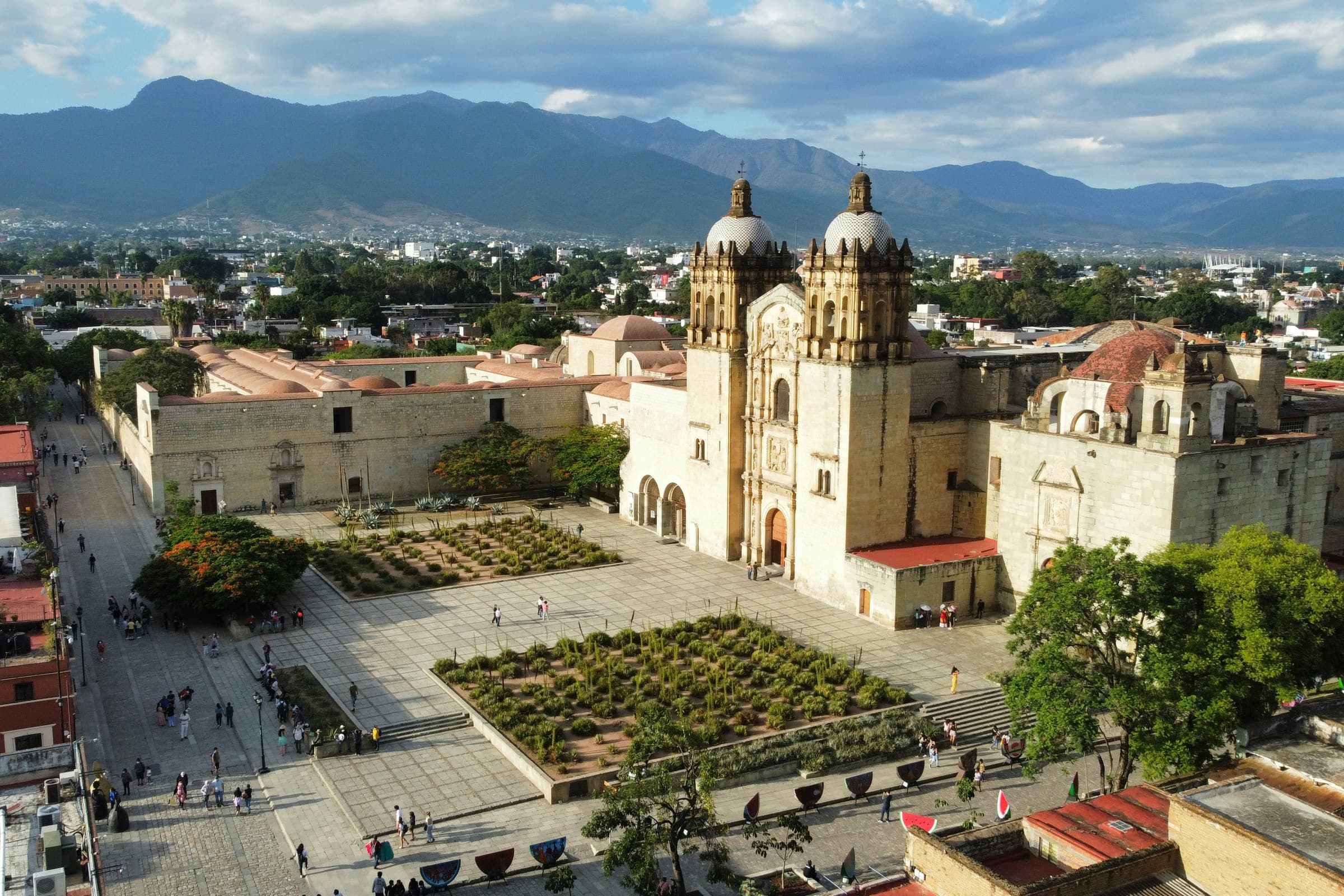
Zocalo: The Garrison That Became a Grid
Four decisions on one patch of ground. The bandstand in the middle of the square stands where a fountain, an earlier bandstand and a statue of Juarez each stood in turn. Before any of it, this hill was a Mexica garrison posted in 1486 to watch the Zapotecs.
- 2
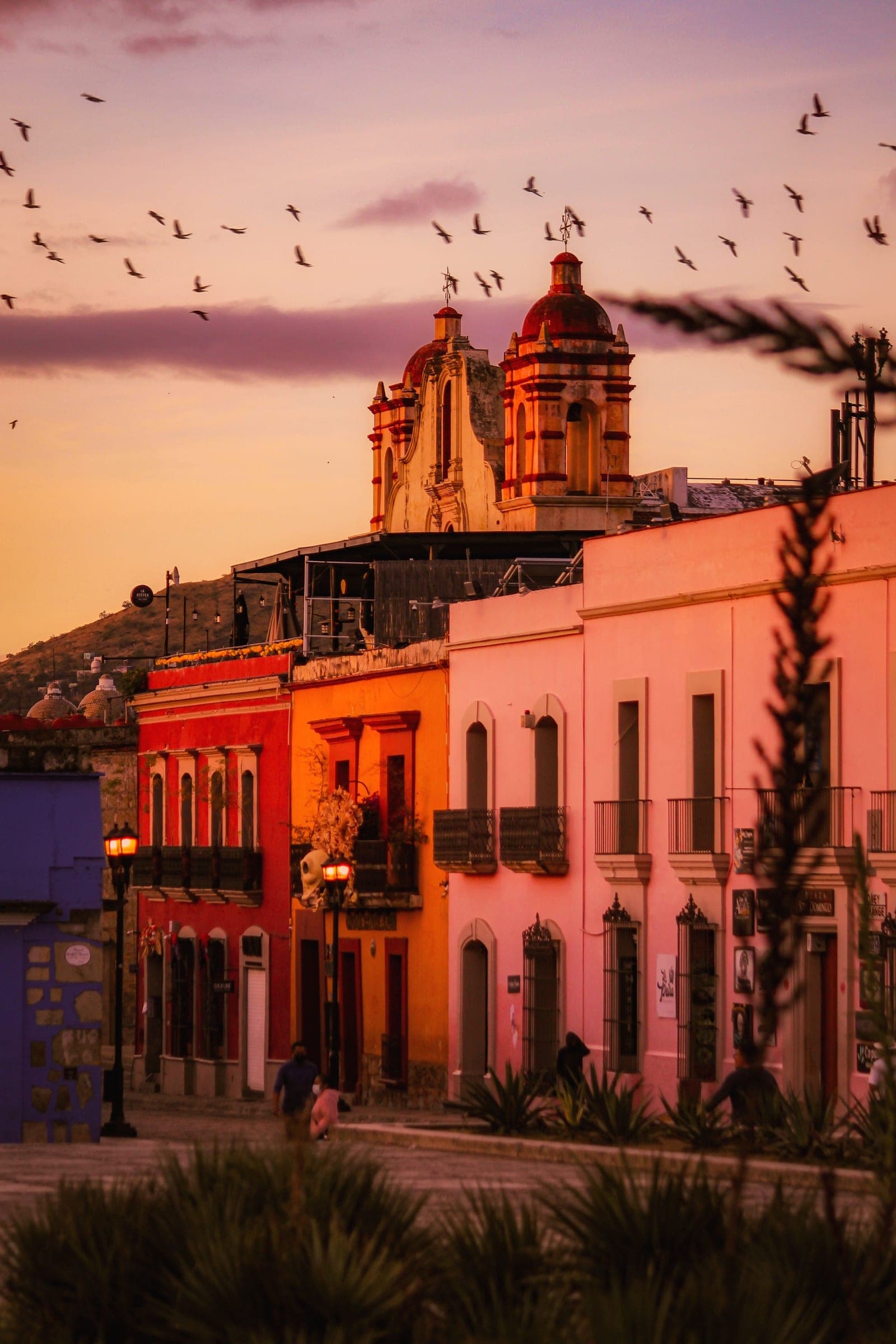
Centro Cultural San Pablo: The Convent That Became a Car Park
The one walkable piece of a hidden convent. The only walkable piece of the first Dominican convent in Oaxaca, a lane through a block that became houses, shops, a hotel, workshops and a car park before a foundation reassembled it.
- 3
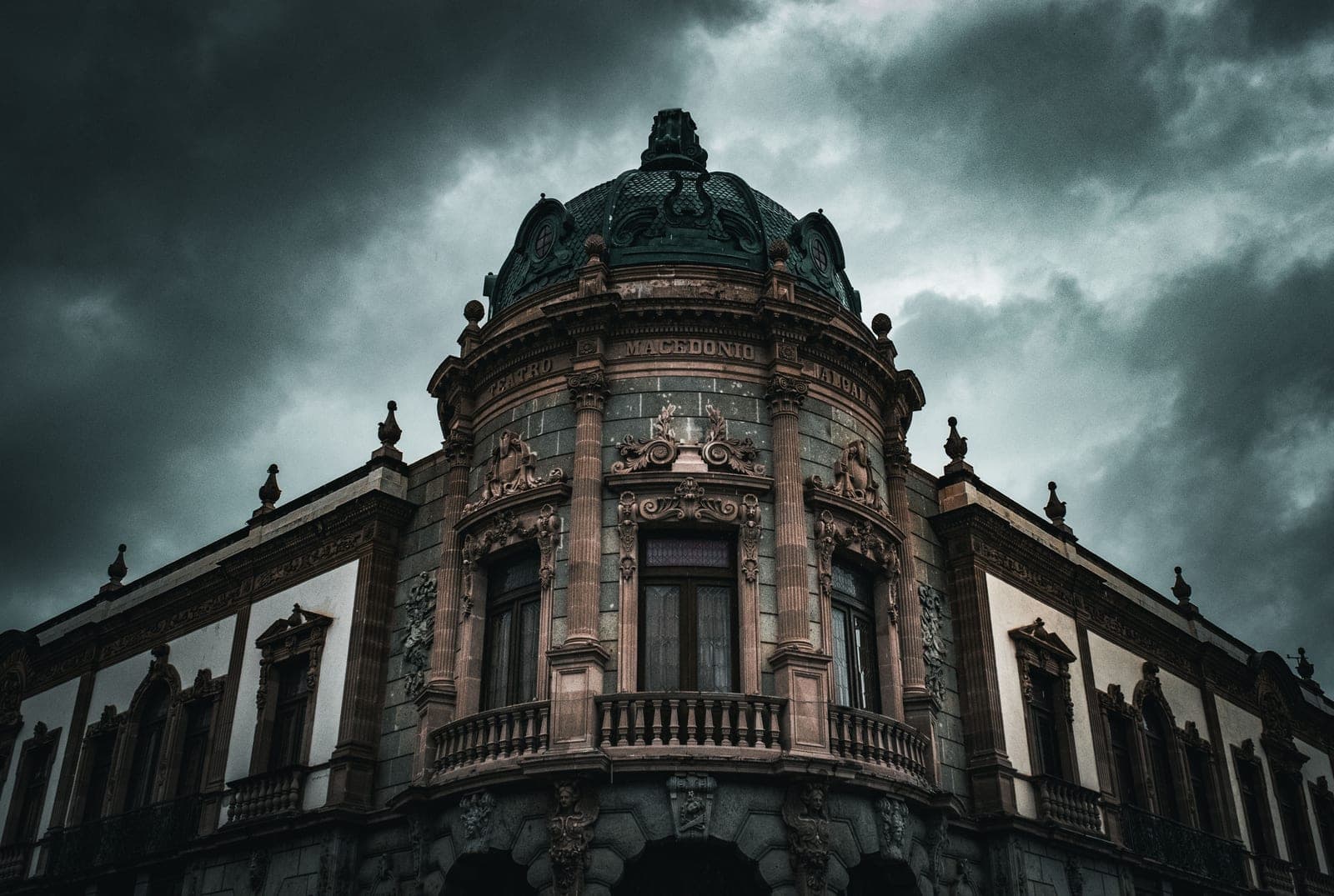
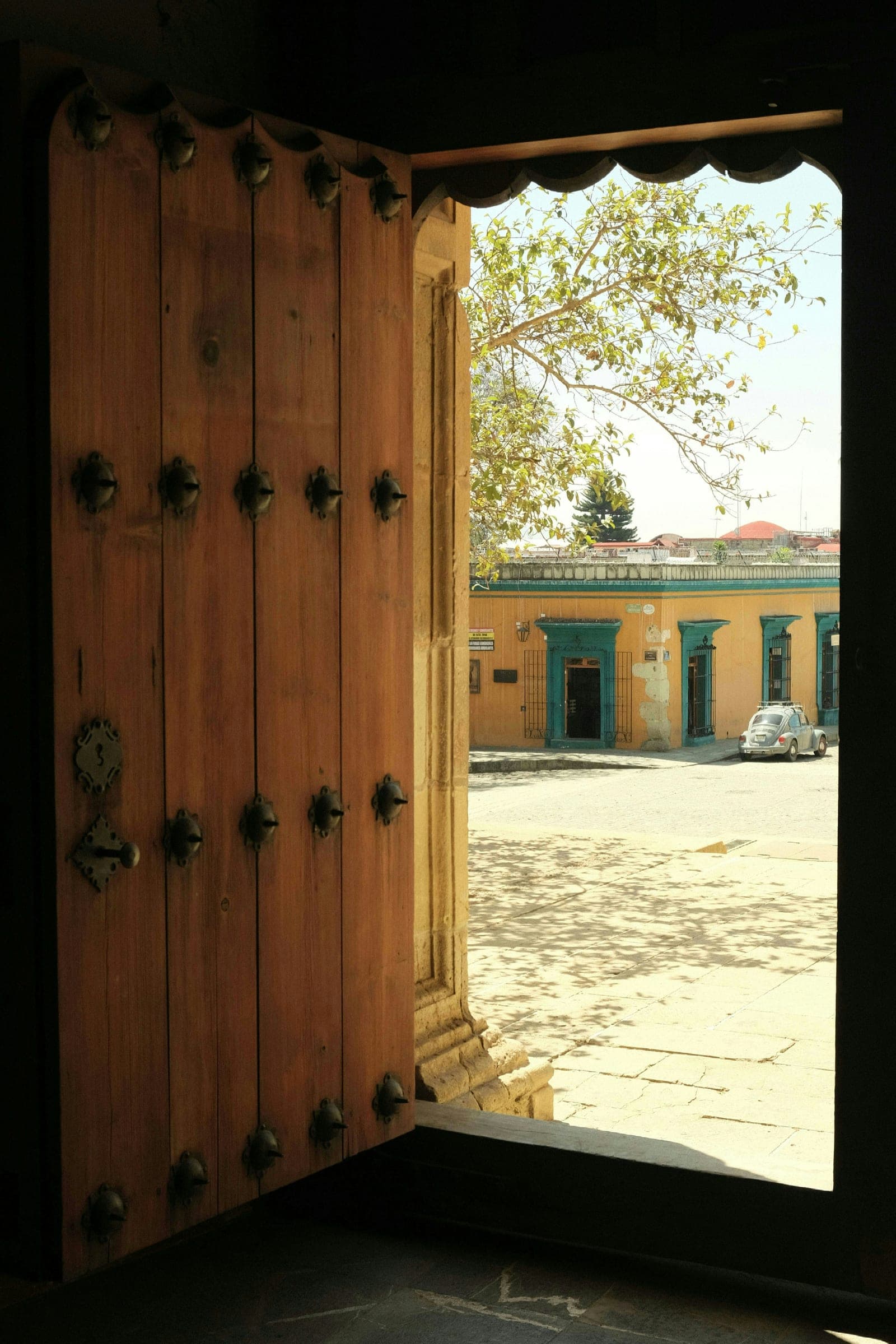
Teatro Macedonio Alcala: Three Names on One Building
Taken over by state decree in 1906. An opera house seen from its domed corner tower, begun by a private company, taken over by state decree in 1906 and part-paid for out of village savings. It has carried three names.
- 4
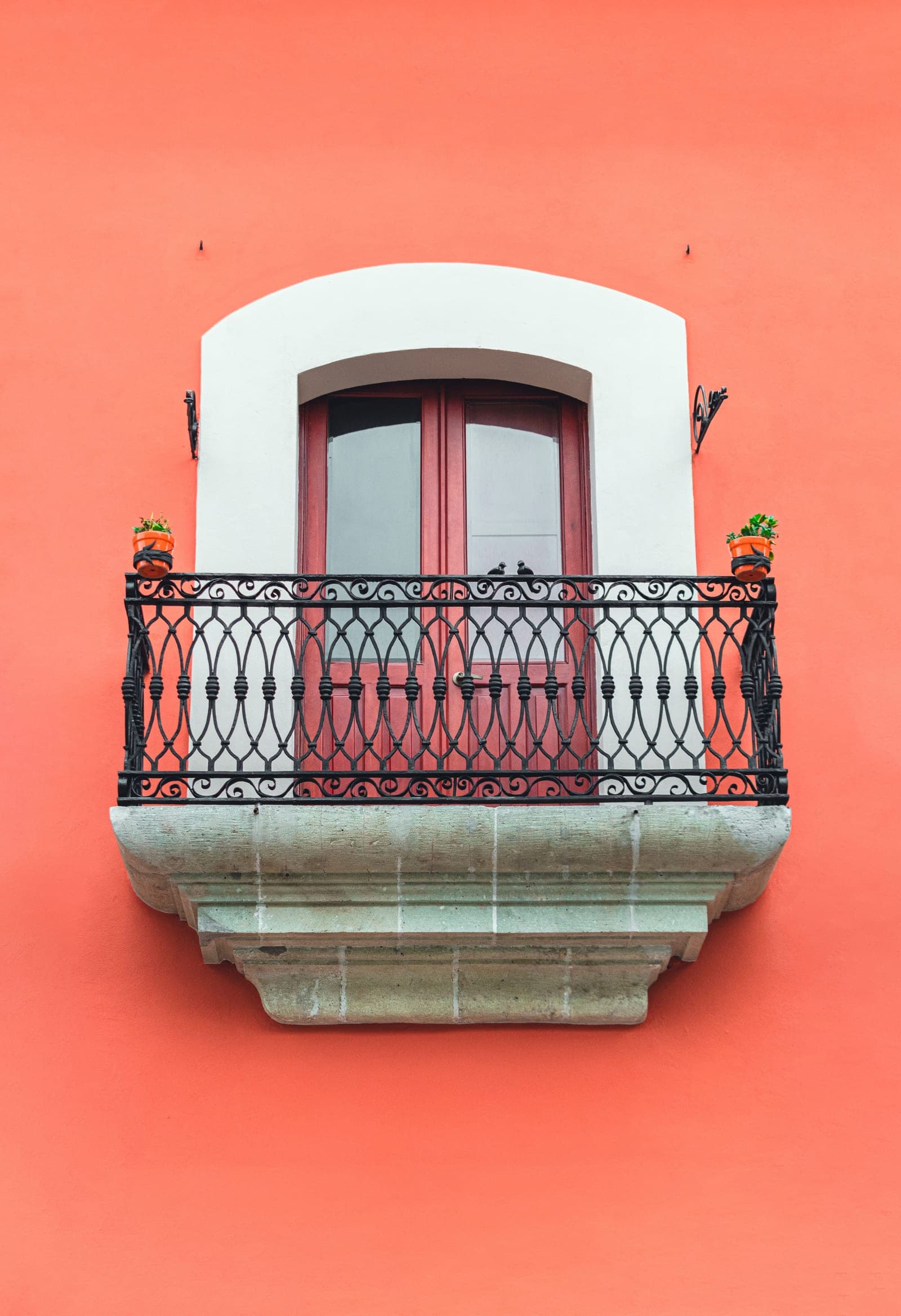
MACCO: The House That Wanted to Be Mistaken for Cortes
Named for a man it never belonged to. Locals call this the Casa de Cortes, and it is not. The house postdates him, and the real Cortes house stood where the market is now. The shell carved over the door is the reason for the confusion, and copying it was a city-wide fashion.
- 5
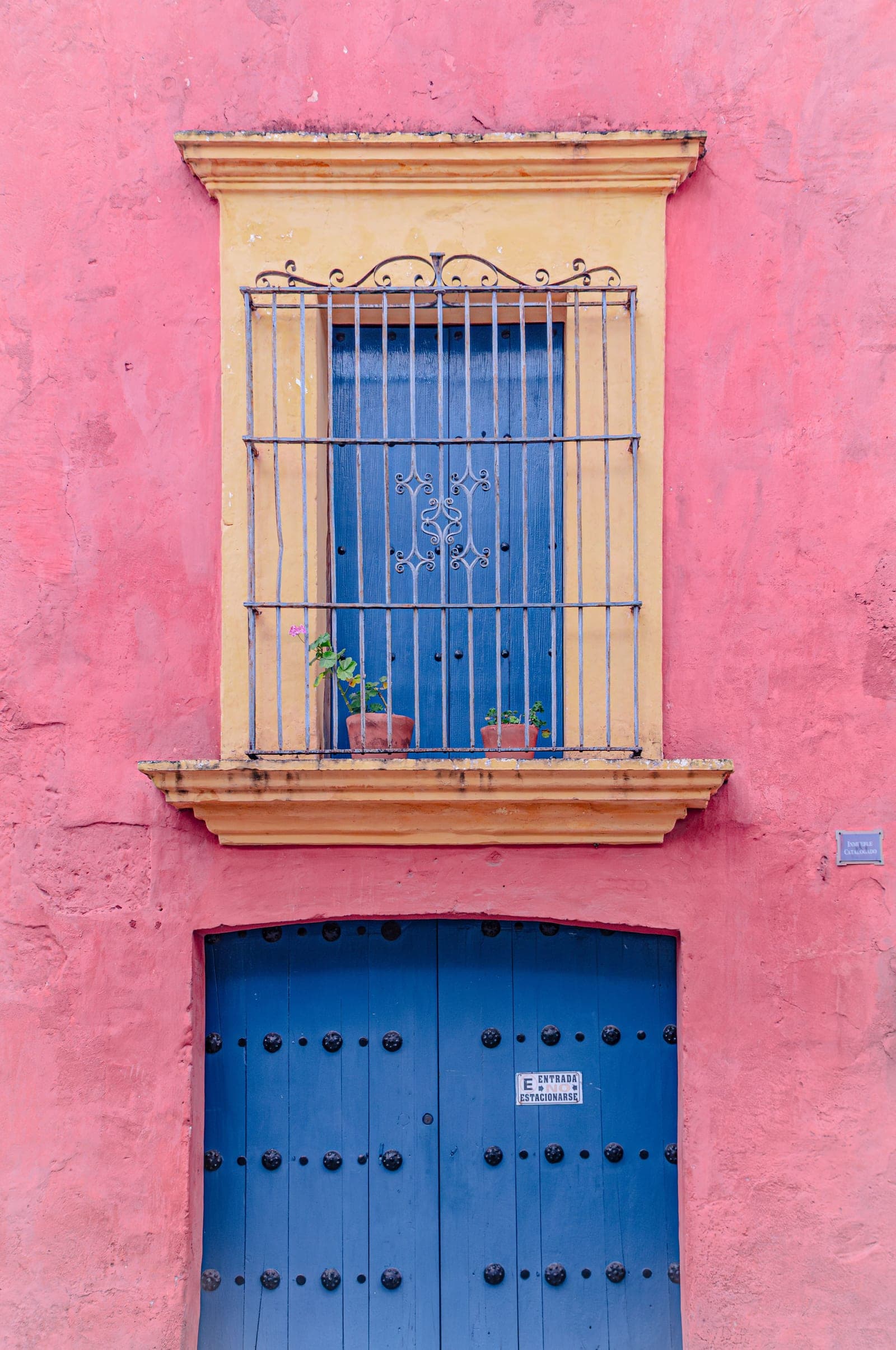
Centro Fotografico Alvarez Bravo: Two Houses and a Sound Archive
A photo archive in two old houses. This photography centre occupies two colonial houses rather than a purpose-built museum. Francisco Toledo founded it in 1996 and named it for a photographer who was standing in the room when it opened.
- 6
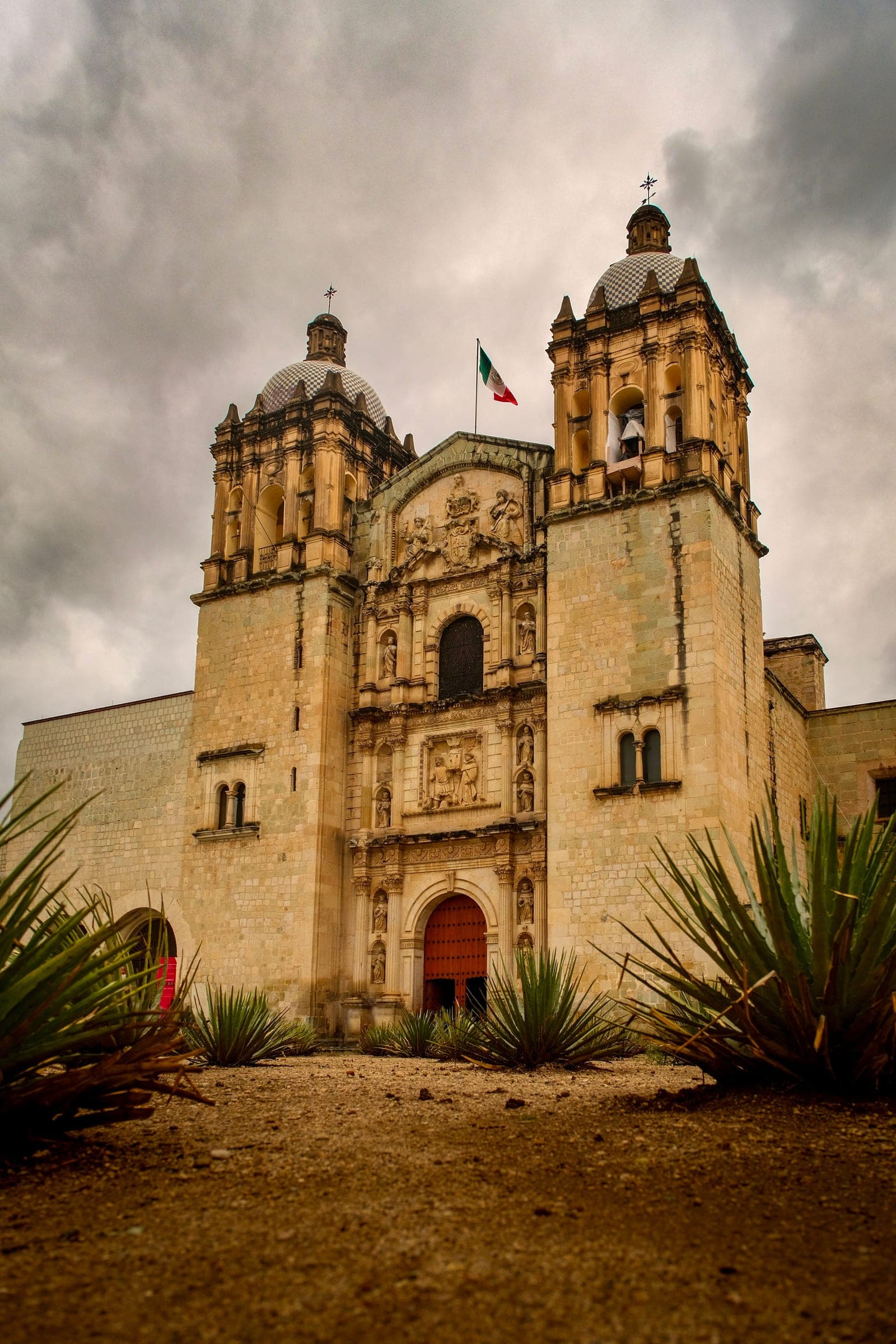
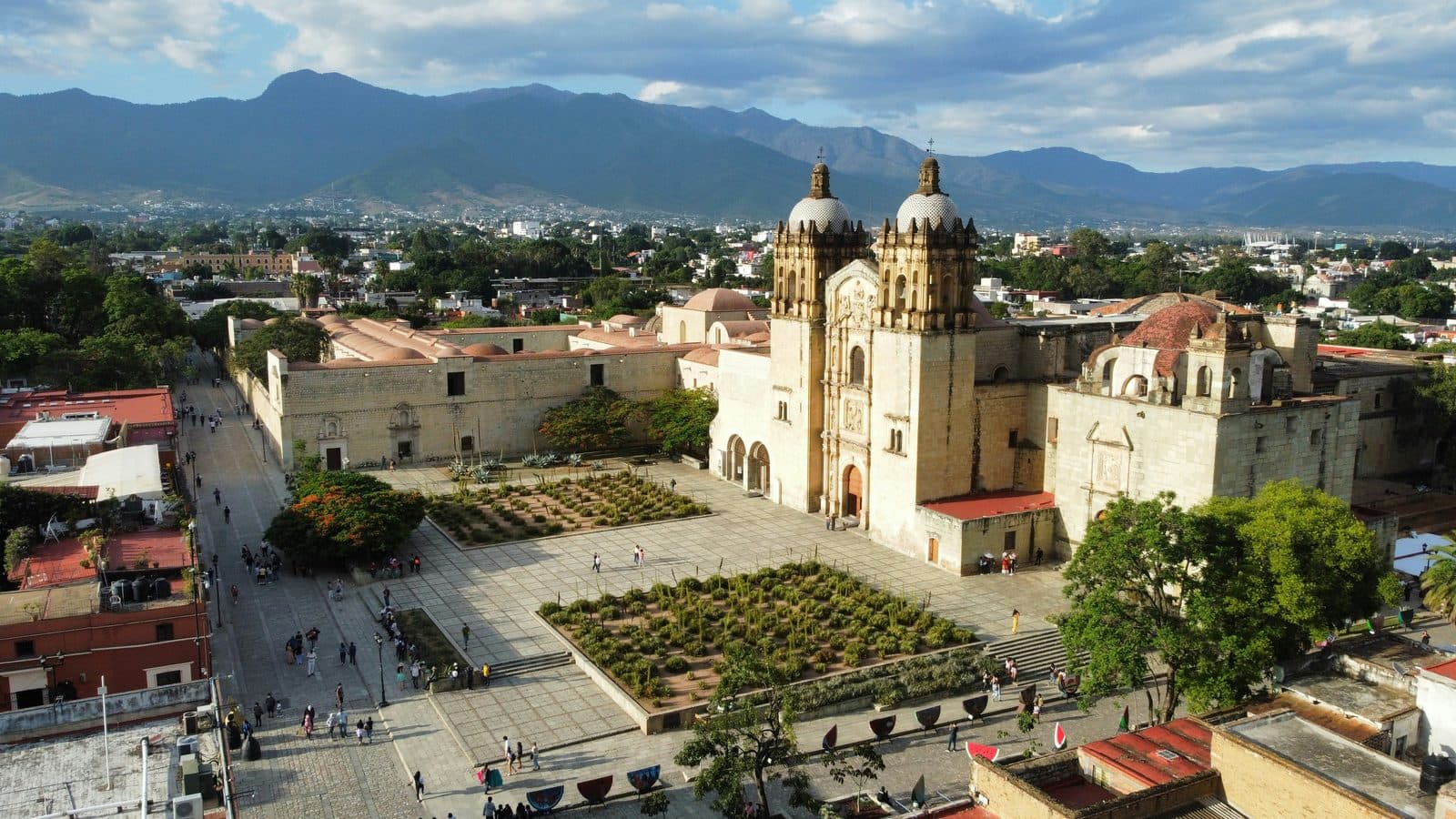
Santo Domingo: A Church, a Barracks, and a Garden in the Drill Yard
Cavalry stables for thirty-six years. Santo Domingo's front, seen from its forecourt. The church was shut to worship for thirty-six years and used as cavalry stabling, and the garden behind it exists because artists beat a hotel and a car park.
- 7
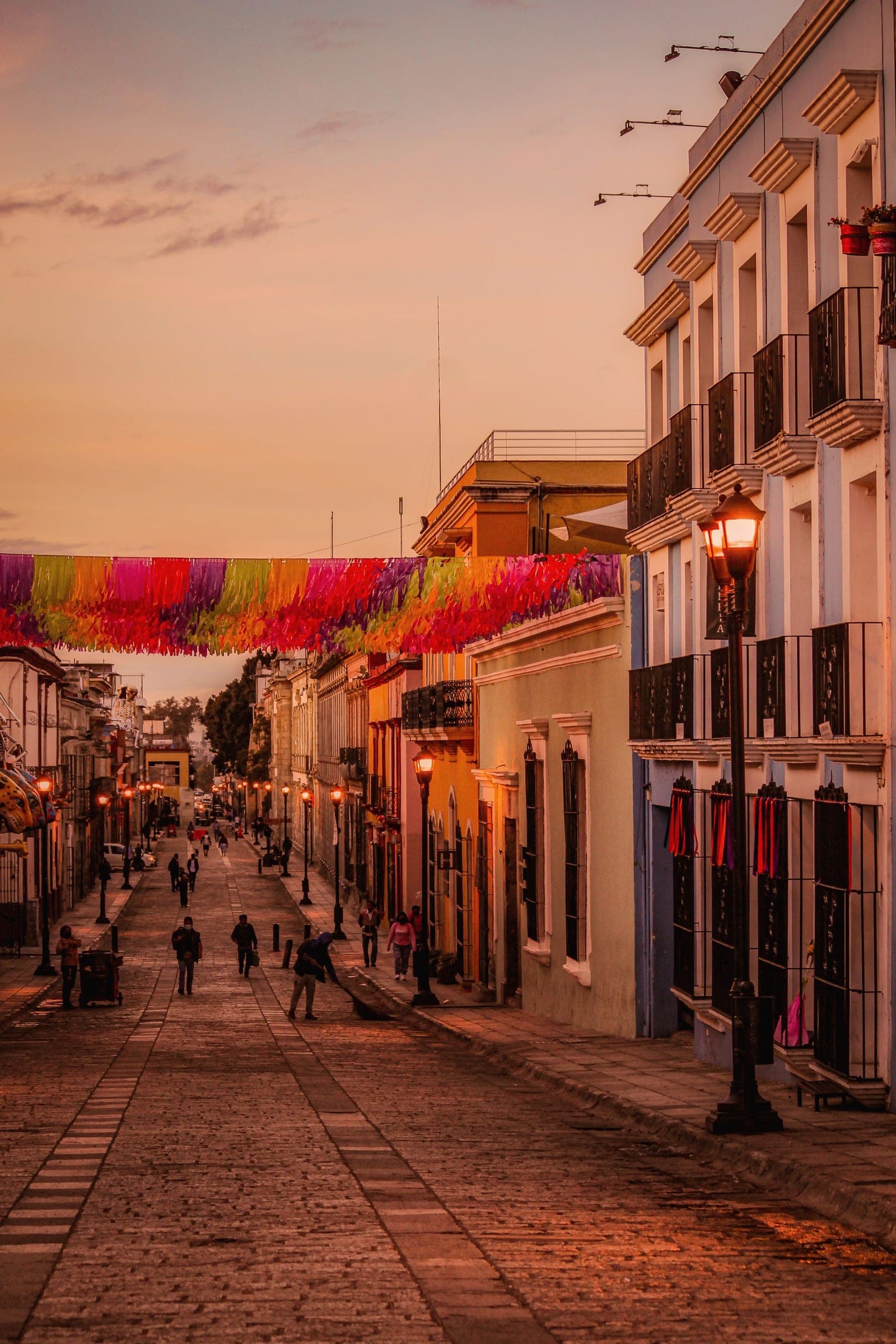
IAGO: The Painter Who Started With His Own House
Toledo's first gift to his city. Francisco Toledo founded his first institution here in 1988, in the house he lived in, and gave it away to the nation in 2015. An art library of nearly sixty thousand volumes, with the books on open shelves.
- 8
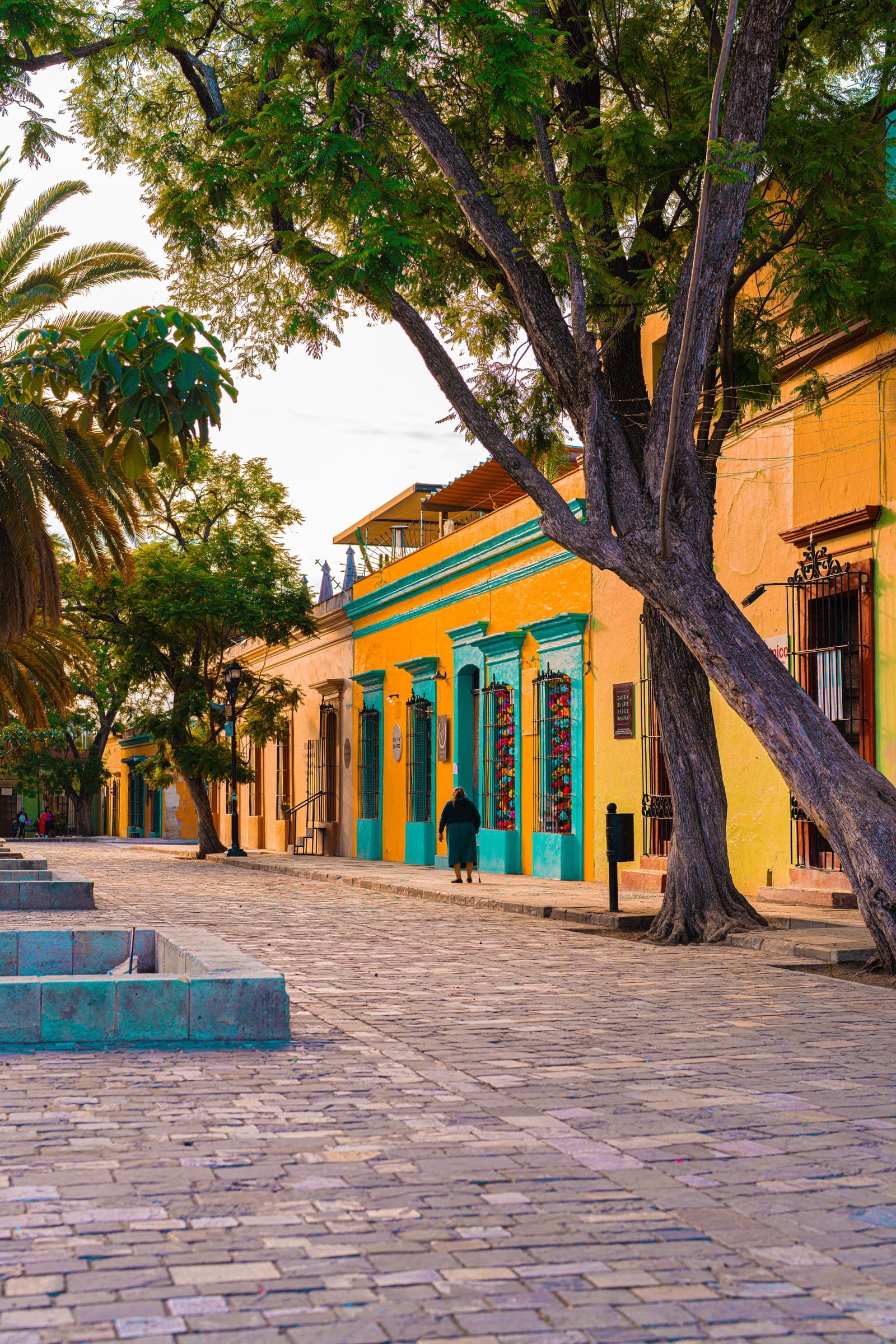
Casa de Juarez: The Bookbinder's House, Not His
Juarez lived here as a servant boy. This is the house of Antonio Salanueva, a lay bookbinder, and Benito Juarez lived in it as his servant and apprentice from January 1819. The state bought it in 1906 and gave it his name. Almost everything else you have heard about his arrival is wrong.
- 9
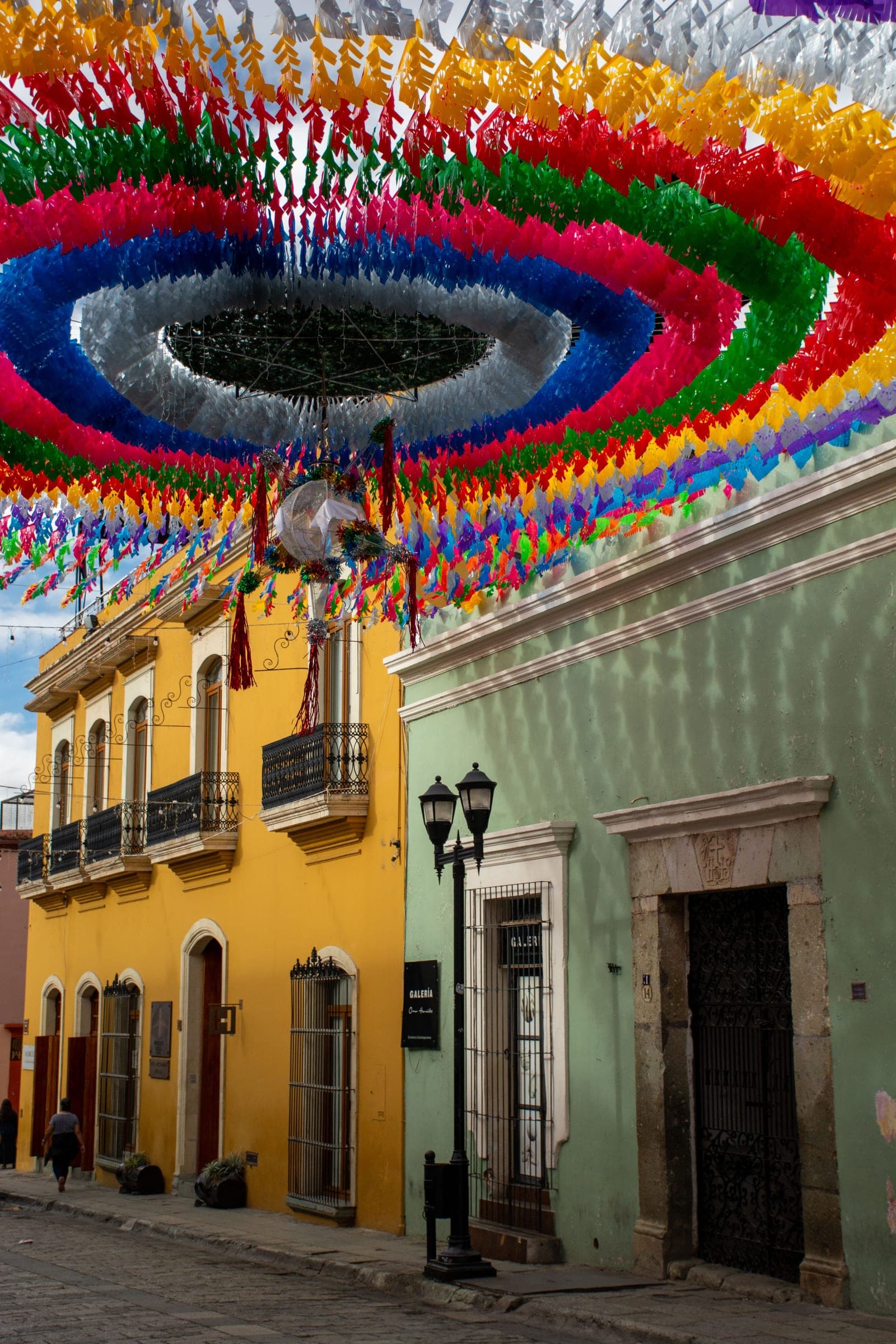
Museo Rufino Tamayo: The Archive That Became a Painter's Gift
An archive turned painter's museum. An eighteenth-century house that held the state archive until 1971, given to the painter Rufino Tamayo, who filled it with ancient Mexican art chosen for its beauty and shown as art, not archaeology.
- 10
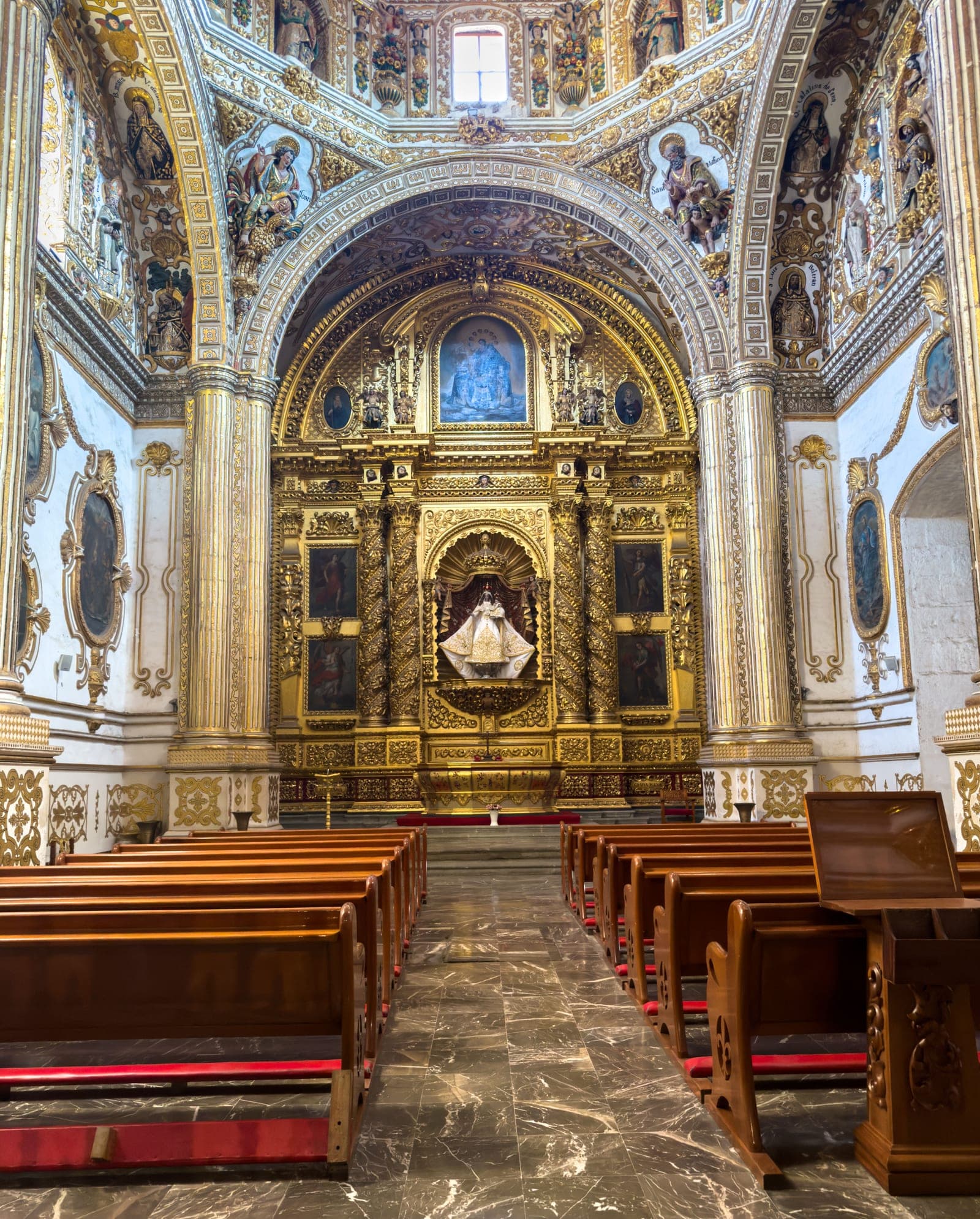
Basilica de la Soledad: The Church That Never Changed Use
The church that never changed use. Every building on this walk has been reassigned. This one has not. The convent beside it has been reassigned six times and is now the city hall you can see from the terrace, thirty metres away.
- 11
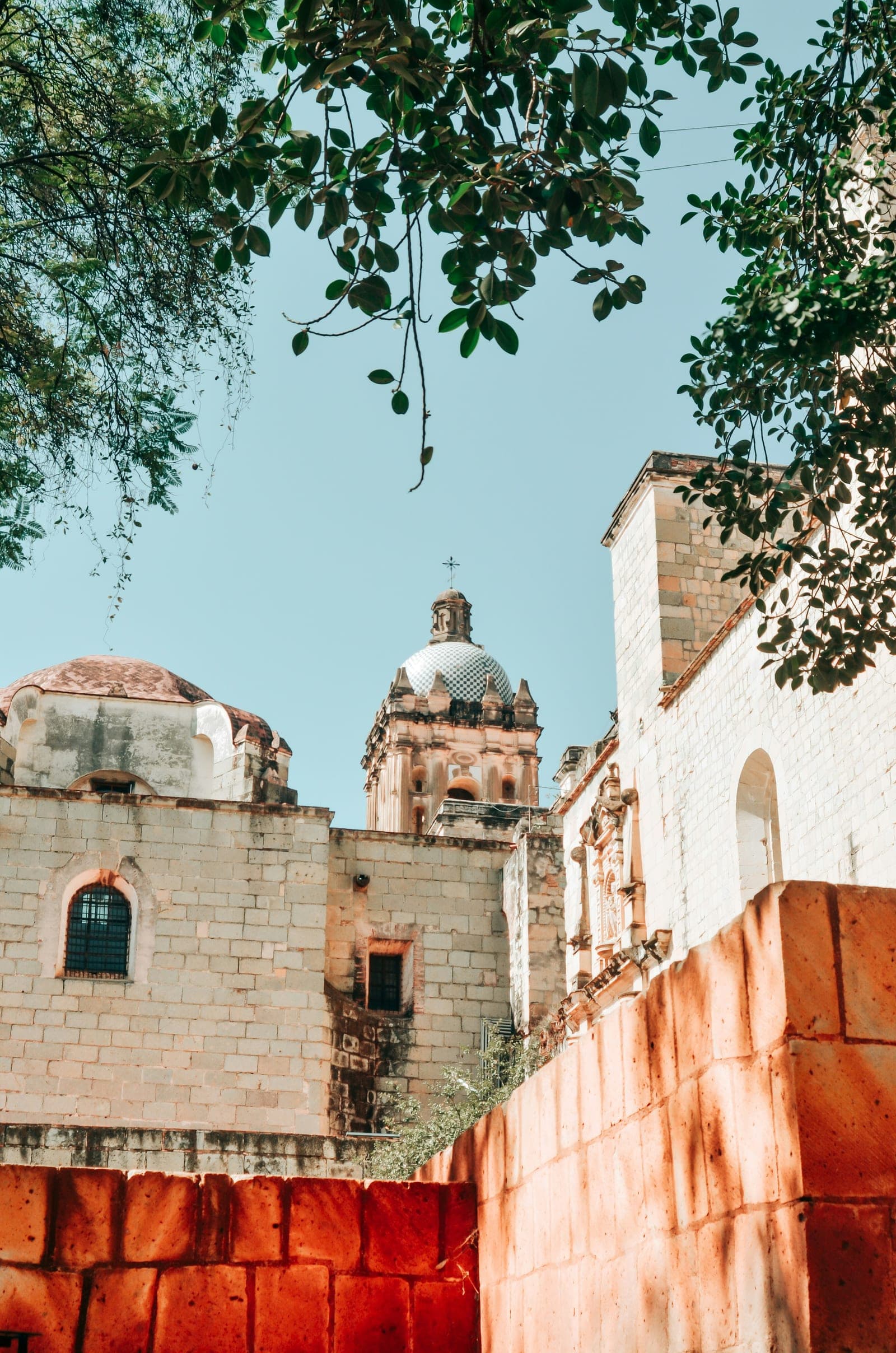
San Felipe Neri: The Wedding That Closes the Circle
Where Juarez married in 1843. On 31 July 1843 Benito Juarez married Margarita Maza in this church. She was the daughter of the house whose kitchen his sister had cooked in on the night he walked into this city, twenty-five years earlier.
- 12
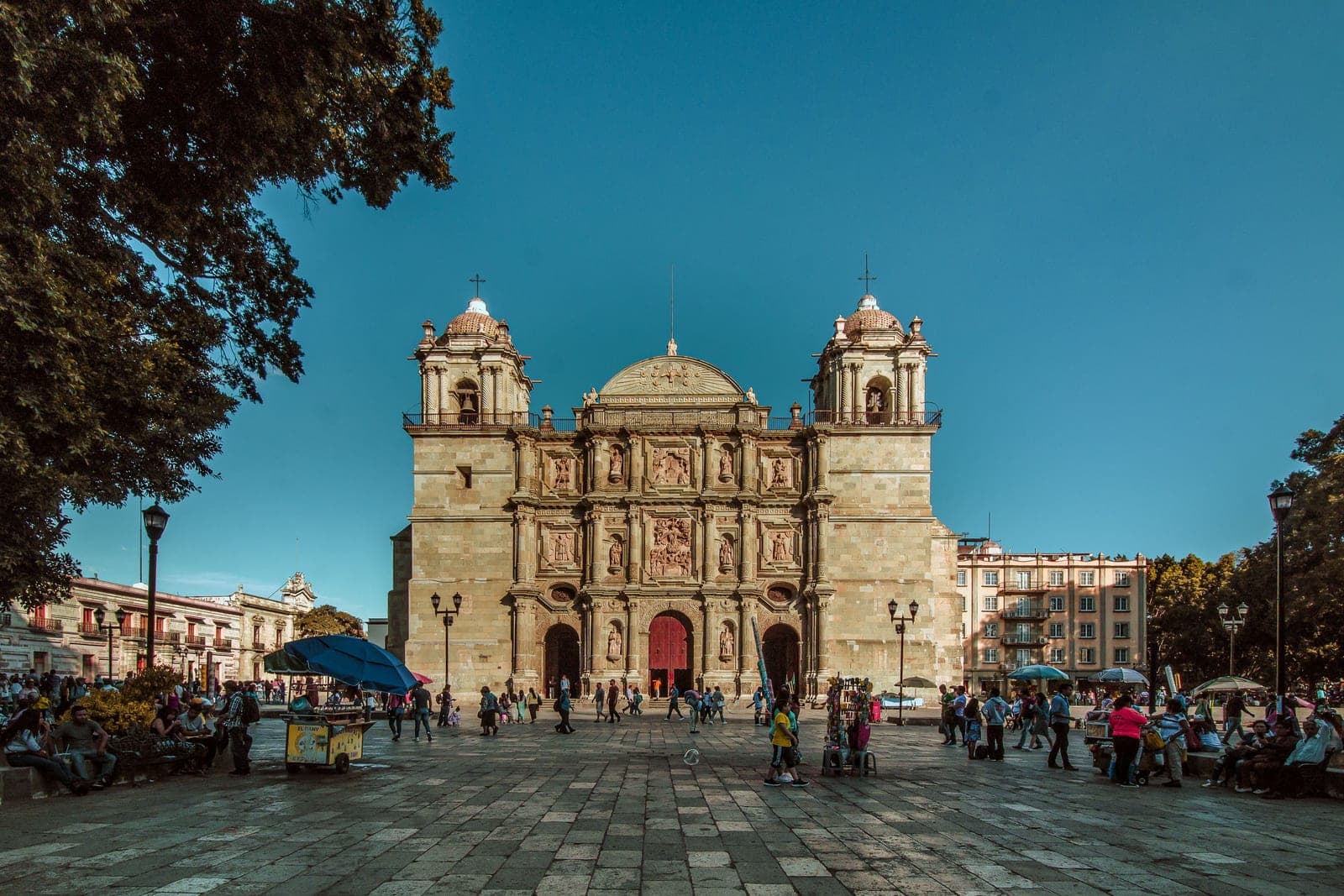
Catedral de Oaxaca: The Shape Is the Earthquake
A cathedral shaped by earthquakes. The cathedral looks unfinished and is not. The national institute of anthropology says the low towers and absent dome are the proportions proper to a seismic zone, which is why the whole building has to be carried by its front.
Details
Best Time to Visit
Early morning, between eight and ten, is the best light on the green cantera fronts and the quietest the Zocalo and the Alameda get. The Museo de las Culturas opens at nine, the photography centre and the graphic arts institute at half past nine, and the textile museum at ten, so a nine o'clock start reaches Santo Domingo shortly after it opens. Hours checked 21 September 2026. Avoid the middle of the day in the dry season, when the terrace at the Soledad is fully exposed. The city sits at about 1,555 metres, so the sun is stronger and the shade colder than the temperature suggests.
Pro Tips
- •The Museo Textil at stop 2 is free. Its own site gives Monday to Friday 10:00 to 20:00, Saturday 11:00 to 20:00 and Sunday 11:00 to 18:00, with a free guided tour in Spanish on Wednesdays at 17:00 for up to fifteen people. Checked 21 September 2026.
- •The contemporary art museum at stop 4 reopened in July 2024 under state management and a new name. Entry was free at reopening and it closes on Mondays. Checked 21 September 2026.
- •The photography centre at stop 5 and the graphic arts institute at stop 7 are both free and both close on Tuesdays, so a Tuesday walk loses both interiors. The institute's library is open shelf, so you can take the books down yourself. Checked 21 September 2026.
- •The Museo de las Culturas is ticketed, 210 pesos general and 105 for Mexican nationals and residents, Tuesday to Sunday 09:00 to 17:00. Its entrance is not on the street you stand on at stop 6: it is at the far end of the atrium, on the north side of the church. Checked 21 September 2026.
- •The botanical garden can only be entered on a guided tour, and its gate is a separate one about two hundred metres east of the church on Reforma. Its administration changed in 2025 and federal and state pages currently disagree about whether the Spanish tour is free or fifty pesos, so confirm at the gate. It was renamed the Jardin Etnobiologico in 2019. Checked 21 September 2026.
- •Casa de Juarez at stop 8 is a site museum of the national institute of anthropology and is ticketed, and official sources disagree about the details. The state culture register gives Tuesday to Sunday 10:00 to 19:00 at 75 pesos, while INAH's own page lists Tuesday to Friday 10:00 to 15:00 at 145 pesos, 80 for nationals and residents, free on Sundays for nationals and residents. Confirm at the door. Checked 21 September 2026. The first room is the bookbinding workshop.
- •The theatre at stop 3 has no general visiting hours. The marble stair, the Louis XV hall and the ceiling painting are only seen with a ticket to a performance.
- •The Soledad's own museum, holding the gifts given to the image, is behind the church rather than inside it. The federal culture ministry lists it as free, open 08:00 to 19:00 and closed on Thursdays. Checked 24 September 2026.
- •The Plazuela del Carmen Alto is about fifty metres off the route between stops 7 and 8, and is worth the detour when it is not a building site. As of September 2026 it is under works, and some of the artisans who sold there have moved onto Garcia Vigil.
- •The Museo Rufino Tamayo at stop 9 is open: it reopened in August 2023 and again on 3 November 2025 after a restoration that included its front. Entry is 90 pesos, free on Sundays; it is closed on Tuesdays and, Monday to Saturday, over lunch from 14:00 to 16:00. No 2026 source confirms the hours, so telephone the museum on 951 502 1200 before planning around it. Checked 24 September 2026.
- •Around the Soledad at stop 10: the Plaza de la Danza is the stepped stone amphitheatre built in 1959, and the Jardin Socrates beside it has been a public garden since 1881 and is lined with nieve stands, the hand-churned sorbet of Oaxaca. The church of San Jose next to the plaza has been the university's school of fine arts since 1950.
Safety & Precautions
- •The Soledad at stop 10 stands on a raised terrace, about six metres above Avenida de la Independencia to the south. This walk comes down onto it from the north-east instead, about four metres of cut-stone steps, and leaves down a second flight to Independencia. No ramp is tagged on any flight, and one has no handrail. The map does show a step-free line of concrete footways round the west side, from Independencia by way of the Andador Montano, but two of its joints are unmapped and none of it is tagged for wheelchair use, so treat it as unverified until somebody walks it. The front of the church also reads well from the street below, and the stop works from there.
- •At stop 11, stay on the pavement rather than entering the church forecourt. Local press reported in 2022 that its lateral railing was missing and the forecourt was being used as an open-air toilet, with stone detaching at the side door, and no source confirms that this has been put right.
- •The Zocalo and the Alameda are the city's main protest ground. Teachers' union occupations have covered both with tents and street trade for weeks at a time, most recently for twenty-six days from late May 2026. The squares can be under canvas without notice, and the cathedral's fronts are repainted with protest slogans often enough that the stone may not be clean on the day.
- •Oaxaca sits at about 1,555 metres. If you have arrived from sea level, take the first climb up the pedestrian street slowly and carry water.
- •The street the walk uses between stops 6 and 8 carries traffic, even though the pedestrian section of the same street ends just below Santo Domingo. Do not assume the whole corridor is car free.
- •The short stretch of Calle de Ignacio Allende this walk uses between stops 5 and 6 is unhewn cobblestone and has no mapped pavement. It is a quiet street, but the surface is uneven underfoot.
Travel advisory: Exercise Increased Caution (Level 2).
Gallery
Related Reading
Go deeper on what you'll see, hear, and walk through.
Read the walk
The full story of Historic Center: The City That Kept Reassigning Itself, in words. Prefer to listen? Play it narrated, from home or on location.
Introduction
Oaxaca, in southern Mexico, is a city that has almost never knocked anything down. It has changed what things are for. Over the next twelve stops you will walk a loop of about three kilometres, in a little under two hours at an easy pace, and every building on it has been reassigned at least once. A convent becomes a car park and then a museum. A private theatre is taken over by decree. An army drill yard becomes a botanical garden. A bookbinder's house becomes a shrine to the servant boy who lived in it.
Two people will keep coming back, so meet them now. Benito Juarez was a Zapotec boy who walked into this city from a mountain village at the age of twelve, worked as a servant, and became president of Mexico. The laws he is remembered for took church property into public hands, and half the buildings on this walk changed owner because of them. Francisco Toledo was a Zapotec painter, born on the isthmus in nineteen forty, who made his money in art and spent it here, turning houses into museums, libraries and workshops. One changed these buildings with the law. The other did it with his own money.
So the question this walk asks is not who was here first. It is who gets to decide what a building is for, and how many times that answer has changed.
1. Zocalo: The Garrison That Became a Grid
Welcome to the Zocalo, the main square of Oaxaca. Find the bandstand in the middle of it, the raised, roofed platform ringed by old laurel trees. People here call it the kiosko, and it was built for bands to play on. Stand beside it, because everything this stop is about happened on this one patch of ground.
Start with what was here before the square. In fourteen eighty-six, the Mexica ruler Ahuizotl posted a detachment of soldiers on this low hill of huaje trees and called the place Huaxyacac. The national institute of anthropology gives the reason without decoration: to control and to watch the Zapotecs. Their capital, Monte Alban, stood on a mountain eight kilometres away and had been abandoned for something like six hundred years. So the first layer under your feet is a watchpost, aimed at a people who lived somewhere else.
The Spanish came in fifteen twenty-one. In fifteen twenty-nine the authorities ordered a town founded here, and the grid of streets was traced outwards from this square by a surveyor who had already done the same job in Mexico City. The square came first, and the city was measured from it.
Now the ground you are standing on. For three centuries this plaza had no paving, and its water came from a marble fountain installed in seventeen thirty-nine. In eighteen fifty-seven the fountain was pulled out to make room for a bandstand. In eighteen eighty-five that bandstand came out too, and a bronze Benito Juarez went up in its place, the servant boy turned president from the introduction, set to face the government palace with his back deliberately turned to the cathedral. Nine years later the state ordered the statue removed to the mountain village where he was born. It is still there. And in nineteen hundred and one they built the bandstand you are standing beside, in the hole he left.
A fountain, a bandstand, a president, a bandstand again. One patch of ground, four decisions, and each one made by somebody who had just taken power. That is the pattern of this whole walk.
One more thing to notice before you go. The long plain wall of green-grey stone at the corner of the square is the side of the cathedral. That stone is cantera, quarried near the city, and almost everything old here is built of it. You are seeing the cathedral's side, not its face. You will come back round to its carved front at the very end.
Follow the route to your next stop. It is a short walk to a narrow lane where an old convent is still hiding inside its block.
2. Centro Cultural San Pablo: The Convent That Became a Car Park
You are in the Antiguo Callejon de San Pablo, a narrow lane with a strip of garden down it. The old walls along it belong to the convent of San Pablo, and this lane is the only piece of that convent you can walk through. The rest of it is still in there, folded inside the block.
San Pablo was the first Dominican house in Oaxaca, founded in fifteen twenty-eight or fifteen twenty-nine depending on which institution you ask. It was built to convert people, and inside its chapel the friars preached in Mixtec, in Zapotec and in Nahuatl. One of them wrote the sixteenth-century grammar and vocabulary of Zapotec while living here, and the research library inside carries his name.
Now the part that matters for the rest of this walk. Benito Juarez, the boy from the mountains you met at the start, studied in this city and grew up to teach canon law inside this building, in the Institute of Sciences and Arts, which moved in in eighteen thirty-four. The laws he is remembered for took church property into national hands. In eighteen sixty this convent was nationalised and sold, and the money paid the salaries of the teachers at the institute where he had taught.
What came next is the reason this walk exists. By two thousand and six, the first Dominican convent in Oaxaca had become houses, shops, a hotel, mechanics' workshops and a car park. A private foundation reassembled it into the cultural centre around you and the textile museum. Five owners and five purposes in five hundred years, and the convent is still standing.
The textile museum's door is on the street at the bottom of this lane, a few doors along, under its sign. It is an eighteenth-century mansion built on cochineal, the red dye made from an insect farmed on cactus, which was the fortune of this city for a century. The textile museum is free to walk into, and it is worth a few minutes if the weaving on show catches you. The hours are on this stop's info card.
Follow the route out of the top of the lane. Next is the theatre, the long stone building with a round domed tower on its corner.
3. Teatro Macedonio Alcala: Three Names on One Building
Stop at the crossing and look up at the corner of the long stone building: a round drum of green stone with a dome on top. That is the Teatro Macedonio Alcala, and the tower is the one part of it you can take in whole from the street, because the avenue along its front is too narrow to stand back from.
The state archive has the paperwork, and the paperwork is the story. An engineer from Mexico City sent the project to the governor in nineteen hundred and two, and the first stone was laid in nineteen hundred and four. It was not a public project. It was a private company with shareholders, named the Teatro-Casino Luis Mier y Teran after a soldier who had been governor of this state.
Then, on the twenty-first of November nineteen hundred and six, the state passed Decree number seven. It authorised the government to take the land, the half-built theatre and every asset of the company, and bound it to finish the building within two years and to spend no less than a hundred and forty thousand pesos doing it.
That was a great deal of money, so they went looking for it. Town councils across the state holding idle funds in the public pawnshop were asked to move them into the theatre, at three per cent during construction and six per cent a year after. Several did. A provincial opera house, part-paid for out of village savings accounts.
It opened on the fifth of September nineteen hundred and nine with Verdi's Aida. Then the general's name came off. In the revolutionary years it became the Jesus Carranza. By the nineteen thirties it took the name it has now, Macedonio Alcala, after the composer of a waltz called Dios nunca muere, which in practice became this state's anthem. He had died in eighteen sixty-nine, forty years before the doors ever opened. Three names on one building, each chosen by whoever was in charge.
One detail. The general whose name came off the front is still inside. His face is on a small medallion at the centre of the arch above the stage, looking down at every performance.
There are no visiting hours here. The only way to see the marble staircase and the painted ceiling is with a ticket to a performance, so if something is on while you are in the city, it is worth an evening.
Follow the route to the pedestrian street, the one with no cars on it. The next stop is a house with a big carved shell over its door.
4. MACCO: The House That Wanted to Be Mistaken for Cortes
You are on the Andador, the pedestrian street that most of this walk follows. Find the house with two fluted half columns and a large carved shell over the door, and above the balcony a niche with Saint Michael holding a lance. You are too close to see it whole, so read it from the door upwards.
This house is called the Casa de Cortes, and it almost certainly has nothing to do with him. A study working from the colonial archives makes two points. The first is that the house is later than Cortes. The second is better: the real Cortes house in this city stood where a commander of Moctezuma had lived and where a temple had stood, and that site is where the market stands today. There was a market on the same ground before the Spanish came. People have been buying and selling there for something like five centuries, through three completely different regimes.
So why the name? The shell. The same study lists four grand houses in this city with a shell copied over the door, and its conclusion is direct: they were all trying to emulate the magnificence of the famous conqueror. The house is named after Cortes because the people who built it wanted to be mistaken for him, and four centuries later it worked.
What is inside is a contemporary art museum. It was created in nineteen ninety-two on a joint initiative of artists, citizens and the state, pushed by Francisco Toledo, the Zapotec painter you met at the start, and for years everyone called it by its initials. It closed during the pandemic, the state's agreement with the association that ran it ended, and when the house reopened in July two thousand and twenty-four it had to take a different name, because the association still owns the old one.
When the building was restored in two thousand and ten, Toledo himself worked on the star-ribbed vault over the staircase, modelling the plaster relief. He founded the museum and then came back and worked on the building with his hands.
You can go in, and it is worth it: the courtyard is the best part of the house, and that vault is right there on the stairs. It was free when it reopened, but no current price is published, so check at the door. It is closed on Mondays.
Follow the route on up the Andador. The next stop is just off it, a photography centre in two old corner houses.
5. Centro Fotografico Alvarez Bravo: Two Houses and a Sound Archive
You have stepped off the pedestrian street onto a quieter one. The church you passed on the corner is the Sangre de Cristo, and it is not this stop. This stop is the pair of old corner houses beside you, with the photography centre's name at the door. It looks like a house…
Full narration for this stop unlocks with the tour.
6. Santo Domingo: A Church, a Barracks, and a Garden in the Drill Yard
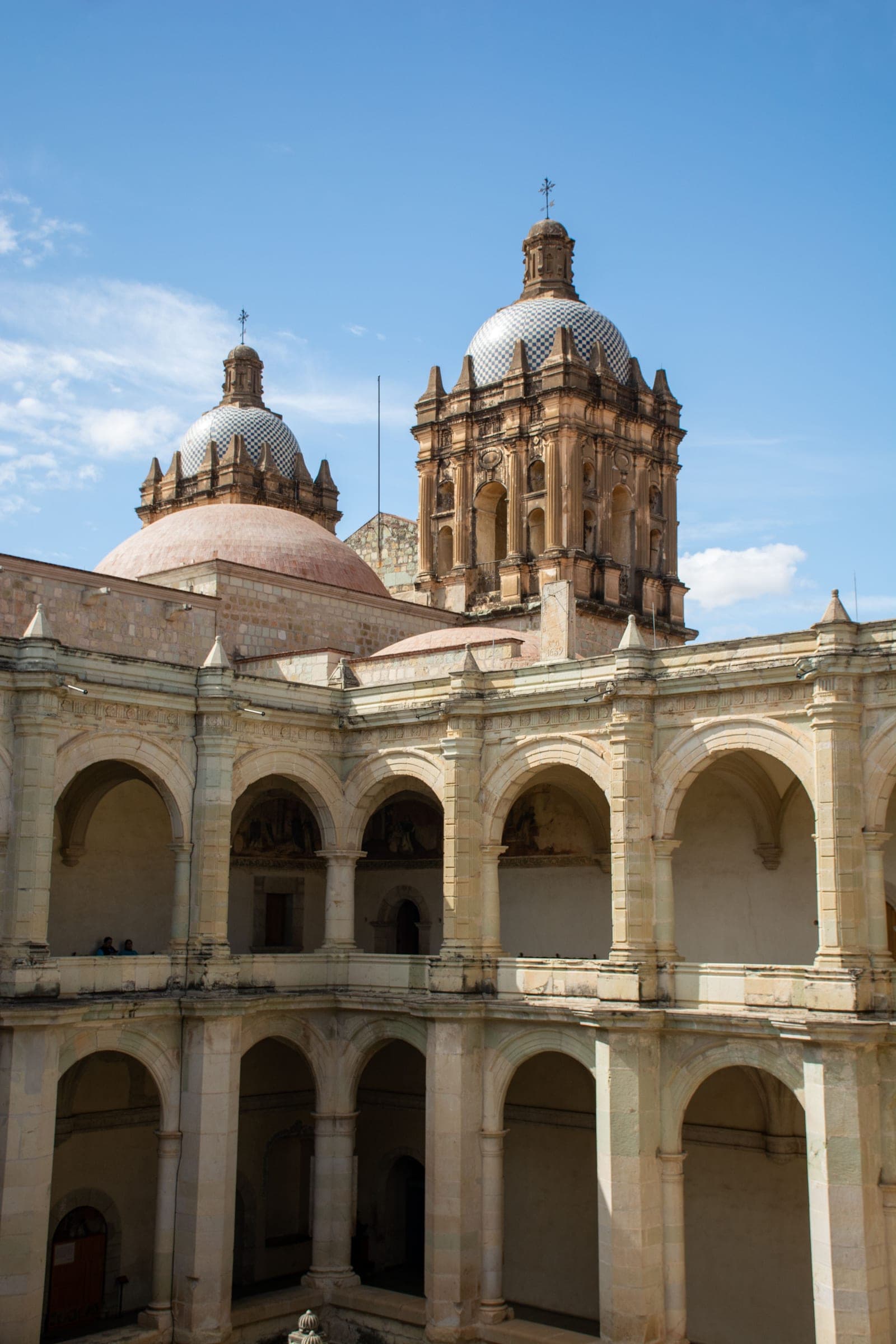
Stand in the open forecourt and face the church. Two towers, low and wide, with domes tiled in blue and white. Those towers stood by sixteen sixty. An earthquake brought them down two years later and they were built again. This ground moves, and you will see the cathedral's own…
Full narration for this stop unlocks with the tour.
7. IAGO: The Painter Who Started With His Own House
Stop where the street narrows and look at both sides of it, because the position is the argument. On one side is an eighteenth-century house front with the institute's name at the door. Not a museum facade, a house. That is the Institute of Graphic Arts of Oaxaca. Opposite it…
Full narration for this stop unlocks with the tour.
8. Casa de Juarez: The Bookbinder's House, Not His
Look for the low, single-storey house with adobe walls. It is eighteenth century, built round two courtyards, and it is called the Casa de Juarez. It was never his. It belonged to a man called Antonio Salanueva, who bound and covered books for a living, and Benito Juarez, the…
Full narration for this stop unlocks with the tour.
9. Museo Rufino Tamayo: The Archive That Became a Painter's Gift
Stop on this pavement and look across the street at the old house opposite, with the museum's name at its door. This is the Museo Rufino Tamayo, and it is the other half of the painters' answer you have been hearing about from Toledo. Rufino Tamayo was born in Oaxaca in…
Full narration for this stop unlocks with the tour.
10. Basilica de la Soledad: The Church That Never Changed Use
You come down onto a raised stone terrace, and the church front closes it at the far end. It is worked like a folding screen, in carved stone panels, low, thick-walled and wide, and it broke the architectural rules of its day on purpose. The national institute of anthropology…
Full narration for this stop unlocks with the tour.
11. San Felipe Neri: The Wedding That Closes the Circle
Stay on the pavement here rather than going into the forecourt. The church front is three tiers of carved green stone, with San Felipe Neri himself in a niche at the centre. Round the corner, the side door has columns carved with flowers on a lattice. That green stone is worth…
Full narration for this stop unlocks with the tour.
12. Catedral de Oaxaca: The Shape Is the Earthquake
Stand at the edge of the garden, facing the carved front of the cathedral. This is the face of the building whose plain side you saw from the bandstand when this walk began. Most people read this building as unfinished. It is not. The national institute of anthropology puts it…
Full narration for this stop unlocks with the tour.