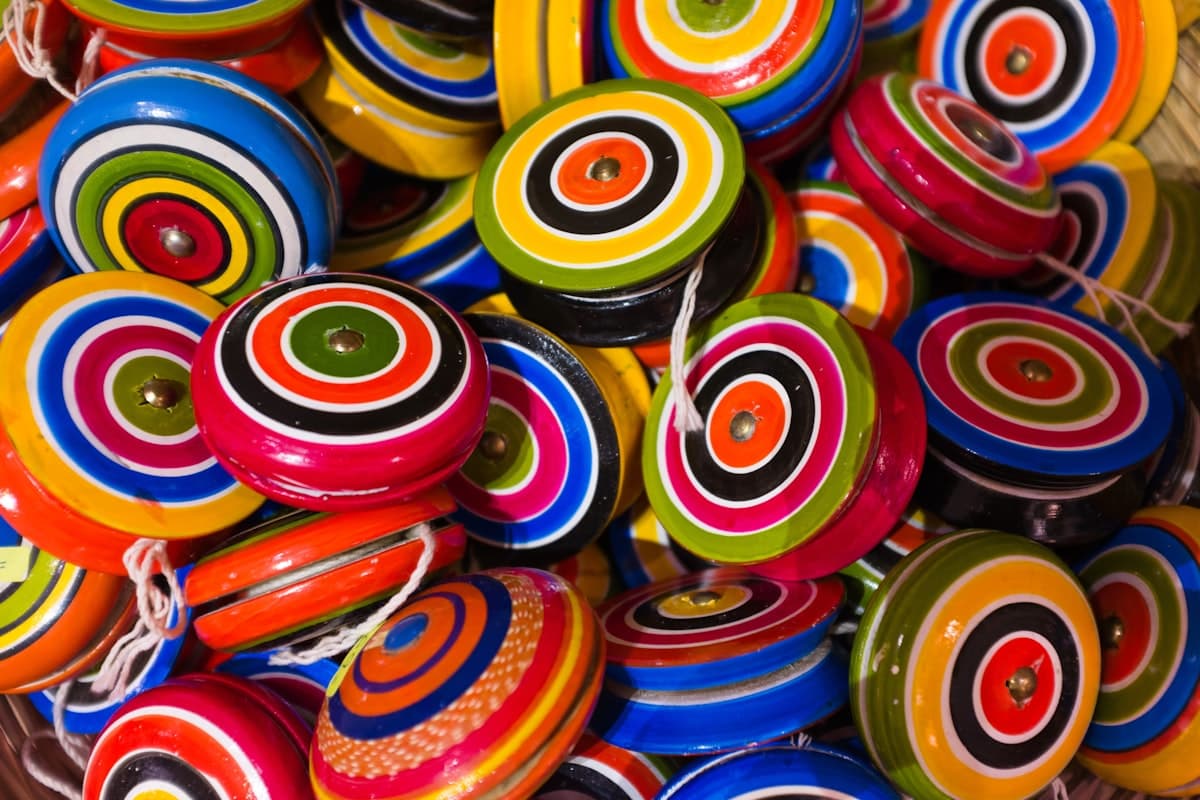
Plunge into the smoke and sizzle of Oaxaca's legendary markets, then wander into the street-art-covered barrios where indigenous traditions, political art, and mezcal culture collide in Mexico's most creative city.
Start · Mercado Benito Juarez
DirectionsStops
- 1
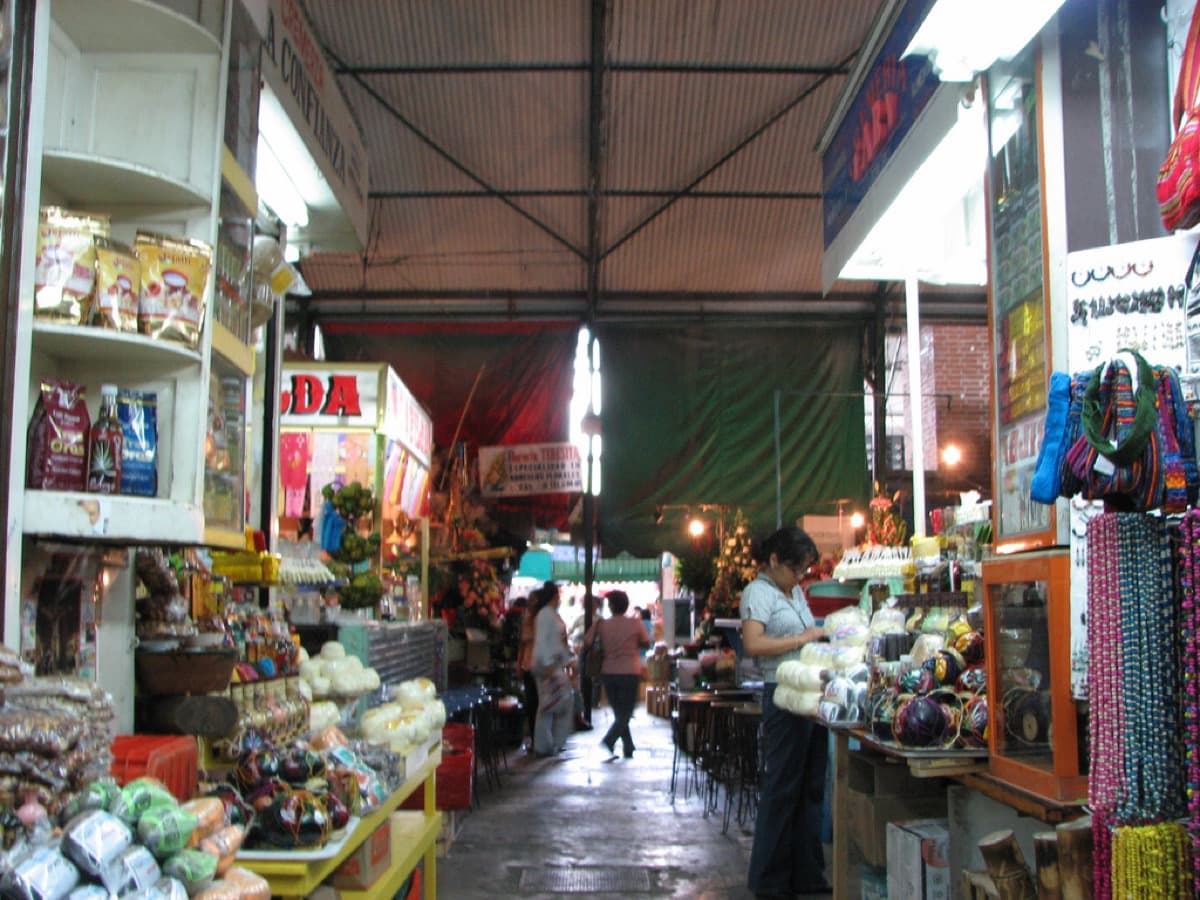
Mercado Benito Juarez
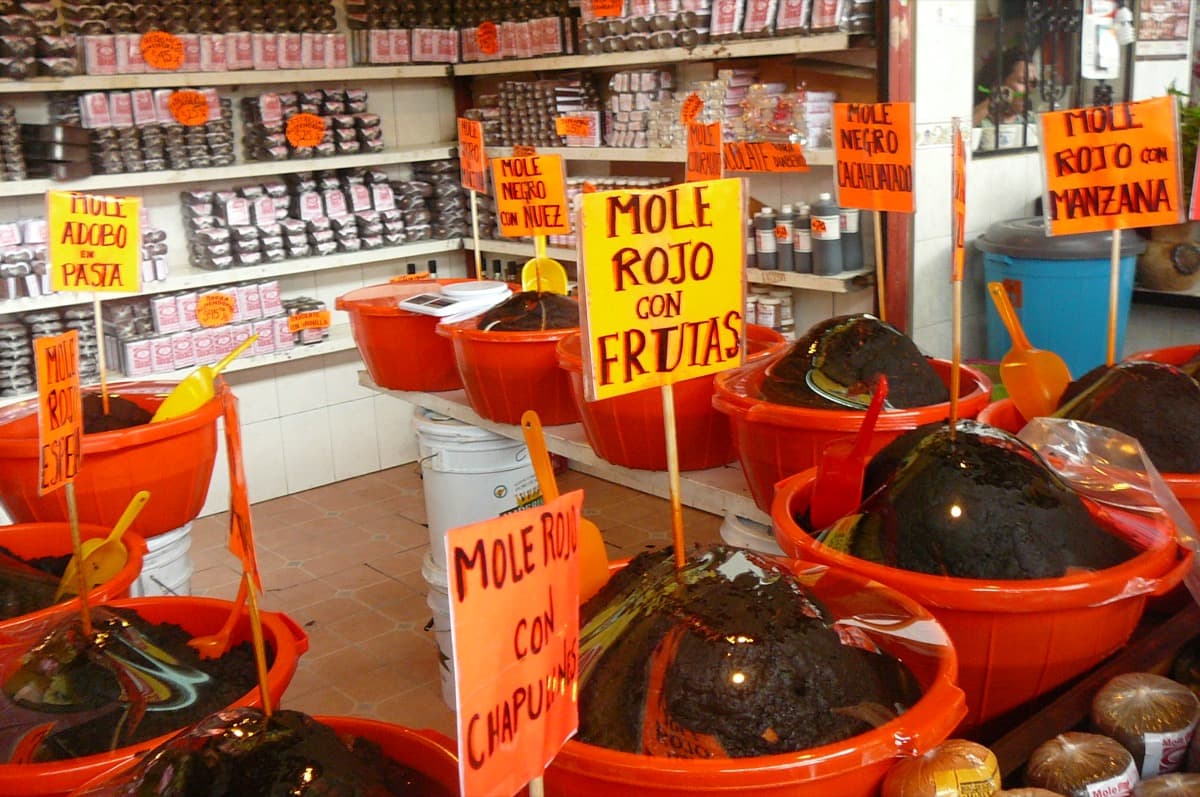
Oaxaca's main market, named after Mexico's first indigenous president, overflowing with chocolate, chapulines, quesillo, and mezcal.
- 2
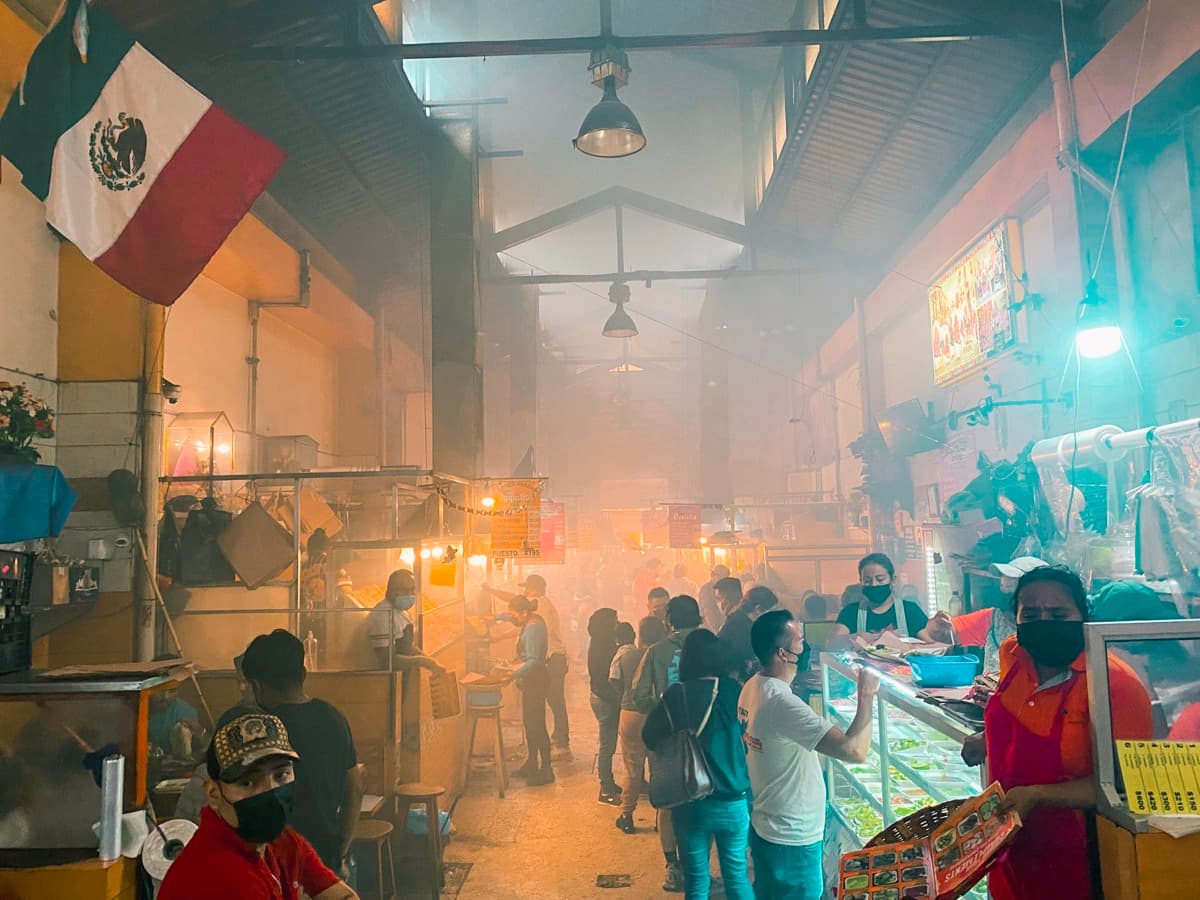
Mercado 20 de Noviembre & Pasillo de Humo
The legendary food market with its Corridor of Smoke, where women grill tasajo and cecina over open coals in a tradition spanning generations.
- 3
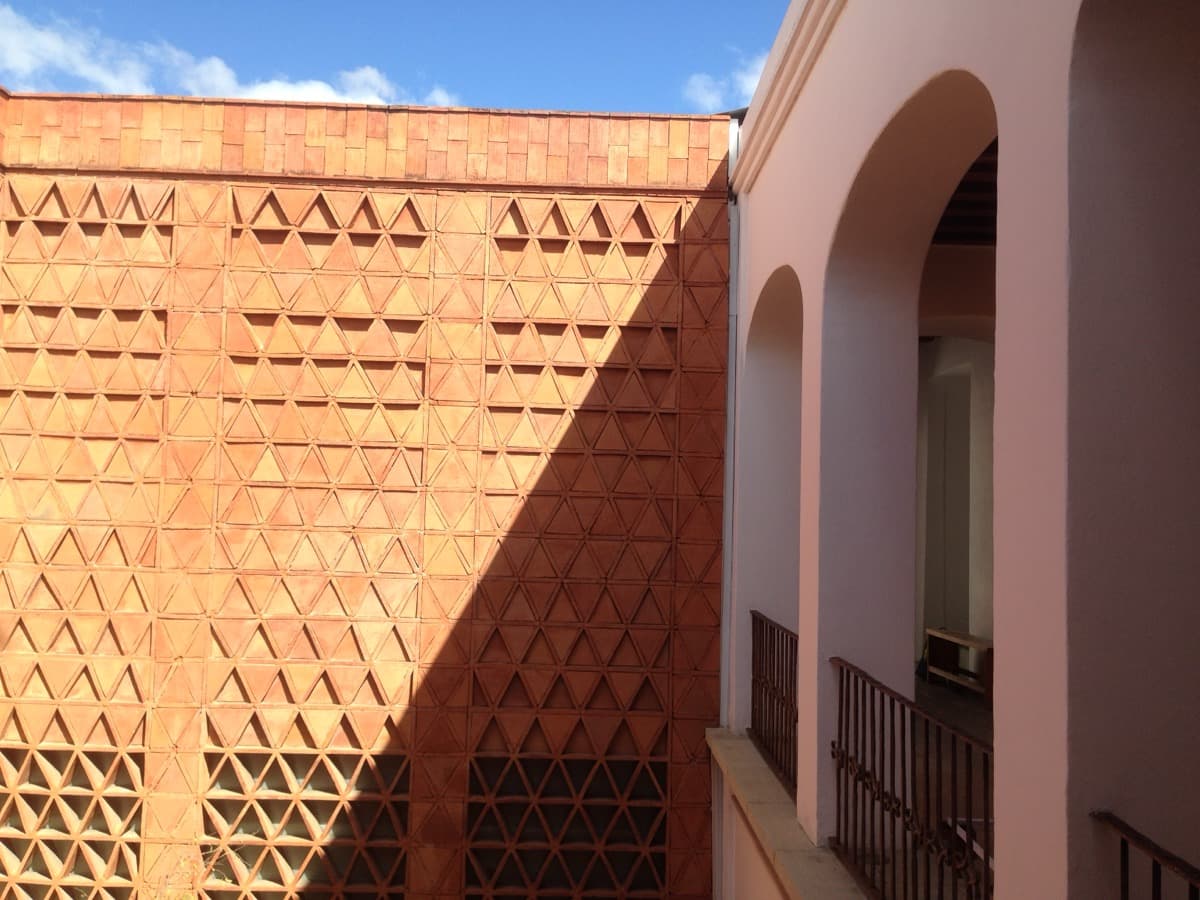
Museo Textil de Oaxaca
A free museum celebrating sixteen indigenous weaving traditions, backstrap looms, and ancient dyes made from crushed insects and fermented plants.
- 4
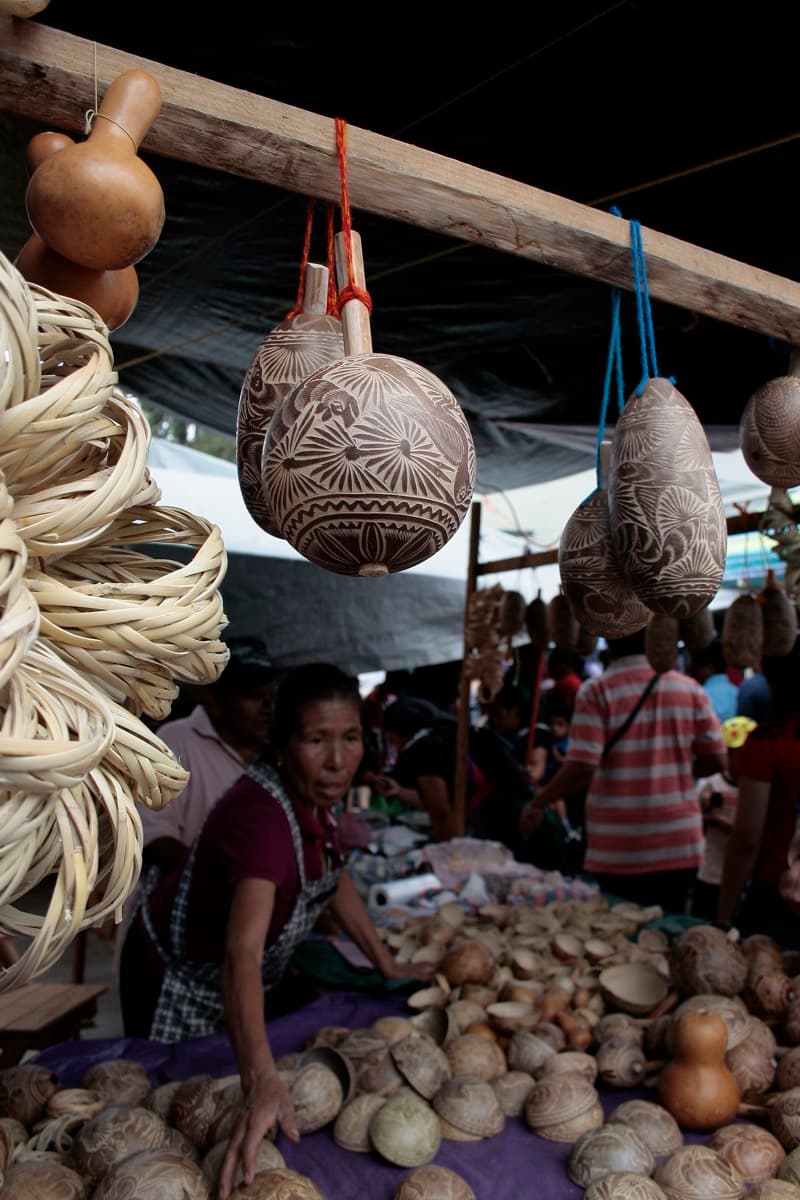
Mercado de Artesanias
The artisan market where barro negro pottery, fantastical alebrijes, and hand-woven Teotitlan del Valle rugs represent village-specific craft traditions.
- 5
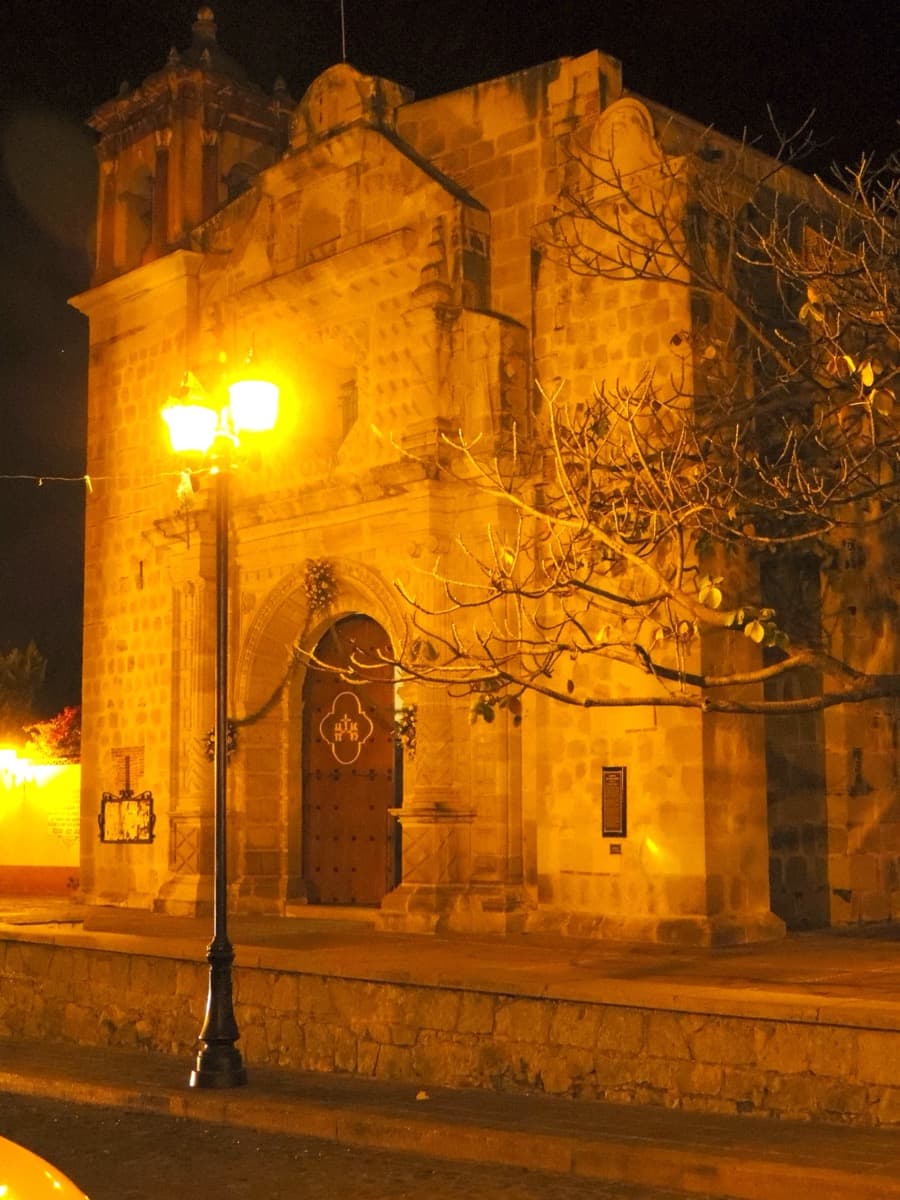
Barrio de Jalatlaco & Church of San Matias
The entrance to a former tannery district turned creative quarter, with the charming Church of San Matias and a Nahuatl name meaning 'place of sand.'
- 6
Jalatlaco Street Art Corridor
Building-scale murals featuring Zapotec jaguar motifs, political art born from the 2006 social movement, and the legacy of the Lapiztola collective.
- 7
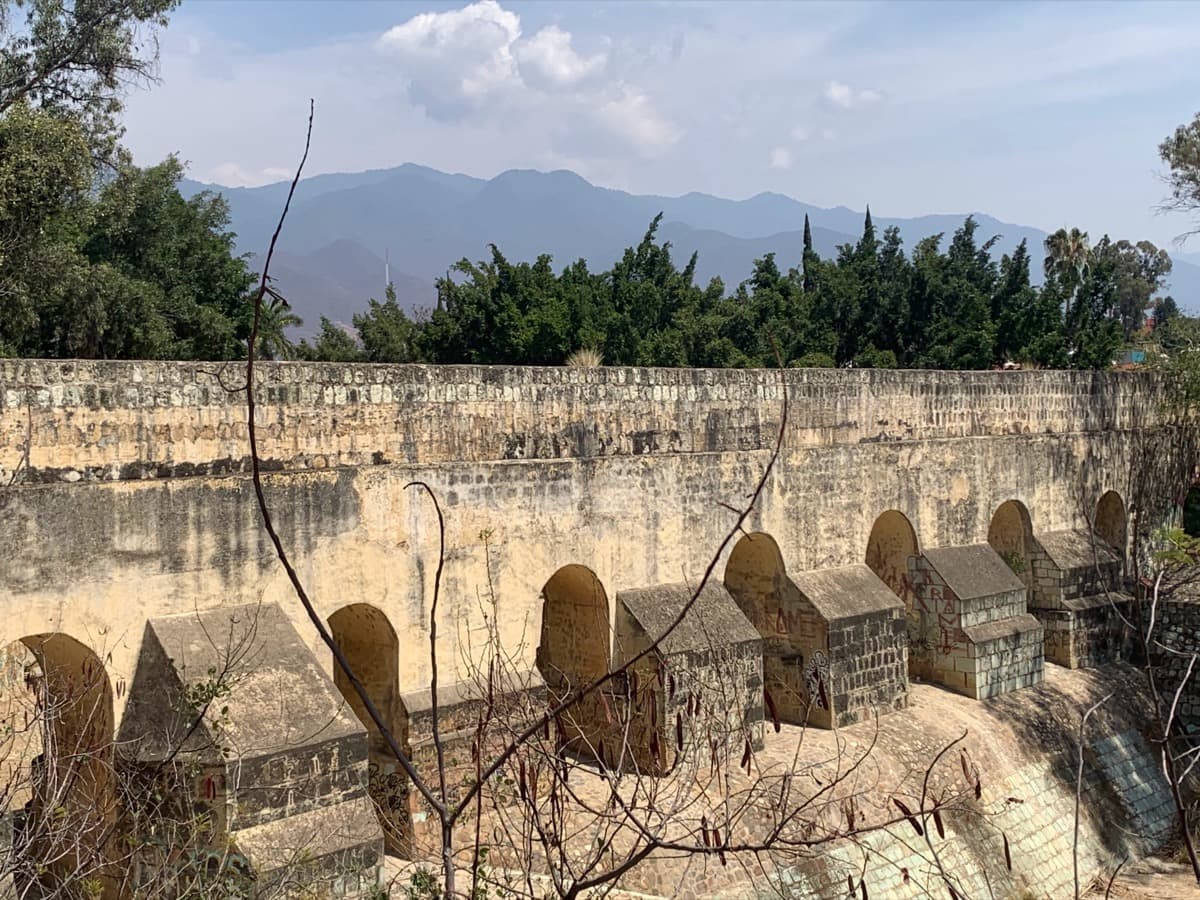
Xochimilco Aqueduct & Arches
An 18th-century Dominican aqueduct with roughly fifty remaining stone arches, marking the entrance to Oaxaca's 'place of flowers.'
- 8
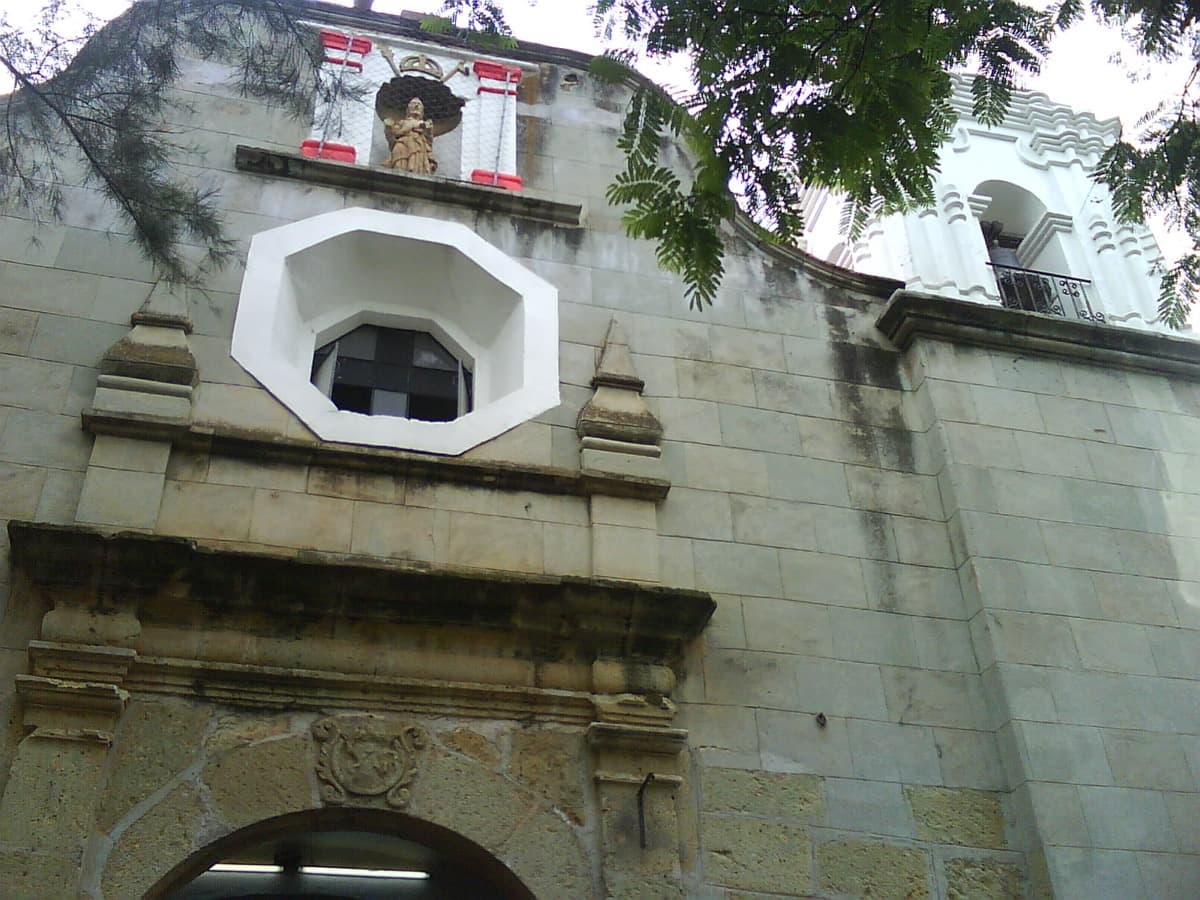
Parroquia de Santo Tomas Xochimilco
A 16th-century Dominican parish church with intimate village scale, at the heart of Xochimilco's Day of the Dead traditions.
- 9
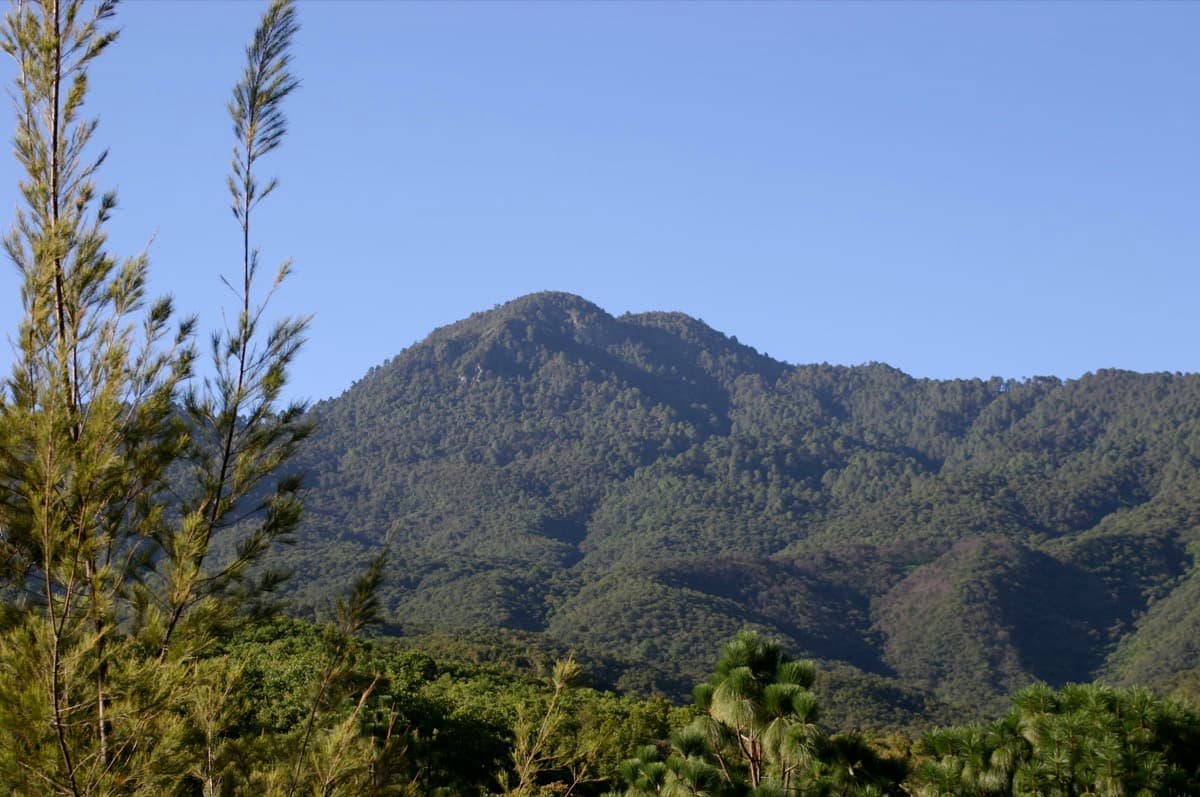
Xochimilco Street Art & Murals
More political and raw than Jalatlaco's art, with murals exploring indigenous identity, corn sovereignty, and community resistance.
- 10
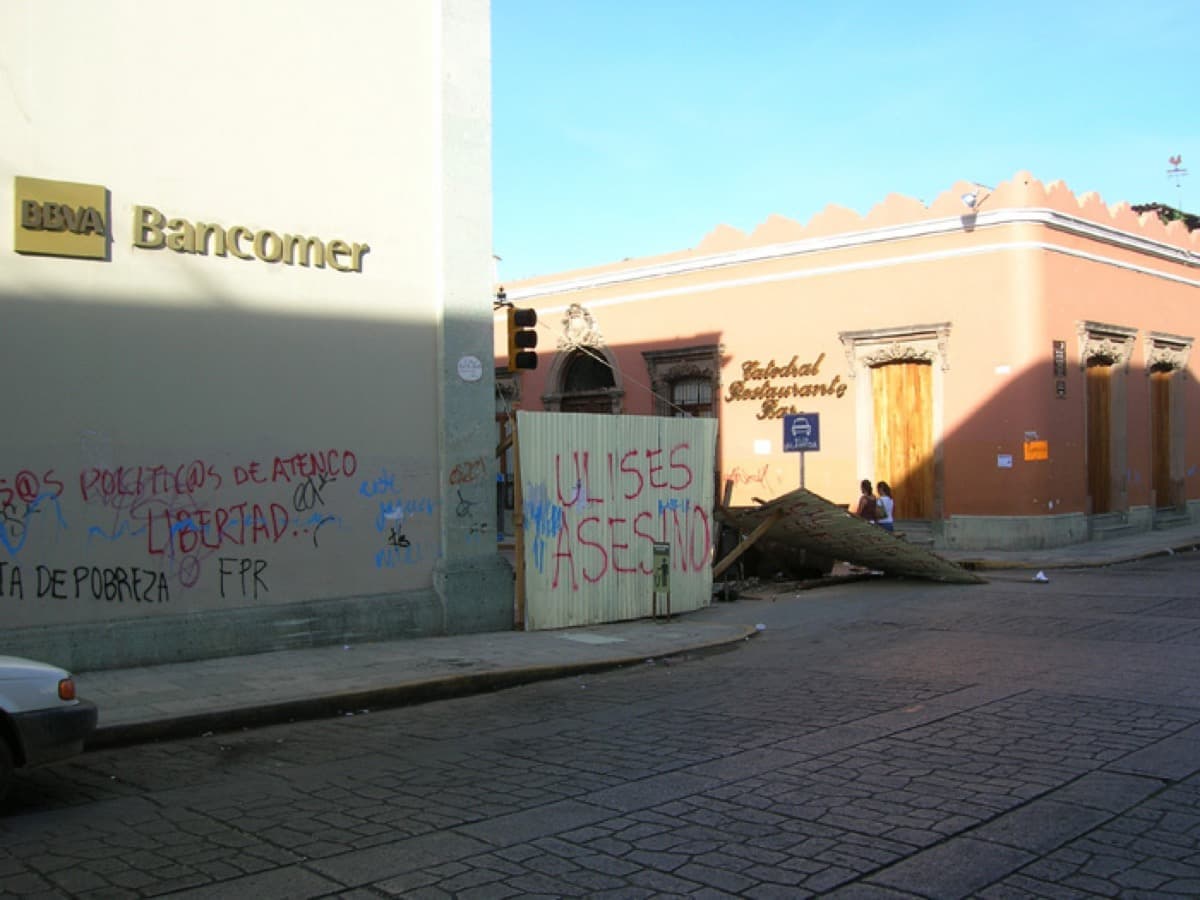
Mercado Sanchez Pascuas
An authentic neighborhood market that tourists rarely visit, where hand-patted tortillas and local herbs like hierba santa and chepil reveal everyday Oaxacan food culture.
- 11
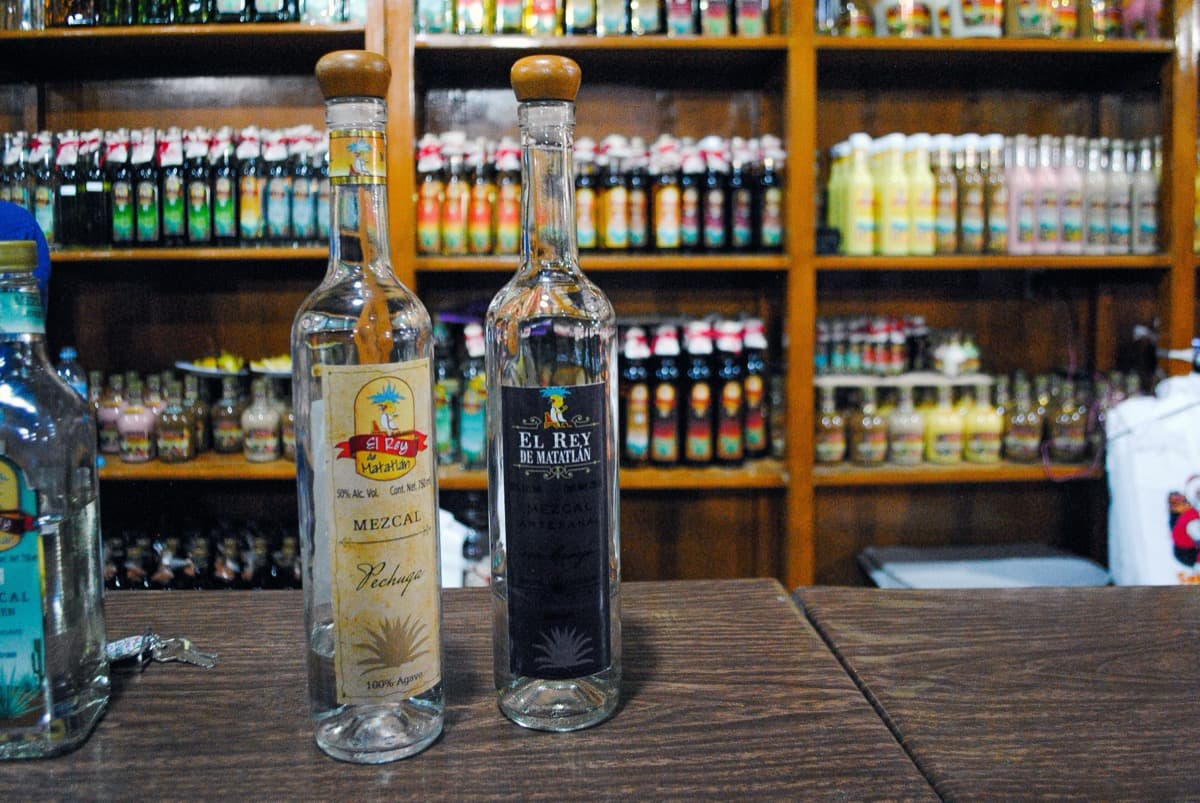
Mezcal Tasting Experience
A return to the centro for mezcal — the ancestral spirit of Oaxaca, made from roasted agave hearts in a tradition stretching back centuries.
Details
Best Time to Visit
Visit markets early morning for the best atmosphere. Pasillo de Humo is liveliest at lunch. Street art is best photographed in soft morning or late afternoon light.
Pro Tips
- •Bring cash for market purchases — most vendors don't accept cards.
- •Try chapulines (grasshoppers) with lime and chile.
- •In mezcalerias, sip don't shoot — breathe out after tasting to release flavors.
Safety & Precautions
- •The Benito Juarez and 20 de Noviembre market aisles get tight and crowded. Carry your bag cross-body in front of you and keep your phone pocketed.
- •Jalatlaco and Xochimilco are safe during daytime.
- •Sun protection essential.
- •Some market food stalls may be intense for sensitive stomachs. Start mild.
Travel advisory: Exercise Increased Caution (Level 2).
Gallery
Related Reading
Go deeper on what you'll see, hear, and walk through.
Read the walk
The full story of Oaxaca: Markets, Mezcal & The Indigenous Continuity, in words. Prefer to listen? Play it narrated, from home or on location.
Introduction
Wood smoke. Roasting cocoa. The high sharp scent of mezcal poured into clay cups. Corn dough being pressed into tortillas on a steel plate. Strangers calling out prices, the scrape of cleaver on wood, the long murmur of bargaining.
The thesis is that Oaxaca's markets are not stores. They are continuations of Zapotec trade rituals that pre-date the Spanish by a thousand years. The mezcal you will taste at the end of this tour is brewed using techniques the Zapotec were using when Tenochtitlán, the Aztec capital, was still a swamp. The barrios you will walk through, Jalatlaco and Xochimilco, were not built. They were extended, neighbourhood by neighbourhood, by indigenous artisans who never stopped working.
The walk is eleven stops, about three point five kilometres and one hundred and fifty minutes through the historic centre of Oaxaca, Mexico, on mixed flat and gently uphill ground. The central food markets including the famous Pasillo de Humo, the Hall of Smoke, where you choose your own cut of meat and they grill it on the spot. A textile museum that anchors Oaxaca's weaving tradition. An artisan retail market. The two artist neighbourhoods rich in street art. The Spanish-built Xochimilco aqueduct that overlaid pre-Columbian water systems. A smaller local market where Oaxacans actually shop. And a guided mezcal tasting at the end where you will sample at least three regional varieties.
Markets are free to walk through. Food and mezcal purchases are at your own pace. Roughly fifteen to thirty US dollars covers tasting portions across the tour.
When you arrive at the Mercado Benito Juárez, begin with stop one.
1. Mercado Benito Juarez
Welcome to Mercado Benito Juárez, your first stop on this tour. You're standing at the entrance of Mercado Benito Juarez, named after the most important figure in Oaxacan history, and arguably all of Mexican history. Benito Juarez was born in 1806 in a tiny Zapotec village in the mountains above this valley. He was orphaned by age three, spoke only Zapotec until he was twelve, and walked barefoot to this city as a boy to get an education. He went on to become Mexico's first indigenous president, the leader who separated church and state, and the man Abraham Lincoln called a friend. His face is on the twenty-peso bill. And this market, in his home state, carries his name. But let's talk about what surrounds you. Mercado Juarez is Oaxaca's main market, and it is an assault on the senses in the best possible way. The first thing you'll notice is the chocolate. Oaxaca is the chocolate capital of Mexico, and stalls here grind cacao beans with sugar, almonds, and cinnamon right in front of you. The machines roar, the smell fills the air, and you can taste samples of hot chocolate made the way it's been prepared in these valleys for centuries, frothy, slightly gritty, and deeply aromatic. Then there are the chapulines, toasted grasshoppers seasoned with chile, garlic, and lime. They're crunchy, tangy, and surprisingly addictive. Chapulines have been a protein source in Oaxaca since pre-Hispanic times. They're not a novelty, they're tradition. Look for the quesillo, Oaxaca's famous string cheese, pulled and wound into balls by hand. You'll see mounds of dried chiles, pasilla oaxaqueno, chilhuacle negro, chilhuacle rojo, the holy trinity of mole ingredients. And tucked in various corners, you'll find mezcal vendors offering tastes from small-batch producers in the surrounding valleys. This market is not a tourist market. Oaxacans shop here daily. The women running these stalls, and they are almost exclusively women, represent family businesses that have occupied the same spots for decades, sometimes generations. The market was built in 1894, but the tradition of trading on this ground stretches back to the Zapotec civilization, when the nearby valley was one of the most important commercial crossroads in Mesoamerica.
2. Mercado 20 de Noviembre & Pasillo de Humo
Welcome to Mercado 20 de Noviembre and the Pasillo de Humo. Step inside Mercado 20 de Noviembre and follow your nose to the back. You're heading toward one of the most extraordinary culinary experiences in Mexico, the Pasillo de Humo, the Corridor of Smoke. You'll hear it before you see it. The sizzle of meat on open grills, the shouts of women calling out their offerings, the clatter of plates. And then the smoke hits you, thick, fragrant, wood-fired smoke that stings your eyes and makes your mouth water at the same time. The Pasillo de Humo is a narrow corridor lined on both sides with grill stalls, each one run by a woman, a cocinera, tending an open charcoal grill loaded with Oaxacan meats. Tasajo is thinly sliced, salt-dried beef grilled until crispy at the edges. Cecina is pork marinated in chile paste, smoky and tender. Chorizo here is nothing like what you know, it's fresh, crumbly, bright red with local chiles. And then there's the cecina enchilada, pounded thin and coated in a paste of dried chiles that turns almost black on the grill. The system is beautifully simple. You choose your grill stall, each cocinera will try to win your attention, and the competition is fierce but friendly. You point at the meats you want. Then you take your loaded plate to any of the vegetable and side stalls across the aisle, where you load up on grilled onions, nopales cactus, guacamole, salsas, and a stack of hand-made tortillas. Find a seat at one of the communal tables and eat. This market takes its name from November 20th, the date the Mexican Revolution began in 1910. But the food traditions here are far older than the revolution. The pre-Hispanic Zapotecs smoked and dried meats as preservation in this valley's warm climate. The grilling methods you see today, the open coals, the thin-sliced meats, the communal eating, are direct descendants of cooking practices that stretch back centuries. What makes the Pasillo de Humo extraordinary isn't just the food. It's the fact that these stalls are almost exclusively women-run family businesses. Daughters learn from mothers, who learned from grandmothers. Some of these family operations are three, four, even five generations deep. The cocinera at the grill isn't just cooking your lunch, she's performing a living tradition.
3. Museo Textil de Oaxaca
Welcome to the Museo Textil de Oaxaca. You've stepped from the chaos of the markets into something quieter and deeply contemplative. The Museo Textil de Oaxaca is a free museum, one of the best free museums in all of Mexico, housed in a restored colonial building that once served as a convent. What you'll find inside is nothing less than a survey of one of the world's great textile traditions. Oaxaca is home to sixteen distinct indigenous groups, and nearly all of them have their own weaving traditions, patterns, and techniques. The diversity is staggering. Zapotec weavers in the valley use foot-pedal looms brought by the Spanish. Mixtec weavers in the mountains use the backstrap loom, a pre-Hispanic technology where one end of the loom is tied to a tree and the other wraps around the weaver's waist. The weaver's body becomes part of the machine, controlling tension through posture and breath. It's an incredibly intimate form of making. Pay special attention to the dyes. Oaxaca is one of the last places in the world where traditional natural dyes are still in wide use. The deep, vivid red you see in many textiles comes from cochineal, a pigment made from crushing tiny insects that live on prickly pear cactus. It takes around 70,000 insects to make one pound of dye. Before synthetic dyes were invented in the 1850s, cochineal was one of the most valuable exports from the Americas, worth more per pound than gold. The Spanish guarded its secret for centuries. Blue comes from indigo, fermented in vats until it produces that distinctive rich color. Purple comes from a sea snail found on the Pacific coast, the Mixtec harvested the mucus without killing the snail, a sustainable practice that predates any modern concept of ethical production. The museum rotates its exhibitions, but you'll almost always find examples of huipiles, the traditional embroidered tunics worn by indigenous women. Each community's huipil tells a story through its patterns. An expert can identify a woman's village, marital status, and social standing from her huipil alone. There's an important conversation happening in Oaxaca right now about cultural appropriation. Major fashion brands have been caught copying indigenous designs without credit or compensation. The museum addresses this directly, advocating for indigenous intellectual property rights in textile design.
4. Mercado de Artesanias
Welcome to the Mercado de Artesanías. You've arrived at the Mercado de Artesanias, and if the food markets showed you how Oaxaca eats, this market shows you how Oaxaca creates. Every item you see here represents a village, a family, and a tradition. Let's start with the black pottery, barro negro. This distinctive, gleaming black ceramic comes almost exclusively from one village: San Bartolo Coyotepec, about twelve kilometers south of here. For centuries, the potters of Coyotepec made utilitarian grey pottery. Then, in the 1950s, a potter named Dona Rosa Real discovered that by burnishing the clay before firing and starving the kiln of oxygen during the process, she could produce this extraordinary metallic black finish. The technique was her innovation, and it transformed the village economy. Today, virtually every family in Coyotepec makes barro negro. Now look for the alebrijes, those fantastical, brightly painted wooden creatures that seem to come from a fever dream. Alebrijes originated in Mexico City with the artist Pedro Linares in the 1930s, but the Oaxacan version, carved from copal wood, comes from the villages of San Martin Tilcajete and Arrazola. Each piece is hand-carved from a single piece of wood and then painted with intricate patterns, often by a different family member than the carver. A single piece can take weeks to complete. The rugs and tapetes here often come from Teotitlan del Valle, a Zapotec village about thirty kilometers east of Oaxaca. Teotitlan has been weaving since at least 500 BC. The village supplied textiles as tribute to the Aztec empire. Today, weavers there use both traditional and contemporary designs, and many still dye their wool with natural pigments, cochineal for red, indigo for blue, pomegranate rind for gold. What makes Oaxacan crafts different from mass-produced souvenirs is this direct village connection. Each craft tradition is tied to a specific community, often a single village, where the techniques have been refined and passed down over centuries. When you buy a piece of barro negro, you're buying the invention of one woman and the livelihood of her village.
5. Barrio de Jalatlaco & Church of San Matias
Welcome to the Barrio de Jalatlaco. You've crossed from the centro historico into a different world. Welcome to Jalatlaco, one of the oldest and most charming barrios in Oaxaca, and a place that has undergone one of the most remarkable transformations in the city's recent…
Full narration for this stop unlocks with the tour.
6. Jalatlaco Street Art Corridor
Welcome to the Jalatlaco street art corridor. Look around you. The walls of Jalatlaco are alive with art, building-scale murals, stenciled figures, paste-ups, and painted doorways that transform this neighborhood into an open-air gallery. But this isn't decorative street art…
Full narration for this stop unlocks with the tour.
7. Xochimilco Aqueduct & Arches
Welcome to the Xochimilco aqueduct. You're now entering Barrio de Xochimilco through one of Oaxaca's most distinctive landmarks, the old aqueduct. These graceful stone arches stretching down the street are the remains of an 18th-century water system built by Dominican friars to…
Full narration for this stop unlocks with the tour.
8. Parroquia de Santo Tomas Xochimilco
Welcome to the Parroquia de Santo Tomás Xochimilco. Ahead of you stands the Parroquia de Santo Tomas Xochimilco, and the first thing you should notice is the scale. This is not a grand cathedral designed to awe and intimidate. This is a village church, intimate, human-scaled,…
Full narration for this stop unlocks with the tour.
9. Xochimilco Street Art & Murals
Welcome to the Xochimilco street art corridor. If the street art in Jalatlaco felt polished and photogenic, the murals in Xochimilco hit differently. This neighborhood's art is rawer, more political, and more directly connected to the struggles of the people who live here. The…
Full narration for this stop unlocks with the tour.
10. Mercado Sanchez Pascuas
Welcome to Mercado Sánchez Pascuas. You've left the tourist trail entirely. Mercado Sanchez Pascuas is a neighborhood market, the kind of place where Oaxacans from the surrounding blocks come to buy their daily groceries. You won't find souvenir stalls or English menus here.…
Full narration for this stop unlocks with the tour.
11. Mezcal Tasting Experience
Welcome to the mezcal tasting, your final stop on this tour. You've walked through markets, barrios, murals, and churches. Now it's time to sit down and taste the spirit that defines Oaxaca, mezcal. Let's start by clearing up the most common confusion. All tequila is mezcal, but…
Full narration for this stop unlocks with the tour.